A full-size animated replica of SpaceShipOne hangs out under the same roof as a Wright Flyer replica. That’s a century of flight you can cover in one afternoon.
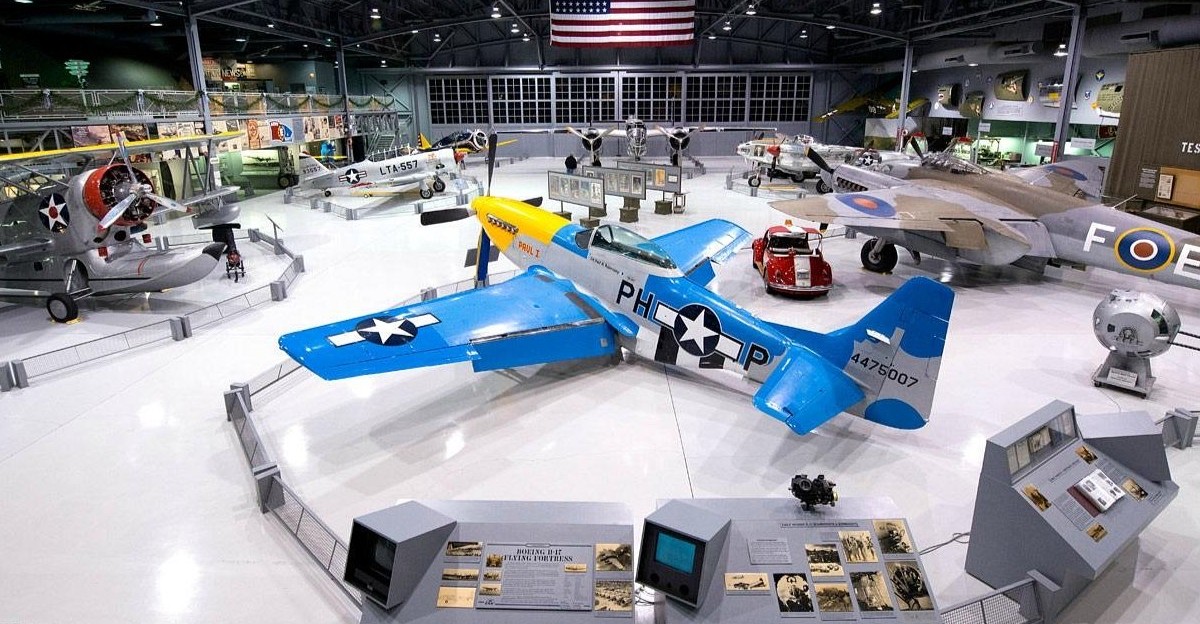
The collection tops 200 historic aircraft, plus more than 20,000 artifacts. You’ll find warbirds, racers, stunt planes, and homebuilt experimental designs.
Some of them look like someone dreamed them up in a garage, because someone probably did.
The best part might belong to the kids, though. Young pilots can climb into the cockpit of a half-scale F-22.
They can also try flight simulators and build things in a giant hands-on lab.
This place sits in Wisconsin, right beside a working airport. So how do you see it all in one visit?
Honestly, I’m not sure anyone fully does.
More Than 200 Aircraft Means You Should Clear Your Whole Afternoon
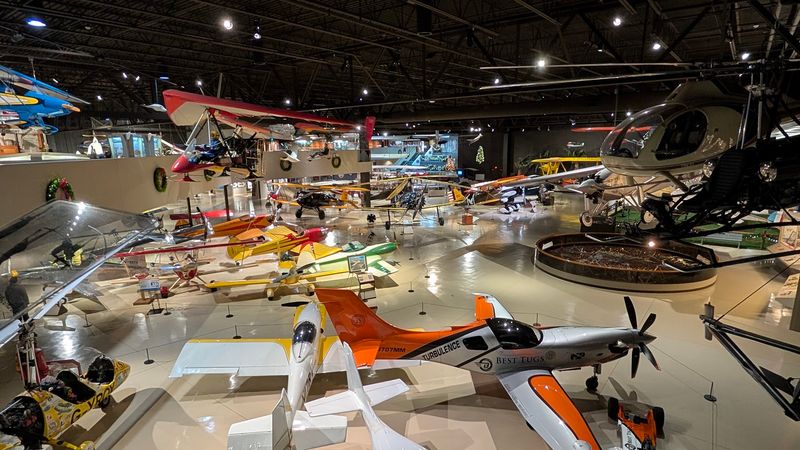
Two hundred airplanes is not a small number. The EAA Aviation Museum holds more than 200 historic aircraft, spread across indoor galleries and outdoor spaces.
Add in over 20,000 artifacts, and you’ve got a serious collection. Vintage planes, military aircraft, antiques, classics, racers, and stunt planes all share the spotlight.
Experimental and homebuilt designs get plenty of love too.
That focus makes sense once you know who runs the place. The Experimental Aircraft Association celebrates people who build and fly their own planes.
Many of the aircraft here came from big ideas and a lot of patience.
Founder Paul Poberezny first proposed a museum and education center back in August 1958. The current museum and EAA headquarters officially opened in 1983.
That’s a long runway from idea to takeoff.
So plan your day wisely. Wear comfy shoes, because the floors cover a lot of ground.
Free wheelchairs and strollers are available, and ramps and elevators reach every area.
Pace yourself and don’t rush the quirky stuff. Some of the strangest-looking planes have the most surprising stories.
Read the signs, and you’ll leave knowing far more than you expected about how people learned to fly.
Your Kid Gets The F-22 Pilot Seat, And You Get The Photo
Most museums say look but don’t touch. Over in the KidVenture Gallery, children can actually climb into the cockpit of a half-scale F-22 model.
Half-scale still feels huge when you’re eight. That sleek fighter shape makes kids grin the second they slide into the seat.
Have your camera ready, because this moment goes fast.
The gallery packs 16 hands-on exhibits designed for young visitors. Each one connects aviation’s past with where flight is heading next.
It’s learning, but nobody has to call it that.
Little ones can push, pull, test, and explore at their own speed. Bigger kids often get just as hooked.
Parents sometimes need a gentle reminder that the cockpit is for the kids.
Timing helps here. Try heading to KidVenture after seeing a few big galleries.
A burst of hands-on play keeps energy up for the rest of the visit.
Restrooms nearby are ADA compliant and include baby-changing stations in both men’s and women’s rooms. That small detail matters when you’re traveling with toddlers.
Bring patience for the line at the F-22, and maybe a snack for afterward.
Flight Simulators Let Everyone Try Taking The Controls
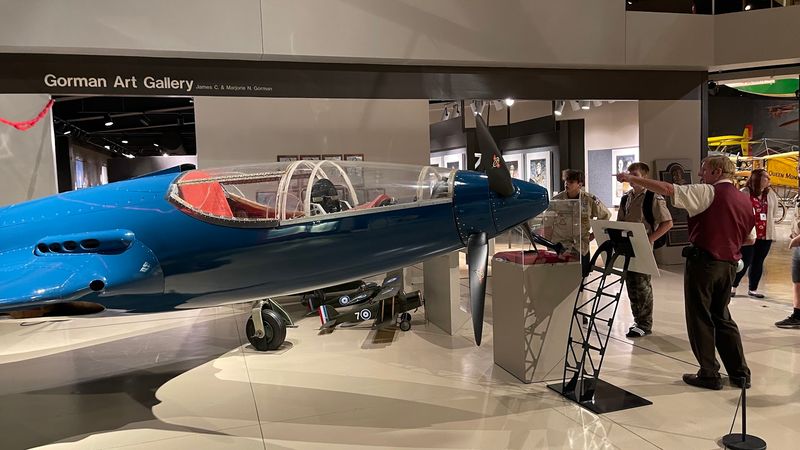
Ever wondered if you’d make a good pilot? The museum’s computer flight simulators give you a safe, ground-level way to find out.
Interactive exhibits teach the basics of how airplanes take off, turn, and land. You grip the controls, watch the screen, and try not to overcorrect.
Spoiler alert, most beginners overcorrect.
That’s part of the fun, though. Kids and adults can trade turns and compare landings.
A little friendly family competition never hurt anyone.
The Tower of Flight adds another angle. It offers a scenic overlook and interactive exhibits on how an air traffic control tower works.
Suddenly you understand why controllers stay so calm and focused.
Pair the simulators with the tower for a smart combo. One shows what pilots do in the air.
The other shows who’s guiding them from the ground.
Here’s a practical tip for groups. Let younger kids go first while patience levels are high.
Teens usually enjoy coaching them anyway.
Free Wi-Fi is available, too, so you can look up the real planes you just pretended to fly. It’s a fun way to stretch the learning past the museum doors.
A Massive Second-Floor Lab Turns Curious Kids Into Builders
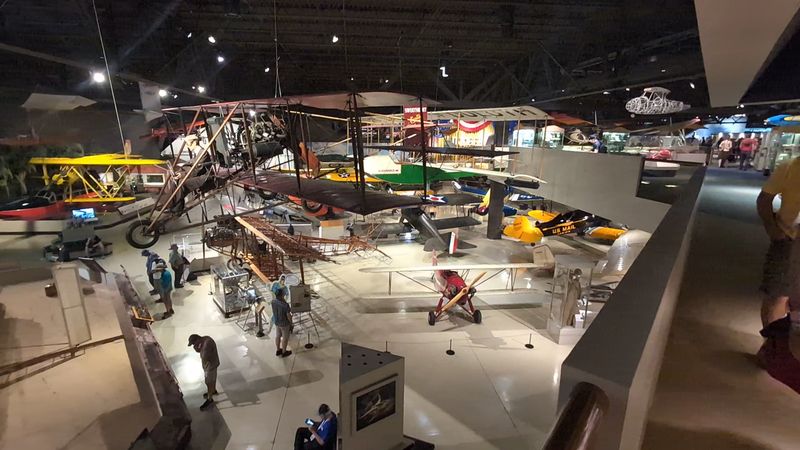
Fifteen thousand square feet of building space. That’s the size of the Youth Education Center, which opened on the museum’s second floor in July 2022.
Inside, a permanent project lab hosts facilitated aircraft builds. Maker spaces invite kids to sketch and test their own aviation-inspired ideas.
It’s like a workshop where the end goal is flight.
Exhibits cover the nuts and bolts of building planes. Kids can explore wing construction, propeller shaping, riveting, welding, circuitry, and fabric covering.
Those words sound fancy until you see them up close.
The topics don’t stop at the hangar door. Rocketry, space exploration, and flight planning get attention too.
So do weather, weight and balance, forces of flight, and propulsion.
For families in Wisconsin with a future engineer at home, this area is gold. It shows how science class actually connects to real machines.
Suddenly fractions and physics seem a lot more useful.
The museum also runs youth programs like Coding Flight School for grades K-3 and Pop Rockets for grades K-5. Story Time and scavenger hunts round things out.
Check the schedule before you go so you can match a program to your visit.
The Eagle Hangar Feels Like Walking Through History Itself
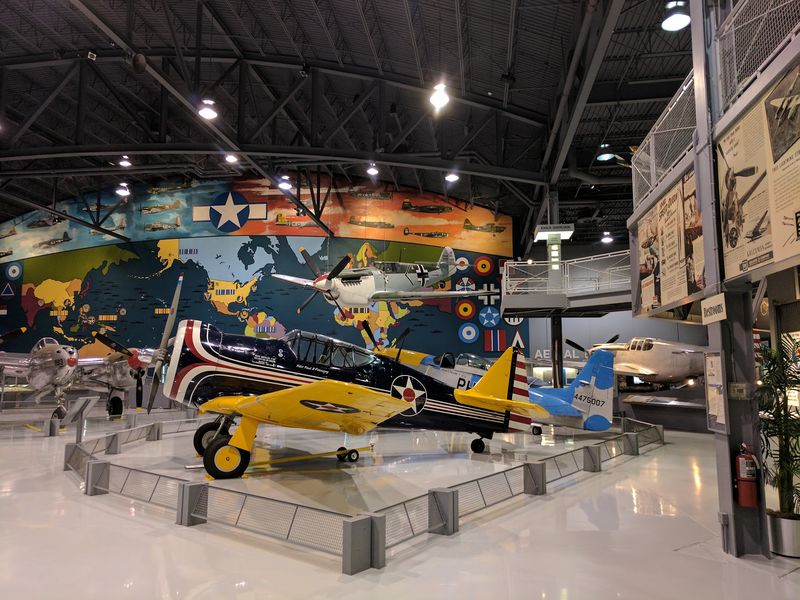
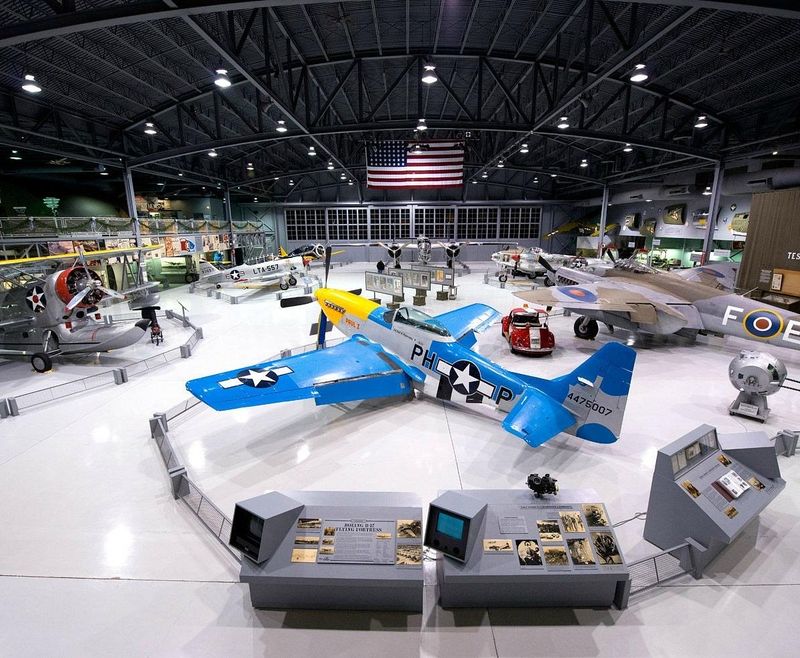
Opened in July 1989, the Eagle Hangar ranks among the museum’s biggest showpieces. It honors World War II aviation history and the people who lived it.
Aircraft from that era fill the space, joined by artifacts and personal stories. The planes are impressive, but the human details often stick with you longer.
Names, faces, and letters bring the history down to eye level.
The hangar also includes tributes to those who served in Korea and Vietnam. That broader view helps visitors see how aviation changed over several decades.
Each era gets its own respectful space.
For older kids, this gallery opens big conversations. Grandparents may have stories that connect right to what’s on display.
Let them lead, and you might learn something new about your own family.
Give yourself time here instead of breezing through. Read a few of the personal accounts carefully.
Those quieter moments often make the visit feel meaningful.
Veterans, active military members, and spouses receive discounted admission. It’s a thoughtful touch for a museum that honors service so carefully.
Bring tissues if you’re the sentimental type, because some stories really land.
From The Wright Flyer To SpaceShipOne In A Few Hundred Steps
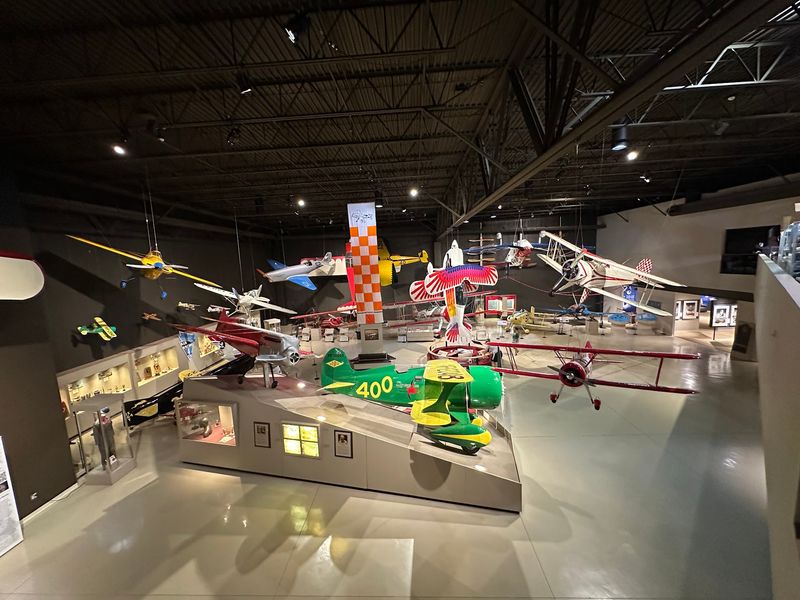
Two bicycle makers from Ohio started it all. The Pioneers of Flight gallery honors the Wright Brothers with a replica of their famous Wright Flyer.
It looks delicate, almost like a giant kite. Seeing it in person helps you appreciate how brave those first flights really were.
Wood, fabric, and wire did the heavy lifting.
Then jump ahead to the Antiques and Classics area. A replica of Charles Lindbergh’s Spirit of St. Louis waits there with other early aircraft.
Kids may be shocked at how little he could see out the front.
The Innovations Gallery pushes things much further. It celebrates record-setting airplanes and pilots.
The star might be the full-size animated replica of SpaceShipOne, the privately built spacecraft.
Walking from one gallery to the next feels like flipping through a history book. Each stop shows a bigger leap in speed, height, and imagination.
It’s a fun way to explain progress to kids.
Try a mini challenge with your crew. Ask everyone to pick a favorite from each era.
The debates can get surprisingly heated, especially once SpaceShipOne enters the conversation.
Summer Weekends Bring Real Vintage Flights At Pioneer Airport
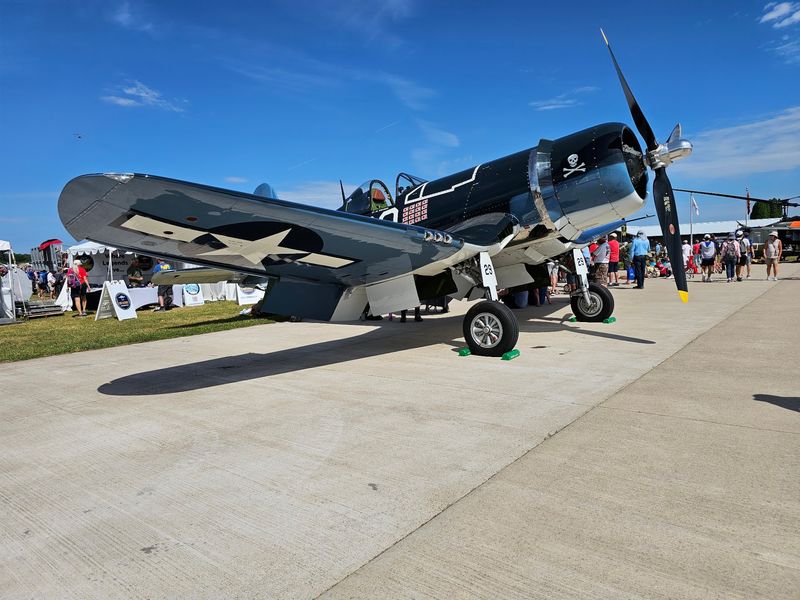
Some museum pieces actually leave the ground. Pioneer Airport, part of the museum, is a working aerodrome that re-creates aviation’s golden age.
It runs on a seasonal schedule. Weekends from the first weekend in May through the second weekend in October are your window.
From Memorial Day to Labor Day, it opens daily from 10:30 a.m. to 4:30 p.m.
During summer, visitors may be able to book flights in historic aircraft. A vintage Ford Tri-Motor airliner is one option.
A Boeing B-17 Flying Fortress occasionally offers rides too.
Even if you stay on the ground, the setting is a treat. The old-style airfield makes it easy to understand how early pilots worked.
You get a feel for flying before modern runways and jet engines.
Plan ahead if a flight is on your wish list. Schedules and aircraft can change, so check before you drive.
Showing up early in the day gives you more breathing room.
Pack sunscreen and a hat for the outdoor portion. Wisconsin summer sun can sneak up on you.
Then sit back and enjoy the hum of propellers overhead.
Rotating Exhibits Give Repeat Visitors Something Fresh
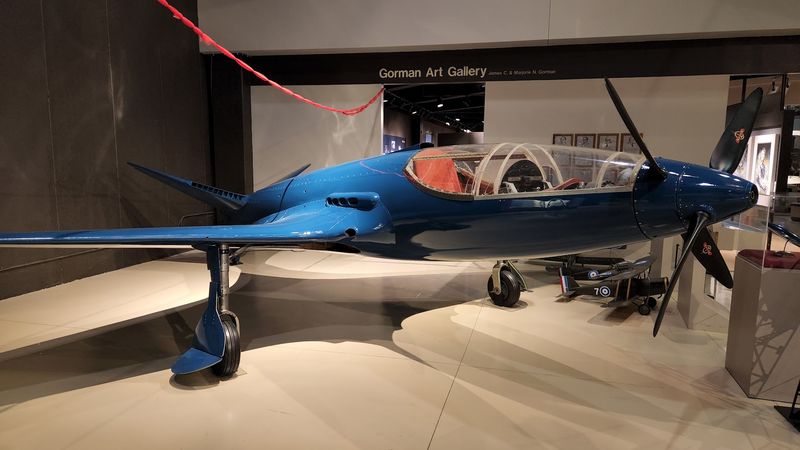
Been here before? The museum regularly swaps in special exhibits, so a second trip can feel brand new.
Past and current features show the range. Canvas of the Skies spotlights aviation art.
WASP: Women Flyers of WWII tells the story of pioneering female pilots.
Others zoom in on specific aircraft. Corsair: Korean War Heroism and Huey: The Workhorse of Vietnam give famous machines their own stage.
The Huey helicopter alone is a great conversation starter.
Space fans get a treat too. Collections of artifacts from astronauts Joe Engle and Frank Borman have been featured.
Seeing real gear from space missions makes the stars feel a bit closer.
The WASP story is a favorite pick for young readers. It shows girls and boys alike that flying has always welcomed bold dreamers.
That message sticks.
Since exhibits rotate, check what’s showing before your visit. You can build your day around something that matches your family’s interests.
Art lovers, history buffs, and space nerds can all find a reason to come back.
Four movie theaters on site add even more to explore.
Plan Smart, Then Grab A Souvenir On The Way Out
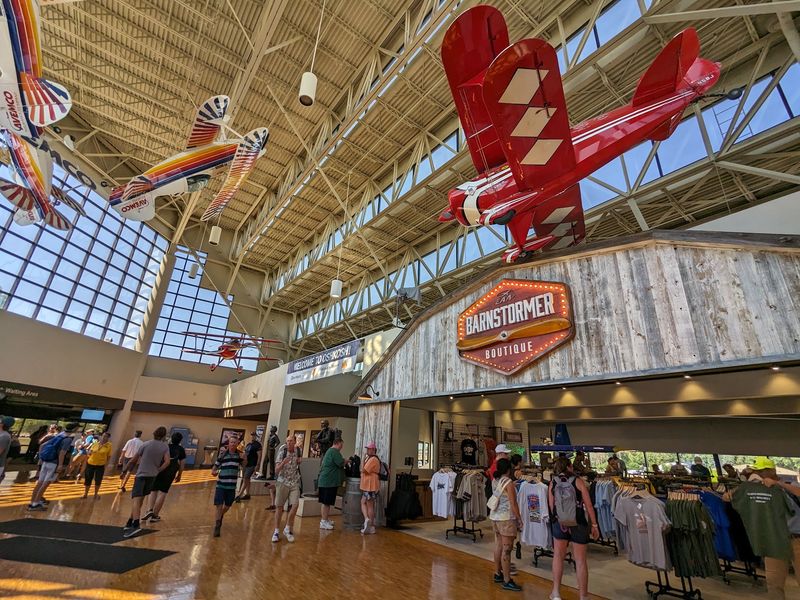
Getting there is the easy part. The EAA Aviation Museum sits at 3000 Poberezny Rd, Oshkosh, WI 54902, right next to Wittman Regional Airport.
Hours run from 10 a.m. to 5 p.m. every day of the week. The museum closes on New Year’s Day, Easter Sunday, Thanksgiving, Christmas Eve, and Christmas Day.
Children five and under get in free. Youth, seniors, and veterans receive reduced rates, and groups of ten or more get discounts.
EAA members enjoy free admission all year.
Food options stay simple. A refreshment area offers vended drinks and light snacks.
Packing a bigger lunch to eat elsewhere might be smart for hungry crews.
Save some energy for the Barnstormer Boutique. The gift shop sells books, models, toys, clothing, and aviation-themed goodies.
A small model kit can keep the excitement flying at home.
Oshkosh, Wisconsin, is famous among pilots worldwide, and this museum shows why. Give yourself at least a few hours, and don’t feel bad if you miss something.
That’s just a great excuse to come back and climb into another cockpit.