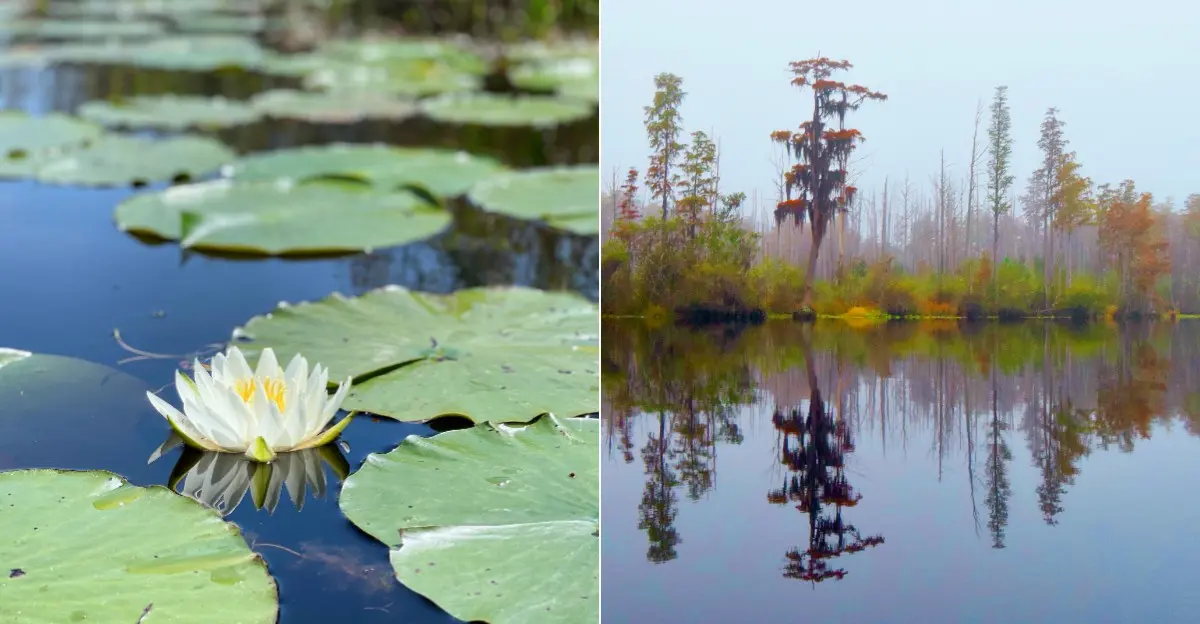
Seventeen miles of quiet road separate the town of Fargo from one of the most remote parks in all of Georgia.
There are no drive-thrus out there, no corner stores, and barely a bar of cell signal. That is exactly the point.
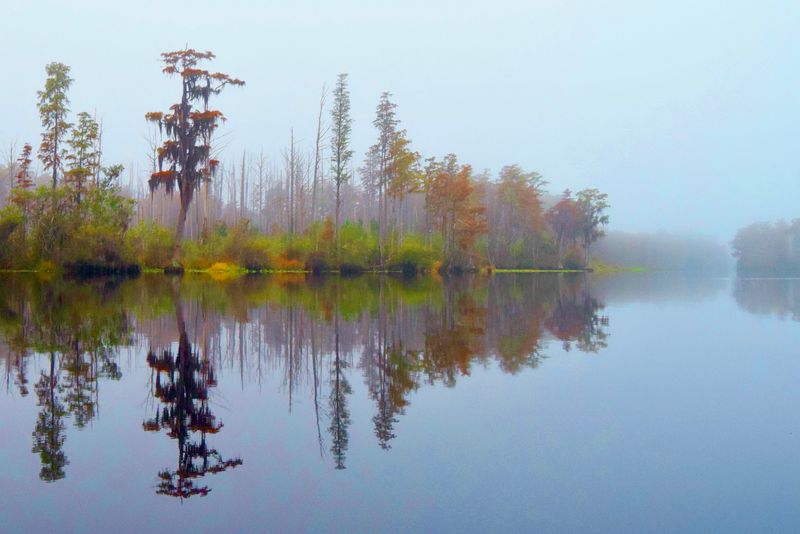
At the end of that road waits a world of black water, cypress trees, sleepy alligators, and some of the darkest night skies in the Southeast.
The trip rewards people who plan ahead, and the smartest move happens before the engine even starts: load up a cooler with snacks, drinks, and meals for the whole stay.
Keep reading to learn why that cooler matters so much, plus what to do, where to sleep, and how to catch the Milky Way once the sun goes down.
The Road to the Swamp’s Edge
Every great swamp adventure starts with a full gas tank and a little patience. The destination is Okefenokee State Park, found at 17515 GA-177, Fargo, GA 31631, in southeast Georgia, United States.
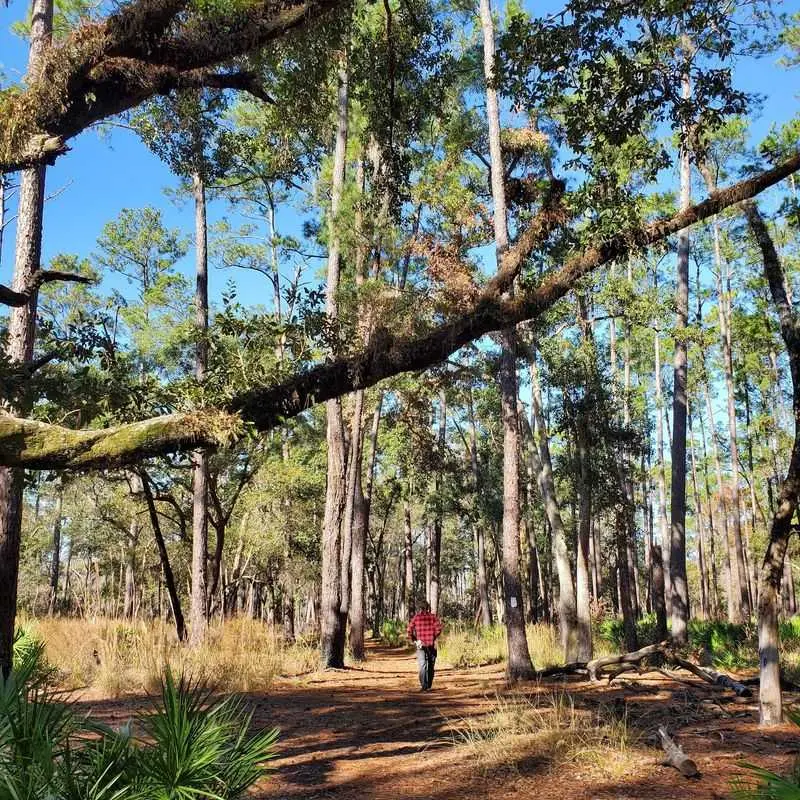
Getting there means leaving the main road behind and driving about 17 miles through pine woods. The park sits on the western side of the giant Okefenokee Swamp, inside the larger national wildlife refuge area.
That long stretch is why the cooler matters so much. Once you pass Fargo, there are no restaurants or grocery stores waiting along the way.
Forgetting snacks means a long round trip back to town.
Fill up the car in Fargo before heading out. Toss in extra water, ice, and easy meals that do not need much cooking.
The park opens at 7 AM and stays open until 10 PM every day of the week. Arriving early gives you more daylight for paddling, hiking, and spotting critters.
With supplies packed and the tank topped off, the road ahead becomes part of the fun instead of a worry.
Why the Cooler Is Your Best Friend
Here is a simple truth about this corner of Georgia: food options are almost nonexistent. The trading post near the entrance carries basic supplies, but its food and drink choices are limited.
That makes a well-stocked cooler the hero of the trip. Families who come prepared spend their time watching gators, not hunting for lunch.
Pack more water than seems necessary. South Georgia gets hot and humid, especially in summer, and paddling or hiking burns energy fast.
A smart cooler plan might include sandwiches, fruit, granola bars, and frozen water bottles that double as ice packs. Bring a second small cooler for drinks so the food one stays closed and cold longer.
Campers staying several nights should also pack groceries for each meal. The nearest real store is back in Fargo, a 17-mile drive each way.
Do not forget the extras either. Paper towels, trash bags, and even spare toilet paper can save the day.
A little planning at home turns a long weekend out here into a relaxed and well-fed getaway.
Paddle Into the Black Water
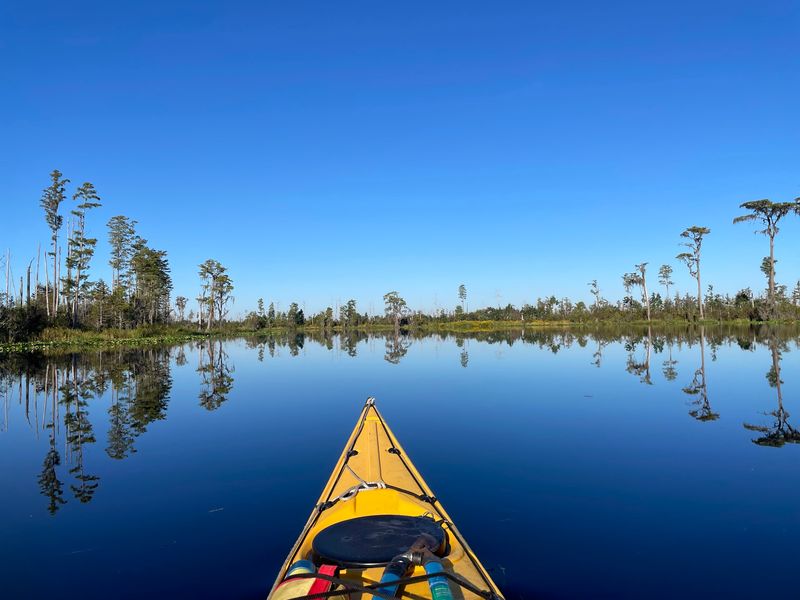
Kayaks, canoes, and john boats are waiting to carry you deep into the swamp. Rentals are available right at the park, and the prices are often called a great value for families.
Marked trails guide paddlers through the canals, so getting lost is less of a worry. Signs along the way help you track your route.
One popular goal is Billy’s Island. Paddlers can tie up there and take a walk around this historic spot in the middle of the swamp.
Motorized john boats let groups cover more ground in a few hours. Keep in mind that the seats sit low, and steering requires a slight twist, so take short breaks.
Pack your cooler into the boat with water and snacks. A four-hour paddle goes by quickly, and there are no snack stands floating out there.
Do not forget sunscreen, a hat, and bug spray. With the right gear, a day on the water becomes the highlight of the whole visit.
Stars Without the City Glow
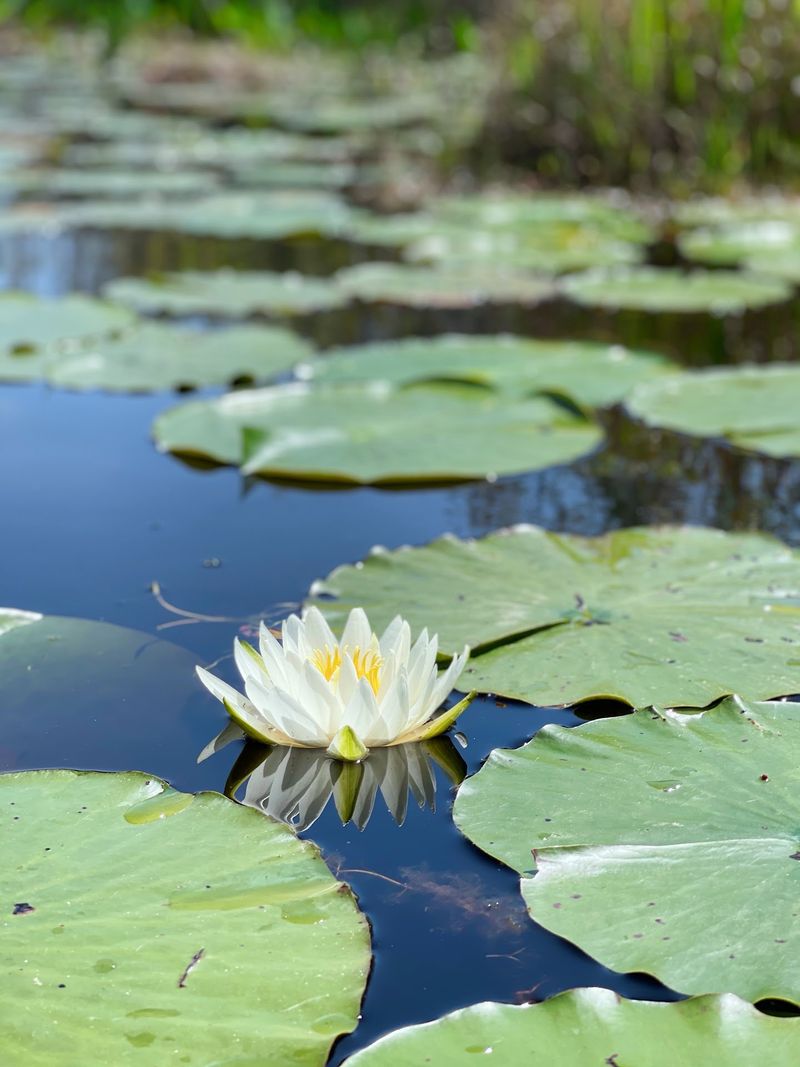
When the sun sets, a second show begins overhead. The park is famous for its dark skies, thanks to its remote spot far from city lights.
On clear nights, the Milky Way stretches across the sky. Many guests see it for the very first time right here.
Timing matters a lot for stargazing. A bright moon can wash out the fainter stars, so check a moon calendar before you book.
The best nights usually fall close to a new moon. Clear weather also helps, so keep an eye on the forecast too.
Bring a blanket or folding chairs, plus a red flashlight to protect your night vision. Telescopes and binoculars add even more detail.
Pack warm drinks or late-night snacks in your cooler. Stargazing sessions can stretch for hours once the sky opens up.
Do not be discouraged by one cloudy night. Plenty of people return for a second try, and when the sky finally clears, that patience pays off in a huge way.
Campsites With Plenty of Elbow Room
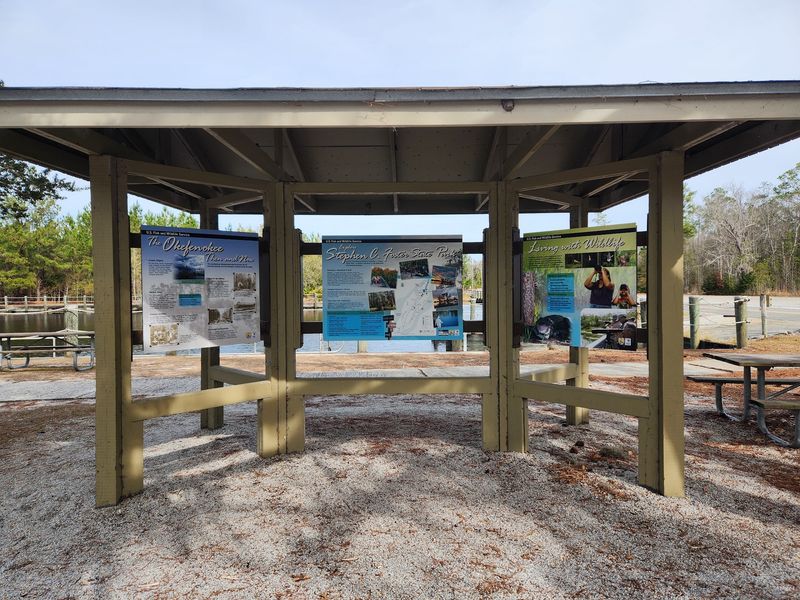
After Hurricane Helene, the campground got a major makeover. Today, many sites feel nearly brand new.
RV pads are level and covered in packed gravel. Many offer full hookups, while others provide water and power.
Sites are large and well spaced, giving campers privacy. Big pull-through spots make parking a motorhome much easier.
Tent campers have room too, along with a pioneer camping area for groups. Bathhouses are clean and modern, with roomy private showers.
Prefer a roof over your head? Cabins and cottages are also available, and new cottages have been under construction.
Accessibility gets real attention here. An ADA site includes paved space, an adapted picnic table, and a spot right next to the comfort station.
Fire rules can change during drought conditions, so check before planning campfire meals. Pack a camp stove and a cooler full of ready-to-eat food as a backup.
With a comfy campsite and full supplies, settling in for a few nights feels easy.
Deer, Owls, and Surprise Guests
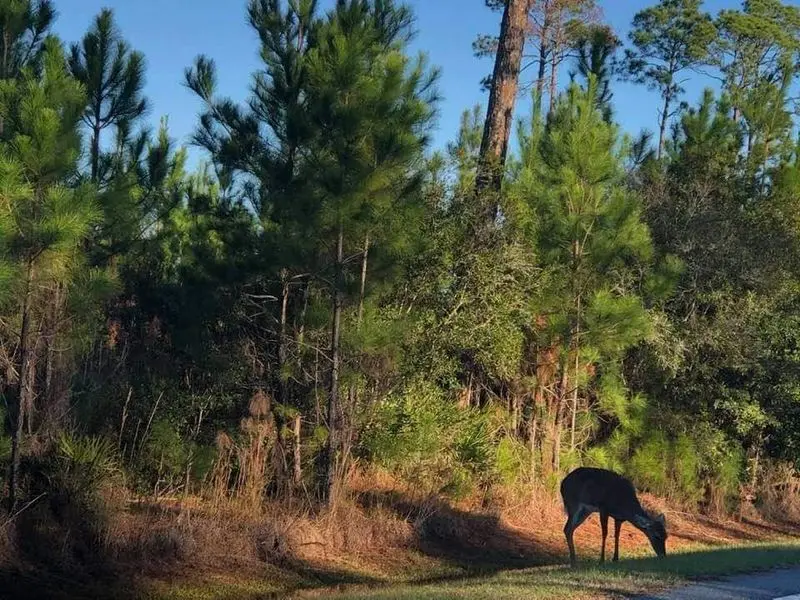
Gators may get the headlines, but plenty of other animals share the spotlight. White-tailed deer wander through the campground and often pause for photos.
Small herds are a common sight, especially in the morning and evening. They seem quite used to people.
Owls call out after dark, adding to the nighttime fun. Hawks, wild turkeys, and many other birds also live around the park.
Snakes appear now and then, so watch your step on trails. Give them space, and they will usually move along.
Here is a fun bit of trivia: this is black bear country. Sightings are rare, but storing food properly is still a must.
Keep your cooler closed and stored inside your car or camper at night. Never leave snacks out on the picnic table.
A pair of binoculars and a simple field guide make wildlife watching even better. Kids especially love keeping a list of every creature they spot during the trip.
Trails, Boardwalks, and Swamp History
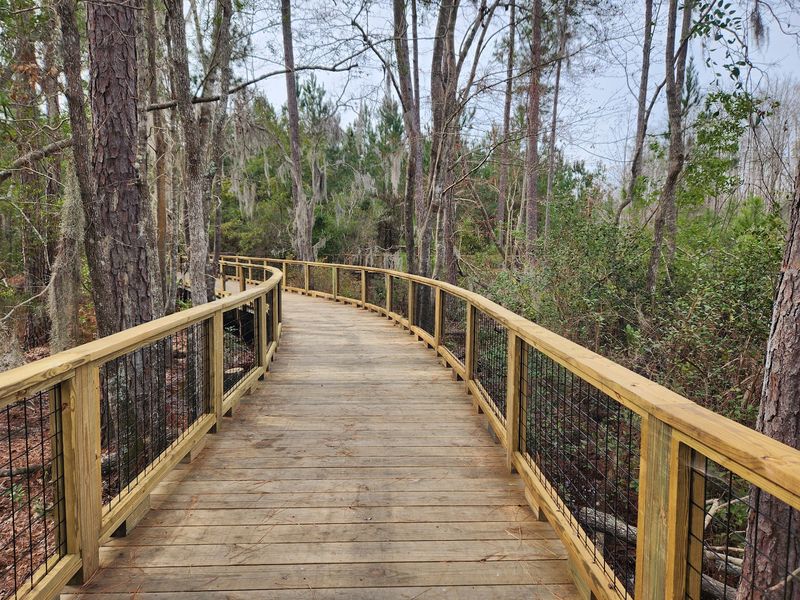
Much of the land around the campground looks more like pine forest and palm scrub than swamp. To see the classic cypress scenery, head for the boardwalk.
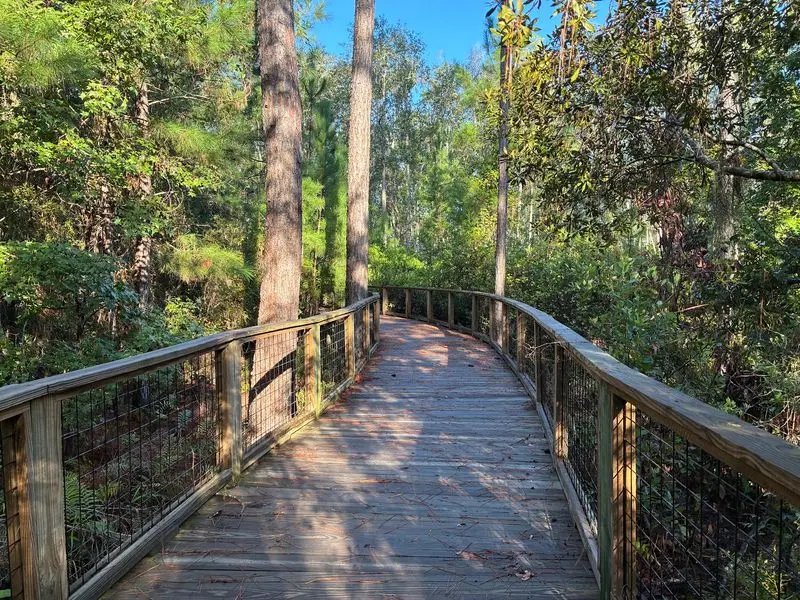
Boardwalk trails lead into the wetland, where the landscape shifts into the dark water many people expect. Nature trails also wind through the park for easy walks.
Repairs sometimes close the boardwalk or boat basin. Checking the park website before your visit helps you avoid surprises.
History fans have plenty to explore too. A small museum and video share the story of the swamp and its wildlife.
Many cypress trees here were logged long ago. Learning about that past helps explain why some views look the way they do today.
Flat park roads are great for bicycles. Biking is a fun way to get around the campground and nearby areas.
Wear comfortable shoes and bring a water bottle on every walk. A short hike can easily stretch longer once curiosity kicks in.
Unplug and Prepare Like a Pro
Cell service out here is close to zero. Some carriers get a weak signal, while others get nothing at all.
The trading post offers public WiFi, which helps for quick check-ins. Stronger signals return near Fargo, about 17 miles away.
Many guests see this as a bonus. Without phones buzzing, families talk more and enjoy the outdoors together.
Download maps and important info before leaving home. Tell someone your plans and expected return time.
Bugs are part of swamp life. Mosquitoes, deer flies, and large horse flies can bite through thin shirts, so bring strong repellent.
Cooler months often mean fewer bugs and easier planning. Winter visits are a favorite for this reason.
The friendly staff at the trading post can answer questions and suggest activities. Stop by when you arrive to learn about current conditions.
So pack that cooler, charge the camera, and leave the stress behind. The swamp is waiting, and those who come ready leave with stories worth telling for years.