Georgia doesn’t ask you to slow down—it pulls you into it.
Spring arrives like a quiet surprise, and suddenly the world feels softer. Waterfalls hit their stride, forests shake off winter, and wildflowers start spilling across trails and hillsides.
It’s the kind of season that makes you want to leave the noise behind without even thinking twice.
From misty mountain overlooks to coastal marshes where time feels stretched thin, peaceful corners are everywhere if you know where to look.
These 13 Georgia getaways are made for slow walks, still mornings, and those rare moments when everything finally feels calm again.
Cloudland Canyon State Park
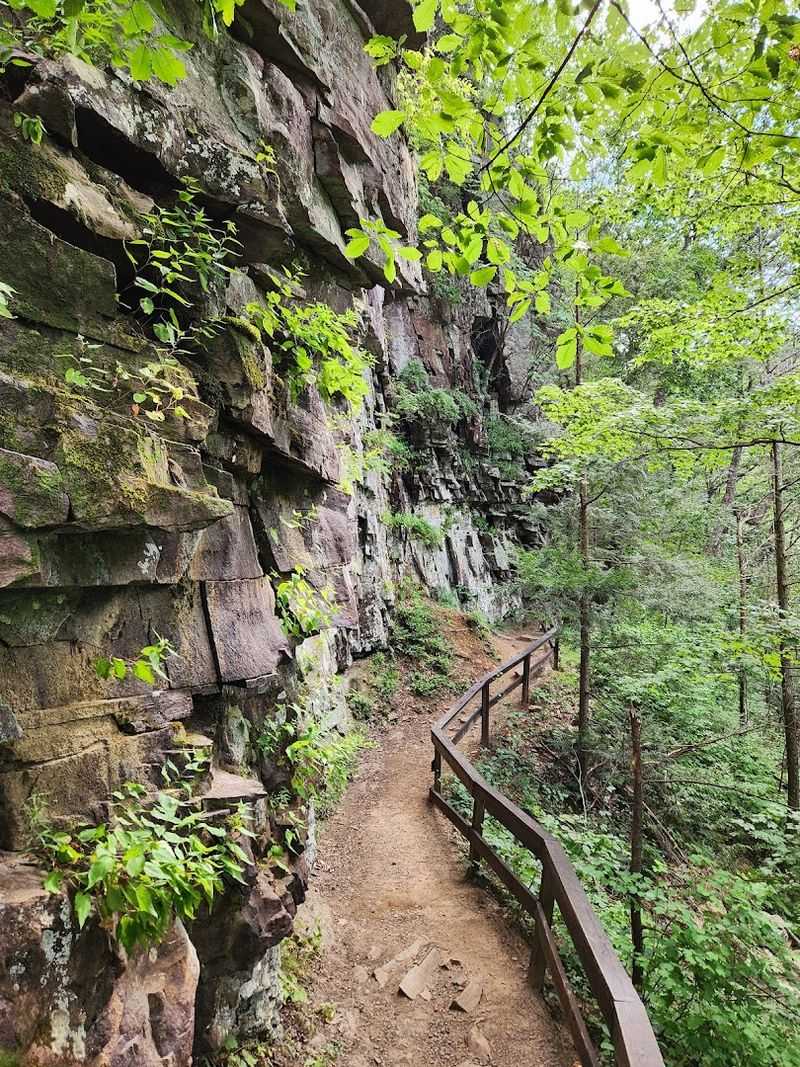
Sitting high on Lookout Mountain, this park greets visitors with canyons so deep they seem to swallow the forest whole. Sandstone cliffs rise dramatically around you, while waterfalls thunder louder than usual thanks to spring rains filling every creek and stream.
The sound alone makes the place feel alive and refreshing.
Weekends bring crowds, but that’s where smart planning helps. Venture past the main overlooks and onto lesser-traveled trails where you’ll find solitude among towering trees and moss-covered rocks.
Early morning hikes reward you with misty views and birdsong instead of chatter.
Trail difficulty ranges from easy rim walks to challenging descents into the canyon floor. Pack snacks and water because once you’re down there, the climb back up takes energy.
Spring weather makes every step enjoyable though, with cool breezes and wildflowers dotting the path.
This place proves that popular doesn’t have to mean crowded if you know where to wander.
Cumberland Island National Seashore
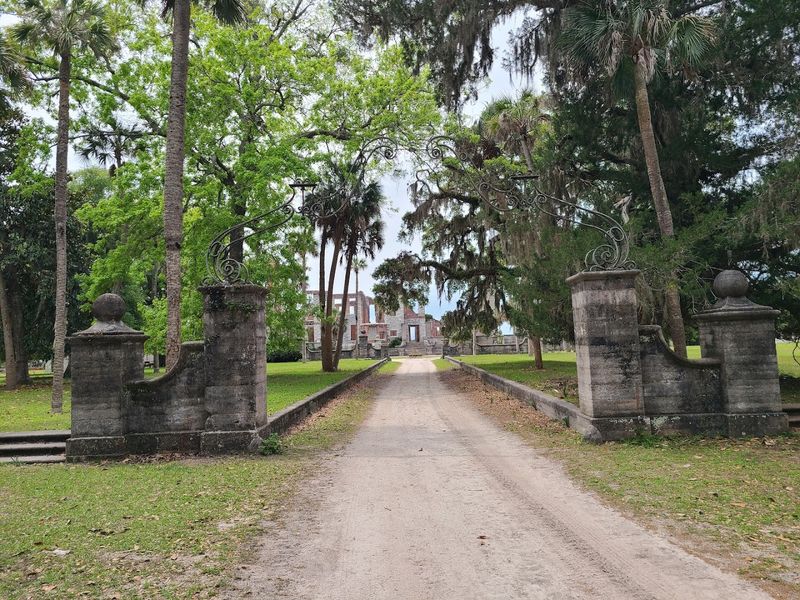
Getting here requires a ferry ride, which immediately sets this island apart from typical beach trips. As the boat pulls away from the mainland, you leave behind noise and hurry, trading them for salt air and possibility.
Wild horses greet you on arrival, wandering freely across beaches that stretch endlessly in both directions.
No hotels or restaurants clutter the shoreline here. Instead, maritime forests grow thick behind the dunes, offering shaded paths where Spanish moss hangs like curtains.
Spring brings perfect walking weather—not too hot, not too cold—ideal for covering miles of sand without breaking a sweat.
The island’s size means you can walk for hours without seeing another soul. Shells, driftwood, and horse tracks mark the sand instead of footprints and beach umbrellas.
Bring everything you need because conveniences don’t exist here.
That isolation is exactly what makes Cumberland Island magical. Nature sets the schedule, not you.
Tallulah Gorge State Park
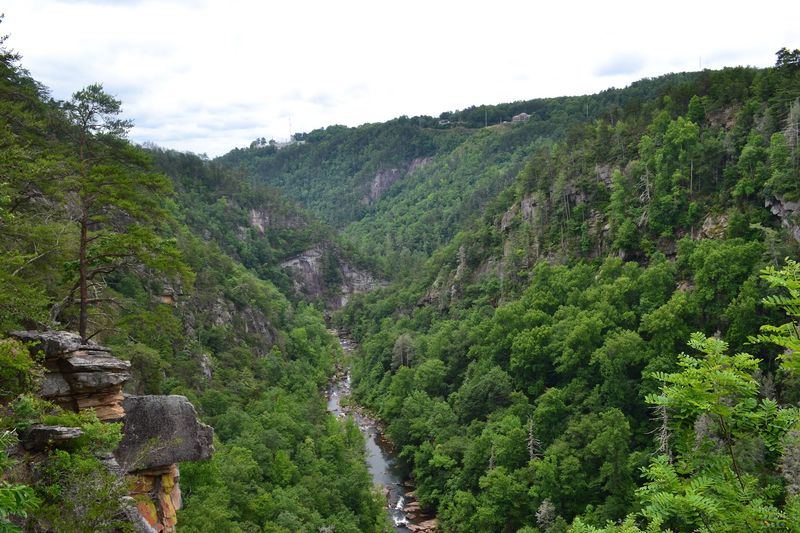
Few sights in Georgia match the drama of standing at the rim and peering into this massive gorge carved by an ancient river. The Tallulah River still rushes below, fed by spring runoff that turns waterfalls into roaring spectacles.
Rock walls tower overhead while birds circle in the thermal currents rising from the canyon floor.
A suspension bridge spans the chasm, offering views that make your stomach flip while your eyes stay glued to the scenery. Despite this thrill, most of the park maintains a peaceful hiking atmosphere once you move beyond the main overlook.
Trails wind through forests where you can hear the falls long before seeing them.
During peak seasons, certain trails require permits to control crowd sizes. Planning ahead ensures you get access to the best routes.
Spring light filters through new leaves, painting everything in soft greens and golds.
This combination of excitement and tranquility makes Tallulah unique among Georgia’s natural areas.
Okefenokee National Wildlife Refuge
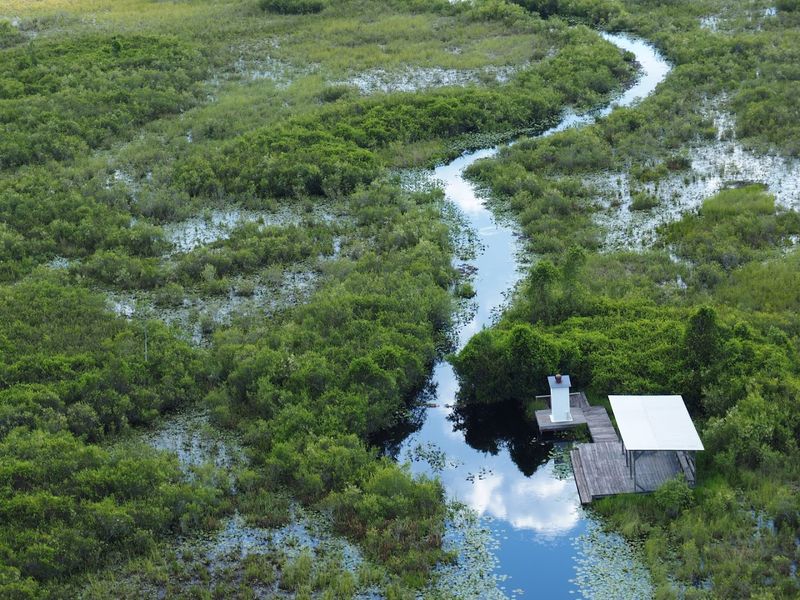
Paddling through blackwater channels feels like entering another world entirely. Cypress trees rise from the water, their knobby knees creating miniature islands where turtles bask.
Spring mornings bring mist that hovers just above the surface, muffling sounds and making everything feel dreamlike and mysterious.
This swamp represents one of North America’s largest intact freshwater ecosystems. That means wildlife thrives here—alligators, wading birds, otters, and countless species most people never see.
Quiet paddlers witness the most, as stillness invites animals to continue their routines undisturbed.
Paddle trails wind for miles through channels that all look similar until you learn to read the subtle differences. Bring a map or GPS because getting turned around happens easily.
The reward for navigation challenges is solitude and stunning natural beauty.
Spring temperatures make paddling comfortable without the summer heat that can exhaust even experienced kayakers. The Okefenokee asks for patience and rewards it generously with unforgettable peaceful moments.
Providence Canyon State Park
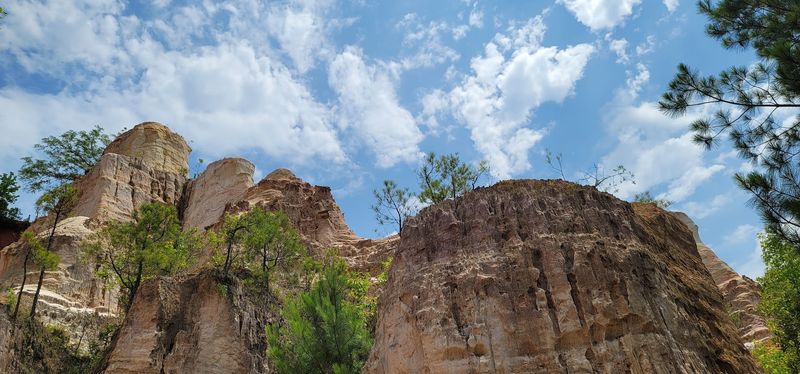
Nicknamed Georgia’s Little Grand Canyon, this place surprises first-time visitors who expect something small. Deep gullies carved by erosion reveal layers of soil in colors ranging from pale pink to deep orange to cream.
Spring light makes these colors practically glow, especially in late afternoon when shadows deepen the contrasts.
The park itself is relatively compact, making it easy to explore in a few hours. However, early morning visits offer the most peaceful experience before day-trippers arrive.
Trails descend into the canyon floor where you can walk between towering walls of exposed earth.
Geologists find this place fascinating because the canyons formed relatively recently due to poor farming practices in the 1800s. What began as erosion problems became a stunning landscape that teaches environmental lessons while providing beauty.
Photographers love the unique backdrop for spring wildflowers that grow along the rim.
Wear sturdy shoes because trails can be slippery after rain, and bring water since Georgia springs can be warmer than expected.
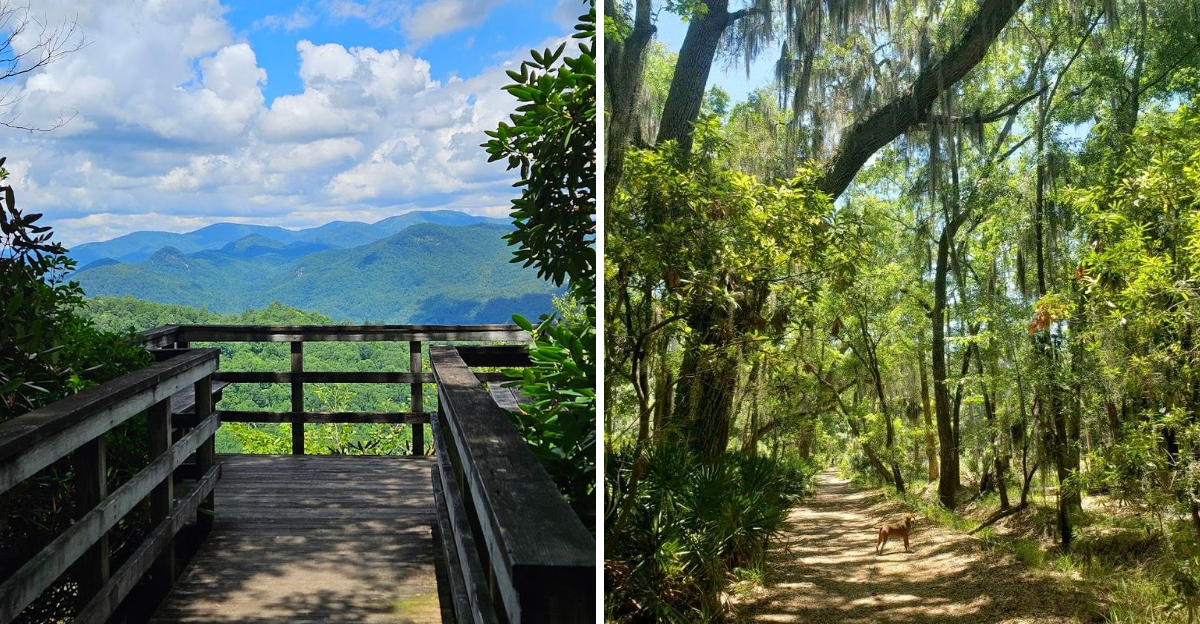
Black Rock Mountain State Park
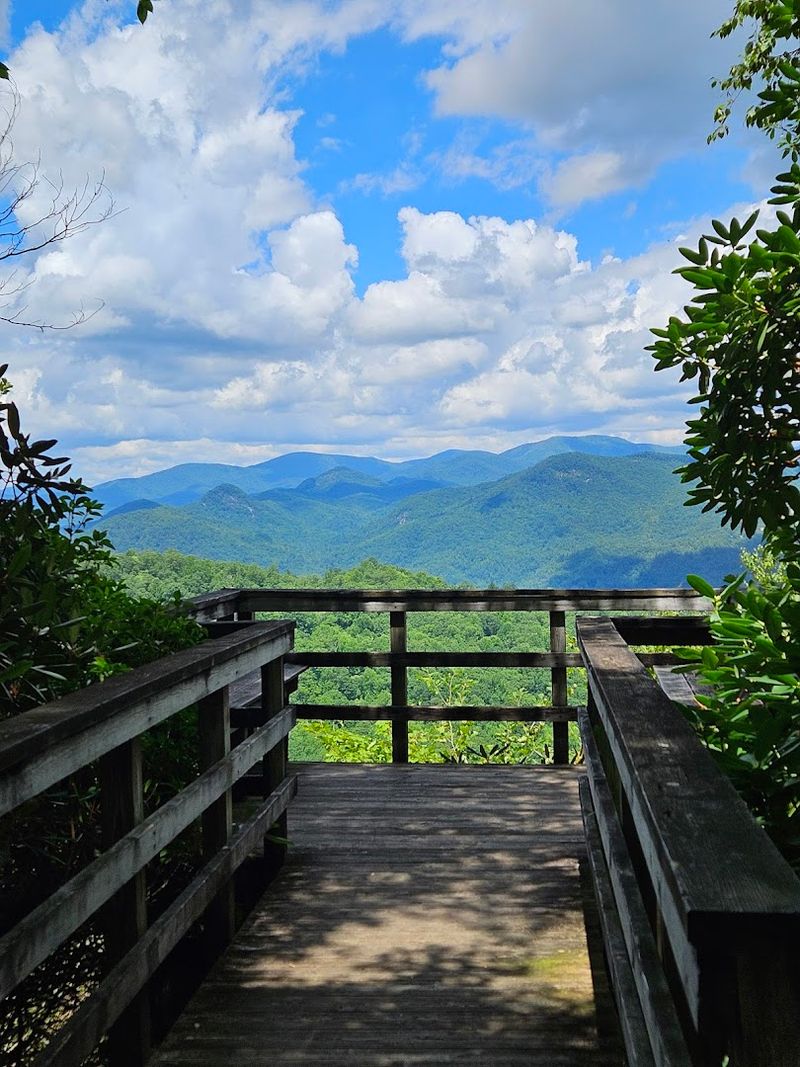
Standing at Georgia’s highest state park elevation changes everything about your outdoor experience. Cool mountain air greets you even as spring warms the valleys below.
Sweeping overlooks reveal layer after layer of Blue Ridge peaks fading into blue-gray distance, often framed by light morning fog that burns off slowly.
Rhododendron bushes line many trails, creating natural tunnels of green that burst into bloom later in spring. The elevation means wildflowers and new leaves appear later here than in lower Georgia, extending spring’s fresh beauty.
Trails range from easy loops to more challenging climbs that reward effort with even better views.
The park’s relative remoteness keeps crowds manageable even on nice weekends. Cabins offer overnight options for those wanting to catch sunrise from the overlooks without rushing.
Pack layers because mountain weather changes quickly, and mornings can be genuinely chilly.
This park delivers the kind of mountain peace that makes you understand why people seek high places for clarity and calm.
Jekyll Island
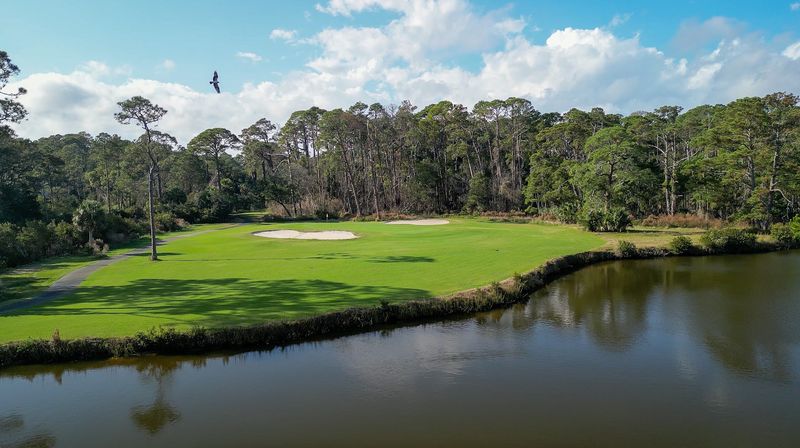
Unlike many barrier islands that cater to party crowds, Jekyll Island maintains an intentionally relaxed atmosphere. Protected beaches stretch for miles, backed by maritime forests where massive oaks drape themselves in Spanish moss.
Biking paths wind through the entire island, offering car-free exploration that feels both safe and peaceful.
Spring weekdays deliver the best experience, with warm sunshine but fewer visitors than summer brings. Beach walks can last hours without encountering crowds, and shelling remains productive since fewer people compete for finds.
The island’s slower pace comes partly from regulations limiting development and preserving natural areas.
History buffs appreciate the old Millionaire’s Village where America’s wealthiest families once wintered. Those historic cottages now offer tours that break up beach time nicely.
Bike rentals are cheap and plentiful, making it easy to cover the entire island without driving.
Jekyll proves that coastal getaways don’t require sacrificing peace for ocean access. Spring temperatures make every outdoor activity more enjoyable here.
Amicalola Falls State Park
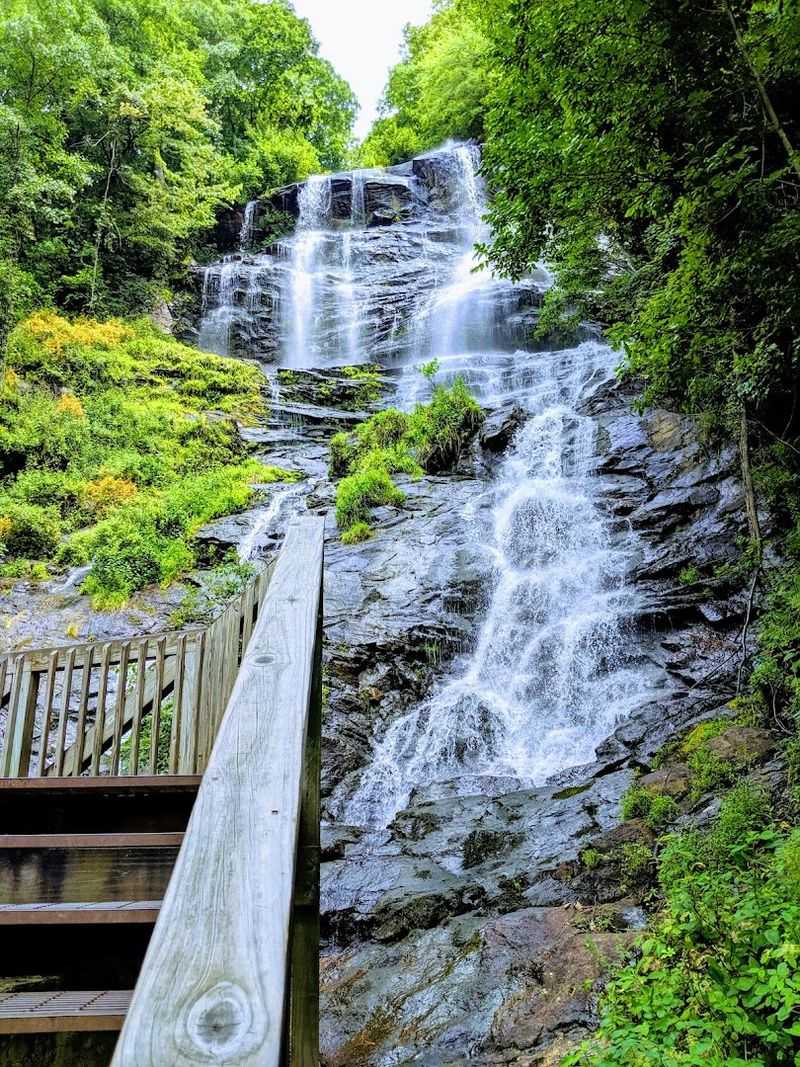
Georgia’s tallest waterfall commands attention from the moment you arrive. Water drops 729 feet in multiple cascades that roar louder during spring when snowmelt and rain feed the falls.
Viewing platforms at different levels let you experience the waterfall from various perspectives, each impressive in its own way.
This park also marks the approach trail to the Appalachian Trail’s southern terminus. Hikers preparing for the famous long-distance trail often stop here first, giving the place an adventurous atmosphere.
Well-maintained trails cater to all skill levels though, from easy paved paths to steep climbs that test your endurance.
Spring makes the falls especially powerful and photogenic. Mist rises from where water hits rocks below, creating rainbows on sunny afternoons.
The surrounding forest bursts with new growth, and wildflowers dot the trail edges.
A visitor center and lodge provide amenities without overwhelming the natural setting. Pack a picnic and plan to spend several hours exploring different trails and viewpoints around the waterfall area.
Harris Neck National Wildlife Refuge
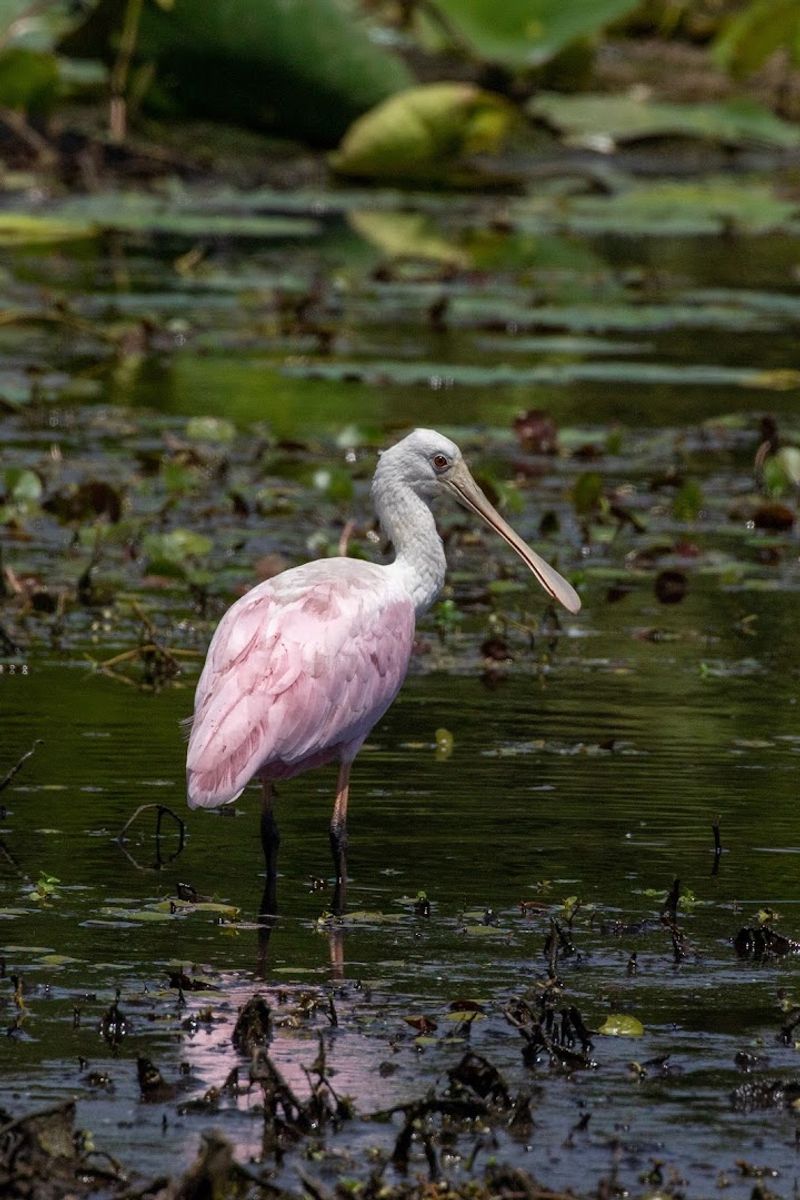
Birdwatchers consider this coastal refuge a hidden gem, though calling it hidden seems unfair to those who know its value. Wading birds—herons, egrets, ibis—gather in impressive numbers here, especially during spring migration.
Alligators sun themselves on banks while smaller creatures scurry through marsh grasses.
The refuge sees far less traffic than more developed coastal parks. Early mornings offer the best wildlife viewing when animals are most active and human visitors are fewest.
Drive slowly along refuge roads, stopping frequently to scan the marshes and trees for movement.
Photography opportunities abound for those patient enough to wait for perfect moments. Spring light creates beautiful conditions for capturing wildlife and landscape shots.
Bring binoculars and a bird guide to identify species you might not see elsewhere.
The quiet nature of this place amplifies every bird call and rustling leaf. That auditory peace paired with visual beauty makes Harris Neck special for anyone seeking genuine calm rather than just pretty scenery.
Chattahoochee-Oconee National Forest
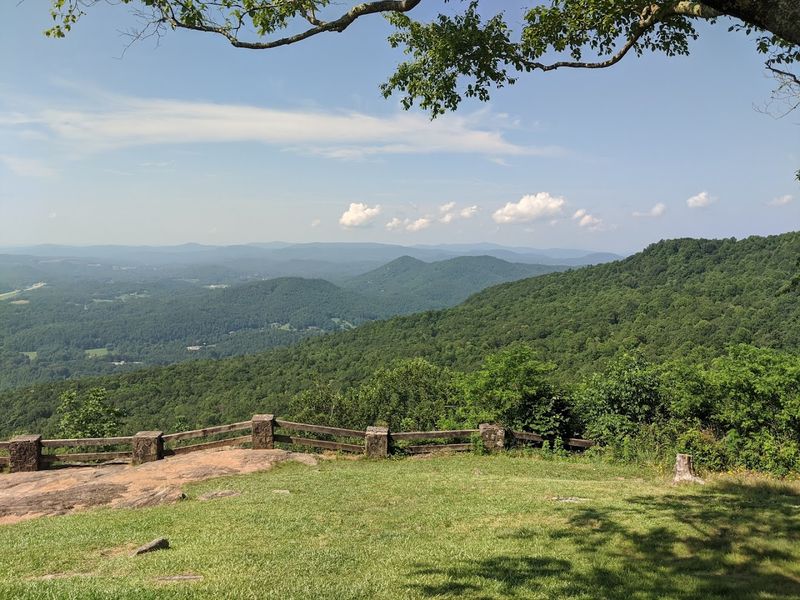
Stretching across North Georgia’s mountains, this massive forest system contains more hidden trails and secret waterfalls than most people explore in a lifetime. Mountain ridges roll endlessly, rivers carve valleys, and spring brings the forest to life with blooming rhododendrons and dogwoods.
That vastness guarantees crowd-free adventures for those willing to venture beyond parking lots.
Unlike state parks with defined boundaries and facilities, national forests encourage dispersed exploration. Find a trail map, pick a direction, and discover your own peaceful spot.
Spring transforms the forest floor into a carpet of wildflowers while overhead canopy fills with fresh leaves.
Waterfall chasing becomes addictive here, with dozens of cascades scattered throughout the mountains. Some require easy walks while others demand serious hiking skills.
The variety means everyone finds something matching their ability level.
Cell service disappears in many areas, which enhances the escape feeling. Bring paper maps, plenty of water, and respect for wilderness that doesn’t come with safety nets or conveniences of developed parks.
Sapelo Island
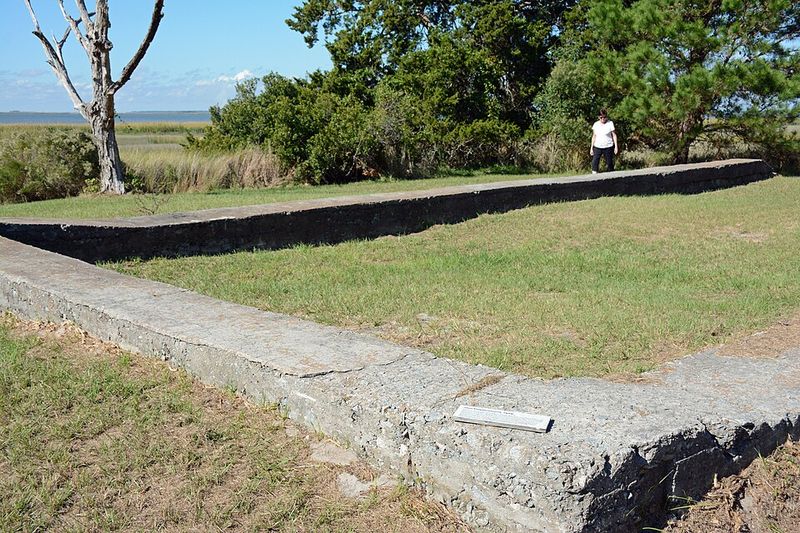
Ferry access keeps this island authentically quiet and preserved. Only residents and limited numbers of visitors make the crossing, ensuring beaches and marshlands maintain their wild character.
Wild shorelines stretch uninterrupted, backed by marshes that shift colors with tides and seasons.
Sapelo’s significance extends beyond natural beauty into deep Gullah-Geechee cultural history. The Hog Hammock community preserves traditions and stories passed down through generations.
Respectful visitors learn about this heritage while exploring the island’s physical landscape.
Spring brings comfortable temperatures for beach walking and marsh exploration without summer’s humidity and insects. Guided tours provide context and access to areas requiring permission.
Independent exploration is limited, which actually enhances the peaceful atmosphere by preventing overcrowding.
Protected status means development will never transform Sapelo into a resort island. That permanence gives the place a timeless quality.
What you see today resembles what previous generations witnessed, creating connections across time that most coastal destinations have lost to progress and profit.
Sweetwater Creek State Park
Just outside Atlanta’s sprawl sits a park that surprises urban escapees with genuine wilderness character. Sweetwater Creek rushes over and around boulders, creating pools and rapids that sound remarkably wild for being so close to the city.
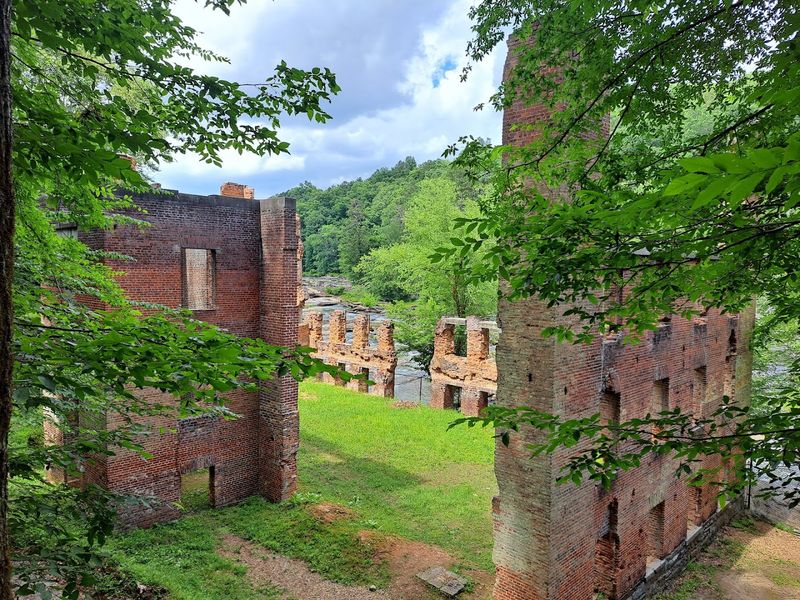
Forested trails wind along the creek, leading to ruins of the New Manchester mill burned during the Civil War.
Those ruins add historical intrigue to natural beauty. Stone walls stand against time and weather, slowly being reclaimed by vines and trees.
The combination of flowing water, forest shade, and historical remnants creates a uniquely peaceful atmosphere.
Weekday mornings transform this park from popular to nearly empty. Arrive early and you might have entire trail sections to yourself despite the proximity to millions of people.
Spring brings new leaves that soften harsh edges and wildflowers that brighten the forest floor.
The park proves you don’t need to drive hours for nature therapy. Sometimes peace waits just beyond city limits, ready to provide quick escapes between obligations and responsibilities.
Skidaway Island State Park
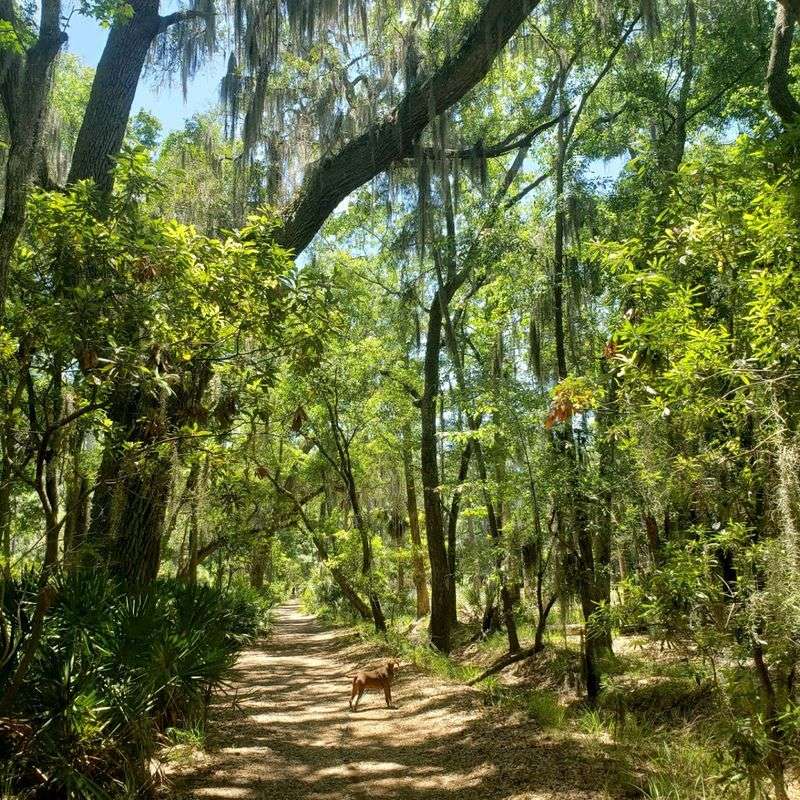
Near Savannah but worlds away in atmosphere, Skidaway Island offers boardwalk trails that float above salt marshes teeming with life. Herons stalk shallow waters while fiddler crabs wave their oversized claws from muddy banks.
Maritime forest provides shade and bird habitat, creating layers of ecosystems within a compact area.
Boardwalks mean easy walking even after rain, and elevated paths offer better wildlife viewing than ground-level trails. Spring breezes off the marsh keep things comfortable while carrying salt air and bird calls.
The pace here naturally slows as you stop to watch wildlife or identify unfamiliar plants.
This isn’t a destination for dramatic overlooks or challenging hikes. Instead, Skidaway specializes in gentle coastal beauty that calms rather than excites.
Families with young children appreciate the easy trails and frequent animal sightings.
The park’s proximity to Savannah makes it perfect for splitting days between city exploration and nature recharge. Spring weather in coastal Georgia can be absolutely ideal, making every outdoor moment feel like a gift.