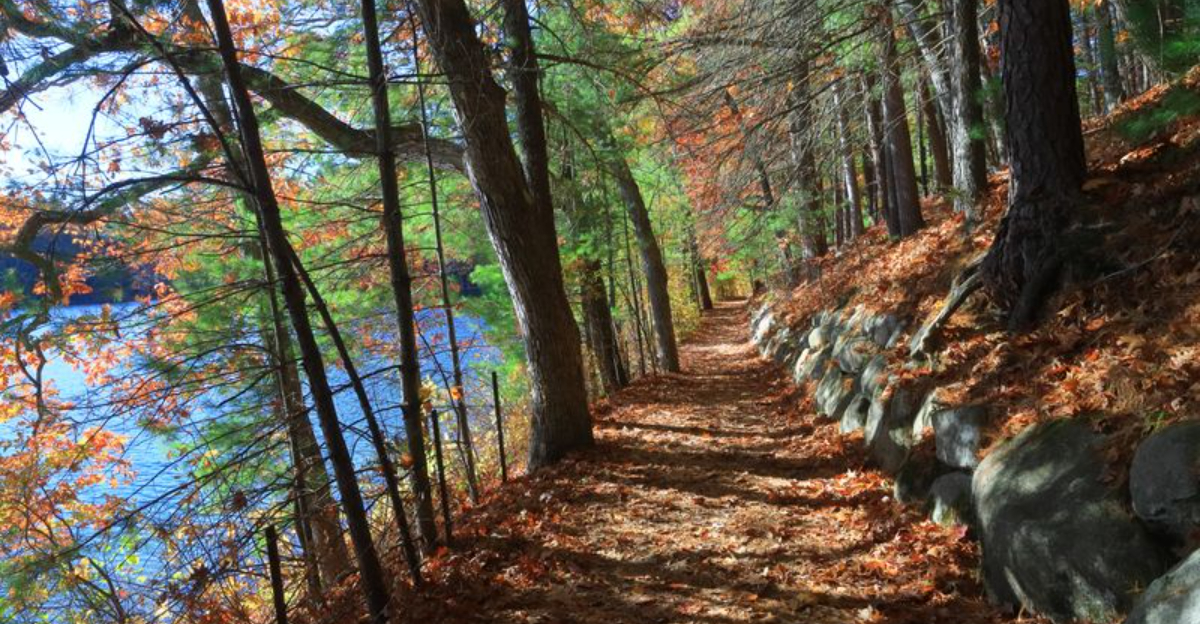
Massachusetts offers stunning natural landscapes perfect for those seeking quiet outdoor escapes without strenuous hikes.
From historic trails to coastal paths and wildlife sanctuaries, these walks combine beauty with accessibility.
Whether you’re looking for a quick afternoon stroll or a peaceful weekend outing, these spots deliver rewarding experiences without challenging terrain.
Each location offers something special, making it easy to reconnect with nature right in your own backyard.
Walden Pond State Reservation – Concord
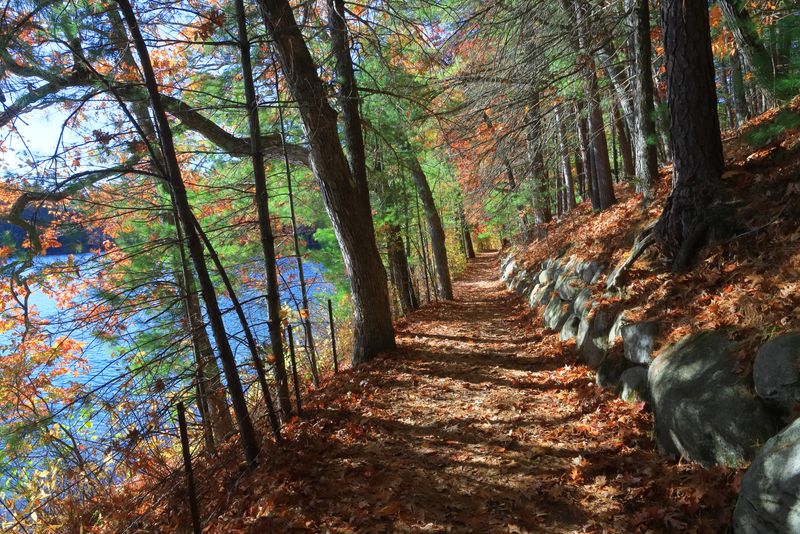
Henry David Thoreau made this place famous, and walking the shoreline path today feels like stepping into his world. The loop around Walden Pond stretches just over a mile, winding through tall white pines and offering constant water views.
Families love it because the terrain stays flat and manageable throughout.
Clear blue water sparkles beside you as you walk, and small beaches invite quick breaks. Spring brings fresh greenery and songbirds, while fall paints the forest in brilliant reds and golds.
Winter transforms the landscape into a snow-covered wonderland perfect for peaceful reflection.
Replicas of Thoreau’s cabin sit near the parking area, adding historical context to your visit. Educational signs along the trail share facts about conservation and local ecology.
The path stays busy on sunny weekends but never feels crowded, with plenty of quiet spots to pause and enjoy nature’s simple beauty surrounding this iconic Massachusetts destination.
Minute Man National Historical Park Trails – Lexington/Concord
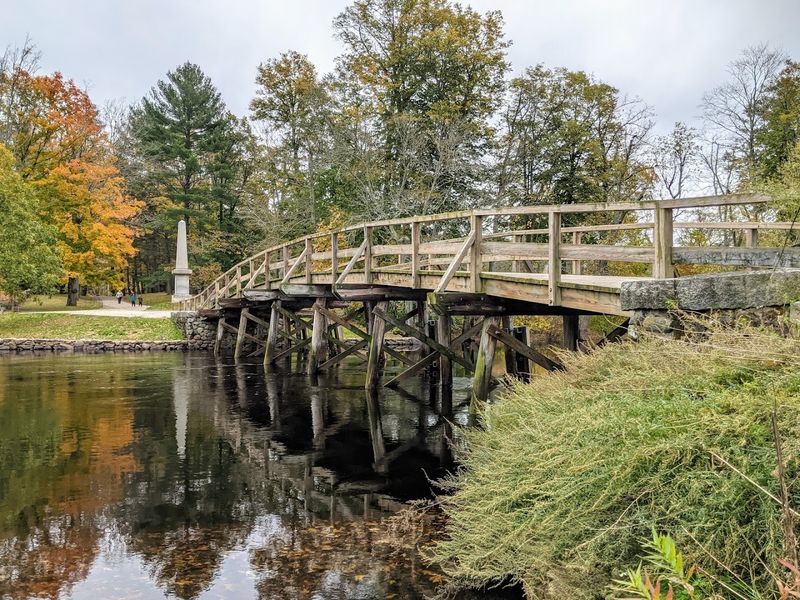
Walking where Revolutionary War soldiers once marched adds unexpected depth to a simple nature stroll. Five miles of interconnected trails cross meadows, woodlands, and historic battlegrounds between Lexington and Concord.
Most paths feature smooth surfaces suitable for strollers and wheelchairs, making history accessible to everyone.
The Battle Road Trail stands out as the main attraction, connecting significant Revolutionary War sites. You’ll pass stone walls, restored colonial homes, and informative markers explaining what happened on April 19, 1775.
Wildlife thrives here too, with deer often grazing in open fields and hawks circling overhead.
Wildflowers blanket the meadows each spring and summer, creating colorful natural carpets. Shaded woodland sections provide cool respite on hot days.
Rangers occasionally lead guided walks sharing fascinating historical details that bring the landscape alive. This unique combination of nature and American history creates an educational experience that feels refreshing rather than boring or overwhelming for visitors of all ages.
Arnold Arboretum – Boston
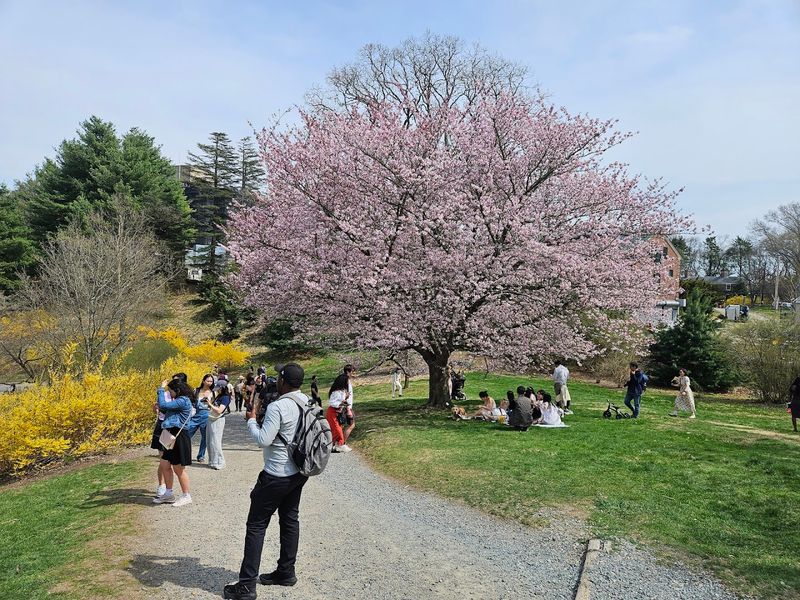
Over 15,000 trees and shrubs from around the world create a living museum in the heart of Boston. Established in 1872, the Arnold Arboretum covers 281 acres designed by Frederick Law Olmsted, the same landscape architect who created Central Park.
Wide gravel paths wind gently upward through collections organized by plant family and geographic origin.
Lilac Sunday in May draws huge crowds to see hundreds of varieties blooming simultaneously. Japanese maples explode with color each October, painting hillsides in fiery shades.
Every season offers something special, from spring magnolias to summer shade beneath ancient oaks.
The terrain features rolling hills but nothing too challenging, with plenty of benches for resting. Free maps at the entrance help visitors navigate different collections and find specific trees.
Dog walkers, joggers, families, and botanical enthusiasts share the space peacefully. Year-round beauty and educational value make this arboretum a treasure that rewards repeated visits with new discoveries around every curve in the path.
Middlesex Fells Reservation – Stoneham
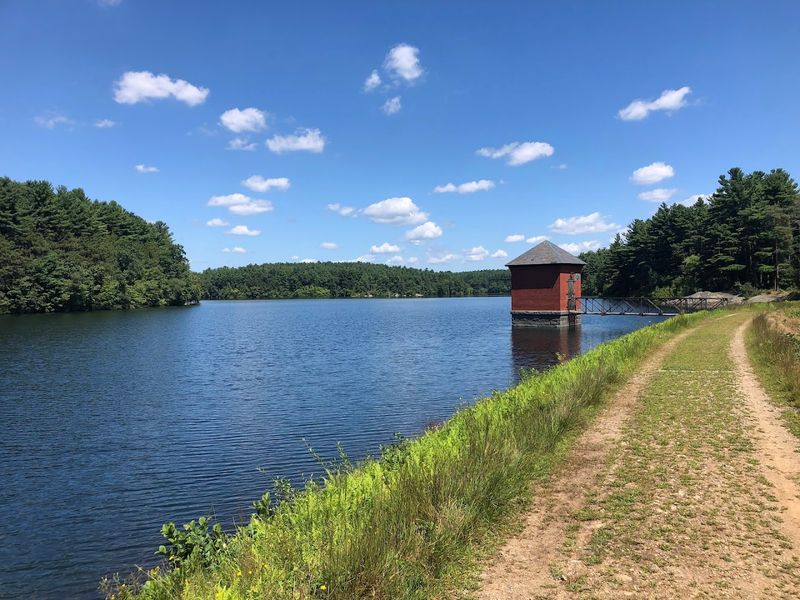
Just seven miles north of Boston, you’ll find over 2,500 acres feeling surprisingly wild and remote. Three reservoirs anchor the eastern section, where flat loops circle calm waters beneath forest canopy.
Spot Pond offers the easiest walking, with a paved path suitable for bikes, strollers, and wheelchairs around its perimeter.
Herons fish along shallow edges while turtles sun themselves on floating logs. Dense hemlock and oak forests shelter the trails, creating natural sound barriers that block traffic noise.
You’ll forget the city sits so close as birdsong replaces urban sounds.
Smaller reservoir loops branch off from the main paths, offering quieter alternatives when Spot Pond gets busy. Rocky outcrops occasionally interrupt the forest, providing scenic overlooks worth the minimal climb.
Fall foliage reflects perfectly in still water, doubling the visual impact. These easy reservoir trails prove you don’t need wilderness isolation to experience genuine peace and natural beauty in Massachusetts, just smart route selection within accessible conservation lands.
Blue Hills Reservation – Milton/Canton
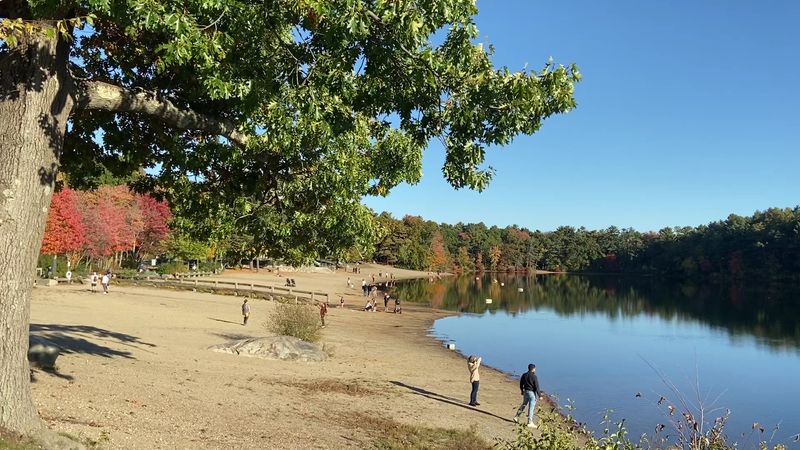
Blue Hills gets famous for challenging summit hikes, but beginners often overlook the gentle paths around Houghton’s Pond. This designated swimming area includes flat woodland trails circling the water, perfect for casual walkers seeking beautiful scenery without steep climbs.
The half-mile pond loop stays level throughout, making it accessible for young children and those preferring easy terrain.
Pine forests shade most of the path, keeping it cool even during summer heat. Small beaches dot the shoreline where you can stop for picnics or toe-dipping.
Clear water reflects surrounding trees, creating mirror images that change with the seasons.
Longer trails extend into nearby woods without gaining much elevation, offering options for those wanting extended walks. Spring peepers sing loudly from wetlands adjacent to the pond each April and May.
The area includes facilities like restrooms and a snack bar during summer months. Parking fills quickly on nice weekends, so arriving early ensures the most peaceful experience at this beginner-friendly corner of an otherwise rugged reservation.
Ipswich River Wildlife Sanctuary – Topsfield
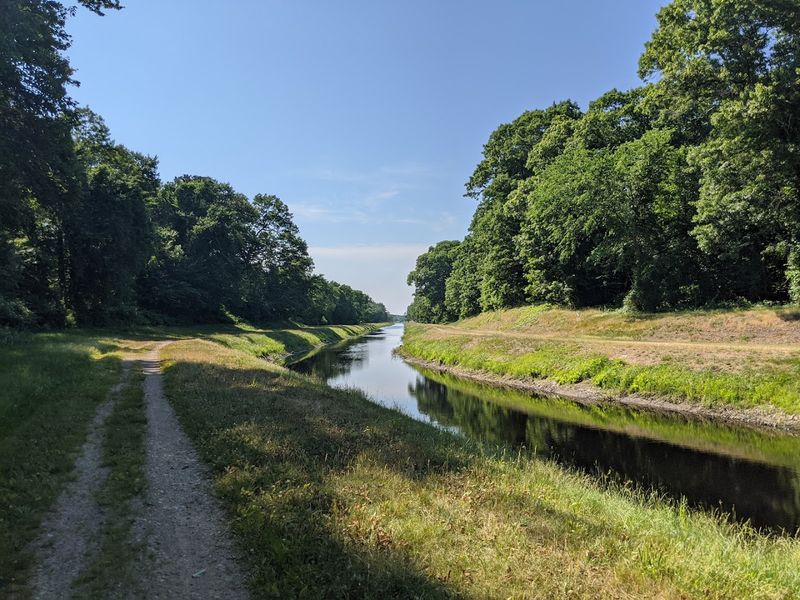
Boardwalks extend across wetlands where your footsteps create hollow echoes beneath. Massachusetts Audubon manages these 2,800 acres specifically for wildlife protection, creating prime habitat for over 200 bird species.
Ten miles of trails cross varied terrain, but the easiest routes stick to boardwalks and wide dirt paths near the entrance.
Drumlin Farm Trail and Rockery Pond loop together form an accessible two-mile walk through forest and along water edges. Red-winged blackbirds call from cattails while great blue herons wade through shallow marshes hunting fish.
Turtles bask on partially submerged logs, often letting observers approach surprisingly close.
Observation platforms provide elevated viewing spots perfect for birdwatching without disturbing sensitive habitats below. Spring migration brings warblers and waterfowl, while summer hosts nesting families raising young.
The sanctuary maintains trails year-round, with winter snowshoeing becoming increasingly popular. Educational programs run regularly, teaching visitors about wetland ecology and conservation.
These well-maintained paths let nature lovers experience thriving ecosystems up close while minimizing environmental impact through thoughtful trail design.
World’s End – Hingham
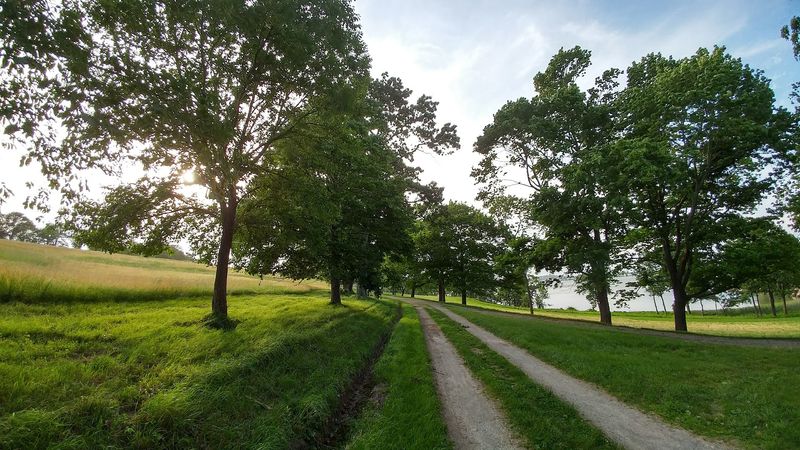
Landscape architect Frederick Law Olmsted designed this peninsula’s carriage roads in the 1890s, though his planned housing development never materialized. Today, four miles of tree-lined paths wind across drumlin hills offering panoramic Boston Harbor views.
Wide gravel roads make walking effortless while showcasing Olmsted’s genius for blending human design with natural landforms.
Rocky coastline borders much of the property, where ocean breezes keep temperatures comfortable even on hot days. Grassy hillsides roll gently between tree groves, creating pastoral scenes that feel transported from English countryside.
Sailboats dot the water beyond, and Boston’s skyline appears distant across the harbor.
Spring dogwood blooms line the paths with white flowers, while summer brings wild roses and beach plums. The highest point, World’s End proper, rewards the easy climb with 360-degree views stretching from Boston to the Blue Hills.
Dogs on leashes are welcome, making this popular with pet owners. Despite heavy weekend use, the expansive landscape absorbs crowds easily, always offering quiet corners for peaceful contemplation beside the sea.
Crane Beach Dune Paths – Ipswich

Most visitors spread towels on the sand, but elevated boardwalks and early dune trails offer different perspectives worth exploring. These paths rise above the main beach, providing sweeping Atlantic views while protecting fragile dune ecosystems.
Soft sand gives way to wooden planks that keep feet dry while crossing sensitive areas.
Beach grass sways endlessly in salt air, and wild roses bloom pink each June. Sanderlings race along the waterline below, tiny legs moving impossibly fast as waves retreat.
The sound of surf provides constant background music, sometimes roaring, sometimes whispering depending on weather and tides.
Early morning walks reward early risers with sunrise colors painting sky and water in brilliant oranges and pinks. The one-mile dune loop connects easily with beach walking, letting you customize distance and terrain.
Summer parking requires fees and reservations due to popularity, but shoulder seasons offer more solitude. These barrier beach dunes protect inland areas from storm surge while creating unique habitats supporting specialized plants and animals adapted to harsh coastal conditions and constant change.
Mount Auburn Cemetery – Cambridge

America’s first garden cemetery combines memorials with horticultural beauty across 175 landscaped acres. Founded in 1831, Mount Auburn pioneered the rural cemetery movement, creating peaceful parkland rather than traditional graveyards.
Winding paths connect ponds, gardens, and wooded hillsides where thousands of trees and shrubs create an arboretum atmosphere.
Historical figures rest here, including poets, politicians, and artists whose monuments display impressive sculptural artistry. But the living landscape deserves equal attention, with labeled specimen trees and carefully planned seasonal plantings.
Spring sees magnolias and cherry trees blooming spectacularly, while fall brings fiery foliage rivaling any forest.
Halcyon Lake anchors the central valley, where swans glide and turtles sun themselves on rocks. Washington Tower at the summit offers panoramic Boston views after a gentle uphill walk.
Over 220 bird species have been recorded here, making it a premier urban birding destination. The respectful atmosphere encourages quiet reflection and slow walking, creating sanctuary within the city.
This unique combination of memorial landscape and natural beauty offers peaceful walking opportunities unlike anywhere else in Massachusetts.
Great Meadows National Wildlife Refuge – Concord
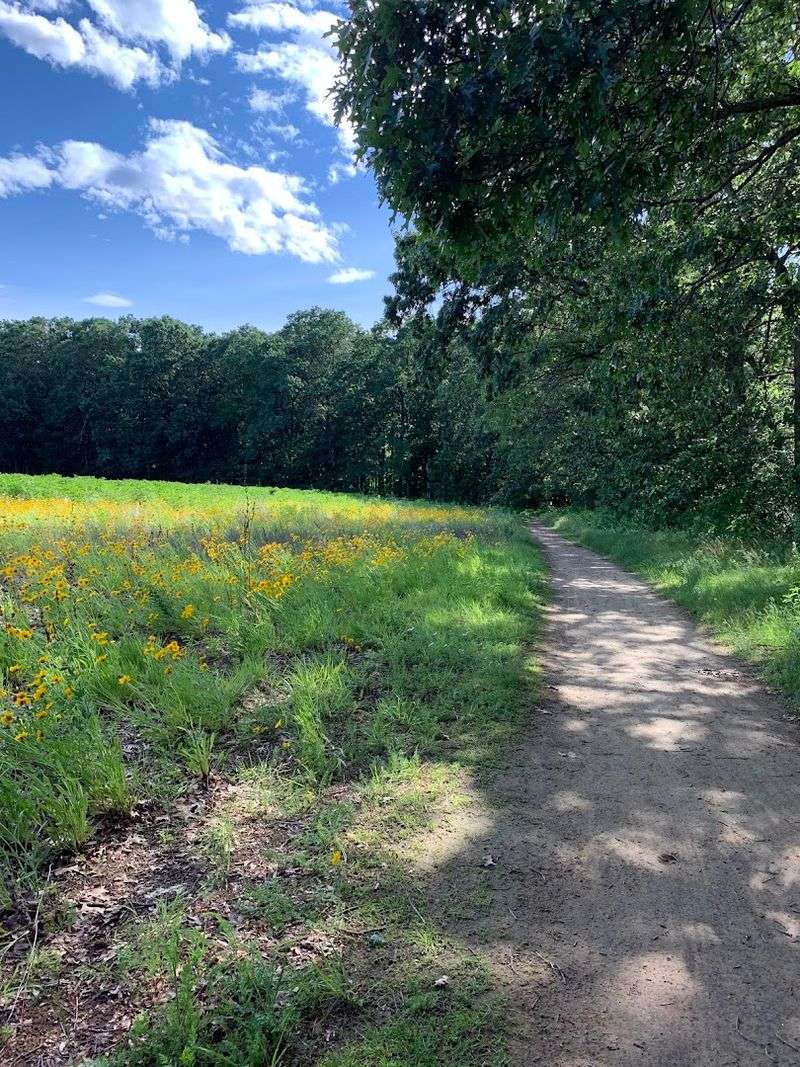
The Concord River meanders through extensive wetlands creating prime wildlife habitat along easy walking trails. Two separate units offer different experiences, but both feature flat terrain ideal for casual strollers and serious birders alike.
Dike Trail forms the main route, running two miles atop an old earthen levee with marshes spreading out on both sides.
Wood ducks paddle through channels while red-tailed hawks perch in dead trees scanning for prey. Muskrats create V-shaped ripples crossing open water, and painted turtles cluster on every available log.
The open landscape offers unobstructed views across acres of cattails and lily pads.
Sunrise and sunset provide magical lighting conditions when mist rises from water and wildlife activity peaks. Spring migration brings incredible variety with warblers, waterfowl, and shorebirds passing through in waves.
The refuge stays accessible year-round, with winter offering stark beauty and easier wildlife spotting without dense vegetation. Photographers love the photogenic scenery and approachable subjects.
These protected wetlands demonstrate nature’s resilience near urban areas, thriving just miles from historic Concord center.
Wachusett Meadow Wildlife Sanctuary – Princeton
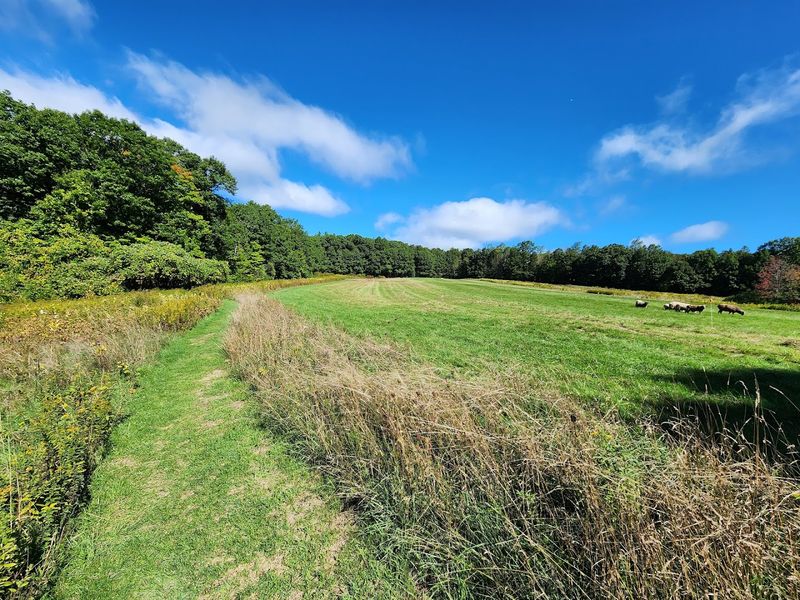
Western Massachusetts reveals different character at this 1,200-acre sanctuary near Mount Wachusett. Twelve miles of trails explore meadows, forests, and wetlands with gentle elevation changes rather than steep climbs.
The Brown Hill Trail makes an excellent introduction, looping two miles through varied habitats without challenging terrain.
Wildflower meadows burst with color from spring through fall, attracting butterflies and native bees by the hundreds. Forest sections provide shade and birdsong, where chickadees and nuthatches flit between branches.
Small streams trickle through valleys, creating soothing background sounds.
Mount Wachusett itself appears in the distance from certain clearings, though you’ll never climb its slopes from these easy paths. The sanctuary hosts educational programs teaching ecological concepts through hands-on activities.
Boardwalks cross wet areas, keeping feet dry while protecting sensitive habitats. November brings vibrant foliage without the crowds plaguing more famous locations.
This peaceful sanctuary proves central Massachusetts offers outstanding nature walking for those willing to venture slightly beyond the eastern suburbs, rewarding travelers with genuine tranquility and diverse natural beauty.
Borderland State Park – North Easton
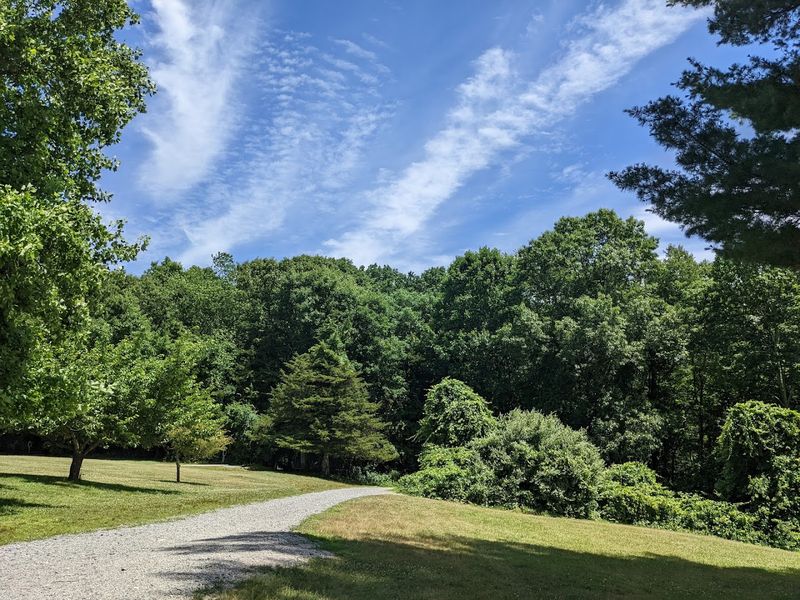
Borderland State Park is one of the easiest places in Massachusetts to enjoy a peaceful nature walk without needing to tackle steep hills or difficult terrain. The park’s wide carriage roads and gentle woodland trails make it especially appealing for casual walkers, families, and anyone looking for a quiet outdoor escape.
Much of the landscape feels calm and uncrowded, with tall trees, small ponds, and open grassy areas creating a relaxing atmosphere throughout the year.
One of the most rewarding parts of walking here is the variety of scenery packed into relatively easy routes. You can stroll beside the water at Leach Pond, wander through shaded forest sections, or follow paths that open onto broad meadows and picnic areas.
In autumn, the changing leaves add rich color to the trails, while spring and summer bring birdsong and blooming wildflowers. The historic Ames Mansion near the center of the park also adds character to the experience.
Borderland combines easy walking with peaceful natural surroundings in a way that feels accessible and restorative.