Your mind deserves a vacation long before your calendar says it’s time.
When life feels like one long to-do list, Iowa offers peaceful parks where birds replace notifications and quiet trails help every worry fade into the background.
From towering river bluffs to shady forests and calm lakes, these natural escapes invite you to slow your pace and enjoy the little moments.
Take a deep breath, watch the water ripple, or wander beneath a canopy of trees without feeling rushed from one stop to the next.
Some parks are well-known, while others stay pleasantly uncrowded for much of the year. Each one has its own charm, yet they all share the same gift: a chance to leave busy days behind.
Pack a picnic, lace up your hiking shoes, and discover 13 Iowa parks where peace comes naturally and every visit feels like hitting the reset button.
Backbone State Park (Dundee)
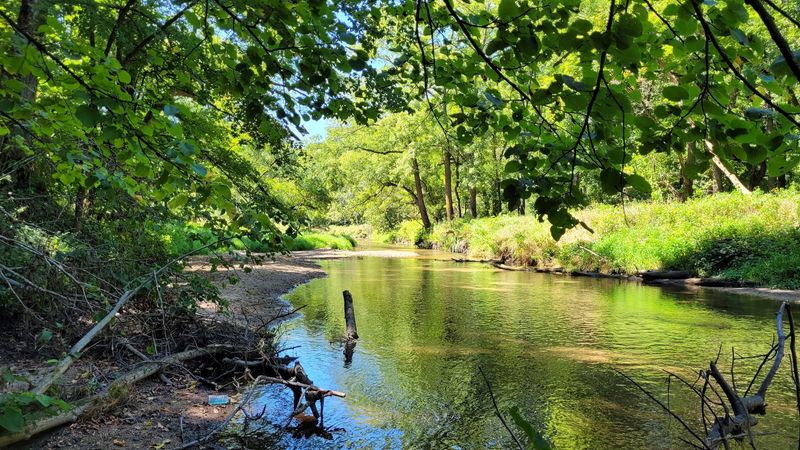
Iowa’s very first state park holds a special place in history and in the hearts of nature lovers. The limestone spine that gives Backbone its name rises dramatically from the surrounding forest, creating views that feel almost mountainous for Iowa.
Trout streams whisper through wooded valleys where you can cast a line or simply sit and listen. Most visitors cluster near popular spots, but venture down lesser-known trails and you’ll find yourself completely alone with nature.
The rock formations tell stories millions of years old, while the trees provide cool shade even on summer afternoons.
Early morning walks reveal deer grazing in meadows and birds singing their dawn chorus. Overlooks scattered throughout the park offer perfect places to pause, breathe deeply, and let stress melt away.
Pack a picnic and claim a quiet corner where the only schedule that matters is when the sun sets. Whether hiking, fishing, or simply sitting on a bluff watching clouds drift by, Backbone reminds you that slowing down isn’t lazy—it’s essential.
Preparation Canyon State Park (Moorhead)
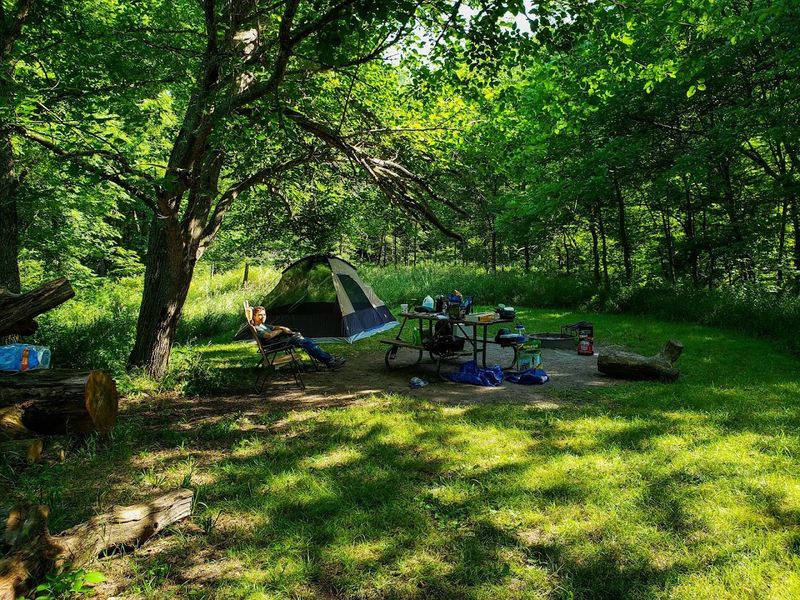
Few parks in Iowa feel this genuinely remote. Preparation Canyon earned its unusual name from a religious community that settled here in the 1850s, believing the Loess Hills would protect them during the end times.
Today, that isolation makes it perfect for anyone seeking true solitude.
No lake, no campground, no crowds—just you and the hills. The Loess Hills themselves are a rare geological formation found in only one other place on Earth, making every step here feel special.
Native prairie grasses wave in the breeze, creating patterns that change with the light throughout the day.
Trails wind through valleys and climb ridges where you can see for miles without spotting another human soul. Hawks circle overhead, and wildflowers bloom in surprising colors during spring and summer.
The quietness here isn’t just an absence of noise—it’s a presence all its own. Bring water, comfortable shoes, and nothing else.
This is where you go when you need to disappear from the world for an afternoon and remember what peace actually sounds like.
Dolliver Memorial State Park (Lehigh)
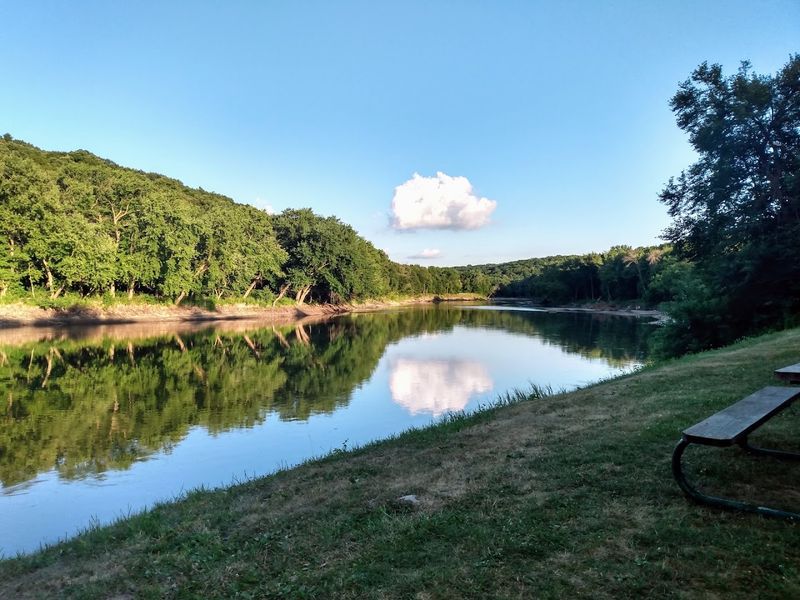
Sandstone cliffs glow golden in afternoon light along the Des Moines River, creating one of Iowa’s most photogenic yet surprisingly uncrowded parks. Dolliver hides in plain sight, known to locals but often overlooked by travelers rushing between bigger destinations.
The ravines here feel like secret passages into another world. Carved by ancient waters, these sandstone formations create natural alcoves where you can sit protected from wind and sun.
Prairie Creek flows through the park, adding the soothing sound of moving water to your hike.
Trails range from easy riverside walks to more challenging climbs that reward effort with stunning views. During most of the year, you can hike for hours meeting only a handful of other visitors.
Woodlands shelter deer, wild turkeys, and countless songbirds that provide a natural soundtrack. The park transforms beautifully with seasons—spring wildflowers, summer greenery, autumn colors, and winter’s quiet blanket of snow.
Pack a thermos of something warm, find a sandstone ledge with a view, and settle in. Time moves differently here, measured not by clocks but by how far the sun travels across the river valley.
Waubonsie State Park (Hamburg)
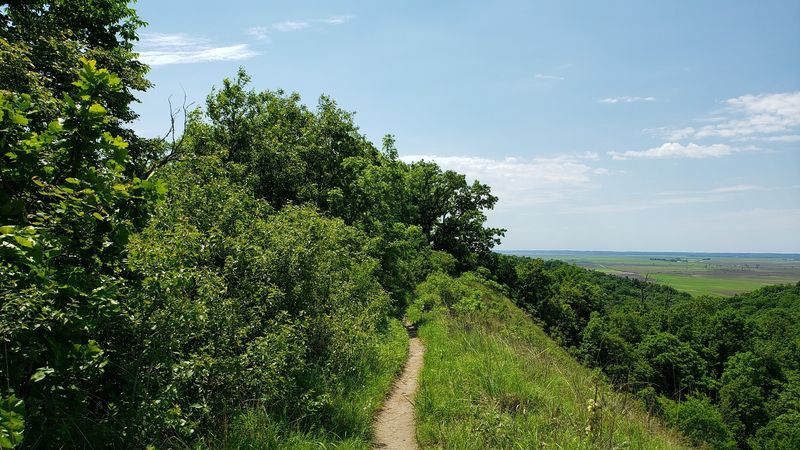
Sunrise chasers and sunset watchers consider Waubonsie sacred ground. Perched high in the Loess Hills near Iowa’s southwestern corner, this park delivers views that stretch into three states on clear days.
The ridgetop overlooks are the main attraction, but quiet forests between the peaks offer their own rewards. Oak and hickory trees create shaded corridors where temperatures drop noticeably even on hot days.
Named after a Potawatomi chief who once called this region home, the park honors both natural beauty and human history.
Trails loop through different ecosystems, from hilltop prairies to protected valleys where moisture-loving plants thrive. Wildlife sightings happen frequently—watch for deer, raccoons, and the occasional wild turkey crossing your path.
Autumn transforms the hills into a patchwork of reds, oranges, and golds that rivals anything New England offers. Winter brings its own magic, with snow-dusted ridges and ice crystals catching morning light.
Choose a weekday morning or late afternoon visit for maximum solitude. Bring binoculars if you have them, because the overlooks reveal landscapes that deserve a closer look.
Pikes Peak State Park (McGregor)
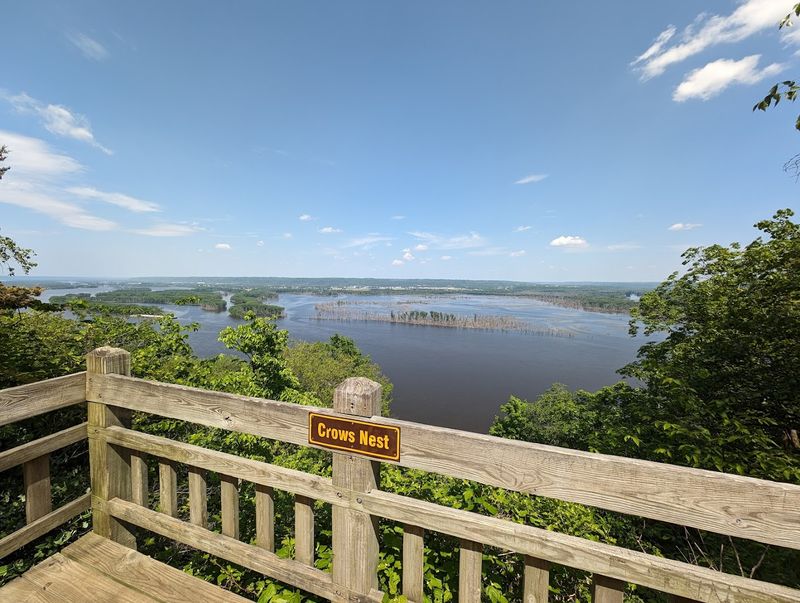
Stand at the edge of 500-foot bluffs and watch the mighty Mississippi River carve its path between Iowa and Wisconsin. Despite sharing a name with Colorado’s famous mountain, Iowa’s Pikes Peak offers its own dramatic brand of natural beauty that surprises first-time visitors.
Bridal Veil Falls cascades down rock faces, creating a misty curtain that photographers love capturing in different seasons and lighting. Woodland trails weave through hardwood forests where shade stays cool even during summer heat.
Several overlooks provide safe viewing platforms where you can sit and watch barges navigate the river far below.
Fall migration brings hawks and eagles riding thermals along the bluffs, while spring fills the forests with wildflowers and birdsong. The park gets visitors, especially on weekends, but the trails offer enough space that you can always find a peaceful spot.
Early morning fog rising from the river creates ethereal scenes worth waking up early to witness. Pack layers—river valleys generate their own weather patterns, and breezes at the overlooks can be surprisingly cool.
This is the kind of place that makes you understand why people write poetry about nature.
Wildcat Den State Park (Muscatine County)
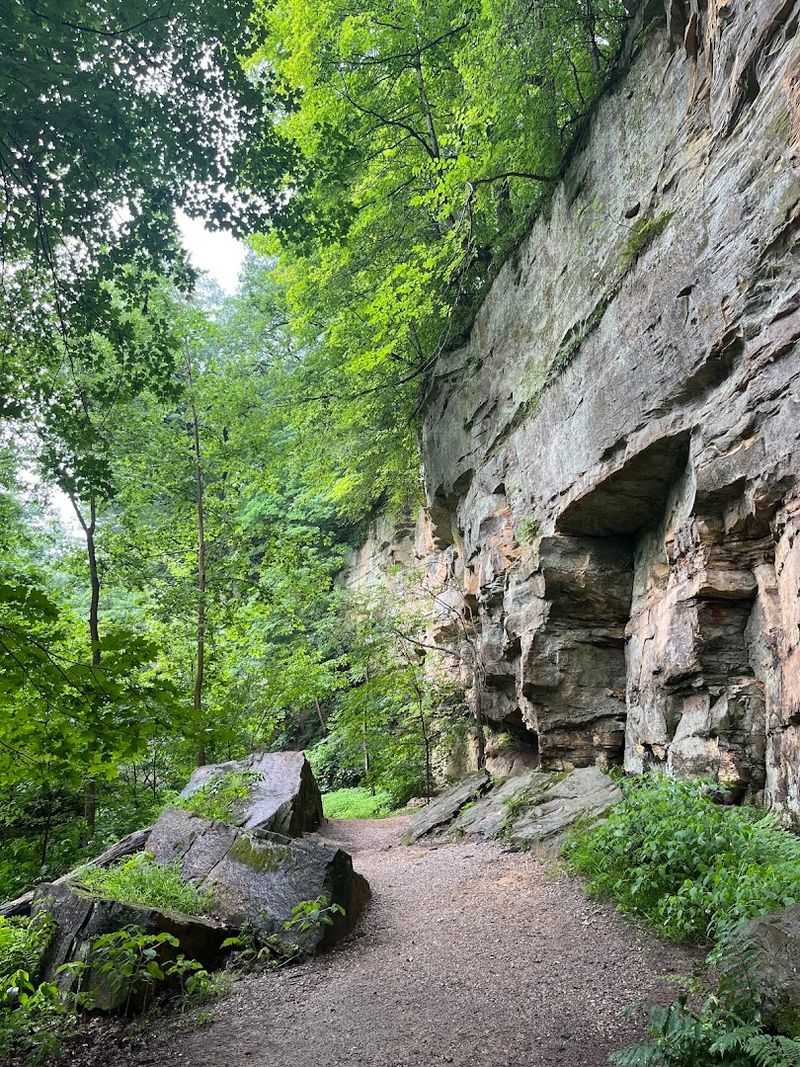
History and nature intertwine beautifully at Wildcat Den, where Civil Conservation Corps workers left behind stone structures that have become part of the landscape. The old mill, bridge, and buildings blend so perfectly with the sandstone cliffs that they feel like natural formations themselves.
Pine Creek gurgles through the den, creating a soundtrack that never gets old. Trails wind past towering sandstone formations with names like Devil’s Punch Bowl and Steamboat Rock that spark imagination.
These rock faces offer cool shelter during summer and protection from winter winds, making year-round visits comfortable.
Eastern Iowa doesn’t get more relaxing than following Pine Creek upstream, stopping wherever a view catches your eye. The woods here feel old and wise, with massive oaks and hickories that have witnessed decades of seasons.
Moss grows thick on northern rock faces, adding emerald accents to gray stone. Bring a sketchbook, camera, or just yourself—this park rewards quiet observation.
Wildcat Den never feels rushed or crowded, even though Muscatine isn’t far away. The combination of geological wonders, human history, and peaceful trails creates an atmosphere where stress simply evaporates into the forest air.
Geode State Park (Near Danville)
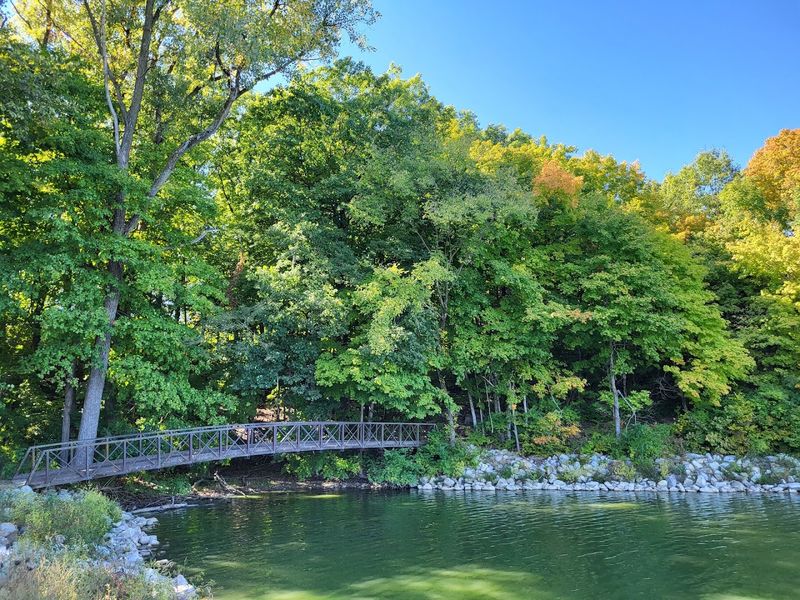
Named for the sparkly rock treasures hidden in the area, Geode State Park wraps itself around a calm lake that reflects sky and trees like a giant mirror. Unlike busier lakes that roar with motorboats, this one maintains a peaceful atmosphere perfect for canoes, kayaks, and quiet contemplation.
Fishing coves tucked into wooded shorelines offer prime spots for casting lines or simply dangling feet in cool water. Trails circle the lake and venture into surrounding woods where spring wildflowers carpet the forest floor.
Birdwatchers bring binoculars and field guides because wetland edges attract impressive variety throughout migration seasons.
The park feels comfortably small—big enough to explore but intimate enough that you never feel lost or overwhelmed. Picnic areas scattered throughout provide tables under shade trees where lunch tastes better with a lake view.
Autumn turns the surrounding hills into a color show that makes every trail a scenic walk. Even during summer weekends, you can usually find a stretch of shoreline to yourself.
Bring a book, a fishing rod, or just a beach towel and sunscreen. Geode isn’t about excitement or adventure—it’s about finding that sweet spot where relaxation happens naturally.
Springbrook State Park (Guthrie Center)
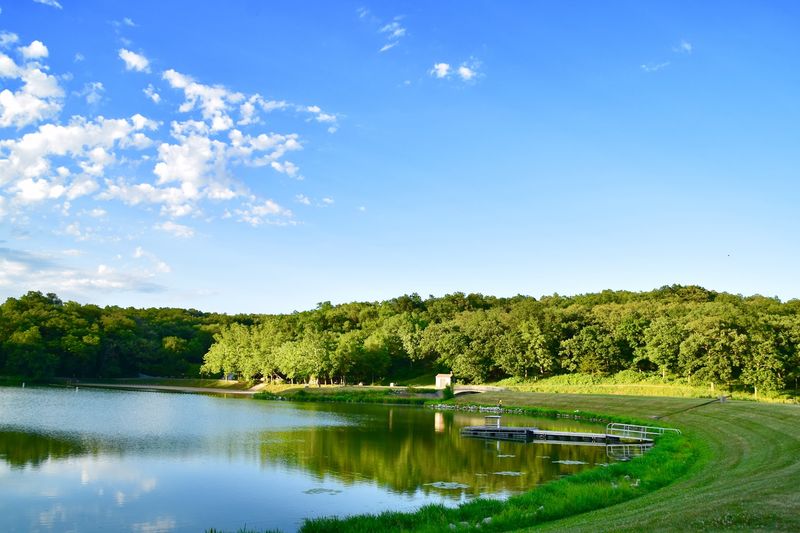
Somehow Springbrook remains one of Iowa’s best-kept secrets despite offering everything people love about state parks. The lake sits perfectly sized—not too big to feel impersonal, not too small to feel limiting.
Forested trails ring the water and climb gentle hills where views open up unexpectedly. Campsites nestle among trees, creating private outdoor rooms where you can pitch a tent or park an RV without feeling crowded.
The swimming beach offers sandy access to refreshing water during hot summer days, while the fishing pier extends over deeper waters where bluegill and bass hide.
What makes Springbrook special is precisely that it doesn’t try to be spectacular—it simply succeeds at being peaceful. Families claim picnic shelters for reunions while solo hikers pass through seeking solitude, and there’s room for everyone.
The park maintains that small-town Iowa friendliness where strangers nod hello on trails and share fishing tips at the lake. Wildflowers bloom along path edges, and deer appear at dusk like clockwork.
Visit on a Tuesday morning or Friday evening, and you might have entire trail sections to yourself. Sometimes the best escapes aren’t the famous ones—they’re the quiet places that let you simply be.
Palisades-Kepler State Park (Mount Vernon)
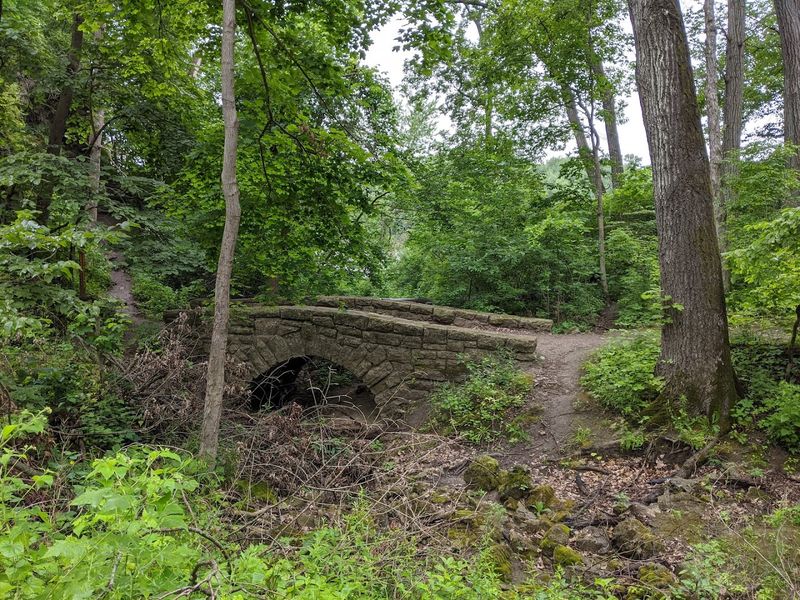
Where the Cedar River carved through ancient limestone, it created the towering cliffs that give Palisades its name. These dramatic bluffs rise suddenly from the riverbank, creating one of eastern Iowa’s most striking landscapes that few people outside the region know exists.
Mature hardwood forests blanket the hillsides, their canopy so thick that trails stay shaded and cool even during peak summer heat. River views appear suddenly as you round corners, rewarding hikers with scenes that belong on postcards.
The park actually combines two former parks—Palisades and Kepler—giving visitors extra miles of trails to explore.
Limestone ledges provide natural benches where you can sit and watch the Cedar River flow past, its surface sometimes smooth as glass, other times rippled by wind. Spring brings wildflowers and migrating birds, while autumn transforms the forests into a riot of warm colors.
The park feels spacious and uncrowded, even though Mount Vernon sits nearby. Trails range from easy riverside strolls to more challenging climbs up to bluff tops where views stretch across the river valley.
This is where locals come when they need to clear their heads and remember why Iowa is actually pretty amazing.
Beeds Lake State Park (Hampton)
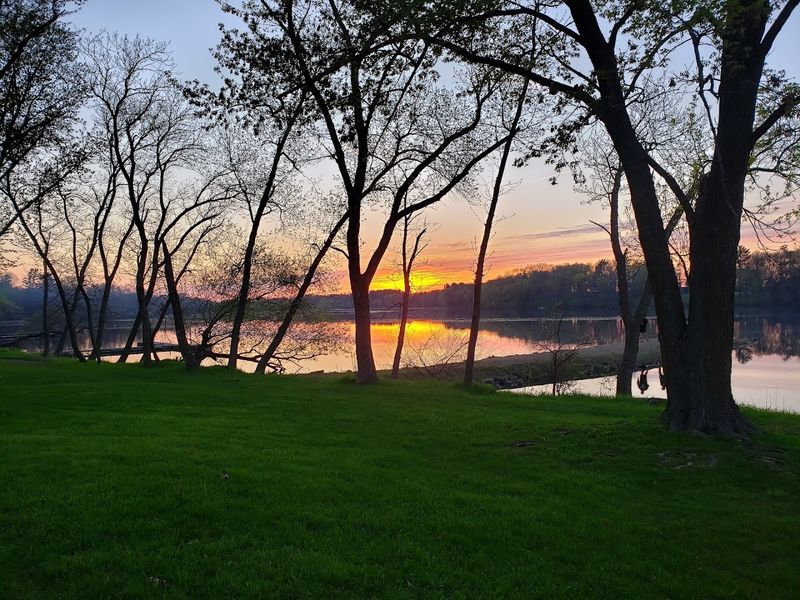
The stone spillway at Beeds Lake has been photographed thousands of times, yet it never gets old. Built by Civilian Conservation Corps workers during the 1930s, the craftsmanship displayed in the stone bridges, buildings, and retaining walls showcases an era when even utilitarian structures received artistic attention.
Water tumbles over the spillway creating pleasant white noise that drowns out modern worries. The lake itself curves gracefully through wooded hills, its shoreline offering numerous quiet coves and inlets.
Trails meander through the park at a pace that discourages rushing—this isn’t a place for power-walking, it’s designed for strolling.
Fishing docks extend over the water, perfect for teaching kids to cast or just sitting with your thoughts. The park maintains an old-fashioned charm that feels intentional, like stepping back to simpler times.
Squirrels chatter from oak branches while turtles sun themselves on logs jutting from the lake. Autumn reflection photos here could win contests, with fall colors doubling in the still water.
Local families consider Beeds their backyard getaway, returning season after season for picnics and lazy afternoons. Sometimes the most peaceful places aren’t wilderness—they’re thoughtfully designed spaces where humans and nature reached a beautiful compromise decades ago.
Lake of Three Fires State Park (Bedford)
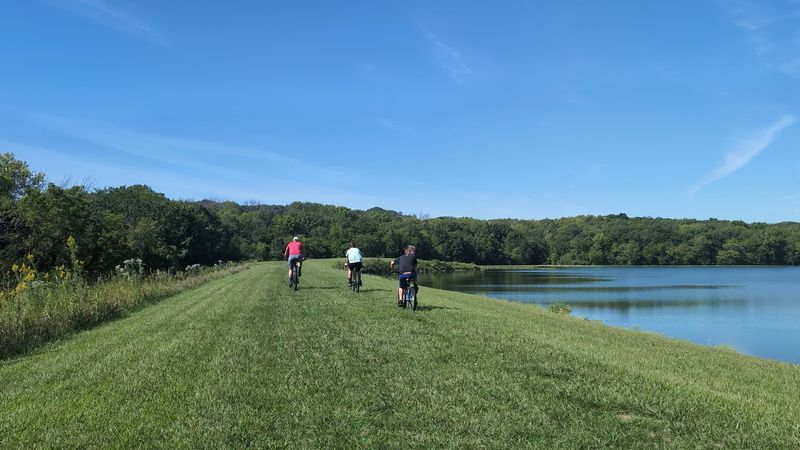
The poetic name comes from a Potawatomi legend about three fires lit to guide travelers home, and today this park still serves as a beacon for anyone seeking peaceful refuge. Southwest Iowa doesn’t always get credit for natural beauty, but this park proves the region has plenty to offer.
The lake curves through hills covered with native prairie grasses that wave hypnotically in constant winds. Wooded shorelines provide cooler microclimates where you can escape summer heat while staying near the water.
Campsites feel genuinely secluded, separated by trees and terrain that creates privacy without isolation.
What strikes most visitors is how quiet everything feels—even the sounds that do occur seem muted by the landscape itself. Trails loop through different ecosystems, from lakeshore to prairie hilltops where views stretch surprisingly far.
Wildflowers bloom in waves from spring through fall, changing the color palette every few weeks. The fishing is good enough to keep anglers happy but not so famous that the lake gets crowded.
Sunrise here is particularly special, with mist rising from the water as light gradually fills the valley. This is a park for people who understand that doing nothing is actually doing something important.
Pine Lake State Park (Eldora)
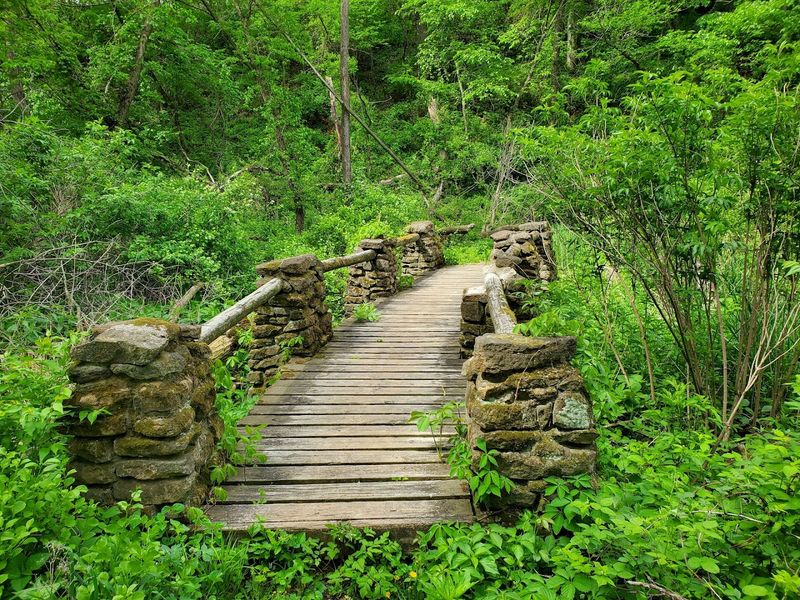
Two lakes mean twice the shoreline to explore and double the opportunities to find your perfect peaceful spot. Pine Lake State Park wraps around both bodies of water with trails that connect them through wooded hillsides that stay refreshingly cool.
Kayakers love the calm conditions here—no motorboats roaring past to create wakes, just paddles dipping quietly into water. The hills surrounding the lakes create natural windbreaks, so even breezy days feel calm near the shoreline.
Picnic areas overlook the water, offering front-row seats to sunset shows that paint the sky in watercolor washes.
The park maintains a gentle atmosphere where nobody seems in a hurry to get anywhere. Trails accommodate all fitness levels, from flat lakeside paths to modest climbs that reward effort with nice views.
Spring peepers and frogs provide evening concerts, while morning bird choruses wake the park naturally. Both lakes offer fishing opportunities with regularly stocked fish and healthy natural populations.
The name comes from scattered pine groves that add evergreen accents to deciduous forests, creating interesting contrasts year-round. Whether you paddle, walk, fish, or simply sit absorbing nature sounds, Pine Lake provides the kind of uncomplicated outdoor time that actually refreshes rather than exhausts.
Ledges State Park (Madrid)
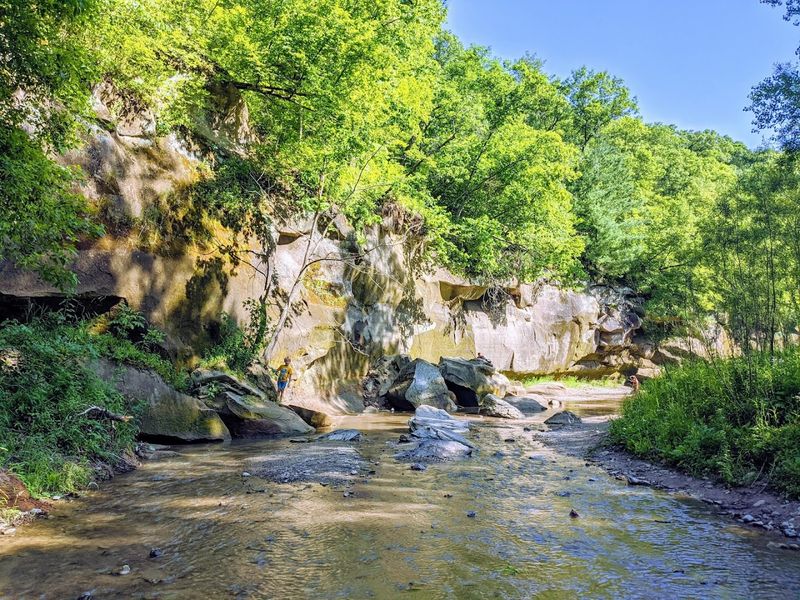
Canyon walls tower overhead, their sandstone faces carved by water and time into shapes that spark imagination. Ledges ranks among Iowa’s most beloved parks, drawing crowds on beautiful summer weekends—but timing your visit changes everything about the experience.
Arrive on a weekday morning or during the off-season, and those same canyons feel like your private discovery. Pease Creek winds through the park, creating waterfalls after rain and calm pools during dry spells.
Forest trails climb out of the canyons onto ridges where oak trees frame views of the Des Moines River valley.
The sandstone itself tells geological stories, with layers representing different ancient eras stacked like pages in Earth’s history book. Lost Lake, a small glacial depression, offers reflective waters surrounded by trails that loop back to canyon areas.
Wildflowers cling to canyon walls in spring, while autumn transforms the forests into golden cathedrals. Even when visitors are present, the park’s size and trail network spread people out enough that you can find solitude.
Early morning mist rising from Pease Creek creates magical conditions for photography and peaceful contemplation. The key is choosing when you visit—the same park can feel completely different on Tuesday morning versus Saturday afternoon.