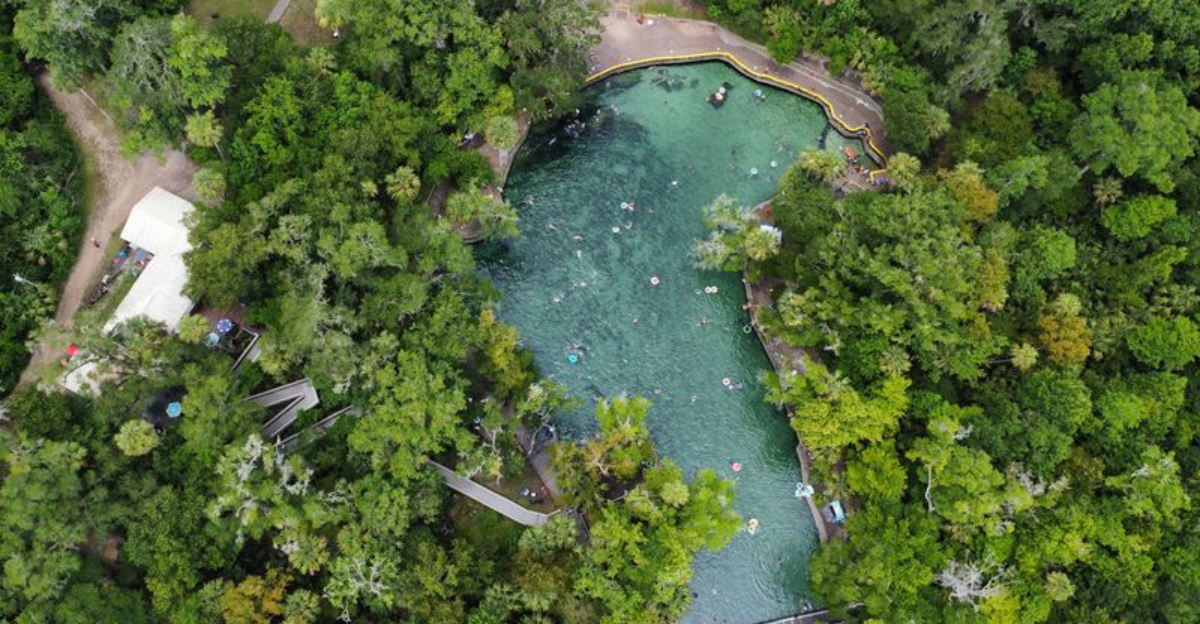
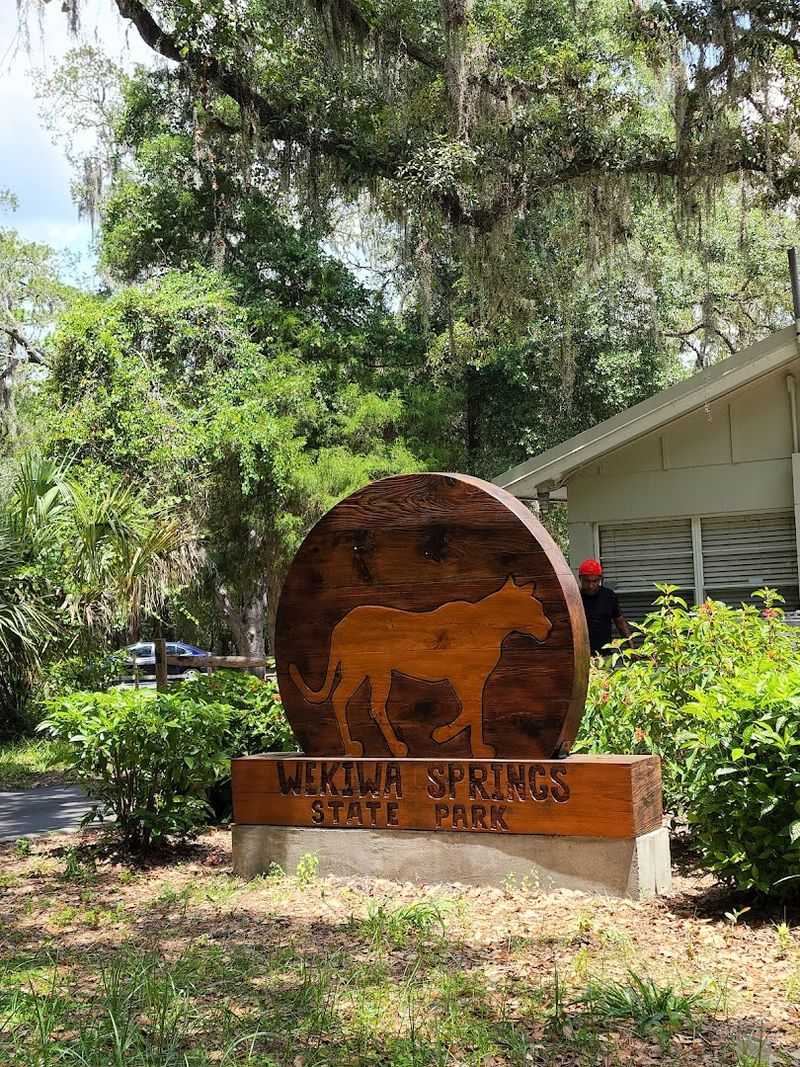
Just 20 minutes north of Orlando, Wekiwa Springs State Park offers something rare in Central Florida – a true escape into Old Florida wilderness.
Crystal-clear springs bubble up from underground aquifers, creating swimming holes that stay refreshingly cool even during the hottest summer days.
Miles of shaded trails wind through ancient cypress forests and wetlands where wildlife still roams freely.
Local families have been visiting this peaceful sanctuary for generations, and once you experience it yourself, you’ll understand why they keep coming back.
The First Glimpse Of Wekiwa Springs
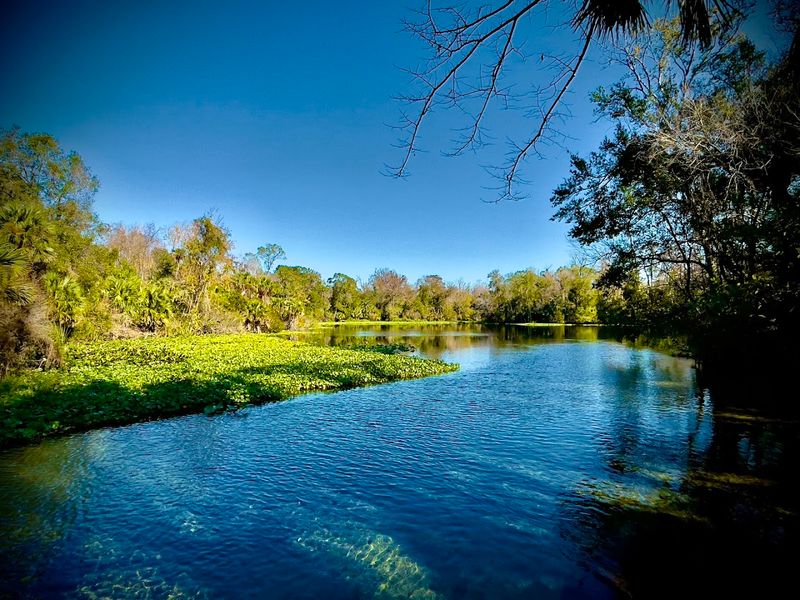
Stepping through the park entrance feels like crossing into another world entirely. Traffic noise fades behind you as towering cypress trees draped in Spanish moss create a natural cathedral overhead.
The path leads you toward the famous spring, where water so clear you can count pebbles on the bottom bubbles up at 42 million gallons daily.
Ancient oak trees spread their branches wide, offering cool shade across picnic areas and walking paths. Families spread blankets beneath these giants while children excitedly spot fish darting through the shallow edges.
The air smells fresher here, carrying hints of pine and damp earth.
What strikes most first-time visitors is how quickly the modern world disappears. No shopping centers or highways interrupt the view, just endless green canopy and sparkling water.
Within minutes of arrival, your shoulders relax and breathing slows. This protected landscape has remained largely unchanged for centuries, offering everyone who visits a genuine glimpse of what Central Florida looked like before development transformed the region.
Swimming In The Crystal-Clear Spring
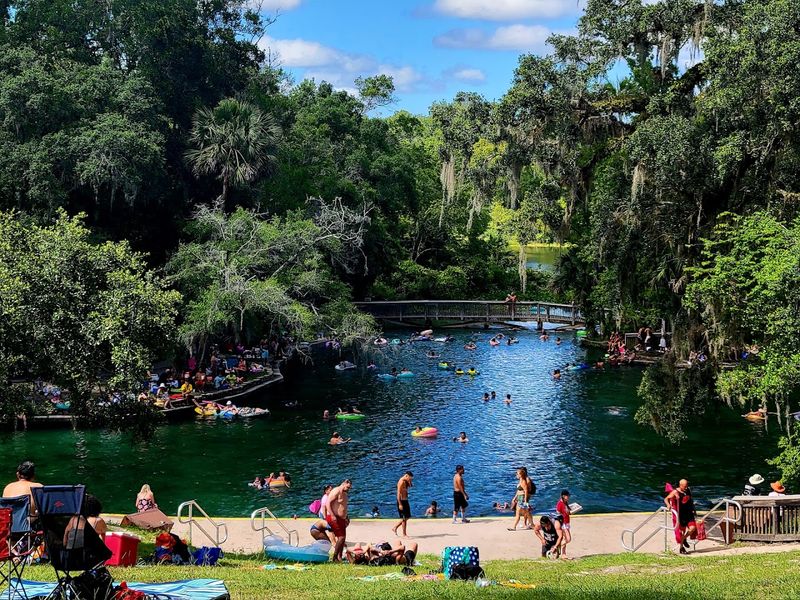
Water temperatures hover around 72 degrees year-round, creating the perfect natural air conditioning during Florida’s sweltering summers. Unlike beach water that can feel bathtub-warm by August, Wekiwa’s spring-fed pool offers consistent coolness that refreshes instantly.
You’ll see locals floating on their backs, completely relaxed, letting the gentle current carry them.
The swimming area stays shallow enough for younger kids near the edges but deepens gradually toward the middle. Lifeguards watch over the busiest sections during peak season.
Families claim spots on the sandy bottom where sunlight filters through the water, creating dancing patterns of light.
Many swimmers bring goggles to explore underwater, where small fish investigate curious visitors and aquatic plants sway rhythmically. The spring produces such pure water that visibility extends several feet in every direction.
Locals know the secret: arrive early on weekends because this beloved swimming spot fills quickly. Once you’ve experienced the refreshing embrace of spring water on a hot Florida afternoon, you’ll understand why people drive from across the region just for a swim here.
Kayaking And Canoeing Along The Wekiva River
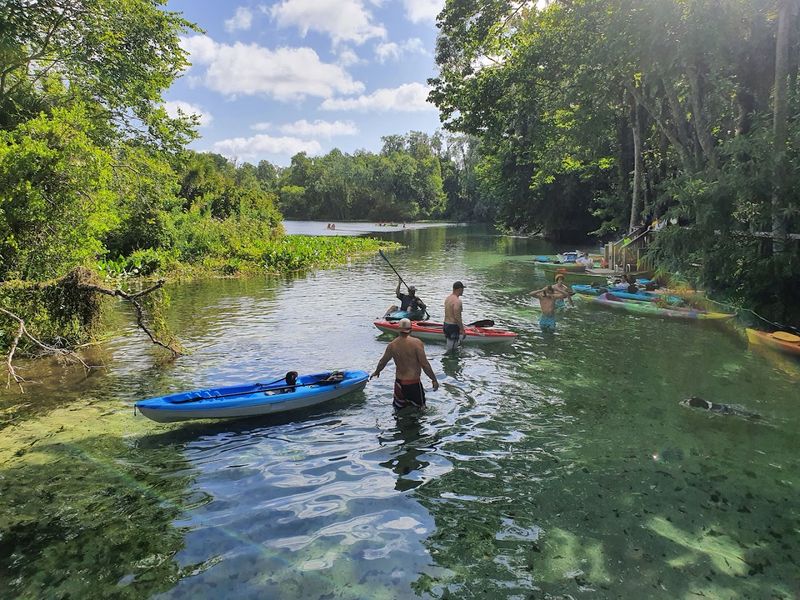
Renting a kayak opens up an entirely different perspective of the park. The Wekiva River winds through tunnels of overhanging vegetation where sunlight filters through leaves in golden shafts.
Your paddle dips quietly into tea-colored water as you glide past cypress knees and fallen logs where turtles sunbathe.
Bird calls echo from the canopy above. Great blue herons stand statue-still in the shallows, waiting patiently for fish.
You might spot an anhinga spreading its wings to dry or catch the ripple of an otter diving beneath your boat. During winter months, manatees occasionally swim upriver seeking the warmer spring water, creating unforgettable encounters.
The river moves slowly, perfect for beginners and families with children. Most paddlers spend two to three hours exploring upstream before floating back down.
Rental outfitters provide everything needed, including life jackets and waterproof containers. The peaceful rhythm of paddling combined with constant wildlife sightings makes this activity incredibly popular.
Book rentals ahead on busy weekends because available boats disappear fast.
Scenic Hiking Trails Through Old Florida Landscapes
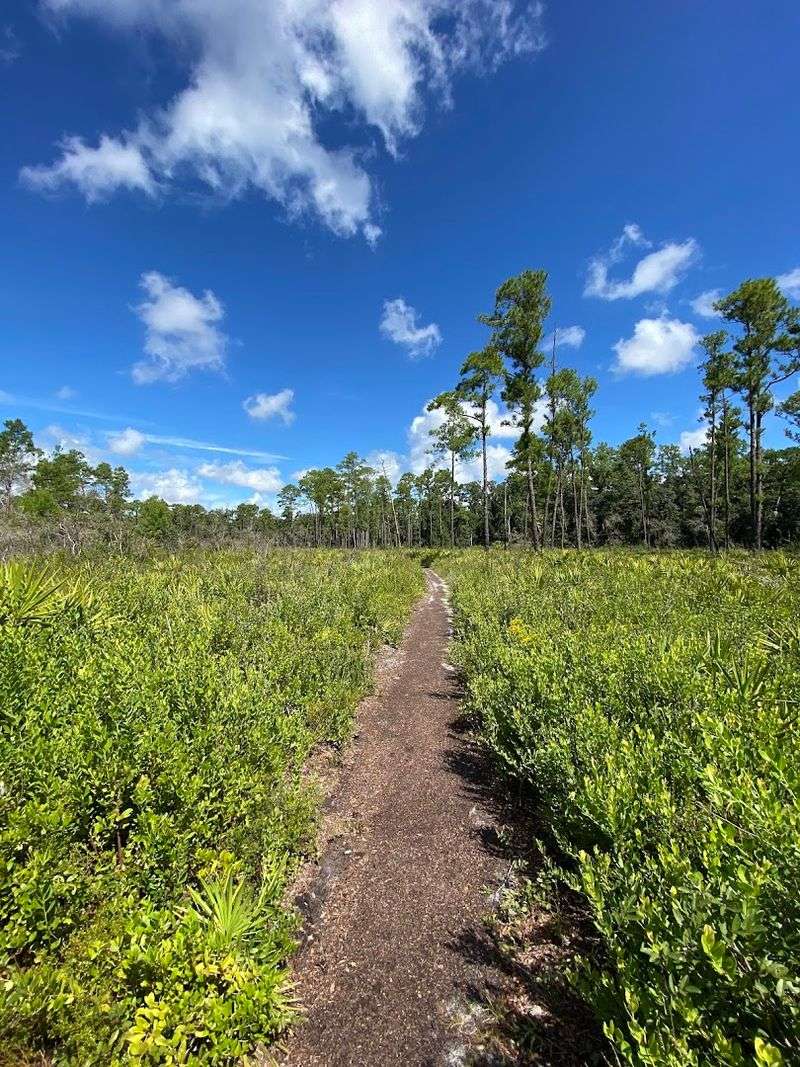
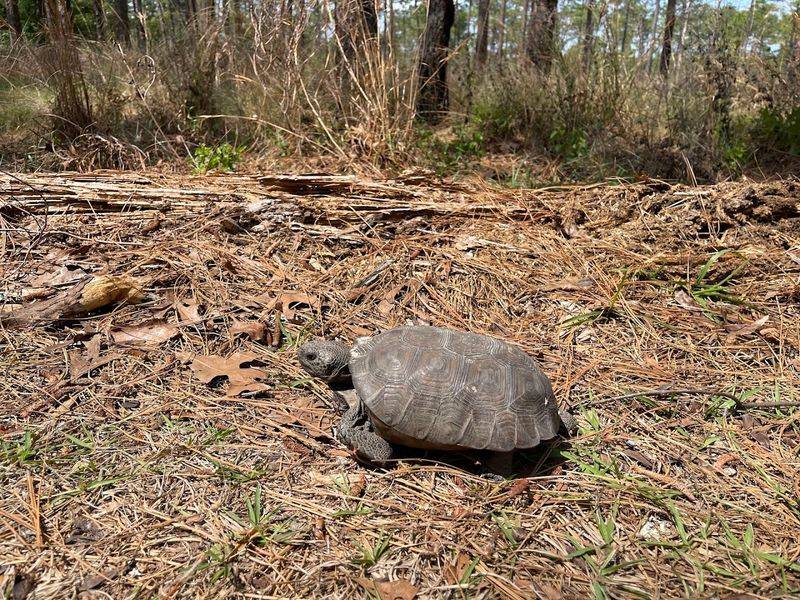
Over 13 miles of trails crisscross the park, ranging from easy loops to challenging backcountry routes. Sand Pine Trail offers a moderate 4.4-mile journey through scrubby flatwoods where gopher tortoises dig their burrows.
Wooden boardwalks carry hikers over marshy wetlands where alligators occasionally sun themselves on muddy banks.
Some trails connect directly to the Florida National Scenic Trail, allowing ambitious hikers to extend their adventure far beyond park boundaries. Trail markers are clearly posted, though carrying a trail map remains smart.
Different ecosystems appear around each bend – pine forests transition into hardwood hammocks, then open into palmetto prairies.
Spring and fall provide ideal hiking weather when temperatures stay comfortable and humidity drops. Summer hikers should start early, carry plenty of water, and wear sun protection for exposed sections.
Wildlife viewing improves during cooler months when animals become more active throughout the day. Many locals walk these trails weekly, treating them like neighborhood paths.
Whether you choose a short nature stroll or a vigorous backcountry trek, you’ll discover why hikers consistently rate Wekiwa among Central Florida’s finest trail systems.
Wildlife Encounters Visitors Never Forget
Black bears roam these protected woods, though they typically avoid humans and sightings remain relatively rare. More commonly, white-tailed deer step delicately across trails at dawn and dusk, pausing to observe hikers before bounding into the underbrush.
Their large eyes and graceful movements create magical moments that children remember for years.
River otters play along the waterways, diving and surfacing with impressive agility. Watching their antics never gets old – they seem genuinely joyful as they twist through the water.
Wading birds like egrets, herons, and wood storks hunt in the shallows, moving with patient precision.
Alligators sunbathe on riverbanks, reminding everyone this is their home territory. Park rangers emphasize keeping respectful distances from all wildlife.
Birdwatchers bring binoculars to spot species like pileated woodpeckers, painted buntings, and various hawks circling overhead. The protected ecosystem supports populations that have vanished from developed areas nearby.
Every visit brings different wildlife encounters. Some people return dozens of times hoping to spot bears, while others feel thrilled discovering their first wild armadillo or barred owl.
Why Locals Love The Relaxed Atmosphere
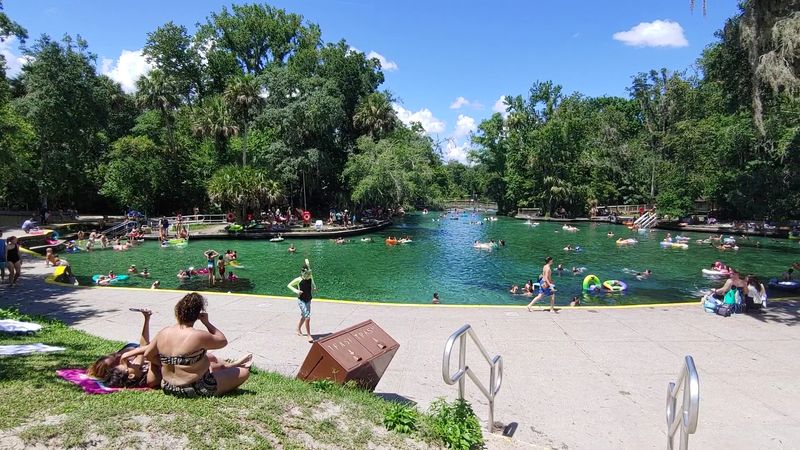
Unlike theme parks where everything operates on schedules and crowds surge constantly, Wekiwa moves at nature’s pace. Families spread picnic lunches across wooden tables beneath oak canopies, spending entire afternoons talking and laughing without rushing anywhere.
Nobody checks their phones obsessively because the park’s beauty demands attention.
Regulars recognize each other, waving hello across the swimming area or on passing trails. Conversations start easily between strangers comparing wildlife sightings or sharing trail recommendations.
This sense of community makes the park feel less like a tourist destination and more like a shared backyard.
Parents appreciate that kids can explore safely, climbing on designated areas, splashing in shallow water, or examining interesting bugs found under logs. Teenagers come with friends, finding spots along the river to talk away from adult supervision.
Grandparents bring folding chairs and books, content to watch grandchildren play while enjoying the shade.
The park prohibits loud music and enforces quiet hours at the campground, maintaining its peaceful character. This commitment to tranquility attracts people seeking genuine relaxation rather than excitement and stimulation.
Camping Beneath The Oaks And Pines
Sixty campsites accommodate both tent campers and RVs, though reservations book weeks ahead during popular seasons. Campers wake to bird songs rather than alarm clocks, unzipping their tents to find dappled morning sunlight filtering through the forest canopy.
The smell of campfire coffee mingles with pine scent carried on cool morning breezes.
Each site includes a picnic table, fire ring, and access to clean restroom facilities with hot showers. Electric and water hookups serve RV campers, while tent sites offer more rustic experiences deeper in the woods.
Campers often spot deer wandering through the campground at dawn, searching for acorns beneath the oaks.
Nighttime transforms the campground into something magical. Owls hoot conversations across the darkness while crickets provide constant background music.
Stars appear brilliant without city light pollution. Families roast marshmallows and tell stories around crackling fires before retreating to sleeping bags.
Rangers patrol regularly, ensuring safety and answering questions about trails or wildlife. Camping here feels genuinely restorative, offering the rare opportunity to disconnect completely from modern distractions and reconnect with simpler rhythms.
The Best Seasons To Visit Wekiwa Springs
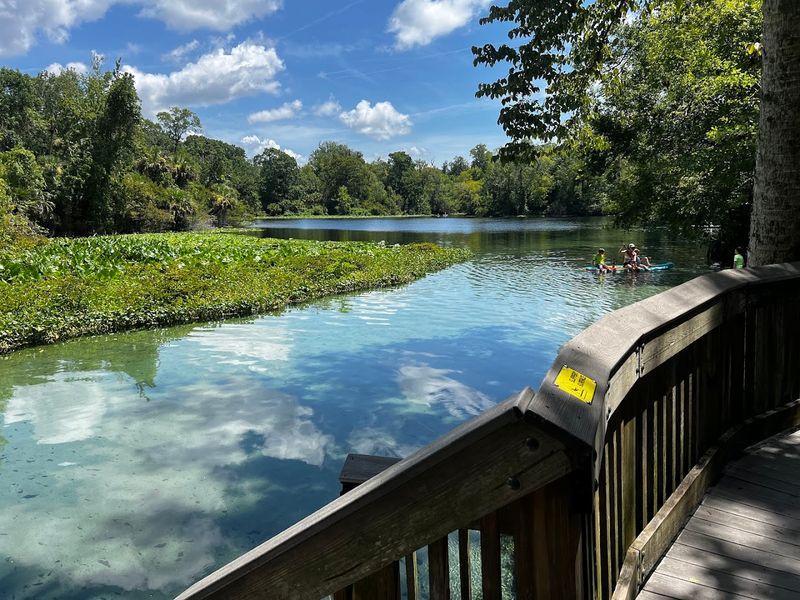
Spring arrives with spectacular wildflower displays across the prairies and forest edges. March through May brings comfortable temperatures perfect for every activity – swimming feels refreshing without being shocking, and hiking remains pleasant even at midday.
Azaleas bloom in vibrant pinks while warblers migrate through, delighting birdwatchers.
Early summer intensifies the heat, making the cool springs absolutely irresistible. July and August draw the biggest swimming crowds, so weekday visits work better than weekends.
Afternoon thunderstorms roll through regularly, cooling things down temporarily and creating dramatic skies.
Fall transitions gradually in Florida, but October and November offer some of the park’s finest conditions. Humidity finally drops, temperatures moderate, and crowds thin considerably.
Wildlife becomes more active as breeding seasons begin for many species. Hikers can tackle longer trails without overheating.
Winter surprises many visitors with genuinely chilly mornings requiring light jackets. The spring water feels warmer than the air, creating steam that rises mysteriously at dawn.
Manatees seek the warmer water, increasing sighting chances. Camping becomes especially pleasant when evening temperatures drop into the comfortable range.
Each season offers distinct advantages, ensuring worthwhile visits year-round.
Hidden Corners And Photo-Worthy Views Around The Park
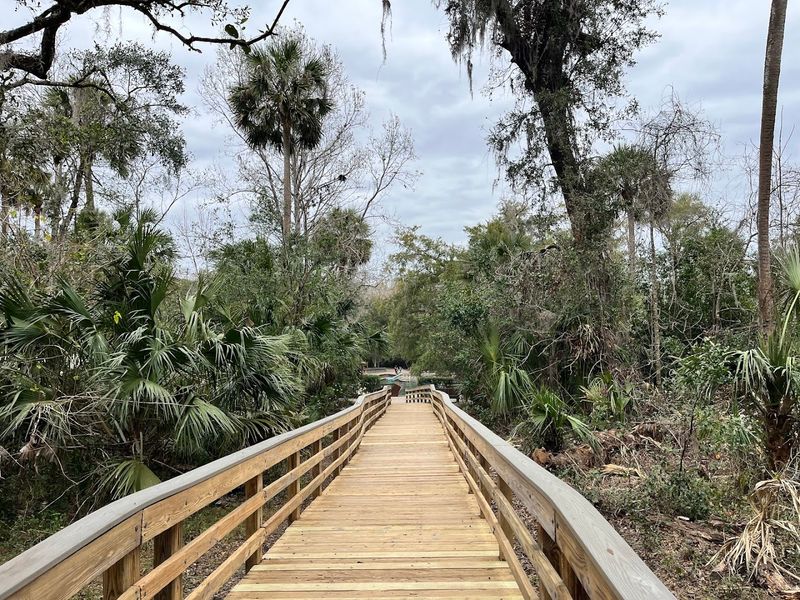
Most visitors congregate around the main spring area, but exploring beyond reveals quieter treasures. A wooden boardwalk extends over marshland where reflection photographs capture mirror images of cypress trees in still water.
Early morning light transforms this spot into something ethereal, with mist hovering above the wetlands and soft golden rays breaking through the canopy.
Upstream along the river, certain bends create postcard-perfect compositions where overhanging branches frame the waterway. Photographers often wait patiently here, hoping to capture kayakers paddling through the scene or wading birds frozen mid-hunt.
The play of dappled sunlight on water creates constantly changing patterns worth studying.
Lesser-known trails lead to small hammocks where massive oaks draped in resurrection ferns create natural sculptures. These areas see few visitors, offering solitude and contemplation.
Wildflower patches bloom seasonally in scattered clearings, attracting butterflies that dance between blossoms.
Smart photographers bring macro lenses to capture details – dewdrops on spider webs, tiny frogs clinging to leaves, or the intricate patterns of tree bark. The park rewards those who slow down and really observe their surroundings with endless photographic opportunities.
Visitor Information And Helpful Tips
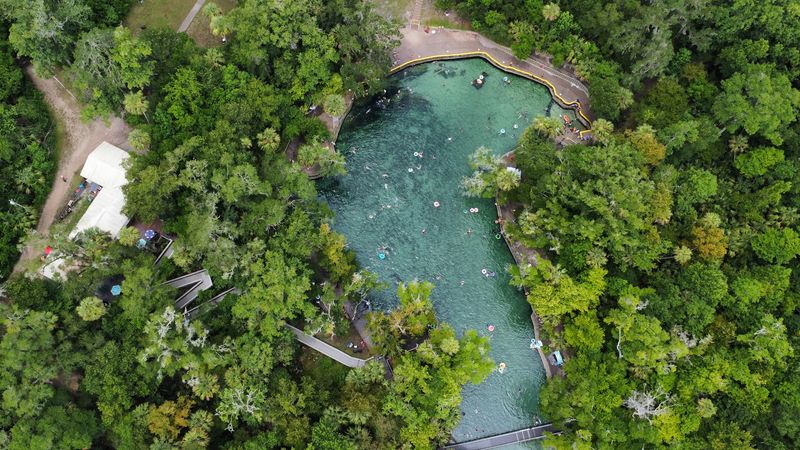
Entrance fees run $6 per vehicle (up to eight people), which many consider an incredible bargain for a full day’s entertainment. The park opens at 8 a.m. daily, but on summer weekends it often reaches capacity by mid-morning and closes gates until others leave.
Smart visitors arrive before 9 a.m. or plan weekday visits to avoid disappointment.
Kayak and canoe rentals operate from a concession near the spring, though calling ahead for reservations prevents frustration during busy periods. Life jackets are required for all paddlers, and rangers strictly enforce boating safety rules.
Swimming is allowed only in designated areas where lifeguards can maintain watch.
Pack reef-safe sunscreen since chemical sunscreens harm the delicate spring ecosystem. Bring plenty of water, snacks, and insect repellent during warmer months.
Restrooms and changing facilities stay reasonably clean, though they’re basic compared to hotel amenities. Pets are allowed on hiking trails but prohibited from swimming areas and beaches.
The park sits just off Highway 434 near Apopka, roughly 20 minutes from downtown Orlando. GPS directions work reliably, though cell service becomes spotty once you enter the wilderness areas.