
Oahu holds far more WWII history than a single memorial can contain. Beyond Pearl Harbor, the island is dotted with bunkers, airfields, tunnels, and quiet shoreline scars that still whisper the story of December 7 and everything that followed.
If you want to feel the human scale of the war, you can step right where sailors scrambled, pilots launched, and islanders watched the horizon. Use this guide to plan a meaningful route that blends solemn remembrance with eye opening discovery.
Battleship Missouri Memorial (USS Missouri)
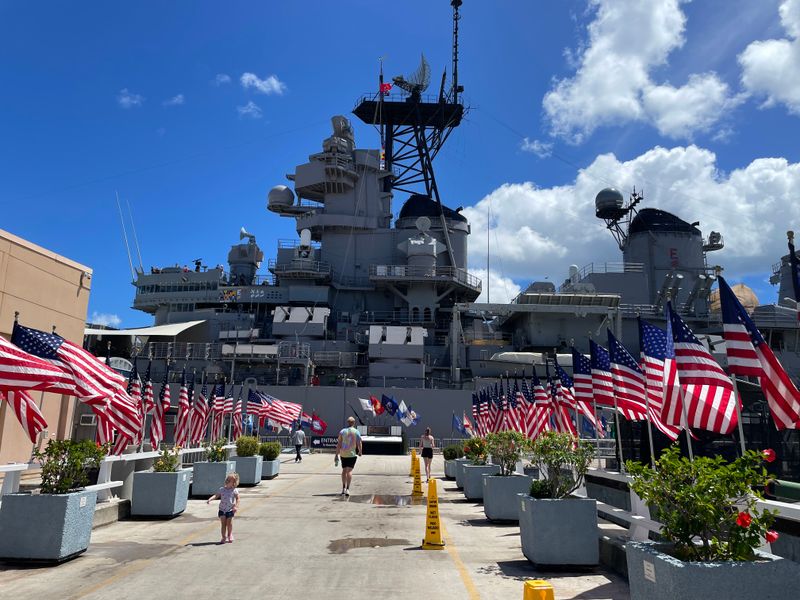
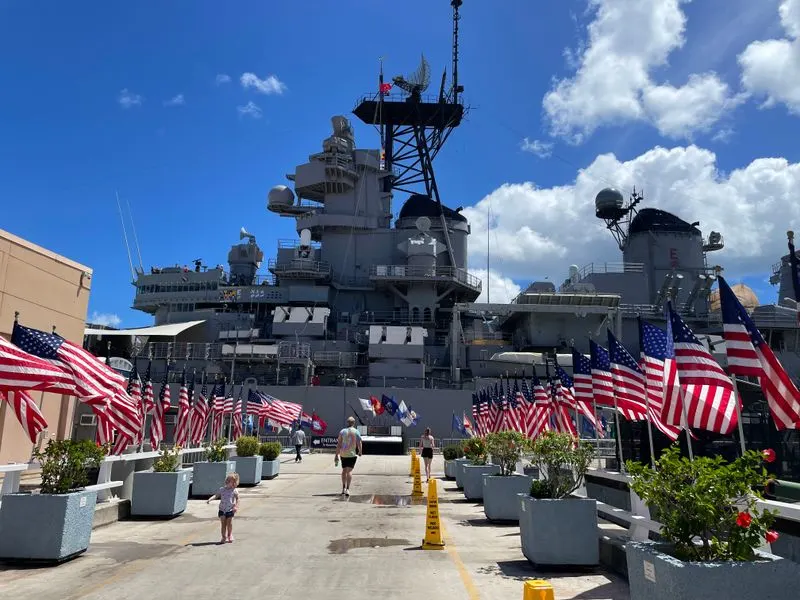
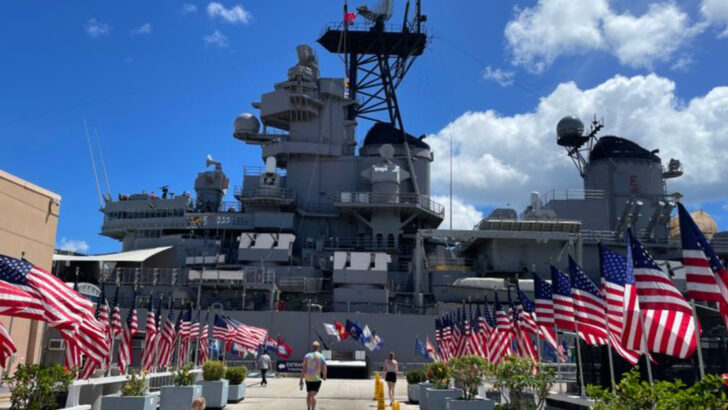
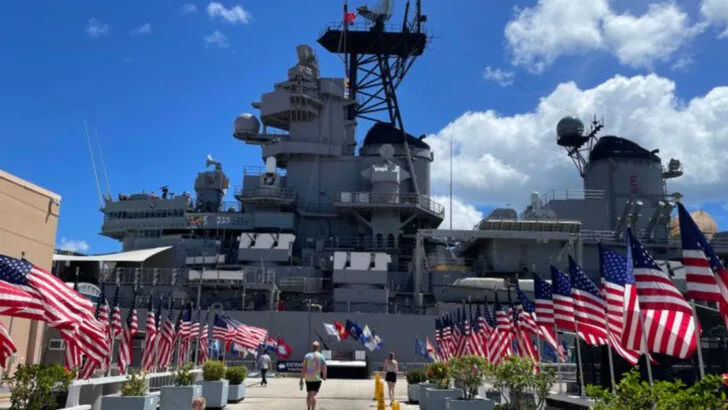
The USS Missouri is where World War II ended, and you can stand a few feet from the spot where the surrender was signed. The teak under your shoes creaks, the guns loom above, and the breeze off Pearl Harbor cools the steel. Guides share stories that make the ship feel lived in, not staged.
You walk past cramped bunks, the mess line, and the combat information center, imagining long watches and coffee thick as tar. Those spaces turn abstract history into daily life. Seeing the plaque at the surrender deck ties it back to faces, pens, and a table on a calm Tokyo Bay morning.
Outside, the view frames the harbor that drew America into the war and carried it to its close. You can trace a line from the Arizona Memorial to Missouri’s bow, a conversation across decades. It is impossible not to feel the symbolism of beginning and end anchored side by side.
Plan extra time for the below deck exhibits and volunteer led talks. Wear closed toe shoes for ladders and bring water for hot days. If you want a single stop that grounds the whole trip, this is it.
USS Bowfin Submarine and Pacific Fleet Submarine Museum
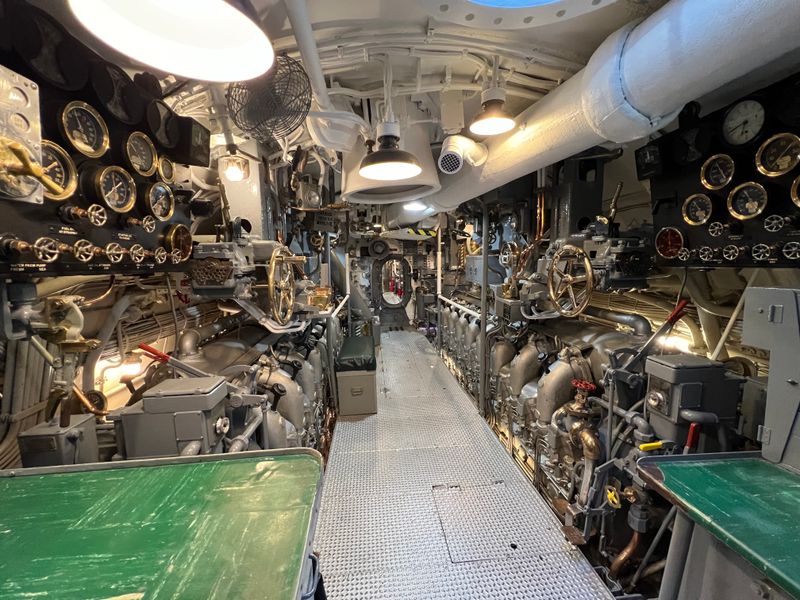
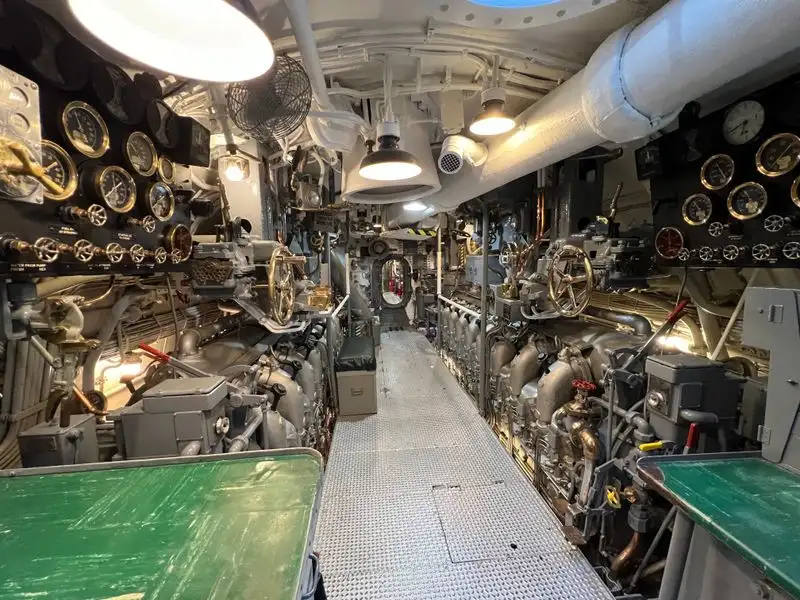
Climbing into the USS Bowfin feels like entering a time capsule of valves, dials, and tight corridors. You squeeze past torpedo racks and imagine the silent tension of a submerged approach. Audio guides tell stories of patrols that disrupted Axis supply lines across the vast Pacific.
On deck, the harbor looks wide and calm, a sharp contrast to the cramped control room below. That contrast drives home what submariners carried on their shoulders. The adjacent museum adds depth with artifacts, decoded messages, and personal letters home.
Outside exhibits explain sonar, periscopes, and the evolution of undersea warfare. Kids can spin a periscope and line up landmarks, which makes the history feel tactile. You leave with a sense of technology marching forward under desperate wartime pressure.
Plan for at least two hours, more if you like to read every placard. The gangways are narrow, so pack light and watch your head. Pair this visit with the Missouri and the Aviation Museum to understand air, sea, and undersea roles together.
Pearl Harbor Aviation Museum (Ford Island)
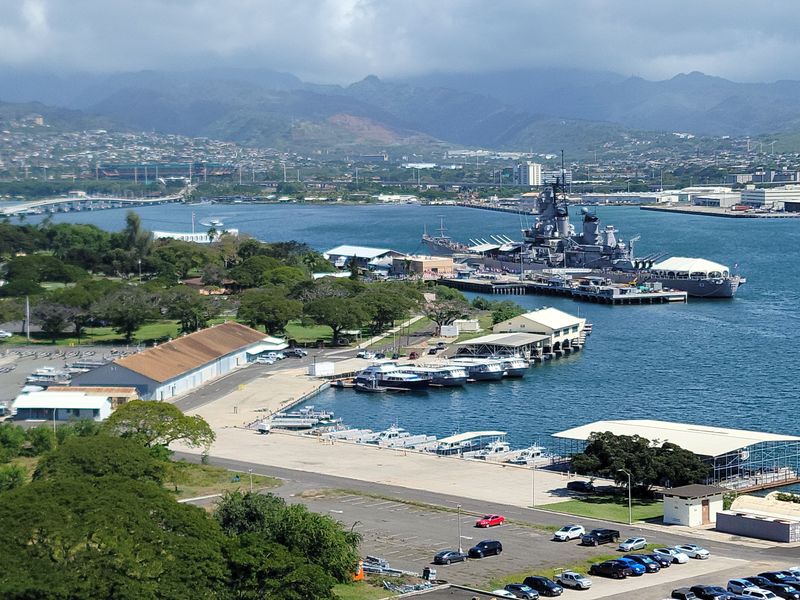
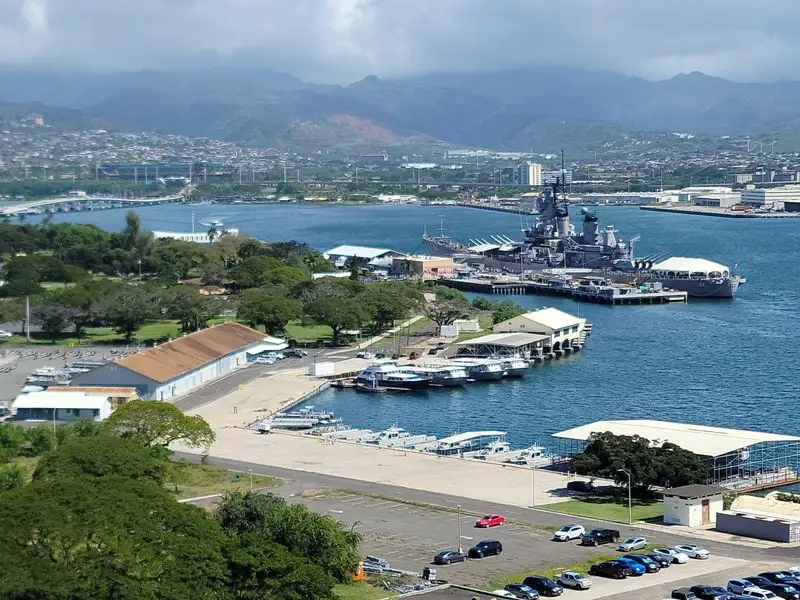
In the middle of Ford Island, this museum puts you inside hangars that survived the attack. Bullet holes in the glass are not replicas, they are evidence. You will see warbirds from both sides, including a P 40 and a Zero, sitting a few feet from where the first waves roared in.
The displays trace Oahu’s air defense and the rapid ramp up that followed. You can climb the restored control tower for a sweeping view of the harbor and runways. That vantage point helps you picture the chaotic morning when pilots sprinted for planes under fire.
Exhibits balance hardware with human stories, from mechanics sleeping under wings to civilian workers swept into war. Restoration bays reveal how fragile aluminum skins become artifacts. The sound of tools and the smell of oil make it feel alive, not distant.
Give yourself time for the audio tour and the surrounding outdoor aircraft park. Bring sun protection for the tower ascent and camera lenses for wide shots. Pair this stop with the nearby Missouri for a full sense of strike, response, and eventual victory.
Fort Kamehameha Coastal Batteries
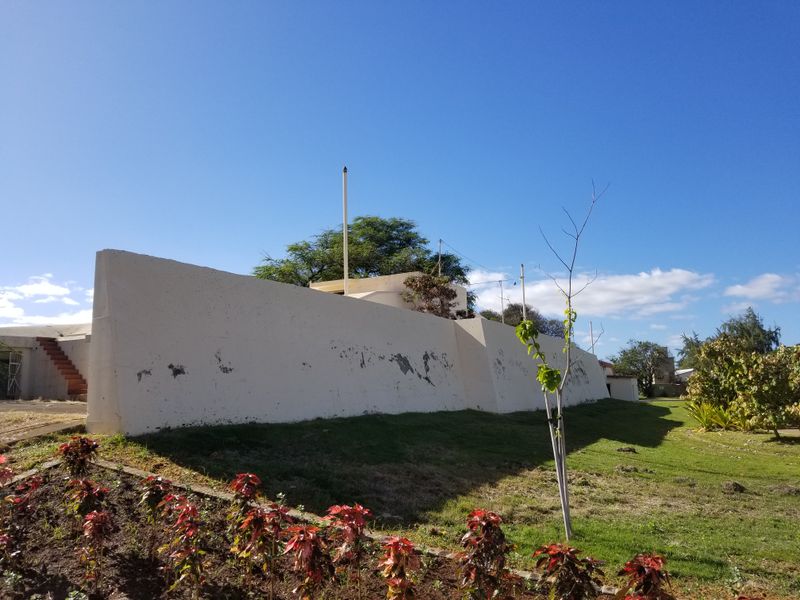
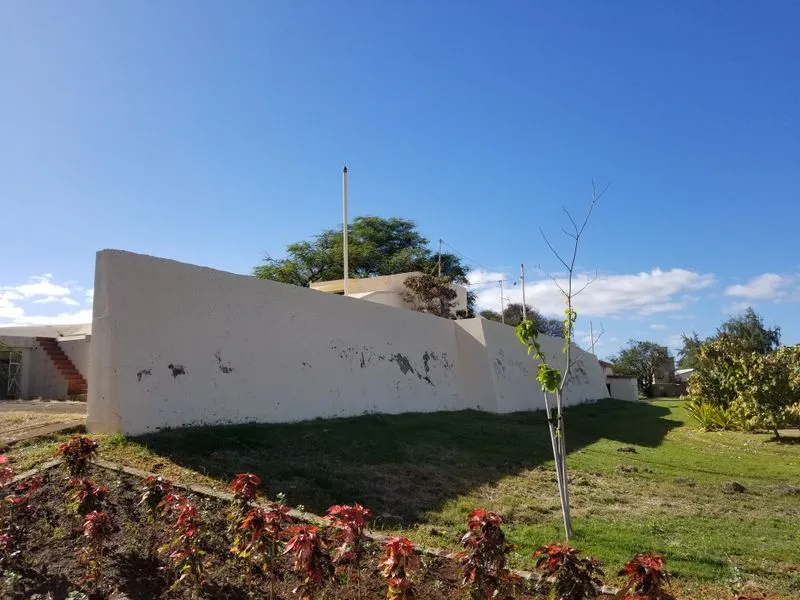
Hidden near the mouth of Pearl Harbor, the old coastal batteries of Fort Kamehameha still crouch behind the shoreline. Massive concrete casemates once protected big guns aimed at the channel. Standing in the cool shade, you can feel how defense of the harbor extended beyond ships alone.
These structures tell a story of prewar planning and interwar anxiety. The Army poured reinforced concrete and trained crews to spot and range targets long before aircraft dominated. Today, the empty rooms and rusted fittings hint at the evolution from coastal artillery to air power.
Access can be limited because parts of the area sit on active military property. Always check current rules and go only where allowed. From public vantage points, you still grasp the geometry of fire that guarded the approaches.
Bring a flashlight for darker recesses and wear sturdy shoes for uneven ground. The site pairs well with a visit to the Aviation Museum to see how strategy shifted. Quiet, windswept, and a little eerie, it is a powerful counterpoint to the busier memorials.
Schofield Barracks Quadrangle and Museum
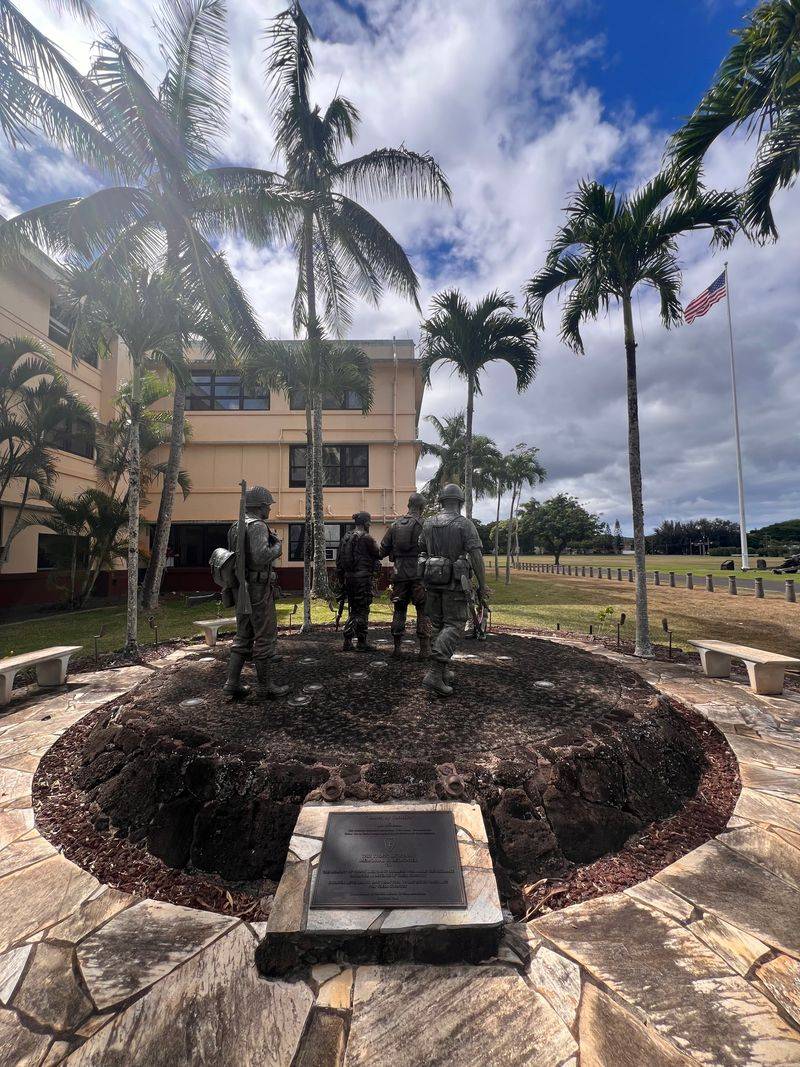
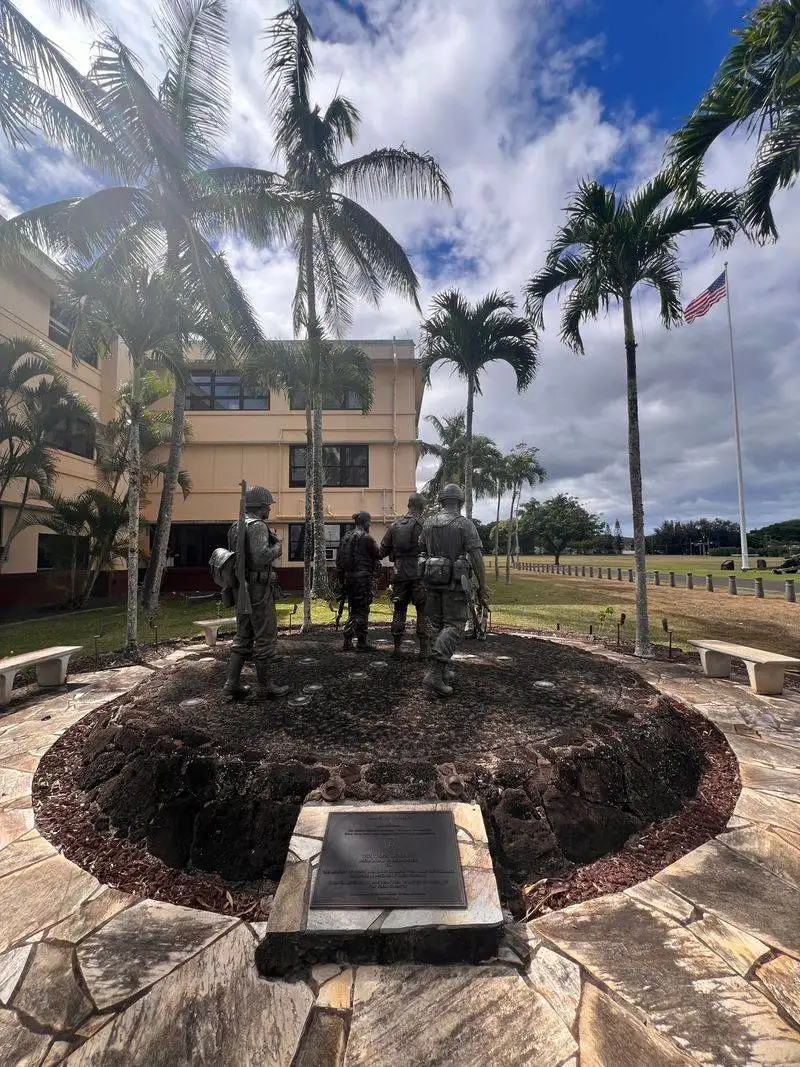
Schofield Barracks sits inland, where soldiers heard the first planes and scrambled on that Sunday morning. The Quadrangle’s architecture and lawns feel peaceful now, but you can picture trucks revving and boots pounding across the grass. The on base museum interprets the 25th Infantry Division’s WWII campaigns from Oahu to the Pacific islands.
Displays include field gear, radios, and letters that track the division’s path from defense to offensive operations. You learn how training on Oahu turned into jungle fighting on Guadalcanal and beyond. It is a bridge between home front preparation and front line hardship.
Because this is an active installation, access rules change. Check sponsorship or visitor center procedures well ahead. When you do get in, plan to walk slowly and read deeply, because context here is precise and personal.
Pair the visit with nearby Wahiawa for local eateries and a breather. Morning light makes the Quadrangle photogenic without harsh shadows. If you want the army’s side of Oahu’s war story, this stop fills crucial gaps.
Barbers Point Naval Air Station remnants (Kalaeloa)
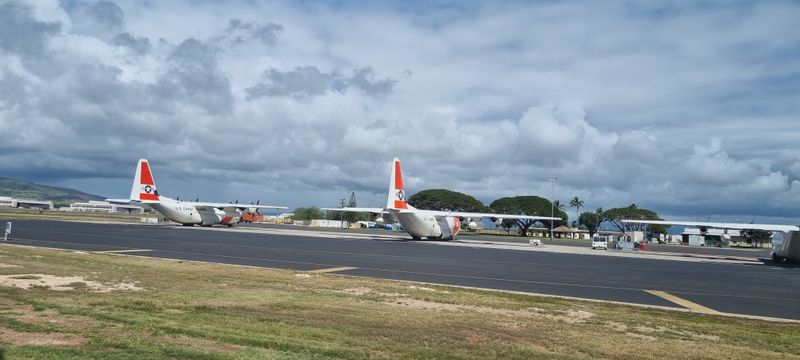
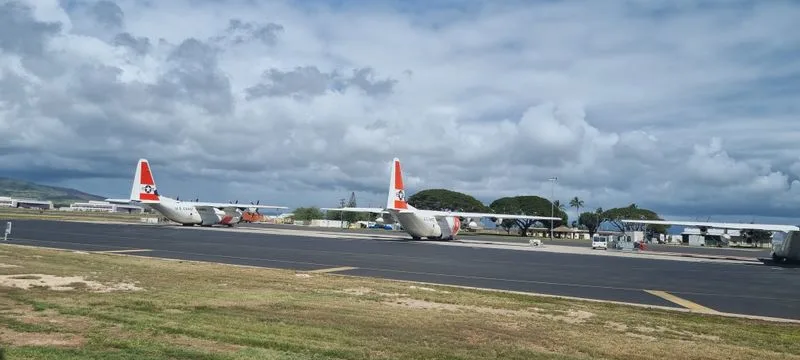
On Oahu’s leeward side, the former Barbers Point Naval Air Station sprawls across Kalaeloa. During WWII it hosted patrol squadrons hunting submarines and shepherding convoys. Today you can still find hangars, pads, and ghostly taxiways hinting at the tempo of wartime flights.
Driving through the area, the scale comes into focus. Long lines of concrete point toward the sea, a reminder that the Pacific is both highway and battleground. Occasional signage and local organizations preserve fragments while redevelopment moves around them.
Because it is partly civilian and partly controlled spaces, respect posted rules and private property. You can photograph from public roads and visit small interpretive spots. Imagine Catalinas and Liberators lifting into salt haze, wingtip to wingtip, hour after hour.
Sunset light makes textures pop and turns weathered metal into sculpture. Combine this stop with nearby beaches to balance hard history with open horizons. If you love aviation archaeology, Kalaeloa rewards curiosity with quiet details that most visitors miss.
Diamond Head military tunnels and Fire Control Station Battery Harlow
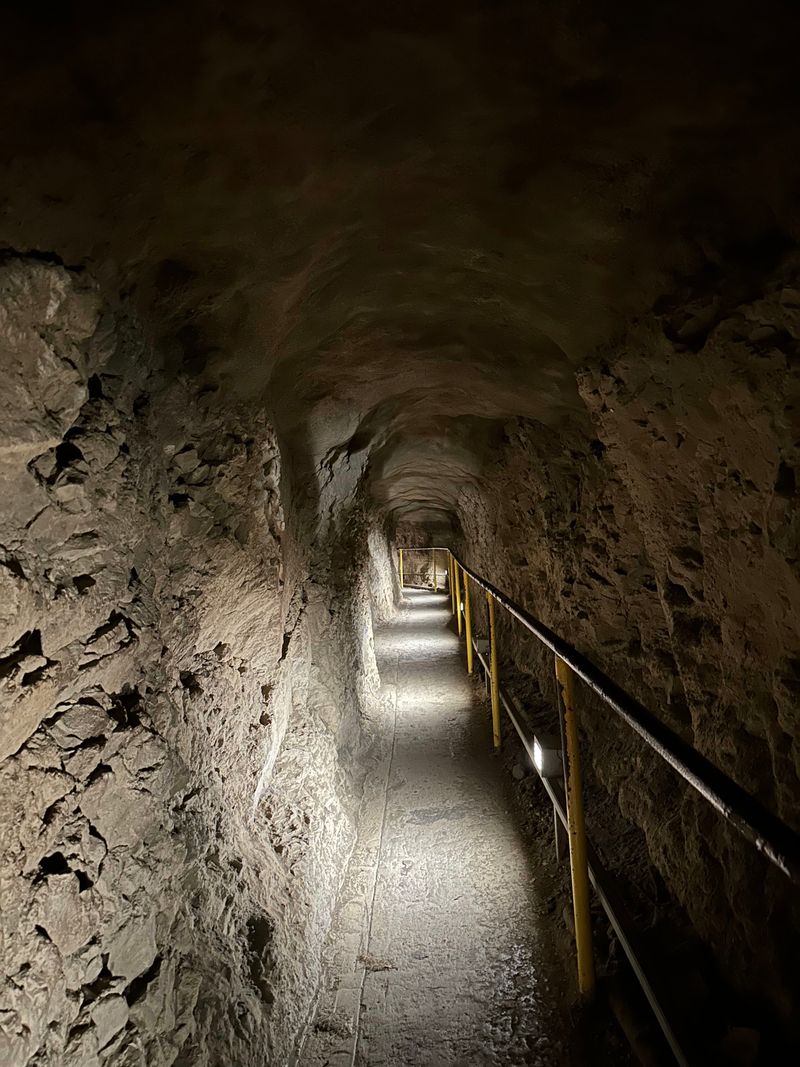
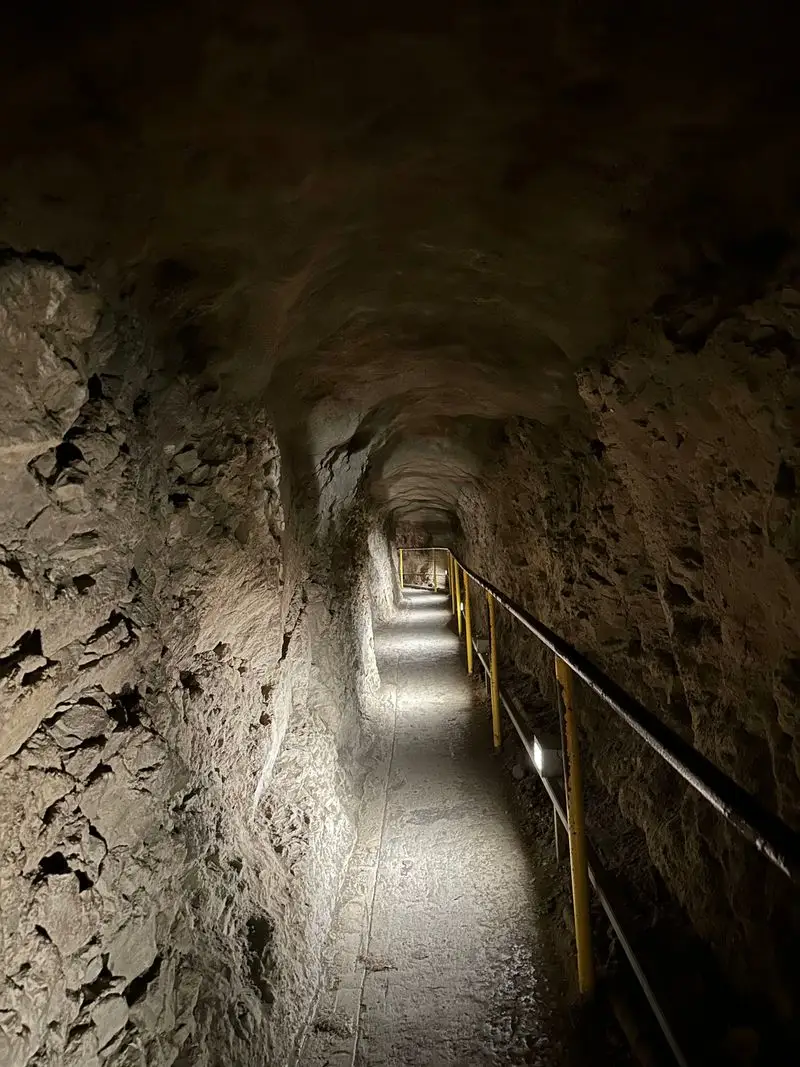
Diamond Head’s famous hike ends at a fire control station that once directed artillery up and down the coast. Narrow tunnels, steel stairways, and slit windows point to batteries that guarded shipping lanes. You can feel the purpose in every angle of concrete.
The climb is hot and crowded, but pauses in the tunnels cool you and reveal wartime engineering. Placards explain how spotters calculated range and elevation for guns miles away. When you step onto the summit, the view turns math into geography.
Look south to the sea lanes and west toward Pearl Harbor’s distant mouth. The island’s defense network clicks into place from up here. You understand why this crater anchored both tourism and security.
Reserve timed entry, bring a flashlight for dim stairs, and wear shoes with grip. Early morning gives softer light on Waikiki and fewer people in the tunnels. This is where coastal defense becomes a lived climb, not just a diagram.
Punchbowl Crater National Memorial Cemetery of the Pacific
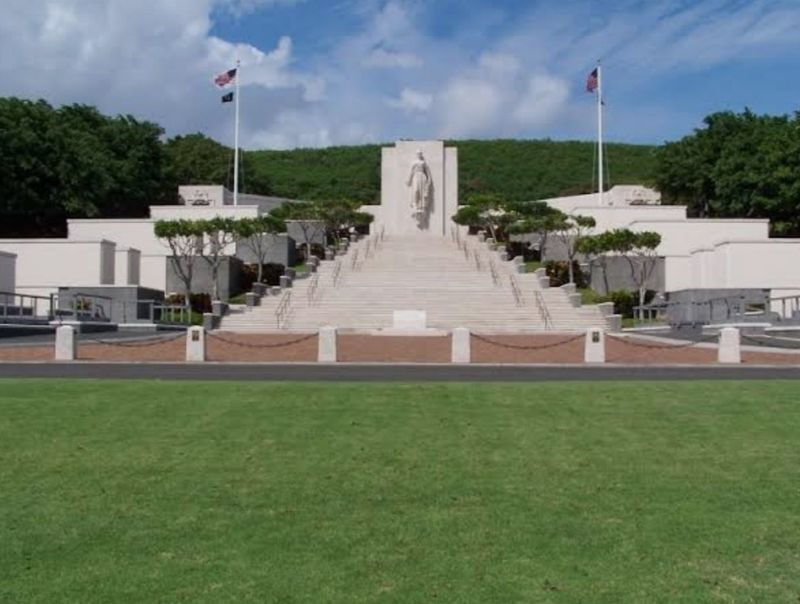

Set in an ancient crater above Honolulu, Punchbowl is quiet and deliberate. Terraces roll up to a memorial with maps of Pacific campaigns, etched with names and battles. Walking the central mall, you feel the scale of sacrifice without a single loud note.
The mosaics and reliefs are crisp lessons in strategy and movement. You can trace island chains like stepping stones, each a hard fought leap. It is a place to connect Pearl Harbor’s shock to years of grinding effort.
Bring flowers if you wish, or simply time. Read a few names aloud, because memory is most powerful when voiced. The city spreads below, a living testament to what those names protected.
Arrive early for soft light and cooler air, and dress respectfully. Photography is welcome, but keep voices low and pace unhurried. If you seek a closing chapter for your route, Punchbowl offers a thoughtful final stop.
Kaneohe Naval Air Station battlefield remnants at Marine Corps Base Hawaii
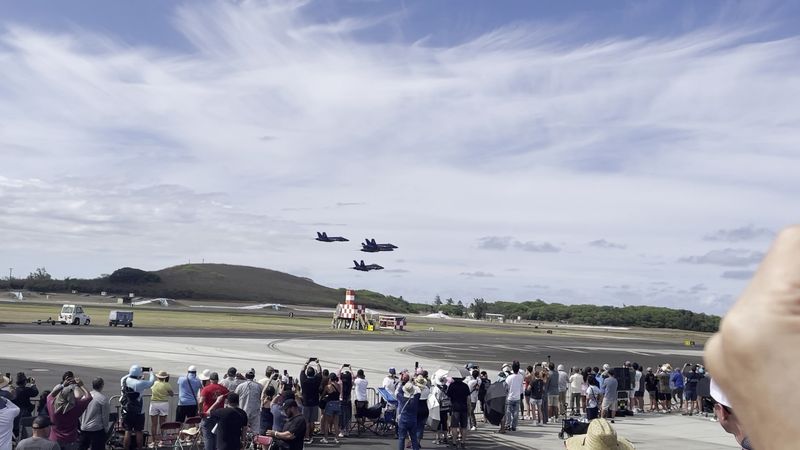

On December 7, 1941, Japanese aircraft struck Kaneohe Naval Air Station minutes before Pearl Harbor. You can trace that morning around the old seaplane ramps at Mokapu Peninsula, where PBY Catalinas once bobbed in the bay.
Interpretive plaques near the waterfront outline damage patterns and heroism under fire. Access is limited due to the active base, but public events and escorted tours occasionally open gates.
Outside the perimeter, look for the Kaneohe Klipper Monument and surviving mooring rings scattered along the shoreline. They feel humble, yet they anchor the narrative in real steel and saltwater.
Bring binoculars to scan the curved bay and imagine the attack’s flight paths.
Bunker and searchlight positions at Koko Head and Koko Crater
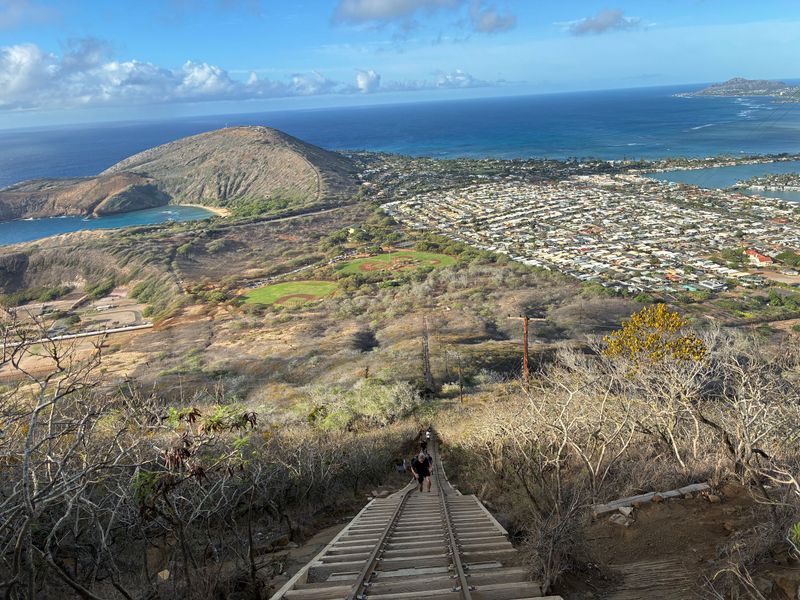
Hugging Oahu’s southeastern tip, Koko Head and Koko Crater hide wartime bunkers, searchlight pads, and observation posts.
Hiking the ridges reveals concrete foundations aimed at sea lanes protected by coastal artillery. You will spot rusted anchor points, cable channels, and blast walls camouflaged by lava rock. The views toward Maui and Molokai explain why these lookouts mattered for early warning.
Start at Halona Blowhole or the Koko Crater Railway Trail for different vantage points. Sunrise paints the positions in soft light and helps you read the landscape. Stay clear of unstable edges and respect closures.
Photographers will love the contrast between rugged bunkers and turquoise water.
Kaena Point coastal defenses and wartime railroad traces
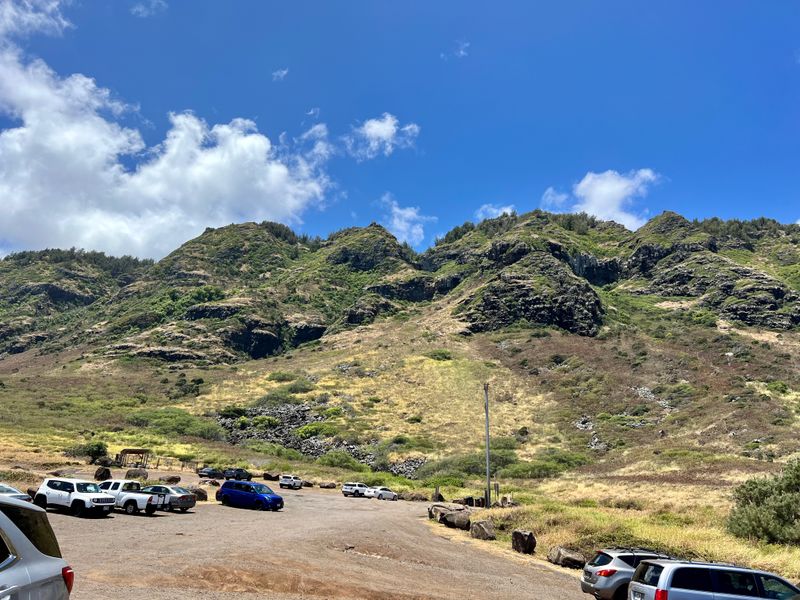
At Oahu’s remote western tip, Kaena Point blends wild coastline with subtle WWII layers. During the war, lookouts and communications lines guarded this flank while the Oahu Railway hauled materiel around the island.
Today you can find railroad bed scars, concrete footings, and cable anchors weathered by sea spray. The trail is exposed, so plan for sun and wind as you follow the shore.
Watch seabirds touring over breakers while you scan for rusted tie plates and embedded bolts. Bring a small flashlight to peek into low cavities and photograph textures.
Leave artifacts in place and tread lightly around sensitive dunes and nesting habitats.