There is something about baking that slows everything down. In Pennsylvania, especially in the softer days of spring when windows are cracked open and streets still carry a bit of morning chill, these classes feel less like instruction and more like being welcomed into someone’s kitchen.
Flour drifts through warm air, butter melts into dough, and conversations unfold easily between strangers who quickly stop feeling like strangers. Small towns, city studios, and neighborhood kitchens all share the same comforting rhythm—mix, wait, taste, repeat.
It’s the kind of experience where learning happens naturally, without pressure or performance, just shared tables and the smell of something sweet coming out of the oven.
For anyone looking to pair skill-building with comfort and connection, these baking classes across Pennsylvania feel like exactly the right place to start.
Zest! Cooking School
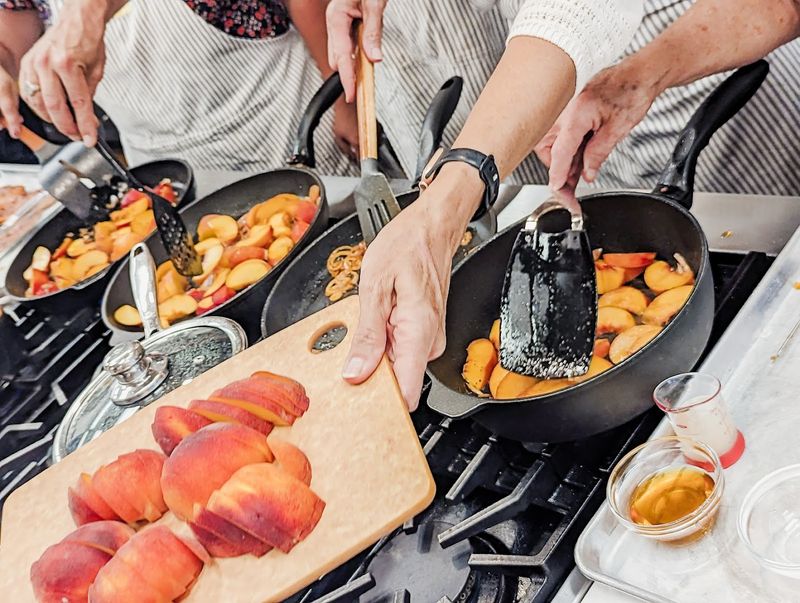
Warm light, busy countertops, and that just-baked smell set the tone before you even tie on an apron here. The classes feel social in the best way, with plenty of chatting, laughing, and casual encouragement as everyone works through doughs and fillings together.
Instead of a rigid classroom mood, you get something that feels more like a friendly kitchen party with better tools.
That is exactly why Zest! Cooking School in Lititz stands out for bakers who want both confidence and comfort.
Their hands-on workshops often spotlight bagels, pastries, and seasonal favorites, letting you learn by doing rather than just watching. If you like instruction that stays approachable, this place makes technique feel genuinely attainable.
What I find especially appealing is the balance between guidance and freedom. You are not left guessing, but you are also given room to touch, shape, taste, and understand the process in a natural rhythm.
That creates the kind of low-pressure atmosphere where beginners relax quickly and enthusiastic home bakers still feel inspired.
Lititz already has a charming food-loving energy, and this school fits it beautifully. Come hungry, expect conversation, and plan to leave with useful skills you will actually want to repeat at home.
It feels less like attending a formal lesson and more like joining a delicious gathering you will want to revisit soon.
Vituperio Bread Studio
Few things feel more comforting than a room full of rising dough, floury hands, and people comparing crusts like old friends. The atmosphere at this kind of class is slow, conversational, and deeply tactile, which makes it ideal if you want baking to feel grounding instead of stressful.
Every step invites you to pay attention without feeling hurried.
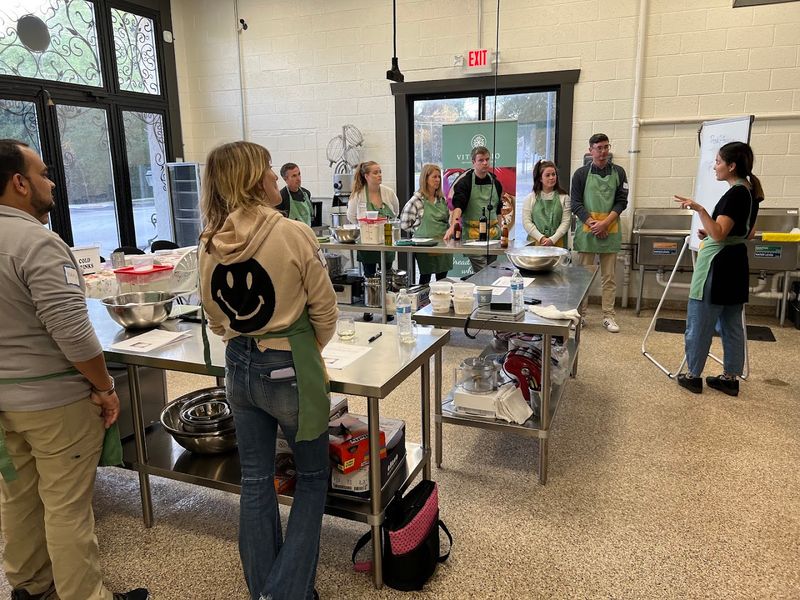
That welcoming spirit defines Vituperio Bread Studio in Lansdale, where small-group artisan classes focus on bread and pastry with serious care. The studio is known for teaching technique in a way that still feels human, generous, and relaxed.
Shared meals and fresh bakes help the experience land more like a gathering than a formal workshop.
I love that bread classes here seem built around process, not performance. You get to observe fermentation, shaping, and texture up close while asking questions in real time, which is exactly how many home bakers learn best.
Instead of chasing perfection, you are encouraged to understand what dough is doing and how to respond confidently.
If you have ever wanted to dive into artisan baking without intimidating culinary school energy, this is a strong choice. Lansdale gives it a neighborhood feel, and the studio’s scale keeps the experience personal.
You leave with practical knowledge, a fuller stomach, and the pleasant sense that baking can connect people as easily as it feeds them.
Gaynor’s School of Cooking
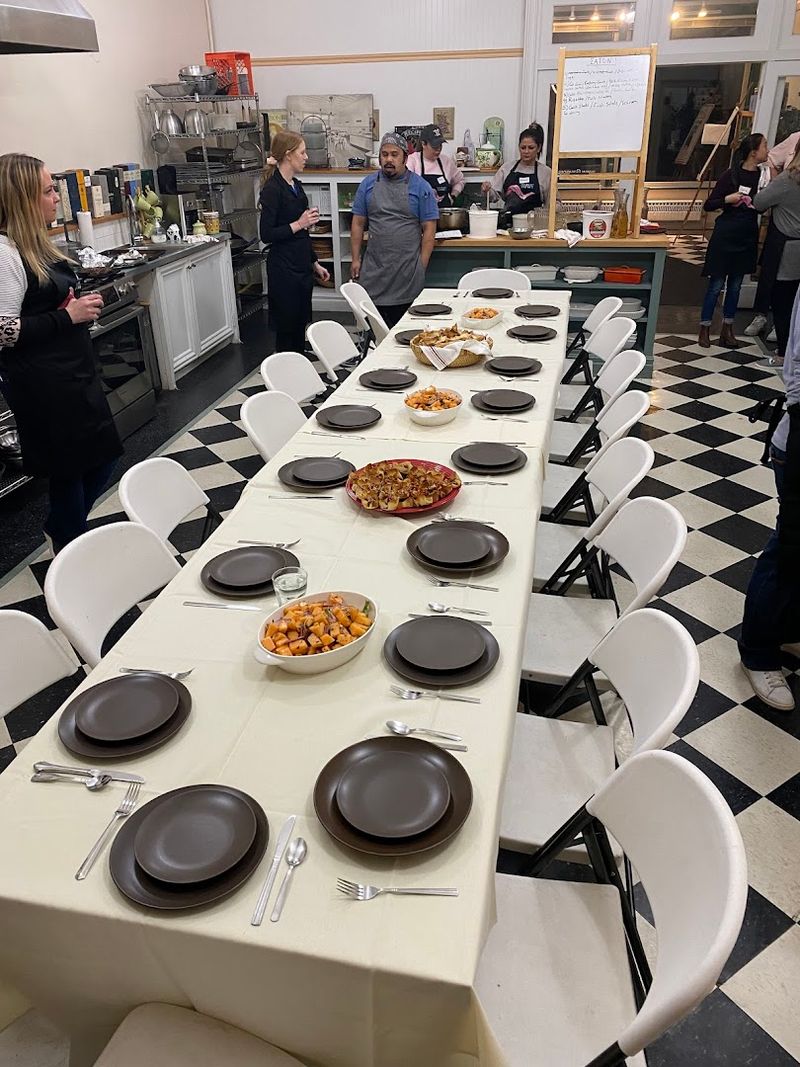
There is something instantly disarming about a baking class that feels more like a themed dinner party than a test. You walk in expecting instruction, then realize the better part of the evening may be the easy conversation, the generous pacing, and the sense that everyone is rooting for one another.
That blend makes learning stick.
Gaynor’s School of Cooking in Pittsburgh earns attention for exactly that kind of community-minded atmosphere. Their baking and pastry offerings are known for feeling approachable, social, and fun, rather than overly polished or intimidating.
If you want a class where technique is important but personality still leads, this school checks the right boxes.
What makes it especially appealing is how naturally the educational side folds into the experience. You are learning methods, ingredients, and timing, but the setting does not force a stiff student-teacher divide.
It feels far more like being welcomed into a lively food-centered evening where everyone happens to leave knowing more.
That matters if you are the kind of person who learns best when you feel comfortable enough to ask basic questions. In a city with a strong neighborhood food culture, this Pittsburgh favorite fits right in.
Expect a friendly room, hands-on moments, and a class rhythm that encourages you to enjoy yourself while building skills you can take straight back to your own kitchen.
Conquering Cuisine
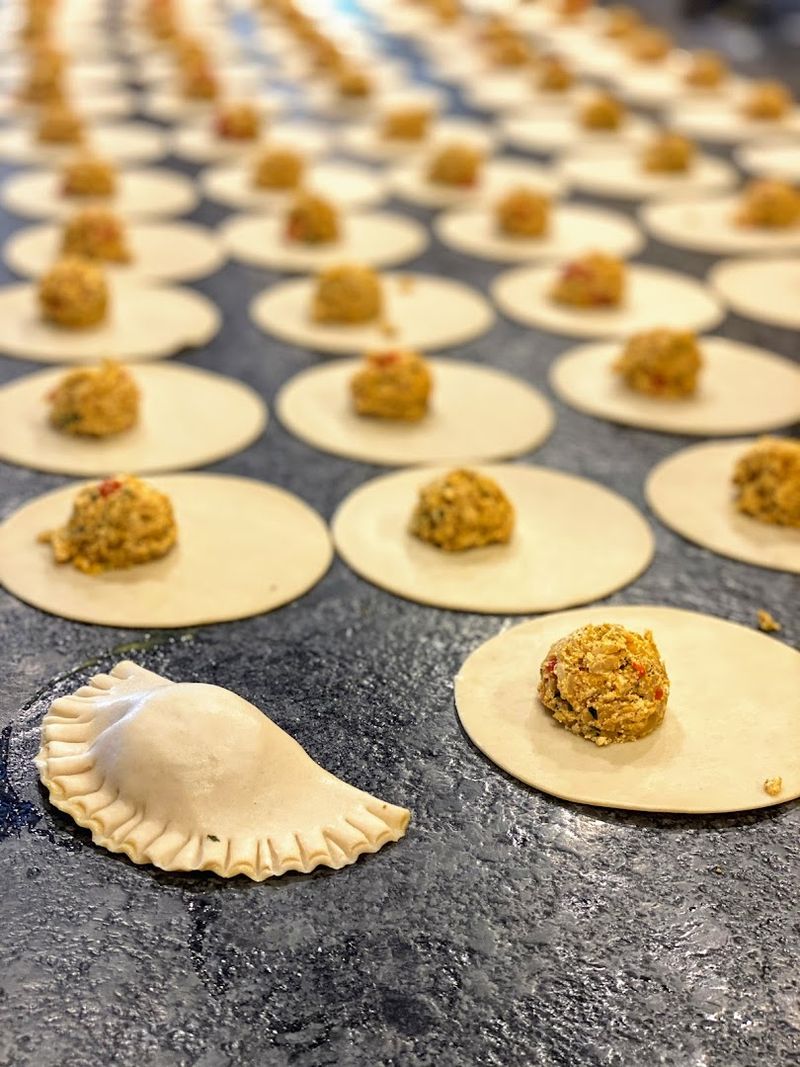
The best group classes make you forget you were ever nervous about signing up. As ingredients come out and people start working side by side, the room shifts from polite introductions to shared jokes and genuine teamwork.
That easy chemistry is a big part of what makes baking feel fun instead of fussy.
Conquering Cuisine in Doylestown is known for hands-on classes that lean into exactly that kind of social energy. While the school covers a range of culinary topics, baking sessions benefit from the same approachable format and shared preparation style.
You are learning techniques, but you are also participating in an experience built around connection.
What appeals to me is the way collaborative cooking naturally lowers the stakes. If your dough is sticky or your piping needs practice, the environment encourages you to keep going rather than freeze up.
Tasting together at the end also gives the class a satisfying sense of celebration instead of simple completion.
Doylestown already feels like a place where food experiences can be both polished and personable, and this school fits that balance well. It is a good choice if you want structure, competent instruction, and a relaxed group dynamic in one evening.
Expect a class that feels less like being lectured and more like joining a cheerful kitchen project with dessert as the reward.
Enrico Biscotti
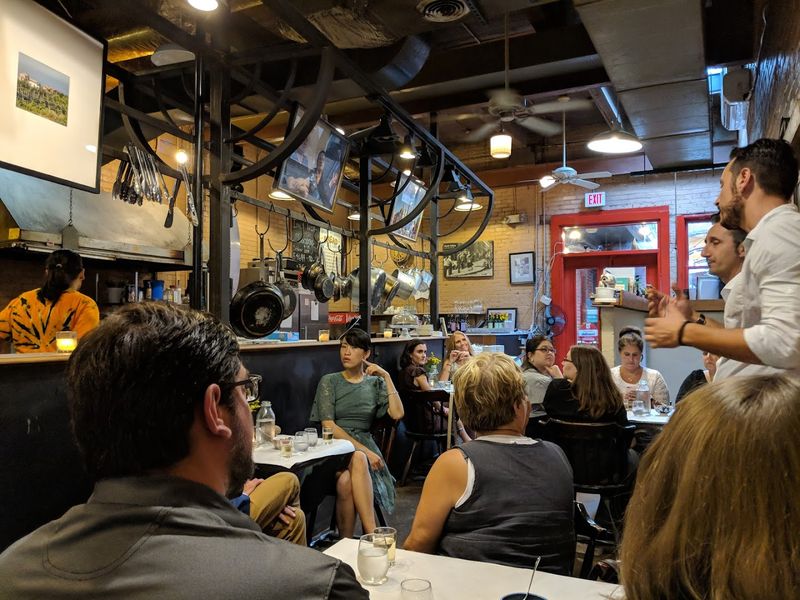
Old-world bakery spaces have a way of making every lesson feel more personal. Surrounded by the aroma of toasted nuts, sugar, and espresso, you start to feel like you are stepping into a tradition instead of simply attending a class.
That mood is especially lovely for anyone drawn to heritage baking.
Enrico Biscotti in Pittsburgh captures that warmth through workshops centered on Italian baking, including biscotti and other classic pastries. The setting already carries the character of a neighborhood bakery, which adds a layer of authenticity you can feel immediately.
It is easy to imagine learning here becoming part lesson, part memory.
I think classes like this work because they connect technique to identity. You are not only measuring and mixing, but also seeing how texture, flavor, and ritual come together in a style of baking that has strong roots.
That makes the experience richer than a generic pastry session, even if you come in as a complete beginner.
If you want an environment that feels warm, flavorful, and full of personality, this Pittsburgh bakery deserves a look. The smaller-scale feel helps conversations happen naturally, and the subject matter invites plenty of tasting along the way.
It is the kind of class that can leave you with new skills, favorite flavors, and a stronger appreciation for baking as cultural expression.
Third Space Bakery
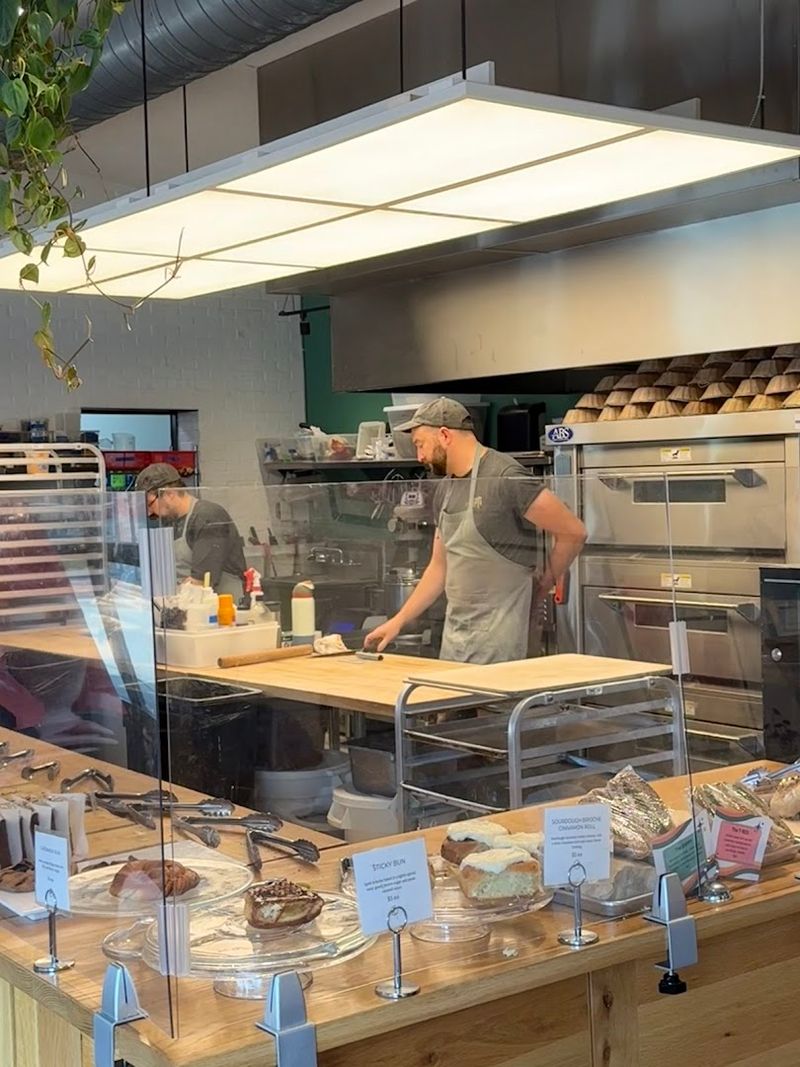
There is a particular calm that comes with slow baking, especially when everyone in the room is paying attention to fermentation, texture, and time. The pace encourages conversation, observation, and patience instead of rushing toward a finish line.
That naturally makes the class feel more reflective and communal.
Third Space Bakery in Pittsburgh is especially appealing for bakers who want that gentler, process-driven experience. Community-focused workshops around sourdough, pastries, and careful technique give the classes a thoughtful identity.
Rather than overwhelming you with information, the setting invites you to settle in and learn with intention.
What I like most is how a bakery centered on craft can still feel approachable. You get the benefit of expertise and serious standards, but the atmosphere suggests curiosity is welcome and perfection can wait.
That is a reassuring combination if you love artisan baking but worry about entering a space that feels too advanced.
In a city with a strong independent food scene, Third Space offers exactly the kind of intimate learning environment many people are searching for. You come for practical skills, but you also get a sense of rhythm and community that is harder to find in bigger classes.
It feels less like formal instruction and more like being invited into a shared practice.
Crate Cooking School
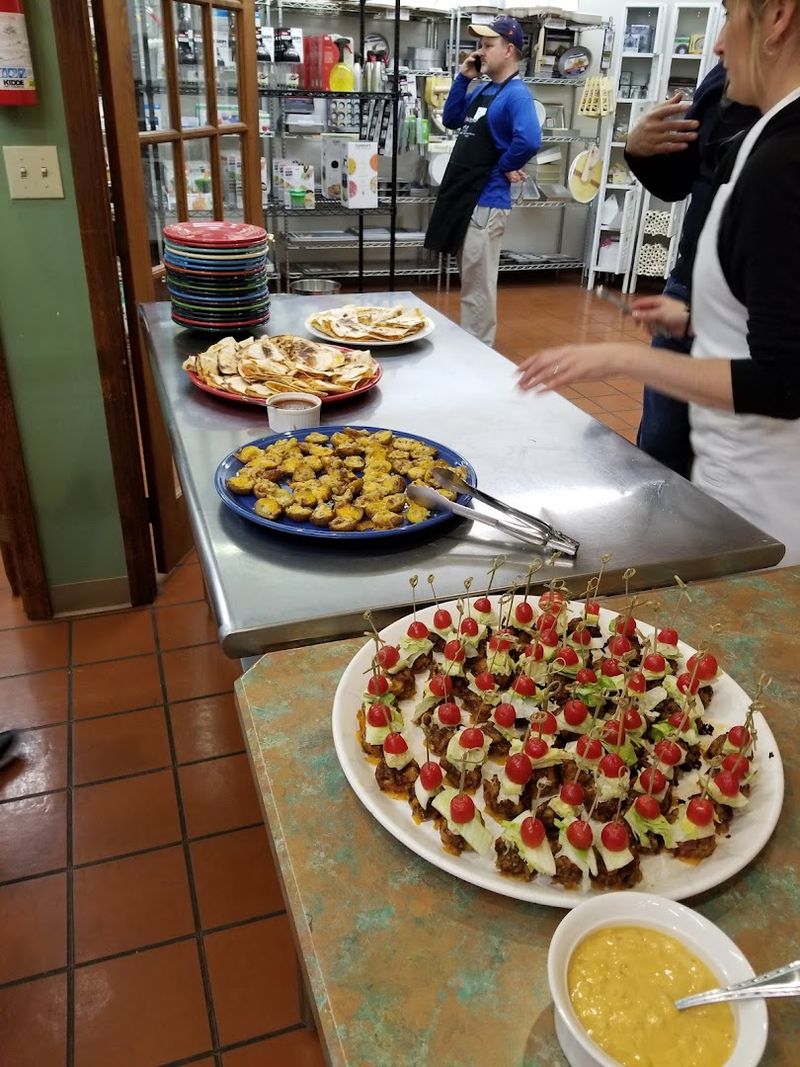
Good baking classes often hinge on one simple thing: whether you feel comfortable enough to participate fully. In a space where people can laugh, ask questions, and compare results without embarrassment, the whole evening becomes more enjoyable.
That relaxed social quality is exactly what many home bakers are hoping to find.
Crate Cooking School in the Pittsburgh area has built a reputation for group classes that keep learning approachable and communal. Baking workshops fit naturally into that format, especially when they are paired with shared dining or tasting elements.
The result can feel more like a food-centered night out than a strict instructional session.
I appreciate classes that acknowledge people learn better when they are having a good time. A casual environment makes it easier to absorb techniques, recover from mistakes, and actually remember what worked once you get home.
That matters just as much as the recipe itself, especially for newer bakers.
If you are looking for a class with enough structure to teach you something real, but enough warmth to keep you at ease, Crate is a strong contender. Its neighborhood feel helps, and the emphasis on group participation keeps the energy friendly throughout.
You leave with fuller notes, fuller stomachs, and a sense that baking can be a genuinely social pleasure.
Macaron Bar
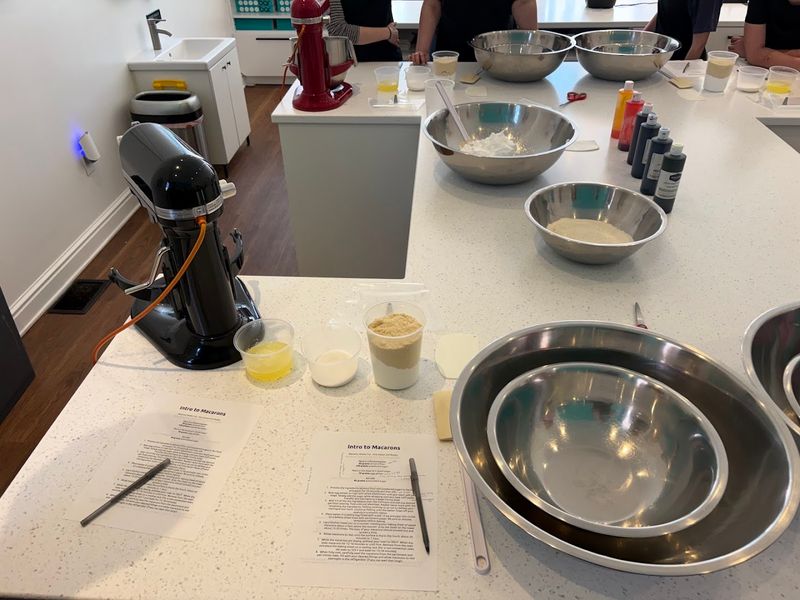
Few baking projects feel as intimidating from afar as macarons, which is why a warm, beginner-friendly class makes such a difference. When the room feels supportive instead of perfectionist, those fussy little cookies become much more approachable.
That shift turns a trendy pastry lesson into a genuinely fun experience.
Macaron Bar in Pittsburgh focuses on exactly that niche, offering hands-on workshops centered on these delicate sandwich cookies. The appeal is not just the subject matter, but the fact that the classes are designed to be accessible and engaging.
You get guidance through technique without feeling buried under pastry-school pressure.
What I like here is the built-in sense of delight. Colors, fillings, shells, and presentation all add a playful element that keeps the class lively, even while precision matters.
It is a great reminder that careful baking does not have to feel stern or overly serious to be effective.
For anyone who has wanted to understand macarons beyond internet myths and failed home attempts, this Pittsburgh option makes a lot of sense. The focused format keeps the lesson specific, while the approachable environment keeps it enjoyable from start to finish.
It feels less like enrolling in a technical challenge and more like spending time with people who want you to succeed.
Chef Alekka
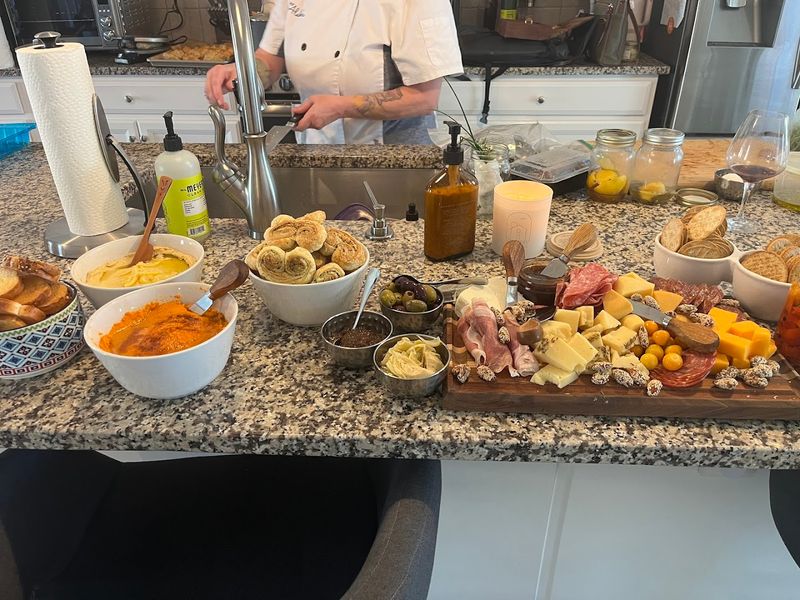
Sometimes the coziest class is the one that does not feel like a class at all. Smaller private workshops can create the kind of relaxed, home-like atmosphere where people settle in quickly, ask honest questions, and actually enjoy the messier parts of baking.
That intimacy is hard to replicate in larger group settings.
Chef Alekka’s baking classes around the Pittsburgh area are especially appealing if you want that personalized experience. Because the events are often private or small-group in nature, the teaching can feel flexible, conversational, and closely tailored to the people in the room.
That makes the whole experience more welcoming from the start.
I like this format for nervous beginners and celebratory groups alike. You can focus on the joy of making something together without the distractions that sometimes come with bigger public classes.
Personalized guidance also means you are more likely to leave with advice that actually fits your own comfort level and kitchen habits.
If your ideal baking lesson involves fewer strangers and more genuine interaction, this Pittsburgh-based option makes a lot of sense. The home-style energy helps the techniques feel accessible, and the smaller scale can turn baking into a memorable shared event.
It is less about performing competence and more about creating a warm experience where learning happens naturally.
Lancaster area community classes
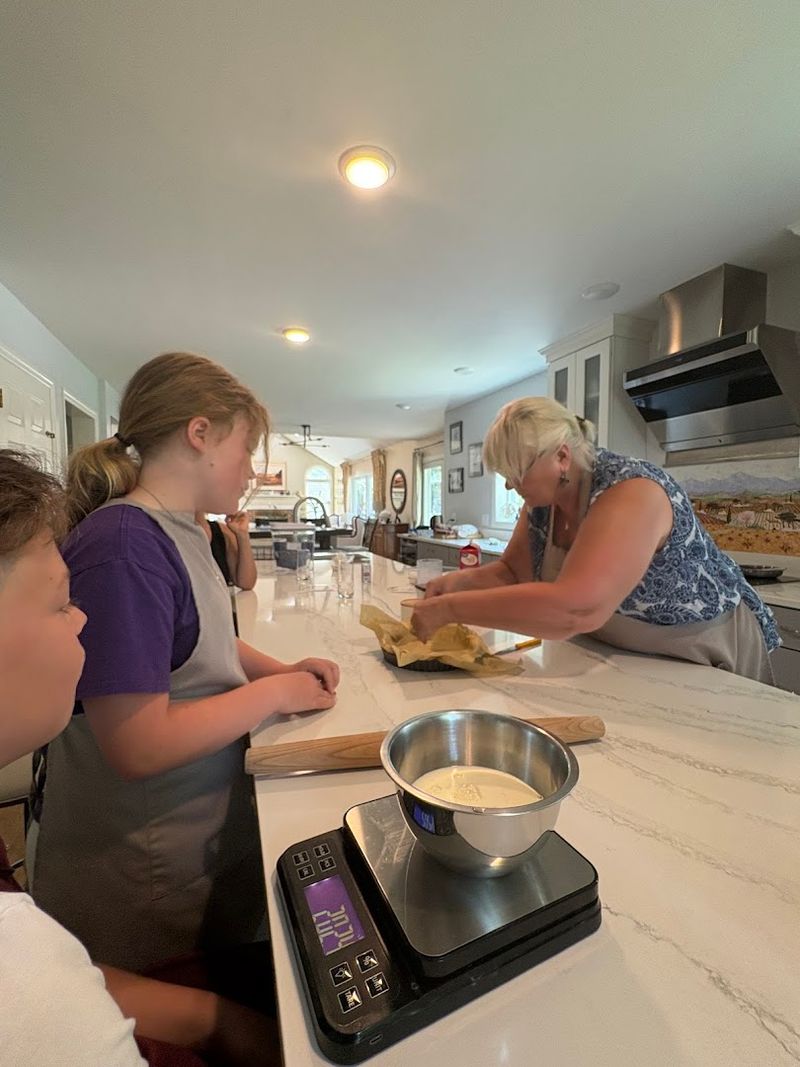
Some of the warmest baking experiences come from community classes rooted in local tradition. When recipes carry history and the setting encourages conversation, the lesson starts to feel like cultural sharing rather than simple instruction.
That is especially true in places where baking is deeply woven into regional identity.
In and around Lancaster, community baking workshops often draw on Pennsylvania Dutch traditions, seasonal ingredients, and familiar comfort foods. Because these classes can take place in various community kitchens, they often retain an unfussy, neighborly feeling that larger culinary venues cannot match.
You come for the recipes, but the atmosphere becomes part of the appeal.
I find this kind of class especially rewarding because it gives technique a story. Learning a pie, bread, or old-fashioned sweet in this context can deepen your appreciation for why the recipe matters and how it has been passed along.
That makes the experience feel generous in a way that goes beyond practical skill-building.
If you are searching for a baking class that feels grounded, regional, and sincerely welcoming, Lancaster is a smart place to look. The best community workshops here tend to emphasize participation, heritage, and shared enjoyment over polish.
They feel less like formal lessons and more like being invited into a local tradition that still has room for newcomers.
Hudson Table Philadelphia
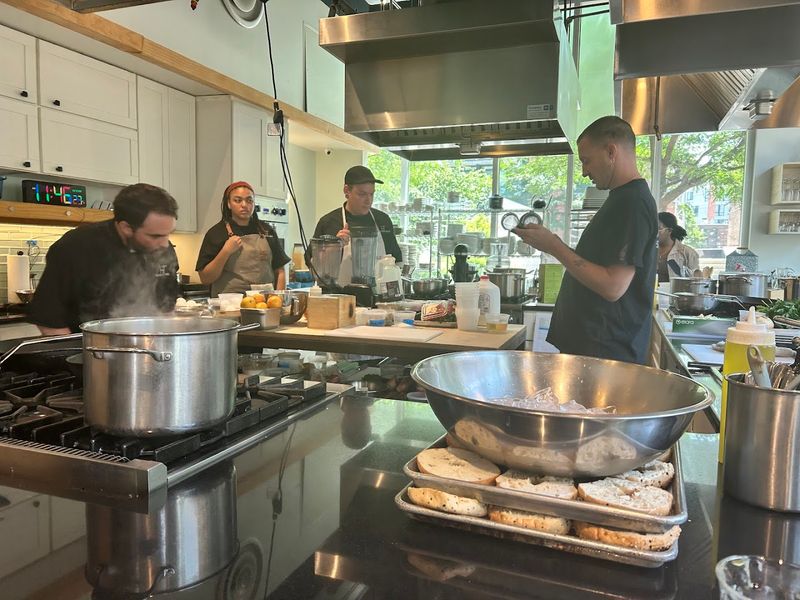
Hudson Table Philadelphia is a hands-on culinary studio and cooking school where guests can take part in immersive cooking and baking-style experiences led by professional chefs. While it is not a traditional “bakery class-only” studio, many of its workshops include baking-focused sessions such as desserts, pastries, breads, cookies, and seasonal sweets as part of their rotating class schedule.
During a typical class, guests work in small groups at fully equipped kitchen stations, learning step-by-step techniques like measuring, mixing, baking, and plating. The experience usually starts with a short chef demonstration and continues with participants actively preparing dishes themselves, making it very interactive and beginner-friendly.
After cooking, everyone enjoys the finished food together in a shared dining setting.
Hudson Table also hosts themed baking workshops, kids’ baking programs, and private group events, making it a popular spot for celebrations, date nights, and creative food experiences in Philadelphia.
Old City Kitchen
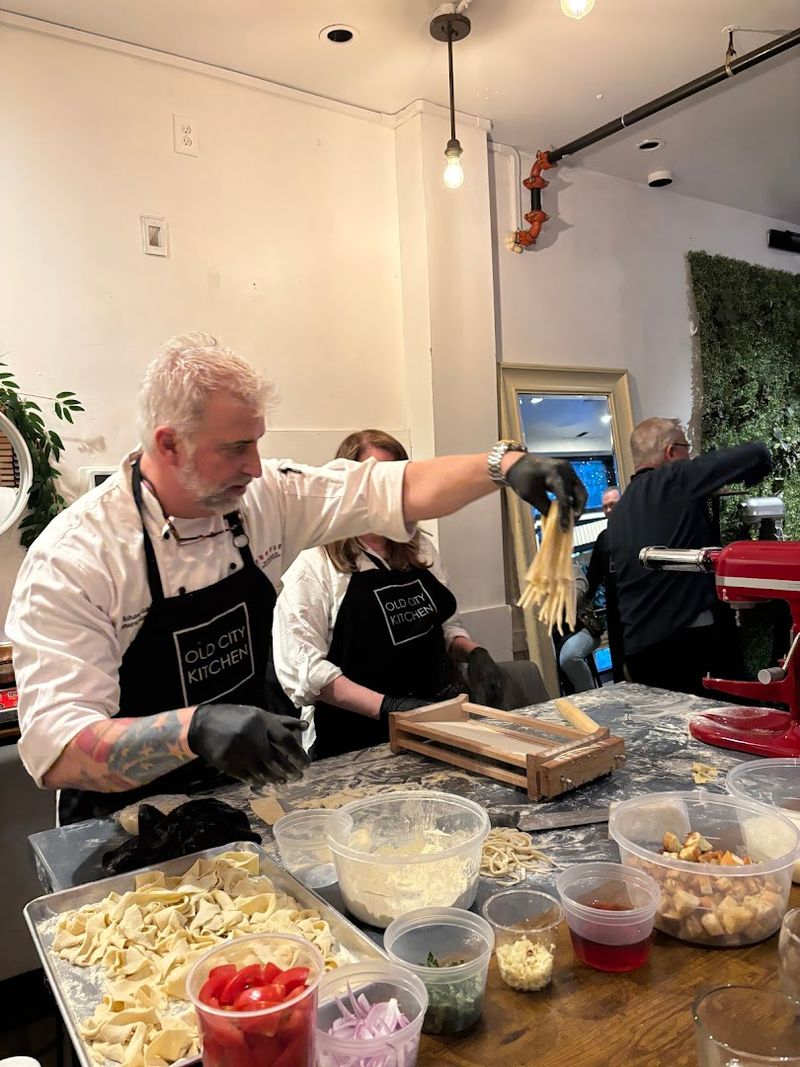
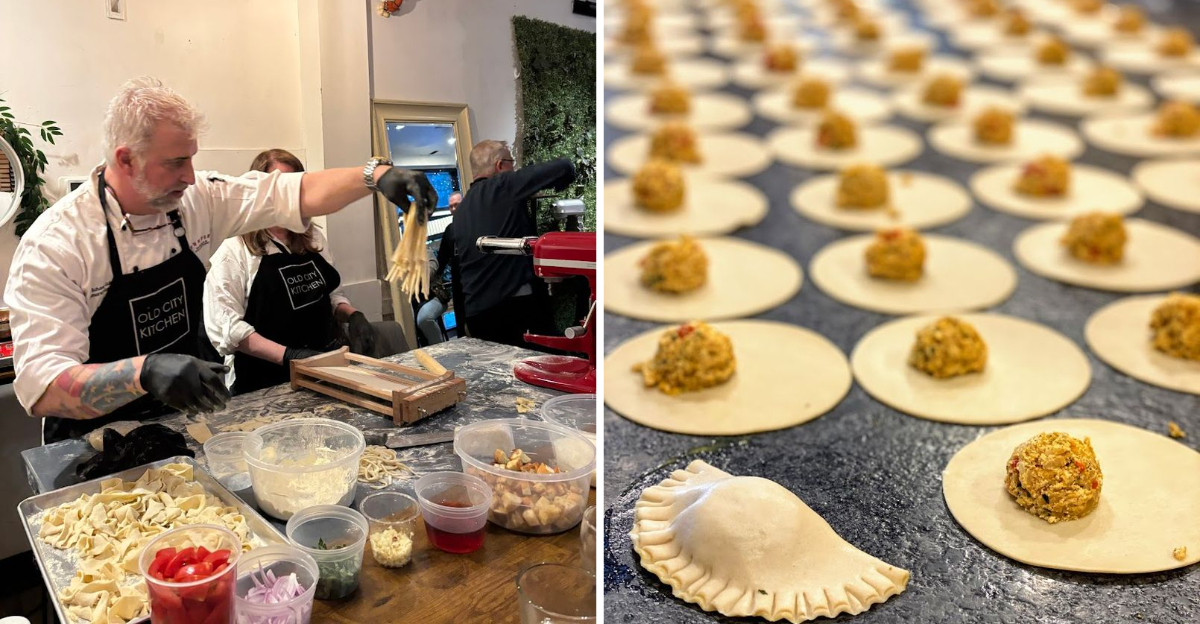
Old City Kitchen in Philadelphia offers hands-on baking-style cooking classes as part of its rotating culinary workshop program. While it’s not a dedicated bakery school, many of its classes focus on baked and dough-based foods such as focaccia bread, pretzels, pizza, pasta dough, cookies, macarons, and seasonal desserts.
Each session is led by professional chefs who guide guests step by step through the cooking and baking process, from preparing dough and mixing ingredients to shaping, baking, and finishing dishes. Classes are interactive and designed for all skill levels, making them popular for beginners, couples, and group outings.
Participants typically work in small teams, then enjoy the finished food together in a relaxed dining-style setting with drinks often included.
The experience is also social and event-focused, often used for birthdays, date nights, and team-building activities, giving guests both a fun night out and practical kitchen skills they can recreate at home.