Pennsylvania offers more than standard tourist attractions.
Beyond the typical postcard stops lie experiences that create lasting memories and genuine connections to history, culture, and natural beauty.
These meaningful encounters invite you to slow down, reflect, and engage with the stories that shaped this remarkable state.
Witness the History and Reflection at Gettysburg National Military Park
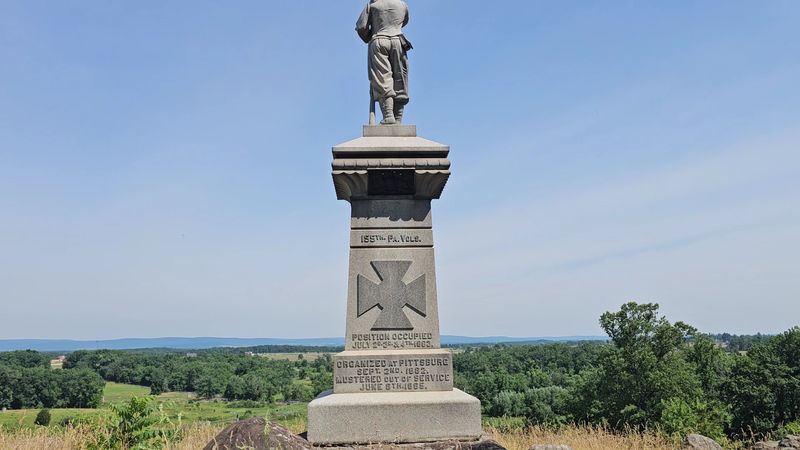
Morning light filters across the battlefield where over 50,000 soldiers fell during three pivotal days in July 1863. The preserved landscape stands as a powerful reminder of sacrifice, courage, and the struggle to preserve the Union.
Ranger-led tours bring personal stories to life. Guides share accounts of individual soldiers, strategic decisions, and the aftermath that transformed America forever.
Walking these grounds creates a connection to history that textbooks simply cannot match.
The cemetery where Lincoln delivered his famous address offers a place for quiet contemplation. Stone markers stretch across gentle hills, each representing lives cut short by war.
Sunrise and sunset visits reveal the battlefield in peaceful moments, allowing deeper reflection.
This experience goes beyond learning dates and battle tactics. Visitors leave with a stronger understanding of the human cost of conflict and the ongoing importance of preserving freedom and democracy for future generations.
Explore Amish Country Around Lancaster
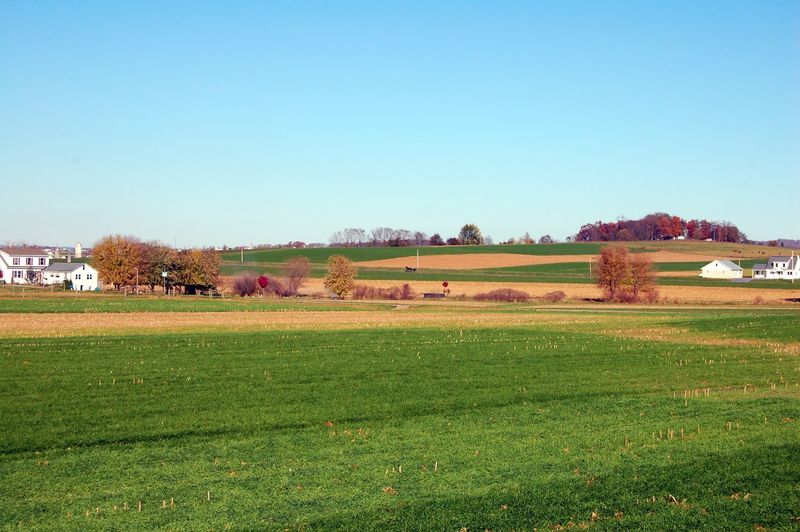
Black buggies clip-clop along backroads where time seems to move differently. Lancaster County invites you to experience a lifestyle centered on faith, family, and simplicity that contrasts sharply with modern rushed living.
Family-owned farms sell fresh produce, homemade jams, and handcrafted furniture built to last generations. The craftsmanship reveals dedication to quality over convenience.
Quilts display intricate patterns stitched by hand, each telling its own story through fabric and thread.
Covered bridges span quiet streams, creating perfect spots for reflection and photography. Rolling farmland stretches toward the horizon, punctuated by windmills and clotheslines fluttering with plain-colored garments.
The scenery feels peaceful and unhurried.
Local markets allow respectful interaction with Amish vendors who graciously share their way of life. Visitors gain perspective on what truly matters when material possessions take a backseat to community bonds, hard work, and spiritual values that guide every decision.
Attend an Evening Candlelight Tour at Eastern State Penitentiary
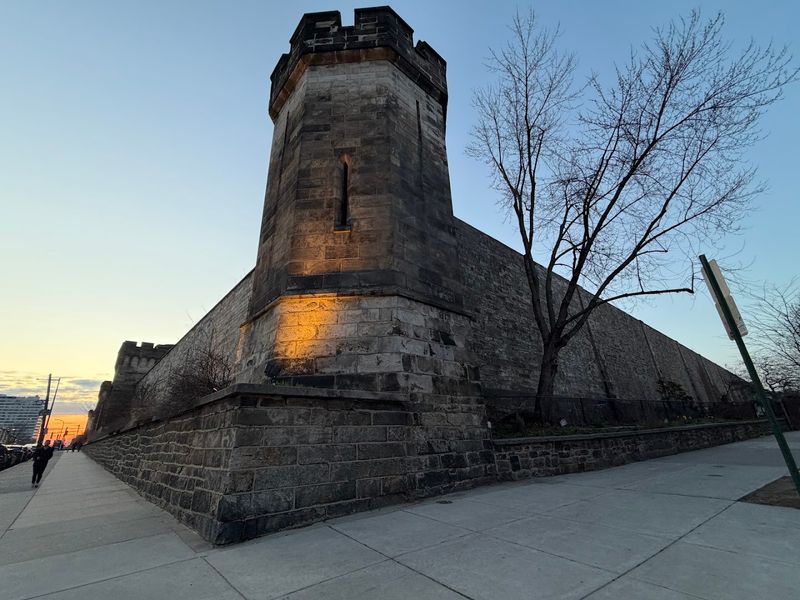
Stone walls rise thirty feet high, creating an imposing presence even before you step inside. Eastern State Penitentiary once held America’s most notorious criminals, including Al Capone, within its castle-like structure.
Evening tours transform the space into something profound rather than merely spooky. Candlelight flickers against decaying cell walls while guides discuss the revolutionary concept of solitary confinement and its lasting impact on the criminal justice system.
These tours focus on human stories and reform movements instead of cheap thrills.
Walking the cellblocks after dark heightens awareness of what inmates endured. The silence becomes noticeable, helping visitors understand the psychological effects of isolation.
Personal accounts from former prisoners add depth and humanity to the experience.
The tour challenges assumptions about punishment, rehabilitation, and how society treats those who break laws. Leaving through those massive gates, you carry questions about justice and mercy that continue conversations long after the visit ends.
Ride the Strasburg Rail Road Through Pennsylvania Farmland
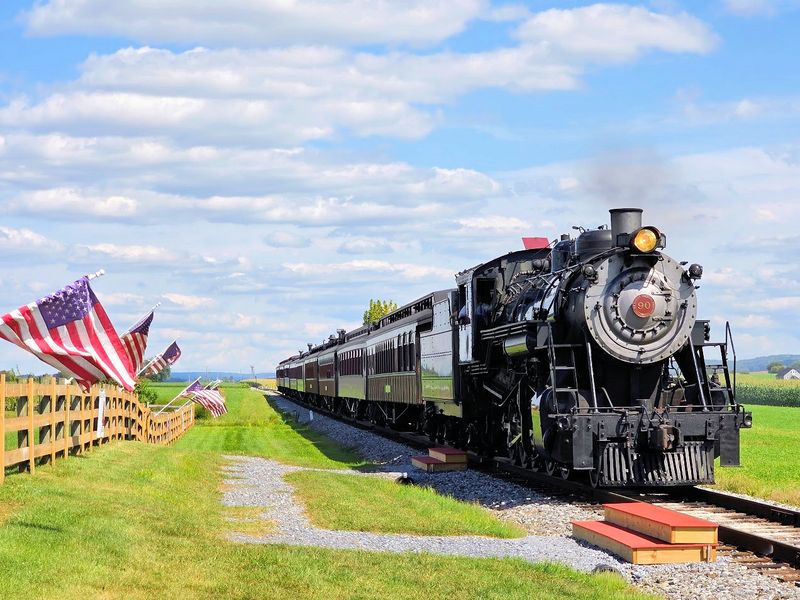
Steam hisses and whistles blow as America’s oldest continuously operating railroad prepares for departure. The Strasburg Rail Road has carried passengers through Lancaster County since 1832, connecting visitors to Pennsylvania’s agricultural and industrial past.
Vintage passenger cars rock gently along the tracks, offering views of working farms, grazing livestock, and simple homes without power lines. The rhythmic clacking creates a meditative soundtrack while countryside scenes unfold through open windows.
The experience feels genuine, not manufactured for entertainment.
Engineers share stories about railroad history and the importance of steam power in building America’s economy. The locomotive itself represents remarkable craftsmanship and engineering from an era when machines were built to last decades, not just a few years.
Children wave from farmhouse porches as the train passes by. This timeless scene connects multiple generations to simpler times when travel meant taking time to notice surroundings instead of rushing between destinations at highway speeds.
Visit Fallingwater and Experience Architecture Within Nature
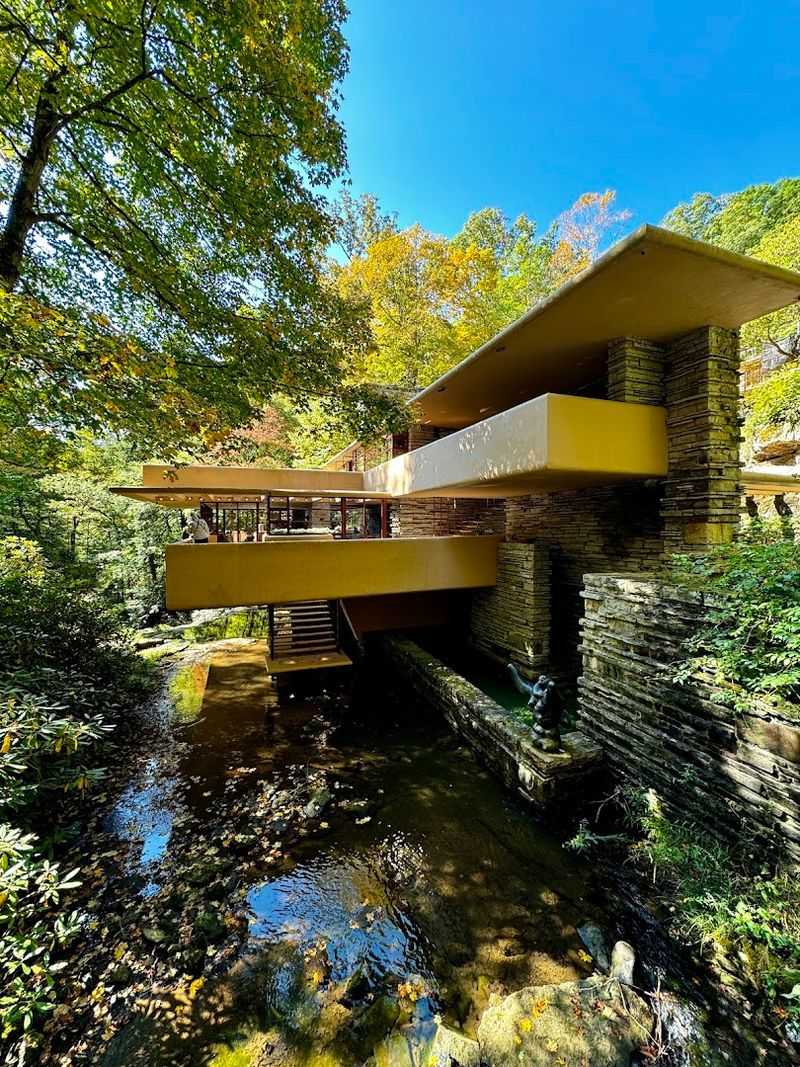
Water rushes beneath living spaces in Frank Lloyd Wright’s most celebrated creation. Fallingwater doesn’t just sit in nature—it emerges from the landscape as if the forest itself decided to build shelter.
Wright designed every detail to connect inhabitants with the surrounding environment. Horizontal lines echo rock formations, while cantilevered terraces hover above the waterfall like natural stone ledges.
Windows frame specific views of trees and water, turning nature into living artwork.
The guided tour reveals Wright’s philosophy that buildings should enhance rather than dominate their settings. He believed architecture could improve lives by creating harmony between human spaces and natural beauty.
Walking through rooms where furniture, lighting, and even fireplace stones were specifically chosen demonstrates this commitment to thoughtful design.
Standing on terraces with water flowing below and forest surrounding you creates moments of rare tranquility. This experience offers more than architectural appreciation—it presents a different way of thinking about how we inhabit spaces and relate to the natural world around us.
Join a Coal Mine Tour in Northeastern Pennsylvania
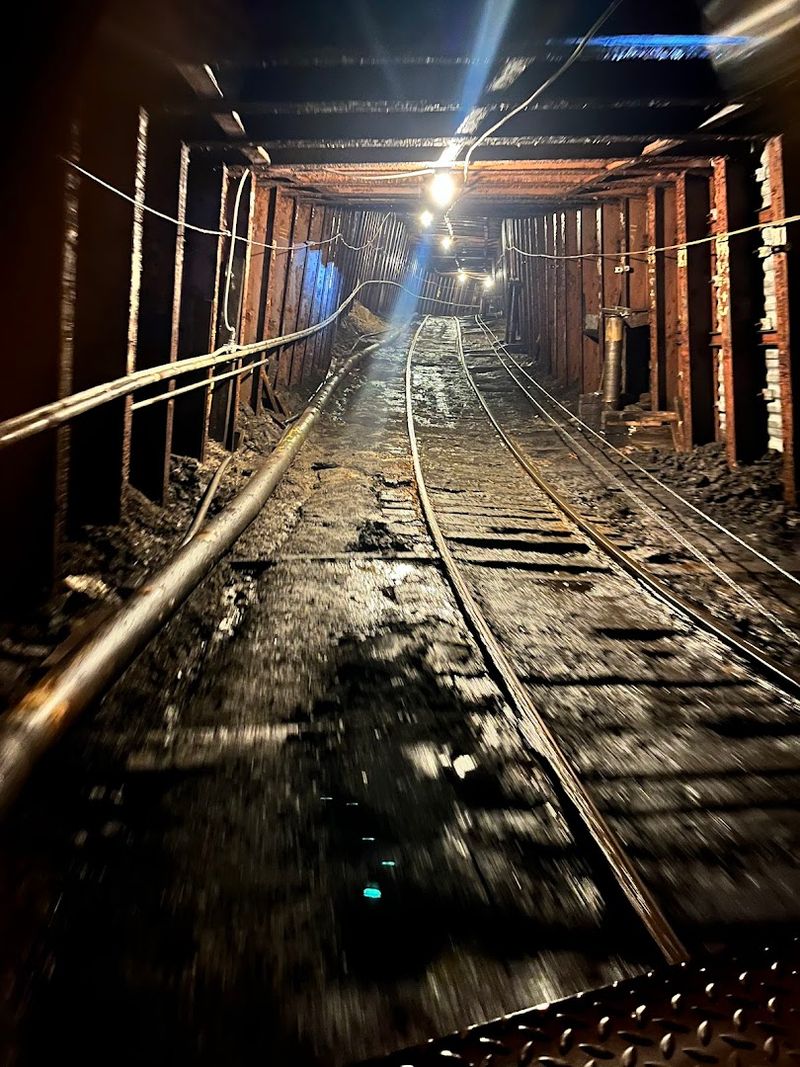
Descending three hundred feet underground changes your perspective immediately. The Lackawanna Coal Mine Tour doesn’t romanticize mining—it reveals the harsh reality faced by generations of Pennsylvania families who depended on dangerous work for survival.
Temperatures drop as you travel deeper into tunnels carved by hand and early machinery. Guides, often descendants of miners, explain how men spent twelve-hour shifts in cramped, dark spaces extracting anthracite coal that heated homes and powered industries across America.
The physical demands seem almost unimaginable by modern standards.
Stories of immigrant communities who built lives around coal mining add human context to industrial history. Polish, Italian, Irish, and Eastern European families settled in northeastern Pennsylvania, creating tight-knit neighborhoods centered on supporting one another through difficult times.
The mines shaped entire cultures and regional identities.
Returning to daylight after the tour brings appreciation for safe working conditions and those who fought for labor rights. This experience connects visitors to Pennsylvania’s working-class heritage in tangible, memorable ways.
Spend Time at the Flight 93 National Memorial
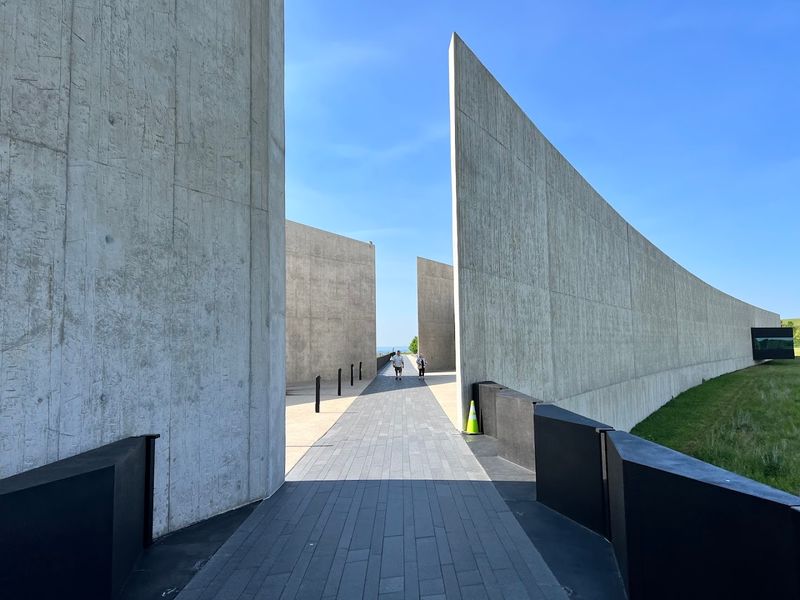
Did you know the field where Flight 93 crashed looks peaceful now, but visitors sense the weight of what happened there on September 11, 2001? Forty passengers and crew members made a choice that likely saved countless lives at the U.S.
Capitol.
The memorial design encourages reflection rather than overwhelming emotion. A walking path follows the flight’s approach, leading to a white marble wall inscribed with victims’ names.
The landscape remains largely natural, respecting the sacredness of the site while honoring those who showed extraordinary courage.
Inside the visitor center, recorded phone messages from passengers reveal real people making final connections with loved ones. These personal moments transform abstract heroism into something deeply human and relatable.
The stories stay with visitors long after leaving.
Unlike crowded tourist attractions, this memorial offers space for individual processing and remembrance. The quietness feels appropriate and necessary.
Visitors leave with renewed appreciation for the capacity of ordinary people to perform extraordinary acts when circumstances demand immediate action.
Experience Traditional Music and Culture at a Small Appalachian Festival
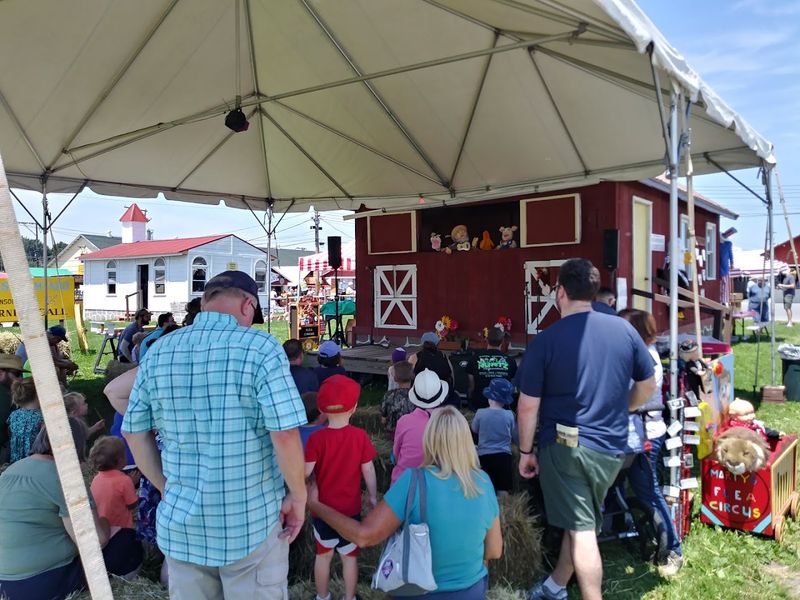
Fiddles, dulcimers, and banjos create sounds that have echoed through Pennsylvania mountains for generations. Folk festivals celebrate cultural traditions through music, storytelling, and handmade crafts that connect visitors to the state’s diverse heritage.
The Kutztown Folk Festival and similar gatherings showcase Pennsylvania German culture through demonstrations of traditional skills. Artisans demonstrate hex sign painting, blacksmithing, and basket weaving while explaining the cultural significance behind each craft.
Food vendors serve authentic regional dishes like shoofly pie and scrapple that taste nothing like mass-produced versions.
Smaller festivals feel genuinely community-centered rather than commercialized entertainment. Local musicians perform not for fame but to preserve musical traditions passed down through families.
Quilters display works representing hundreds of hours of careful stitching, each pattern carrying meaning and history.
These celebrations offer glimpses into ways of life that prioritize tradition, craftsmanship, and community bonds. Participating in folk dancing or trying your hand at traditional crafts creates personal connections to Pennsylvania’s cultural roots that passive observation cannot match.
Walk Through Longwood Gardens During Seasonal Evening Displays
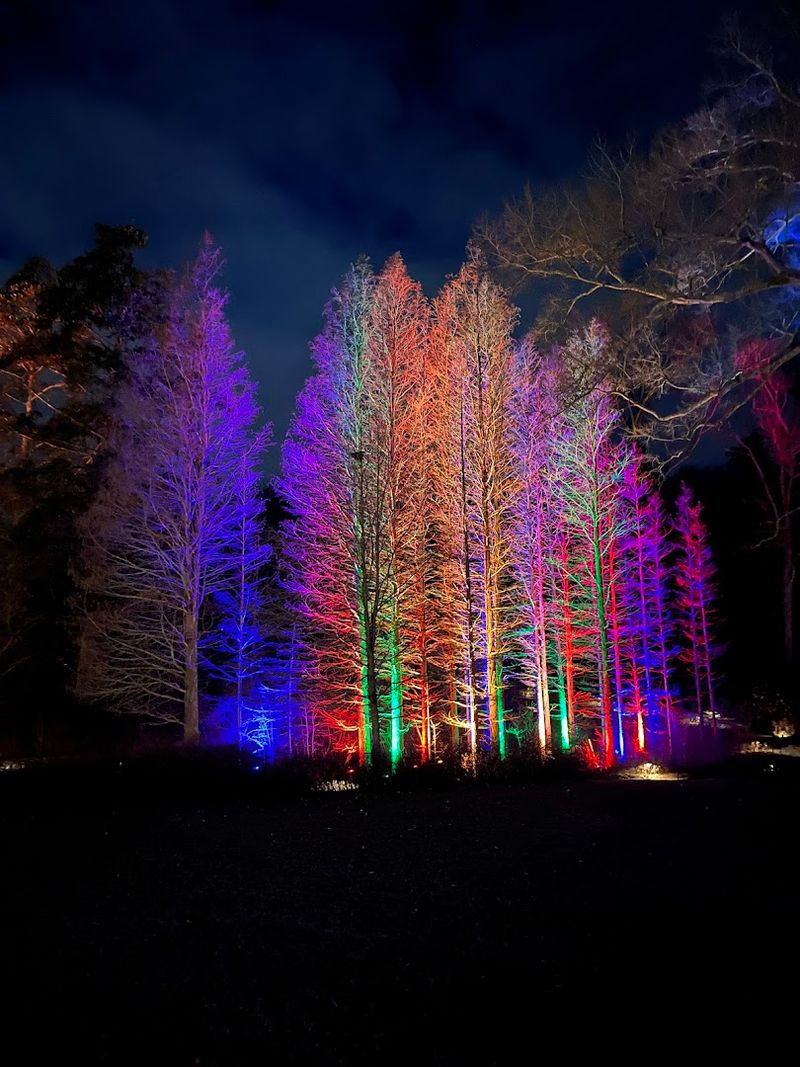
Water dances to music as thousands of lights transform fountains into liquid color. Longwood Gardens’ evening displays create an immersive sensory experience that goes beyond typical botanical garden visits.
The conservatory glows from within, housing exotic plants from around the world arranged in artful combinations. Carefully designed pathways guide visitors through different environments and moods.
During holiday seasons, poinsettias cascade from balconies while twinkling lights wrap around architectural features, creating magical scenes.
Summer evenings bring outdoor fountain performances where illuminated water jets reach heights of 175 feet, choreographed to classical and contemporary music. The combination of natural beauty, engineering, and artistic vision produces moments of pure wonder.
Crowds gather but never feel overwhelming thanks to thoughtful garden design.
The gardens’ founder, Pierre du Pont, believed beautiful spaces could enrich people’s lives and bring communities together. Walking these grounds during special evening events fulfills that vision, offering restoration and peace that contrast sharply with everyday stress and digital overload most people experience constantly.
Explore Frank Lloyd Wright’s Kentuck Knob in the Laurel Highlands
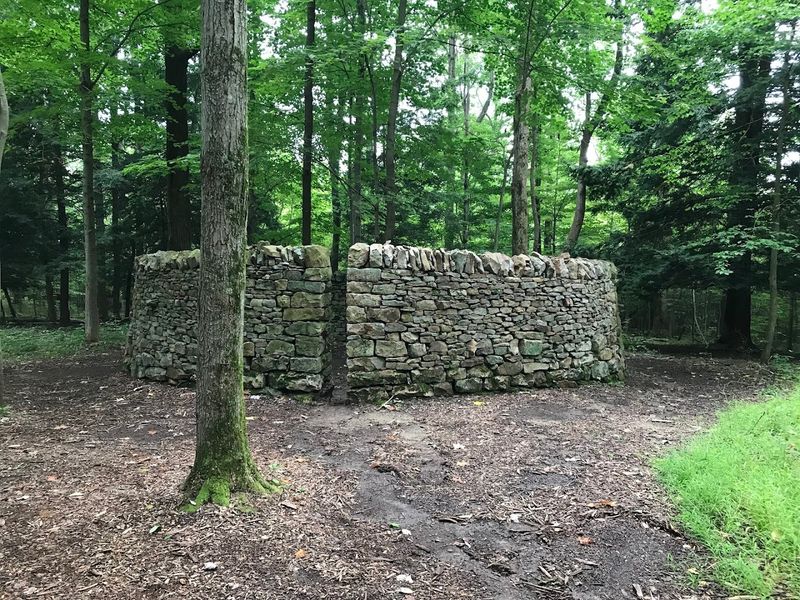
While crowds flock to Fallingwater, this lesser-known Wright design offers a more intimate architectural experience. Kentuck Knob sits atop a mountain ridge, blending seamlessly with its natural surroundings through careful attention to materials, angles, and landscape integration.
The home’s moderate scale makes Wright’s design philosophy more accessible and relatable. Built for the Hagan family in 1956, it demonstrates how Wright’s principles work for middle-class homeowners, not just wealthy clients.
Natural materials like local sandstone and cypress wood connect the structure to its mountain setting.
Walking paths wind through surrounding woodlands, offering stunning views of the Youghiogheny River Gorge. Outdoor sculptures dot the landscape, adding artistic elements that complement rather than compete with nature.
The property encourages exploration and discovery at your own pace.
Guides share stories about the family who lived here and Wright’s vision for affordable, beautiful homes. The experience feels personal and contemplative, allowing visitors to imagine how thoughtful design shapes daily life and creates harmony between human spaces and natural environments.
Visit the Johnstown Flood National Memorial
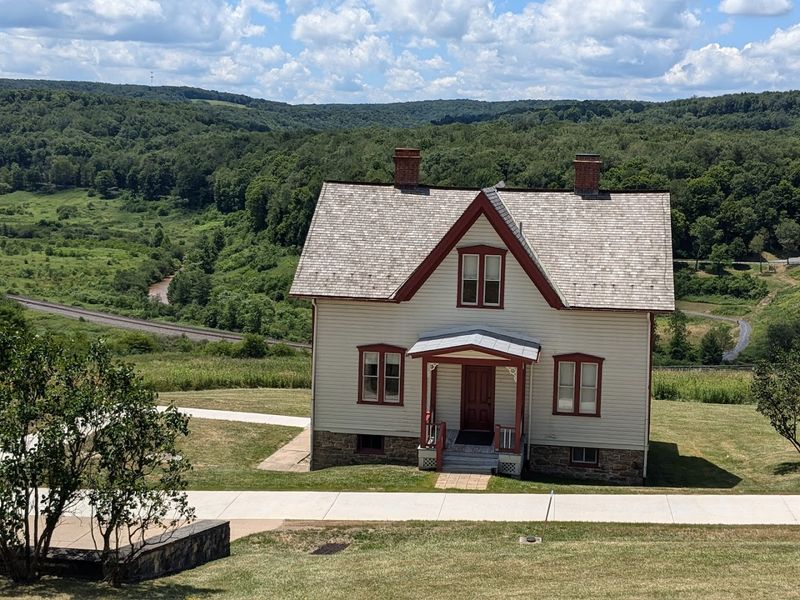
On May 31, 1889, a poorly maintained dam failed, sending twenty million tons of water crashing through Johnstown. Over 2,200 people died in what became one of America’s deadliest disasters, transforming the region forever.
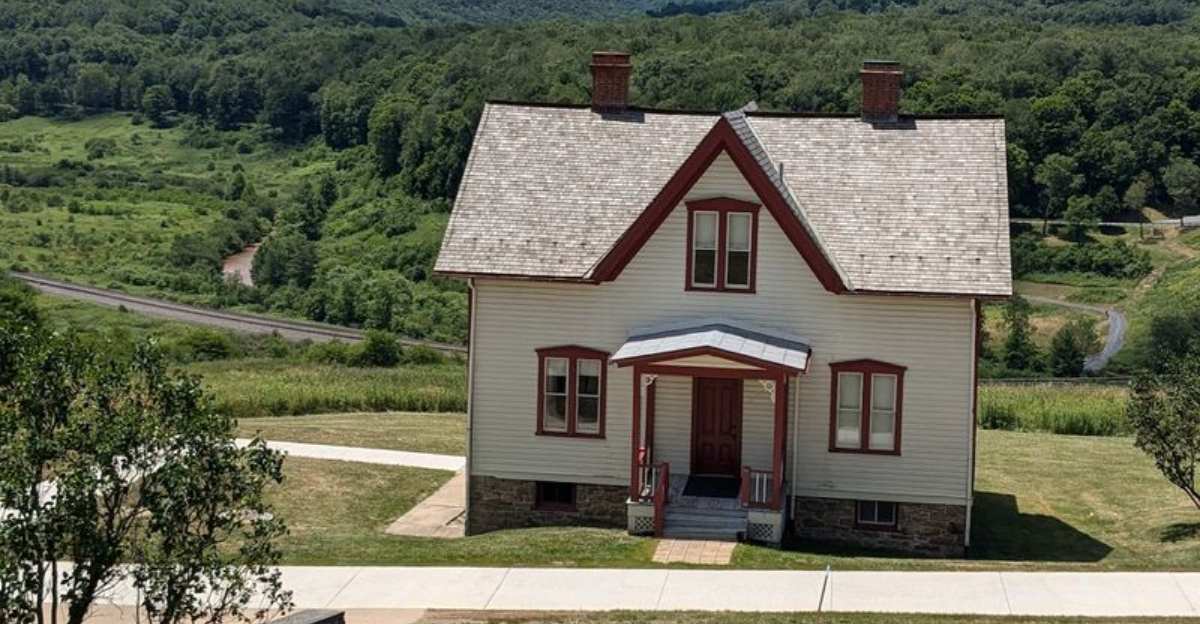
The memorial preserves the dam site where neglect and privilege led to catastrophic consequences. Trails lead to overlooks showing the massive breach where water escaped.
Exhibits explain how a private fishing club for Pittsburgh’s wealthy elite ignored warnings about the deteriorating earthen dam above the town.
Stories of survival and loss give faces to the statistics. Visitors learn about entire families swept away, heroic rescue efforts, and the long process of rebuilding shattered communities.
The disaster led to important changes in dam safety regulations and corporate accountability.
Walking these grounds creates understanding of how human decisions affect communities for generations. The memorial honors victims while teaching valuable lessons about responsibility, engineering, and the importance of maintaining infrastructure.
Pennsylvania’s history includes difficult chapters alongside triumphs, and remembering both creates a more complete picture.