Spring in Pennsylvania brings a quiet kind of energy to its towns and farmlands. Cool mornings warm into easy afternoons, and roadside stands start filling up with early greens, berries, and baked goods still warm from nearby kitchens.
The air carries a mix of soil, blossoms, and the faint sweetness of whatever is just coming into season.
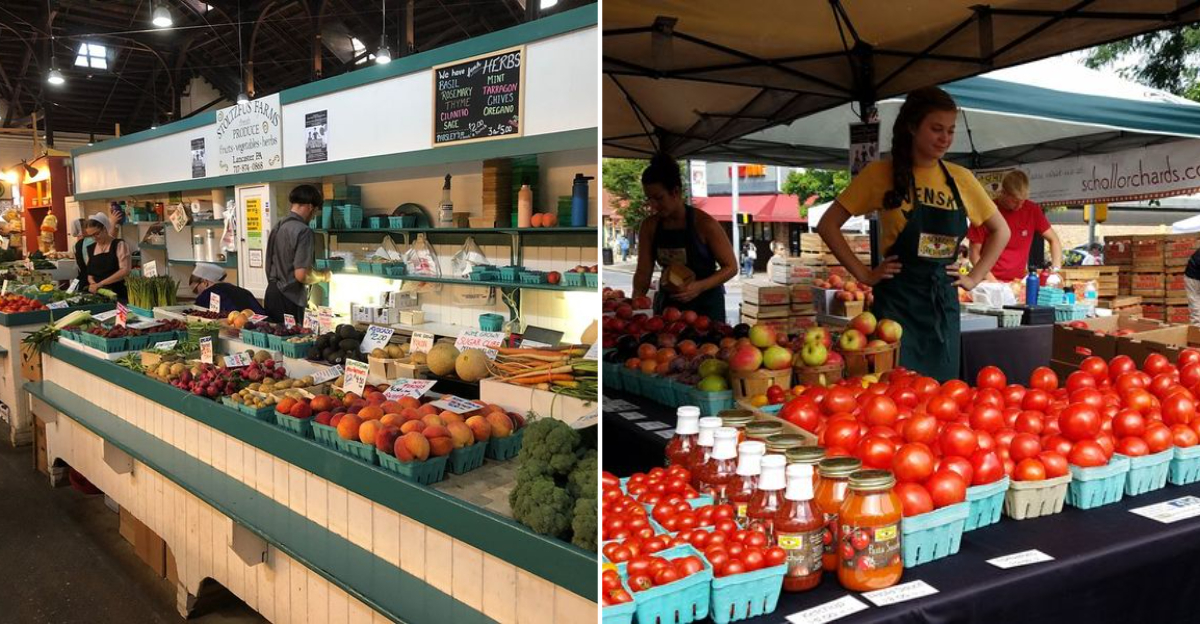
Farmers markets across the state fit naturally into that rhythm. They are places where shopping slows down just enough to notice what is in front of you, from crates of fresh produce to handwritten signs marking the day’s prices.
Vendors talk about weather, harvests, and what came in overnight, while shoppers compare, sample, and plan meals around what looks best.
It is also where value still feels real. A full bag does not have to come with hesitation, especially when buying directly from the people who grew it.
These 11 Pennsylvania farmers markets capture that balance of freshness, affordability, and everyday comfort that makes a simple weekend trip feel worth it.
Lancaster Central Market
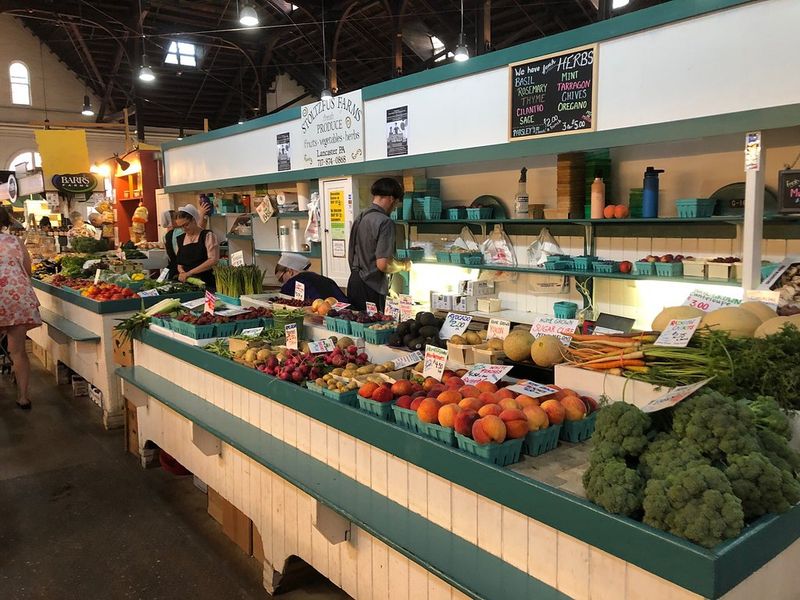
The best budget markets feel lively before you even reach the first stall, with the scent of bread and just-picked produce pulling you forward. That is exactly the charm you get at Lancaster Central Market in Lancaster, where competition between vendors helps keep everyday prices approachable.
If you like comparing quality and cost side by side, this is a satisfying place to shop carefully.
Because it is one of the country’s oldest continuously operating public markets, the selection feels deep rather than trendy. Amish-grown vegetables, eggs, meats, preserves, and baked goods are common finds, and many regulars build entire weekly meals from what they buy here.
Smaller bundles make it easy to stick to a limit, while bulk-friendly stands help if you are cooking for a family.
I would watch for seasonal produce, end-of-day markdowns, and pantry basics that cost less than they often do at larger grocery stores. The market also rewards flexible shoppers who are willing to choose what looks best that week instead of arriving with a rigid list.
That approach usually stretches each dollar further.
If you want freshness, local character, and real value in one stop, this market earns its reputation. Come with a reusable bag, a rough budget, and enough curiosity to browse more than one vendor before buying.
Reading Terminal Market
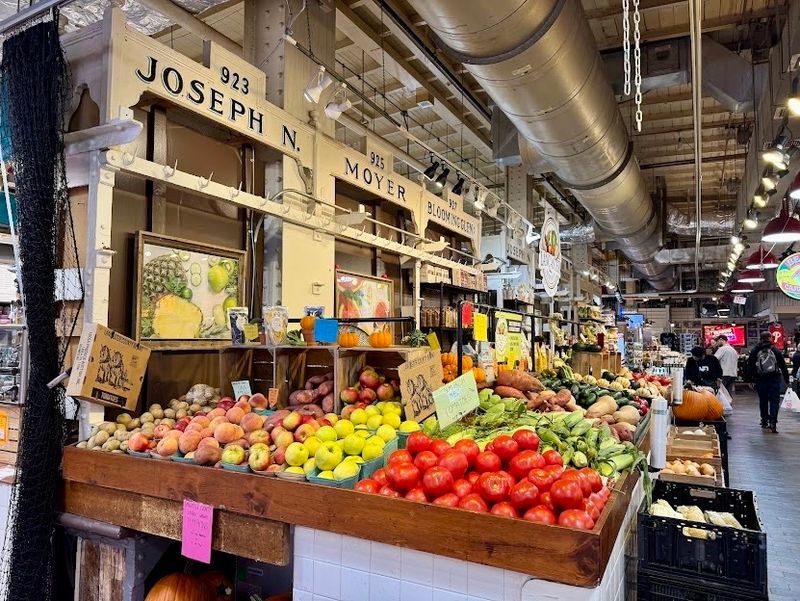
Few places make bargain hunting feel this entertaining, with packed aisles, neighborhood energy, and more food options than most shoppers can cover in one visit. Reading Terminal Market in Philadelphia is famous for its history, but its real budget appeal comes from variety and vendor competition.
When several merchants sell similar basics, you get room to compare prices without wasting time driving across town.
Produce, meats, breads, snacks, and prepared foods all live under one roof, which makes it easier to build a value-focused shopping trip. Some vendors run daily specials, while others offer bundle deals that quietly shave dollars off your final total.
If you are open to buying what is in season, the savings become even more noticeable.
This is also a smart stop if you want affordable ingredients and a few low-cost treats in the same bag. I would especially keep an eye on produce stands and bakery counters, where timing and quantity can make a difference.
Shopping earlier gives you the best selection, but later visits can sometimes uncover markdowns.
For city shoppers trying to balance freshness, convenience, and cost, this market deserves a spot near the top of the list. It feels iconic, but it can still work like a practical weekly grocery stop.
The Green Dragon Market
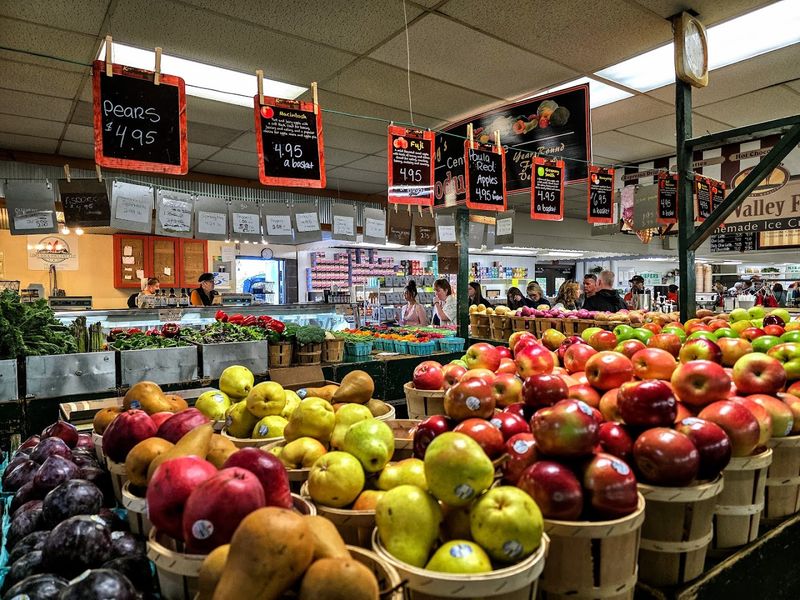
When a market gets big enough, smart shoppers start treating it like a treasure hunt. The Green Dragon Market in Ephrata has that exact feel, with hundreds of vendors and plenty of chances to find lower prices than you expected.
Instead of rushing, it pays to walk the grounds, compare tables, and let the best deal reveal itself.
This market is especially well known for produce bargains, including bulk boxes, discount tables, and farm-fresh fruits and vegetables sold at practical prices. If you cook often, preserve food, or split purchases with family, the value can be impressive.
Pantry staples, baked goods, and household odds and ends add even more reason to stay awhile.
Because the scale is so large, pricing can vary, which is good news if you are patient. I would bring cash, sturdy bags, and a little flexibility, since the best buy may not be what you planned to grab first.
Markets like this reward curiosity more than strict shopping habits.
For anyone trying to fill a trunk instead of just a tote, Green Dragon is one of Pennsylvania’s strongest value stops. It feels part flea market, part farm market, and fully worth the trip for bargain-minded shoppers.
Root’s Country Market & Auction
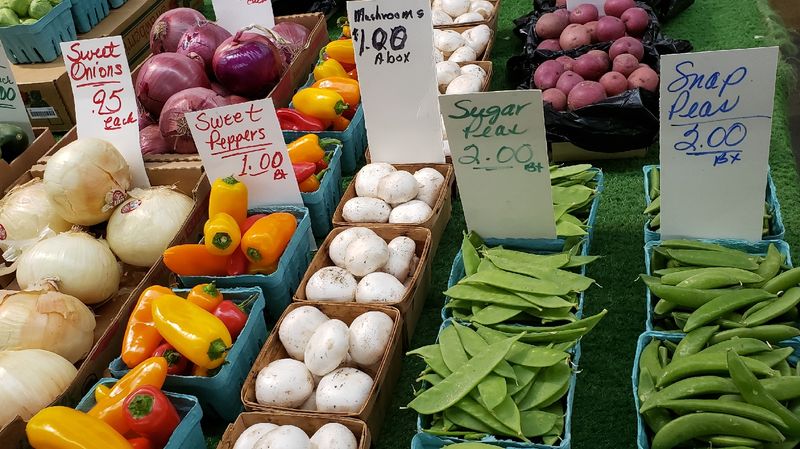
Some shoppers love a market with polished displays, but real bargain hunters usually care more about timing, freshness, and price. Root’s Country Market and Auction in Manheim delivers that down-to-earth experience, where farm-direct goods and weekly rhythms shape what you spend.
If you arrive ready to browse strategically, you can leave with a lot for surprisingly little.
The market has long been associated with produce deals, and its auction-style roots give it a practical reputation among locals who know how to shop seasonally. Fruits and vegetables often come straight from nearby farms, which helps keep prices grounded.
That freshness also means you are paying for food that is ready to use, freeze, or preserve.
Early shoppers often get the best selection, especially during peak growing months when tables are full and competition is strong. I would focus on in-season produce first, then check for extras like baked goods or pantry basics if the budget allows.
Buying what is abundant is usually the easiest way to save here.
Root’s works best for people who enjoy a little strategy with their shopping. It is not just about grabbing groceries, but about understanding the flow of the market and using it to your advantage.
Bird-in-Hand Farmers Market
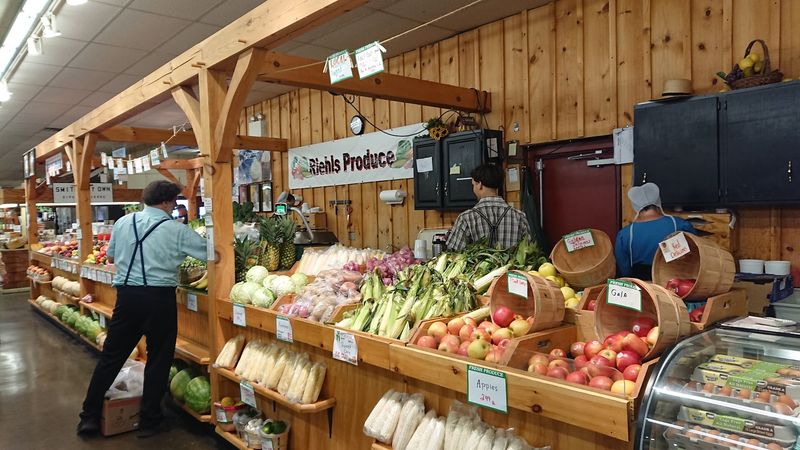
A good indoor market can make saving money feel calm instead of chaotic. Bird-in-Hand Farmers Market in Bird-in-Hand has that comfortable pace, with neatly arranged vendors, local flavor, and enough variety to help you build a cost-conscious shopping trip.
It is the kind of place where you can browse without feeling rushed into impulse buys.
Known for Amish goods, fresh produce, baked treats, deli items, and bulk pantry staples, this market balances charm with everyday usefulness. That matters when you want more than a fun stop on a scenic drive.
You can actually shop for ingredients that support a week of meals while still leaving room for something sweet.
Bulk items are especially helpful if you are trying to reduce per-unit costs on flour, snacks, spices, or dry goods. I would also check produce carefully for bundle opportunities, since markets like this often reward shoppers who buy a little more at once.
The quality tends to make that decision easier.
What stands out most is how approachable the whole experience feels, even for first-time visitors. If you want local food without premium pricing, Bird-in-Hand earns its place as one of the most wallet-friendly market stops in the state.
Shillington Farmers Market
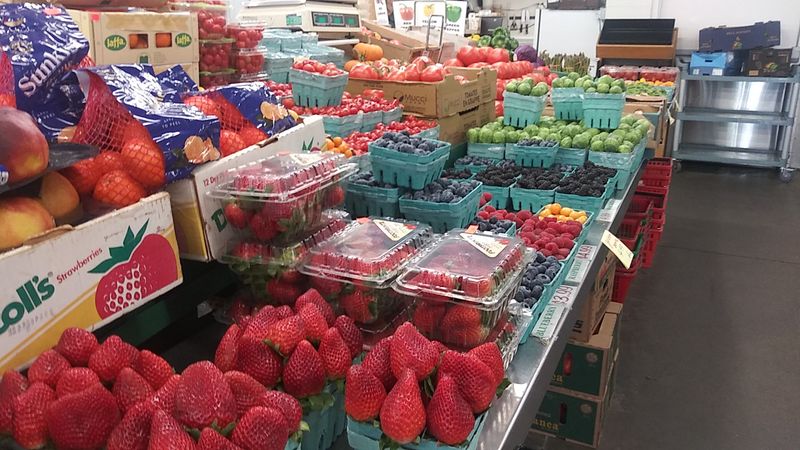
Year-round markets deserve extra attention when you are trying to control grocery costs in every season, not just summer. Shillington Farmers Market in Shillington offers that kind of reliability, with a steady mix of vendors selling produce, meats, baked goods, and other practical staples.
Consistency matters when you want a market to become part of your routine instead of an occasional outing.
Because it operates through more of the calendar than many seasonal markets, shoppers can return regularly and learn where the best values tend to be. Familiarity helps you spot fair pricing faster.
It also makes it easier to build relationships with vendors who may point you toward specials or especially good buys.
The atmosphere is straightforward and community-oriented, which often translates into more sensible pricing than trendier food spaces. I would focus on core grocery items first, especially local vegetables, eggs, or meats, then compare bakery purchases before choosing extras.
A market like this rewards practical shopping habits.
If your goal is to stretch a weekly budget rather than chase novelty, Shillington Farmers Market is a strong contender. It offers the kind of grounded value that keeps people coming back, especially when supermarket totals start feeling a little too painful.
Adams County Farmers Market
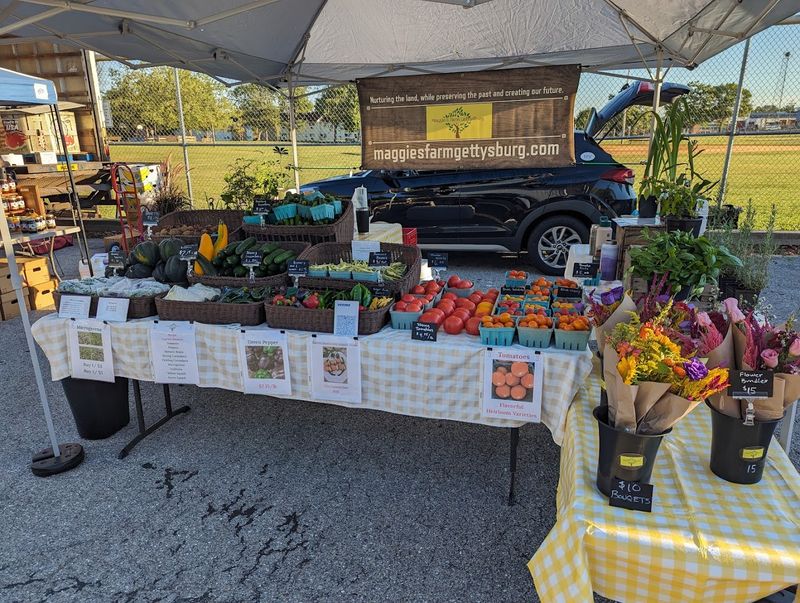
There is something satisfying about buying produce where the growers are often standing just a few feet away. Adams County Farmers Market in Gettysburg offers that direct connection, and it can make a real difference for shoppers who care about both freshness and price.
Farm-direct sales often remove some of the markup that creeps in elsewhere.
The market is backed by local growers and is especially appealing during the peak harvest months when fruits and vegetables are abundant. Adams County is known for produce, so seasonal choices often feel both plentiful and practical.
If you shop what is in peak supply, it becomes much easier to leave with a full bag on a modest budget.
Bundle pricing and weekly specials can make this market especially helpful for families, home cooks, or anyone who likes preserving produce. I would look for peaches, apples, tomatoes, greens, and whatever else the season is showing off.
Buying from multiple growers also lets you compare quality and cost without much effort.
This market may not feel as massive as some indoor institutions, but that is part of its strength. It stays focused on local abundance, and that focus can translate into some of the best honest pricing in south-central Pennsylvania.
Broad Street Market
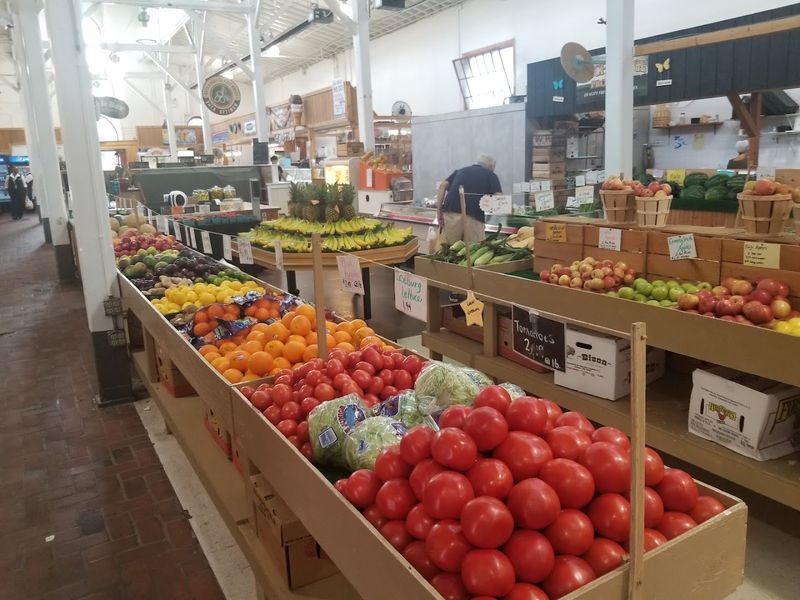
Historic markets often survive because they keep serving real everyday needs, not just nostalgia. Broad Street Market in Harrisburg fits that pattern, combining age, community importance, and practical food shopping in one of the country’s oldest public market settings.
For budget-conscious shoppers, its strongest advantage is simple: many vendors competing in one place.
That competition helps keep produce pricing accessible, especially when harvests are strong and tables are full. You can often compare fruits, vegetables, pantry items, and prepared foods without leaving the building.
When several sellers want your business, you have a better chance of finding a deal that works for you.
The market’s scale also makes it easier to mix essentials with low-cost extras, which is useful if you want a complete shopping trip. I would prioritize produce first, then see whether breads, meats, or ready-to-eat items fit the budget afterward.
Sticking to that order can help you avoid spending too much too early.
Broad Street Market feels rooted in daily life rather than curated for tourists, and that practical character matters. If you want a market where history and affordability genuinely overlap, this Harrisburg staple is one of the state’s smartest stops.
West Shore Farmers Market
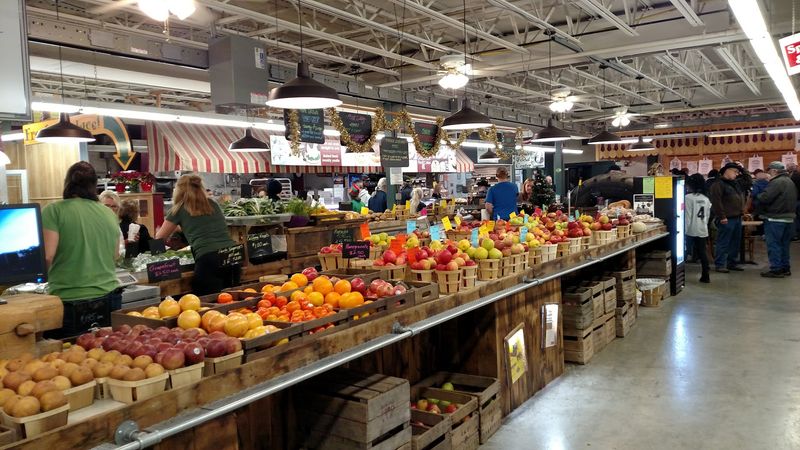
Sometimes the best money-saving market is the one that feels dependable week after week. West Shore Farmers Market in Lemoyne has that steady appeal, with an indoor setup that supports regular shopping and a vendor mix built around practical food purchases.
It is less about spectacle and more about leaving with ingredients you will actually use.
Produce, meats, cheeses, baked goods, and pantry items all contribute to its value, especially if you like comparing sellers before committing. Regional suppliers help keep the offerings grounded in what nearby shoppers want and can afford.
That makes this market especially useful for households trying to stretch a real grocery budget.
Because the market is indoors, weather is less likely to disrupt your routine, which matters if you depend on market shopping for weekly staples. I would scan the produce first, then check proteins and pantry goods while keeping an eye out for multi-item savings.
The smartest trips here are usually the ones built around a meal plan.
West Shore may not grab attention with flashy branding, but that is part of its charm. For straightforward value and a reliable range of essentials, it stands out as one of central Pennsylvania’s more useful budget-friendly market stops.
Allentown Farmers Market (Fairgrounds Farmers Market)
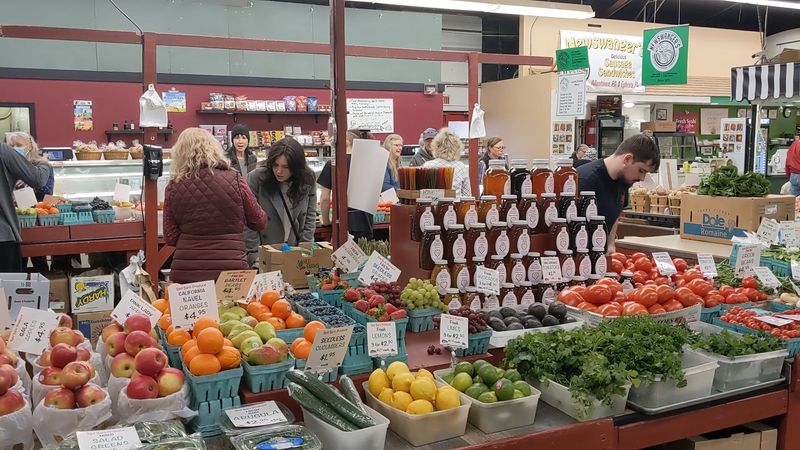
Big markets can work in your favor when competition is strong and vendors know regulars are paying attention. Allentown Farmers Market, also known as the Fairgrounds Farmers Market, has that advantage, offering a large indoor space where comparison shopping becomes part of the fun.
If you like choices, this is the kind of place where patience can save real money.
Long-standing vendors, frequent specials, and a broad selection of produce, meats, baked goods, and prepared foods give shoppers room to prioritize value. A market with history often develops loyal followings by staying useful, not by overpricing basics.
That practical spirit comes through here, especially when seasonal items are plentiful.
You can often build a whole shopping trip under one roof, which helps avoid the extra spending that comes with multiple stops. I would compare produce stands carefully, then check whether specialty items are worth adding after the essentials are covered.
Going in with a spending limit makes the abundance easier to enjoy.
For Lehigh Valley shoppers, this market remains a dependable place to balance freshness with cost. It feels established, busy, and genuinely functional, which is exactly what many people want when they are trying to feed a household without overspending.
Easton Farmers Market
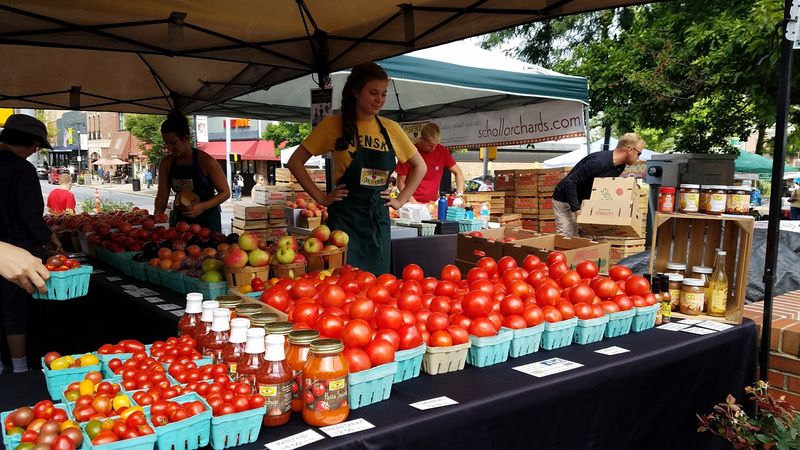
Open-air markets have a way of making budget shopping feel almost celebratory, especially when the produce is at peak quality. Easton Farmers Market in Easton delivers that experience with historic credibility and a farm-direct approach that appeals to careful shoppers.
When food comes straight from the source, prices often make more sense.
As one of the oldest continuously operating open-air farmers markets in the country, it has both reputation and depth. Seasonal fruits, vegetables, baked goods, and locally made products create a strong mix for shoppers who want freshness without grocery store blandness.
The best savings usually come from buying what is abundant and clearly in season.
Farm-direct pricing is the biggest draw here, especially if you compare stands and stay flexible about your menu for the week. I would focus on produce first, then add staples or treats only after calculating how much room remains in the budget.
That approach helps the market stay affordable instead of turning into a splurge.
Easton’s appeal is not just its history, but its usefulness. For shoppers who enjoy talking to growers, asking what is plentiful, and buying accordingly, this market can be one of the smartest and freshest budget stops in eastern Pennsylvania.