Some of Pennsylvania’s best baked goods are hiding in plain sight.
Forget flashy dessert counters and pastries built for social media—these old-school bakeries have something far better: recipes people genuinely grew up loving.
Across the state, family-run shops still turn out buttery pastries, crusty breads, sticky buns, pies, cookies, and cakes the way they have for decades.
Some have survived through several generations, with grandparents teaching grandchildren the tricks that keep loyal customers coming back.
These are the places where you might walk in for one pastry and leave carrying a whole box.
Locals know which cookies disappear first, which pies sell out early, and which family recipe is worth driving across town for.
If you want the real taste of Pennsylvania bakery culture, these 12 mom-and-pop favorites are a delicious place to start.
Isgro Pastries – Philadelphia
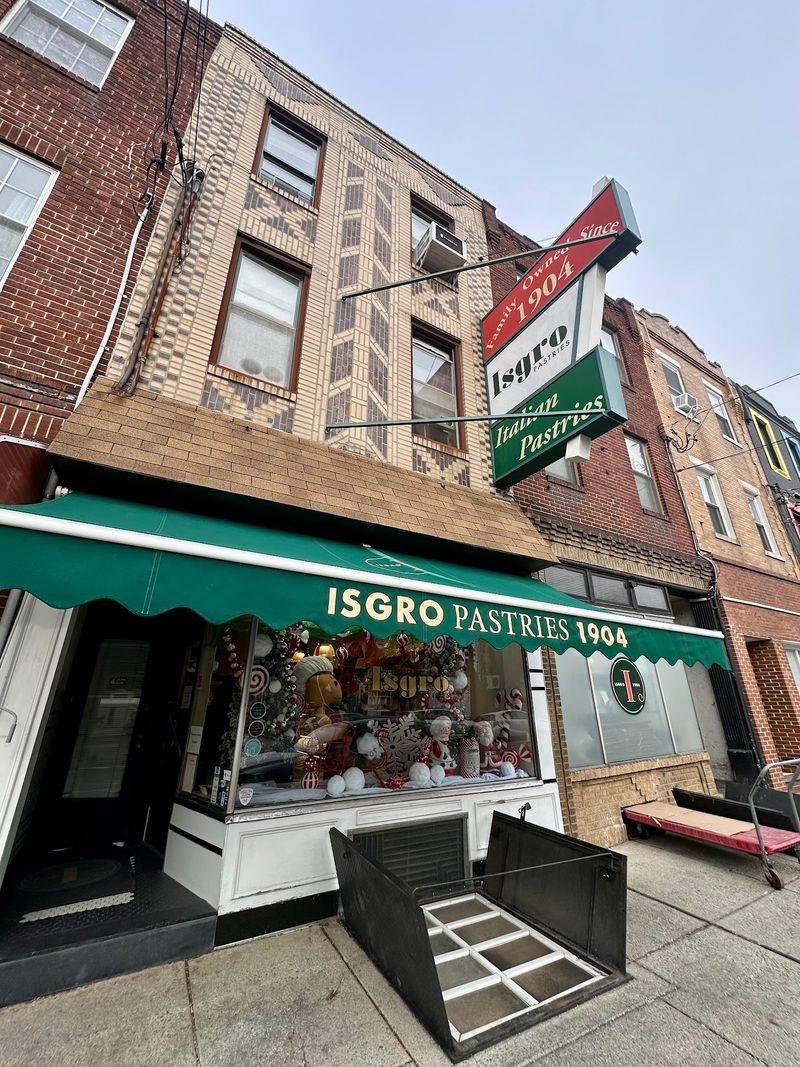
Since 1904, this South Philadelphia gem has been filling the neighborhood with the scent of fresh cannoli and almond pastries. Walking into Isgro feels like stepping into your Italian grandmother’s kitchen, if she happened to run a legendary bakery.
The family recipe books here are worn from a century of use.
Cannoli reign supreme at this Sicilian-style bakery, with shells so crisp they shatter at first bite and ricotta filling that’s sweetened just right. Almond cookies, traditional biscotti, and seasonal specialties round out a menu that hasn’t chased trends because it never needed to.
Fourth and fifth generation bakers still follow the methods their ancestors brought from Sicily.
Locals know to arrive early on weekends when lines snake out the door. Regulars greet each other by name while waiting, swapping stories about family celebrations where Isgro pastries starred.
This isn’t just a bakery stop. It’s a neighborhood tradition where families have been buying their celebration desserts for over a hundred years.
Haegele’s Bakery – Philadelphia
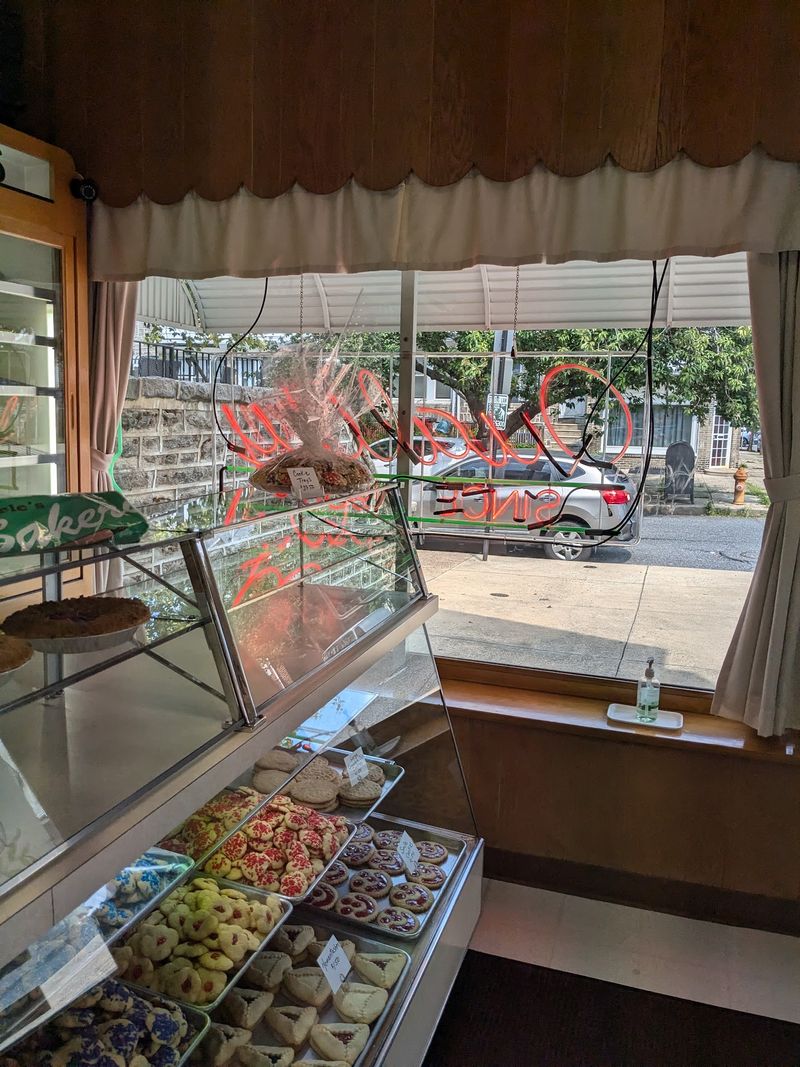
Northeast Philadelphia families have been setting their Saturday morning routines around Haegele’s since 1930. The German butter cake alone justifies the drive from anywhere in the city.
Rich, buttery, and topped with a sweet crumble that somehow stays crispy, it’s the kind of simple perfection that doesn’t need explanation.
Three generations have kept this bakery running exactly as it should be. Cream donuts arrive fresh each morning, filled on-site with real whipped cream that makes grocery store versions taste like sad imitations.
Traditional German pastries line glass cases that look like they were installed when Eisenhower was president.
What makes Haegele’s special isn’t just the baked goods, though those certainly deliver. It’s watching mothers bring their own children to the same bakery counter where they stood as kids, ordering the same butter cake their grandparents loved.
The recipes haven’t changed because customers wouldn’t forgive any tampering. Some things should stay exactly as remembered.
Minooka Pastry Shop – Scranton
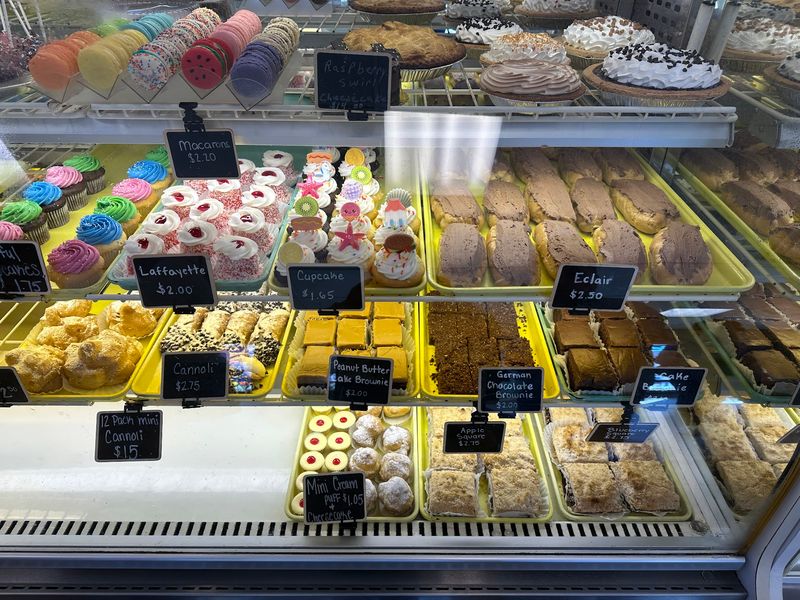
Joseph and Jane Zakreski started baking from their home kitchen in 1979, selling treats to neighbors who couldn’t get enough. That tiny operation grew into Scranton’s beloved Minooka Pastry Shop, now run by their sons who learned every recipe at their parents’ elbows.
The banana cake recipe still comes from Jane’s handwritten notes.
Cookies, pies, brownies, and turnovers fill the cases year-round. Come Polish holiday season, though, and the shop transforms into a hub for traditional treats that connect Scranton’s Polish community to their heritage.
Paczki disappear by the dozen during Fat Thursday. Families place orders weeks in advance for Easter babka.
The sons who took over haven’t modernized away the shop’s character. They still make everything the way Mom and Dad did, using the original recipes that built the bakery’s reputation.
Regular customers talk about picking up desserts here for forty years. Their loyalty isn’t nostalgia talking.
It’s recognition that some bakeries just get it right from the start.
H.F. Hornberger Bakery – Bensalem
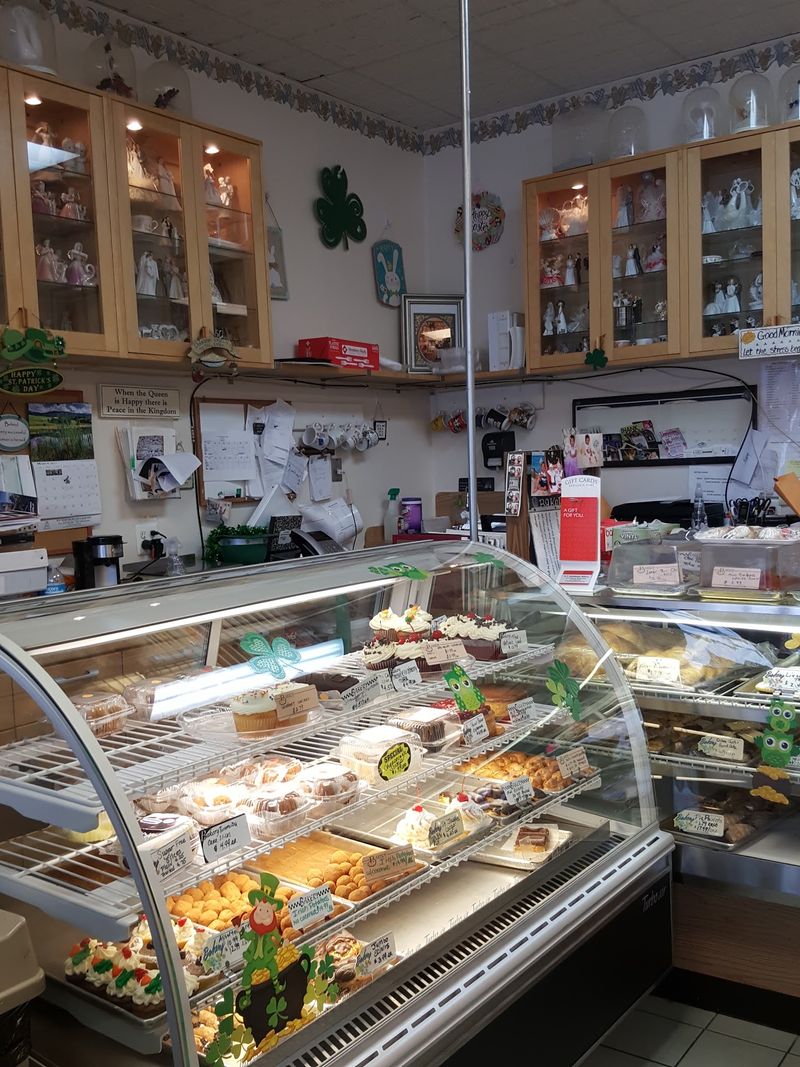
Over a century of baking experience sits behind every Danish pastry at H.F. Hornberger.
Fourth-generation bakers now run this Bensalem institution, using techniques and recipes that predate both World Wars. Everything comes out scratch-made, the way their great-grandparents insisted it should be done.
Morning regulars know the rhythm here. Fresh donuts by 6 AM, cinnamon buns still warm at 7, coffee cake perfect for office meetings by 8.
The selection reads like a greatest hits album of traditional American baking: Danish pastries with real fruit filling, cookies that actually taste like butter, coffee rolls with just the right amount of cinnamon swirl.
Cheesecakes deserve special mention, baked in the classic New York style with a graham cracker crust and filling so rich it feels decadent. Wedding and birthday cakes built the bakery’s reputation for celebrations.
Four generations haven’t changed the approach because when you’ve been doing something right for over a hundred years, innovation for its own sake seems silly.
The Pennsylvania Bakery – Camp Hill
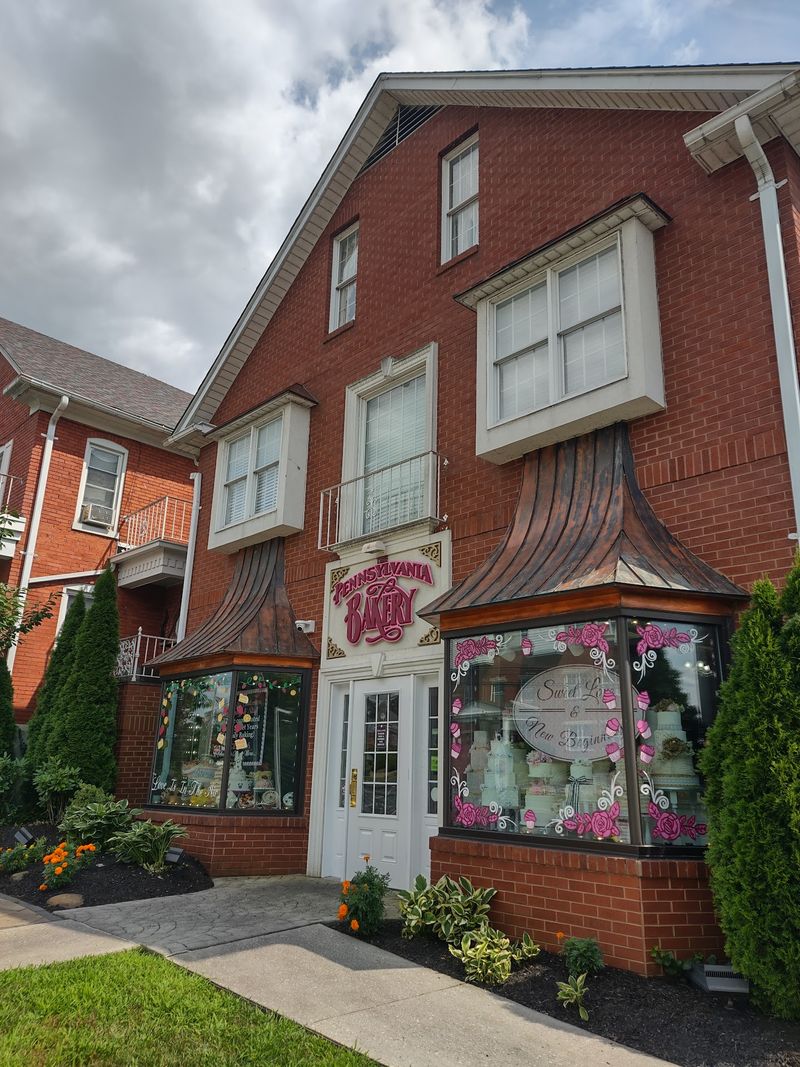
Five generations of the Schenk family have carried baking traditions from Germany to Pennsylvania, and their current Camp Hill location showcases everything learned along the way. Opening in 1986, this bakery brought Old World techniques to central Pennsylvania, and locals responded by making it a destination for anything worth celebrating.
European pastries share shelf space with American favorites, all made from scratch on the premises. Flaky croissants sit next to Pennsylvania Dutch shoofly pie.
Elaborate celebration cakes tower in the display cooler, frosted and decorated with the precision that comes from generations of practice. Breakfast items bring morning crowds, while custom orders keep the decorating team busy year-round.
Family ownership means recipes get passed down with stories attached. The Schenks remember why each pastry matters, which holiday it celebrates, which customer request turned into a permanent menu item.
Everything baked here connects to someone’s family history, whether that family came from Germany a century ago or just discovered the bakery last week.
Bethel Bakery – Bethel Park
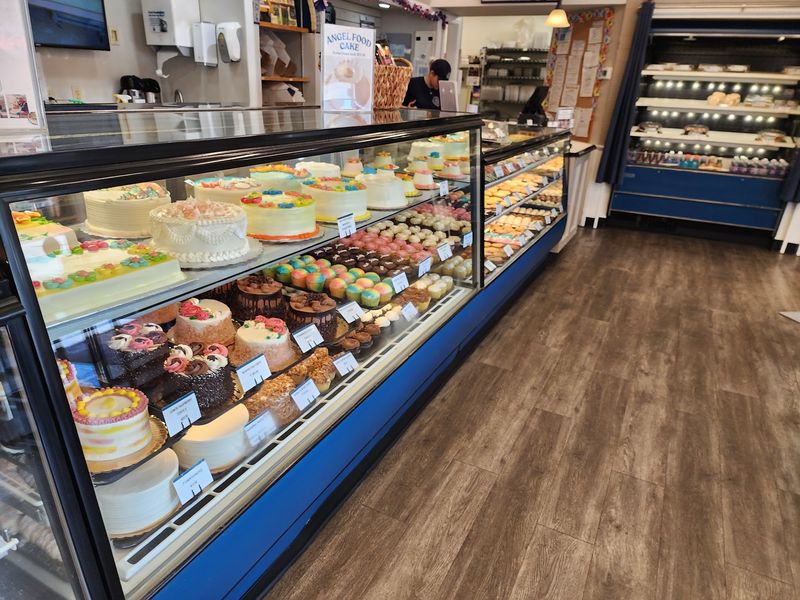
Morris and Anna Walsh opened their Bethel Park bakery in 1955 with a simple goal: make the best cakes in Pittsburgh. Three generations later, their grandchildren are still perfecting that French buttercream recipe that made the bakery famous.
Birthdays, weddings, graduations, and anniversaries throughout the Pittsburgh area get celebrated with Bethel Bakery cakes.
The buttercream makes the difference. Light, not too sweet, with a silky texture that spreads perfectly and never feels heavy or greasy.
Bakers here learned the technique from the founders and guard it carefully. Scratch-made cake layers provide the foundation, whether customers want classic vanilla, rich chocolate, or seasonal flavors.
Third-generation ownership means the Walsh family legacy continues in every cake box that leaves the shop. Customers tell stories about having Bethel Bakery cakes at their own childhood birthday parties, then ordering their wedding cake here years later, now buying birthday cakes for their own kids.
That kind of multigenerational loyalty doesn’t come from clever marketing. It comes from consistently delivering exactly what customers remember and expect.
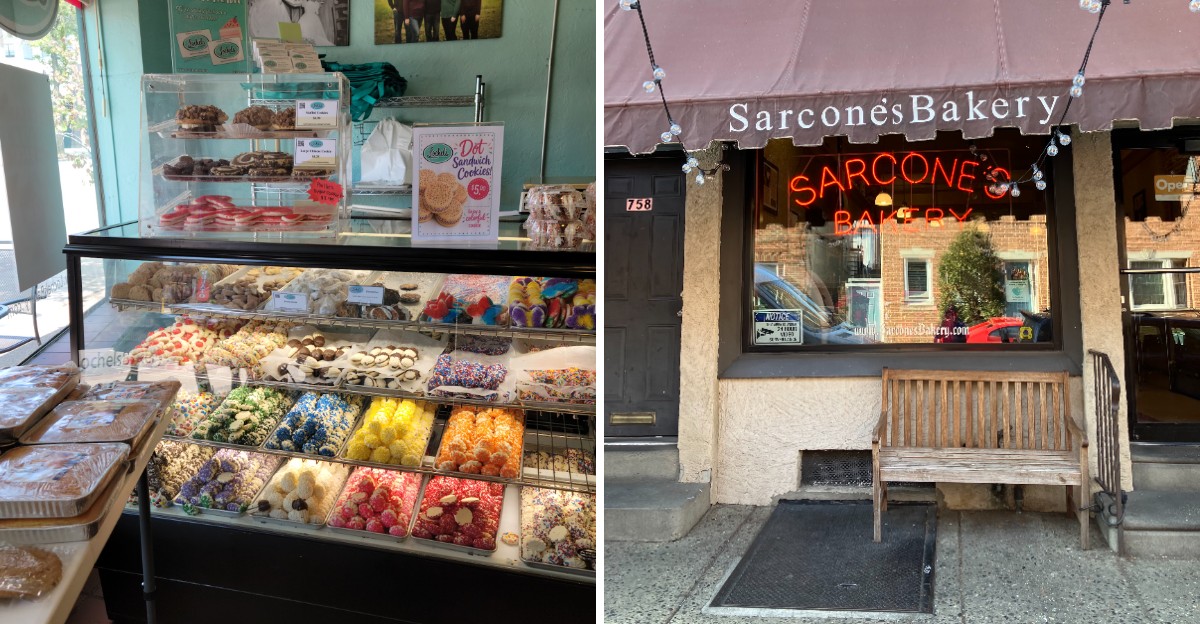
Sarcone’s Bakery – Philadelphia
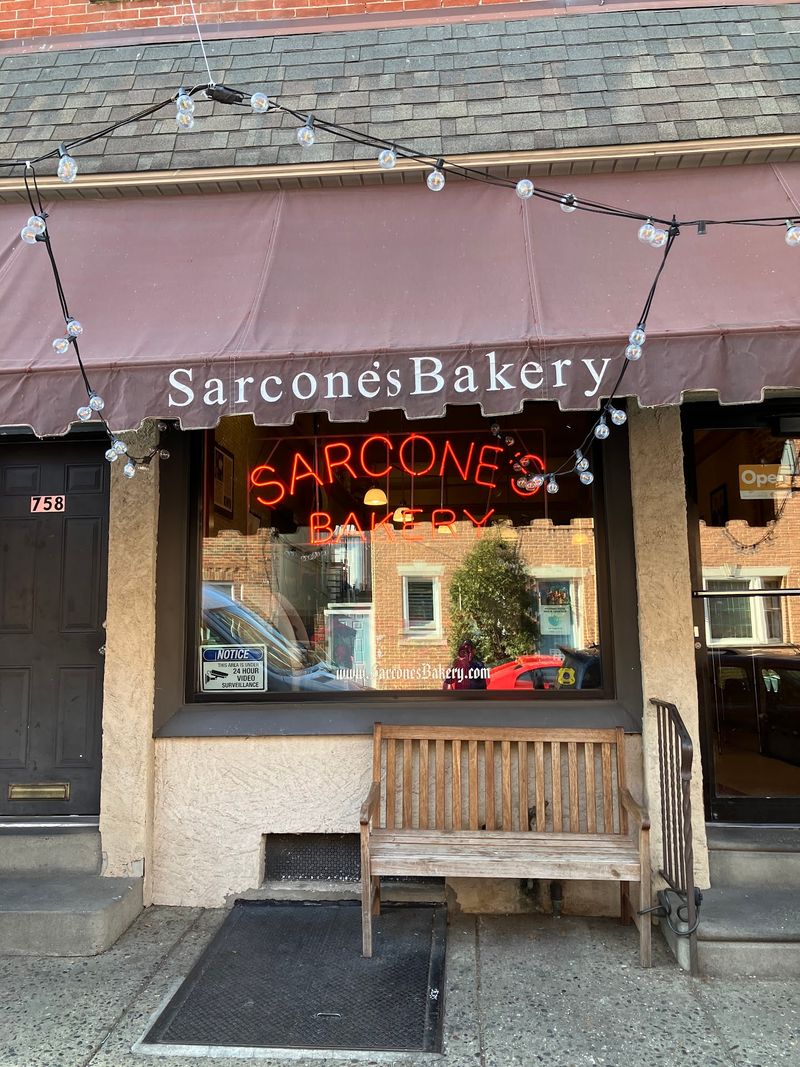
Forget pastries for a moment. Sarcone’s deals in something equally essential: crusty Italian bread that defines South Philadelphia sandwiches.
Located right in the heart of the Italian Market on South 9th Street, this bakery has been baking bread using old-world methods that prioritize crust and crumb over convenience.
The rolls here have achieved legendary status among hoagie enthusiasts. Crusty on the outside with a chewy interior that soaks up oil and vinegar without falling apart, they’re the foundation for countless lunch counters throughout the city.
Loaves of Italian bread disappear daily into neighborhood homes where Sunday dinner isn’t complete without proper bread on the table.
Sarcone’s represents a different kind of old-school baking, one focused on the daily staple that immigrants brought from Italy rather than celebration desserts. The bread emerges from ovens throughout the day, filling the Italian Market with an aroma that locals associate with home.
No fancy pastries needed when you’re baking the kind of bread that makes everything else taste better.
Bird-in-Hand Bake Shop – Bird in Hand
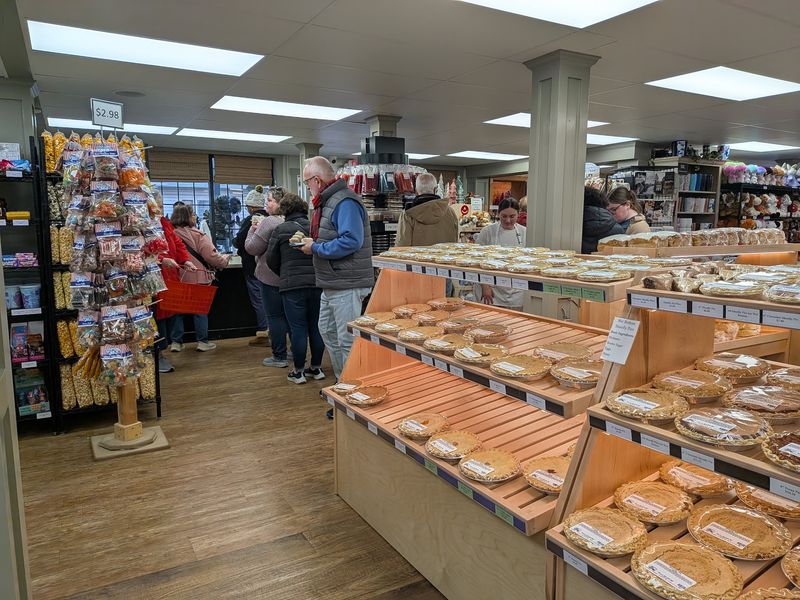
Lancaster County visitors looking for authentic Pennsylvania Dutch baking end up at Bird-in-Hand Bake Shop. Since 1972, this family operation has been using the same recipes that made it a destination for tourists and locals alike.
The baked goods here taste like Pennsylvania itself: shoofly pie, whoopie pies, sticky buns that drip with caramel, fresh-baked bread.
Hand-rolled pretzels come out warm and salted, the kind you eat immediately while still soft. Shoofly pie gets made properly here, with a molasses filling that’s sweet but not cloying and a crumb topping that provides perfect texture contrast.
Whoopie pies sandwich fluffy cream filling between two cake-like cookies, creating Pennsylvania’s answer to any other state’s signature dessert.
What keeps this bakery distinctly Pennsylvania Dutch is its connection to regional baking traditions rather than trendy innovations. Recipes from the early 1970s still guide production today.
The family ownership maintains quality standards that chain bakeries can’t match. Visitors taste the difference immediately, whether they’re buying sticky buns for breakfast or shoofly pie to take home.
Lochel’s Bakery – Hatboro
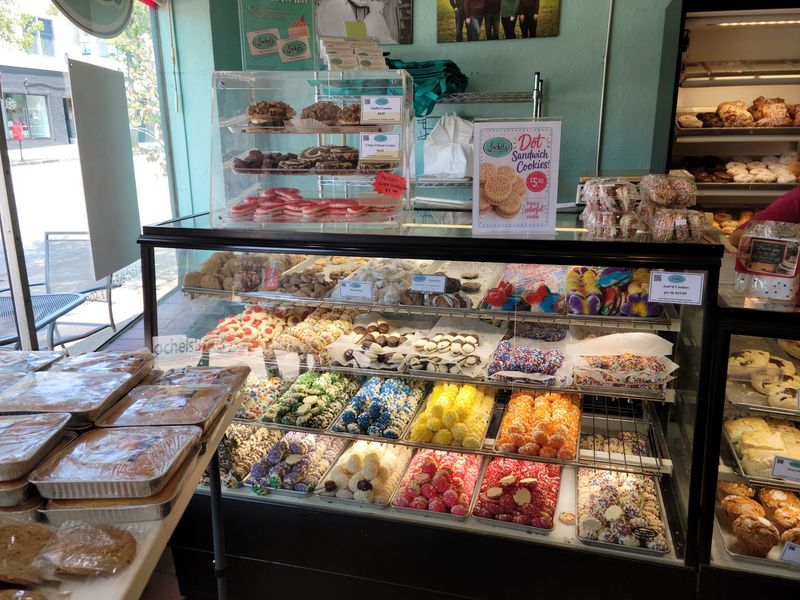
Family bakeries sometimes need to move, but the important parts travel with them. Lochel’s started in Philadelphia back in 1942, eventually relocating to Hatboro while keeping everything that mattered: family ownership, scratch-made recipes, and a reputation for celebration cakes that exceed expectations.
Third-generation bakers now run the operation their grandparents started during World War II.
Elaborate cakes remain the specialty here. Wedding cakes tower multiple tiers high with intricate decorating work that takes hours to complete.
Birthday cakes get customized to match any theme, from simple elegance to whimsical characters. The bakers here learned their craft through apprenticeship with family members who refused to cut corners.
Traditional bakery items round out the daily selection: cookies, pastries, donuts, and other treats that regular customers expect to find. But it’s those special occasion cakes that built Lochel’s reputation.
Families who had their wedding cake made here return years later for their children’s birthday cakes. The location changed, but the commitment to scratch-made quality followed the family to Hatboro.
Stocks Bakery – Philadelphia
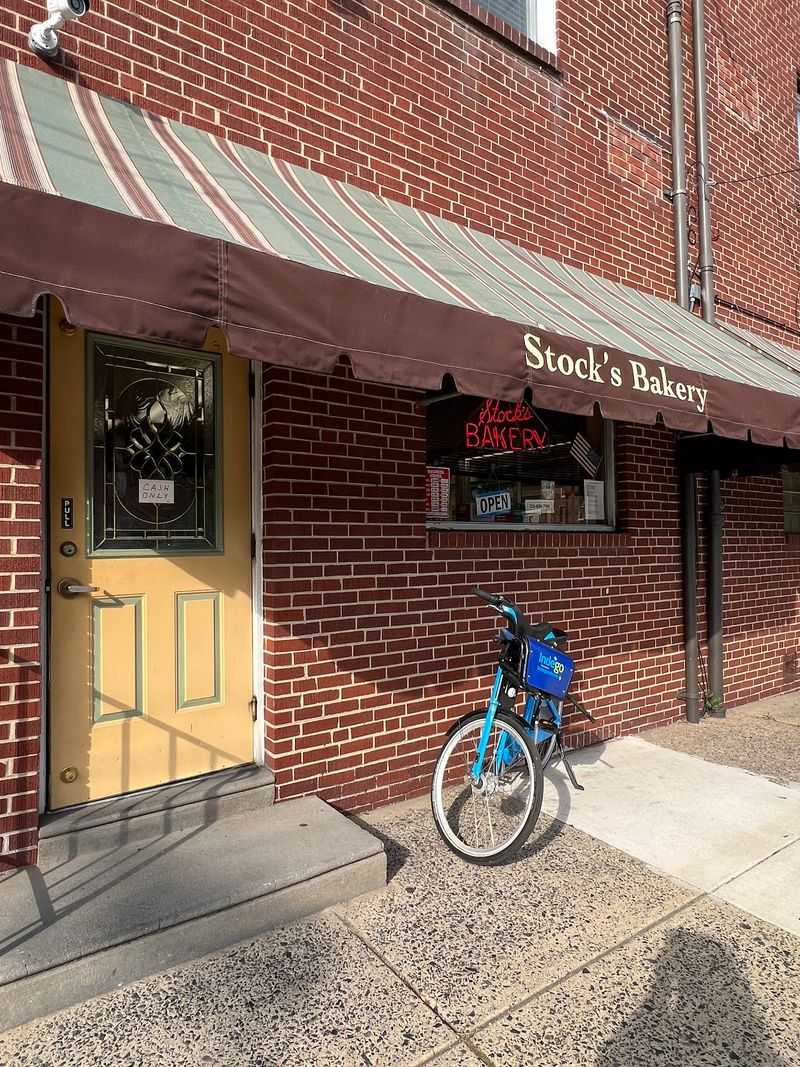
Some bakeries chase trends. Stocks Bakery in Northeast Philadelphia has spent decades perfecting the classics instead.
The kind of neighborhood shop where grandmothers and granddaughters stand in line together, this bakery built its reputation on consistent quality rather than viral desserts. Traditional cakes, pastries, and cookies are what customers want, so that’s what Stocks delivers.
Birthday cakes here look like birthday cakes should: classic frosting, clean decorating, flavors that everyone actually enjoys eating rather than just photographing. Cookies taste like butter and sugar because that’s what they’re made from.
Pastries showcase technique and flavor instead of exotic ingredients that sound impressive but don’t taste particularly good.
Northeast Philadelphia has watched this bakery become part of the neighborhood fabric over many decades. Regular customers place their orders weeks in advance for holidays and celebrations.
The familiar favorites never disappoint because the bakers here understand that consistency matters more than innovation. When you find something that works this well, changing it seems unnecessary and possibly reckless.
Minerva Bakery – McKeesport
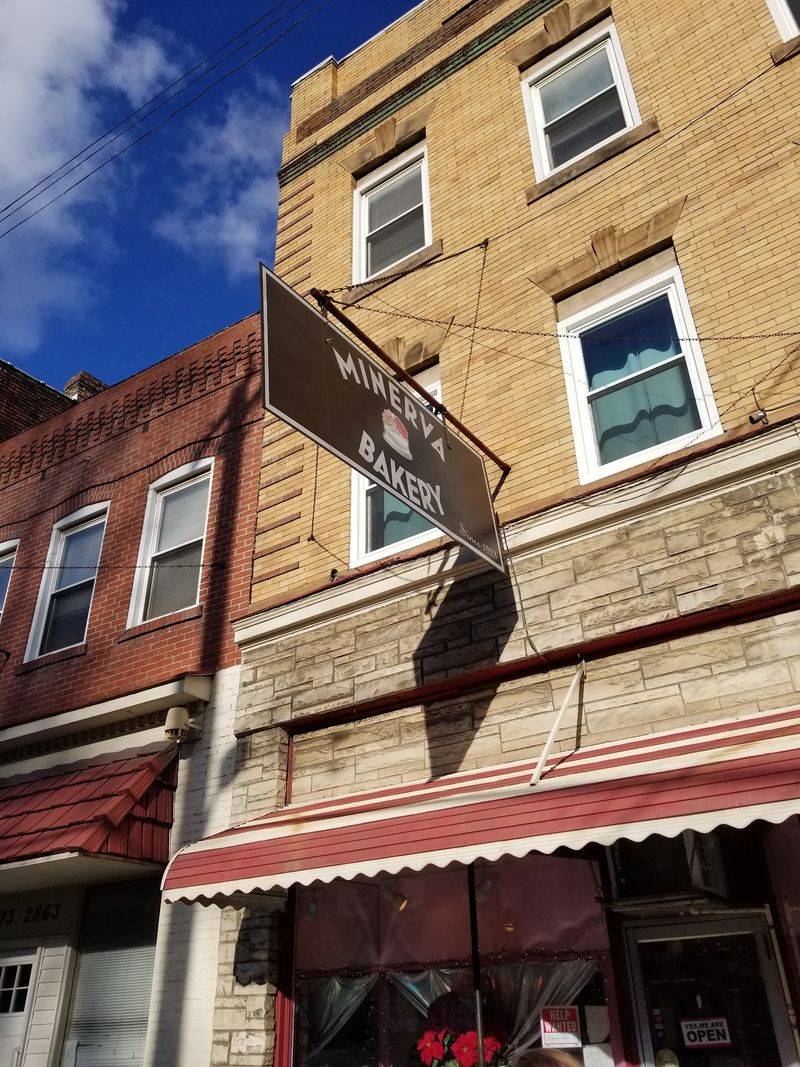
Western Pennsylvania towns like McKeesport depend on bakeries like Minerva. Not flashy, not chasing culinary trends, just reliably baking the cakes, pastries, and cookies that mark life’s important moments.
Birthday cakes get ordered here by families who’ve been customers for generations. Holiday cookie trays fill up fast each December as orders pour in.
Community bakeries like this one understand their role in neighborhood life. They remember customer preferences, adjust orders for dietary needs when possible, and deliver consistency that builds trust over years.
Pastries arrive fresh each morning. Cakes get decorated to match party themes.
Cookies taste exactly like they should.
Minerva represents the kind of dependable neighborhood institution that doesn’t make headlines but absolutely makes life better for the people who live nearby. Customers recommend it to friends not because it’s trendy or Instagram-worthy, but because they’ve been buying here for years and know exactly what to expect.
That reliability, that steady presence through birthdays and graduations and holidays, defines what mom-and-pop bakeries do best.
Pappy’s Orchard & Bakery – Coopersburg
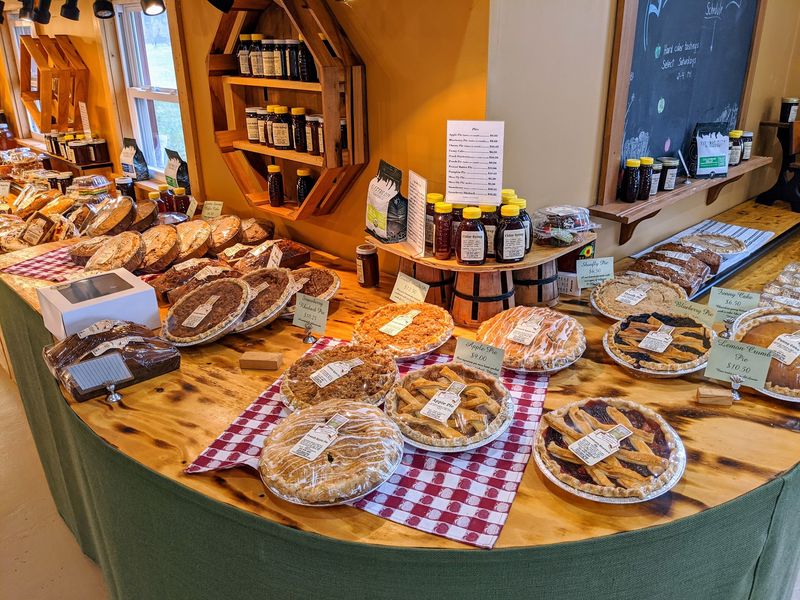
Third-generation family farming meets traditional baking at Pappy’s Orchard. Located in Coopersburg, this operation grows its own fruit and then bakes it into pies that taste exactly like Pennsylvania should taste: apple pie with fruit picked from trees visible from the bakery, peach pie that celebrates summer, cherry pie that showcases what local orchards produce.
Everything comes out scratch-made, and when the bakery uses fruit from the family orchard, customers taste the difference immediately. Breads, cakes, cookies, and whoopie pies round out a selection that honors Pennsylvania Dutch baking traditions.
The bakery offers pastries and treats that feel distinctly tied to the region’s farm-and-bakery heritage rather than generic desserts available anywhere.
Rural Pennsylvania bakeries like Pappy’s connect food to the land it comes from in ways urban bakeries simply cannot. Walking through the orchard before buying pie from that same orchard’s fruit creates an experience chain bakeries can’t replicate.
Family ownership spanning three generations ensures techniques and recipes get preserved properly, passed down alongside the farm itself.