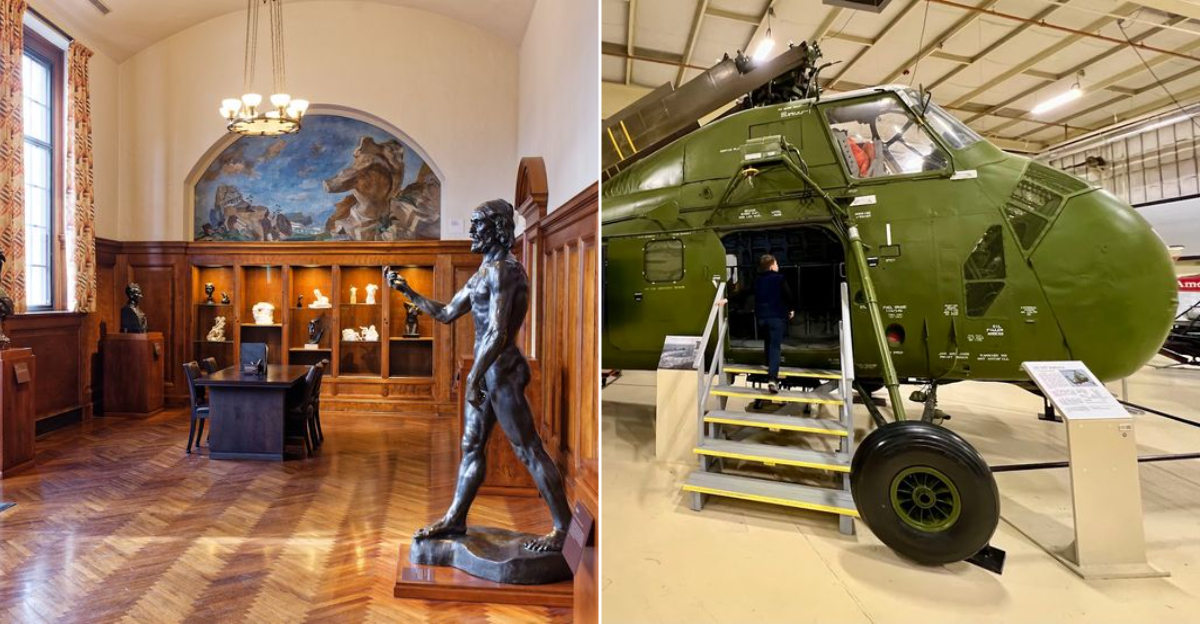
Pennsylvania is packed with headline attractions, but some of its most memorable museums are the ones you could easily overlook. These smaller institutions trade blockbuster crowds for character, depth, and the kind of details that stick with you long after your visit.
From literary treasures and antique music machines to oil history and firefighting artifacts, each stop offers a surprisingly rich experience. If you love places that feel personal, distinctive, and genuinely worth your time, this list is for you.
Bayernhof Museum
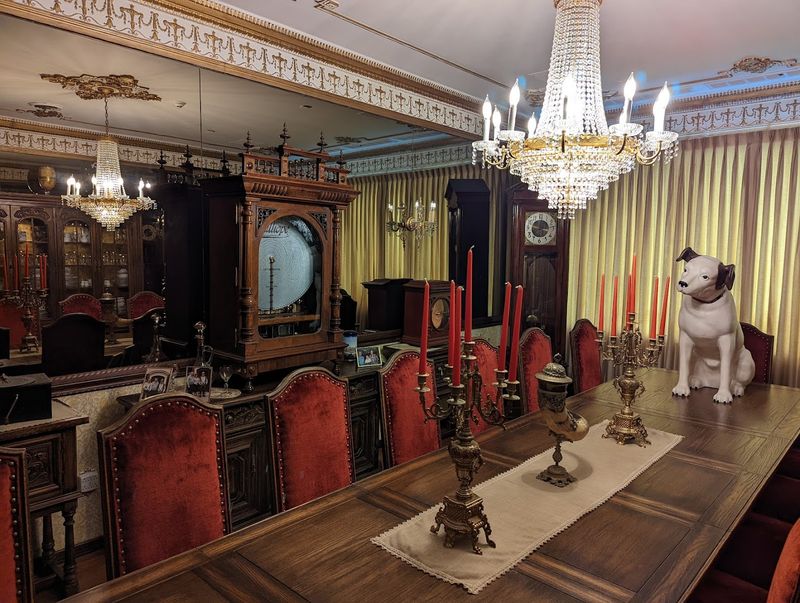
The Bayernhof Museum proves that a small museum can feel completely unlike anything else in the state. Housed in an eccentric Pittsburgh mansion, it combines dramatic architecture, hidden passageways, and river views with an extraordinary collection of antique music boxes and automatic instruments.
From the start, the guided tour feels delightfully unusual.
What makes this place memorable is the pairing of spectacle and craftsmanship. Rooms reveal elaborate decorative touches, while the instruments themselves show off astonishing mechanical ingenuity.
When you hear them play, the collection stops being static and becomes a living performance from another era.
The house also tells a story about personality, taste, and the joy of making an impression. Instead of presenting music history in a conventional gallery format, Bayernhof lets the building itself become part of the experience.
That theatricality works in its favor.
If you enjoy museums with a strong sense of place, this one absolutely delivers. It is quirky, polished, and unexpectedly immersive.
Long after the tour ends, you will probably remember both the sound of the instruments and the mansion’s singular mood.
The Maridon Museum
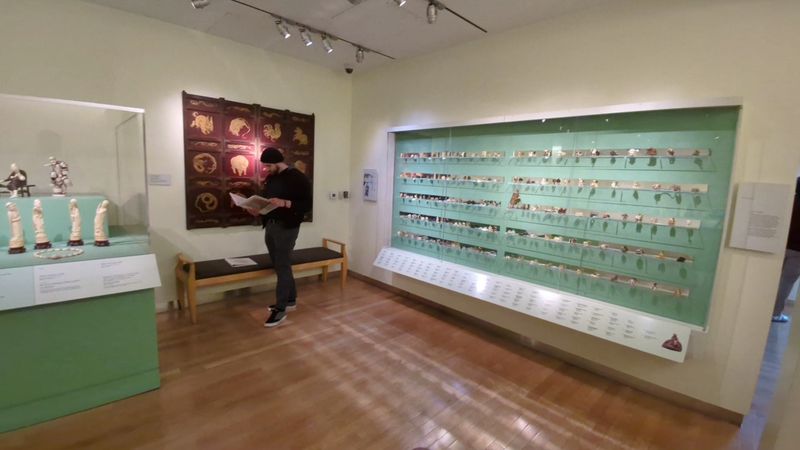
The Maridon Museum is one of those places that instantly resets your expectations. In downtown Butler, you find a compact museum devoted to Asian art and culture, with collections that include Chinese jade, Japanese scrolls, ivory carvings, and fine porcelain.
It feels focused, thoughtful, and refreshingly personal.
Because the museum is not overwhelming, you can spend real time with individual pieces. A carved object or painted surface gets the attention it deserves instead of disappearing into a massive institution.
That scale makes the collection more approachable for newcomers and more rewarding for serious art lovers.
There is also something satisfying about discovering a museum of this caliber in western Pennsylvania. Its presence feels unexpected in the best way, reminding you that important cultural experiences are not limited to major metropolitan giants.
The quiet setting encourages careful looking and reflection.
What leaves the biggest impression is the museum’s balance of elegance and intimacy. You come away feeling that you truly saw the objects, not just passed them.
For a smaller museum, it offers remarkable depth and a distinct sense of discovery.
The Demuth Museum
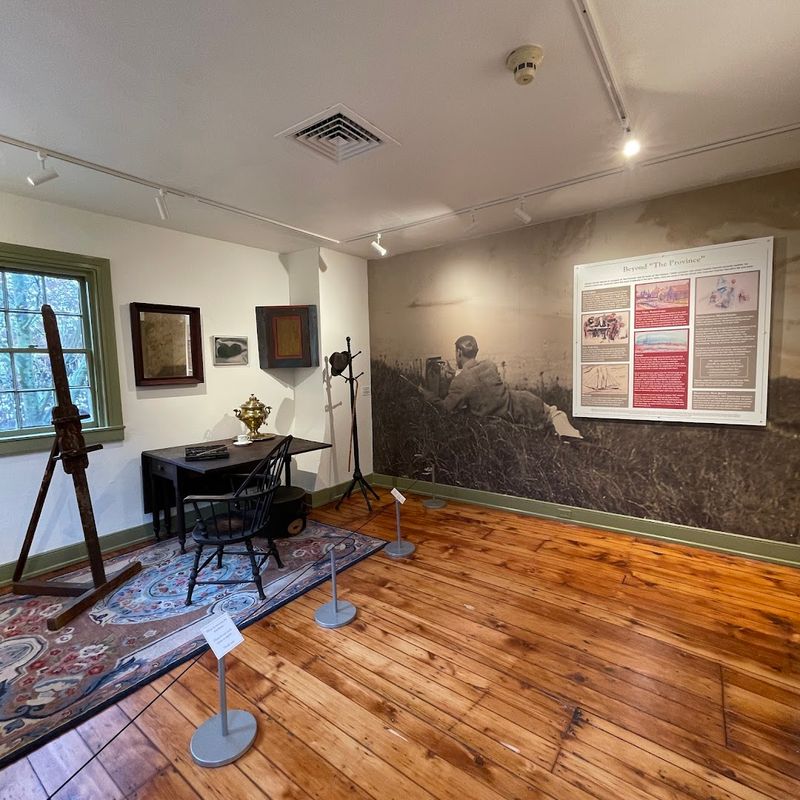
The Demuth Museum offers a quieter kind of impact, rooted in place and artistic identity. Located in Charles Demuth’s former home and studio in Lancaster, it gives you a personal connection to one of America’s significant modernist painters.
The setting immediately makes the art feel more grounded and human.
Instead of treating Demuth as a distant figure, the museum lets you encounter his world directly. Preserved spaces and rotating exhibitions help bridge the gap between biography and artwork.
You begin to understand how environment, memory, and creative discipline shaped his vision.
This is also a rewarding stop because it resists the rush that often comes with larger art museums. The scale encourages close looking, and the house itself adds texture to the experience.
You can imagine routines, influences, and the daily life behind the finished paintings.
For travelers in Lancaster, the museum is an easy addition that feels far more substantial than its size suggests. It leaves a big impression through intimacy, not spectacle.
If you appreciate art in context, this museum is especially worth your time.
Eagles Mere Museum
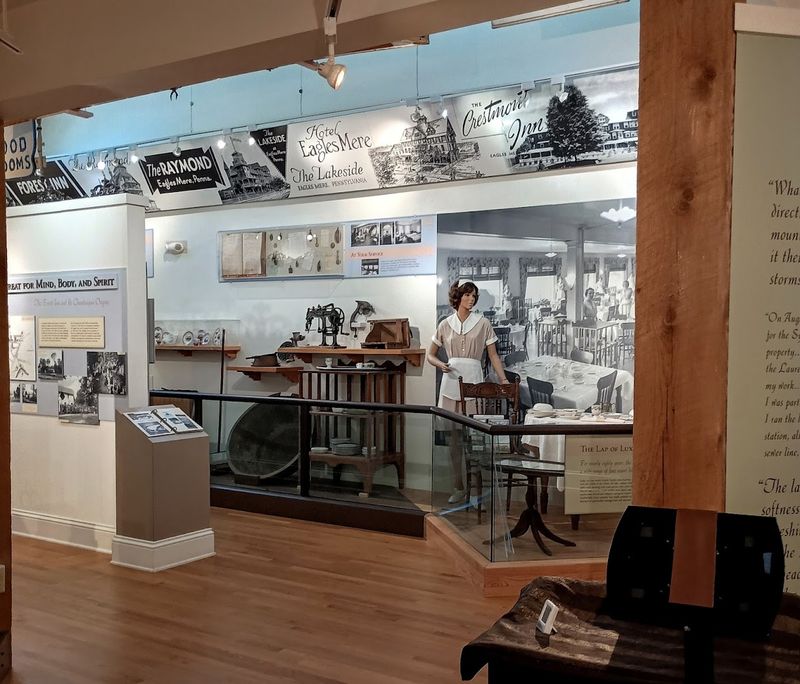
The Eagles Mere Museum captures the character of a mountain town in a way that feels affectionate rather than overly polished. Through photographs, memorabilia, and local artifacts, it preserves the story of Eagles Mere as both a community and a resort destination in the Endless Mountains.
The mood is nostalgic in the best sense.
Small-town museums often succeed when they understand their own emotional appeal, and this one does exactly that. It is not only about dates or buildings.
It is about seasonal traditions, family memories, changing tourism, and the visual record of a place people return to year after year.
Because the collection is manageable, you can absorb it without feeling rushed. Details about everyday life and local recreation become meaningful, especially if you care about regional identity.
Even first-time visitors can quickly understand why this community inspires loyalty and fondness.
What makes the museum memorable is its sincerity. It feels rooted in the town it represents, not manufactured for outsiders.
If you love local history with atmosphere and heart, Eagles Mere Museum leaves a bigger impression than its modest footprint suggests.
Drake Well Museum and Park
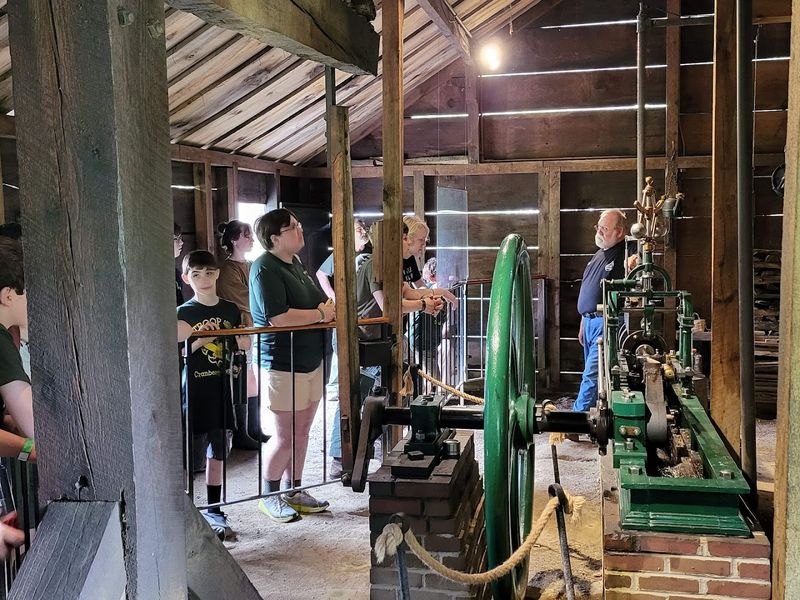
Drake Well Museum and Park turns a pivotal industrial milestone into a deeply tangible experience. Built around the site of Edwin Drake’s 1859 oil strike near Titusville, it explains how Pennsylvania helped launch the modern petroleum industry.
That history could feel abstract elsewhere, but here it becomes immediate and physical.
The museum’s mix of indoor interpretation and outdoor equipment is what makes it so effective. Replica structures, drilling machinery, and open-air exhibits help you picture the labor, risk, and innovation behind the first successful commercial oil well.
You are not just reading about history. You can almost hear it.
It is also a reminder that world-changing stories do not always happen in famous urban centers. This site shows how a relatively quiet corner of Pennsylvania shaped global industry, technology, finance, and daily life.
The scale is manageable, but the implications are enormous.
For anyone interested in energy history, industrial heritage, or simply surprising destinations, Drake Well delivers. It feels grounded, informative, and memorable.
By the time you leave, the significance of the site is hard to forget.
Pennsylvania Trolley Museum
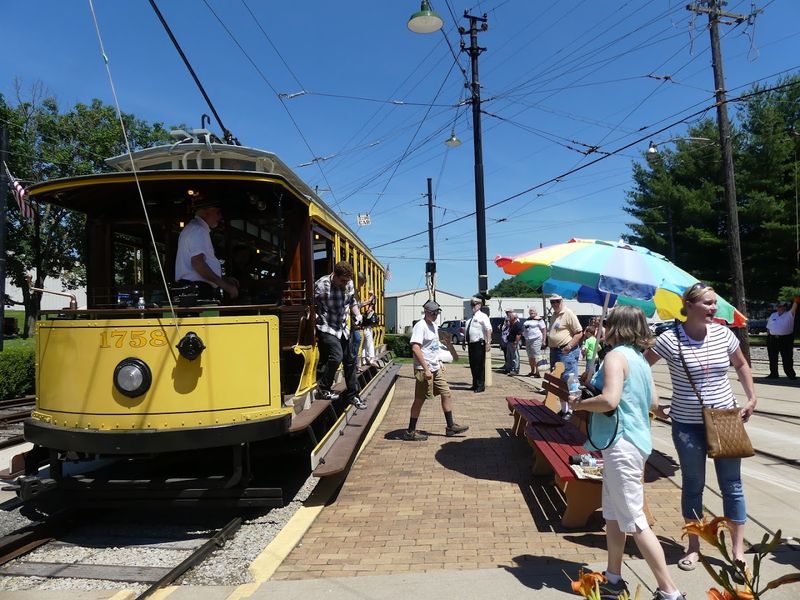
The Pennsylvania Trolley Museum stands out because it lets you experience transportation history instead of only observing it. Located in Washington, it combines restored streetcars, exhibits, and working rides that make the past feel active and accessible.
If you have ever been curious about transit history, this is an easy place to connect with it.
Riding a historic trolley adds a sensory dimension many museums cannot offer. The movement, sound, and interior details make the vehicles feel like part of daily life again rather than frozen artifacts.
That immediacy helps visitors of all ages understand why streetcars mattered so much.
The museum is also strengthened by its restoration work and hands-on educational approach. You can appreciate both the beauty of the cars and the technical effort required to preserve them.
It appeals to children, rail fans, and anyone who likes practical history with visible craftsmanship.
What makes it memorable is its combination of fun and substance. You leave entertained, but also with a clearer understanding of urban transportation and community change.
For a specialized museum, it creates a surprisingly broad and lasting impression.
Rodin Museum
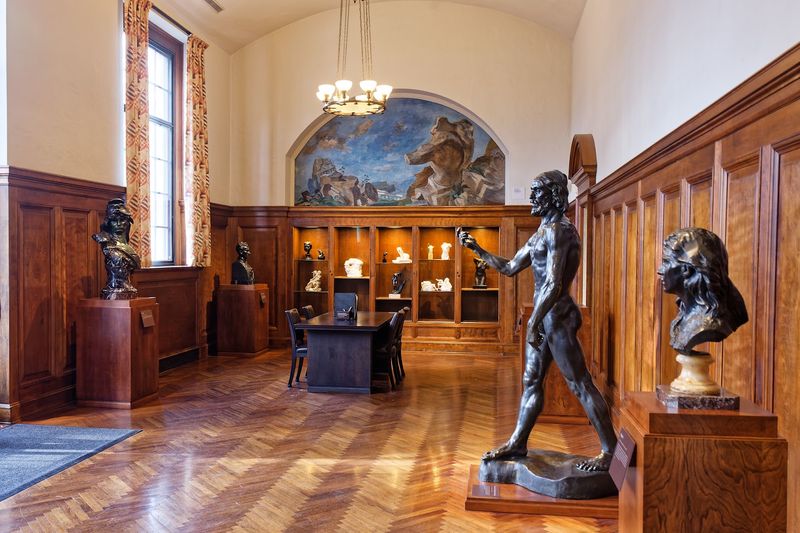
The Rodin Museum shows how a smaller institution can feel both intimate and world-class at the same time. Though overshadowed by larger Philadelphia museums nearby, it holds one of the most significant collections of Auguste Rodin’s work outside Paris.
The result is focused, elegant, and surprisingly calming.
You can move through the galleries and sculpture garden without the fatigue that sometimes comes with larger art destinations. That manageable scale gives you space to really look at surfaces, gestures, and expressions in Rodin’s work.
The art feels close enough to study, not just admire in passing.
The setting strengthens the experience. Beaux-Arts architecture, formal landscaping, and carefully arranged interiors create a sense of quiet attention that suits sculpture beautifully.
Even iconic works feel less crowded here, which makes them easier to appreciate on their own terms.
What lingers is the museum’s atmosphere of concentration and grace. It offers a refined encounter without requiring a full day or a major commitment.
If you want a museum visit that feels restorative as well as culturally rich, this one delivers.
DeBence Antique Music World
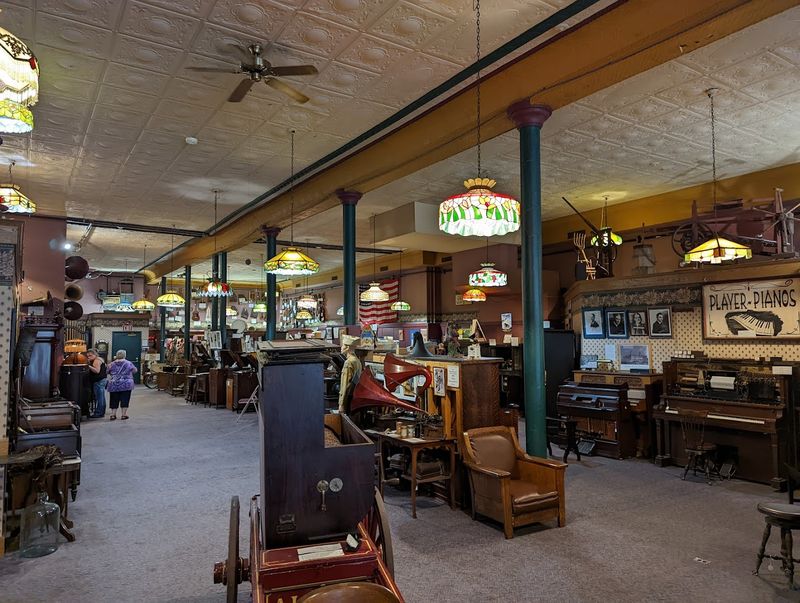
DeBence Antique Music World is the kind of museum that wins people over almost immediately. Located in Franklin, it celebrates mechanical musical instruments such as player pianos, phonographs, and orchestrions, many of which still operate.
That ability to hear the collection is a huge part of its charm.
Instead of relying only on labels and display cases, the museum lets sound carry the story. When a machine starts playing, you understand its entertainment value, engineering, and cultural context all at once.
These were not just objects people owned. They transformed rooms and social occasions.
The museum also has a pleasingly personal feel, as if you have discovered a very specialized passion project elevated into a public collection. That enthusiasm is contagious.
Even visitors who arrive knowing little about antique music technology often leave delighted and curious for more.
What makes DeBence memorable is its combination of novelty, craftsmanship, and sensory appeal. It is compact, approachable, and genuinely fun without losing historical depth.
For anyone drawn to unusual museums, this one leaves a cheerful and lasting impression.
The Hershey Story Museum
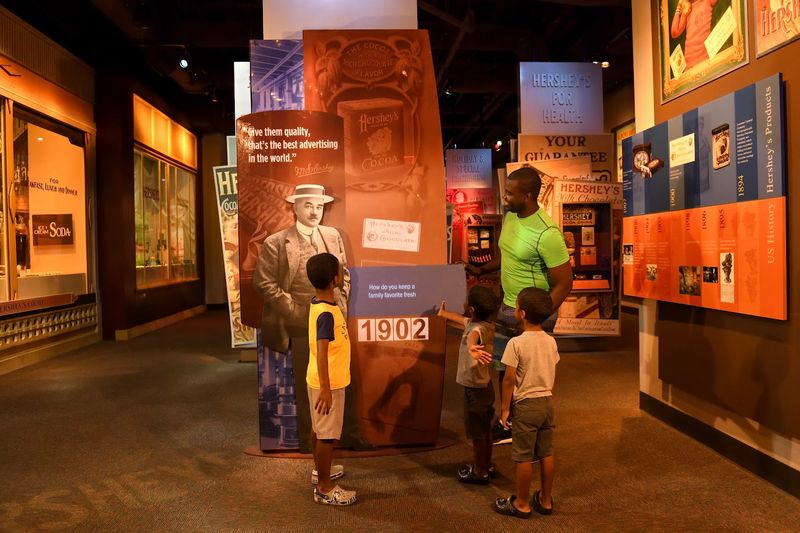
The Hershey Story Museum could have been a simple company showcase, but it reaches much further than that. In the heart of Hershey, it explores Milton Hershey’s life, the growth of the chocolate business, and the development of the town he helped shape.
You come away with both corporate and community history.
What makes the museum effective is its use of interactive exhibits and personal storytelling. Rather than presenting a polished brand myth alone, it shows ambition, philanthropy, labor, innovation, and civic planning in ways that feel accessible.
The human side of the story gives the exhibits weight.
This is also a great example of a museum that appeals broadly without becoming shallow. Families, history lovers, and casual travelers can all find an entry point, whether through industrial history, local identity, or chocolate culture.
The presentation is friendly, but the themes are substantial.
Its biggest impression comes from showing how one vision reshaped an entire place. That blend of sweetness and seriousness makes the museum more memorable than many larger institutions.
You may arrive expecting novelty, but you leave with real context.
National Watch and Clock Museum
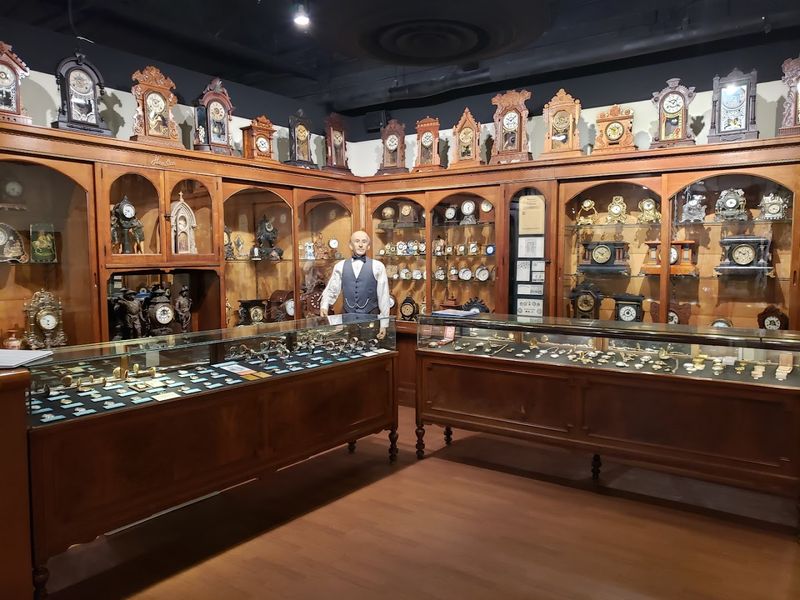
The National Watch and Clock Museum takes a specialized subject and turns it into something surprisingly fascinating. Located in Columbia, it presents timekeeping through tower clocks, pocket watches, wristwatches, scientific instruments, and inventive mechanical designs from different places and periods.
Even if you are not a horology enthusiast, the visual variety helps immediately.
The museum works because it connects beauty, precision, and human ambition. You see how people tried to measure time more accurately, more portably, and more elegantly across centuries.
Tiny decorative details sit beside massive mechanisms, reminding you that timekeeping has always been both practical and philosophical.
Its manageable size makes the learning curve feel inviting rather than overwhelming. You can move from broad historical context to close technical appreciation without getting lost.
That is ideal for visitors who want substance but not exhaustion.
What stays with you is the realization that clocks and watches shape daily life far more deeply than we usually notice. This museum turns that familiar reality into something fresh, intricate, and memorable.
It is a hidden gem with real depth.
American Helicopter Museum & Education Center
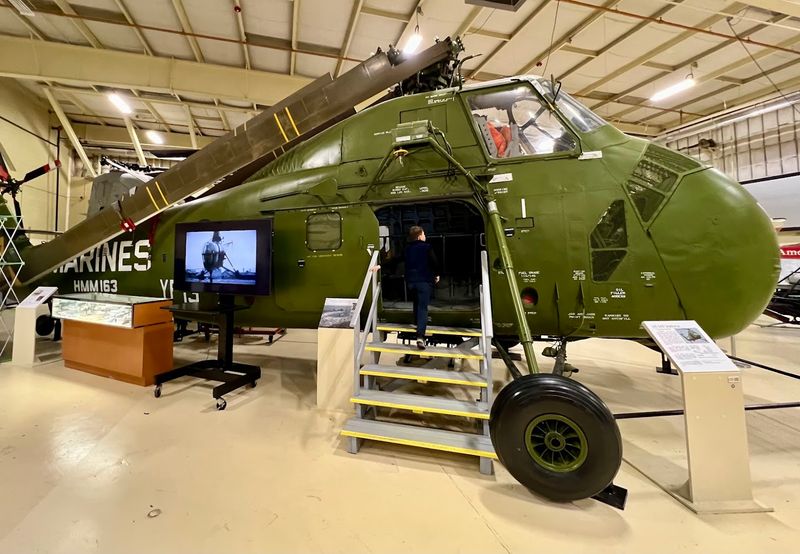
The American Helicopter Museum & Education Center offers a tightly focused aviation experience that feels much bigger once you step inside. In West Chester, the museum is devoted entirely to rotary flight, with military helicopters, civilian craft, and experimental machines gathered in a compact hangar setting.
You are close enough to appreciate their unusual forms and engineering.
That proximity is a major strength. Helicopters already look different from fixed-wing aircraft, and seeing them at close range highlights their complexity, purpose, and design evolution.
The museum explains not just what these aircraft are, but why they changed transportation, rescue work, and military operations.
It is also a satisfying stop because the subject feels both technical and accessible. Kids often respond to the dramatic aircraft shapes, while aviation fans can dig into the mechanics and history.
The scale keeps the visit manageable without making it feel slight.
What leaves a big impression is the museum’s clarity of purpose. It knows exactly what story it wants to tell and tells it well.
For a specialized museum, it feels engaging, educational, and distinctively memorable.
Railroad Museum of Pennsylvania
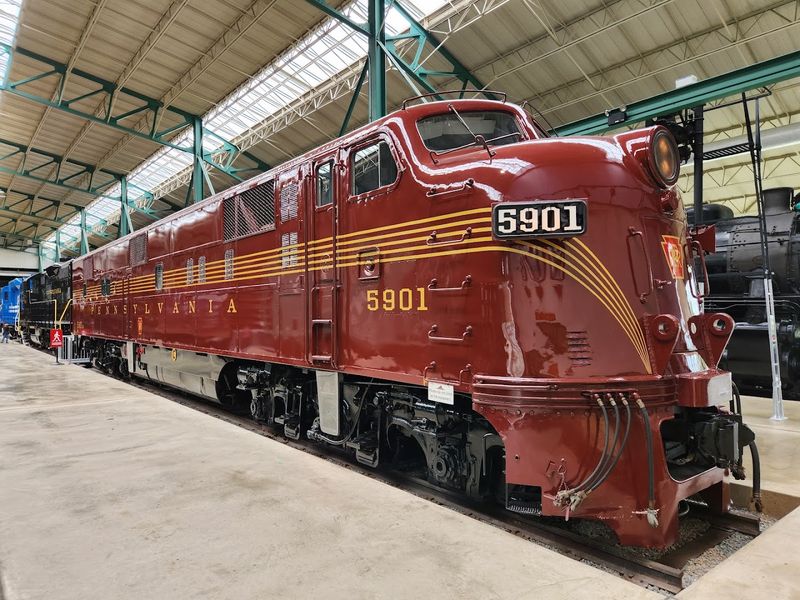
The Railroad Museum of Pennsylvania shows how a focused museum can still feel awe-inspiring. In Strasburg, its collection of restored locomotives and railcars tells the story of rail transportation through objects that are physically enormous and historically significant.
Even before you read a label, the scale does some of the storytelling.
What makes the museum work is the balance between spectacle and interpretation. The trains are impressive on their own, but the exhibits also explain how railroads shaped commerce, migration, industry, and everyday travel.
You get both visual drama and broader context.
Despite the size of the equipment, the museum remains approachable. Clear displays and a specialized mission help keep the visit focused, so you never feel lost in a giant institution.
That is especially useful if you want a meaningful experience without an exhausting itinerary.
The museum leaves a strong impression because rail history is presented as something tangible, powerful, and deeply connected to Pennsylvania’s identity. You do not need to be a train enthusiast to feel the impact.
The collection has genuine presence and weight.
Fireman’s Hall Museum
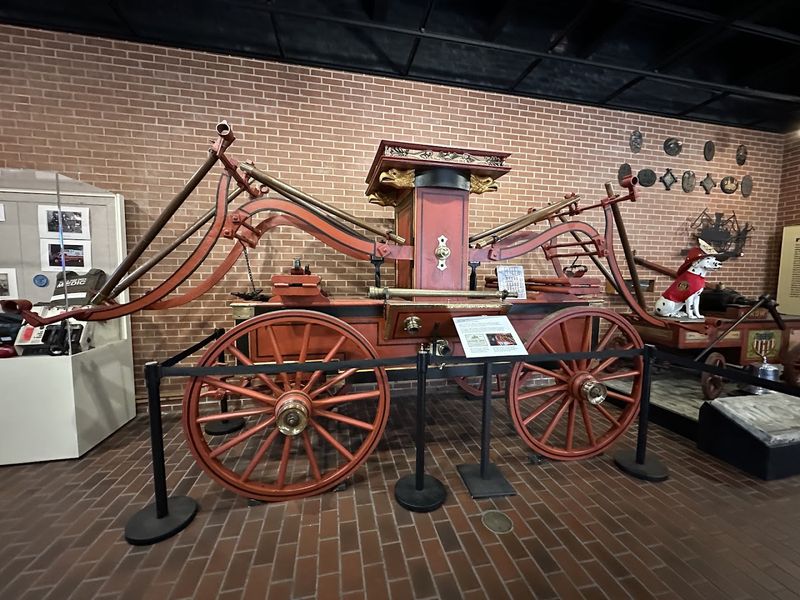
Fireman’s Hall Museum is one of Philadelphia’s most appealing overlooked stops, especially if you like local history tied to civic life. Located in Old City, it explores firefighting through antique engines, uniforms, tools, and the stories of the city’s early volunteer fire companies.
The subject feels immediate, practical, and full of character.
What gives the museum its impact is the blend of equipment and human drama. Firefighting history is not just about machinery.
It is about risk, public service, neighborhood identity, and the evolution of emergency response in a growing city. Those themes make the exhibits resonate beyond their modest size.
The museum is also easy to appreciate because the objects are visually strong and inherently interesting. Gleaming engines, specialized tools, and historic gear draw you in before the interpretation adds deeper context.
It is a good reminder that municipal history can be genuinely compelling.
Among Pennsylvania’s smaller museums, this one leaves a big impression through authenticity and storytelling. It feels rooted in Philadelphia’s past while still speaking clearly to the present.
You leave with respect for both the profession and the city.