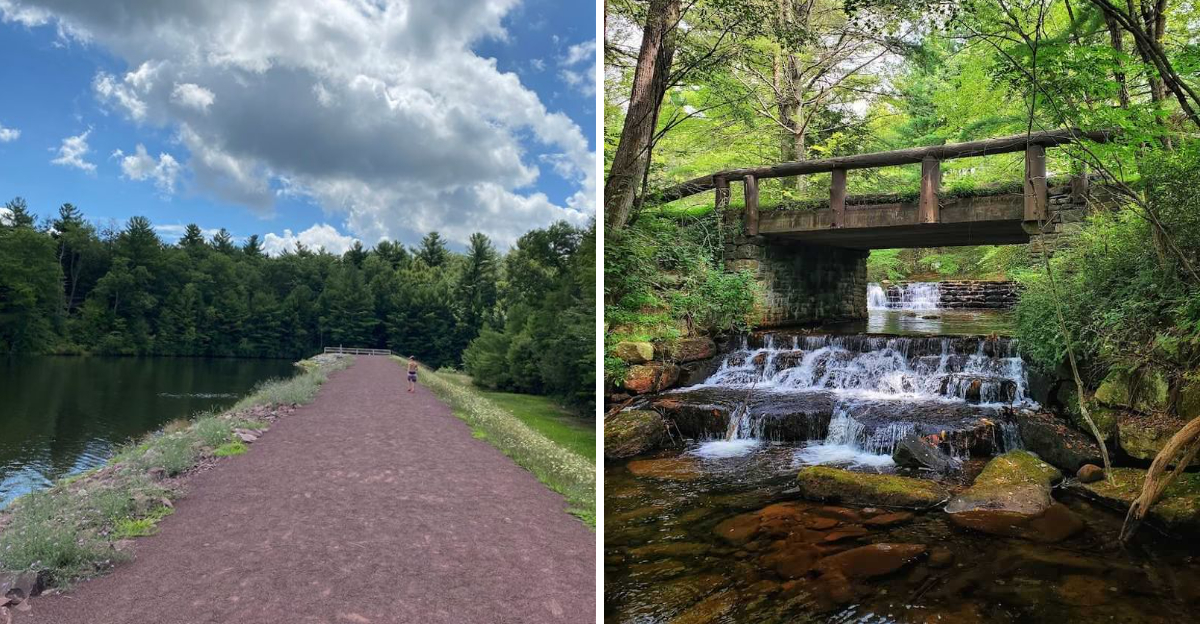
Hickory Run State Park sits in the heart of Pennsylvania’s Pocono Mountains and draws thousands of nature lovers back year after year.
From its famous boulder field to rushing waterfalls and quiet forest trails, this park offers something special for everyone who visits.
Whether you are looking for an easy family outing or a serious wilderness adventure, Hickory Run delivers natural beauty that keeps people coming back for more.
The Massive Boulder Field Feels Unlike Anywhere Else in Pennsylvania
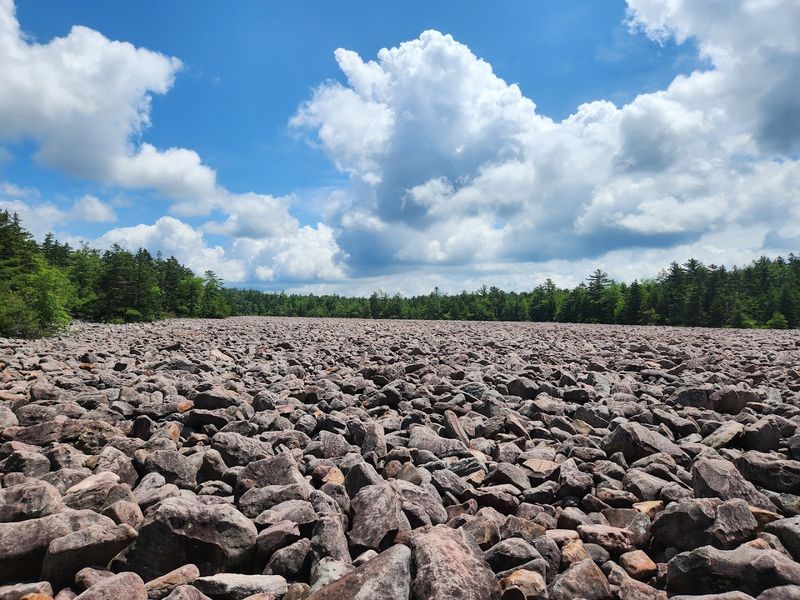
Imagine walking across a sea of rocks so vast it looks like something from another planet. The Boulder Field at Hickory Run stretches about 400 feet wide and 1,800 feet long, covering roughly 20 acres with nothing but massive stones piled together.
Glaciers left these boulders behind about 20,000 years ago during the last Ice Age. Unlike most parks where you follow dirt paths through forests, here you hop carefully from rock to rock across an open field.
The stones range from basketball-sized to ones bigger than refrigerators.
Kids often treat the Boulder Field like a giant natural playground, though adults need to watch their footing since the gaps between rocks can be tricky. Sturdy shoes with good grip are essential because the rocks shift slightly and can be slippery.
On sunny days, the rocks absorb heat and feel warm to touch, while morning visits often reveal how cool and damp they stay overnight.
Photography enthusiasts love capturing sunrise and sunset here when long shadows create dramatic patterns across the stone field.
Hawk Falls Adds A Classic Pocono Waterfall Experience
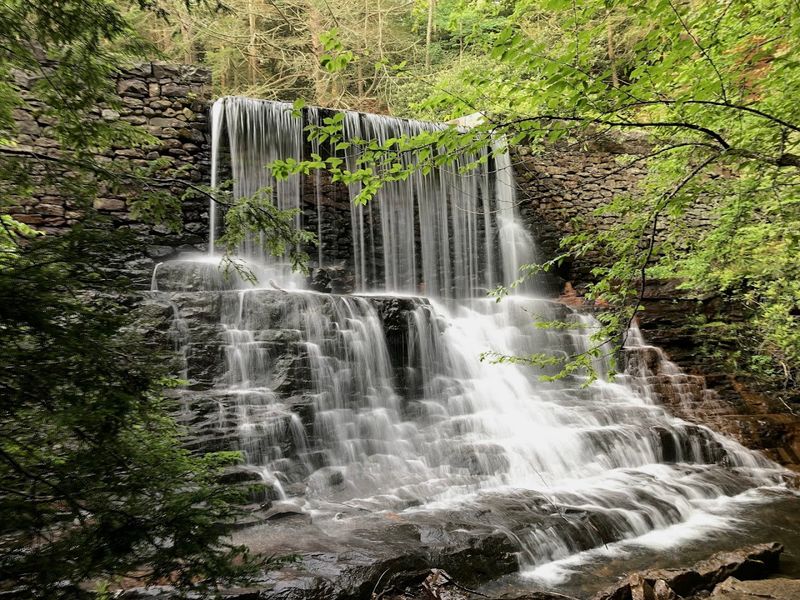
A short walk through peaceful woods leads to one of the park’s most beloved spots. Hawk Falls drops about 25 feet over a ledge into a clear pool, creating that soothing sound of rushing water that makes people stop and breathe deeper.
The trail to reach Hawk Falls spans less than a mile round trip, making it perfect for families with younger children or anyone wanting waterfall views without an exhausting climb. The path stays relatively flat and well-maintained, though tree roots and occasional wet spots require attention.
Spring brings the heaviest water flow when snowmelt feeds the streams, turning Hawk Falls into a powerful cascade that splashes mist into the air.
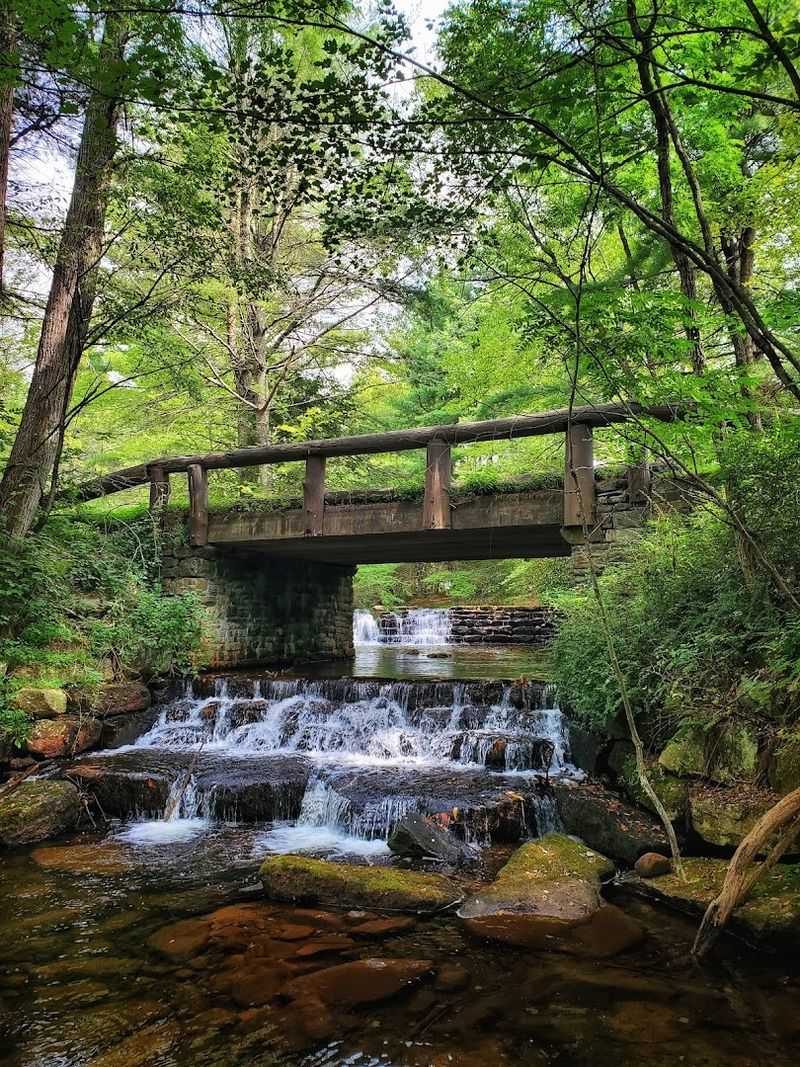
Summer visitors find a gentler but still beautiful flow that reflects sunlight through the forest canopy. The surrounding rocks stay moss-covered and create natural frames for photographs.
Many people pack lunches to enjoy near the falls, using the peaceful atmosphere as background music.
Early morning visits often mean having the waterfall completely to yourself, before afternoon crowds arrive with their cameras and excited conversations.
The Forest Scenery Changes Beautifully Throughout The Year
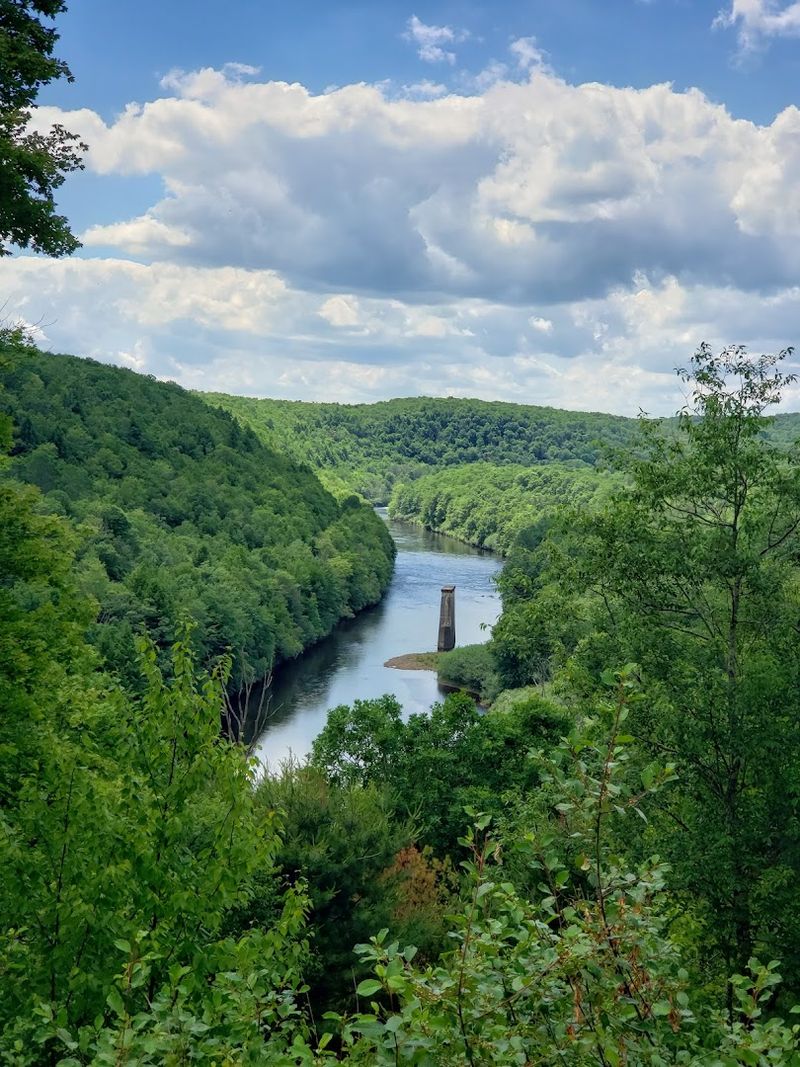
October transforms Hickory Run into a kaleidoscope that draws leaf-peepers from neighboring states. Maples blaze orange and scarlet while oaks turn deep burgundy, creating layers of color that stretch across mountain ridges.
Weekend traffic increases noticeably during peak foliage weeks, usually mid-October, when photographers line up for perfect shots.
Summer wraps the park in dense green that provides welcome shade on hot afternoons. The forest feels alive with bird songs and rustling leaves, while streams run lower but stay refreshingly cool for tired hikers.
Spring brings delicate wildflowers pushing through last winter’s leaf litter, along with that fresh smell of growing things that only happens after snow melts.
Winter blankets everything in white silence, transforming familiar trails into challenging snowshoe routes. Cross-country skiers glide through areas that were hiking paths months earlier.
Each season essentially creates a different park experience, which explains why regular visitors keep detailed mental notes about their favorite times to return.
Some prefer quiet winter solitude, while others would not miss autumn’s colorful show.
More Than 15,000 Acres Of Protected Wilderness Keep The Park Feeling Wild
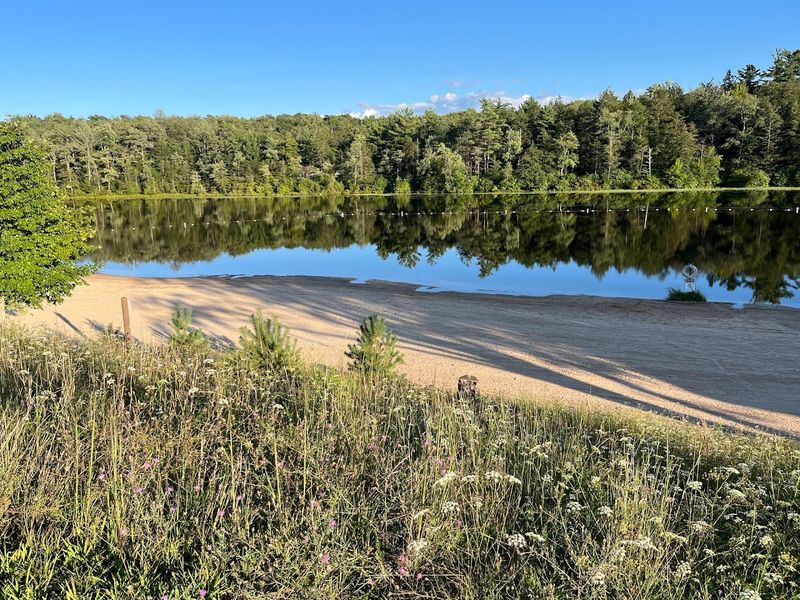
Size matters when you want to escape crowds and experience genuine wilderness. Hickory Run’s 15,990 acres spread across enough territory that you can hike for hours without retracing steps or bumping into the same people repeatedly.
Pennsylvania state parks vary dramatically in size, but Hickory Run ranks among the largest in the eastern part of the commonwealth. This massive footprint means the park contains entire ecosystems rather than just scenic fragments.
Deep forests shelter wildlife corridors where animals move freely without constant human disturbance.
Remote sections of the park see few visitors even during busy summer weekends, offering solitude-seekers quiet corners to explore. Backpackers can reserve campsites in the wilderness areas and spend nights surrounded by nothing but trees and stars.
The protected status ensures no development will carve up this landscape into smaller parcels.
Conservation groups celebrate Hickory Run as a success story for habitat preservation. When you stand in certain areas of the park, especially away from main trails, you genuinely feel removed from civilization despite being within reasonable driving distance of major cities.
The Hiking Trails Showcase The Best Of The Pocono Mountains
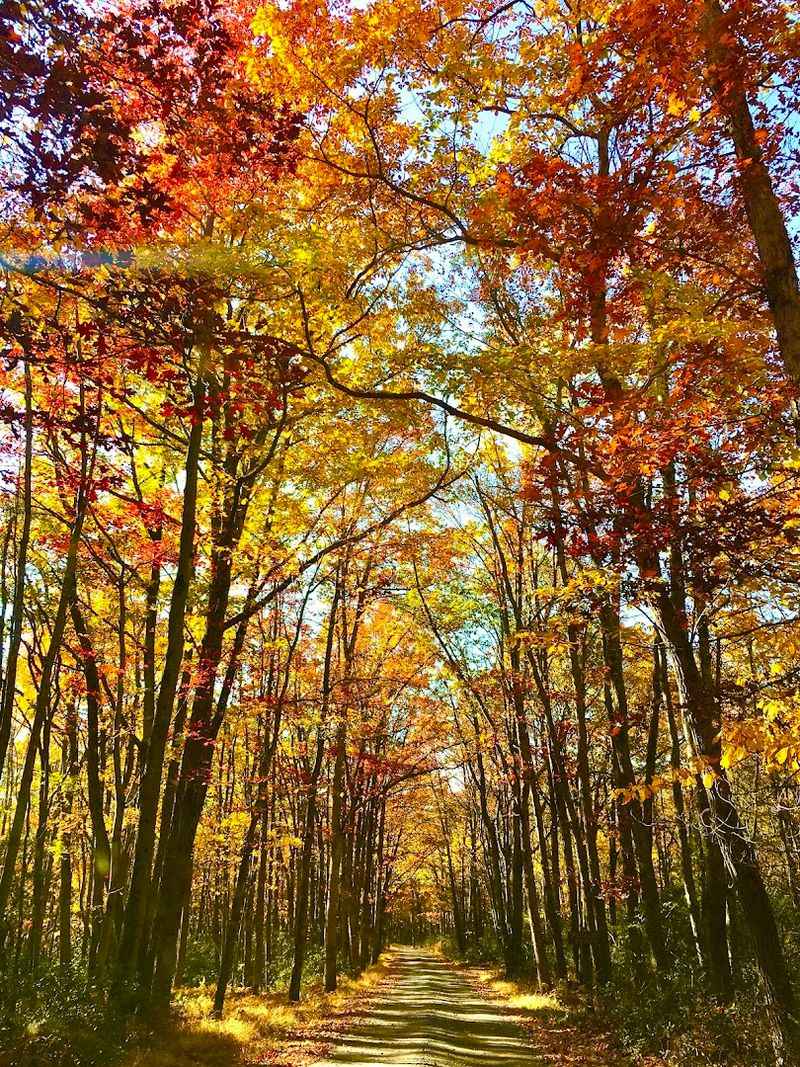
Over 40 miles of marked trails wind through every type of landscape Hickory Run offers. Trail difficulty ranges from easy strolls suitable for grandparents pushing strollers to challenging climbs that leave experienced hikers breathing hard.
This variety means groups with mixed abilities can all find appropriate routes.
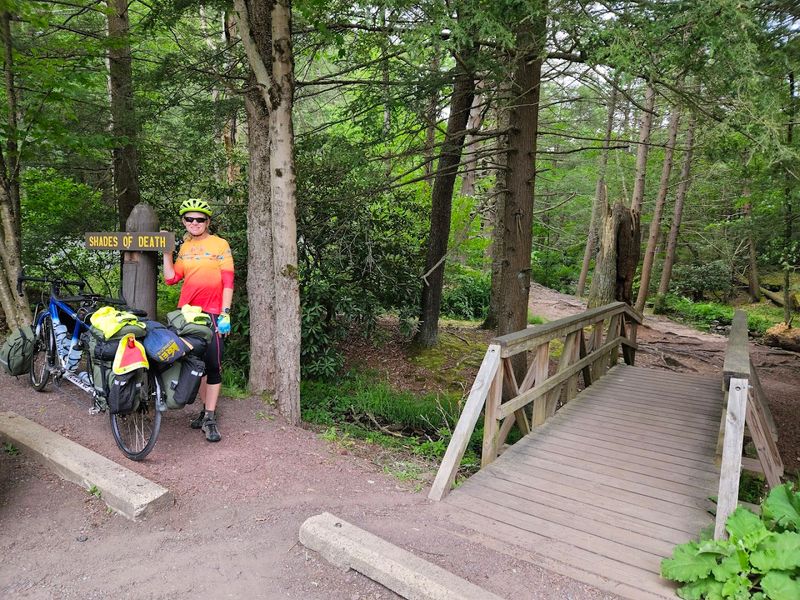
The Orchard Trail follows old farm roads through recovering meadows where fruit trees still bloom each spring, remnants of homesteads abandoned decades ago. Meanwhile, the Shades of Death Trail earns its dramatic name by passing through hemlock groves so dense that midday feels like twilight.
Rocky sections test your ankle strength while stream crossings add splash-worthy moments.
Ridge trails reward climbers with sweeping views across forested valleys, especially beautiful when morning fog fills the low areas like an ocean of clouds. Trail maps available at the park office help visitors plan routes based on distance, difficulty, and specific features they want to see.
Serious hikers can chain multiple trails together for all-day adventures.
Beginners appreciate clearly marked paths and regular distance markers that prevent anxiety about getting lost.
Streams And Wetlands Bring Wildlife Throughout The Park

Patient observers armed with binoculars and cameras discover Hickory Run functions as a living wildlife sanctuary. White-tailed deer appear so frequently along trails that spotting them becomes almost routine, though watching a doe with spotted fawns never gets old.
Early morning and late afternoon offer the best viewing windows when animals venture from dense cover to drink at streams.
Beaver activity marks several wetland areas where gnawed tree stumps and elaborate dams showcase their engineering skills. Bird watchers document over 100 species throughout the year, from tiny warblers flitting through spring canopies to majestic bald eagles soaring above winter landscapes.
The streams themselves support trout populations that attract fly-fishing enthusiasts, though specific regulations apply.
Amphibians thrive in the park’s numerous wet areas, with spring peepers creating noisy evening concerts after warm rains. Black bears occasionally make appearances, reminding hikers to store food properly and maintain respectful distances.
Smaller creatures like chipmunks, squirrels, and various salamander species entertain kids who pay attention to details.
Wildlife photography workshops sometimes use Hickory Run as their classroom because animal encounters happen reliably.
Sand Spring Lake Gives The Park A Relaxed Summer Feel
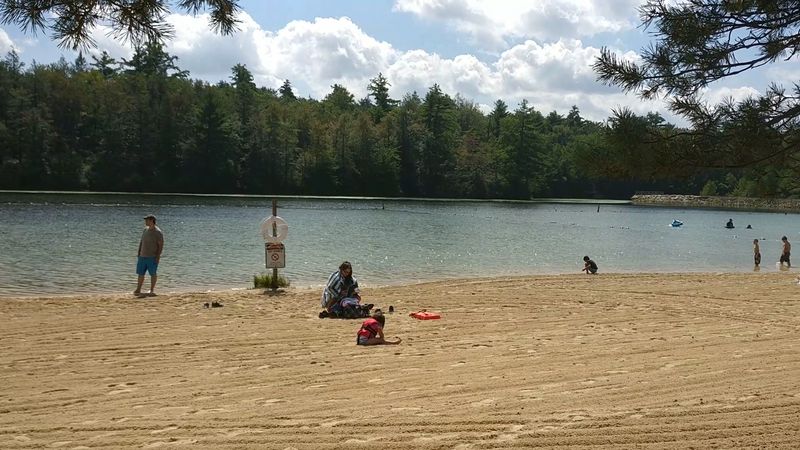
When hiking feels too ambitious on a hot July afternoon, Sand Spring Lake provides the perfect alternative. The 53-acre lake features a designated swimming area with a sandy beach where kids build castles and splash in shallow water while parents relax nearby.
Lifeguards staff the beach during official swim season, typically Memorial Day through Labor Day, adding safety for families.
Picnic areas surrounding the lake offer shaded tables where groups spread out lunches and celebrate birthdays or reunions. The peaceful water reflects surrounding trees and usually stays calm enough for safe swimming, though occasional breezes create small ripples.
Non-motorized boats like kayaks and canoes can launch from designated areas, letting paddlers explore quieter coves.
Fishing from shore attracts anglers hoping to catch bass, pickerel, and panfish, though success varies by season and skill. The lake area includes modern restroom facilities and a concession stand during peak season.
Evening visits reveal beautiful sunsets that paint the water orange and pink.
Many families make Sand Spring Lake their primary destination, spending entire days alternating between swimming, picnicking, and short walks on nearby easy trails.
Hickory Run Balances Accessibility With Natural Beauty
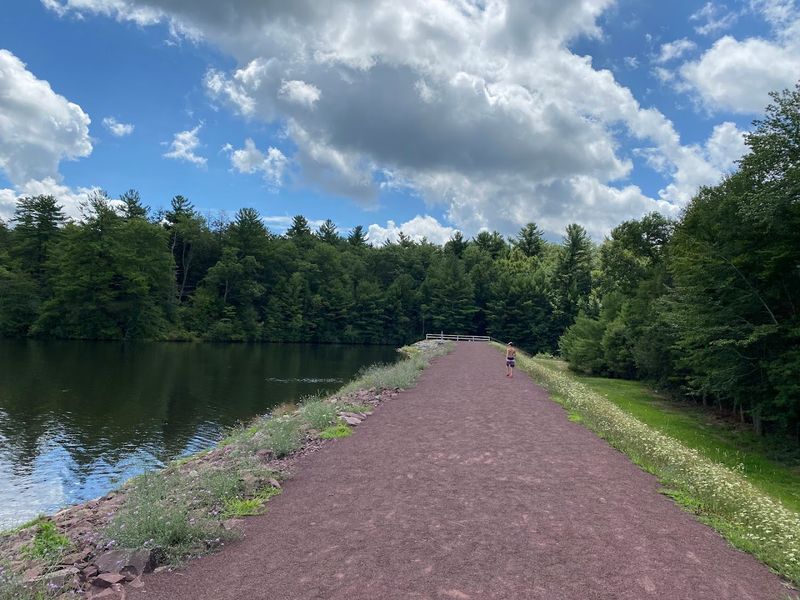
Located just off Interstate 476 and Pennsylvania Route 534, Hickory Run sits conveniently close to major travel corridors without sacrificing its wild character. Philadelphia lies roughly 90 miles south, making the park reachable for day trips, while New York City residents can arrive in about two hours.
This accessibility explains why parking lots fill quickly on beautiful weekends.
Despite easy highway access, the park maintains that remote feeling once you venture beyond the main facilities. Well-maintained roads lead to various trailheads and activity areas, eliminating the need for high-clearance vehicles.
Clear signage helps first-time visitors navigate to popular spots like Boulder Field and Hawk Falls without confusion.
The park office provides maps, activity suggestions, and current condition updates for anyone needing guidance. Cell phone service works in most areas, though some deep valleys and remote trails lose signal.
Families traveling with young children appreciate that fascinating natural features sit within short walking distances rather than requiring marathon hikes.
Weekend warriors from urban areas can experience genuine wilderness without investing in overnight camping gear or extended vacation time away from responsibilities.
The Park Has Become One Of Pennsylvania’s Most Recognizable Outdoor Destinations
Ask Pennsylvania outdoor enthusiasts to name their favorite state parks and Hickory Run consistently appears on shortened lists. Its unique features, especially the Boulder Field, give it instant recognition that few other parks achieve.
Travel magazines and outdoor blogs regularly feature Hickory Run in articles about must-visit Pennsylvania destinations.
Social media amplifies the park’s fame as visitors share stunning photos of waterfalls, autumn colors, and that remarkable rock field. Instagram posts tagged with Hickory Run locations number in the thousands, creating free advertising that attracts new visitors constantly.
The park’s reputation extends beyond Pennsylvania borders, drawing tourists from surrounding states who specifically plan trips to see what everyone talks about.
Local businesses in White Haven benefit from park traffic, with restaurants and gas stations serving steady streams of visitors year-round. Tourism guides distributed at highway rest stops feature Hickory Run prominently among Pocono Mountain attractions.
Its status as a National Natural Landmark adds official recognition to popular opinion.
Despite increasing fame, the park’s large size prevents it from feeling loved to death like some smaller destinations that struggle with overcrowding.
Visitor Information And Tips
Planning ahead makes any Hickory Run visit more enjoyable and safer. The physical address is 3 Family Camp Road, White Haven, Pennsylvania 18661, which works perfectly for GPS navigation.
Park gates stay open year-round, though seasonal facilities like the beach, some restrooms, and visitor center operate only during warmer months, typically April through October.
Autumn weekends, especially mid-October, bring the biggest crowds as leaf-peepers flood the region. Arriving early on popular days secures better parking and quieter trail experiences.
Spring visits coincide with peak waterfall flows from snowmelt, making Hawk Falls particularly impressive but trails potentially muddy. Winter adventurers should prepare for snow and ice, bringing appropriate footwear and extra layers.
Comfortable, sturdy walking shoes prove essential since trails include rocky sections, uneven terrain, and occasional stream crossings. The Boulder Field demands especially good footwear because hopping between rocks in flimsy shoes risks twisted ankles.
Bringing water, snacks, and a basic first-aid kit makes sense for longer explorations.
Check the Pennsylvania state parks website before visiting for current alerts, facility status, and any temporary closures that might affect your plans.