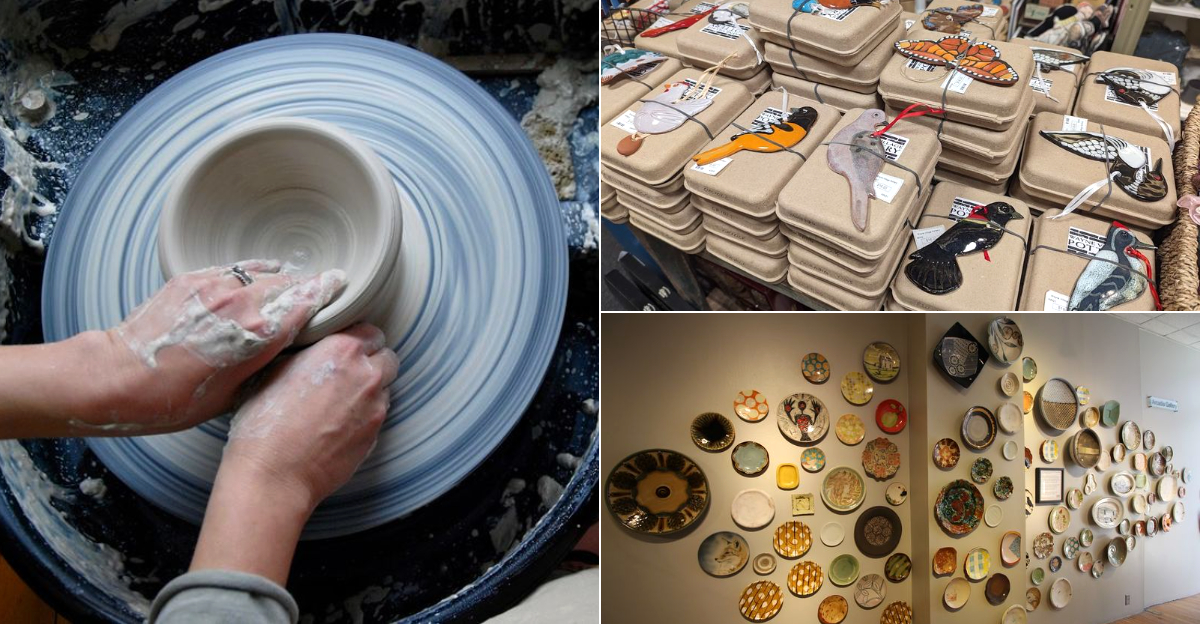
Pennsylvania’s pottery scene is quietly thriving, tucked into art centers, historic studios, and community workshops from Philadelphia to Erie.
Whether you’ve never touched clay or you’ve been thinking about it for years, the state’s beginner-friendly studios make it easy to finally show up and create.
Beyond the technique, pottery offers something unexpectedly grounding; a chance to slow down, focus on touch and texture, and step away from screens.
Pennsylvania’s diverse regions mean you’ll find studios with their own distinct character, from urban art collectives to peaceful countryside kilns.
These ten pottery classes are the best places in the state for beginners to start their journey and, more often than not, fall in love with the craft.
1. Erie Art Museum Ceramics Workshop – Erie, Erie County

Learning pottery through a museum-affiliated program can make the experience feel especially inspiring from the start.
Beginners are not only practicing technique but also stepping into a setting where art history, design, and contemporary creativity naturally meet.
In Erie, the Erie Art Museum Ceramics Workshop offers that richer context for people ready to try clay.
A museum workshop environment often adds depth to beginner instruction because you are surrounded by broader artistic ideas.
You might start with practical lessons in wheel throwing or handbuilding, yet leave thinking differently about form, surface, and the role of handmade objects.
I really value that combination because it turns a simple class into an experience that feels educational, creative, and personally grounding.
There is often an emphasis on careful teaching, skill development, and respect for the process, which helps reduce first-day uncertainty.
You do not need prior experience to benefit from that atmosphere, only curiosity and a willingness to get your hands messy.
If you are in northwestern Pennsylvania and want a beginner pottery class with extra cultural texture, this workshop stands out.
Your first finished piece may be humble, but the experience can still feel unexpectedly expansive and memorable.
2. Abington Art Center Ceramics – Jenkintown, Montgomery County
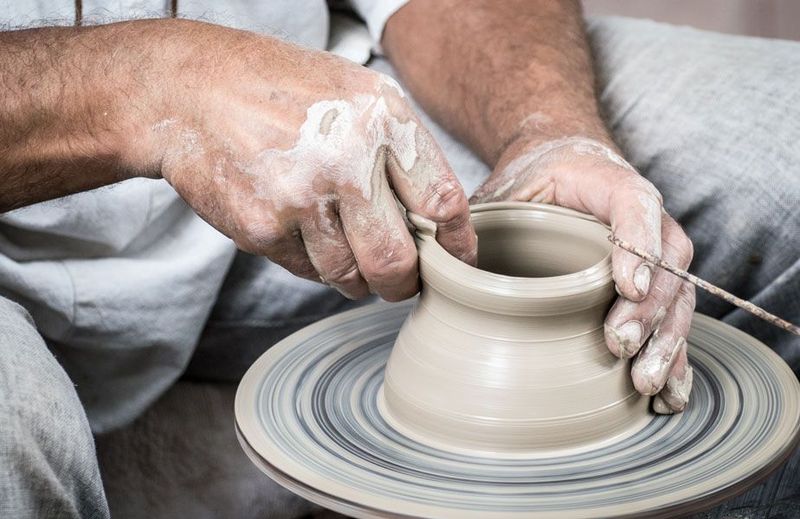
Some beginners want a pottery class that feels calm, organized, and connected to a broader arts community.
That kind of setting can make it easier to focus on learning instead of worrying about whether you belong there.
Near Jenkintown, Abington Art Center Ceramics offers exactly that sort of thoughtful entry point into clay.
As part of a larger art center, the ceramics program often appeals to people who enjoy structured classes within a creative campus atmosphere.
You can usually expect instruction in foundational techniques like wheel work, handbuilding, trimming, glazing, and safe studio practice.
I find these community-centered art programs especially appealing because they combine skill building with a sense of creative discovery.
For true beginners, that balance matters because pottery can be equal parts exciting and humbling during the first few sessions.
A supportive instructor, clear demonstrations, and time to practice can turn frustration into progress surprisingly quickly.
The environment here is likely a strong fit if you want to learn steadily while also enjoying the social side of making art.
Another advantage is the art center feel, which can make a weekly class seem like a genuine personal ritual rather than a one-time novelty.
3. Main Line Art Center Pottery – Haverford, Delaware County
There is a special confidence that comes from learning in a polished studio where the systems are clear and the teaching feels intentional.
Beginners who appreciate that kind of structure often settle in faster and take more creative risks once the basics click.
In Haverford, Main Line Art Center Pottery is a strong choice for anyone seeking a well-established place to start.
The program is known for offering art instruction within a respected community arts setting, which gives classes a thoughtful, accessible rhythm.
New students can build practical skills in wheel throwing, handbuilding, glazing, and finishing while still having room for playful experimentation.
I like options like this because they tend to serve both curious first-timers and people who quickly realize they want pottery to become a real hobby.
That flexibility matters when you are not yet sure whether you want one memorable course or an ongoing creative practice.
You also benefit from seeing what other students are making, which can spark ideas and normalize the trial-and-error stage.
If you are looking along the Main Line for a beginner-friendly ceramics experience with a strong reputation, this belongs on your shortlist.
By the end, you may be surprised by how attached you become to the imperfect first pieces you create.
4. Pottery by You – Media, Delaware County
Not every beginner wants to dive straight into intensive wheel throwing on the very first try.
Sometimes the best introduction to pottery is a low-pressure studio where creativity comes first and technical fear stays in the background.
In Media, Pottery by You offers that gentler doorway into ceramics through a fun, welcoming format.
This kind of studio is often ideal if you want a creative experience that feels immediately accessible, social, and satisfying.
Rather than stressing over centering clay, you can focus on choosing forms, experimenting with color, and understanding how surface design transforms a finished piece.
I think that matters because many people discover their love of ceramics through decoration first, then branch into more technical classes later.
The atmosphere usually works well for date nights, solo afternoons, family outings, or anyone testing whether hands-on art feels right.
You still learn useful basics about pottery materials, glazing results, and how personal choices shape the final object.
If your goal is to create something beautiful while enjoying a relaxed studio visit, this Delaware County option is easy to recommend.
Once you see your finished piece emerge from the kiln, you may feel inspired to keep exploring clay in deeper ways.
5. Fired Up Art Studios – West Reading, Berks County
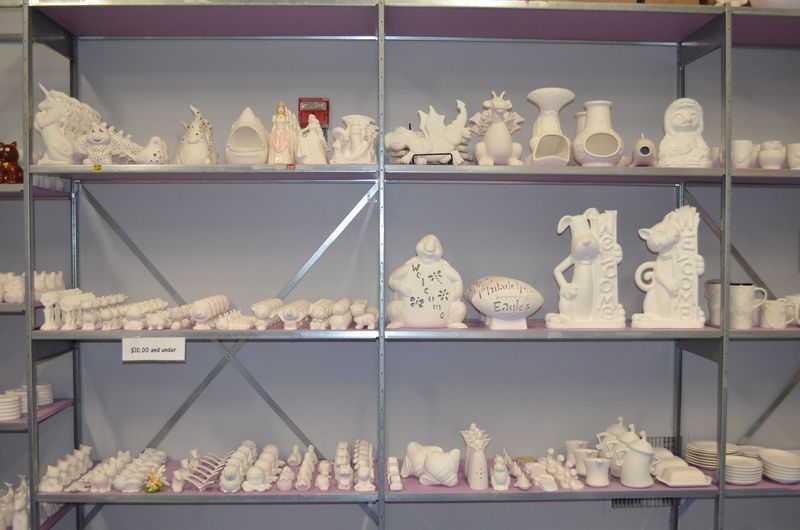
A cheerful studio with bright colors, conversation, and visible works in progress can make creativity feel wonderfully approachable.
For beginners, that upbeat energy often removes the pressure to be good right away and replaces it with a simple willingness to try.
In West Reading, Fired Up Art Studios is a strong pick for that kind of inviting first experience.
Studios like this often blend pottery painting and beginner-friendly clay projects in ways that appeal to a wide range of visitors.
If you are exploring ceramics for the first time, the format can help you ease into materials, design decisions, and the excitement of kiln-fired results.
I love how accessible these environments feel because they let you enjoy the process without needing an artist identity beforehand.
That matters more than people think because many adults hesitate to sign up for pottery unless they already believe they are creative.
A relaxed class or project session can quickly prove that the joy is in making, experimenting, and learning as you go.
You may start with a simple mug or plate and end up caring deeply about color, texture, and tiny handmade details.
Sometimes a vibrant setting is exactly what helps a new hobby finally click and stick.
6. Lancaster Pottery and Glass – Lancaster, Lancaster County
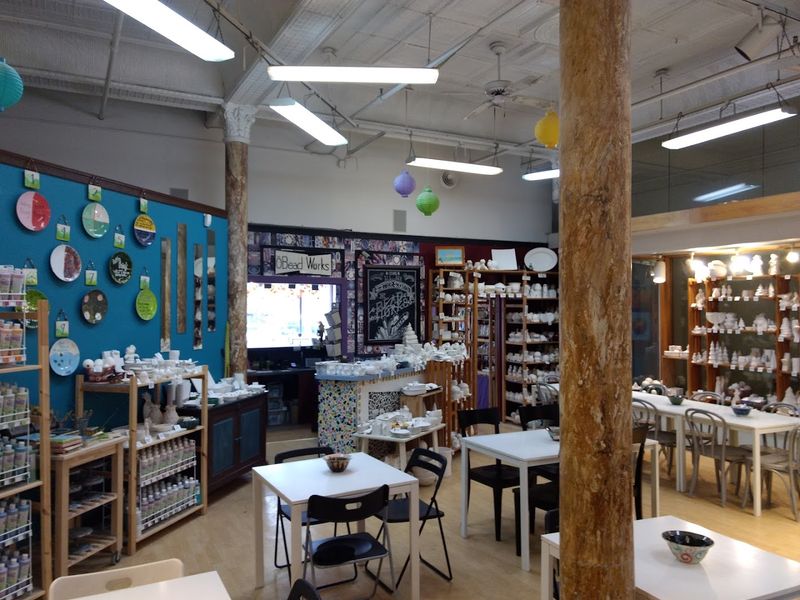
There is something inspiring about learning pottery in a city with a strong appreciation for handmade craft.
That broader maker culture can make a beginner class feel connected to tradition, usefulness, and beauty all at once.
In Lancaster, Lancaster Pottery and Glass offers an appealing place to begin if you are drawn to that artisanal atmosphere.
The studio’s combination of pottery and glass suggests a creative environment where material awareness and craftsmanship are valued.
For beginners, that can translate into thoughtful instruction, attention to process, and encouragement to notice form, texture, and finish.
I think spaces like this are especially rewarding because they remind you that handmade objects can be both functional and expressive.
Starting pottery here may also feel motivating if you enjoy browsing local shops, markets, and studios for one-of-a-kind work.
You begin to understand how much intention lives inside a simple cup or bowl once you try making one yourself.
That shift in perspective is part of what makes a good beginner class memorable long after the session ends.
By the end, you will likely value your handmade piece not for perfection, but for the story your fingerprints helped create.
7. Muddy Cup Pottery – Doylestown, Bucks County
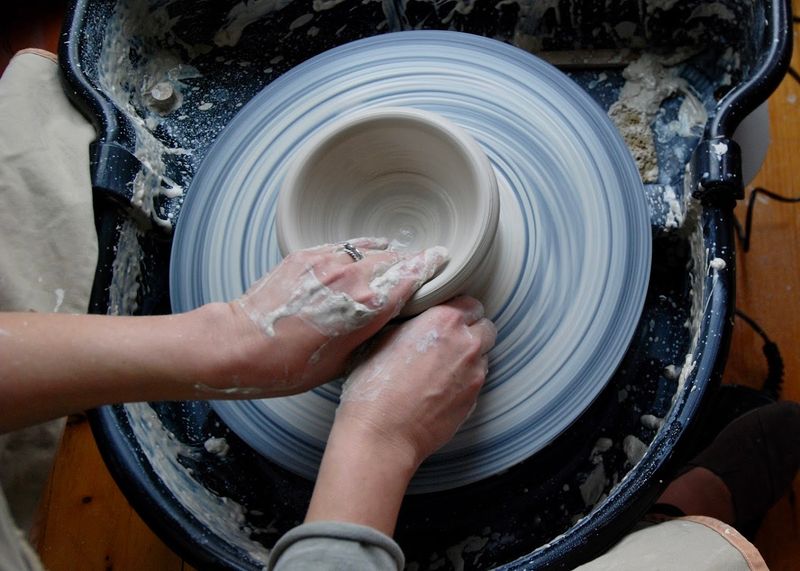
A cozy studio can make learning pottery feel less intimidating and more like a creative outing you will actually want to repeat.
That is especially true for beginners who learn best in relaxed spaces where questions are welcome and mistakes are part of the fun.
Around Doylestown, Muddy Cup Pottery stands out as an approachable place to explore clay with that easygoing spirit.
Classes here are well suited to people who want hands-on guidance without the pressure of a formal art-school atmosphere.
Beginners can focus on core skills like forming simple vessels, understanding clay behavior, and adding surface decoration that makes each piece personal.
I appreciate studios like this because they often make the process feel social, practical, and rewarding from the first session.
Instead of getting lost in the crowd, you are more likely to receive direct feedback, clearer demonstrations, and encouragement that fits your pace.
That kind of teaching environment helps new potters stay patient when centering clay or shaping walls takes longer than expected.
If your ideal class is warm, community-focused, and beginner friendly, this Bucks County option deserves a close look.
You can go in simply hoping to try something new and come out with a piece that feels surprisingly meaningful.
8. The Clay Studio – Philadelphia, Philadelphia County
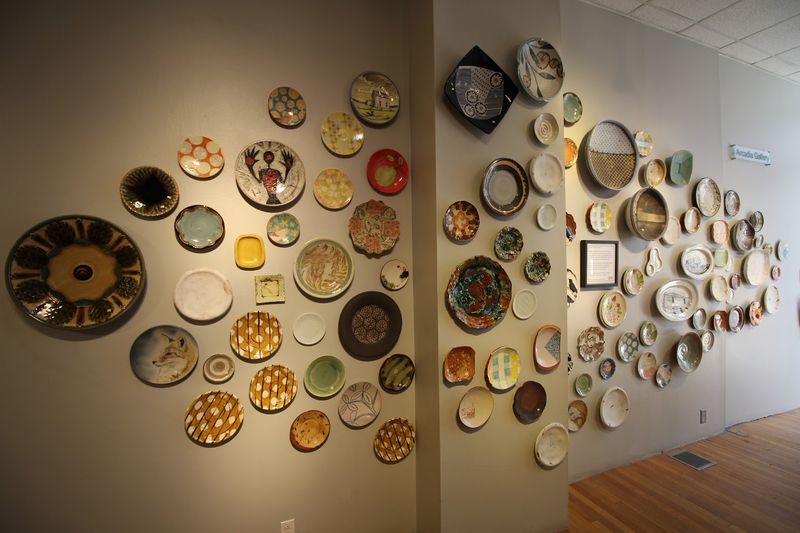
Few creative experiences feel as energizing as walking into a busy ceramics studio where every shelf holds fresh inspiration.
For beginners, that kind of atmosphere can make first-day nerves fade fast and curiosity take over.
In Philadelphia, The Clay Studio is one of the state’s best-known places to start learning pottery in a supportive, art-centered environment.
Its beginner classes typically introduce wheel throwing, handbuilding, glazing basics, and studio habits without assuming you already know anything.
I like that the instruction often balances technique with experimentation, so you are not just memorizing steps but discovering your own style.
Because this studio also presents exhibitions and artist programs, you get the added motivation of learning inside a space where ceramics is taken seriously.
The setting suits people who want more than a casual one-off session and would enjoy a deeper introduction to clay.
You can expect structured teaching, access to equipment, and the kind of creative buzz that comes from being around dedicated makers.
That combination helps beginners build confidence while still feeling welcome, even if their first bowl comes out charmingly uneven.
If you want a respected Philadelphia option with strong instruction and a genuine studio culture, this is an easy choice.
9. Potters for Peace Studio – Pittsburgh, Allegheny County
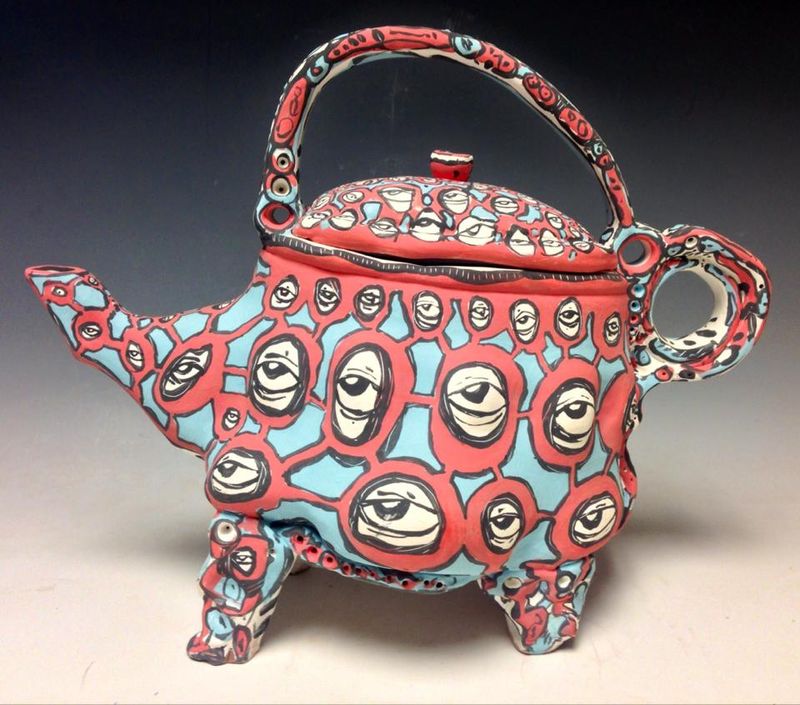
Some pottery classes offer more than a creative skill because they also give you a sense of connection and shared purpose.
That feeling can be especially meaningful for beginners who want their first clay experience to feel human, inclusive, and community driven.
In Pittsburgh, Potters for Peace Studio has the kind of name and atmosphere that immediately suggests a welcoming place to learn.
For a newcomer, a studio with community values often feels easier to enter than one built around competition or exclusivity.
You can focus on the tactile pleasures of wedging, shaping, and glazing while trusting that questions and imperfect results are part of the process.
I appreciate spaces like this because they tend to make pottery feel accessible to real people, not just trained artists.
That mindset matters when your first cylinder collapses or your handles look unexpectedly dramatic.
A beginner-friendly instructor can turn those moments into lessons about clay moisture, timing, and touch rather than reasons to feel discouraged.
If you are seeking a Pittsburgh pottery option with a more communal spirit, this studio is worth researching closely.
Sometimes the best beginner class is the one that reminds you art can be both personal and shared.
10. The Kiln Room – McKees Rocks, Allegheny County
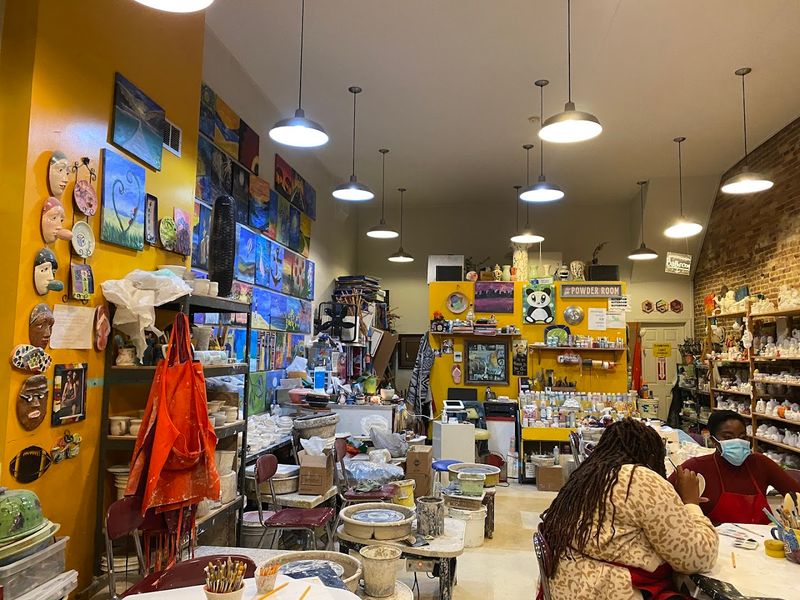
When a pottery studio feels focused, hands-on, and a little bit tucked away, it can create the perfect atmosphere for learning.
Beginners often thrive in spaces where the tools are ready, the expectations are clear, and the process feels refreshingly direct.
That is part of the appeal of The Kiln Room in McKees Rocks for anyone starting their ceramics journey.
The name alone suggests a studio centered on the craft itself, which is often exactly what new students need.
Instead of distractions, the emphasis is likely on clay preparation, forming techniques, glaze choices, firing, and the patient rhythm that pottery demands.
I find that kind of environment especially helpful because it encourages beginners to pay attention to process, not just the final piece.
You begin noticing small wins like cleaner walls, better control, or a shape that finally feels balanced in your hands.
Those incremental improvements are what keep many people coming back to the studio week after week.
If you want a greater Pittsburgh area option that sounds grounded in real making, this one deserves consideration.
Bring patience, wear clothes you do not mind dirtying, and let the clay teach you something useful about slowing down.