Pennsylvania’s history is often experienced best not inside a museum, but while walking down a street where generations have left their mark.
Across the state, historic thoroughfares lined with centuries-old buildings, brick sidewalks, churches, storefronts, and homes offer a glimpse into the people and events that helped shape Pennsylvania.
What makes these places special is how much of their character remains intact, allowing visitors to experience history as part of everyday life rather than as a carefully staged exhibit.
A simple stroll can reveal architectural details, local landmarks, and stories that span hundreds of years.
Together, they offer some of the most rewarding opportunities to experience Pennsylvania’s rich past firsthand.
1. Market Street – Marietta, Lancaster County
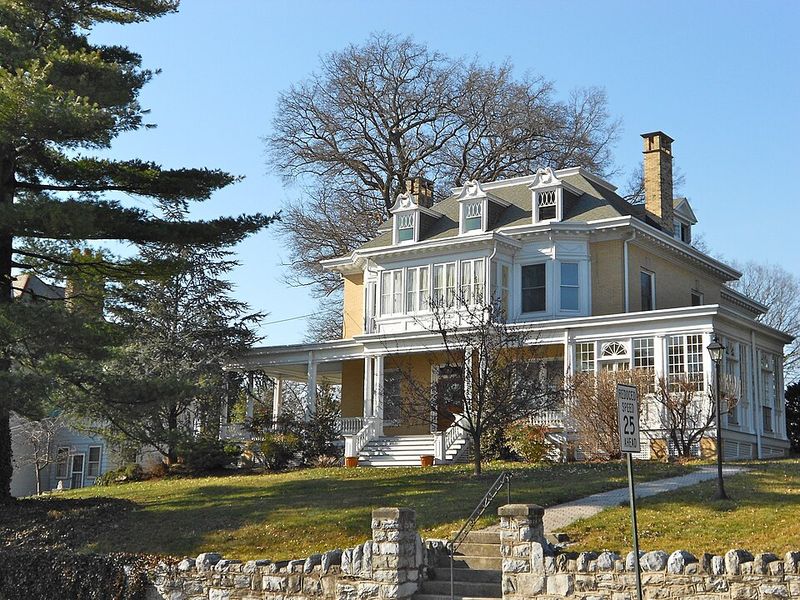
Brick rows, deep porches, and a calm river-town pace make this corridor feel settled in the best possible way.
Nothing here seems eager to impress, yet nearly every building carries visible age.
In Marietta, Market Street holds one of the most cohesive historic streetscapes along the Susquehanna, shaped by commerce, transportation, and local industry.
The borough emerged in the early nineteenth century from smaller settlements that benefited from river access and the later canal era. Iron production, lumber, and trade helped support handsome homes and practical commercial buildings along the main thoroughfare.
That prosperity survives in long runs of brick architecture, often with restrained Federal and Victorian details.
Rather than a few standout landmarks surrounded by modern gaps, Market Street offers an extended visual rhythm of attached houses, storefronts, and civic structures.
Trees, setbacks, and changing rooflines keep it from feeling repetitive, while nearby river history gives the entire place a broader economic context.
If your idea of history includes the everyday architecture of a working Pennsylvania river town, Market Street in Marietta is quietly one of the state’s strongest examples.
2. Market Street Historic District – Sunbury, Northumberland County
Storefront cornices, upper-story windows, and old civic confidence give this downtown corridor an immediately substantial feel.
You can sense that commerce, law, and local ritual have all passed through here for generations.
In Sunbury, that layered setting comes together along the Market Street Historic District, where the county seat’s character still reads clearly.
The district developed as Northumberland County’s economic and governmental center, especially during the nineteenth and early twentieth centuries.
Commercial blocks, offices, and hotels rose as transportation links and river trade supported regional growth.
Many of the surviving buildings display Italianate, Romanesque Revival, and later classical influences that marked prosperous Pennsylvania towns.
What stands out is the way civic and business architecture mix without losing scale.
Decorative brickwork, pressed metal details, and tall street walls create a strong sense of enclosure, while churches and public buildings reinforce the district’s importance.
Even when modern signage appears, the older bones of the street continue to dominate the scene.
Walking here feels like entering a place that still understands its original purpose.
3. Main Street Historic District – Wellsboro, Tioga County
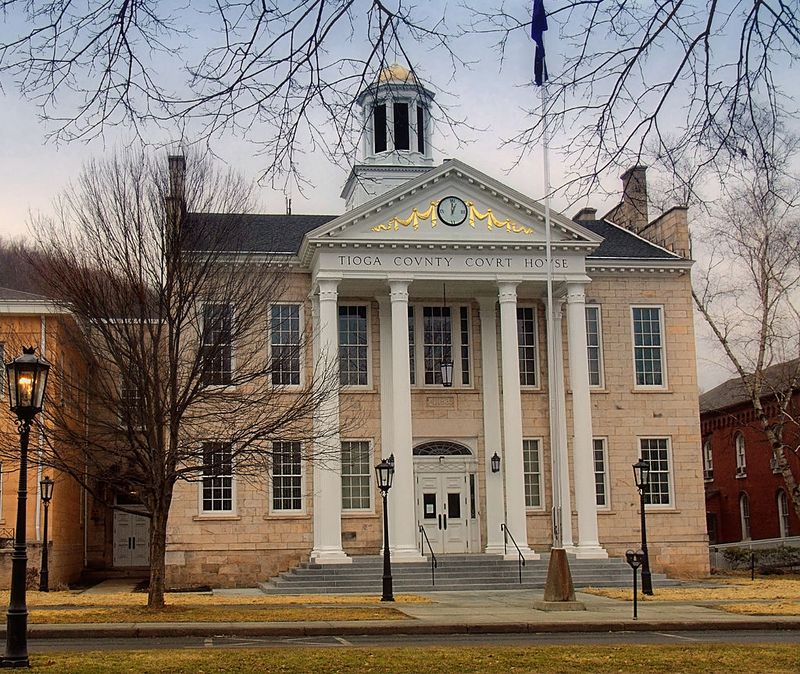
Glowing gaslights and generous street width create a downtown scene that feels immediately distinct from most small towns.
There is a touch of theater to it, but the buildings keep the setting grounded in real local history.
In Wellsboro, the Main Street Historic District preserves a county-seat corridor that still looks ready for a parade.
Wellsboro grew during the nineteenth century as Tioga County’s administrative and commercial center, serving surrounding farms, forests, and later the region’s tourism economy.
The avenue developed with hotels, stores, banks, and civic buildings that reflected local confidence.
Many facades show late nineteenth and early twentieth century influences, especially Victorian and classical commercial forms.
The famous gas street lamps add atmosphere, but they are not the district’s only strength.
Upper-story brickwork, cornices, transom windows, and varied storefront compositions create a rich sequence when you move from block to block.
The surrounding hills and access to the Pennsylvania Grand Canyon region also give the street a gateway quality.
What makes Wellsboro memorable is how well its presentation matches its history.
It feels cared for, but not overly polished into something generic.
4. Main Street – Bethlehem, Northampton County
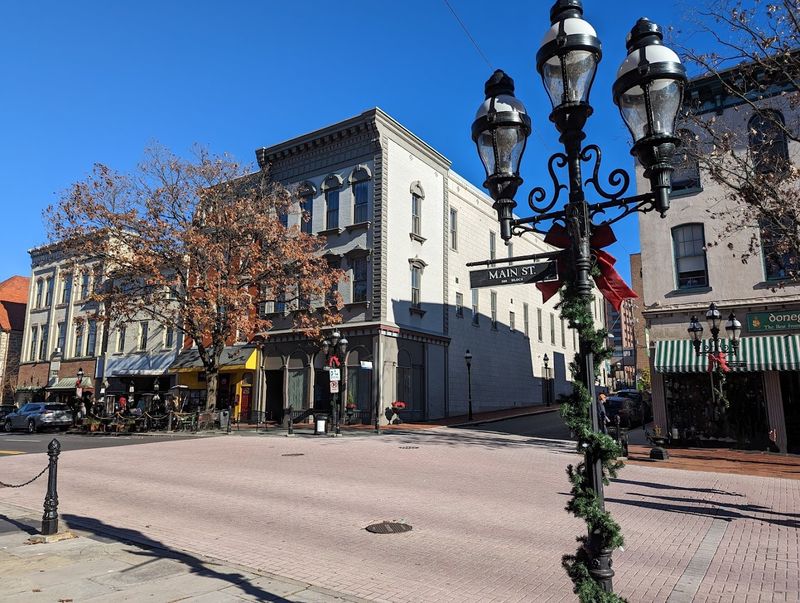
Bell towers, stone facades, and a gentle rise in the street create a scene that feels both intimate and monumental.
The buildings seem to narrate a community shaped by faith, craft, and later industrial power. In Bethlehem, that story unfolds block by block along Main Street beside the old Moravian settlement.
Founded in 1741, Bethlehem began as a Moravian community with a carefully planned religious and economic life.
Main Street developed near some of the town’s most important institutions, including churches, communal buildings, and houses tied to the early settlement.
Over time, shops, inns, and civic spaces filled in, turning the corridor into a bridge between colonial origins and a growing borough.
The appeal here lies in the range of preserved textures. Limestone, brick, and wood construction sit comfortably together, while narrow fronts and varied rooflines keep the street visually active.
Nearby landmarks such as the 1741 Gemeinhaus and the Central Moravian Church help you read the street as part of a larger historic landscape.
If you want one Pennsylvania street where early religious settlement, commercial growth, and deep architectural memory still meet, Bethlehem delivers it beautifully.
5. King Street Historic District – Lancaster, Lancaster County
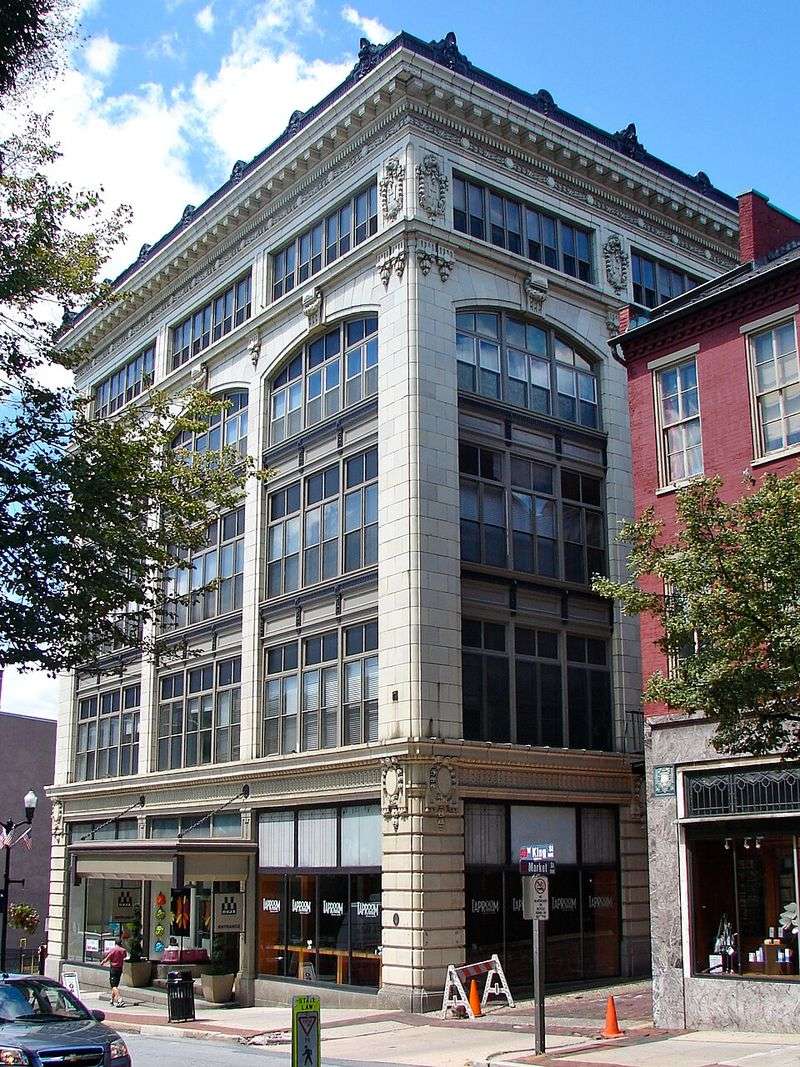
Traffic, church spires, and tightly packed facades announce a city street that has mattered for a very long time.
Even when the sidewalks are busy, the older proportions still organize everything you see. In Lancaster, that enduring urban backbone is King Street, whose historic district captures the city’s colonial beginnings and later prosperity.
Laid out in the eighteenth century, King Street quickly became central to one of Pennsylvania’s oldest inland cities.
Markets, taverns, banks, and public institutions clustered here as Lancaster grew into an important commercial and political center.
The architecture reflects those long phases of growth, with Georgian, Federal, Victorian, and early twentieth century commercial styles sharing the corridor.
Individual doorways, cornices, and window hoods reward close looking, while whole blocks maintain a cohesive urban wall that feels unmistakably historic.
Nearby civic landmarks and the influence of the Central Market area deepen the sense that this was, and remains, Lancaster’s public stage.
Walking King Street is less about one single monument and more about accumulated city memory.
The district preserves everyday architecture as convincingly as its grander buildings.
6. Carlisle Historic Downtown – Carlisle, Cumberland County
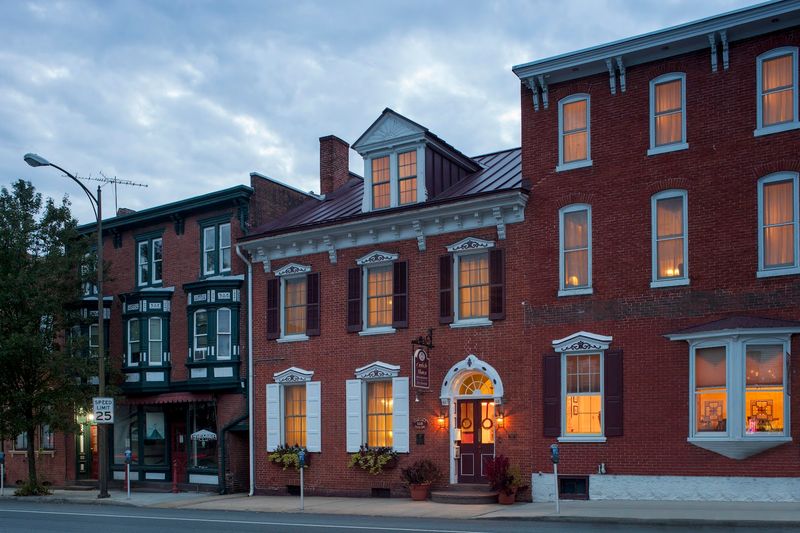
Wide streets and disciplined blocks give this town center an orderliness that immediately hints at colonial planning.
Yet the details feel warm rather than rigid, with brick storefronts, old taverns, and public buildings softening the geometry.
In Carlisle Historic Downtown, you are walking through one of Pennsylvania’s most legible county seats.
Founded in 1751, Carlisle developed as an important frontier and administrative town in the Cumberland Valley.
Its location made it a stopping place for travelers, soldiers, lawyers, and merchants moving between eastern Pennsylvania and the interior.
That history survives in a downtown where eighteenth, nineteenth, and early twentieth century architecture still anchors civic identity.
The courthouse area, commercial blocks, and side streets all contribute to a remarkably complete streetscape.
Federal and Victorian facades stand beside practical later buildings without breaking the overall rhythm. Institutions such as Dickinson College and the nearby Carlisle Barracks also shaped the town’s culture, adding layers of education and military history to the setting.
Carlisle does not rely on spectacle; it wins you over through coherence, age, and a strong sense of place.
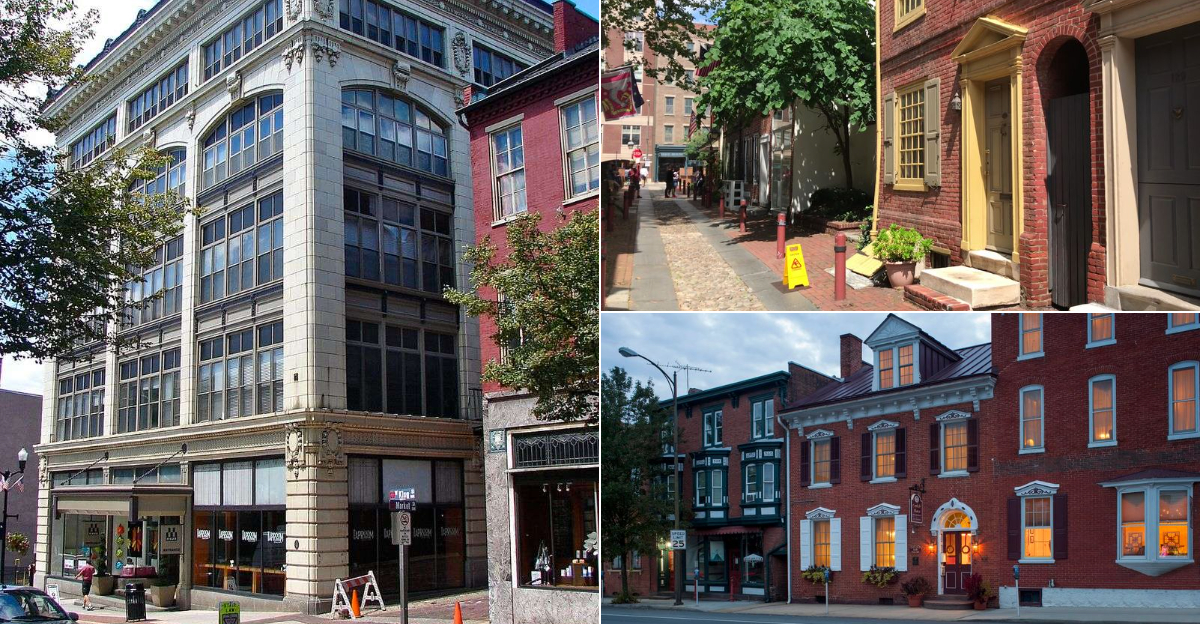
7. Elfreth’s Alley – Philadelphia, Philadelphia County
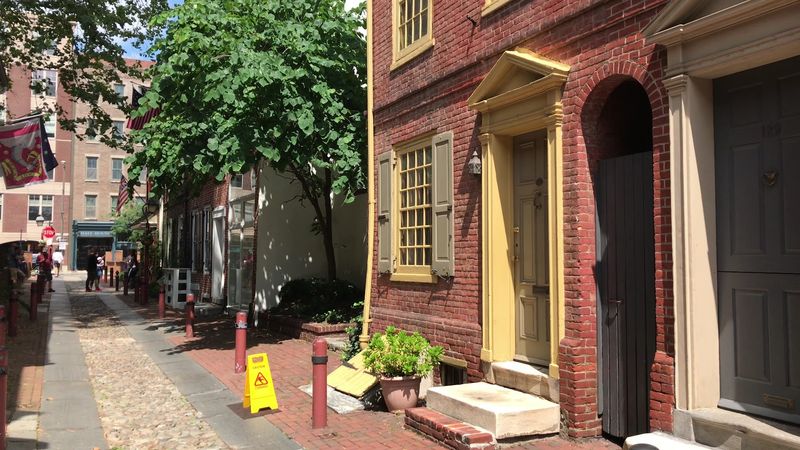
The hush hits first, with brick walls pulling close and uneven stones slowing your pace to something almost eighteenth century.
Window boxes, painted shutters, and tiny stoops make the passage feel lived in rather than staged for visitors.
In Old City, that unmistakable lane is Elfreth’s Alley, the best known surviving residential street from colonial Philadelphia.
Laid out in 1703, it became home to artisans, tradespeople, and working families who kept the growing port city moving.
Carpenters, ship chandlers, dressmakers, and shopkeepers once lived in these compact houses, many built between the 1720s and early nineteenth century.
Their scale reveals how densely everyday life fit into the early American city.
What makes the alley memorable is not grandeur, but continuity.
Georgian and Federal details remain visible in brick bond patterns, dormers, cornices, and door surrounds, while the street still functions as a neighborhood.
You are looking at preserved homes, not reconstructed scenery, and that authenticity gives every step unusual weight.
Visit during quieter hours and the place feels almost suspended outside modern Philadelphia.
8. Philadelphia Street – Indiana, Indiana County
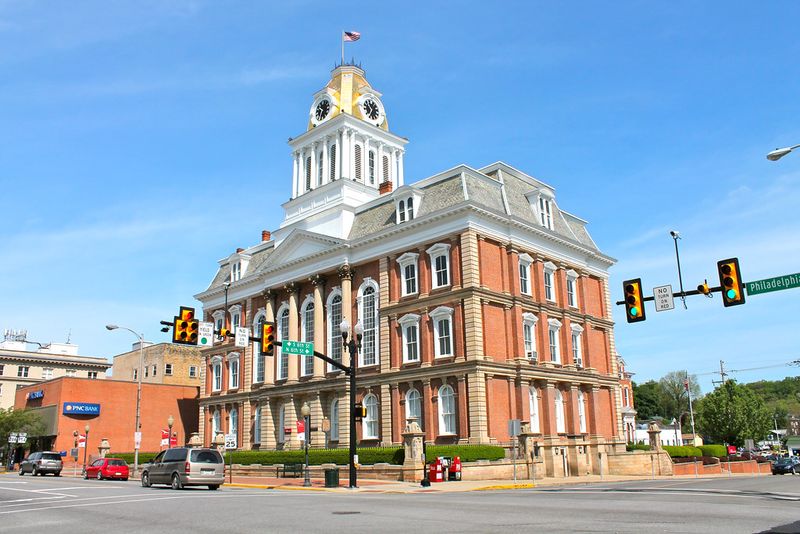
Courthouse gravitas, college-town energy, and old commercial architecture come together quickly on this central corridor.
The street feels active, yet its older buildings still dictate the pace and scale of the downtown.
In Indiana, Philadelphia Street serves as the historic spine of the borough and frames much of its public identity.
As the county seat, Indiana developed around law, trade, and regional services, with Philadelphia Street becoming the place where those functions met daily life.
Nineteenth and early twentieth century growth produced banks, shops, theaters, offices, and hotels that still define the streetscape.
The architecture is varied, but the blocks remain cohesive enough to read as one continuing historic environment.
Monumental public buildings are balanced by practical storefronts and upper floors that once housed professionals, organizations, or apartments.
Because Indiana University of Pennsylvania is nearby, the street also bridges older borough history with an academic presence that keeps the downtown in regular use.
Decorative brick panels, pressed metal cornices, and carefully proportioned windows reveal themselves one building at a time.
For those who want to understand how a western Pennsylvania county seat translated ambition into durable main-street architecture, this is one of the clearest places to start.
9. Second Street Historic District – Harrisburg, Dauphin County
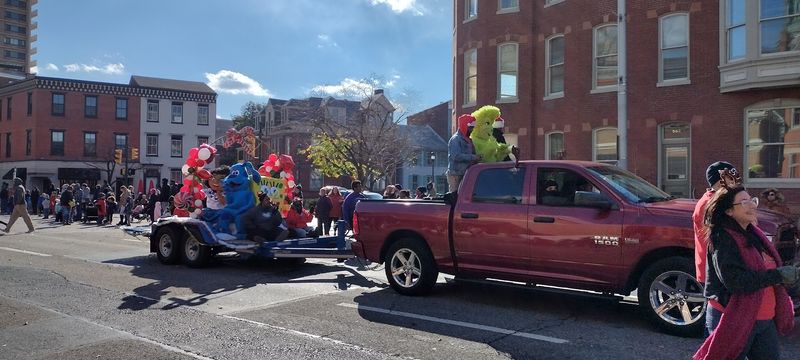
Urban density, layered facades, and the faint sense of a river city constantly reinventing itself define this corridor almost immediately.
The blocks feel practical, but they carry clear traces of earlier confidence.
In Harrisburg, the Second Street Historic District reflects the capital city’s growth through commerce, transportation, and dense downtown development.
As Harrisburg expanded during the nineteenth century, Second Street became part of a busy network linking markets, rail activity, government, and river trade.
Shops, offices, hotels, and mixed-use buildings clustered here, serving residents as well as travelers. Surviving structures show the evolution of commercial architecture from the Victorian era into the early twentieth century.
Rather than broad civic monuments, you get repeated building fronts, changing materials, and signs of adaptation over time.
That pattern helps explain how everyday downtown blocks supported the larger functions of Pennsylvania’s capital, especially as the city modernized while retaining older masonry streetscapes.
Walking Second Street, you can still read ambition in the height, detail, and continuity of the buildings.
This is a place where ordinary commercial architecture becomes historically revealing.
10. Lincoln Way East – Chambersburg, Franklin County
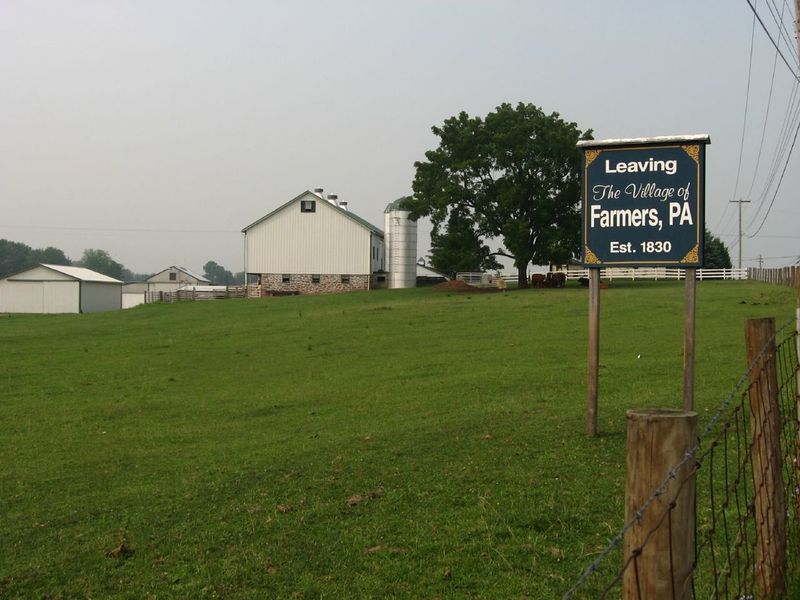
There is a sense of movement built into this street, as if generations of wagons, soldiers, shoppers, and motorists never fully disappeared.
Wide views and substantial buildings make it feel important even before you know why.
In Chambersburg, Lincoln Way East preserves the historic route that shaped the borough’s commercial life and public memory.
Part of the old Lincoln Highway alignment and rooted in even earlier transportation corridors, this street linked Chambersburg to broader regional networks.
The town prospered as a market and travel center, though its history also includes the 1864 burning during the Civil War.
Rebuilding and later growth left a downtown with resilient nineteenth and early twentieth century architecture.
What gives the corridor its character is that combination of trauma, recovery, and everyday usefulness. Commercial blocks, banks, churches, and civic buildings stand as evidence of a community that repeatedly restored itself.
Architectural details vary, but the street retains a strong historical line because so many buildings still contribute to a coherent downtown scene.
Walking Lincoln Way East, you feel transportation history and local determination at once.
The street does not simply commemorate the past; it shows how a Pennsylvania town kept functioning through it.
11. North Queen Street – Lancaster, Lancaster County
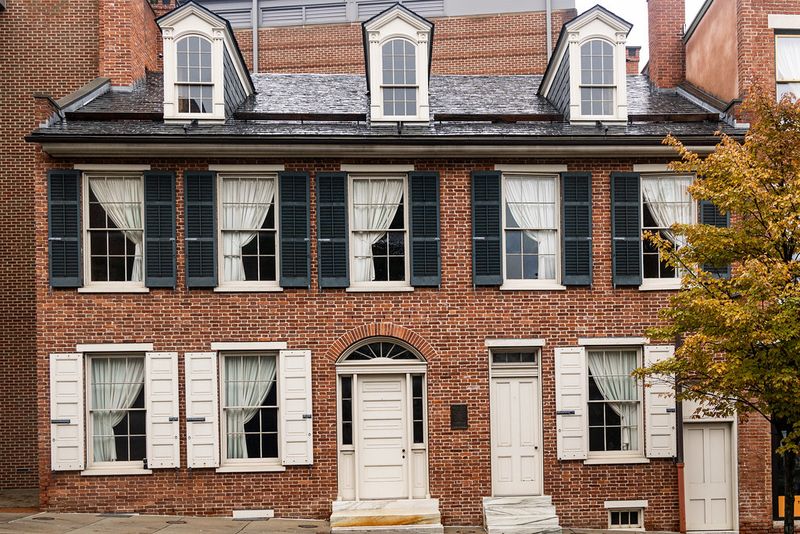
Elegant storefronts, church towers, and a steady flow of pedestrians make this corridor feel both historic and fully alive.
The street has the confidence of a place that has served the city for centuries without needing reinvention. In Lancaster, North Queen Street remains one of the clearest expressions of the city’s long urban and commercial history.
Running through the heart of downtown, it developed as merchants, institutions, and residents shaped Lancaster into a major inland center from the colonial period onward.
The nearby market tradition, civic life, and dense block pattern all strengthened the street’s role.
Today, surviving buildings display a layered mix of eighteenth century origins and later Victorian and early twentieth century commercial updates.
The best part is how richly detailed the experience becomes at walking speed.
You notice transom windows, carved stone, elaborate cornices, and narrow building widths that preserve the rhythm of an older city.
Restaurants and shops now occupy many spaces, but the architecture still tells you this was a street built for sustained public life.
North Queen Street proves that preservation does not require quietness or isolation.
Its history stays visible precisely because the corridor remains central to Lancaster’s daily identity.
12. Main Street – Stroudsburg, Monroe County
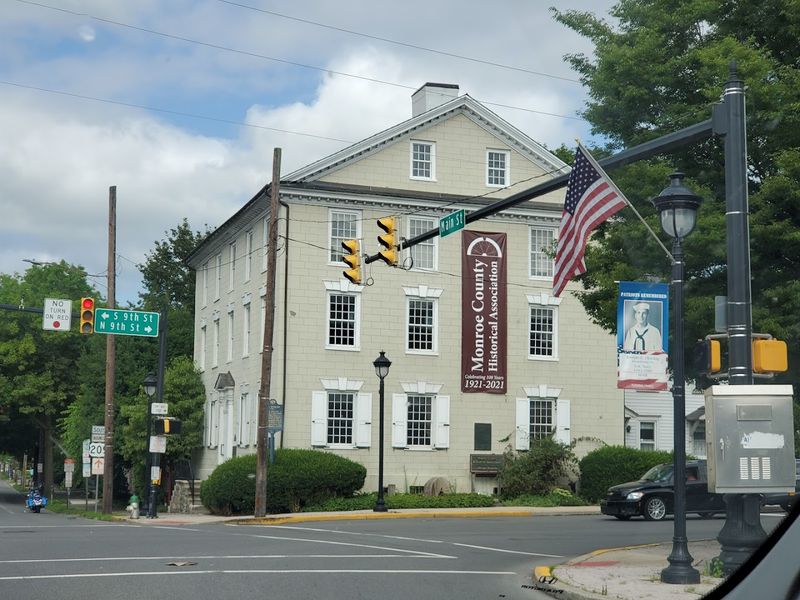
Mountain-town energy and courthouse-town form meet gracefully on this busy historic corridor.
The street feels approachable, but the older buildings give it a gravity that newer resort communities often lack.
In Stroudsburg, Main Street anchors a downtown shaped by county administration, commerce, and the long pull of travel through the Pocono region.
As Monroe County’s seat, Stroudsburg developed in the nineteenth century as a service and trade center for surrounding rural communities. Inns, stores, offices, churches, and public buildings concentrated along Main Street, especially as road connections improved and tourism gradually expanded.
The resulting architecture mixes practical commercial blocks with residences and civic landmarks that still define the borough core.
Facades change in scale and ornament, yet the street remains visually unified through consistent setbacks, materials, and height.
That makes it easy to read Main Street as an authentic historic environment rather than a collection of isolated older buildings.
Today, restaurants, galleries, and shops keep the corridor lively, but its strongest asset is still its physical continuity.
You can feel how ordinary business, government, and travel shaped the place over generations.