
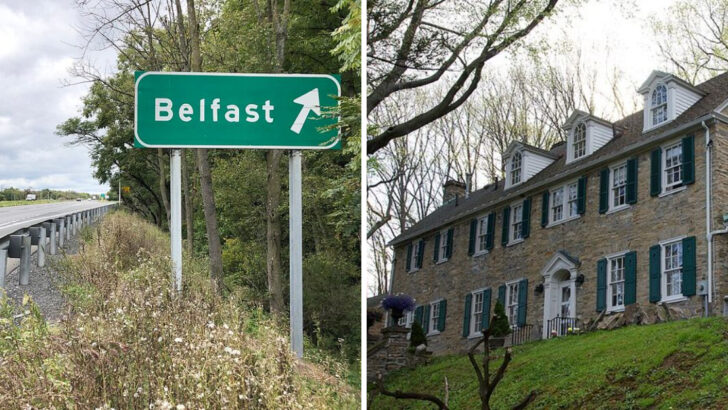
Pennsylvania is packed with towns that carry names straight from the Emerald Isle, quietly honoring the Irish and Scotch-Irish settlers who helped shape the state centuries ago.
Most travelers rush past these small communities without a second glance, missing out on the history and charm tucked inside their borders.
From the rolling hills of Bedford County to the railroad corridors of Blair County, these overlooked spots tell a story of immigration, hard work, and cultural pride.
If you love discovering hidden history on a road trip, these ten Pennsylvania towns with Irish names are absolutely worth your attention.
Donegal
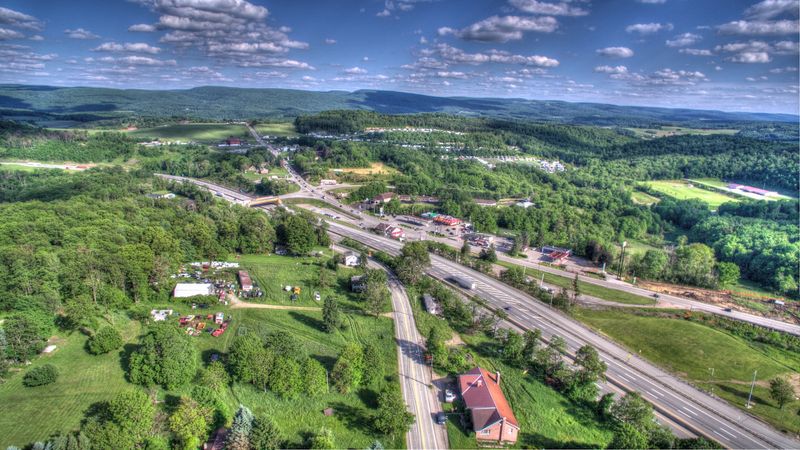
Tucked into the rolling terrain of Westmoreland County, Donegal is one of those blink-and-you-miss-it towns that actually rewards the curious traveler who decides to stop. Named after County Donegal on Ireland’s rugged northwestern coast, this small community sits along the historic Lincoln Highway, one of America’s first transcontinental roads.
Many drivers pass through Donegal simply as a checkpoint on the way to the Laurel Highlands, not realizing they’re rolling through a place with genuine Irish heritage.
The surrounding landscape feels almost cinematic, especially in fall when the trees burst into color along the mountain ridges.
Donegal Lake offers a peaceful spot for fishing and quiet reflection, and nearby Linn Run State Park is perfect for hiking without the crowds. The town also sits close to Ohiopyle State Park, one of Pennsylvania’s most beloved natural destinations.
Whether you’re chasing waterfalls or just want to breathe mountain air, Donegal gives you a surprisingly satisfying slice of outdoor Pennsylvania wrapped in a name that honors the old country.
Dublin
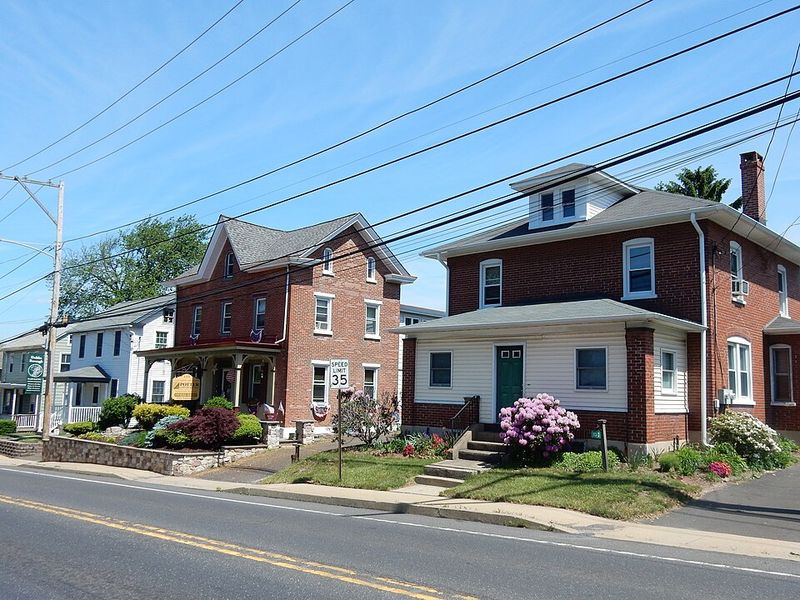
Sharing its name with one of Europe’s most celebrated capitals, Dublin, Pennsylvania carries that big-city name with quiet, small-town confidence. Nestled in Bucks County, this borough was founded in the 1700s when Irish settlers began putting down roots in eastern Pennsylvania’s fertile farmland.
The name was a deliberate nod to the homeland many of them had left behind.
Walking through Dublin today feels like stepping back in time. The streets are unhurried, the community is tight-knit, and the surrounding countryside is the kind of scenic that makes you want to pull over and just look around for a while.
Bucks County itself is famous for its covered bridges and artistic communities, and Dublin sits comfortably within that charming regional identity.
It’s a wonderful base for exploring nearby towns like Perkasie and Quakertown, and the rolling backroads around Dublin are ideal for cyclists and leisurely Sunday drives. Local farms and roadside stands pop up seasonally, giving visitors a genuine taste of rural Pennsylvania life.
Dublin may not have the pubs and cobblestones of its Irish namesake, but it has an understated warmth that’s entirely its own.
Shamokin
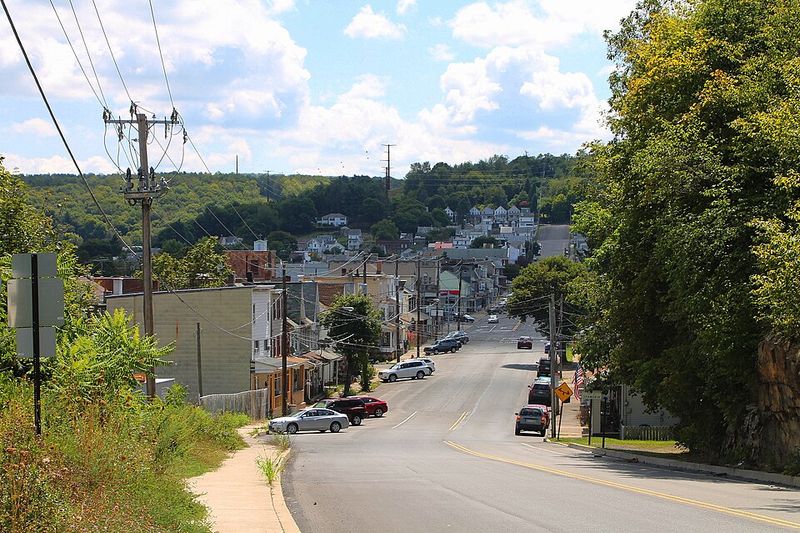
Shamokin is a town with layers. Its name traces back to a Lenape word meaning “place of eels,” rooted in the Native American history of the Susquehanna region long before European settlers arrived.
But the sound of the name, and the waves of Irish immigrants who flooded into Northumberland County during the coal boom, gave Shamokin a strong Irish-American cultural identity that still echoes today.
During the 19th century, Shamokin was a powerhouse of anthracite coal production. Thousands of Irish workers came to dig the mines, build their families, and plant the seeds of a community that would endure long after the coal industry faded.
The town’s architecture still reflects that industrial golden age, with sturdy brick buildings lining the main corridor.
Visitors with a curiosity for labor history and immigrant stories will find Shamokin genuinely fascinating. The surrounding hills are riddled with the remnants of mining culture, and local historical societies work hard to preserve the stories of the families who built this town with their hands.
Shamokin isn’t polished or touristy, and that’s exactly what makes it feel real and worth a visit.
Belfast
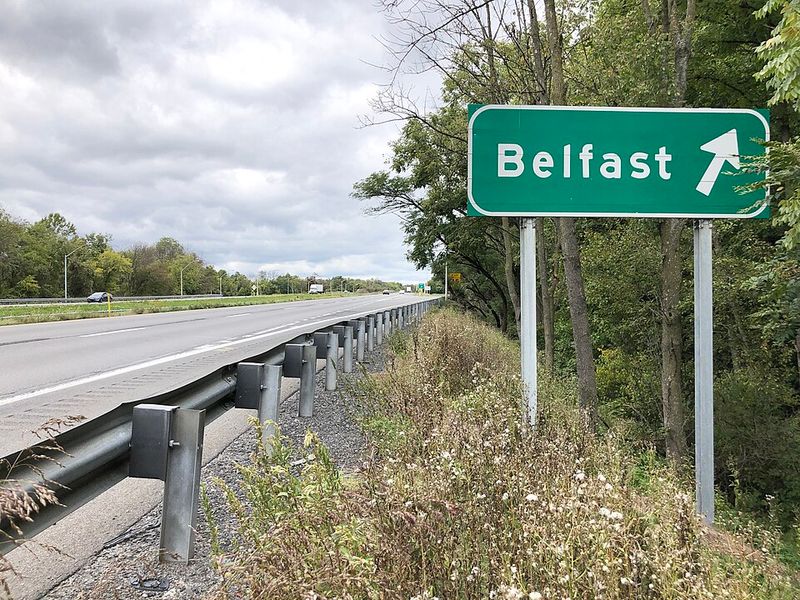
Few travelers have heard of Belfast, Pennsylvania, and that’s a genuine shame. This tiny Northampton County village was named after the capital of Northern Ireland, a direct tribute to the Scotch-Irish settlers who migrated into the Lehigh Valley during the 1700s looking for land, freedom, and opportunity.
They brought their names, their faith, and their fierce work ethic with them.
Belfast sits in a quietly beautiful part of eastern Pennsylvania, surrounded by farmland and gentle hills that feel worlds away from the busy corridors of Allentown and Bethlehem just a short drive south.
The village itself is small enough that you could pass through in minutes, but slow down and you’ll notice the kind of rural Pennsylvania character that’s getting harder to find as development creeps outward from the cities.
The area around Belfast is great for driving scenic country roads, visiting local farms, and soaking in the agricultural landscape of the Lehigh Valley’s outer edges. History enthusiasts will appreciate the connection to Scotch-Irish settlement patterns across Pennsylvania, a story that shaped the state’s culture in profound ways.
Belfast is proof that big history can live in very small places.
Ulster
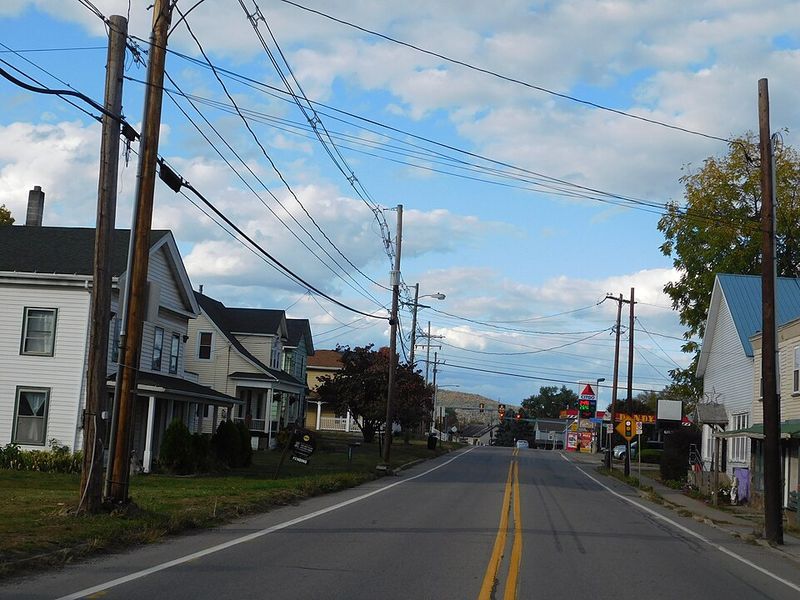
Up near Pennsylvania’s northern border with New York, the small borough of Ulster carries the name of one of Ireland’s four ancient provinces. Bradford County is a part of the state that many Pennsylvanians themselves have never visited, let alone travelers passing through on more popular routes.
That remoteness is actually Ulster’s biggest selling point.
The Chemung River runs nearby, offering fishing, kayaking, and the kind of riverside calm that feels almost therapeutic. The landscape here is wide and open, with farmland stretching toward the horizon and forested ridges rising in the distance.
It’s the type of scenery that photographers chase without always knowing where to find it.
Ulster was settled in the early 1800s by a mix of New England migrants and Scotch-Irish families who recognized the valley’s agricultural potential. The name Ulster connected them to a shared cultural memory that traveled across the Atlantic and took root in northern Pennsylvania’s soil.
Today, the borough is a peaceful community where life moves at a slower pace. If you’re heading toward the Finger Lakes region or exploring Pennsylvania’s Northern Tier, Ulster makes for a meaningful and memorable detour that most road maps don’t highlight.
Tyrone
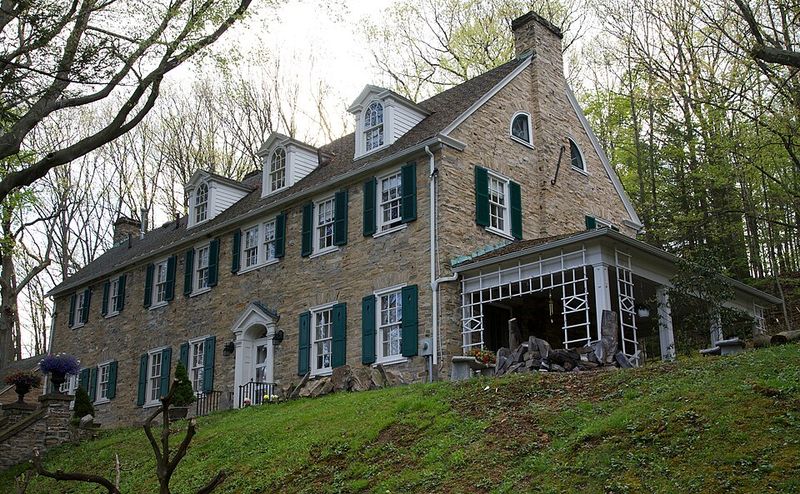
Back in the 1850s, Tyrone was a railroad boomtown humming with ambition. Named after County Tyrone in Northern Ireland, this Blair County community grew rapidly as the Pennsylvania Railroad pushed its lines through the narrow mountain gaps of central Pennsylvania.
Irish laborers were at the heart of that construction effort, swinging hammers and laying track through some seriously challenging terrain.
The town developed a strong industrial character, with paper mills and manufacturing operations following the railroad’s arrival. That working-class backbone still defines Tyrone’s personality today, even as the industrial economy has shifted over the decades.
The people here are proud of where they come from and quick to share the town’s story with anyone who asks.
Surrounding Tyrone are some of central Pennsylvania’s most scenic landscapes. Bald Eagle State Forest stretches across nearby ridges, offering hiking, camping, and wildlife watching.
Raystown Lake, one of Pennsylvania’s largest lakes, is just a reasonable drive away and draws outdoor enthusiasts from across the region. Tyrone serves as a solid home base for exploring this gorgeous corner of the state while connecting travelers to a piece of Irish-American railroad history that deserves far more recognition than it typically receives.
Derry
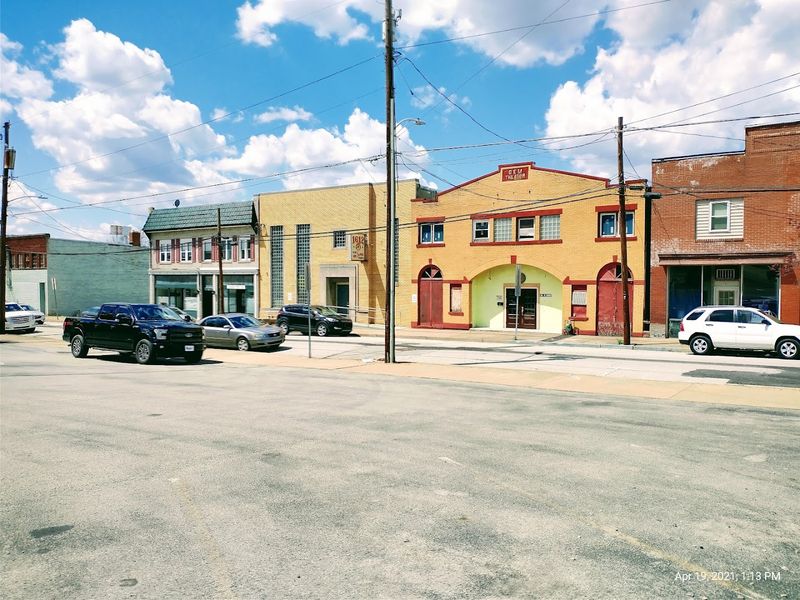
Derry is one of those Pennsylvania towns whose name quietly reflects the deep Irish influence woven into the state’s history. Named after the historic city of Derry in Northern Ireland, the borough in Westmoreland County traces its roots back to the late 1700s when Scotch-Irish settlers moved into western Pennsylvania searching for farmland and opportunity.
While many travelers head straight for the nearby Laurel Highlands, Derry itself often goes unnoticed—even though it carries a fascinating blend of small-town charm and regional history.
In the late 19th and early 20th centuries, Derry became an important railroad hub thanks to its location along major rail lines that supported Pennsylvania’s coal and steel industries. Irish and Irish-American workers were part of the communities that helped shape the town during that period, adding to the cultural ties reflected in its name.
Today, Derry is a quiet borough surrounded by rolling countryside and wooded hills typical of western Pennsylvania. Its walkable streets, historic homes, and friendly local businesses give visitors a glimpse of life in a traditional Pennsylvania railroad town.
Because it sits just minutes from outdoor destinations like state parks and scenic mountain drives, Derry makes an easy stop for travelers exploring the region—even if most people don’t realize they’re passing through a town with an Irish name and heritage.
Waterford
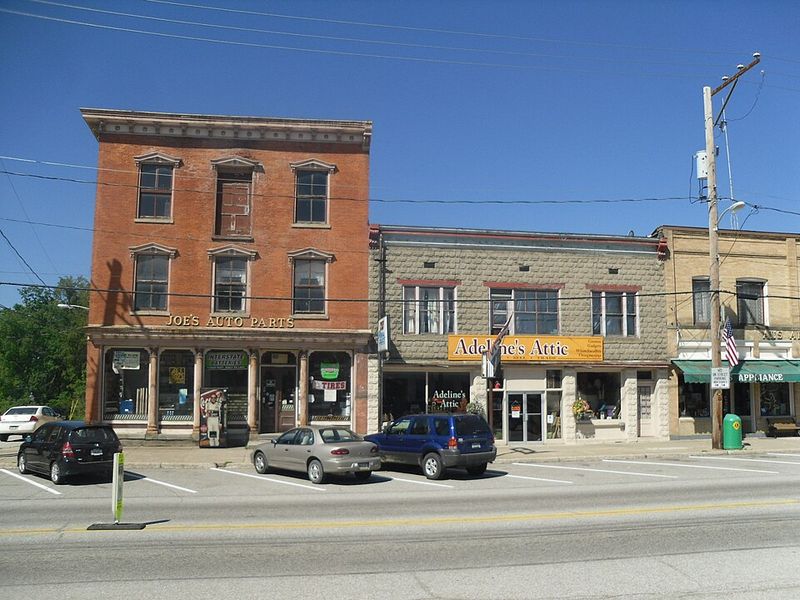
Waterford, Pennsylvania has a story worth telling. Founded in the late 1700s near the shores of Lake Erie, this Erie County borough grew up as a frontier outpost at a time when western Pennsylvania was still very much the edge of a young nation.
The name Waterford connects it to the famous Irish city known for its medieval history and, of course, its legendary crystal glassware.
What makes Waterford stand out among Pennsylvania’s Irish-named towns is its remarkably preserved historic district. Walking through the borough feels like flipping through a physical history book.
Buildings from the early American period still stand along the main street, and the local historical society works actively to maintain and interpret that heritage for visitors who take the time to stop.
Fort LeBoeuf, a reconstructed French and British fortification, sits within the borough and adds a fascinating military history dimension to the visit. George Washington himself passed through this area in 1753 on a diplomatic mission, making Waterford a genuine landmark in American history, not just regional lore.
Waterford is the kind of place that makes you feel like you’ve discovered something, even though it’s been quietly waiting to be found for more than two centuries.
Avoca
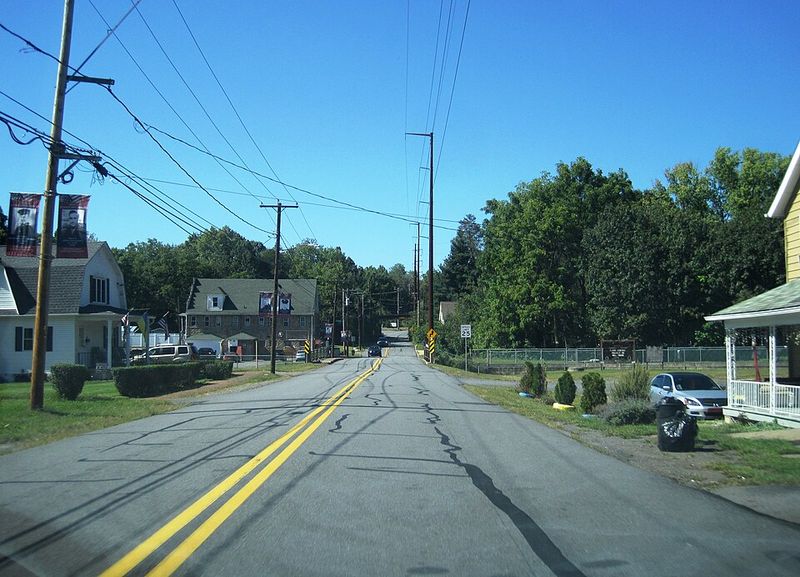
Avoca is one of northeastern Pennsylvania’s most quietly fascinating small towns with a distinctly Irish‑inspired name that many travelers overlook. Originally known as Pleasant Valley, the community was incorporated as a borough in 1871 but changed its name to Avoca in 1887 to avoid postal confusion with other Pleasant Valleys in the state.
The name was selected in homage to Avoca in County Wicklow, Ireland—a locale celebrated in Irish poetry for its scenic “sweet vale” and made famous by the 19th‑century poem “The Meeting of the Waters.” The term Avoca itself comes from Gaelic and evokes images of rivers and valleys in the Irish countryside.
Situated between Wilkes‑Barre and Scranton in Luzerne County, Avoca’s history is deeply tied to Pennsylvania’s coal‑mining era.
Like many immigrant communities in the region, Irish laborers and their descendants were part of the workforce that powered local mines, railroads, and businesses—helping shape the borough’s identity in the late 19th and early 20th centuries.
Though most visitors pass through Avoca en route to larger destinations or to the nearby Wilkes‑Barre/Scranton International Airport, the borough’s name serves as a subtle reminder of Pennsylvania’s Irish cultural heritage.
Today, Avoca retains a small‑town feel with historic homes, quiet streets, and community pride in its unique name’s connection to Ireland’s verdant landscapes.
Strabane
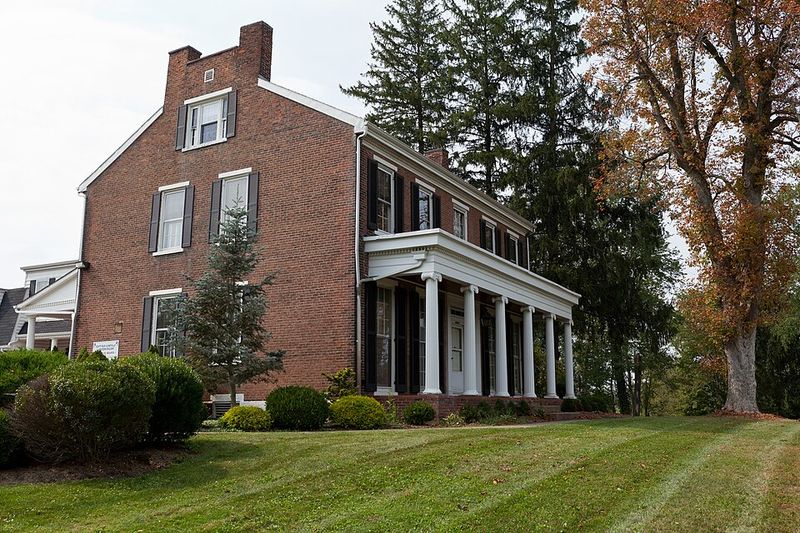
Strabane is a small and often overlooked community in Washington County, but its name points directly to Irish history. The town was named after Strabane in Northern Ireland, reflecting the wave of Scotch-Irish settlers who moved into western Pennsylvania during the 18th century.
Many of these immigrants arrived seeking farmland and new opportunities on the American frontier, and they brought familiar place names with them as they established new communities.
Today, Strabane exists mostly as a quiet township area rather than a bustling tourist destination, which is exactly why many travelers pass through without realizing its cultural connection to Ireland.
The surrounding countryside is typical of southwestern Pennsylvania—rolling hills, farms, and wooded landscapes that feel peaceful and far removed from major city traffic.
Historically, the region around Strabane developed alongside nearby towns that grew through agriculture, small industries, and later coal and transportation routes. While the community itself remains modest in size, its name preserves an important piece of the region’s settlement story.
For visitors exploring Washington County or traveling between Pittsburgh and the Ohio border, Strabane offers a glimpse of the rural landscapes that first attracted Irish and Scotch-Irish settlers centuries ago.
It’s a reminder that many of Pennsylvania’s Irish place names aren’t attached to big cities—they’re found in the quiet towns and countryside that helped shape the state’s early history.