

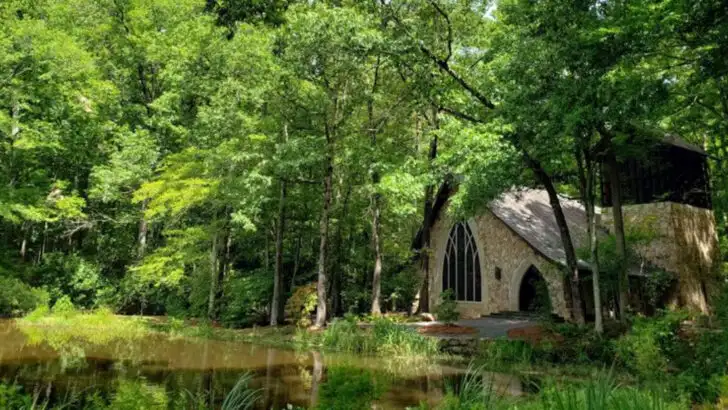
Georgia is packed with jaw-dropping places — and most locals still haven’t seen them.
We’re talking wild horses on empty beaches, canyons carved by accident, and mountaintop views that stop conversations mid-sentence. These aren’t far-flung secrets. They’ve been hiding in plain sight all along.
Some sit beyond winding back roads. Others are famous by name but rarely explored beyond a quick glance. A few feel so surreal, you’ll wonder how they’re even real.
If you think you know Georgia, think again. These 11 places prove the state still has surprises waiting… even for people who’ve called it home forever.
Cumberland Island
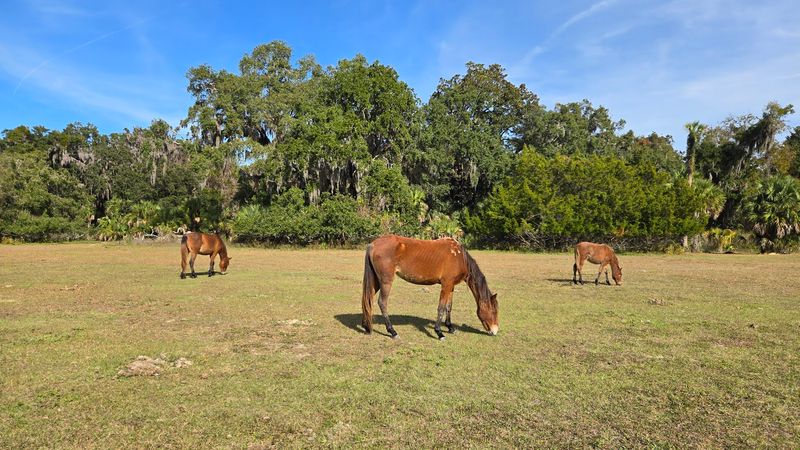
Stepping off the ferry onto Cumberland Island feels like entering a world that time forgot. Wild horses wander the beaches and tangled maritime forests as if they own the place — because, honestly, they kind of do.
The island is Georgia’s largest barrier island, and it carries an atmosphere unlike anywhere else in the state.
The haunting ruins of the Carnegie family’s Dungeness mansion add a dramatic, almost storybook quality to the landscape. Crumbling stone walls draped in moss stand quietly among the palmettos, telling stories of a grand era long gone.
Most visitors say photos simply don’t capture how surreal it feels in person.
Because Cumberland is only reachable by ferry, the crowds stay thin and the pace stays slow. No cars, no fast food, no noise — just miles of undisturbed coastline and open sky.
Reservations for the ferry fill up fast, so planning ahead is a must. Whether you’re hiking the interior trails or walking barefoot along the shore at sunset, Cumberland Island delivers an experience that stays with you long after you’ve returned to the mainland.
Tallulah Gorge State Park
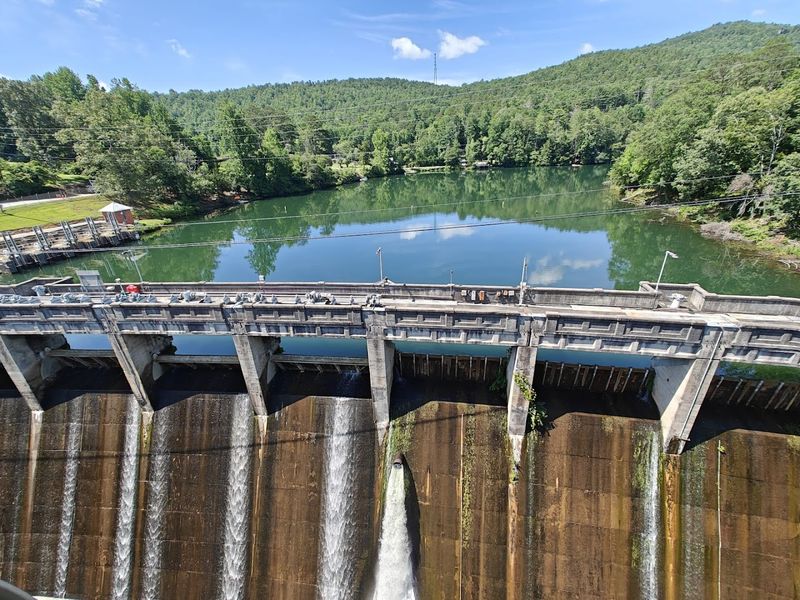
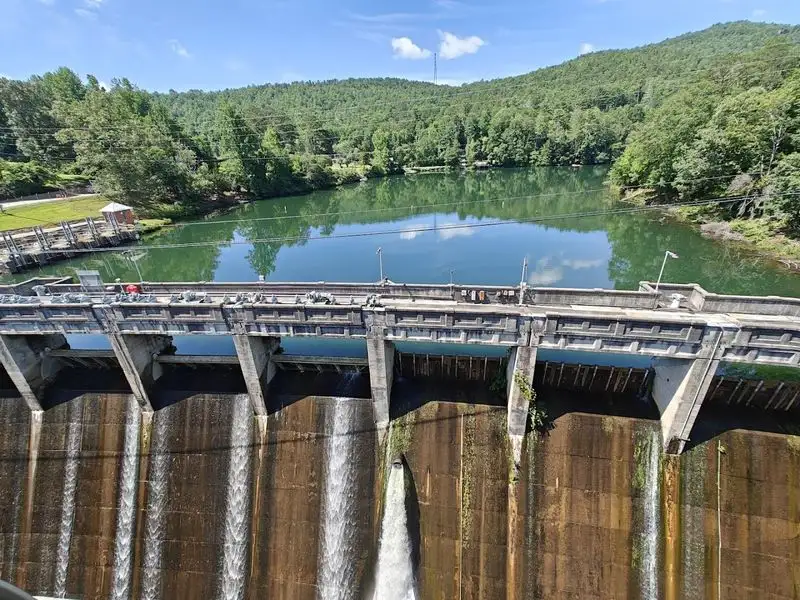
There’s a moment when you first peer over the rim of Tallulah Gorge and your brain genuinely struggles to process what it’s seeing. The canyon drops nearly 1,000 feet, carved over millions of years by the Tallulah River into a landscape that feels more like the American West than the Georgia foothills.
It’s one of those places that humbles you just by existing.
Hiking down to the suspension bridge stretched across the gorge floor is an experience that sticks with you. The bridge sways slightly underfoot, the river roars below, and towering rock walls rise on both sides.
Permits are required for the gorge floor trail, and they’re worth every bit of effort to secure.
On scheduled release days, the river transforms into a thundering spectacle as water rushes through the narrow passage with impressive force. Kayakers and spectators both show up for these events, turning the park into a lively outdoor gathering.
Even Georgians who grew up hearing about Tallulah Gorge are often stunned by how grand and raw it feels when they finally stand at its edge. This is not a place to skip.
Providence Canyon
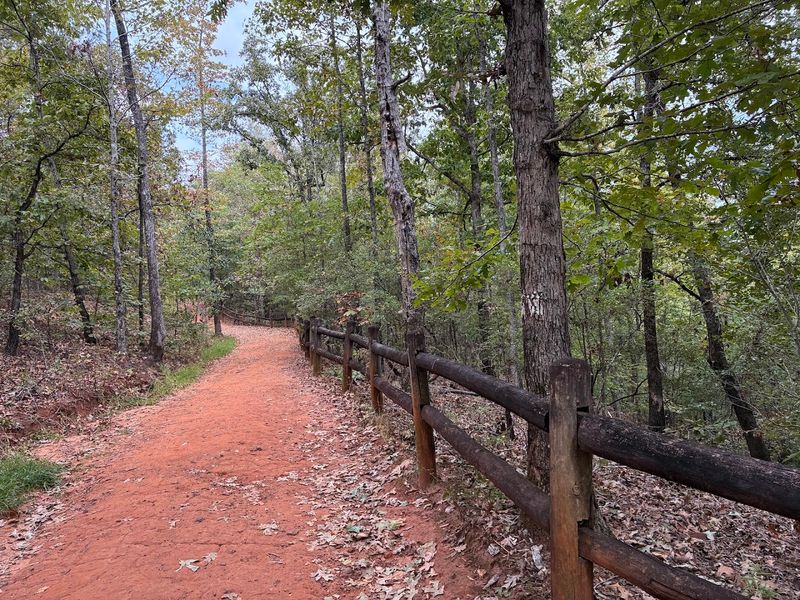
Nobody planned for Providence Canyon to become one of Georgia’s most stunning natural attractions — it just happened by accident. Poor farming practices in the 1800s stripped the land of its natural cover, and decades of erosion carved the earth into a series of wild, colorful gullies that now plunge up to 150 feet deep.
What started as a mistake turned into something genuinely breathtaking.
Walking the rim trail and then dropping down into the canyon floor puts you face to face with walls layered in shades of red, orange, pink, lavender, and white. The colors shift throughout the day as the light changes, making every hour feel like a slightly different painting.
Photographers absolutely love this place, and it’s easy to understand why once you’re standing inside it.
Located in southwest Georgia near Lumpkin, Providence Canyon sits far from the state’s more popular tourist corridors, which is exactly why so many Georgians have never made the trip.
Spring wildflowers bloom along the canyon edges, adding bursts of purple and yellow to the already vivid scene.
Pack water, wear sturdy shoes, and give yourself more time than you think you’ll need — this place earns it.
Callaway Gardens
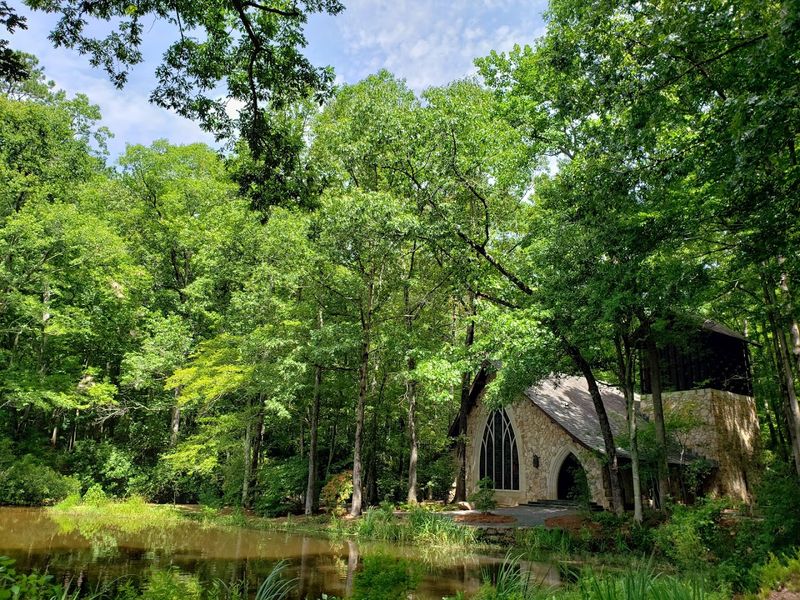
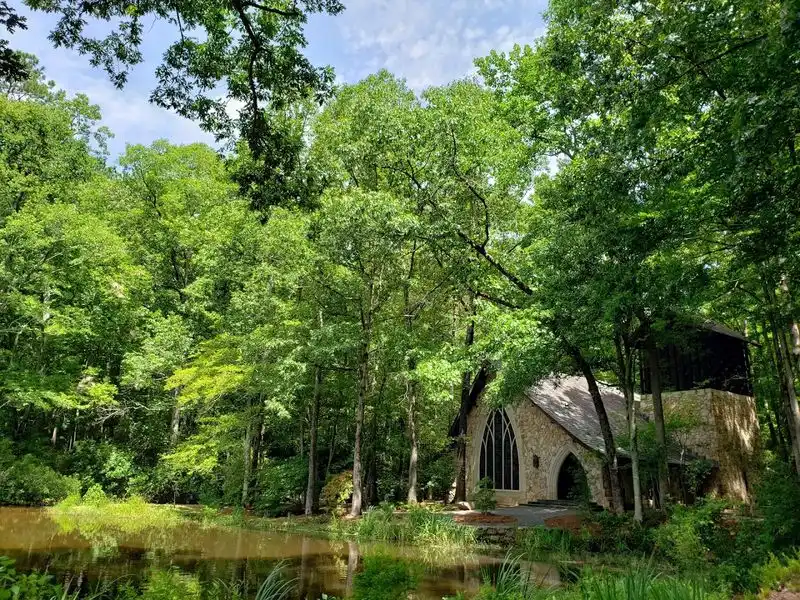
Callaway Gardens has a reputation for beautiful flowers, and that reputation is well deserved — but stopping there means missing most of what makes this place special. Spread across more than 13,000 acres in Pine Mountain, Georgia, the resort and nature preserve offers a range of experiences that goes far beyond blooms.
It’s a full outdoor destination that rewards slow exploration.
The Cecil B. Day Butterfly Center is one of the largest glass-enclosed butterfly conservatories in North America.
Hundreds of free-flying butterflies fill the warm, tropical space, landing on flowers and occasionally on visitors. Kids and adults alike tend to linger far longer than they expect to.
Biking the scenic trails along the lakes, watching the annual Masters Water Ski Tournament, or catching the beloved Fantasy in Lights holiday display during winter — Callaway delivers something different in every season.
The beach on Robin Lake offers a surprisingly refreshing summer escape, and the gardens themselves change with each month of the year.
Many Georgians have driven past the entrance on Highway 27 without ever stopping. That’s a mistake worth correcting on the very next road trip through west-central Georgia.
Dahlonega
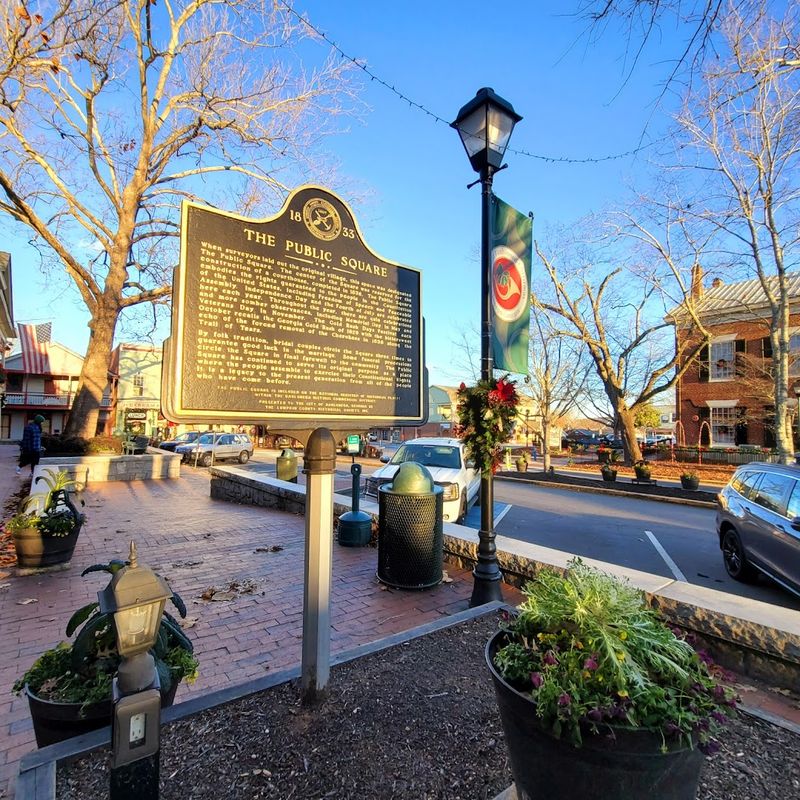
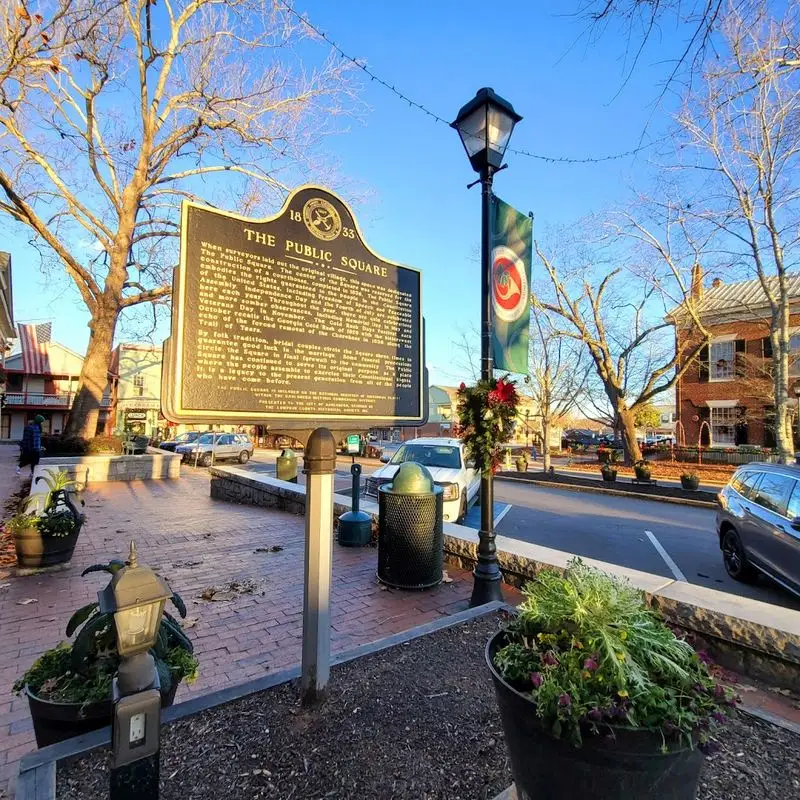
Long before California ever heard the word “gold,” a cry rang out in the North Georgia mountains that changed the country. America’s first major gold rush started right here in Dahlonega in 1828, drawing thousands of fortune seekers to the hills and reshaping the region forever.
The U.S. Mint even operated here for a time, striking coins from locally mined gold.
Today, the historic town square still carries that 19th-century energy, with the old Lumpkin County Courthouse — now a gold museum — anchoring the center of it all.
The buildings surrounding the square house locally owned shops, restaurants, and tasting rooms, giving the town a warmth that chain-heavy destinations rarely manage to replicate.
The surrounding mountains and rolling countryside have become home to a thriving wine region, with numerous vineyards and tasting rooms clustered within a short drive of the square. Fall is especially beautiful here, when the mountain foliage turns and the harvest season brings festivals and outdoor events.
Dahlonega is the kind of place where a quick afternoon stop somehow turns into a full weekend. The combination of rich history, mountain scenery, and genuine small-town character makes it one of North Georgia’s most rewarding destinations.
Driftwood Beach
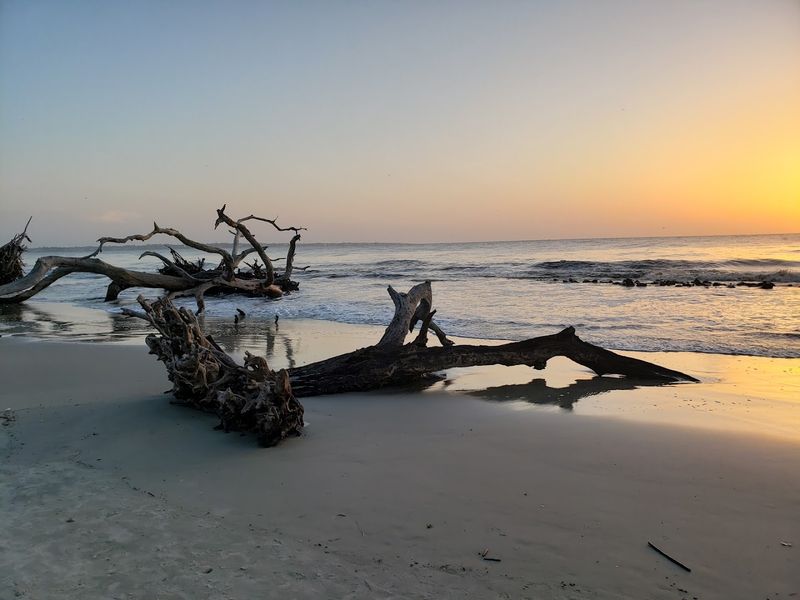
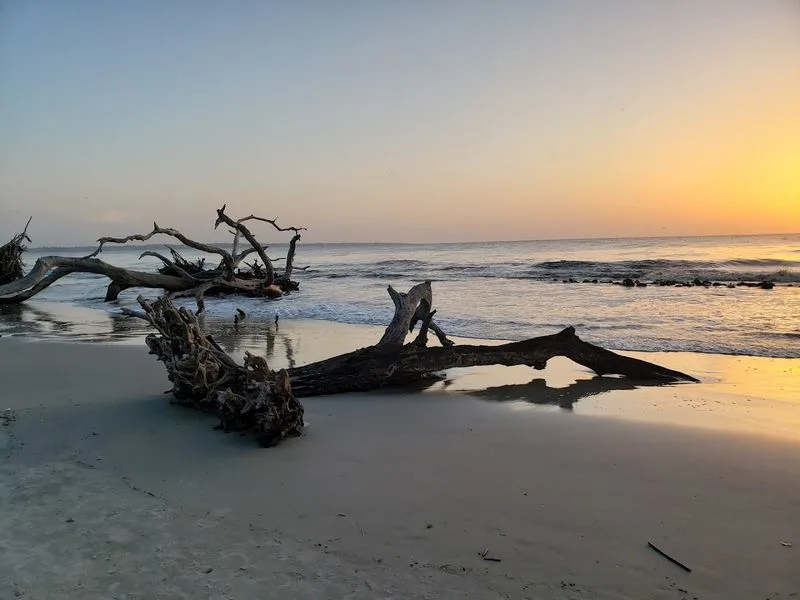
Driftwood Beach on Jekyll Island looks less like a typical Georgia shoreline and more like the set of a quiet, beautiful film. Weathered tree skeletons — bleached white by sun and salt — lie scattered across the sand in twisted, sculptural arrangements that stretch as far as the eye can see.
The whole scene carries a peaceful, otherworldly quality that’s hard to put into words.
Sunrise here is in a category of its own. When the early morning light catches the pale wood and reflects off the wet sand, the beach transforms into something that feels almost sacred.
Photographers, painters, and early risers who make the effort to arrive before dawn are consistently rewarded with images that look almost too beautiful to be real.
Jekyll Island itself is one of Georgia’s most accessible barrier islands, reachable by car via causeway, which makes Driftwood Beach an easy day trip from many parts of the state. The beach sits on the northern end of the island, a short drive or bike ride from the historic district.
Even on busy summer weekends, the driftwood section tends to feel quieter and more reflective than the main swimming beaches.
It’s a place that genuinely earns the word “magical.”
Amicalola Falls State Park
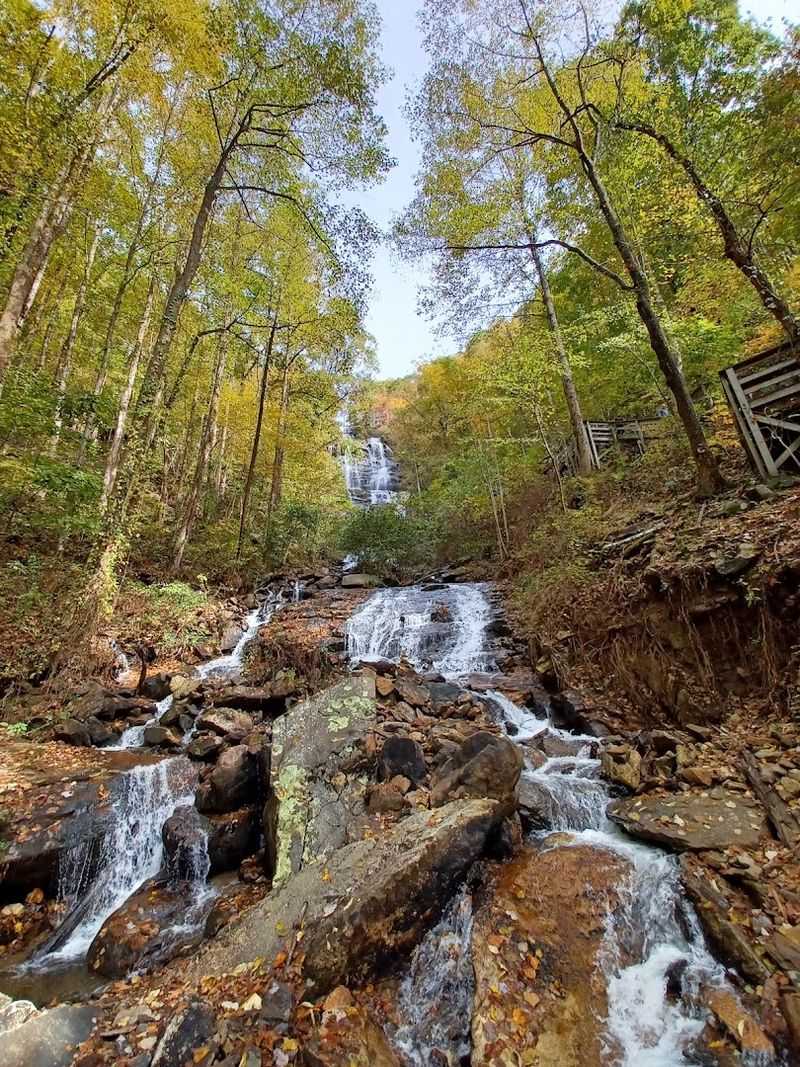
At 729 feet, Amicalola Falls is the tallest cascading waterfall east of the Mississippi River — and somehow, a surprising number of Georgians have never seen it. The falls thunder down a series of rocky steps in a dramatic, continuous rush of white water that commands your full attention the moment it comes into view.
Standing at the base and looking up is one of those genuinely humbling outdoor moments.
A long staircase runs alongside the falls, giving hikers a close-up view of the cascade from multiple angles as they climb. The effort is real — there are hundreds of steps — but the views from the top make every single one worth it.
The surrounding park offers additional trails, a lodge with mountain views, and a peaceful atmosphere that feels miles away from city life.
Amicalola Falls State Park also serves as the official approach trailhead for the Appalachian Trail, adding a sense of adventure and significance to the place. Thru-hikers beginning their 2,000-mile journey often start right here, and watching someone shoulder a heavy pack and head into the mountains carries its own quiet drama.
Whether you’re there for a short hike or a longer stay, this park consistently delivers more than visitors expect.
Cloudland Canyon State Park
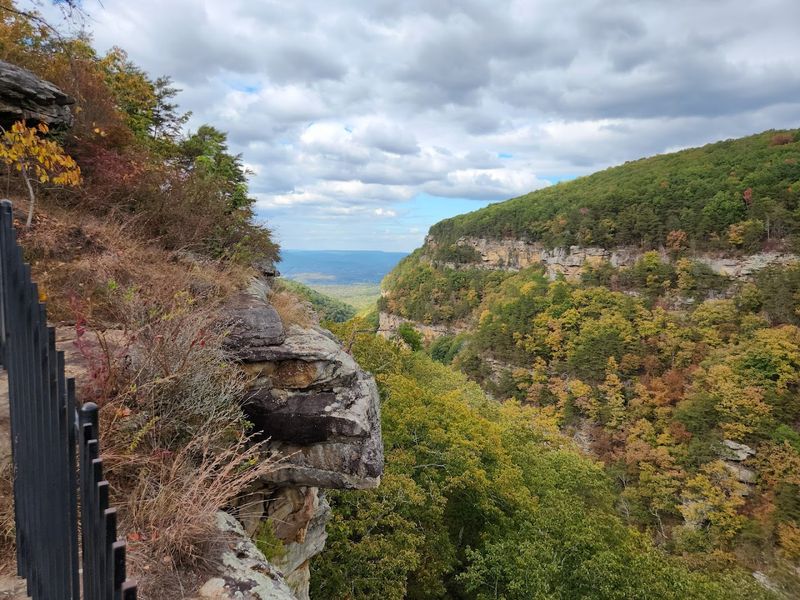
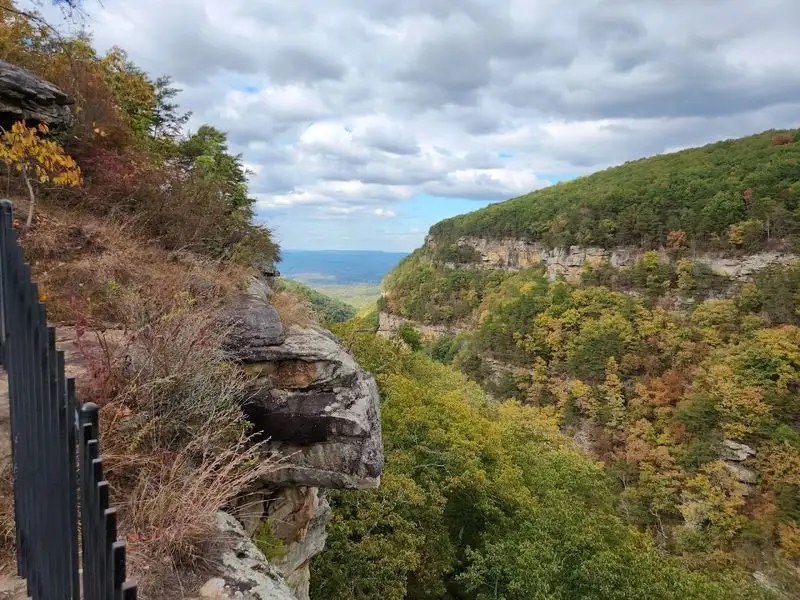
Perched along the western edge of Lookout Mountain in northwest Georgia, Cloudland Canyon State Park delivers a brand of scenery that most people don’t associate with the Deep South. Two waterfalls, dramatic sandstone and limestone cliffs, and canyon overlooks that stretch for miles make this one of the most visually striking parks in the entire Southeast.
First-time visitors are almost always caught off guard by the scale of it.
The West Rim Loop trail follows the canyon edge for several miles, offering repeated jaw-dropping views into the gorge below. For those willing to tackle the steep descent, the waterfall trails wind down hundreds of stone steps to a pair of cascades tucked deep inside the canyon.
The hike back up earns its reputation as a genuine workout.
Backcountry camping options allow visitors to spend a night deep in the park’s quieter corners, far from the main overlooks and day-use areas. The park is especially stunning in autumn, when the hardwood forest lining the canyon walls turns gold and orange.
Despite all it offers, Cloudland Canyon remains remarkably uncrowded compared to parks with lesser landscapes. If you’ve never made the drive to the northwest corner of Georgia, this park alone makes it worth the trip.
Little White House
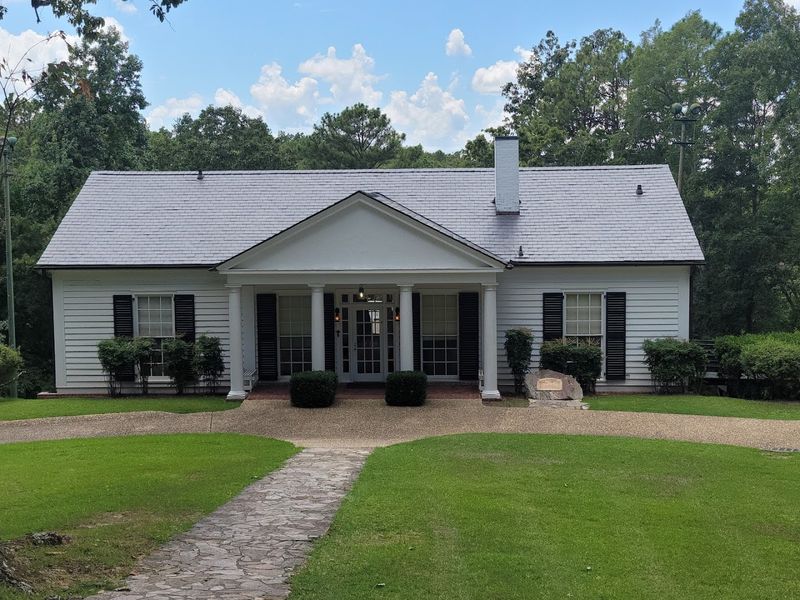
There’s something quietly powerful about walking through a room that history stood still inside. The Little White House in Warm Springs, Georgia, is exactly that kind of place.
President Franklin D. Roosevelt first visited Warm Springs in 1924, drawn by the warm mineral springs he hoped would help treat his polio.
He loved the area so much that he had this modest cottage built as his personal retreat, returning again and again throughout his presidency.
On April 12, 1945, Roosevelt was sitting for a portrait in the living room when he suffered a cerebral hemorrhage and died later that afternoon. The cottage has been preserved almost exactly as it was that day, with the unfinished portrait still on display.
The intimacy of the space — so much smaller and simpler than you’d expect for a sitting president — makes the history feel immediate and real.
The museum complex on the grounds does an excellent job of contextualizing Roosevelt’s connection to Georgia and his lasting impact on the country. Many visitors leave genuinely moved, surprised by how personal and affecting the experience turns out to be.
For anyone with an interest in American history, this is one of the most meaningful stops in the entire state.
Rock City
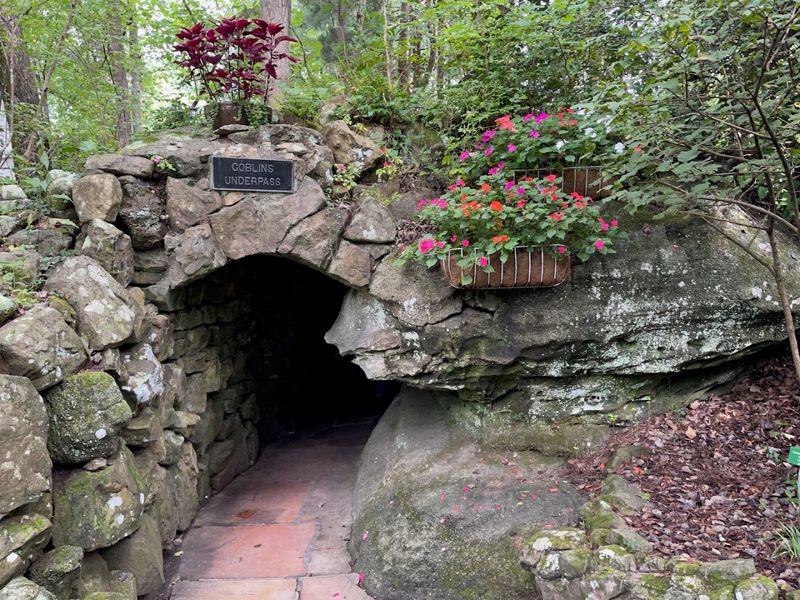
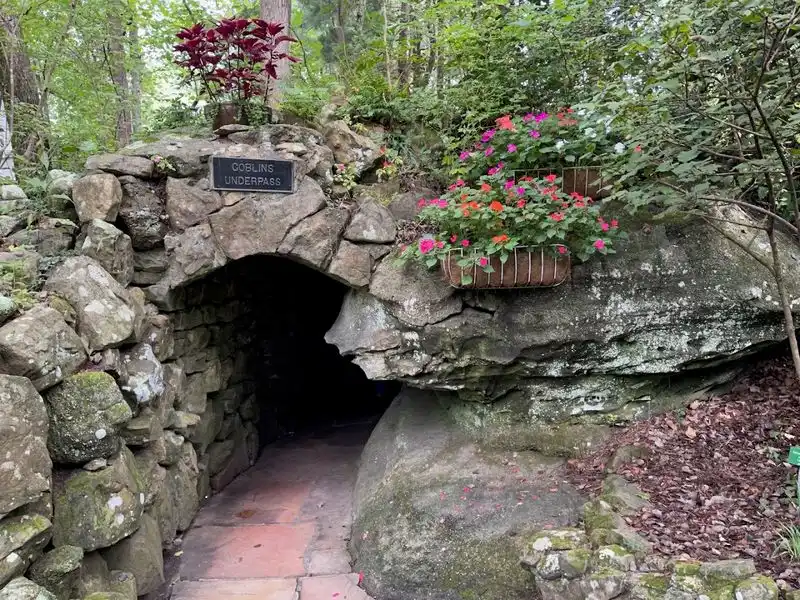
Rock City has been luring travelers off the highway since the 1930s, when the now-legendary “See Rock City” barn advertisements began appearing across the South. Perched atop Lookout Mountain just across the Georgia-Tennessee border, this mountaintop attraction blends genuine natural wonder with a playful, old-fashioned charm that feels unlike anything else in the region.
It’s quirky, beautiful, and surprisingly impressive all at once.
The garden path winds through massive ancient rock formations, squeezing visitors through narrow passageways with names like “Fat Man’s Squeeze” before opening onto wide overlooks with sweeping views.
The most famous viewpoint claims that on a clear day, you can spot seven states — Tennessee, Georgia, Alabama, North Carolina, South Carolina, Virginia, and Kentucky — all from a single spot.
Gnome-filled fairy tale caves, a swinging bridge, and a 1,000-ton balanced rock add to the wonderfully eccentric atmosphere that families have been enjoying for generations. Sunset visits are particularly memorable, when the sky turns shades of orange and pink above the Tennessee Valley.
Rock City sits right on the state line, technically in Tennessee, but it’s deeply woven into Georgia’s travel identity. Many Georgians grew up hearing about it and still haven’t made the short drive up the mountain.
Sapelo Island
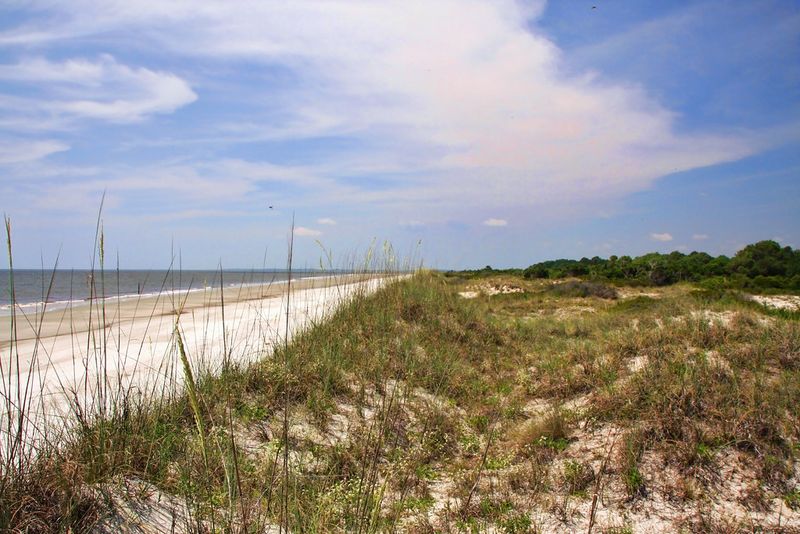
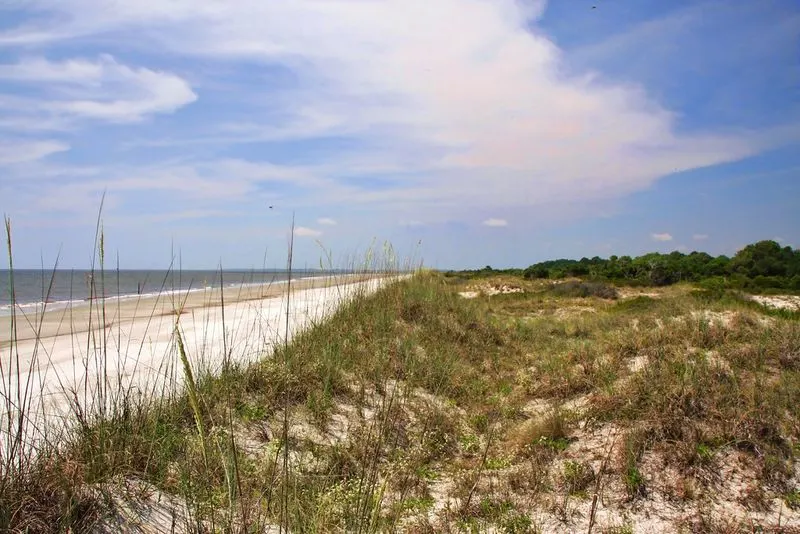
Sapelo Island doesn’t advertise itself, and that’s a big part of its appeal. Located off the coast of McIntosh County, this barrier island is accessible only by a state-run ferry with limited departure times, which keeps visitor numbers low and the landscape beautifully undisturbed.
Most of the island is managed by the state of Georgia as a natural reserve, protecting miles of salt marsh, maritime forest, and undeveloped beach.
What makes Sapelo genuinely extraordinary, though, is the community of Hog Hammock. This small settlement is one of the last remaining Gullah-Geechee communities in the country — a living cultural legacy descended directly from enslaved West Africans brought to the Sea Islands centuries ago.
The community has maintained its language, traditions, and deep connection to the land through generations of resilience.
Visiting Sapelo requires planning — ferry reservations, guided tours, and a willingness to move at the island’s unhurried pace. But travelers who make the effort consistently describe it as one of the most meaningful experiences Georgia has to offer.
This isn’t just a beach trip. It’s a chance to stand inside a story of survival, culture, and coastal beauty that most of the world has never heard of — and that Georgia should be far more proud to share.