North Carolina can shift moods so fast that one weekend can feel like three different states stitched together. You can stand on a cool mountain summit that feels almost Canadian, wander a harbor that hints at old New England, then end the day in a dusty horse town that looks borrowed from Arizona.
If you think the state is easy to sum up, these places will prove otherwise. Here are the North Carolina spots that surprised me most by feeling gloriously unlike the rest of North Carolina.
Mount Mitchell State Park
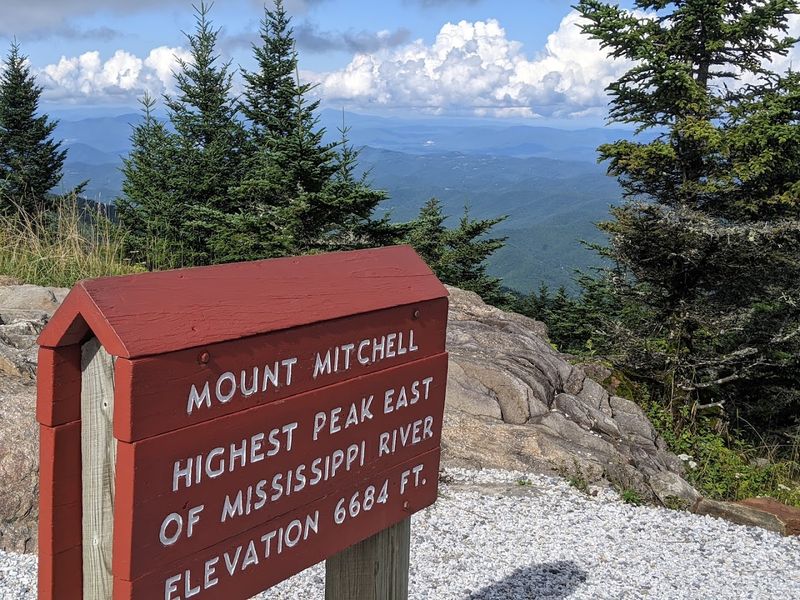
Mount Mitchell State Park feels less like the American South and more like a high, windswept corner of Canada. At 6,684 feet, it is the highest peak east of the Mississippi, and the air can run 10 to 30 degrees cooler than Asheville.
When you step out near the summit, the spruce-fir forest, the bite in the breeze, and the layered blue horizons make everyday North Carolina feel very far away.
I love how quickly the mood changes here from scenic drive to alpine lookout. The observation deck delivers broad 360-degree views, and on a clear day everything feels immense, quiet, and slightly unreal.
Because this was North Carolina’s first state park, established in 1915, it carries both grandeur and history, but what stays with you most is the climate itself, which feels borrowed from another region entirely.
Little Switzerland
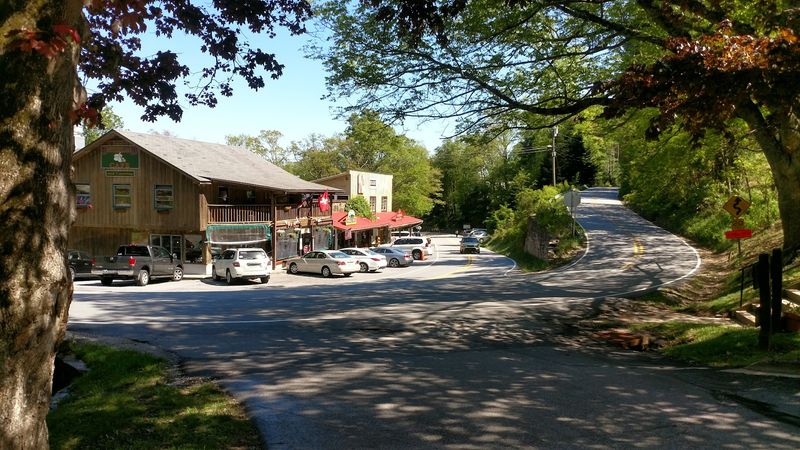
Little Switzerland feels like someone tucked a tiny alpine resort into the Blue Ridge and decided not to explain it. The roads curl dramatically around the mountains, the lodges and inns lean into chalet style charm, and the whole village carries a polished mountain getaway mood.
Instead of feeling rooted in Southern tradition, it feels like a postcard version of a Swiss retreat with Carolina scenery standing in.
What makes it memorable to me is not just the architecture, but the atmosphere of deliberate escape. You arrive expecting another scenic mountain stop and end up in a place that invites slow mornings, porch views, and a slightly romantic sense of removal from ordinary life.
Even the name sets the tone, yet it never feels gimmicky once you see the ridgelines, the cool air, and the winding approaches that make the village feel suspended above the rest of the state.
Grandfather Mountain
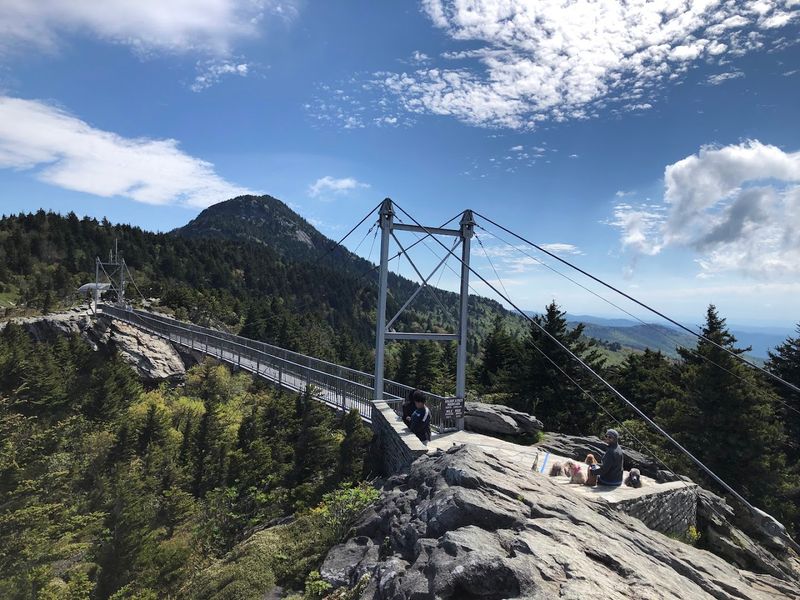
Grandfather Mountain has a rugged, cinematic personality that feels closer to the Rockies than to the softer landscapes many people expect from North Carolina. The exposed cliffs, twisting weather, and sharply defined ridges give it a wild edge, and the Mile High Swinging Bridge seals the experience.
Suspended 228 feet across an 80-foot chasm at more than a mile in elevation, it delivers the kind of dramatic view that makes your stomach flip before your camera comes out.
I think the surprise here is how immense and ecologically rich the mountain feels at the same time. Grandfather rises to 5,946 feet and supports an astonishing range of rare species, enough to earn recognition as a Biosphere Reserve.
Even with the accessible bridge and visitor facilities, the mountain keeps its stern, weather-carved character, making it feel less like a Southern roadside attraction and more like a high-country world with its own rules.
Brevard
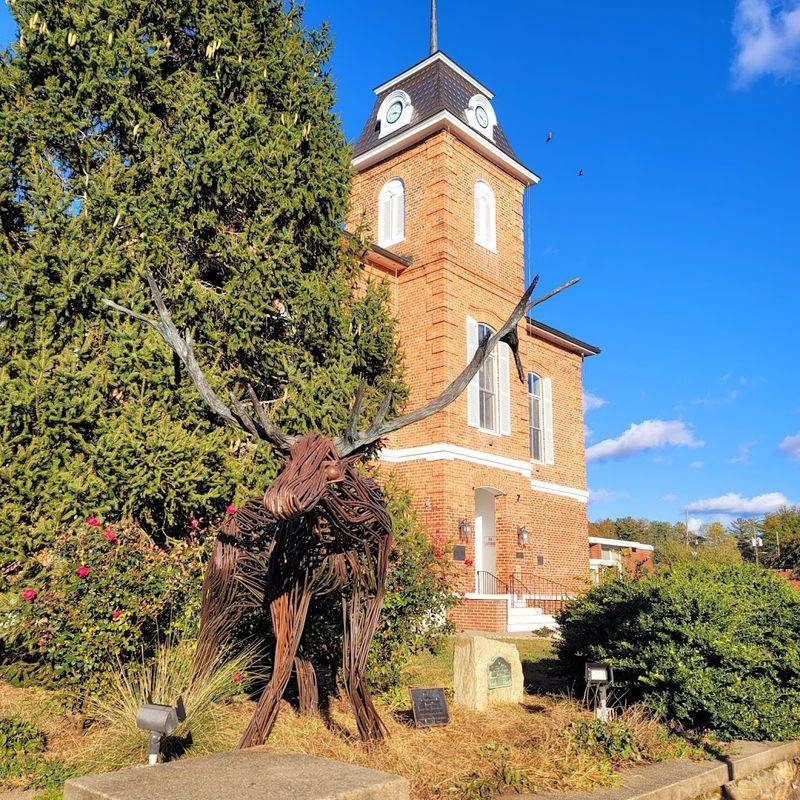
Brevard feels like the kind of mountain town that somehow stayed cool without trying too hard. Surrounded by more than 250 waterfalls, it mixes deep forest energy with a creative, almost Pacific Northwest vibe that sets it apart from the rest of the state.
You come for the trails, cascades, and clean air, but the artsy downtown gives the place a pulse that feels fresh, youthful, and quietly self-assured.
I like that Brevard balances outdoorsy adventure with a strong local personality instead of leaning only on scenery. Cafes, galleries, music, and a general sense of easygoing confidence make it feel less like a traditional Southern mountain stop and more like a place where hikers, artists, and weekend wanderers all found common ground.
Add in the famous white squirrels and the constant presence of rushing water, and the town starts feeling like its own little ecosystem, separate from everyday North Carolina routines.
Highlands
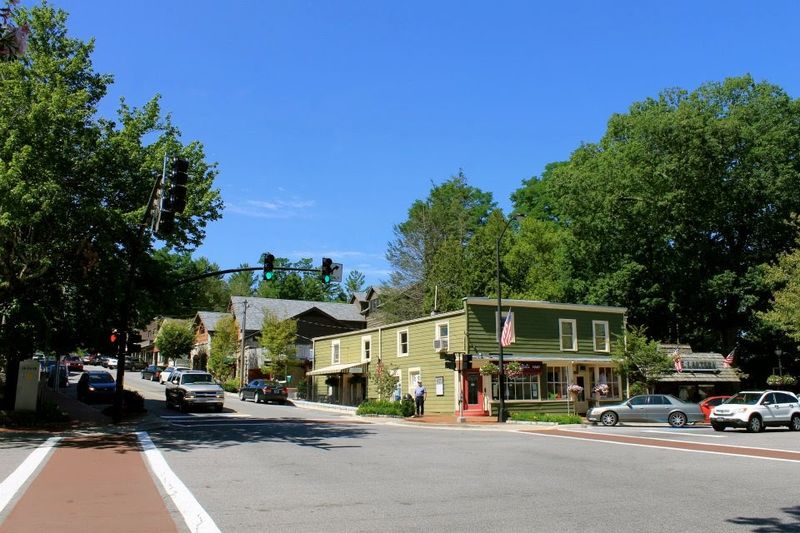
Highlands feels like a refined mountain enclave where summer behaves better than it does almost anywhere else in the South. Sitting at about 4,118 feet in the southern Appalachians, it stays cool, green, and polished in a way that makes other North Carolina towns feel much more casual.
Between the upscale inns, carefully kept streets, and surrounding Nantahala forest, the whole place carries a quiet confidence that feels almost European.
What stands out to me is how Highlands combines wealth, altitude, and natural beauty without losing its intimate village scale. The abundant rainfall keeps everything lush, and the subtropical highland climate gives even warm months a gentler edge.
It is easy to spend a day here drifting between scenic overlooks, boutiques, and long meals without once feeling the typical rush of Southern summer travel. That calm, elevated sophistication is exactly why Highlands feels so different from the rest of the state.
Valle Crucis
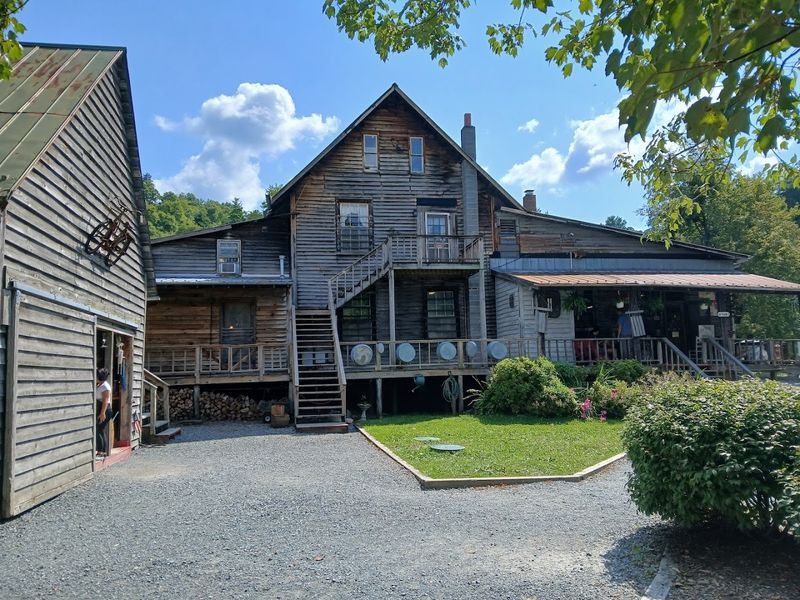
Valle Crucis feels like a place that stepped aside from the calendar and never hurried back. The valley is quiet, green, and deeply rural, with a kind of old Appalachian stillness that makes modern life seem louder than necessary.
As North Carolina’s first rural historic district, it carries its history gently, and the legendary Mast General Store remains the center of gravity, equal parts landmark, ritual, and time capsule.
I love the fact that the store still works as the community post office and even keeps coffee available on the honor system. That detail tells you almost everything about the pace and trust that define the place.
Rather than trying to recreate nostalgia, Valle Crucis simply lives in a rhythm that feels older and calmer than the rest of the state. If you want a destination that rewards slowness, conversation, and simple pleasures, this valley feels wonderfully suspended between eras.
Maggie Valley
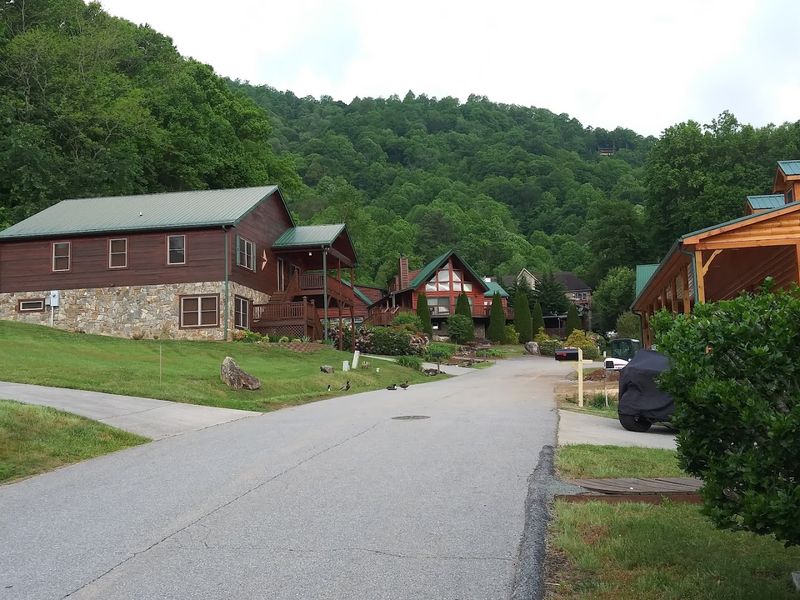
Maggie Valley feels like a mountain vacation town that never saw a good reason to outgrow its old-school personality. The retro signage, classic lodges, souvenir-shop energy, and curving valley setting give it a nostalgic tourist-town flavor that feels cheerfully out of step with sleeker destinations.
Instead of trying to be trendy, it leans into its kitschy charm, and that choice makes it feel wonderfully distinct.
What I enjoy most is how unselfconscious the place feels. There is a warmth to the throwback atmosphere, like a family road trip memory that somehow became a whole town, complete with mountain views and a slightly faded but lovable sense of fun.
In a state full of polished resort areas and rapidly changing downtowns, Maggie Valley keeps its classic vacation identity front and center. That mix of Smoky Mountain scenery and unapologetic nostalgia gives it a character you cannot easily confuse with anywhere else in North Carolina.
Beaufort
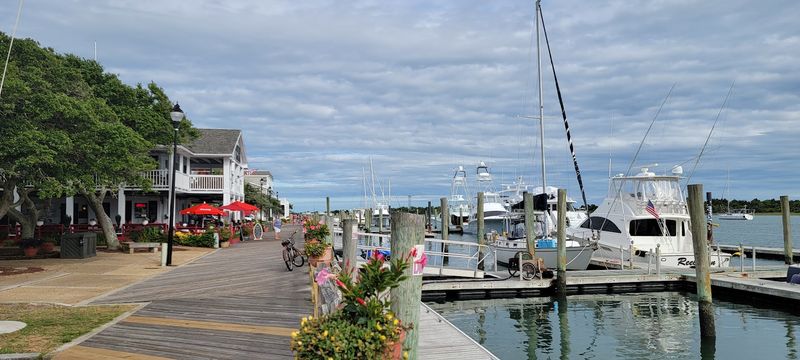
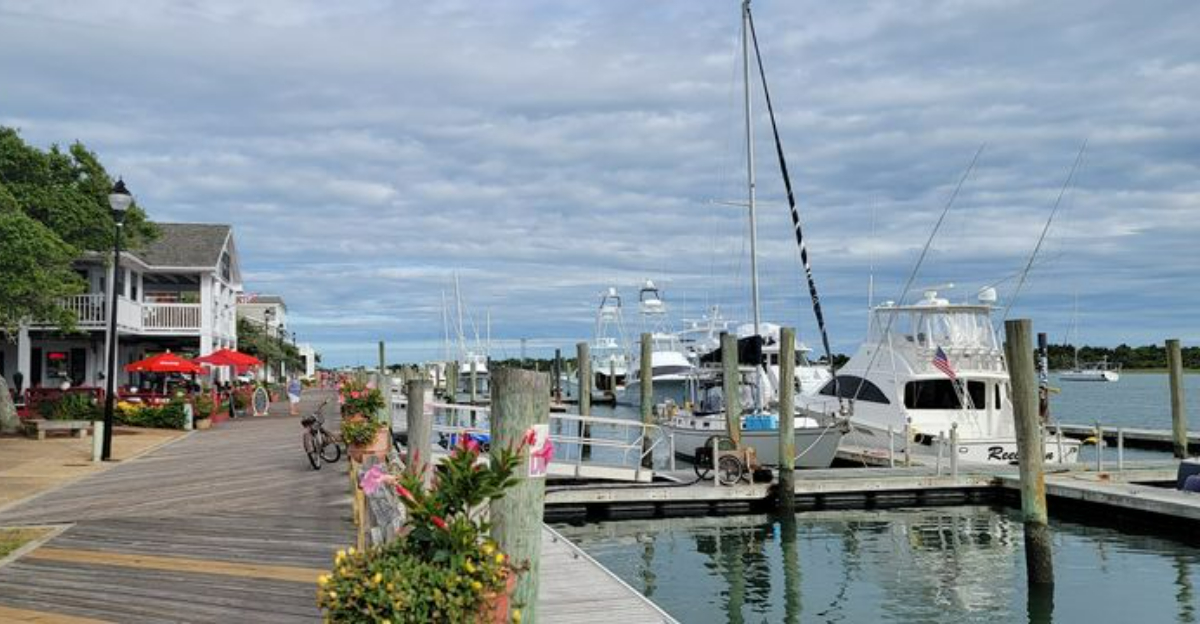
Beaufort feels strikingly unlike the louder beach towns people often associate with the North Carolina coast. Its harbor, historic homes, sailboats, and measured pace give it the personality of an old New England fishing village rather than a sunburnt boardwalk scene.
The waterfront has a calm, salt-weathered elegance, and the town invites strolling, looking, and lingering instead of rushing toward entertainment.
I think that is what makes Beaufort so refreshing. It has maritime charm without the usual coastal chaos, and the history feels lived in rather than packaged.
Watching boats rock gently along Taylor’s Creek, you get a sense of continuity that reaches beyond tourism and into the town’s older seafaring identity. The streets, porches, and harbor views create a softer mood than many North Carolina beach destinations, making Beaufort feel as if it belongs to a quieter Atlantic tradition, one shaped by water, weather, and patience.
Mount Airy
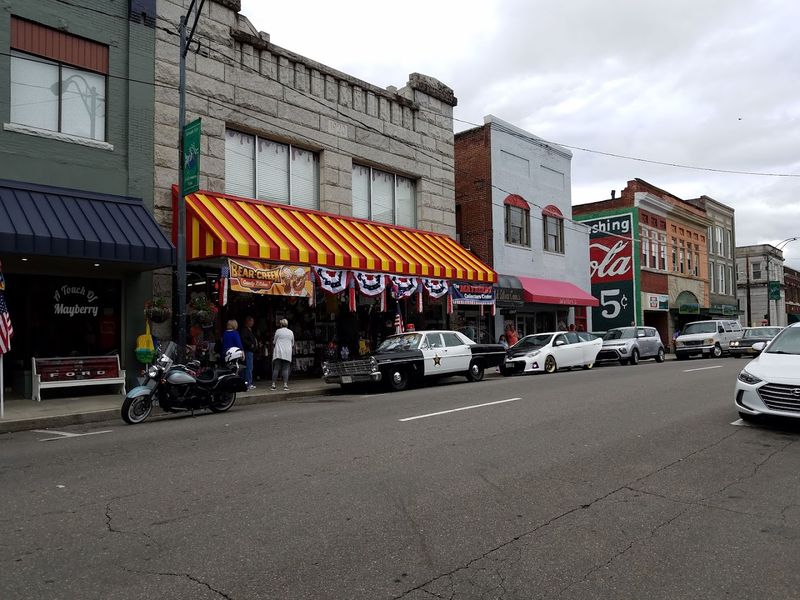
Mount Airy feels like a doorway into a cleaner, slower, more idealized version of small-town America. As Andy Griffith’s hometown and the inspiration for Mayberry, it openly embraces its television legacy, but the nostalgia works because the town already has the right bones.
The main streets, friendly storefronts, and old-fashioned rhythm create a 1950s atmosphere that feels more complete here than almost anywhere else in the state.
I expected a few themed attractions and maybe a wink to the show, but the mood reaches further than that. The Andy Griffith Museum, Squad Car Tours, and annual Mayberry Days festival all reinforce the feeling that Mount Airy has chosen memory as part of its civic identity.
Instead of feeling trapped in the past, though, it feels comfortingly attached to it. In a rapidly modernizing state, that commitment to hometown simplicity makes Mount Airy feel delightfully separate from present-day North Carolina.
Edenton
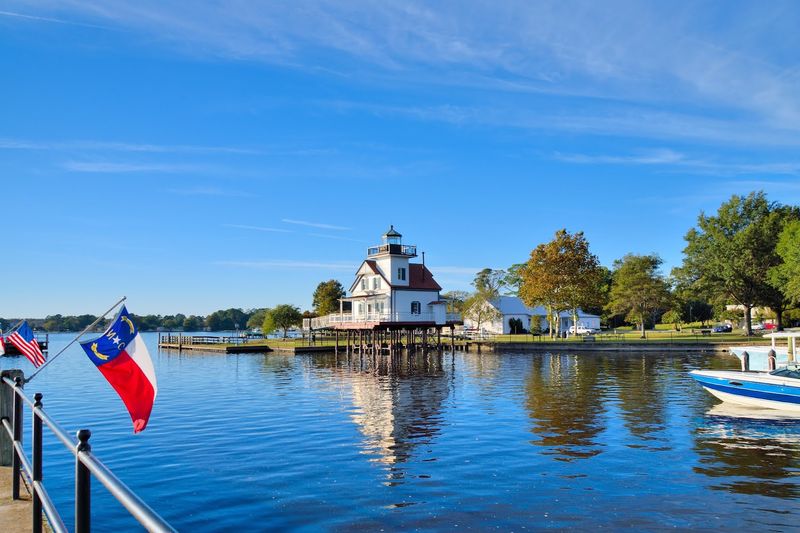
Edenton feels like one of those rare places where history and water have agreed to move at the same speed. The harbor setting, stately colonial architecture, and tree-lined streets create a coastal town that feels both dignified and unusually intact.
Rather than the beachy energy found elsewhere in North Carolina, Edenton offers a slower, older mood, one shaped by porches, cupolas, and reflective walks along the waterfront.
What stays with me is the sense of preservation without stiffness. The town is beautiful, but it never feels overly polished or theatrical, and that gives its past a believable texture.
You can sense the colonial roots in the buildings and street patterns, yet the place still feels comfortably lived in, not trapped behind museum glass. Because of that balance, Edenton seems to belong to a gentler coastal South, one where time softens everything instead of speeding it up, and that makes it feel wonderfully unlike much of modern North Carolina.
Saluda
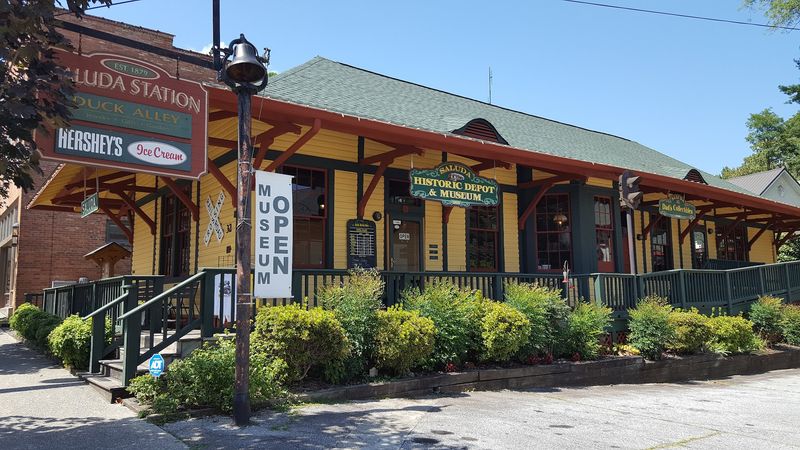
Saluda feels like a mountain town that politely declined to join the modern rush. Its famously steep main street sets the tone right away, and the historic downtown, much of it listed on the National Register, gives the place a beautifully preserved sense of purpose.
You notice the slope, the storefronts, and the slower conversations, and suddenly everyday speed feels unnecessary.
I find Saluda especially compelling because its atmosphere comes from real geography and railroad history, not curated nostalgia. The town grew at the crest of the Saluda Grade, once the steepest mainline standard-gauge track in the eastern United States, and that dramatic setting still shapes the way it feels today.
Shops, sidewalks, and old buildings seem held together by mountain practicality and patience. In a state full of places trying to reinvent themselves, Saluda’s charm comes from simply remaining itself, which makes it feel disconnected from modern pace in the best possible way.
Ocracoke Island
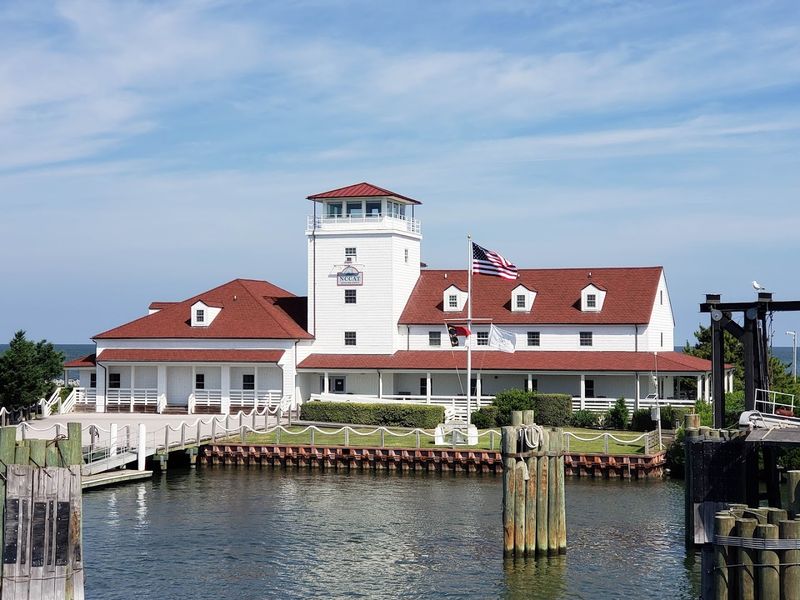
Ocracoke Island feels isolated in the most satisfying way, like a community protected by water from becoming too much like anywhere else. You reach it by ferry, private boat, or small airplane, and that extra effort immediately changes your mindset.
Once there, the village, dunes, and weathered edges create a rustic coastal world with its own culture, its own pace, and even its own famous Hoi Toider brogue.
That dialect alone tells you how distinct this place really is, shaped by generations of separation and layered influences from English, Irish, Scottish, and local coastal life. I love that Ocracoke does not just look different from mainland North Carolina, it sounds different too.
The island’s scale, remoteness, and proud identity make every walk, ferry ride, and conversation feel slightly removed from the ordinary. It is not simply a beach destination, but a small world that developed on its own terms and never fully gave them up.
The Outer Banks – Hatteras
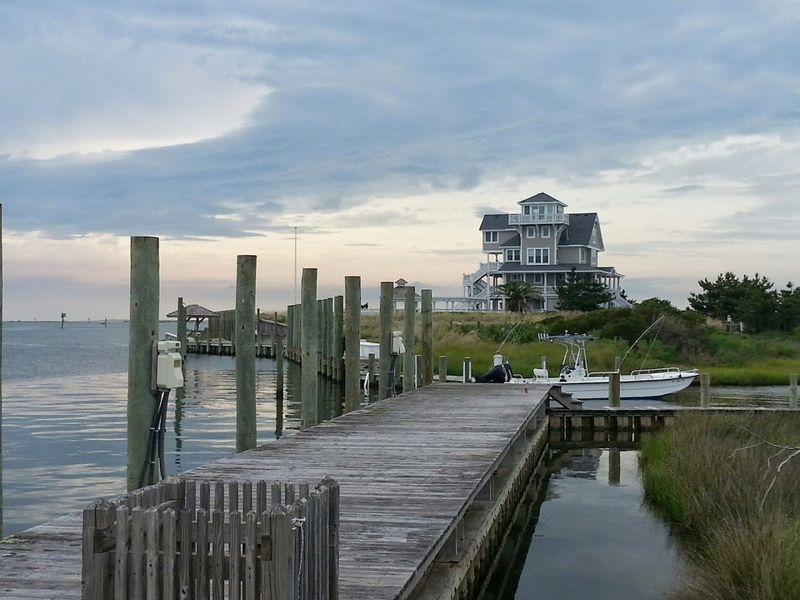
Hatteras feels like a place balanced on the edge of disappearance, and that is part of its power. This narrow ribbon of sand between ocean and sound has a raw, exposed quality that makes the mainland feel far less wild by comparison.
Wind, water, dunes, and long distances shape the mood here, creating a landscape that seems temporary, vulnerable, and completely unforgettable.
What strikes me most is how the geography changes your thinking. You are never far from open water, the horizon always feels enormous, and everyday concerns seem to shrink against the sweep of sky and surf.
Unlike more built-up coastal areas, Hatteras keeps a frontier quality that makes each drive, beach walk, and lighthouse view feel like part of a larger elemental drama. It is still North Carolina, of course, but in emotional terms it feels like a separate strip of Atlantic territory, governed more by weather and tide than by the routines of the mainland.
Love Valley
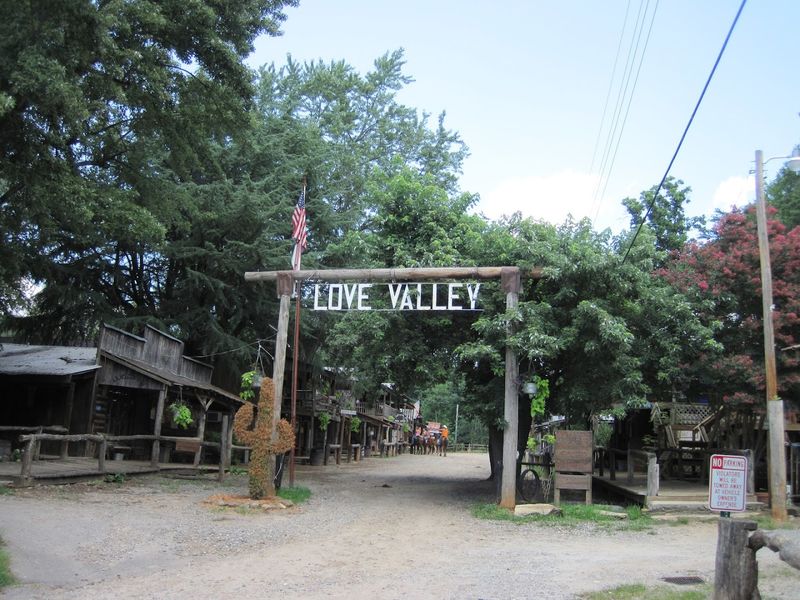
Love Valley feels less like North Carolina and more like someone dropped a cowboy movie set into rolling Piedmont country and then let it become real. Founded in 1954 as an intentional Western-themed town, it commits fully to the fantasy, and the no-car rule on the dirt main street makes all the difference.
When horses replace traffic and hitching posts matter more than parking meters, your brain stops expecting ordinary small-town behavior.
I think that is why the place is so much fun. You park outside town, walk in or ride in, and suddenly the usual sounds of engines and rushed errands are replaced by hoofbeats, dust, and a playful Old West spirit.
Rodeos, horse pulls, and the town’s unapologetically theatrical design keep the mood lively without making it feel fake. Love Valley is unusual because it does not merely preserve history, it performs an alternate identity, and that makes it one of the state’s strangest and most memorable departures.