


Across the United States, planetariums and observatories offer unforgettable windows into the cosmos, blending science, wonder, and spectacle. From immersive dome shows to powerful telescopes under starlit skies, these institutions make the universe feel close and personal. Visiting them sparks curiosity and reminds us how vast and extraordinary space truly is.
Whether you’re gazing at distant galaxies, learning about black holes, or tracking planets with expert guides, each destination delivers a unique celestial experience. Families, stargazers, and curious travelers alike will find awe in every star map and night sky program. The atmosphere is inspirational, educational, and endlessly fascinating.
For anyone eager to explore beyond Earth’s horizon, America’s planetariums and observatories are must‑see stops across the country. They celebrate the craft of astronomy while inviting visitors to dream bigger. This is science that feels magical.
Adler Planetarium (Chicago, IL)
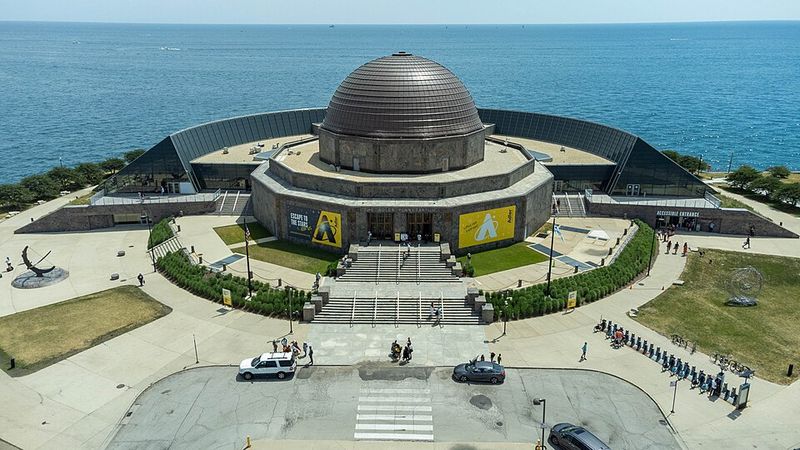
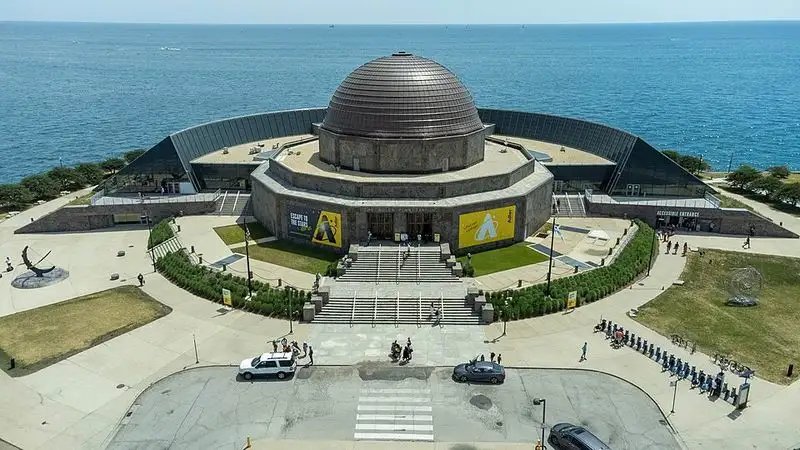
Perched on the shores of Lake Michigan, this iconic institution is more than just a planetarium. It’s where astronomy comes to life for all ages. Established in 1930, the Adler Planetarium holds the title of the first planetarium in the Western Hemisphere.
Inside, visitors are treated to state-of-the-art exhibits and immersive sky shows. It’s a place where curious minds can engage with the cosmos in a way that bridges science and imagination. The exhibits are both educational and visually stunning.
Don’t miss the Doane Observatory, which grants a rare glimpse into the world of telescopic observation. The Adler’s commitment to astronomy education makes it a beacon for stargazers.
Griffith Observatory (Los Angeles, CA)
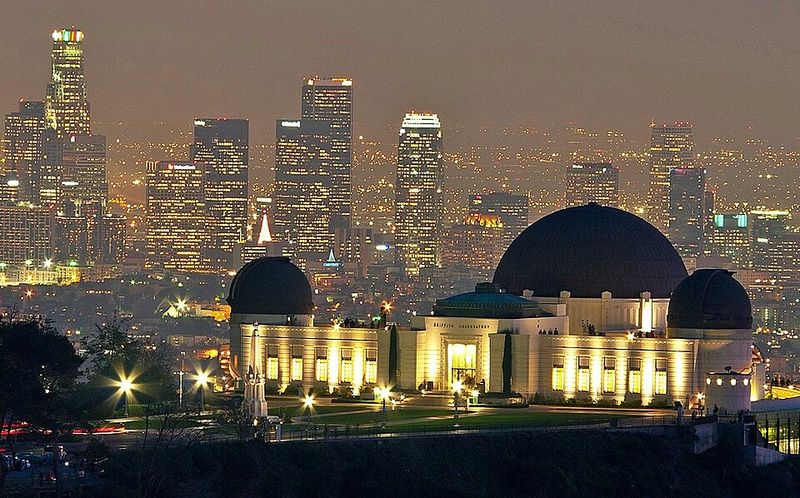
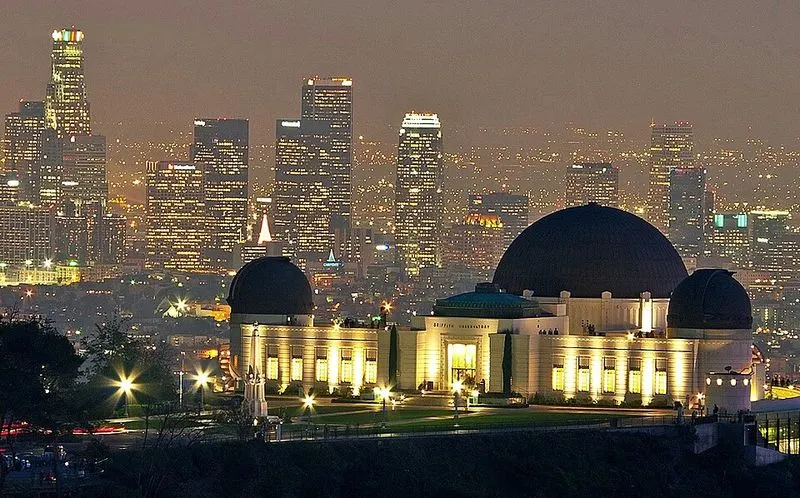
Perched on Mount Hollywood, Griffith Observatory offers panoramic views of Los Angeles and the sky above. Since its opening in 1935, it has become a landmark of both astronomy and cinematic history.
Visitors can explore fascinating exhibits on space and time, or look through public telescopes to see celestial wonders firsthand. The Art Deco architecture adds an old-world charm to the scientific exploration inside.
Regular events and telescope viewings make it a dynamic environment for both learning and leisure. It’s a cultural icon that invites visitors to ponder the universe beyond our world.
Hayden Planetarium (New York, NY)
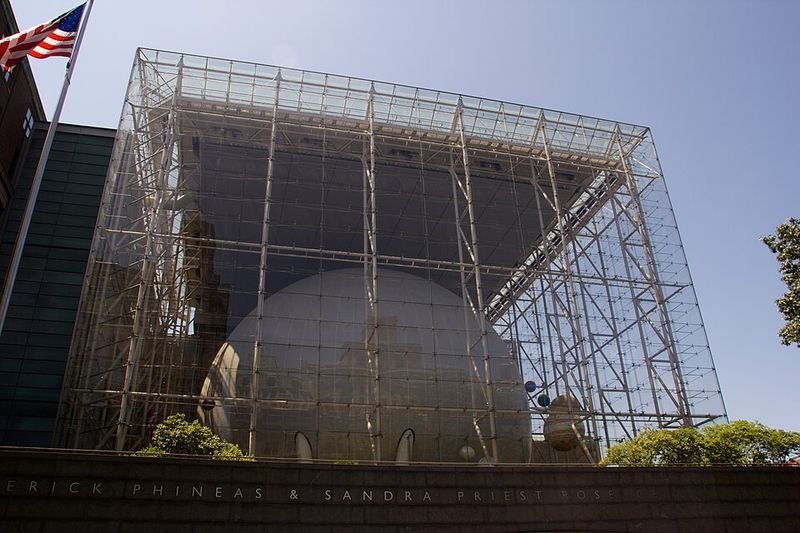
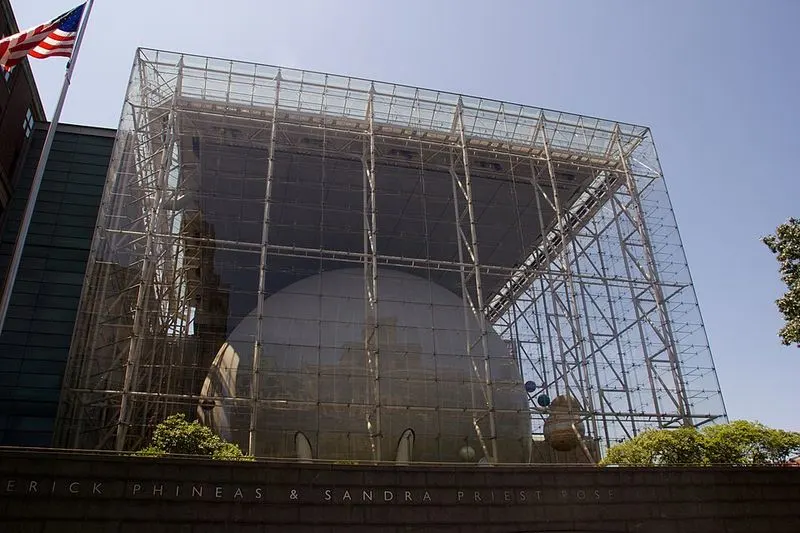
Part of the American Museum of Natural History, Hayden Planetarium captivates with its futuristic design and compelling presentations. It stands as a beacon of scientific exploration in the heart of Manhattan.
Visitors are treated to breathtaking space shows in the domed theater, where the universe unfurls in vivid detail. The planetarium’s exhibits are cutting-edge, blending art and science seamlessly.
Guided by renowned astrophysicists, the experience here is both educational and inspirational. It’s a chance to journey through space without leaving the city.
Johns Hopkins University Applied Physics Laboratory Planetarium (Laurel, MD)
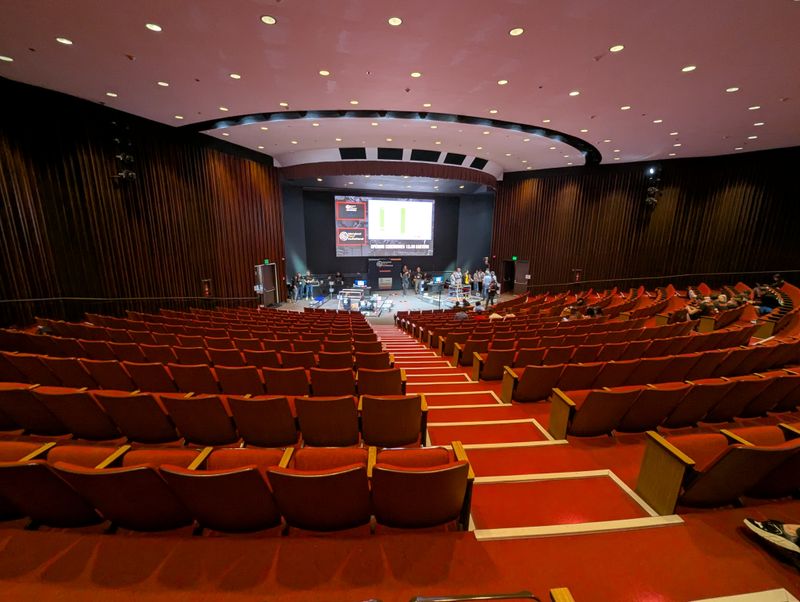
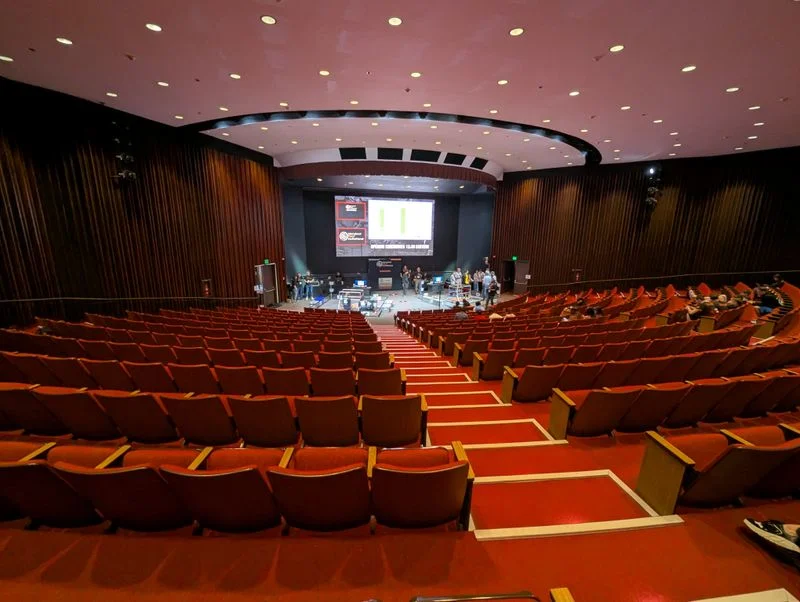
Nestled in Maryland, this planetarium is a hub of innovation and discovery. It’s where the frontiers of space are continually pushed by groundbreaking research.
Visitors can explore the wonders of the universe through interactive exhibits and engaging presentations led by expert astronomers. The focus here is on cutting-edge space exploration and advancing our understanding of the cosmos.
Special events and community programs ensure a vibrant connection with both science and the local community. This planetarium serves as a bridge between academic research and public engagement.
Morrison Planetarium (San Francisco, CA)
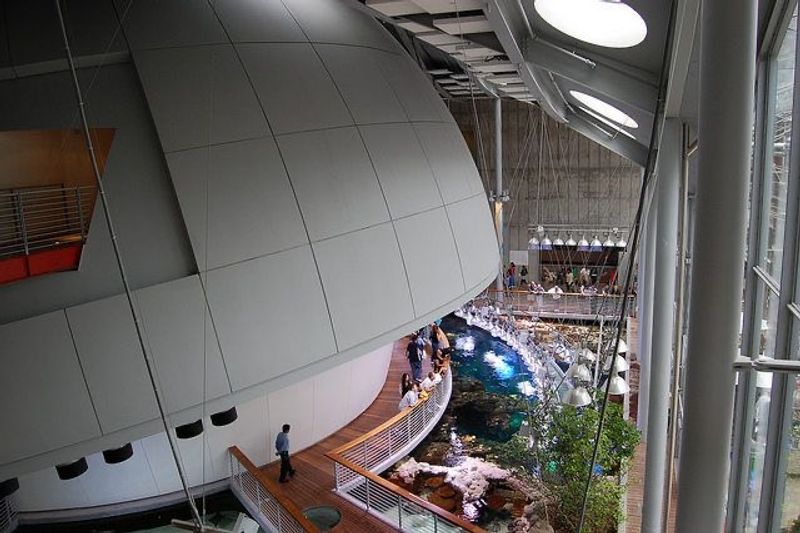
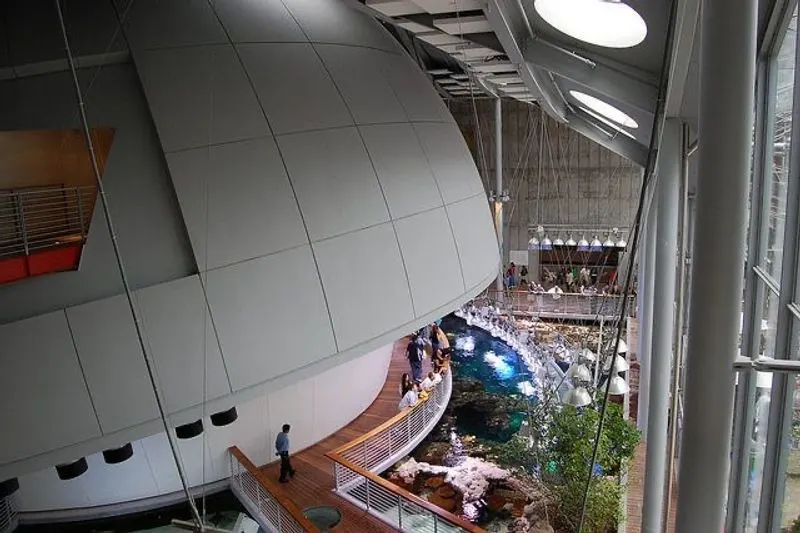
At the California Academy of Sciences, Morrison Planetarium offers an immersive journey through the universe. It’s home to one of the world’s largest digital dome theaters, providing an unparalleled celestial experience.
The dramatic visuals and soundscapes transport visitors to distant galaxies, making it a favorite among both locals and tourists. The seamless blend of technology and storytelling makes each visit unique.
Regular shows feature real-time data from telescopes, offering fresh perspectives on the universe. Morrison Planetarium is a gateway to exploring the mysteries of space.
Fiske Planetarium (Boulder, CO)
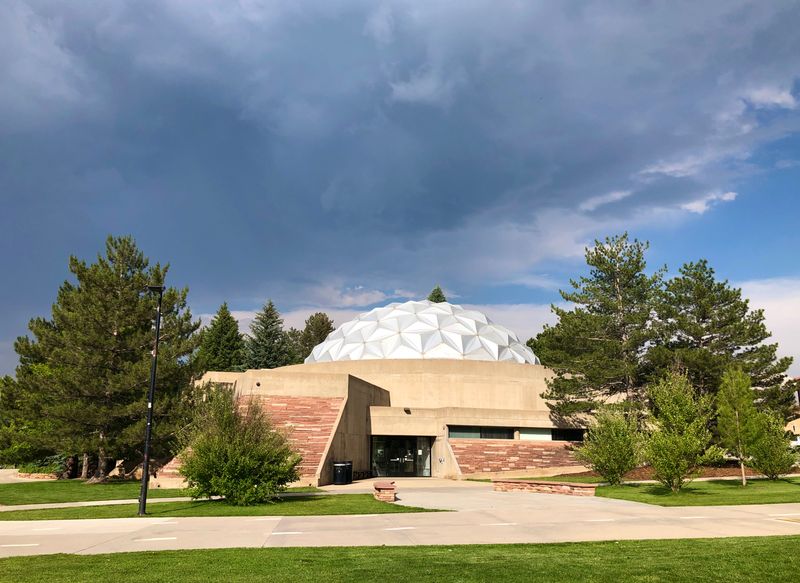
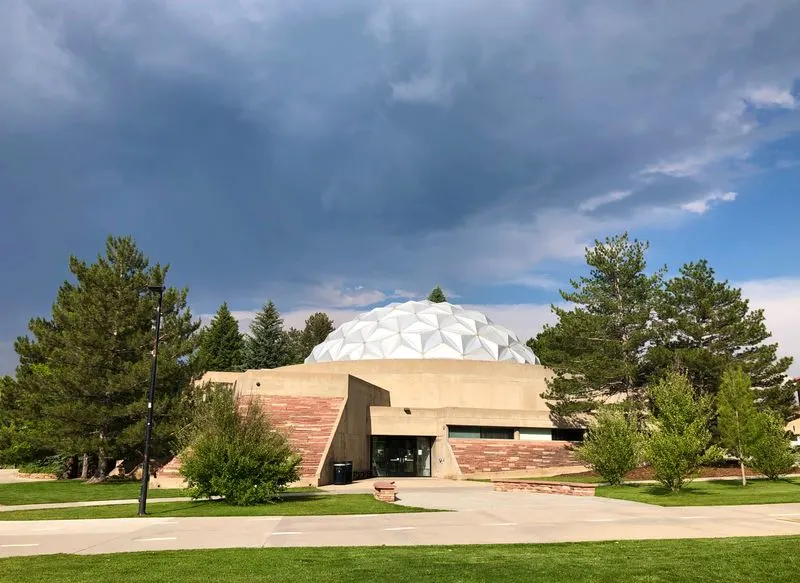
This University of Colorado gem invites visitors to experience the wonders of the night sky in a state-of-the-art theater. The planetarium is known for its engaging programming and innovative presentations.
From cosmic concerts to star shows, there’s something for every astronomy enthusiast. The technical sophistication ensures a visually stunning experience.
Fiske Planetarium actively engages with the community through workshops and educational events, fostering a love for astronomy that reaches beyond its walls.
McDonald Observatory (Fort Davis, TX)
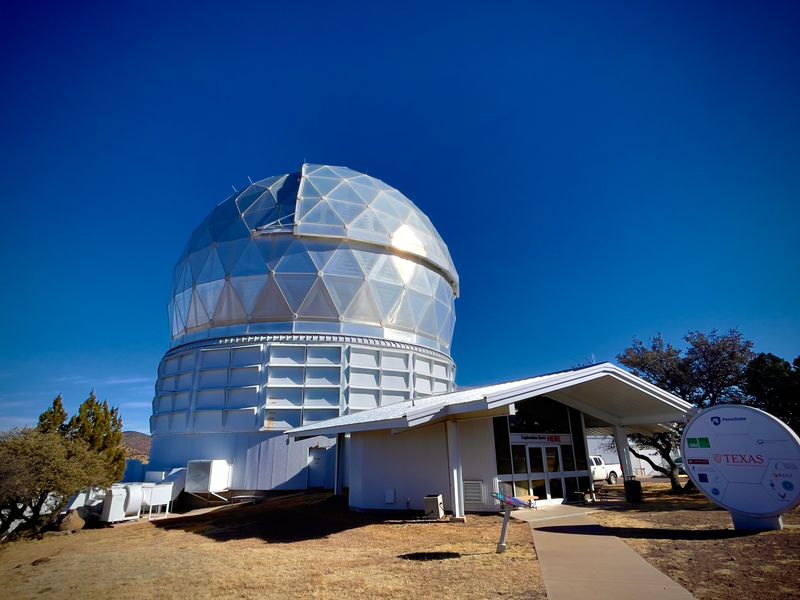
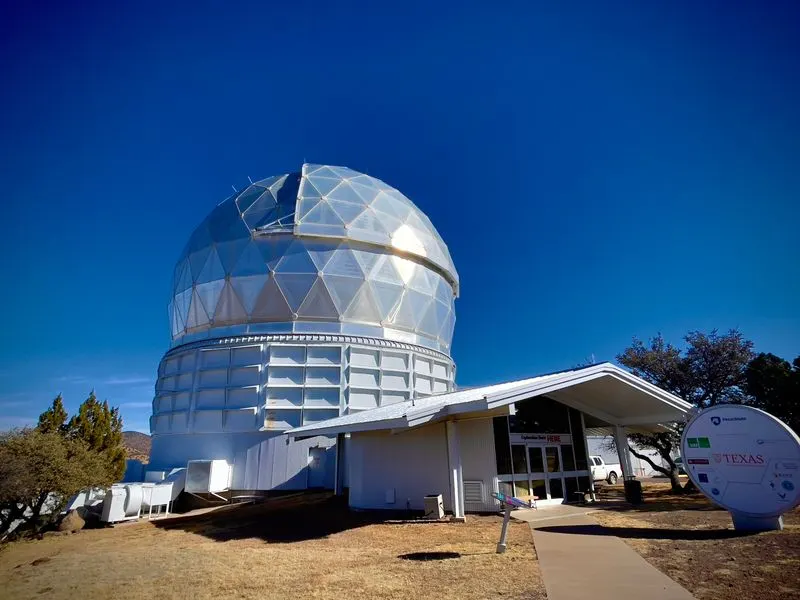
Located in the Davis Mountains, McDonald Observatory is renowned for its powerful telescopes and stunning observatory grounds. Perfect for both casual stargazers and serious astronomers.
The observatory offers public tours and star parties, allowing visitors to experience the vastness of the universe. The high-altitude location provides exceptional viewing conditions.
Partnerships with research institutions keep the observatory at the cutting edge of astronomical science. It’s a place where the cosmos becomes tangible.
Chabot Space & Science Center (Oakland, CA)
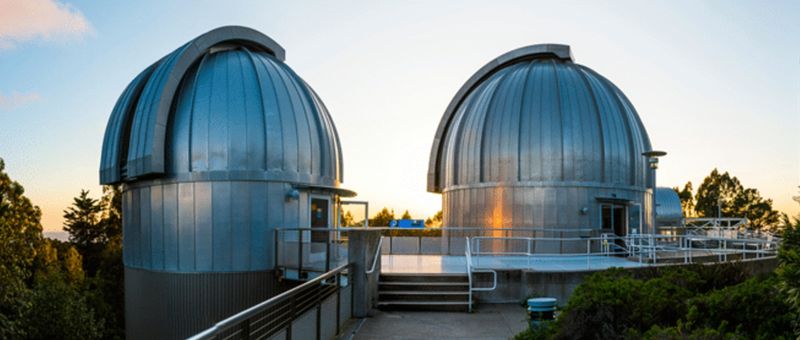
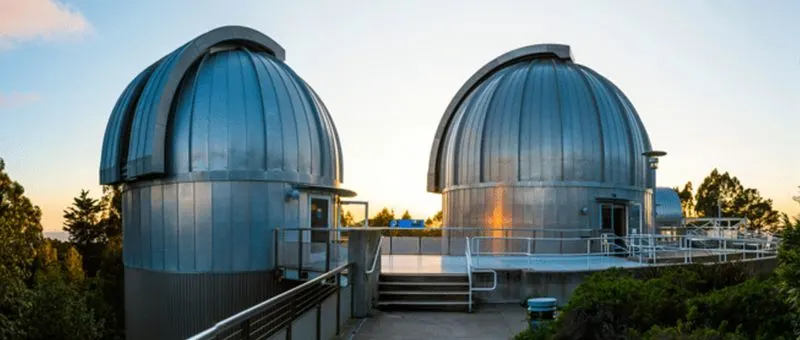
In the Oakland Hills, Chabot offers a hands-on approach to learning about space and science. It’s a family-friendly destination with a rich history in public education.
The planetarium and observatory provide opportunities for visitors to engage with the stars through interactive exhibits and telescope viewings. It’s an accessible gateway to the cosmos.
Community events and educational programs foster a deep connection between the public and the mysteries of space. Chabot is where curiosity meets exploration.
Maria Mitchell Observatory (Vineyard Haven, MA)
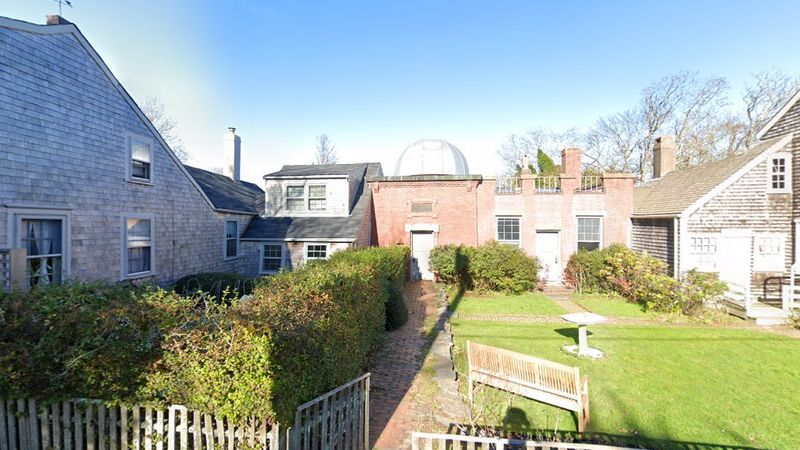
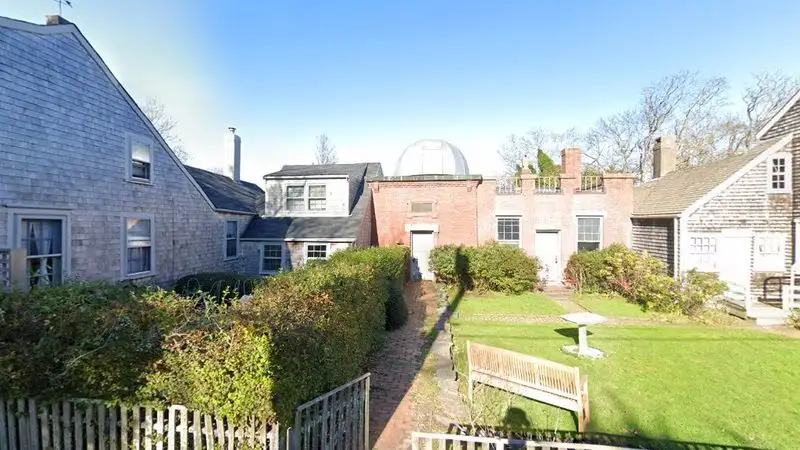
On the quaint island of Martha’s Vineyard, this observatory is a tribute to America’s first female astronomer, Maria Mitchell. It’s a place steeped in history and dedication to scientific advancement.
Visitors can explore the rich legacy of Maria Mitchell through exhibits and guided tours. The observatory’s programs aim to inspire future generations of astronomers.
The peaceful setting and historical significance make it a unique stop for anyone interested in the stars. It’s where tradition meets modern science.
Kitt Peak National Observatory (Tucson, AZ)
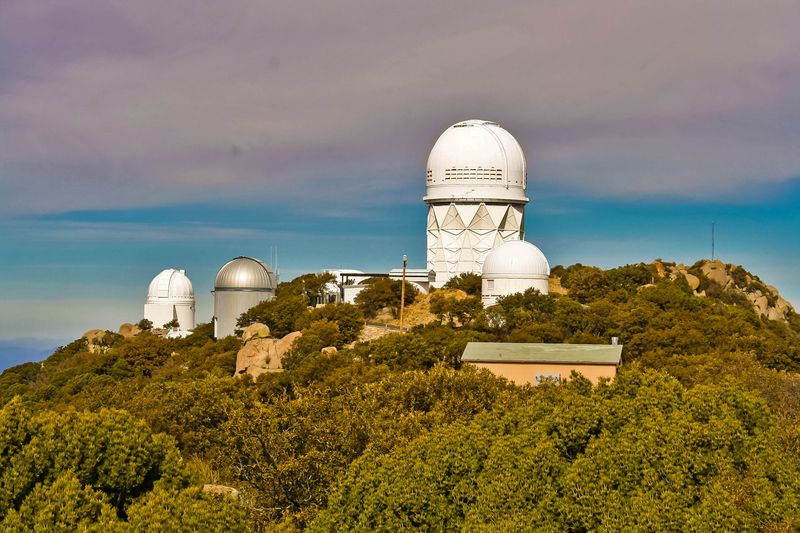
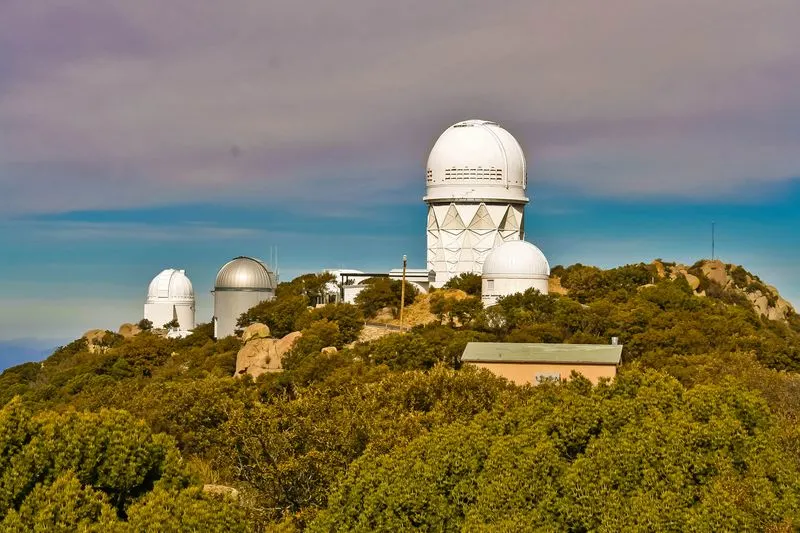
Home to the world’s largest collection of optical telescopes, Kitt Peak offers an unparalleled exploration of the night sky. Nestled in the Arizona desert, it provides ideal conditions for stargazing.
Public tours and observing programs allow visitors to experience cutting-edge astronomical research. The diverse array of telescopes caters to both amateur and professional astronomers.
The observatory’s commitment to education and research makes it a cornerstone of American astronomy. It’s a place where science and nature converge.
Flagstaff Arboretum StarWatch (Flagstaff, AZ)


In the cool pines of Flagstaff, StarWatch events offer a unique blend of nature and astronomy. It’s a community-focused experience that brings the stars closer.
Attendees can enjoy telescope viewings while surrounded by the serene beauty of the arboretum. It’s an opportunity to connect with both the earth and the sky.
Educational programs and events ensure that every visit is both informative and enjoyable. StarWatch is where community meets the cosmos.
Perot Museum of Nature and Science – Moody Family Children’s Museum Planetarium (Dallas, TX)

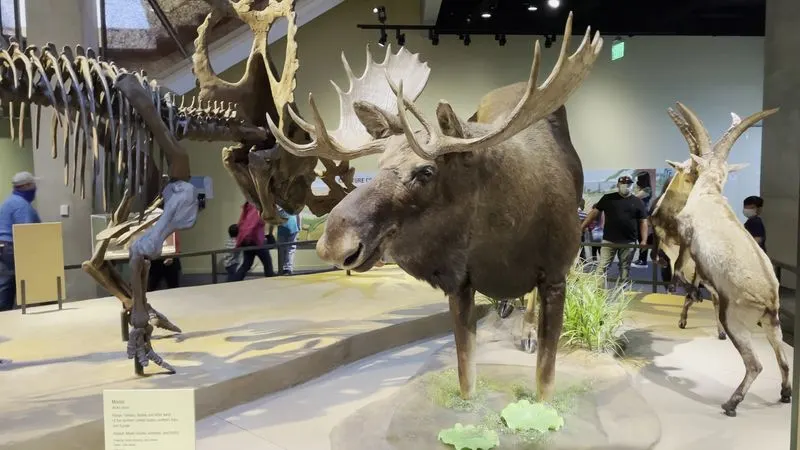
This Dallas gem introduces young minds to the wonders of space through interactive exhibits and engaging planetarium shows. It’s a place where imagination and education come together.
The child-friendly environment ensures that learning about the universe is accessible and fun. Families can explore together, discovering the mysteries of the cosmos.
Interactive displays and themed activities make each visit a new adventure. The planetarium is a gateway for children to dream big and reach for the stars.
University of Arizona Flandrau Science Center & Planetarium (Tucson, AZ)
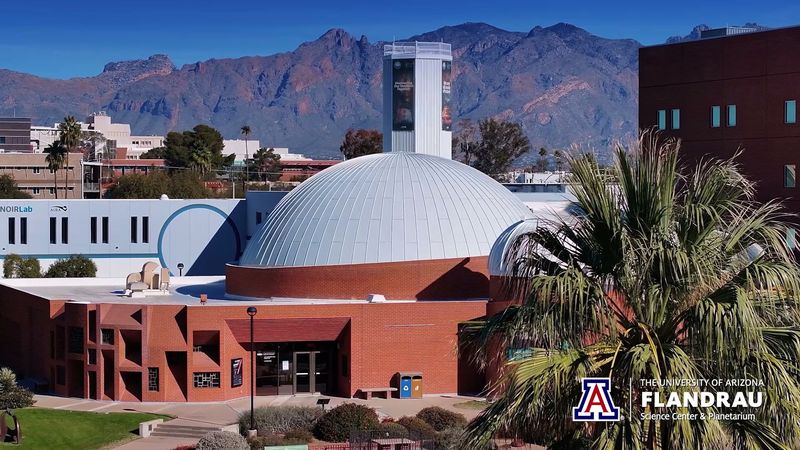
Situated in the heart of Tucson, Flandrau offers a dynamic fusion of science and discovery. The planetarium is a central feature, providing immersive shows that captivate audiences.
The science center’s exhibits cover a wide range of topics, from geology to space exploration. It’s an environment that fosters curiosity and learning.
Community events and educational programs ensure a connection between the university and the public. Flandrau is where science becomes an adventure.
Sternberg Museum of Natural History Planetarium (Hays, KS)
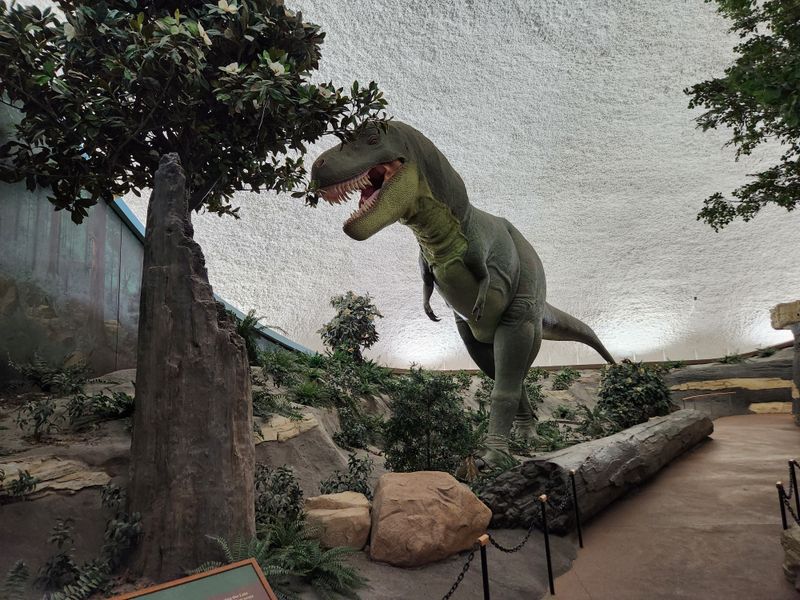
In Hays, Kansas, this planetarium is part of a larger museum dedicated to natural history. It’s a place where past and present converge to inspire a love for science.
Visitors can enjoy planetarium shows that explore the wonders of our universe, complementing the museum’s extensive exhibits on Earth’s history. It’s a holistic approach to education.
The planetarium’s programs are designed to engage visitors of all ages, making it a family-friendly destination. Sternberg invites everyone to explore the story of our world and beyond.
Morehead Planetarium and Science Center (Chapel Hill, NC)
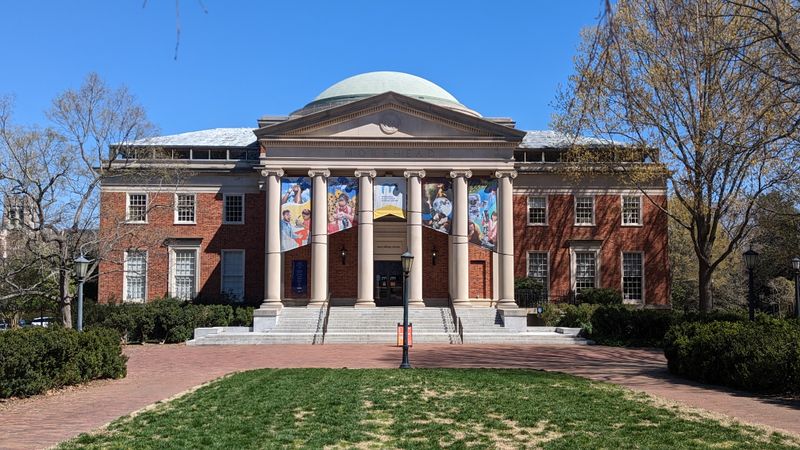
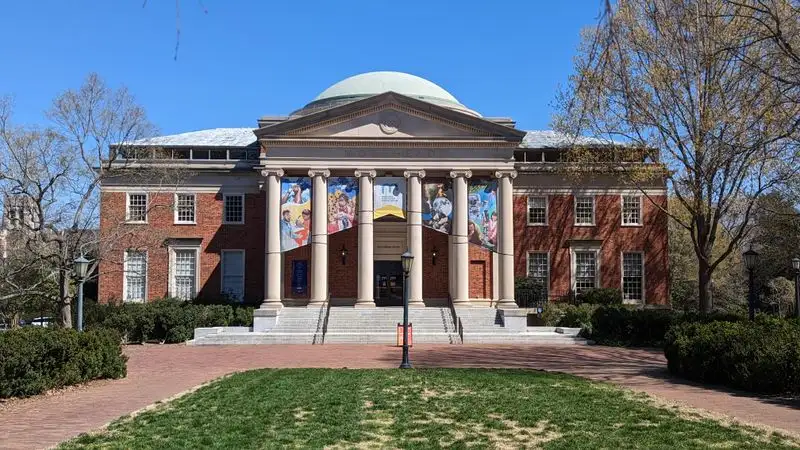
On the campus of the University of North Carolina, Morehead Planetarium combines academic excellence with public engagement. It’s a place where the universe is explored with both rigor and wonder.
The planetarium offers a wide range of shows and exhibits that captivate audiences with the stories of the cosmos. It’s an institution that values both education and inspiration.
Regular events and collaborations with the university ensure a vibrant connection with the community. Morehead is where knowledge meets imagination.