The story of the first harvest feast is one most kids learn in school, but the real version is a lot more interesting than the paper hats and paper turkeys.
In Plymouth, Massachusetts, there is a place where families can walk through a 1627 English village, talk with people who act like they live there, and learn about the Wampanoag people who called this land home for thousands of years.
Kids can ask questions, help with chores, and even meet friendly goats. The grounds sit on more than 30 acres along the Eel River, so there is plenty of room to explore.
Keep reading to find out what makes this living history spot so special, which areas to see first, and a few smart tips that will help your family plan a great day.
A Village Where 1627 Never Ended
Plimoth Patuxet Museums sits at 137 Warren Ave, Plymouth, MA 02360, in the state of Massachusetts, United States. Many people still remember it by its old name, Plimoth Plantation.
The museum is open every day of the week from 9 AM to 5 PM. That schedule makes it easy to fit a trip into a weekend or a school break.
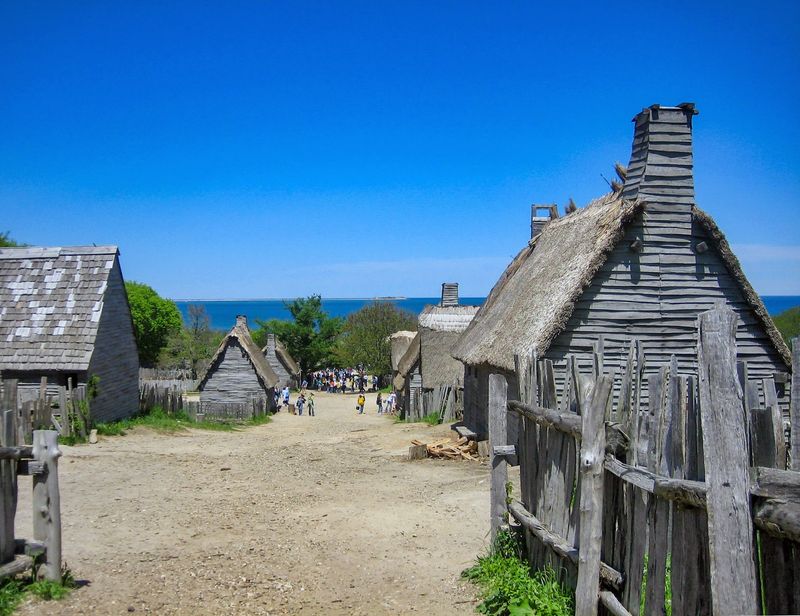
So what exactly is here? The big draw is a full re-creation of the English village as it stood in 1627.
That year matters because it came just a few years after the famous harvest gathering of 1621.
Families can walk the dirt lanes, step inside wooden homes, and see gardens and fences built the old way. Nothing sits behind glass cases, which is a big change from a regular museum.
Kids who usually get bored at museums tend to perk up here. Instead of reading signs, they get to ask real questions and get real answers.
History becomes something you can walk through, not just read about, and that is a pretty great trade.
Meet Neighbors Who Never Break Character
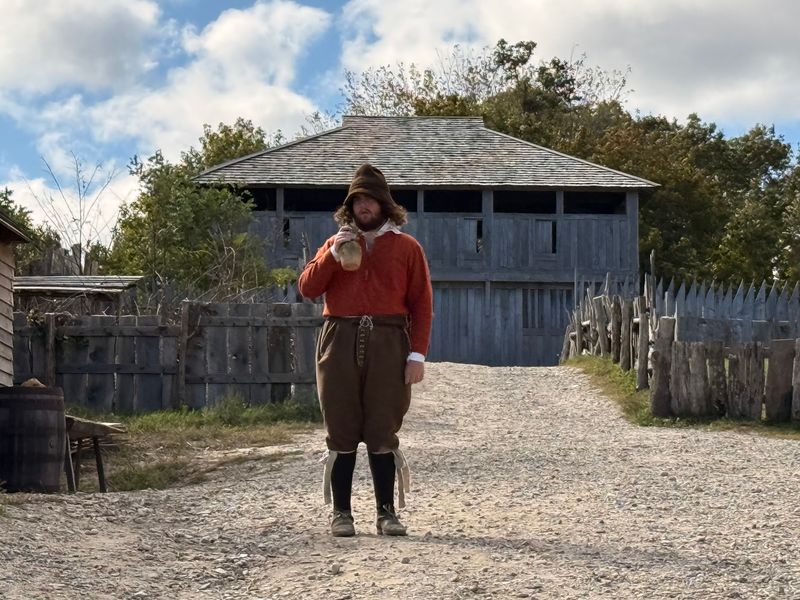
Here is a fun twist on the usual school trip. When families arrive at the English village, they are often given a backstory: they are shipwrecked passengers looking for a safe place to stay.
That small story changes everything. Suddenly, kids are not just guests but part of the scene, and they have a reason to start conversations.
The people in the village are role-players who take on the identities of real early colonists. They speak in the style of the time and stay in character the whole day.
Ask one of them about a cell phone, and you might get a very puzzled look.
Each person has a different job in the town. One might be cooking, another might be working in a garden, and another might be fixing a fence.
The more questions your family asks, the more you will learn. Shy kids can start small by asking what someone is making.
Before long, they may be chatting like old friends, just from four hundred years apart.
The Story Behind the Famous Feast
The first harvest feast in 1621 was not the neat holiday dinner shown in many old paintings. It was a celebration after a harvest, and it lasted for several days.
English colonists and Wampanoag people were both there. In fact, the Wampanoag guests far outnumbered the English settlers at the gathering.
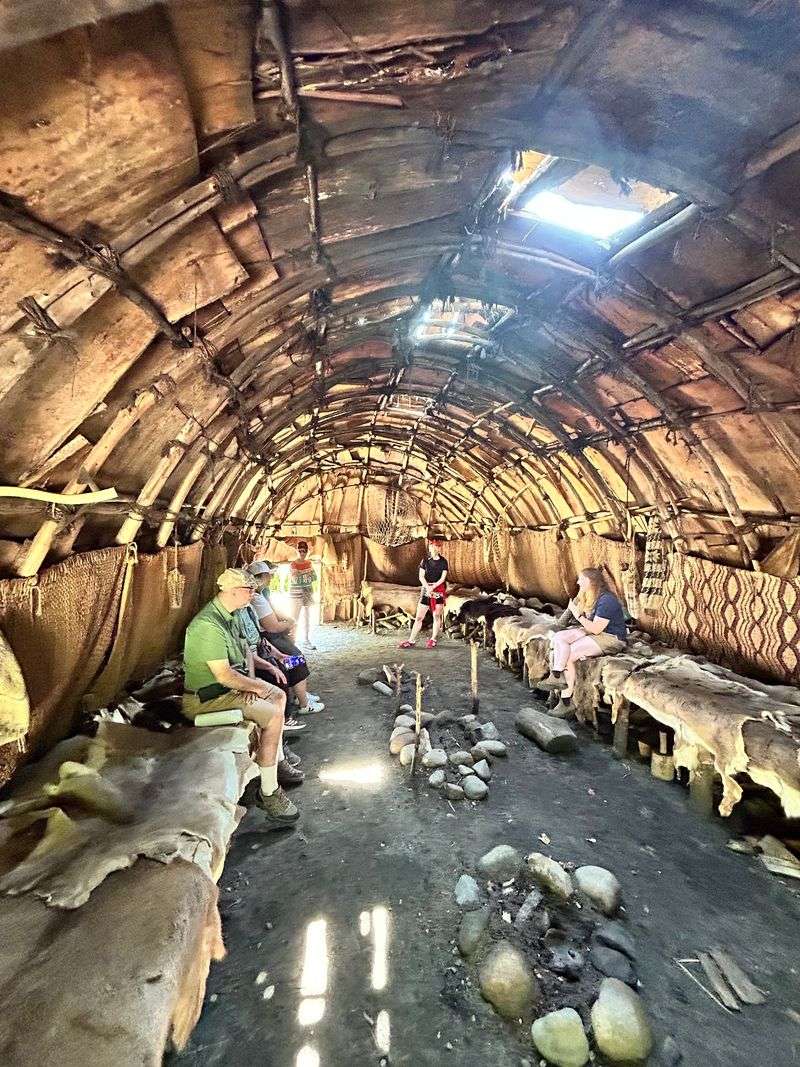
Plimoth Patuxet helps families understand this event in a fuller way. Inside the village homes, you can see open hearths, simple tools, and the plain furniture people used every day.
Cooking took hours of work, and nearly everything came from gardens, the woods, or the water.
Talking with the role-players about daily meals and farm chores gives kids a clear idea of how hard it was to get food on the table. Nobody could run to a store for missing supplies.
By the end of a visit, many families realize the real story is more about two groups of people, shared land, and hard work than about a fancy dinner. That lesson tends to stick around long after the trip ends.
Patuxet Homesite and 12,000 Years of History
Long before any ship arrived, the Wampanoag people lived on this land. Their history in the region stretches back about 12,000 years, which makes the 1620s look like yesterday.
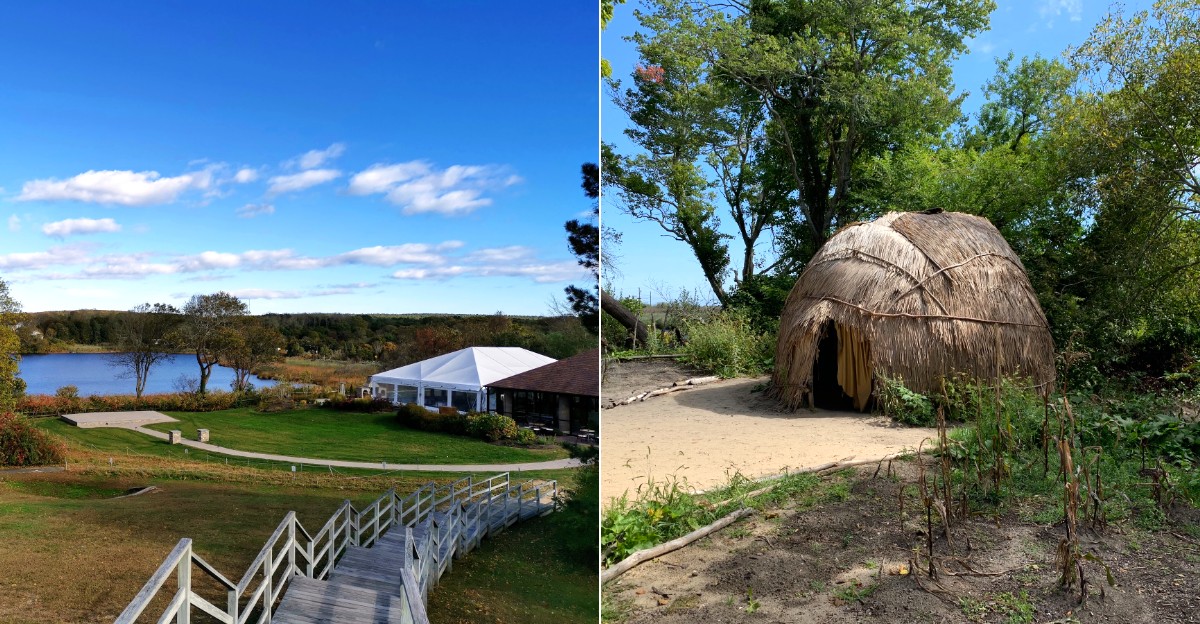
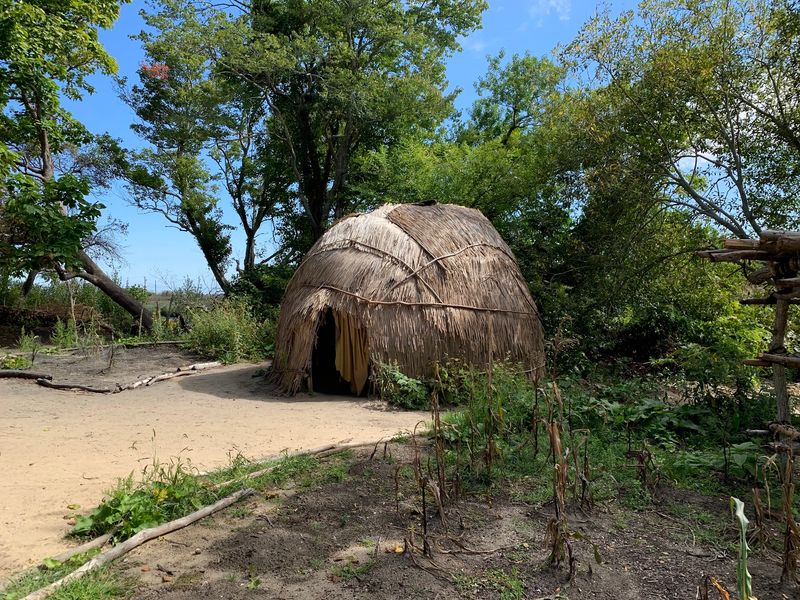
The Historic Patuxet Homesite sits close to the English village. Here, Native cultural educators share the traditions, skills, and heritage of the Wampanoag people.
There is one key difference from the village. These educators speak from a modern point of view, not in character.
That means families can ask direct questions and get honest answers about the past and the present.
Along the walking paths, you can find a wooden canoe, homes built in traditional style, and a replica cooking fire area. The educators explain how people fished, farmed, and lived with the seasons.
Some parts of this history are hard to hear, such as how land was lost over time. Older kids especially benefit from these talks.
Hearing both sides of the story helps families understand the harvest feast as a meeting between two very different peoples.
Chores Kids Actually Want to Do
Few kids volunteer to sweep the floor at home. At Plimoth Patuxet, though, the same chore somehow becomes exciting.
Families are often invited to join daily tasks in the village. Kids may help in the garden, sweep a house floor, or try splitting wood into shingles with a role-player showing the way.
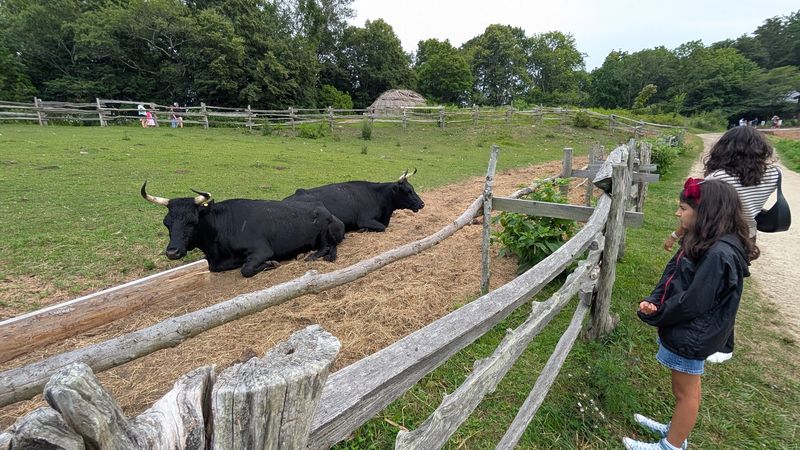
Then there are the animals. The museum keeps heritage rare-breed animals, including sheep, goats, and cows.
Some lucky guests get to pet and even feed the goats, and baby goats tend to steal the show.
Craft workshops and pottery areas add more hands-on learning. Kids can watch artisans at work and see how everyday items were made by hand long ago.
Parents might want to bring a little patience here. Kids may want to stay with the goats much longer than planned.
That is fine, since there is no rush.
Here is a tip worth remembering. The more effort your family puts in, the more you get back, so jump into those chores.
Bonus Stops: Mayflower II and the Grist Mill
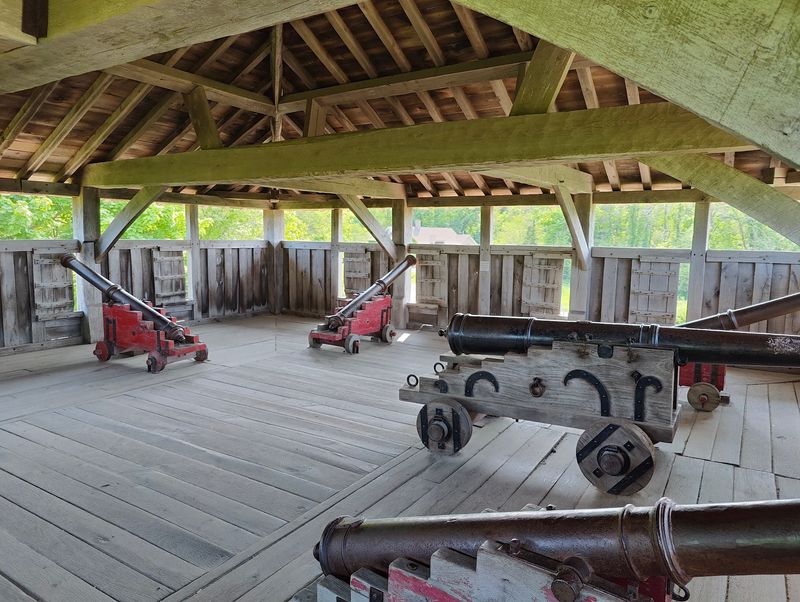
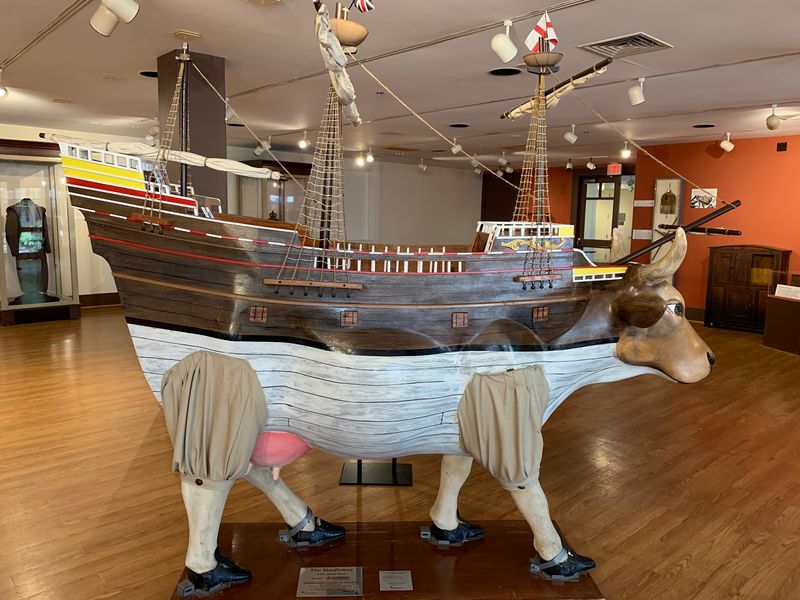
Want to see how the colonists got here in the first place? Admission tickets can be upgraded to include the Mayflower II, a replica ship docked at the Plymouth waterfront.
Climbing aboard shows families just how cramped the voyage must have been. Kids are often surprised that so many people crossed the ocean in such a small space.
The other add-on is the Plimoth Grist Mill, a working mill based on one from 1636. Guides there explain how water power turned the mill and helped grind corn into meal.
A ticket that covers all three sites is a popular choice. It links the journey, the village, and the daily work of feeding a community.
Since the ship and the mill are separate from the main grounds, plan extra time to travel between them. Some families visit the main museum first and save the ship for the afternoon.
Either way, the full combo turns a simple outing into a complete history adventure.
Smart Planning for a Smooth Day
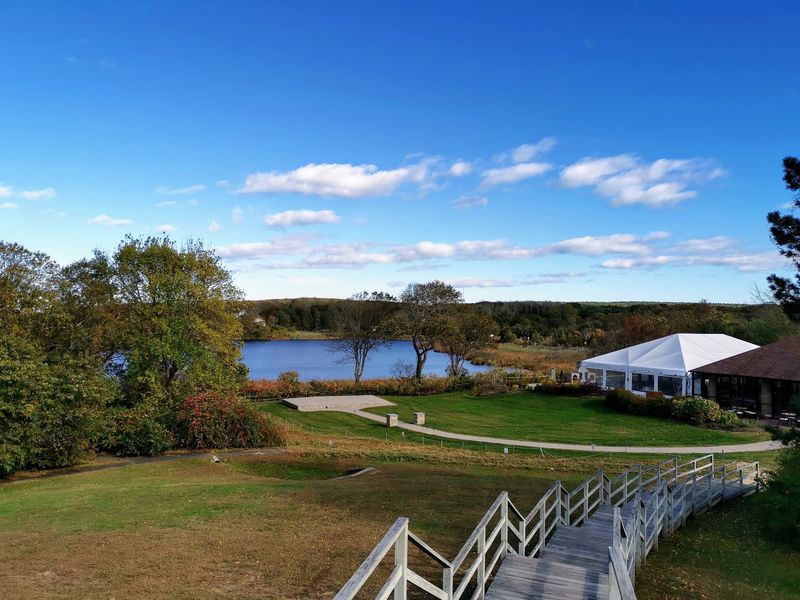
Good shoes are the secret weapon here. The grounds cover more than 30 acres, and there is a moderate amount of walking on dirt paths and hills.
Most families need a couple of hours at minimum. If you want to talk with lots of role-players and visit the homesite too, plan for several hours.
Arriving early is a smart move. Right after the 9 AM opening, the village is often quieter, which makes it easier to chat with the cast.
Large school groups sometimes visit, especially on weekdays during the school year. Calling ahead can help you pick a calmer day.
Guests with limited mobility have some help available. The museum offers golf cart rides with pickup and drop-off spots, plus sturdier off-road style wheelchairs.
Still, some areas take extra effort, so plan accordingly.
A café on site sells snacks and simple meals, which is handy with hungry kids. Bring a rain jacket too, since the experience runs rain or shine.
A Museum With Its Own Family Tree
Plimoth Patuxet has been teaching families for so long that it now has a history of its own. Many adults who come today first visited as children.
Some even have relatives who once worked on the grounds. Now those same people return with their own kids, passing the experience down like a family recipe.
That long run says a lot. The knowledgeable staff, the role-players who stay in character, and the honest Wampanoag perspectives keep people coming back for decades.
The setting helps too. The grounds overlook the Eel River, giving the whole visit a peaceful, open feeling.
Before leaving, take a stop at the gift shop. It carries reprints of some books from the period, which can help curious kids keep learning at home.
A trip here turns the first harvest feast from a cartoon picture into a real story about real people. Families leave with new questions, fresh ideas, and maybe a plan to come back next year with even more curiosity.