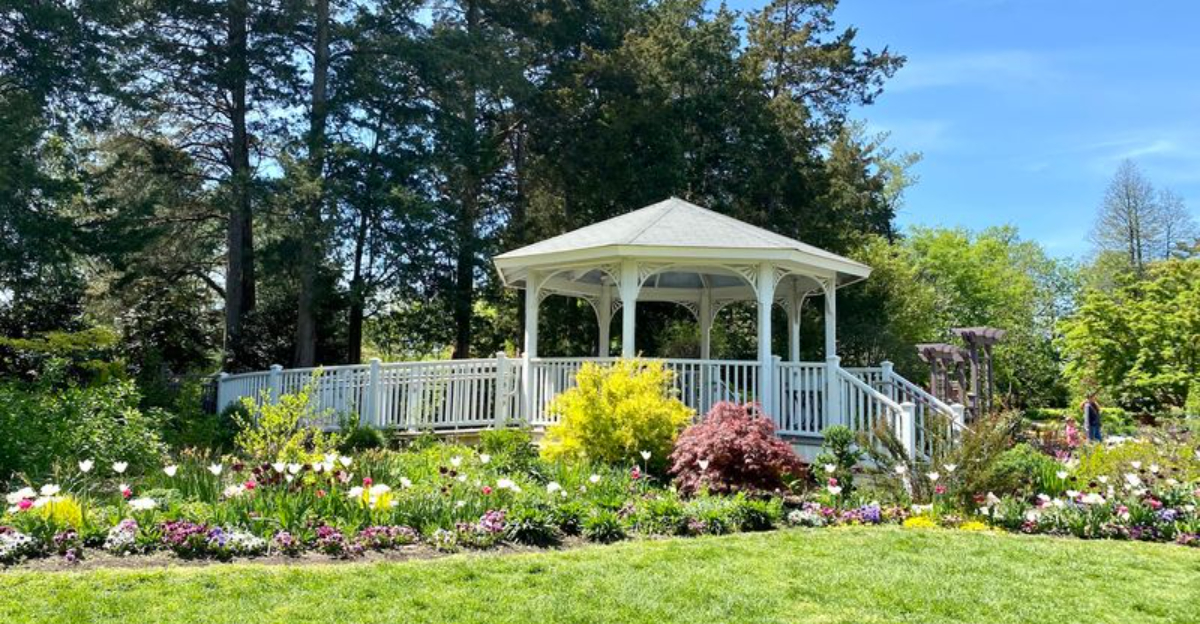
Fresh air feels better when it comes with flowers, shady paths, and a price tag of zero dollars.
Virginia is full of public gardens where you can slow down, wander without a strict plan, and enjoy a peaceful day outside without opening your wallet.
Some are tucked beside colleges, some bloom inside city parks, and others mix history, trees, wildlife, and quiet corners that feel far from busy roads.
Pack water, wear comfy shoes, bring a snack, and use this guide to find a free garden in Virginia that fits your mood, whether you want spring blossoms, fall color, a family walk, or a calm bench where you can simply breathe.
From the mountains to the coast, these spots prove that a beautiful outdoor escape does not need to be fancy or expensive.
Choose one nearby, invite a friend, and let the garden set the pace for your day.
1. Williamsburg Botanical Garden and Freedom Park Arboretum – Williamsburg
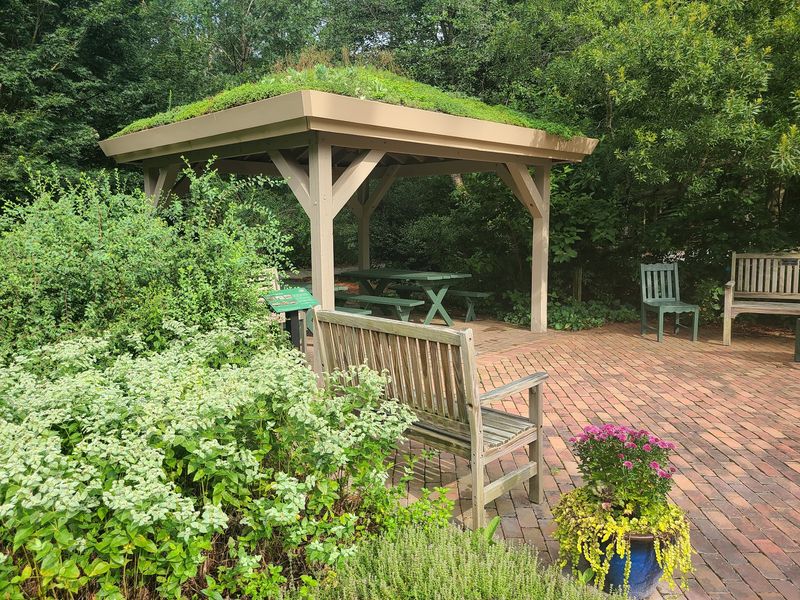
Butterflies often steal the show at this small but cheerful garden tucked inside Freedom Park in Williamsburg.
The Williamsburg Botanical Garden sits beside wooded trails, so a visit can be as short or as rambling as you want.
Expect native plants, pollinator beds, herbs, and seasonal blooms arranged in a way that feels friendly rather than formal.
Kids can look for bees, birds, and lizards, while adults enjoy benches, shade, and plant labels that make the walk quietly educational.
Freedom Park adds extra value with miles of trails, bike paths, picnic areas, and historic sites connected to one of the earliest free Black settlements in the area.
Admission to the garden and arboretum is free, but donations help volunteers keep it blooming.
Come in spring for fresh color, summer for busy pollinators, or fall for a softer woodland mood.
Bring bug spray, water, and a curious eye, because this garden rewards slow walkers who notice little details.
2. State Arboretum of Virginia – Boyce
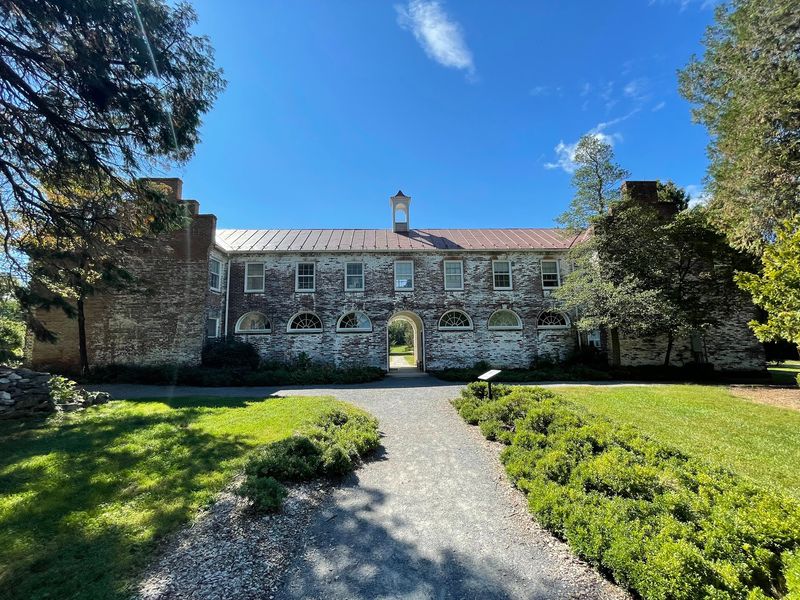
A grand tree collection waits in the quiet countryside near Boyce, and it feels more like a living museum than a regular park.
The State Arboretum of Virginia covers hundreds of acres at Blandy Experimental Farm, part of the University of Virginia.
Wide paths, open fields, and labeled trees make it easy to explore without feeling crowded.
The ginkgo grove is especially famous, turning brilliant yellow in fall and drawing visitors who love photos, leaves, and that golden glow.
Families can walk short loops, birdwatchers can scan the meadows, and plant fans can study oaks, conifers, maples, and shrubs from around the world.
Free admission makes it a smart day trip, though special programs may have fees.
Pack a picnic and check the weather, since much of the arboretum is open to sun and wind.
Dogs on leashes are usually welcome outdoors, but visitors should follow posted rules.
For a relaxing rural outing, this place gives you space to wander.
3. Edith J. Carrier Arboretum – Harrisonburg
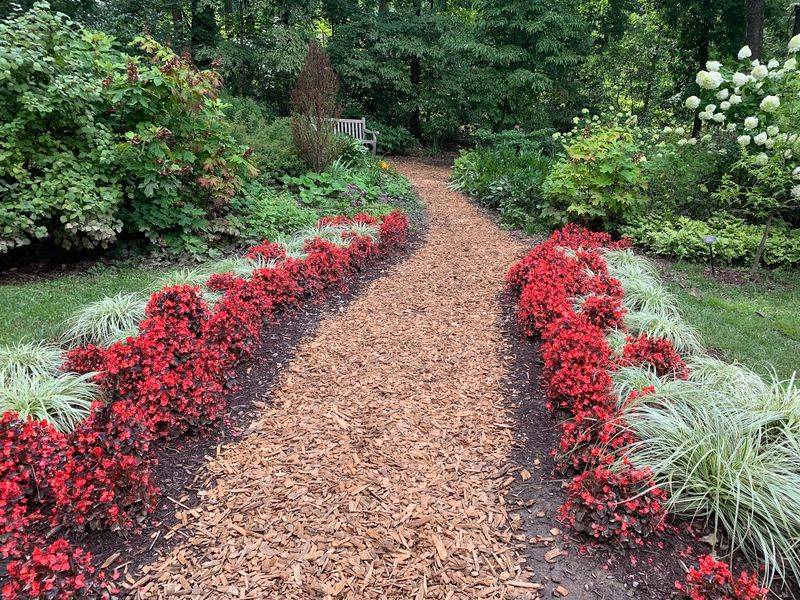
Right beside the energy of James Madison University, a leafy refuge surprises visitors with ponds, paths, and woodland calm.
Edith J.
Carrier Arboretum in Harrisonburg is free to enter and easy to enjoy at a slow pace.
The grounds include native plant gardens, quiet forest trails, a pond, and open areas where students, families, and travelers come to reset.
In spring, wildflowers brighten the forest floor, while summer brings deep shade and the sound of insects humming in the trees.
One helpful feature is the mix of natural paths and more open walking areas, so visitors can choose a gentle stroll or a slightly more adventurous loop.
Interpretive signs add small lessons without making the visit feel like school.
Parking details can change during campus events, so check the arboretum website before you go.
Bring a camera for reflections on the water, and give yourself time to sit.
The best part may be how quickly city noise fades away.
4. Peggy Lee Hahn Horticulture Garden – Blacksburg
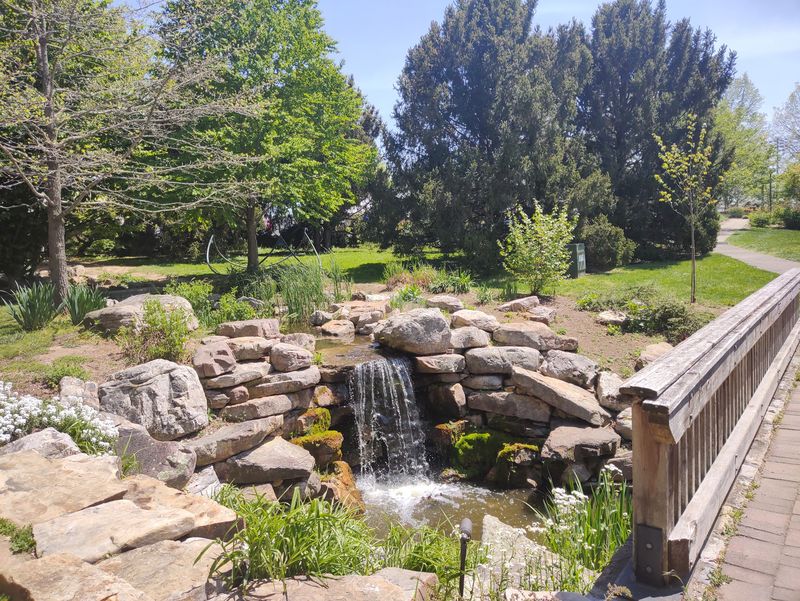
Color pops around nearly every corner at the Peggy Lee Hahn Horticulture Garden in Blacksburg.
Located on the Virginia Tech campus, this free garden feels polished, playful, and packed with clever planting ideas.
Visitors will find flower borders, water features, bridges, shade gardens, and carefully designed beds that change with the seasons.
It is a favorite stop for plant lovers who want inspiration for home gardens, but casual walkers can enjoy it just as much.
The garden is not huge, which makes it perfect for a relaxed break before lunch, after a campus tour, or during a Blue Ridge road trip.
Students often use it as a peaceful study spot, and photographers like the mix of textures, blooms, and paths.
Because it sits on campus, parking rules matter.
Look up visitor parking before leaving home, especially during weekdays or football weekends.
Come early for cooler air and fewer people.
Even a short visit can leave you with fresh ideas and a calmer mood.
5. Green Spring Gardens – Alexandria
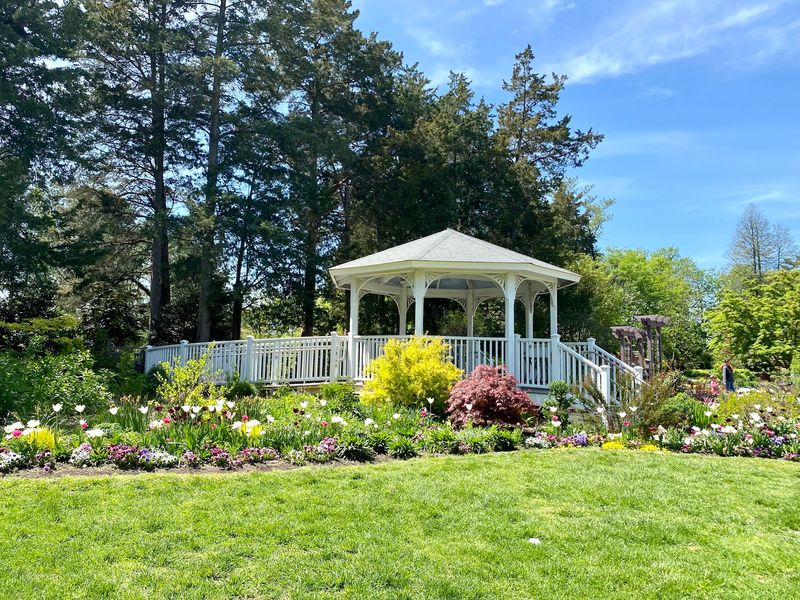
A garden with old-house charm and modern plant flair, Green Spring Gardens in Alexandria is a northern Virginia favorite for good reason.
Admission to the outdoor gardens is free, and the grounds feel rich with color in every season.
Visitors can wander through demonstration gardens, wooded paths, ponds, and borders filled with flowers, shrubs, and useful design ideas.
The historic house adds a graceful backdrop, while the plantings show what can grow well in local yards.
Gardeners may leave with a list of plants to try at home, but you do not need a green thumb to enjoy the place.
Benches, bridges, and shady corners make it easy to pause, talk, sketch, or simply watch dragonflies move over the water.
Programs, tea events, and some classes may cost money, so check ahead if you plan more than a self-guided visit.
Weekdays can feel quieter than weekends.
For a peaceful escape near busy roads and neighborhoods, Green Spring delivers a surprisingly deep breath.
6. Maymont – Richmond
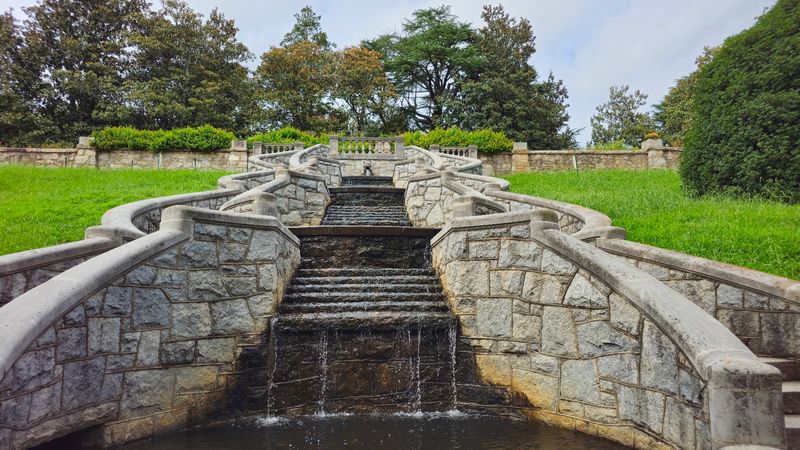
Maymont feels like Richmond saved a storybook hillside for everyone to enjoy.
The estate grounds and gardens are free to enter, though donations are encouraged and some buildings or special experiences may have fees.
The Italian Garden brings terraces, stonework, fountains, and big views, while the Japanese Garden offers curved paths, water, bridges, and a dreamy feeling that slows your steps.
Wide lawns, gardens, wildlife habitats, and old trees give visitors plenty to explore.
Plan for hills, because Maymont is beautiful but not completely flat.
Comfortable shoes will make the day much better, especially if you want to see several areas rather than one quick overlook.
Families can mix garden time with animal exhibits, while couples and solo visitors may prefer the quieter paths early in the morning.
Spring blooms are lovely, but fall color around the grounds can be just as rewarding.
Bring water, use the map, and let yourself roam.
Maymont is the kind of free outing that can fill an hour or an entire afternoon.
7. Joseph Bryan Park Azalea Garden – Richmond
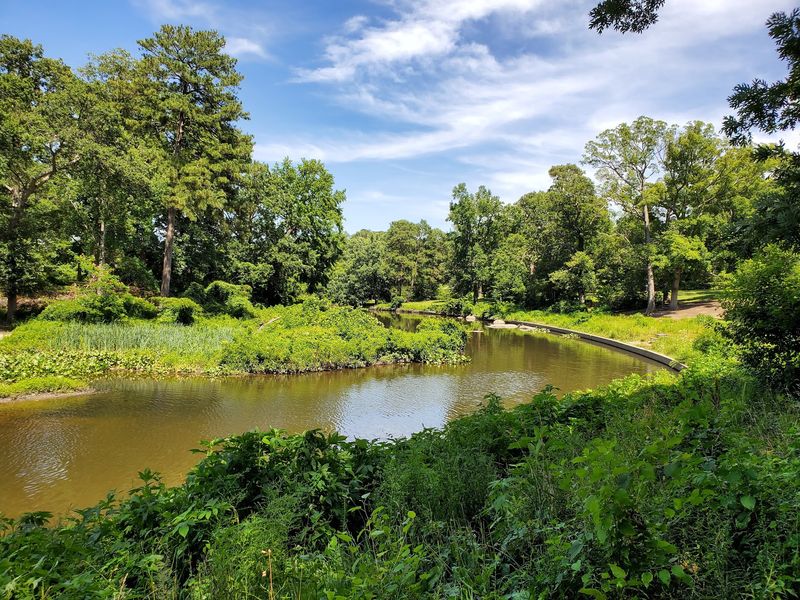
When the azaleas bloom, Joseph Bryan Park turns into one of Richmond’s most colorful spring surprises.
The Azalea Garden sits within a large public park on the city’s Northside, and admission is free.
Peak bloom usually arrives in spring, often around April, though timing depends on weather.
During that window, bright pink, white, purple, and red blossoms line paths and create the kind of scene that makes people stop mid-sentence.
The park also has trails, picnic spaces, disc golf, and open areas, so the garden can be part of a bigger outdoor day.
Birders like the area too, since trees and shrubs provide cover for many species.
Visit on a weekday morning if you want easier parking and a calmer walk during bloom season.
After heavy rain, some paths may feel muddy, so choose shoes that can handle dirt.
Even outside peak color, the garden area offers shade and a relaxed park setting.
For flower fans in Richmond, this free spot is a spring tradition worth keeping.
8. Tidewater Arboretum – Virginia
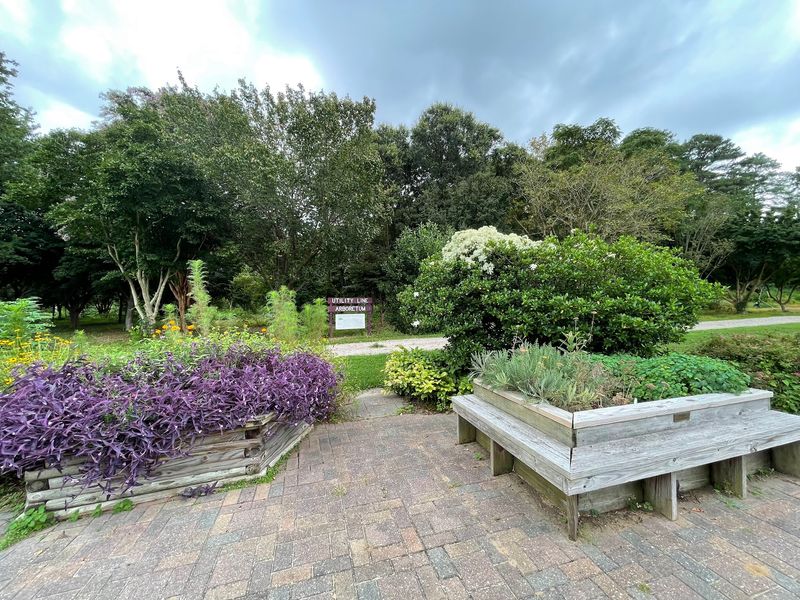
Coastal Virginia has its own rhythm, and the Tidewater Arboretum shows off plants that can handle heat, humidity, and sandy soils.
This free public arboretum is a helpful stop for anyone curious about gardening in the Tidewater region.
Rather than feeling flashy, the arboretum works like an outdoor classroom.
Visitors can look at labeled trees, shrubs, and demonstration plantings while learning which plants suit southeastern Virginia’s climate.
Because arboretums often focus on collections, take your time reading signs and noticing bark, leaf shapes, and plant habits.
A slow walk here can teach more than a quick scroll through garden photos, especially if you are planning a yard project.
Before visiting, confirm current hours and exact access details with the local extension or managing organization, since smaller public gardens can update schedules.
Bring sun protection, because young or open plantings may offer less shade than older parks.
This is a practical, low-key choice for a relaxed outing, especially for plant nerds, homeowners, and anyone who enjoys quiet green spaces.
9. Chesapeake Arboretum – Chesapeake
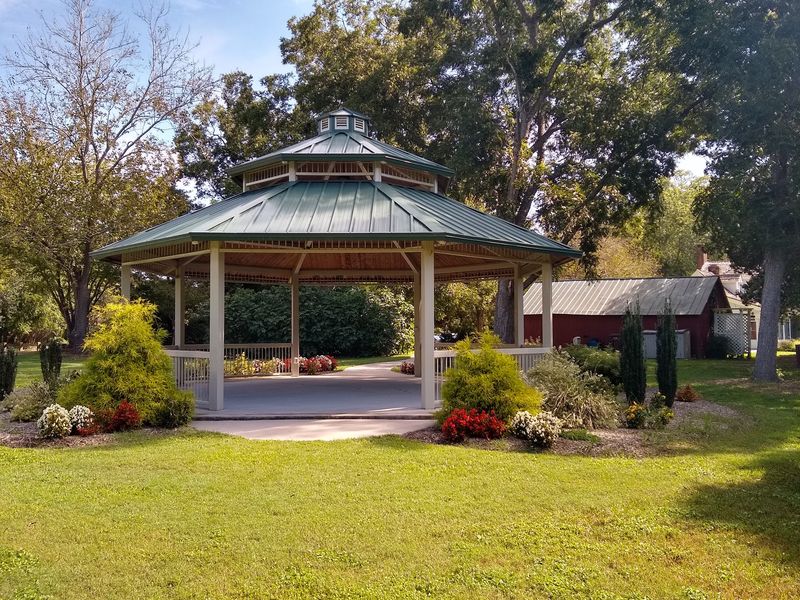
A farmhouse, forest trails, and native trees give the Chesapeake Arboretum a cozy, down-to-earth feel.
Located in Chesapeake, this free public space offers a pleasant mix of garden features and natural woodland.
The arboretum covers several acres around an old farmhouse and includes trails, gardens, and labeled plants.
Visitors can stroll beneath tall trees, cross small bridges, and enjoy a quieter side of a busy coastal city.
It is a strong pick for families because the paths feel approachable and the setting encourages exploring without rushing.
Nature lovers may spot birds, insects, mushrooms, and seasonal wildflowers, depending on the time of year.
Wear shoes that can handle roots or damp spots, especially after rain.
Since the site often hosts community programs and volunteer work, check the calendar if you want a peaceful visit or a guided event.
The Chesapeake Arboretum is not about fancy fountains or grand drama.
Its charm comes from shade, local plants, and the feeling that someone cared enough to protect a pocket of green for everyone.
10. UVA Gardens and Grounds – Charlottesville
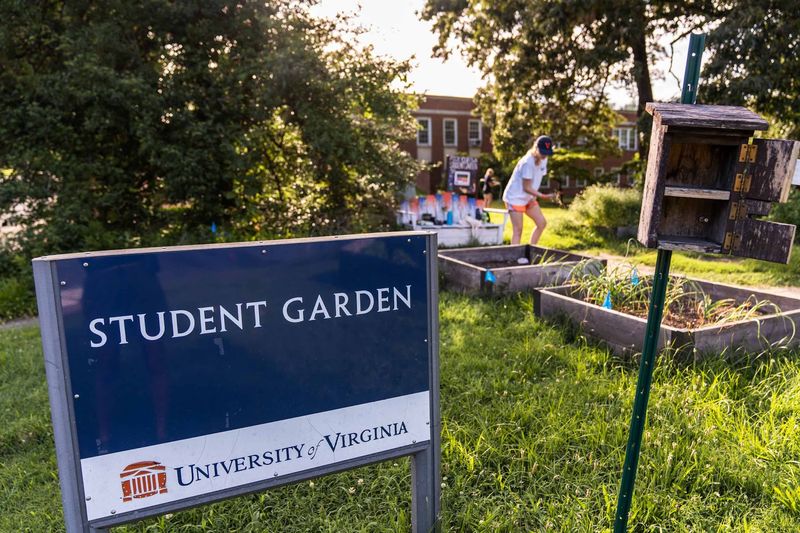
History and garden design meet in plain sight across the University of Virginia Grounds in Charlottesville.
The outdoor spaces are free to walk, and the setting around the Rotunda is one of the most famous landscapes in the state.
The Lawn, pavilions, serpentine walls, and garden spaces reflect Thomas Jefferson’s vision for an academic village.
Today, visitors can enjoy brick paths, old trees, small garden rooms, and views that feel both formal and lived-in.
Some pavilion gardens may have access limits or special rules, so respect signs and gates.
Even without entering every garden, the public paths offer plenty of beauty, especially when spring flowers or autumn leaves soften the historic brick.
Charlottesville can be busy during university events, so plan parking carefully and wear comfortable shoes.
A self-guided walk works well, but history fans may enjoy pairing the grounds with a tour or nearby museum stop.
For a free outdoor day with architecture, shade, and college-town energy, UVA’s gardens and grounds offer a thoughtful stroll.
11. Boxerwood Nature Center and Woodland Garden – Lexington
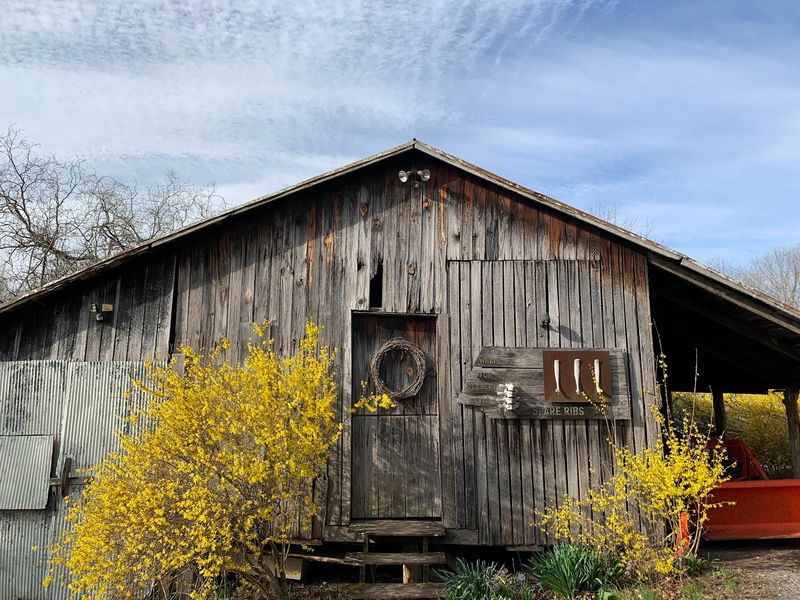
A little whimsy goes a long way at Boxerwood Nature Center and Woodland Garden in Lexington.
This community treasure blends trails, trees, meadows, children’s play spaces, and creative touches that make nature feel wonderfully welcoming.
Admission is generally free, though donations help support the center and its programs.
Visitors can explore woodland paths, native plant areas, small gardens, and outdoor learning spaces designed to spark curiosity.
Children especially enjoy the playful features, but adults will find plenty of reasons to linger.
The garden has a relaxed, slightly magical personality, with birdsong, shade, and unexpected details tucked along the way.
Check current hours before going, because nature centers may adjust access for programs, weather, or maintenance.
Bring water and clothes that can handle a bit of dirt if kids plan to play.
Lexington’s mountain setting adds to the charm, making Boxerwood a sweet stop after visiting downtown or nearby historic sites.
For families who want more than a simple walk, this garden invites touching, noticing, imagining, and learning at a gentle pace.
12. Old City Cemetery Gardens – Lynchburg
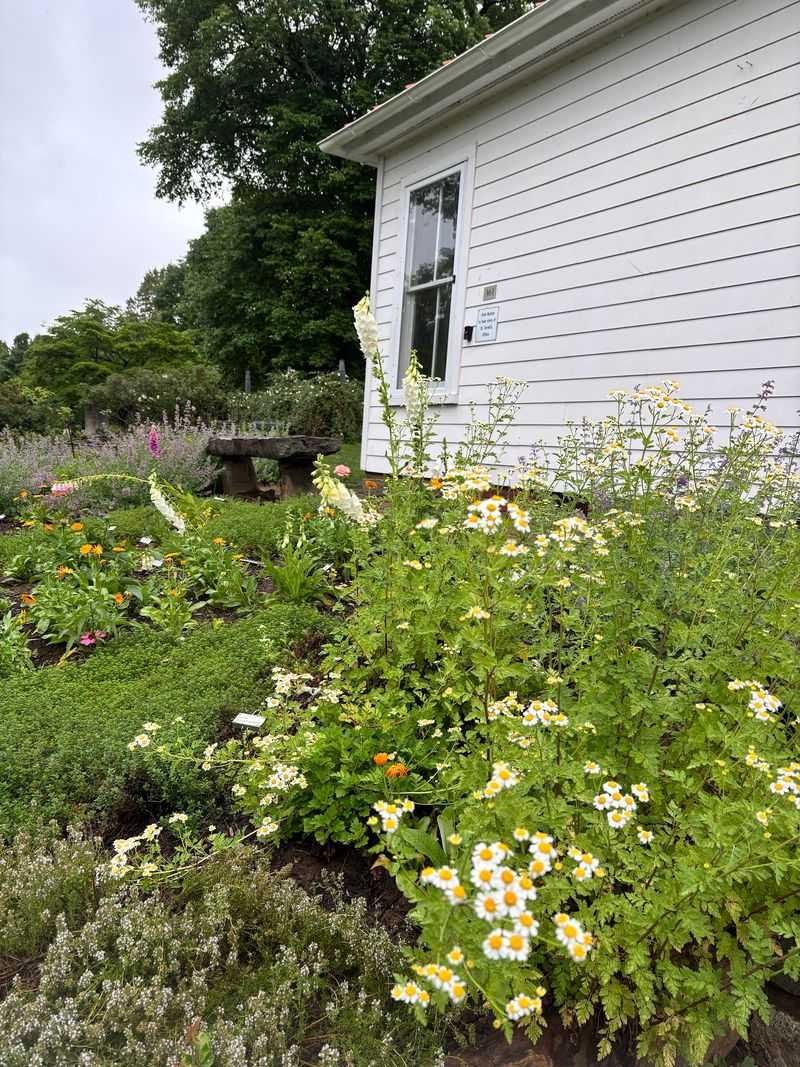
Roses and history share the same paths at Old City Cemetery Gardens in Lynchburg.
While a cemetery may sound like an unusual garden stop, this free public site is peaceful, beautiful, and full of stories.
The grounds include historic graves, interpretive signs, heirloom plants, and notable rose collections that connect visitors to earlier styles of gardening.
Walking here feels quiet and reflective, with flowers softening the weight of the past.
Respect matters more than speed in a place like this.
Stay on paths when asked, keep voices low near memorial areas, and treat the site as both a garden and a historic landmark.
Spring and early summer can be especially pretty when roses and other blooms appear, but the cemetery offers interest through much of the year.
The museums or special programs may have different schedules, so check before planning a full visit.
For travelers who enjoy places with depth, Old City Cemetery Gardens offers something rare: a free outdoor experience where beauty, memory, and local history grow side by side.