The sound of rain tapping against the windshield has a funny way of changing the day’s plans. Instead of rushing for umbrellas or waiting for the clouds to clear, it’s the perfect excuse to step inside and discover a different side of South Carolina—one filled with fascinating museums, historic homes, immersive exhibits, and places where hours seem to disappear without notice.
Across South Carolina, indoor attractions offer far more than shelter from the weather. You can wander through centuries of history, admire remarkable works of art, explore hands-on science exhibits, or watch giant aquariums come alive behind glass.
Many of these destinations are just as rewarding on a sunny day, but a rainy afternoon gives you every reason to slow down and enjoy them at your own pace.
If the forecast calls for showers, don’t cancel your plans—change them. These 13 South Carolina indoor attractions prove that a rainy day can become one of the most memorable parts of your trip.
South Carolina Aquarium
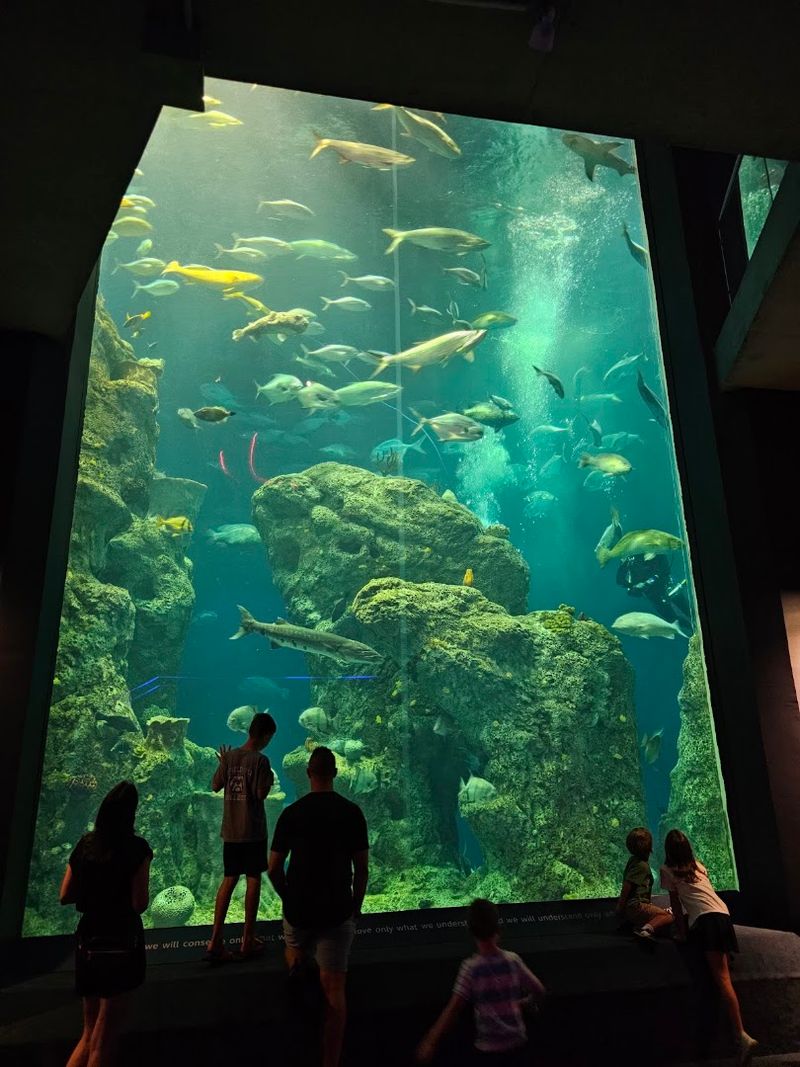
There is something about a stormy harbor that makes sea life feel even more mysterious. The dim blue glow of aquarium tanks becomes its own weather system, calming and hypnotic, while the world outside turns silver with rain.
You slow down almost immediately, drawn into a quieter rhythm.
At the South Carolina Aquarium in Charleston, the journey moves from mountain streams to the coastal marsh and open ocean. The sea turtle care center gives the visit real emotional weight, especially when you learn the stories behind the rescued animals.
Wide windows also frame the Charleston Harbor, so the shifting sky becomes part of the experience.
It is easy to spend longer here than planned. Children press close to the glass, adults linger at the jellyfish, and everyone leaves with that softened, saltwater kind of mood.
Ripley’s Aquarium of Myrtle Beach
When the beach disappears into fog and drizzle, going underwater somehow feels exactly right. The light turns deep blue, the noise softens, and suddenly the day takes on a dreamlike quality.
Even before the first shark glides overhead, you can feel the mood change.
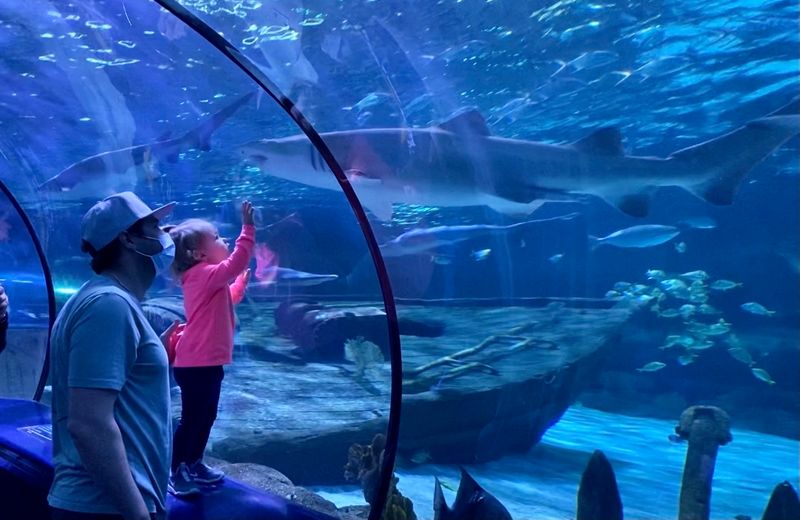
Ripley’s Aquarium of Myrtle Beach leans into spectacle, but it still leaves room for wonder. The moving glide path through the shark tunnel is the obvious highlight, with rays and fish passing above like slow clouds.
Elsewhere, touch tanks and bright reef displays keep the experience interactive without losing that immersive, underwater hush.
It works especially well when you want something energetic but easy. Families stay engaged, couples have plenty to talk about, and the whole visit carries that pleasant sense of stepping out of bad weather and into another world.
Patriots Point Naval & Maritime Museum

Bad weather sharpens the mood around military history. Gray skies outside seem to deepen the silence inside narrow passageways, where metal walls, compact bunks, and worn control rooms make the past feel less distant.
It is the kind of place that gets under your skin gradually, then all at once.
At Patriots Point in Mount Pleasant, much of the draw comes from stepping aboard the USS Yorktown and moving through spaces once packed with purpose. The flight deck is famous, but on a rainy day the interior exhibits often leave the stronger impression.
Medal of Honor stories, naval artifacts, and the submarine experience add texture beyond the scale.
You do not need to be a military enthusiast to feel something here. Curiosity turns into respect quickly, and the setting gives history a physical presence that books rarely can.
Children’s Museum of the Lowcountry
The happiest rainy days often sound like laughter bouncing off brightly painted walls. Shoes squeak, hands stay busy, and children move with the kind of focused energy that makes adults instantly relax.
Instead of waiting for the weather to clear, everyone settles into the pleasure of being exactly where they are.
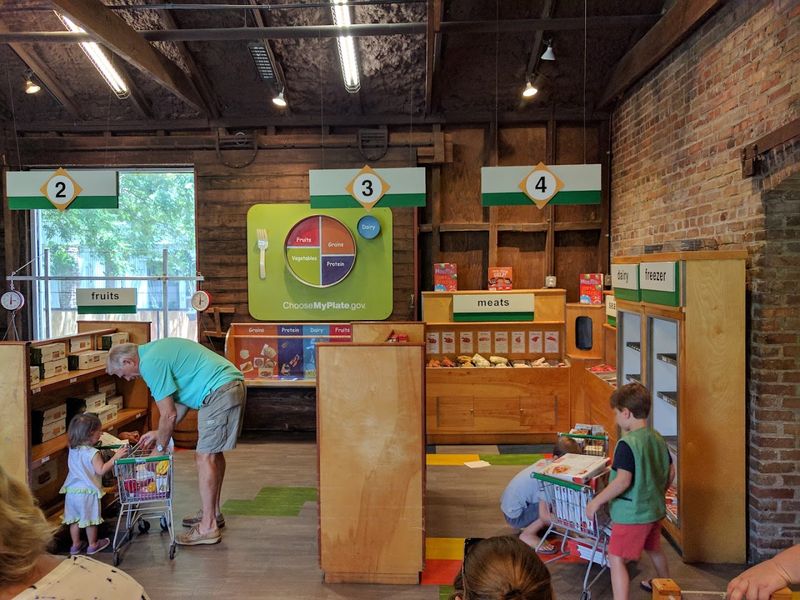
That is the charm of the Children’s Museum of the Lowcountry in Charleston. The exhibits invite hands-on play without feeling chaotic, and the spaces are designed for imagination as much as motion.
Kids can experiment, climb, build, and splash through activity zones that keep attention moving naturally from one corner to the next.
Parents usually appreciate the rhythm as much as the children do. There is enough variety to stretch a visit, enough structure to avoid overload, and enough joy in the room to make the storm outside feel almost useful.
South Carolina State Museum
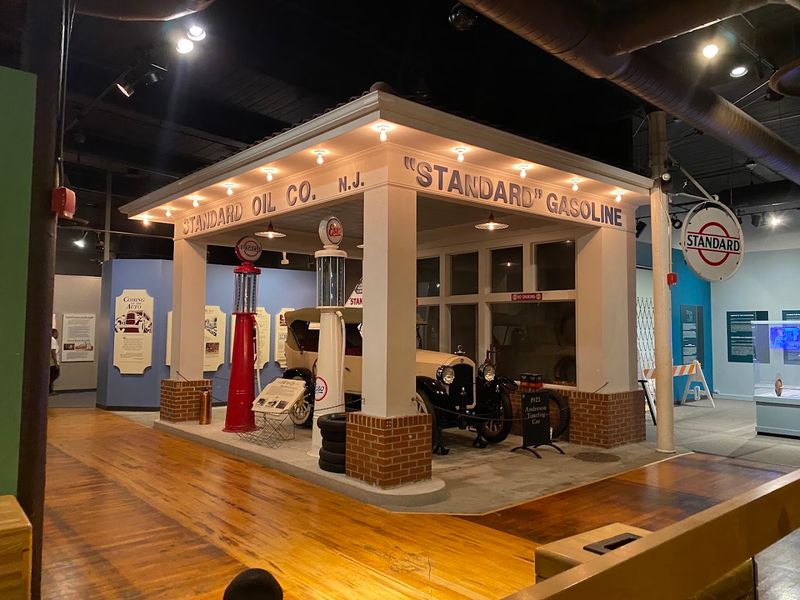
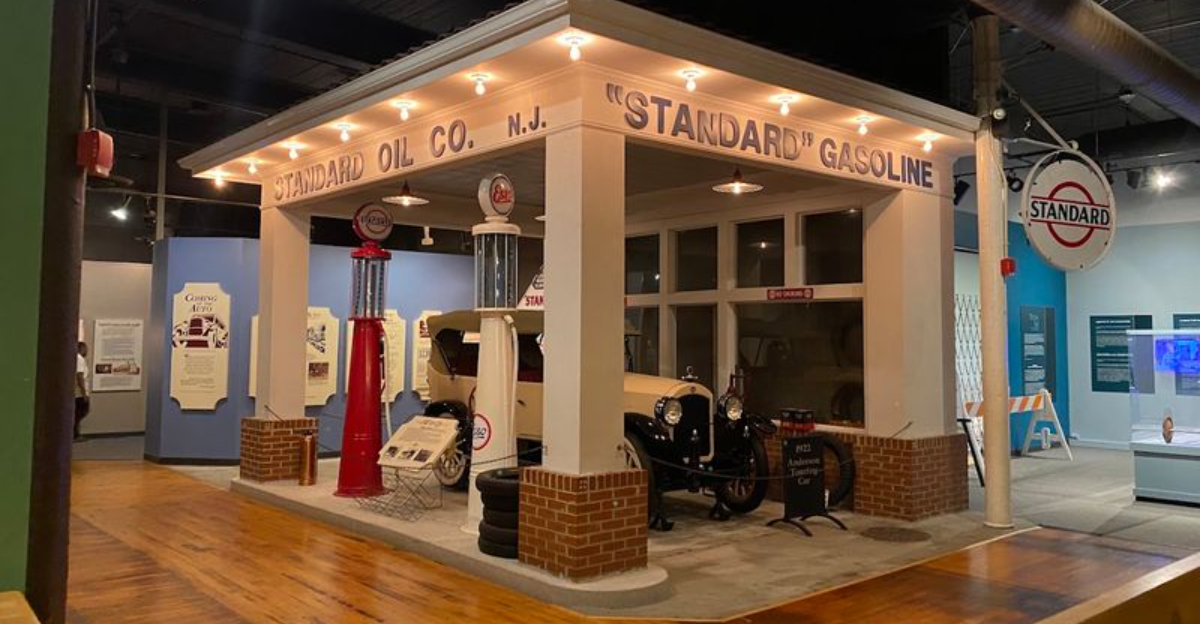
Rain tapping old windows can make a big building feel even more inviting, especially when the halls hold a little bit of everything. You walk in expecting to simply stay dry, then suddenly find yourself moving from art to fossils to space without ever losing that pleasant sense of discovery.
It feels less like killing time and more like opening a series of doors.
Inside the South Carolina State Museum in Columbia, the scale is part of the thrill. The former mill setting gives the galleries height and texture, while the planetarium and observatory add a surprising cosmic detour.
One minute you are studying Civil War artifacts, and the next you are peering at a giant prehistoric skeleton.
What lingers is the variety. It suits mixed-age groups beautifully, and on a wet afternoon, that range means everyone finds a corner that feels made for them.
Columbia Museum of Art
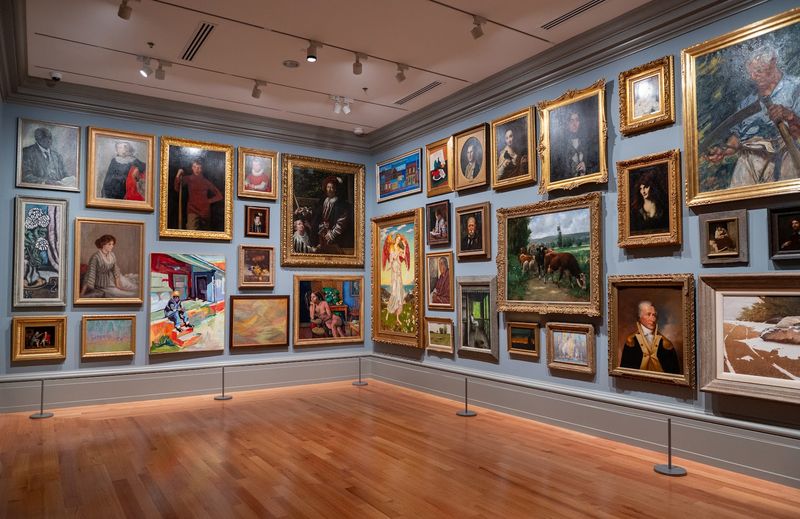
Some rainy afternoons seem made for polished floors, hushed galleries, and the private thrill of finding a painting that stops you cold. The city outside blurs into reflections, while inside every frame and sculpture appears a little sharper.
It is an especially satisfying kind of escape, quiet but not sleepy.
The Columbia Museum of Art delivers that mood beautifully in the heart of downtown. Its collection ranges across centuries, so you can move from European works to modern pieces without the visit feeling academic.
A strong traveling exhibition can change the tone entirely, and the museum’s airy design makes lingering feel natural rather than dutiful.
This is the place to choose when you want the day to slow down. Add a coffee nearby before or after, and the whole outing becomes less about weather and more about attention.
Upcountry History Museum
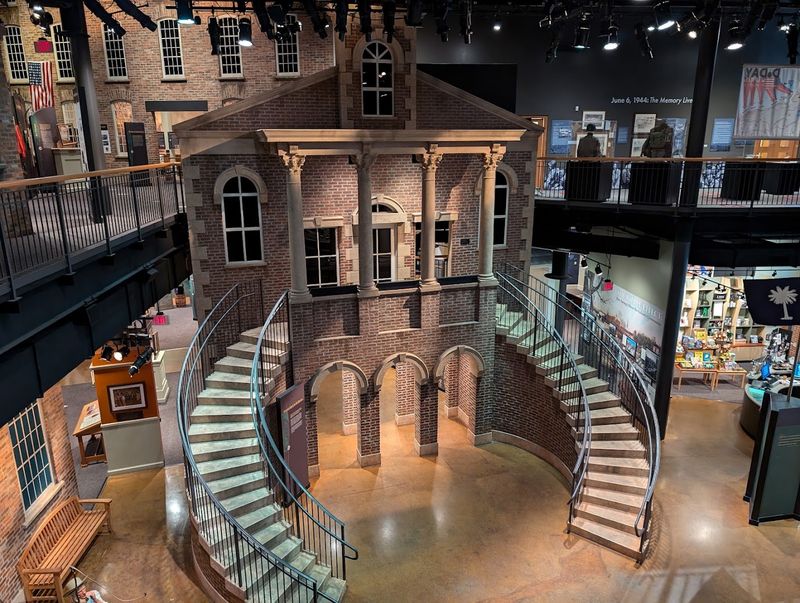
Rain can make local history feel less like background and more like a story waiting to be heard. You enter looking for shelter and end up following the personalities, industries, and turning points that shaped an entire region.
The best part is how personal it all begins to feel.
At the Upcountry History Museum in Greenville, the focus stays rooted in place, which gives the exhibits unusual intimacy. Textile mills, military service, community life, and changing traditions appear through objects and narratives that feel specific rather than generic.
Temporary exhibitions often add another layer, giving repeat visits a different tone from one season to the next.
It is a thoughtful stop when you want more than entertainment. By the time you leave, Greenville and the surrounding Upstate can look a little different, as though the streets outside now come with footnotes.
Greenville County Museum of Art
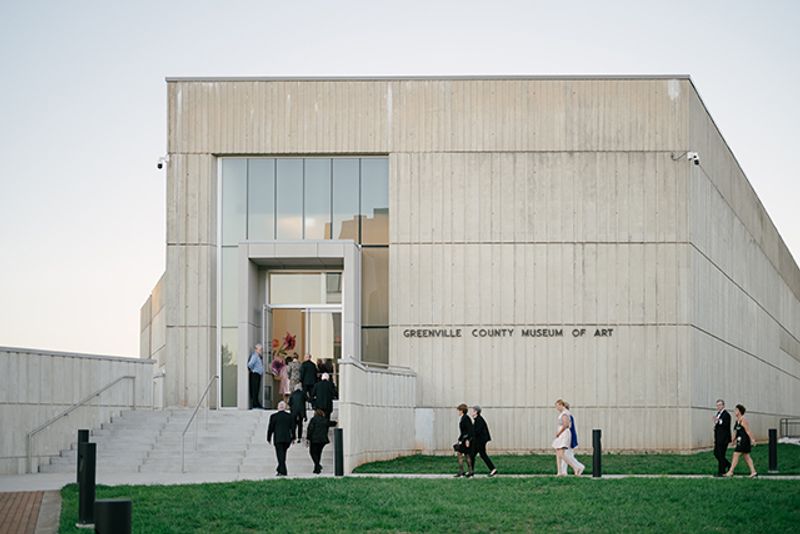
There are museums that impress loudly, and then there are museums that quietly pull you closer. On a wet day, that softer kind of place can be exactly right.
The silence feels generous, the pace becomes your own, and small details begin to matter more than spectacle.
The Greenville County Museum of Art has that effect. Known for its Southern art and strong Andrew Wyeth presence, it offers a collection that feels both refined and approachable.
You can drift through landscapes, portraits, and American works without rushing, then pause long enough for a single painting to change the mood of the whole afternoon.
What makes it memorable is its steadiness. It does not ask much from you except attention, and in return it gives you a calm, thoughtful break from weather, traffic, and the constant urge to keep moving.
Spartanburg Science Center
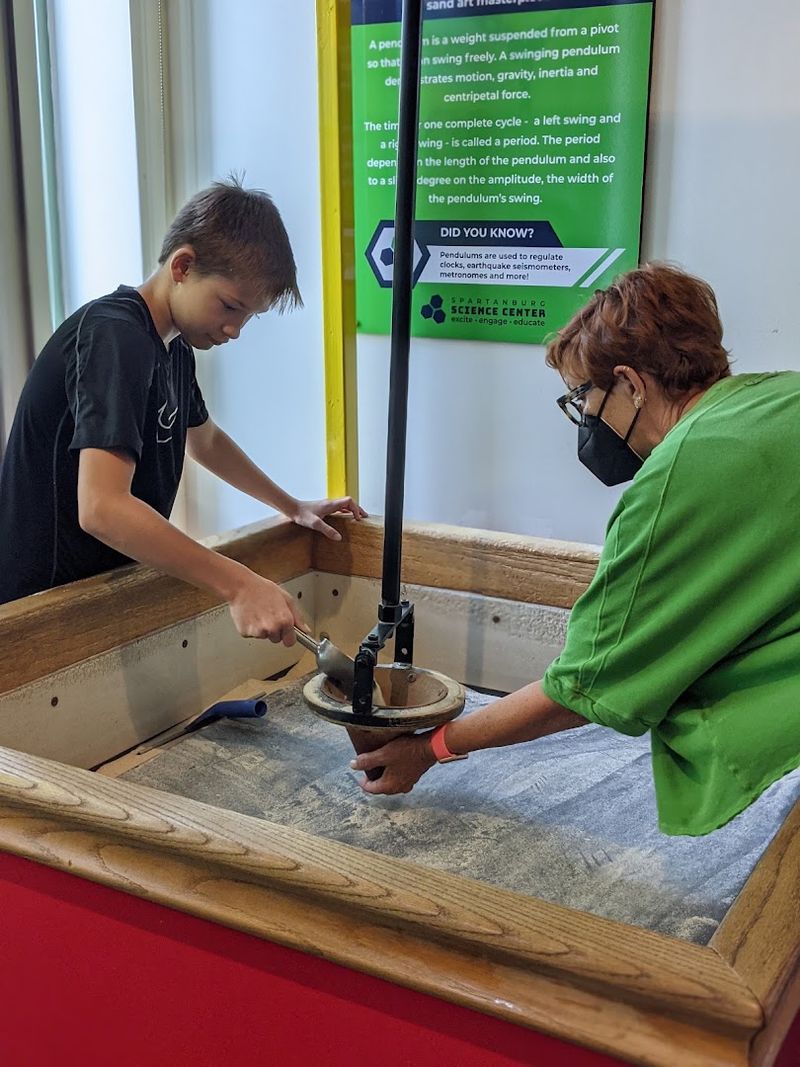
Sometimes the best rainy-day energy is curious rather than cozy. Buttons invite pressing, puzzles invite solving, and every room seems to ask what happens if you try one more thing.
That playful momentum gives the day shape, especially when everyone needs an activity that feels active indoors.
The Spartanburg Science Center offers exactly that kind of hands-on engagement. Its exhibits are approachable and interactive, with enough variety to spark attention from younger children while still interesting adults who like to tinker and observe.
Depending on the schedule, live demonstrations and special programming can make the visit feel more dynamic than its modest size suggests.
There is a certain charm in a place that values curiosity over flash. You leave having touched, tested, and wondered, which is often more satisfying than simply looking, especially when rain has already nudged the day off its usual course.
Roper Mountain Science Center
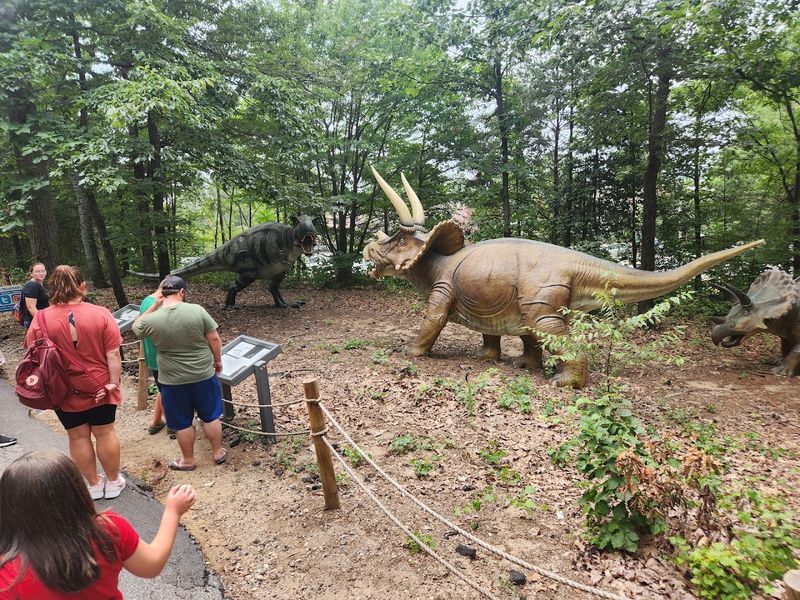
A rainy day can make science feel unusually cinematic. Darker skies outside set the stage for glowing displays, projected stars, and that subtle excitement of stepping into a place built around questions.
It feels especially good when the weather gives you permission to spend a whole afternoon exploring ideas.
Roper Mountain Science Center in Greenville blends education with a sense of occasion. The planetarium is often the emotional center of the visit, drawing everyone into a shared hush before launching outward into astronomy and wonder.
Other exhibits and labs keep things grounded with practical, hands-on learning that makes the experience feel active instead of passive.
What stands out is the balance. It works for families, school-age kids, and adults who still like learning for its own sake, turning a rainy interruption into a day that feels unexpectedly expansive.
The Charleston Museum
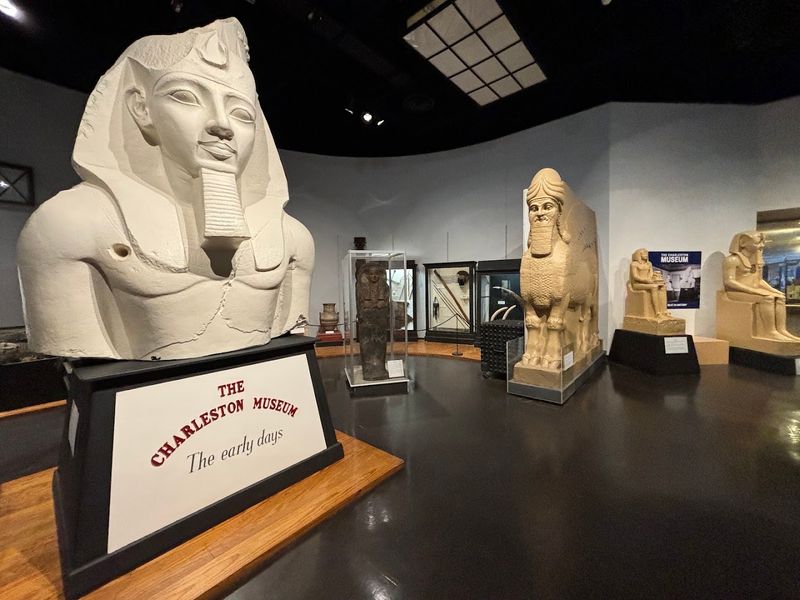
Old museums have a particular magic when the weather turns. The creak of floors, the glow of cases, and the sense of accumulated stories all feel richer under a gray sky.
Instead of rushing between outdoor sights, you get to settle into Charleston at a slower, more layered pace.
The Charleston Museum, often called America’s first museum, carries that atmosphere naturally. Its exhibits move through natural history, decorative arts, and Lowcountry life, creating a portrait of place that is broader than many visitors expect.
Cases of historic textiles, local artifacts, and cultural objects give substance to the city beyond pastel houses and carriage routes.
It is the sort of stop that deepens everything else you do afterward. Walk Charleston’s streets later, and you may notice details that would have slipped by before, from architecture to gardens to the habits of the harbor.
Florence County Museum
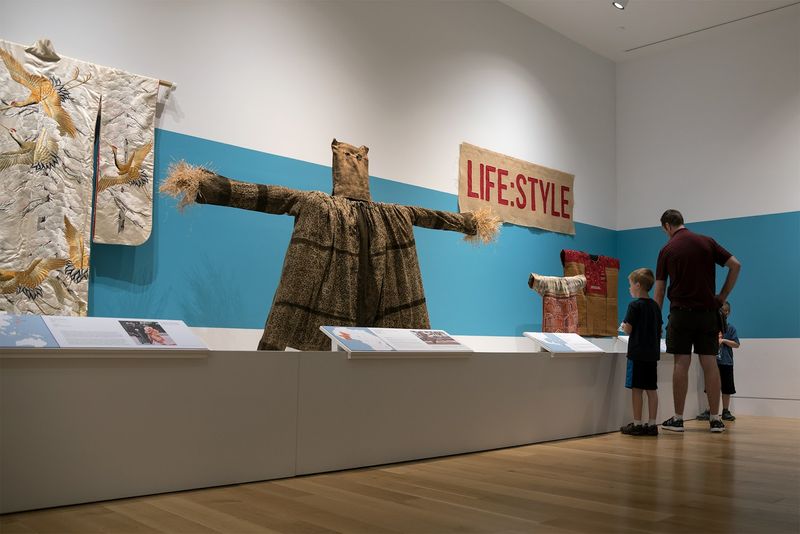
Some of the most rewarding rainy-day stops are the ones you did not expect to love. You step inside for an hour and end up lingering, surprised by how elegantly a smaller museum can hold your attention.
The intimacy makes each room feel less intimidating and more personal.
That quiet appeal defines the Florence County Museum. In Florence, the museum brings together regional art, local history, and changing exhibitions in a way that feels polished yet grounded.
Depending on what is showing, you might move from contemporary works to historical interpretation without any jarring shift, just a widening sense of the Pee Dee region and its creative life.
It is worth visiting because it never tries too hard. The space invites curiosity, rewards patience, and offers a thoughtful pause that can reset the tempo of a road trip or a rainy afternoon downtown.
The Boyd Foundation Aquarium & Reptile Conservation Center
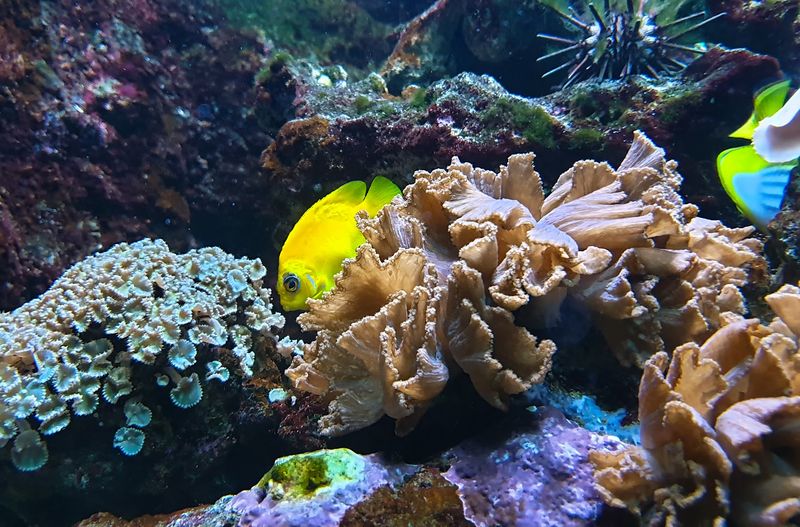
Warm air, leafy habitats, and the sudden stillness of a coiled snake can make you forget the storm almost instantly. This is a different kind of indoor refuge, one that trades umbrellas and puddles for glowing tanks and watchful eyes behind glass.
The atmosphere feels tropical, hushed, and slightly thrilling.
At Riverbanks Zoo & Garden in Columbia, the Boyd Foundation Aquarium & Reptile Conservation Center offers a close-up look at creatures that easily hold a room’s attention. Colorful fish flicker through the water while reptiles rest with prehistoric patience, inviting you to slow down and really look.
The conservation angle gives the visit more depth than a simple display of unusual animals.
It works beautifully as a rainy-day destination because the experience feels immersive from the first step inside. You leave both entertained and a little more alert to the fragile, fascinating lives sharing the planet.