A spellbook behind glass can tell a different story from the one in a scary movie: someone kept it, learned from it, and thought it mattered.
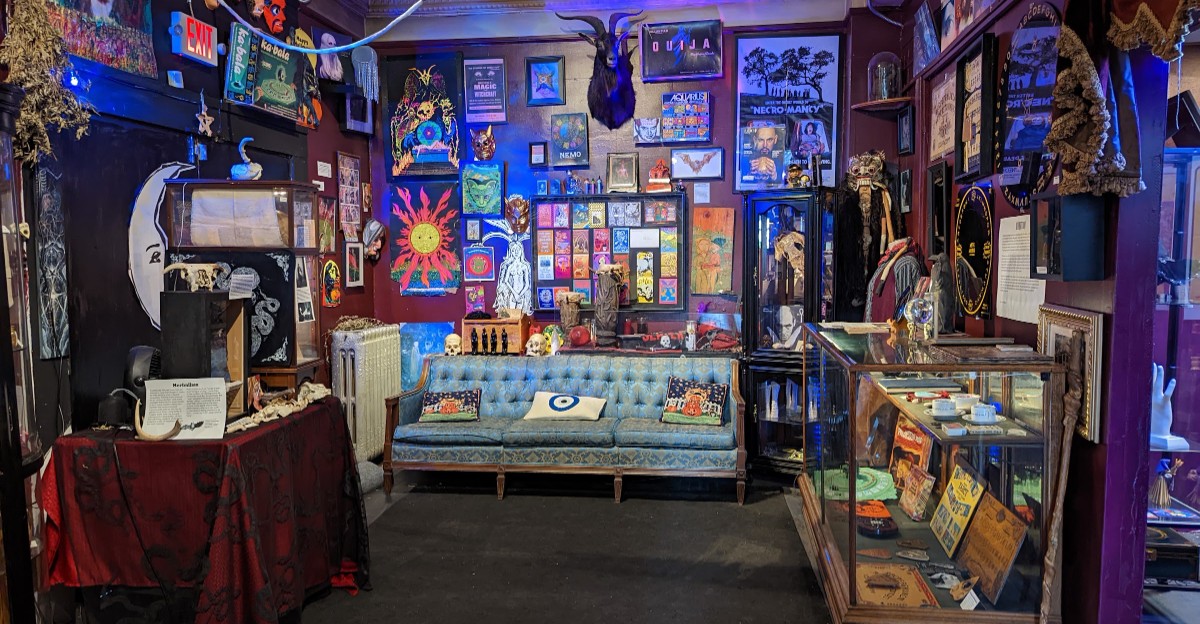
At the Buckland Museum of Witchcraft & Magick, books, ritual tools, art, and everyday keepsakes help visitors learn about people who practiced witchcraft and how their beliefs changed over time.
The museum matters because its collection gives real people and real objects a place in a story that is often told through rumors, jokes, or make-believe.
If you are curious about what witches read, what their tools meant, or how a small museum can hold so much history, come take a closer look at the details behind its displays and bring a question of your own.
Spellbooks With Stories
A worn book can reveal more than a dramatic title on its cover. At the museum, books help tell how people studied, wrote about, and shared ideas connected to witchcraft. Some visitors come expecting secret spells, but the real interest lies in the human choices behind each page.
Look closely at the dates, authors, and notes shown beside a volume. Those details can show whether a book was meant to teach, record beliefs, or reach curious readers. They also help separate a historical object from a story invented for entertainment.
Raymond Buckland began collecting material in 1966, giving the museum a long thread of history to follow. His collection offers a view into modern witchcraft as people practiced and discussed it.
Take your time with the labels instead of trying to read every shelf at once. Pick one book and ask a guide why it belongs in the collection.
You may leave with a better question than whether a spell worked. You might wonder who saved the book, who read it, and what it meant to them. That is where history starts to feel personal.
Ritual Tools With Real Histories
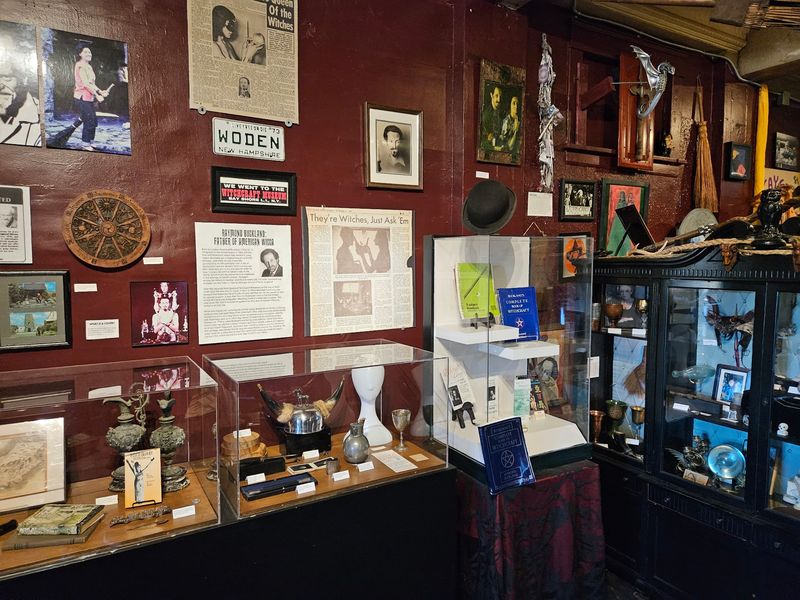
Staffs and other ritual objects can stop a visitor in midstep. They may look like props at first, yet the museum presents them as objects tied to people’s practices. A visitor has even noted staffs donated by notable witches among the displays.
Before guessing what a tool does, check its label and ask about its former owner. The shape alone cannot explain why someone kept, carried, or gave it away. Its story may involve a ceremony, a personal belief, or the history of a community.
Notice, too, how different materials change the feel of each piece. Wood, metal, and decoration can draw your eye, but context matters more than appearance.
If you visit with a child, invite them to describe what they see before discussing its meaning. That small pause turns surprise into a chance to learn without making fun of anyone’s beliefs.
A guided explanation can clear up confusing words and show which details are known. It can also leave room for questions when a full history has not survived. The best museum objects do not need special effects; the people connected to them make them memorable. Give each one a moment.
Raymond Buckland’s Growing Collection
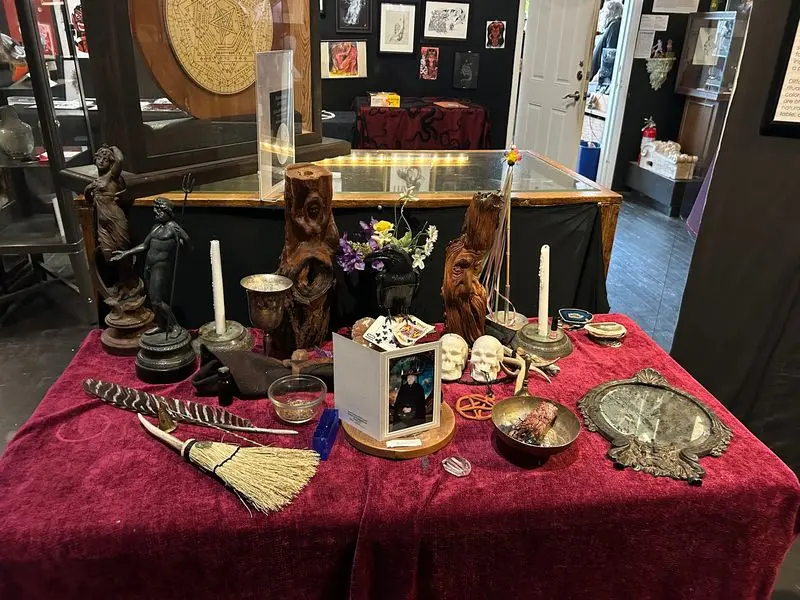
One collector’s curiosity helped create a room full of stories. Raymond Buckland started gathering objects in 1966, and his collection forms the heart of the museum. That makes the displays more than a group of strange finds gathered for a quick thrill.
As you move through the cases, imagine the choices involved in saving each piece. Someone had to recognize its value, protect it, and keep its story from being lost. Objects connected to books, beliefs, and popular culture sit together because those worlds often overlap.
A personal collection also has a point of view. It can show what Buckland found worth recording while leaving other parts of witchcraft history less visible.
That is a useful lesson for any museum visit. Ask what a collection can tell you, then consider whose voices you may not hear. A guide may help explain how an item reached the museum and why it matters.
Even if you have never studied witchcraft, you can understand the care behind keeping a record. Think of family photos or letters saved in a box at home. Buckland’s objects invite the same question on a larger scale: what should future people remember?
Tarot Cards Beyond Movie Scenes
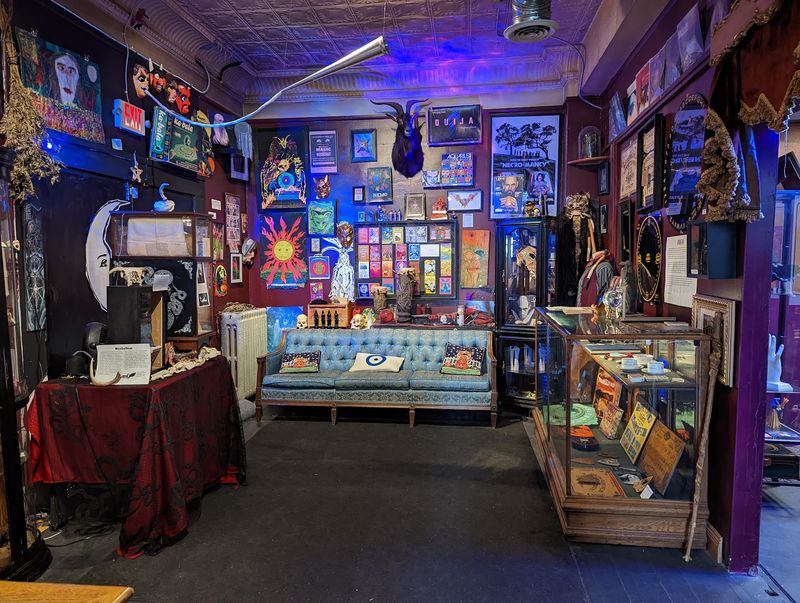
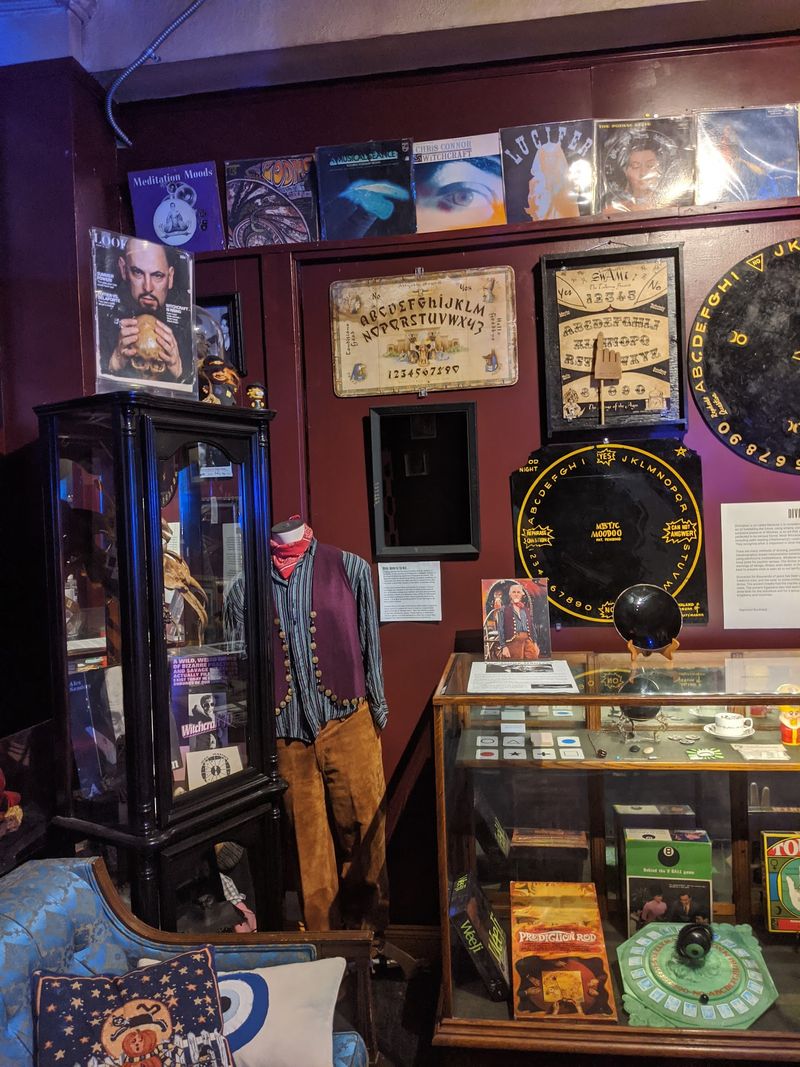
A cabinet of tarot cards can be easy to rush past until the artwork catches your eye. Visitors have mentioned tarot among the museum’s many objects, and the cards offer a good reason to slow down. Different decks can reveal changes in style, taste, and the way people present symbols.
Start by looking at the pictures rather than trying to guess a future event. What colors repeat, and which figures seem familiar from stories or art? Noticing those choices helps you see a deck as something people designed and used.
Ask a guide whether a particular deck has a known owner or date. Without that background, it is easy to treat every set as though it tells the same story.
Cards in a museum also show how an object can mean different things to different people. One person may study its images, while another may connect it with a personal practice. You do not have to share a belief to listen respectfully.
If you are visiting with friends, compare the details each of you spots first. A tiny symbol one person notices may change the whole conversation. That is part of the fun of a small collection: a familiar card becomes a doorway into art and history.
A Look at Witchcraft in Popular Culture
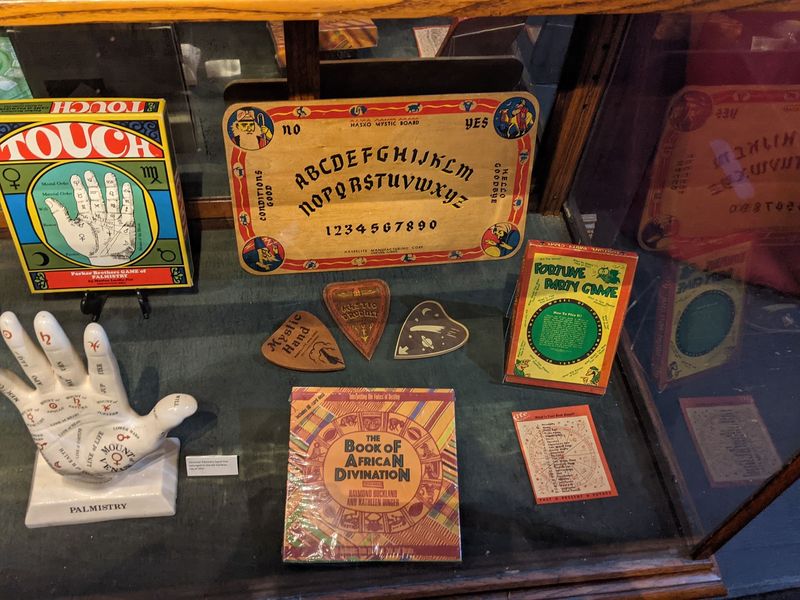
A board game beside a serious historical object might make you do a double take. The museum includes items tied to the public’s interest in the occult, including games and records mentioned by visitors. Its collection also holds original Fillmore handbills with bright art from the 1960s.
Those pieces tell a story about how witchcraft appeared outside private practice. Music, advertising, and games can turn an idea into something many people recognize, even when the picture is incomplete. A colorful poster may say more about its decade than about a ritual.
Try comparing a playful object with a tool used by an actual practitioner. Which one seems made to catch a buyer’s eye, and which has a personal history?
That question helps you spot the gap between popular images and lived experience. It also keeps the exhibit enjoyable: there is room to smile at an odd game and still take the history seriously.
Ask about the source of any object that surprises you. A guide may know how it joined the collection or what people made of it at the time. By the end, you may notice how quickly entertainment shapes what the public thinks it knows about witchcraft.
Guides Who Add the Missing Details
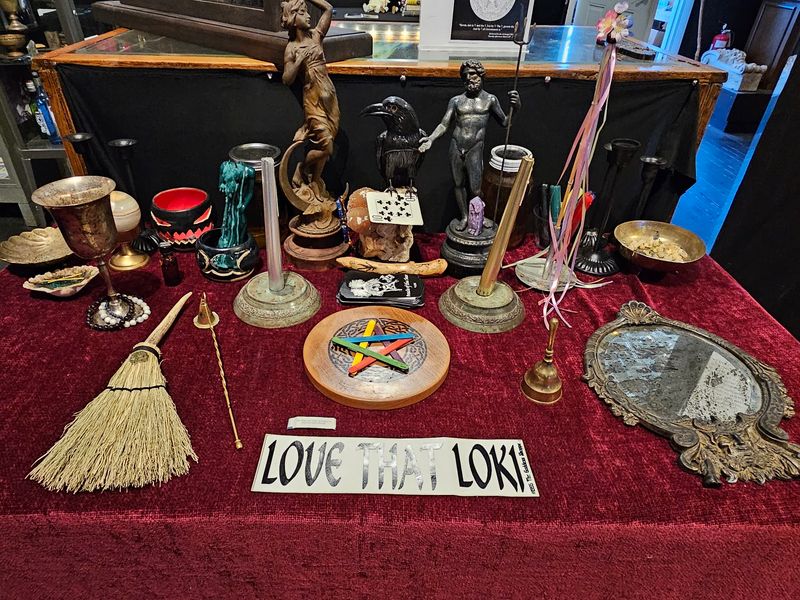
Sometimes the best exhibit detail is a story you cannot fit on a label. Visitors often praise the museum’s guides for explaining artifacts and welcoming questions. That matters in a compact space where many objects compete for attention.
Rather than trying to understand everything at once, choose two pieces you want to know more about. Ask who owned them, how they came to the museum, or what a visitor often gets wrong. A clear question can lead to a richer answer than a quick walk past the case.
Guides may also help distinguish a historical item from an imitation. One visitor, for example, noted an imitation hand of glory in the collection. Knowing that difference keeps an unusual display from turning into a false claim.
Listen for what a guide knows and what remains uncertain. Good history includes both, and there is no need to pretend every object has a complete record.
Families can make the conversation easier by letting each person pick one item to ask about. Younger visitors may notice details adults miss. The result feels less like a test and more like sharing discoveries with someone who knows the collection well.
Art That Rewards a Second Look
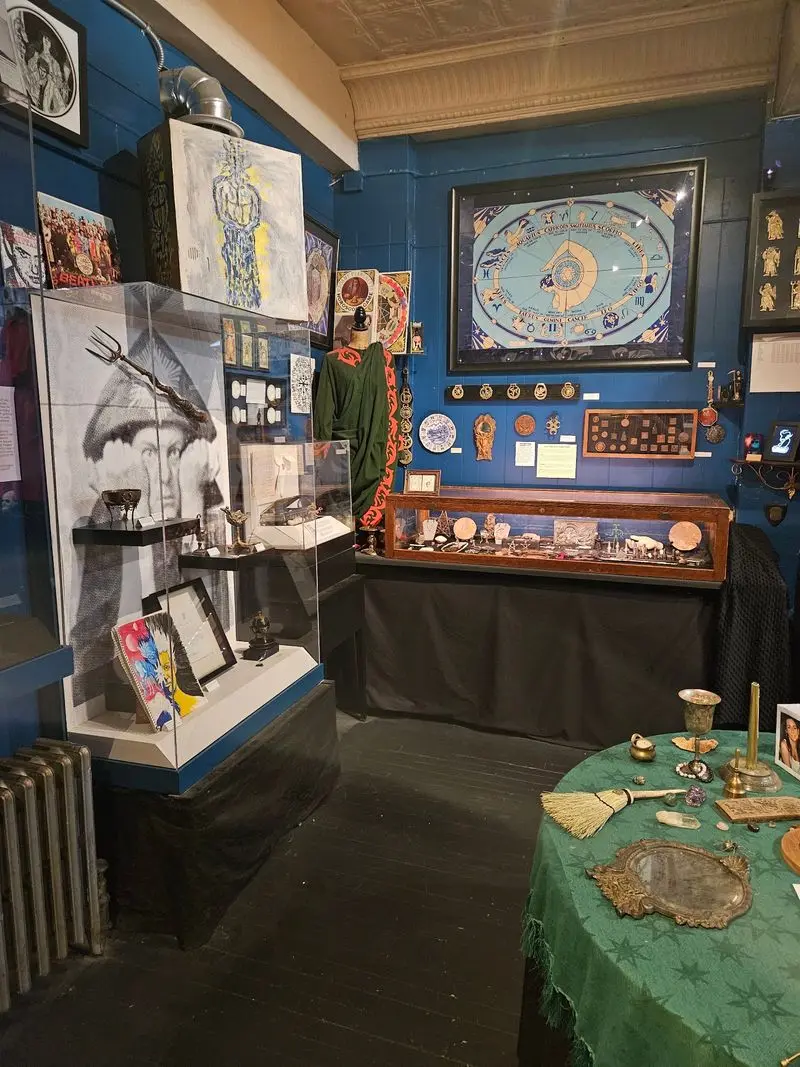
Look up from the cases, and another part of the story may be hanging nearby. Visitors describe art throughout the museum, from colorful prints to work by independent comic artists. Those images add another way to see how people have pictured witchcraft and the occult.
Art does not always explain itself like a dated label. Its colors, figures, and mood may raise questions before they offer answers. That is fine: noticing your own reaction is a useful first step.
Find one piece you enjoy and one you find puzzling. Then ask whether either connects to an object in a nearby case. The comparison can show how artists borrow symbols while giving them new meanings.
Not every image should be treated as a picture of a real ceremony. Some works reflect imagination, humor, or the style of their time. Keeping that difference in mind helps you enjoy the art without confusing it with proof of a practice.
If the room feels packed, let the artwork set your pace. Take a short break from reading labels and follow the shapes that catch your eye. You may return to an artifact with a new question, which is exactly what a lively collection can inspire.
Planning Time to See It All
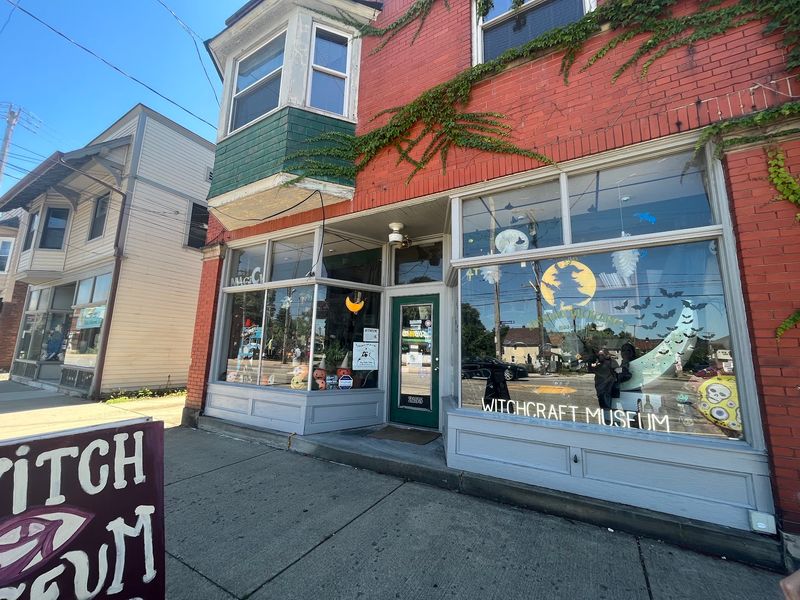
Small museums can hold more than you expect, so leave space in your plans to linger. The Buckland Museum of Witchcraft & Magick is at 2155 Broadview Rd in Cleveland, Ohio. Its displays are compact, but visitors often say they discover more by slowing down.
Check the museum website before leaving home for current hours and ticket details. The listed schedule starts at noon each day, with closing times that vary. Buying ahead may help you plan, but confirm prices and availability before counting on a discount.
Once inside, let your interests guide the visit. You might begin with books, return to the ritual tools, then ask about an artwork you nearly missed.
The shop offers another chance to browse books, crystals, and other items after viewing the exhibits. Treat it as an extra stop rather than a substitute for the collection. A purchase is not required to enjoy the history.
Before you leave, think back to the object that changed your first impression. Was it a handwritten page, a card, or something a guide explained? Carry that question with you, and the museum may stay in your thoughts longer than its size suggests.