
Retirement is one of the biggest decisions you’ll ever make, and where you choose to live plays a huge role in how comfortable and enjoyable those years turn out to be.
Ohio might not be the first state that comes to mind, but it quietly offers a combination of affordability, healthcare, culture, and community that many popular retirement destinations simply can’t match.
From charming small towns to well-equipped cities, the Buckeye State has a lot going for it.
Whether you’re already planning your move or just starting to explore your options, Ohio deserves a serious look.
Lower Cost of Living Compared to National Average

Stretching a fixed income in retirement can feel like a constant juggling act, but Ohio makes that challenge noticeably easier. The state consistently ranks below the national average in key spending categories, including housing, groceries, utilities, and transportation.
That gap adds up to real savings month after month.
For retirees living on Social Security, a pension, or modest savings, those extra dollars can mean the difference between just getting by and actually enjoying life. You might afford a nicer home, take more weekend trips, or simply worry less about unexpected expenses.
Ohio’s lower costs don’t come with a trade-off in quality, either.
Many retirees are surprised to discover that Ohio cities and towns offer solid restaurants, good schools for visiting grandchildren, and well-maintained public spaces — all without the steep price tags found in coastal metros. The cost advantage is one of the most practical and immediate benefits Ohio offers to anyone entering their retirement years.
Affordable Housing Market

Back in the 1800s, Ohio was one of America’s fastest-growing states, which means it’s packed with beautifully built historic homes that have stood the test of time. Today, many of those same properties are available at prices that would make a California or Florida buyer do a double take.
Affordable housing is one of Ohio’s biggest retirement selling points.
Whether you’re drawn to a Victorian-era home in a quiet river town, a low-maintenance condo near a suburban shopping district, or a newer ranch-style house in a retirement community, Ohio’s market offers real variety. Median home prices in many Ohio metros fall well below the national average, leaving more money in your pocket for the things that matter most in retirement.
Renting is also a reasonable option, with apartment costs staying relatively manageable compared to Sun Belt hotspots like Phoenix or Tampa. Downsizing becomes far less stressful when the prices are already reasonable to begin with.
Ohio’s housing market is one of the most welcoming in the country for retirees who want value without compromising on comfort.
Strong Access to Quality Healthcare Systems

Ask any retirement planner what matters most to people over 60, and healthcare will almost always top the list. Ohio punches well above its weight in this category.
The Cleveland Clinic is consistently ranked among the best hospitals in the entire United States, drawing patients from around the world for complex cardiac, neurological, and surgical care.
Ohio State University’s Wexner Medical Center in Columbus is another nationally recognized institution, offering cutting-edge research alongside everyday medical services. Beyond those flagship systems, Ohio has a strong network of regional hospitals, specialty clinics, and outpatient facilities spread across the state.
You don’t have to live in a major city to access solid care.
For retirees managing chronic conditions, recovering from procedures, or simply wanting peace of mind about their long-term health, this kind of medical infrastructure is genuinely reassuring. Many rural and suburban Ohio communities are also well-served by urgent care centers and telehealth options.
Having world-class medicine within driving distance — or even a short flight away — makes Ohio a medically smart choice for anyone entering their senior years.
Four Distinct Seasons Without Extreme Climate Pressure

Some retirees crave year-round sunshine, but many others miss having real seasons after spending years in a climate-controlled bubble. Ohio delivers all four in a way that feels balanced rather than brutal.
Summers are warm and green, perfect for gardening, outdoor dining, and lake activities. Autumns are genuinely stunning, with leaf color that rivals New England at a fraction of the tourist crowd.
Winters in Ohio can bring snow, but they’re generally milder than states like Minnesota, Michigan, or Wisconsin. Most years, a good coat and a reliable snow shovel are all you really need.
Spring arrives with wildflowers, farmers markets, and a sense of renewal that feels earned after a few cold months.
For retirees who enjoy seasonal rhythms — decorating for holidays, watching the garden change, swapping recipes with the weather — Ohio’s climate feels natural and livable. It’s not the deep South’s humidity or the desert’s relentless heat.
It’s a four-season experience that keeps life feeling fresh throughout the year without pushing most people to their physical limits. That seasonal variety can actually support both mental and physical well-being over time.
Rich Mix of Small Towns and Mid-Sized Cities
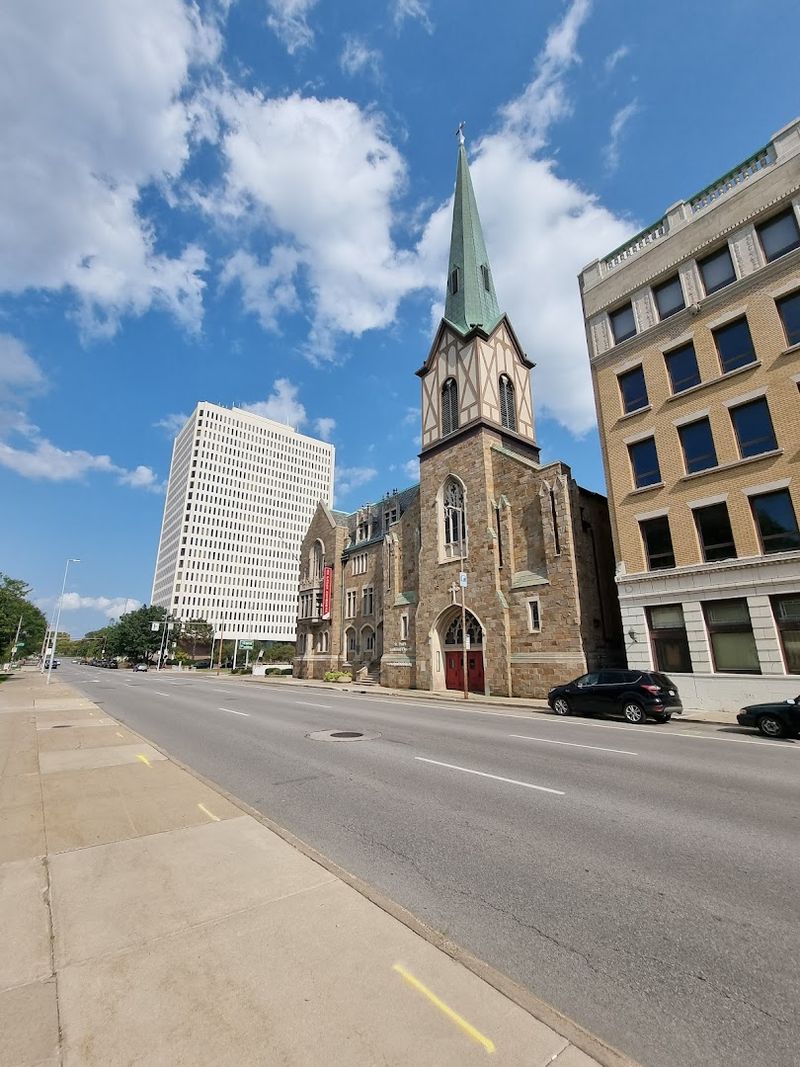
Not everyone wants the same retirement lifestyle, and Ohio is smart enough to know that. The state offers an almost unusually wide spectrum of living environments, from tiny farming communities of a few hundred people to mid-sized cities with thriving arts scenes and professional sports teams.
That flexibility is a genuine advantage.
Cities like Dayton, Toledo, and Akron offer the conveniences of urban life — good restaurants, cultural venues, medical facilities, and public transit — without the overwhelming scale or cost of places like Columbus or Cleveland. Meanwhile, towns like Granville, Yellow Springs, and Marietta deliver that slow-paced, friendly small-town feel that many retirees actively seek out.
The beauty of Ohio’s layout is that you’re rarely far from what you need, no matter where you settle. A small-town retiree can drive 45 minutes to a major city for a concert, a specialist appointment, or a shopping trip, then return home to peace and quiet.
That blend of accessibility and tranquility is hard to find in states where everything is either overwhelmingly urban or deeply rural. Ohio hits a sweet spot that suits a wide range of personalities and preferences.
Abundant Recreational Opportunities

Hocking Hills State Park might be one of the Midwest’s best-kept secrets. With its dramatic sandstone cliffs, ancient caves, and cascading waterfalls, it looks more like the Pacific Northwest than middle America.
And it’s just one piece of Ohio’s surprisingly rich outdoor recreation landscape.
Lake Erie’s southern shoreline offers boating, walleye fishing, and beach days that draw visitors from several states. The Ohio and Erie Canalway Trail stretches over 100 miles and is popular with cyclists and hikers.
State parks are scattered generously across the state, offering camping, kayaking, birdwatching, and picnicking in settings that feel genuinely restorative.
For retirees who want to stay active without extreme physical demands, Ohio’s recreational options strike a good balance. Most trails and parks are accessible and well-maintained, making them usable for a wide range of fitness levels.
Gardening clubs, nature photography groups, and local fishing leagues also give outdoor-minded retirees easy ways to connect with like-minded neighbors. Staying physically and socially active is one of the best predictors of a happy retirement, and Ohio makes both surprisingly easy to accomplish throughout the year.
Strong Transportation Access and Central Location

Geography matters more in retirement than most people expect. Ohio sits right in the heart of the eastern United States, which means getting to major population centers is genuinely convenient.
Chicago, Pittsburgh, Indianapolis, Detroit, and Cincinnati are all within a half-day’s drive. Even Washington D.C. is reachable in about six to seven hours by car.
Ohio’s highway system is well-maintained and logically laid out, making road trips manageable for older drivers who prefer not to navigate confusing urban grids. The state also has several regional airports, including those in Columbus, Cleveland, and Cincinnati, offering direct flights to popular destinations without requiring a connection through a massive hub airport.
For retirees who want to visit children or grandchildren in other states, or who enjoy traveling on their own schedule, Ohio’s central position is a quiet but meaningful advantage. Family members visiting from the East Coast or Midwest can reach you relatively easily too, which matters more than people realize when planning how connected they want to stay.
Being centrally located removes a lot of logistical friction from the social side of retirement life.
Tax Advantages for Retirees

Here’s something that often surprises people shopping for retirement states: Ohio does not tax Social Security income at all. For millions of retirees, Social Security is a primary income source, so keeping that money fully intact makes a meaningful difference in monthly cash flow.
That benefit alone sets Ohio apart from many other states.
Beyond Social Security, Ohio offers a retirement income credit for residents 65 and older, which helps reduce the overall state income tax burden on pensions, annuities, and other retirement distributions. Property tax homestead exemptions are also available for qualifying seniors, reducing what can otherwise be a significant annual expense for homeowners.
Ohio’s overall tax structure won’t make it a zero-tax haven like Florida or Texas, but it offers a reasonable and retiree-friendly balance. When you factor in the already lower cost of living, the tax savings start to compound into a genuinely attractive financial picture.
Working with a local financial advisor familiar with Ohio’s senior tax provisions can help you maximize every available benefit. For budget-conscious retirees, these tax advantages are worth putting on a spreadsheet before making any final decisions about where to settle down.
Established Senior Living and Community Services

Ohio has been planning for its aging population for a long time, and that preparation shows. The state has one of the most well-developed networks of senior services in the Midwest, ranging from independent living communities to full memory care facilities.
Whatever level of support you need now or might need in the future, Ohio likely has an option nearby.
Area Agencies on Aging operate across all 88 Ohio counties, connecting seniors with services like meal delivery, transportation assistance, home modification programs, and caregiver support. These agencies are designed to help older adults stay independent as long as possible, which is what most people actually want.
Aging in place is a realistic goal in Ohio, not just a hopeful phrase.
Senior centers throughout the state offer fitness classes, social events, educational workshops, and volunteer opportunities that keep retirees engaged and connected. Many communities also have PACE programs — short for Program of All-Inclusive Care for the Elderly — which provide comprehensive health and social services for qualifying individuals.
The depth and reach of Ohio’s senior support infrastructure is one of its most underappreciated strengths, and it becomes more valuable the longer you live there.
Rich Cultural and Historical Attractions
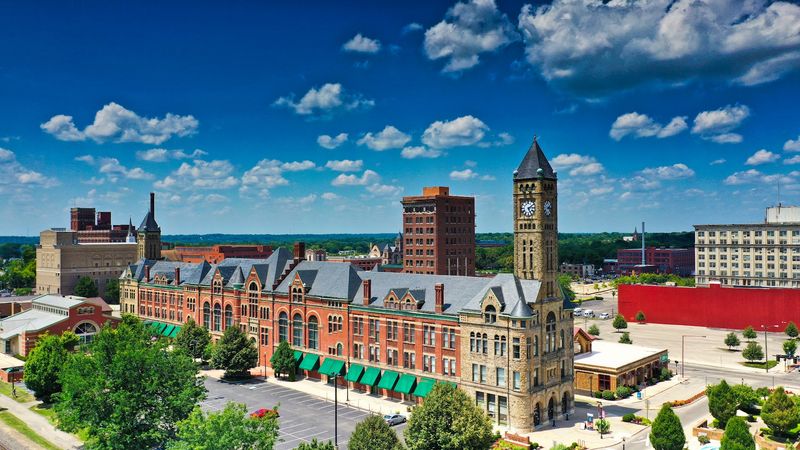
Ohio has produced more U.S. presidents than almost any other state — seven, to be exact — and the historical sites connected to those figures are scattered across the state in ways that make for genuinely interesting day trips. From Ulysses S.
Grant’s birthplace in Point Pleasant to President William McKinley’s memorial in Canton, history is woven into the landscape here.
Beyond presidential history, Ohio has a rich industrial heritage tied to steel, rubber, and aviation. The National Museum of the United States Air Force in Dayton is one of the largest and most impressive aviation museums in the world, and it’s completely free to visit.
Cleveland’s Rock and Roll Hall of Fame draws music fans from across the country, while Cincinnati’s art museum and Columbus’s thriving theater scene add contemporary cultural depth.
For retirees who enjoy learning, exploring, and staying mentally stimulated, Ohio’s cultural offerings provide a nearly endless supply of enrichment. Many museums offer senior discounts, and smaller local attractions — historic homes, art galleries, regional theaters — often rely on and warmly welcome older volunteers.
Culture in Ohio isn’t just something to observe; it’s something you can actively participate in and help preserve.
Friendly, Community-Oriented Small Town Culture

There’s something genuinely warming about walking into a small Ohio town and being greeted like a neighbor before you’ve even unpacked. Community connection runs deep in many parts of the state, shaped by generations of agricultural traditions, local church life, and civic pride.
For retirees who worry about loneliness — a real and serious concern — this culture can be lifesaving.
Farmers markets, community festivals, volunteer fire departments, library book clubs, and local sports leagues all serve as natural gathering points in Ohio’s smaller communities. These aren’t manufactured social events; they’re organic expressions of how people in these towns have always lived.
Newcomers are often welcomed with the kind of genuine warmth that’s hard to manufacture in a bigger, faster-paced city.
Research consistently shows that strong social connections are one of the most important factors in healthy aging. Retirees who feel known and valued in their communities tend to live longer, stay mentally sharper, and report higher levels of life satisfaction.
Ohio’s small-town culture doesn’t just feel good — it actually supports better health outcomes. If you’re the kind of person who thrives on knowing your neighbors and being part of something larger than yourself, Ohio’s communities are built for you.
Reliable Visitor-Friendly Infrastructure for Family Visits

One thing people don’t always think about when choosing a retirement destination is how easy it is for family to visit. Moving to a remote or hard-to-reach location might feel adventurous at first, but it can quietly erode family connections over time.
Ohio’s central location and solid infrastructure make it one of the more visitor-friendly states in the country.
Major highways crisscross the state in every direction, making it easy for family members to drive in from neighboring states like Indiana, Pennsylvania, Michigan, or Kentucky. Ohio’s regional airports — including those in Columbus, Cleveland, Akron, and Dayton — offer direct flights from many U.S. cities, cutting down on the travel hassle that can discourage visits.
Affordable hotels and short-term rental options near most Ohio cities and towns mean guests have comfortable places to stay.
For retirees, knowing that grandchildren can reach them without a complicated itinerary matters enormously. It also means you can more easily travel out to visit family when you choose to.
Ohio’s position at the crossroads of the Midwest and East makes that two-way connection realistic and affordable. Staying close to the people who matter most is one of the most important ingredients in a fulfilling retirement, and Ohio makes it genuinely manageable.