

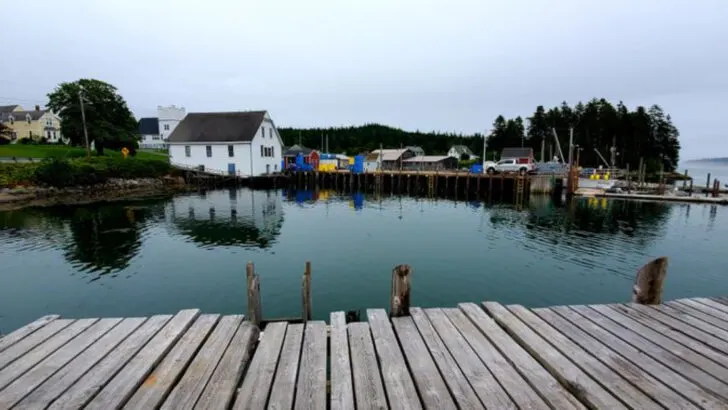
Most travelers hug Maine’s famous lighthouses and clam shacks, but the real magic hides in the quiet bends of the coast.
These villages keep their voices low, their tides steady, and their stories tucked inside weathered shingles.
If you have the patience to slow down, you will hear gulls, dock chatter, and the soft thrum of everyday life.
Take the long way and you will feel like the only visitor for miles.
Monhegan Village (Monhegan Island)
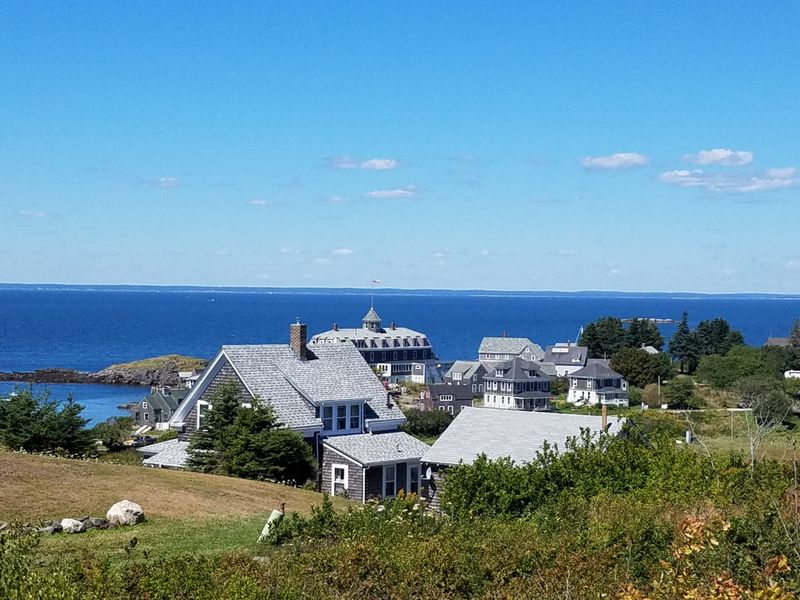
Monhegan is the kind of place you reach by boat and forget what time means the second your feet hit the dock. There are no cars, only sandy paths and pine needles underfoot, and a hush that feels earned by the sea. You can wander with a sketchbook, watch gulls stitch across the sky, and feel your shoulders drop as the cliff tops catch Atlantic light.
Artists have loved this village for generations, and you can sense why the moment you step onto the headlands. Waves muscle into the rocks, sea spray hangs sparkling, and the horizon pulls you forward like a friendly dare. If you pause long enough, you will start noticing small kindnesses like painted shutters, stacked wood, and notes on gallery doors.
The harbor stays practical, with lobster traps and faded dories reminding you this is a working place first. Coffee tastes saltier, and the bread you pack somehow lasts longer after a day of walking. You will not find much noise beyond wind in spruce and porch laughter that fades with dusk.
Paths lead the length of the island, sometimes threading between moss and lichen, sometimes breaking open to a sheer drop of blue. When fog slides in, the village grows closer, windows glowing like embers along narrow lanes. You learn to read the weather by the feel on your cheeks and the sway of clotheslines.
Nights come dark and honest, with stars so sharp you almost hear them. The ferry back arrives too soon, and you will watch the island shrink while promising to return. It is a place that keeps a small part of you whether you plan it or not.
Islesford (Little Cranberry Island)
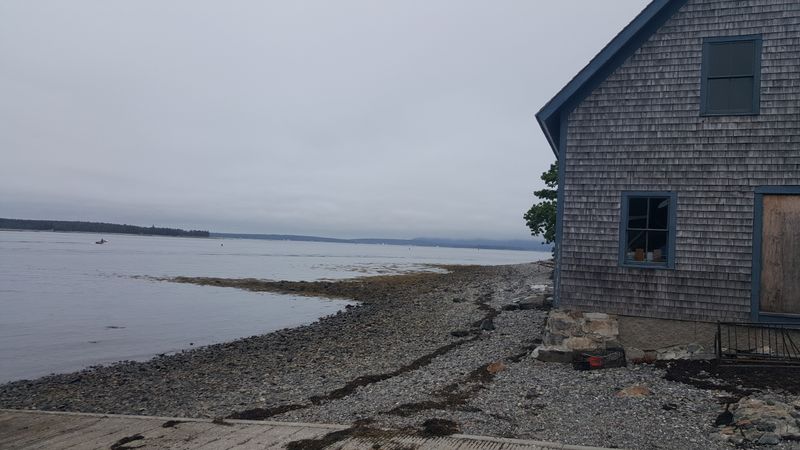
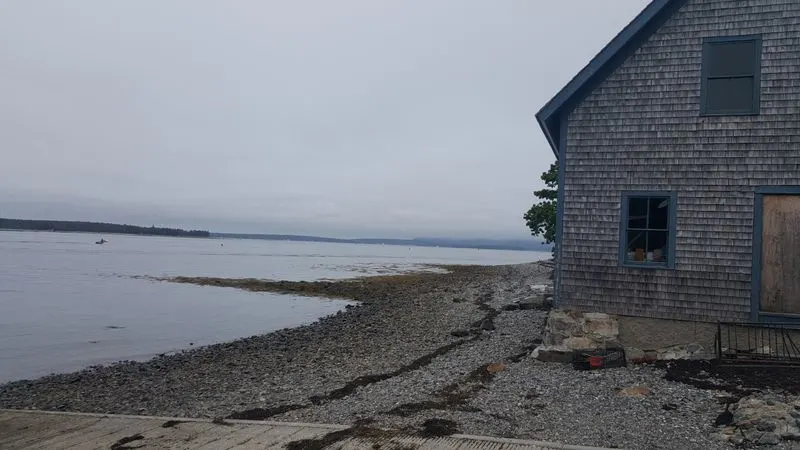
Islesford sits low and calm on Little Cranberry Island, where skiffs nod at their moorings and gulls heckle the tide. You will hear kids laughing near the dock and see a gallery door propped with a buoy. The place asks you to walk slow, read bulletin boards, and notice paint chips curling off cedar shingles.
There is art here, but there is also lunch pails, rubber boots, and a rhythm set by tides rather than tours. On a clear day, the distant hum of Mount Desert Island stays politely in the background. You will find a picnic bench with a view so straightforward it feels like a truth told plainly.
Galleries carry the color of the sea back into wood and paper, while fishermen keep the calendar honest. If you linger, you might catch a conversation about weather windows and bait prices. The island teaches a softer way of paying attention, where quiet is part of the welcome.
Paths weave between spruce, cottages, and shore, revealing tide pools thick with periwinkles. With each step, the salt air grows round and comfortable, like a sweater that finally fits. You will probably pocket a shell and forget it until the boat ride home.
When evening settles, porch lights nod awake one by one, and the wharf clinks a little song. The last water taxi sends a ripple across the harbor, and you will feel the day let go. Islesford does not chase you, but it stays with you just the same.
New Harbor
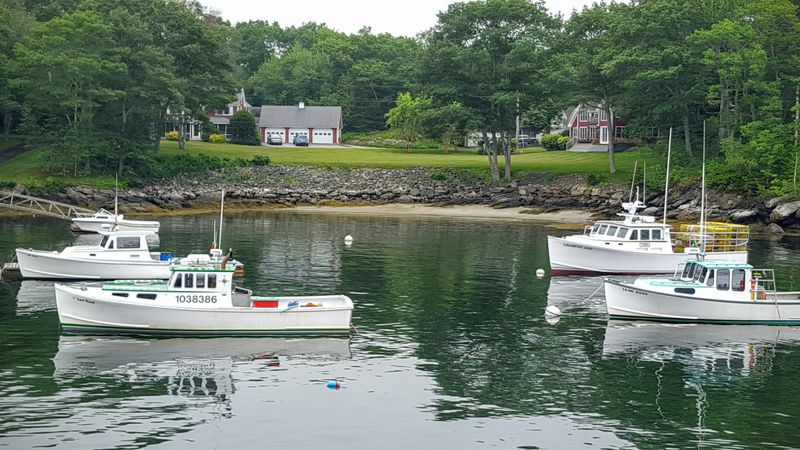
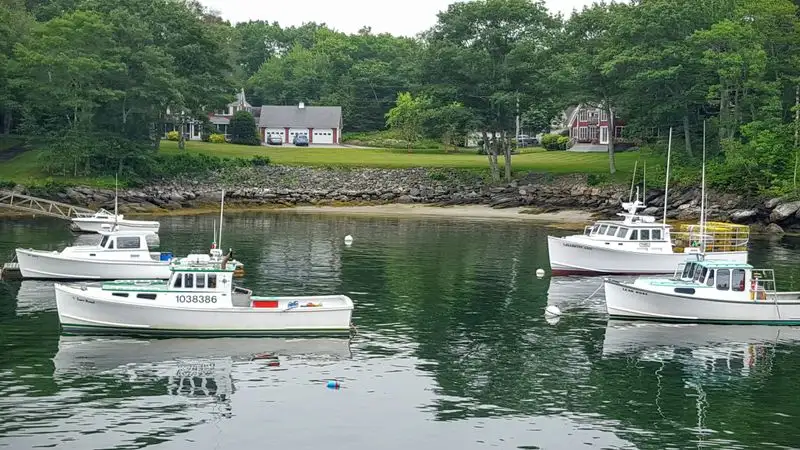
New Harbor keeps its head down while waves handle the introductions. You will spot lobster boats lined like punctuation across the cove, each one telling a short, sturdy story. The village wraps the water quietly, content to let the tide do most of the talking.
Walk the wharf and you will hear engine notes and rope friction, a kind of music that does not need lyrics. Houses sit close, modest and seaworthy, with paint faded by work rather than style. On a clear morning, the light breaks into the cove like glass falling in slow motion.
There is history tucked in every pier plank and shed door, but it is the kind that shrugs at plaques. You might share a bench with a local finishing coffee between loads, the cup warm even after the fog lifts. The conversation is short, friendly, and grounded in weather, tides, and what the bait costs this week.
Trails nearby slip through spruce and over ledge, revealing views that feel discovered rather than staged. You will catch the smell of bait, pine sap, and hot rope, and realize it is not unpleasant at all. Lunch lands simply on paper, and somehow tastes better for the view.
As day softens, the cove turns reflective, doubling houses and hulls until they seem to float. You will watch a skiff zigzag home and understand why most people drive past without seeing it. New Harbor keeps beauty in its pocket and only shows it when you stand still.
Corea
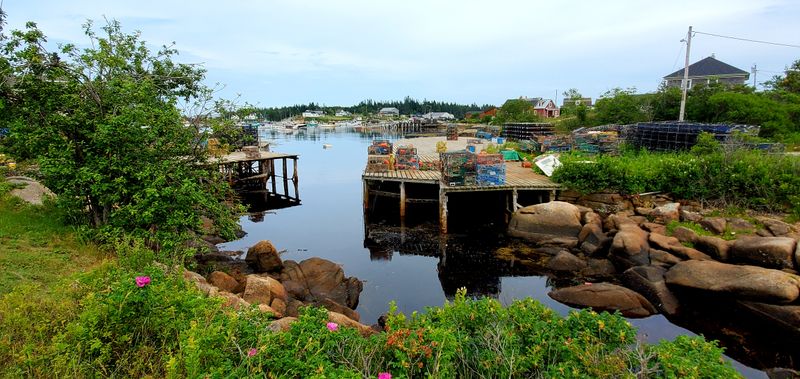
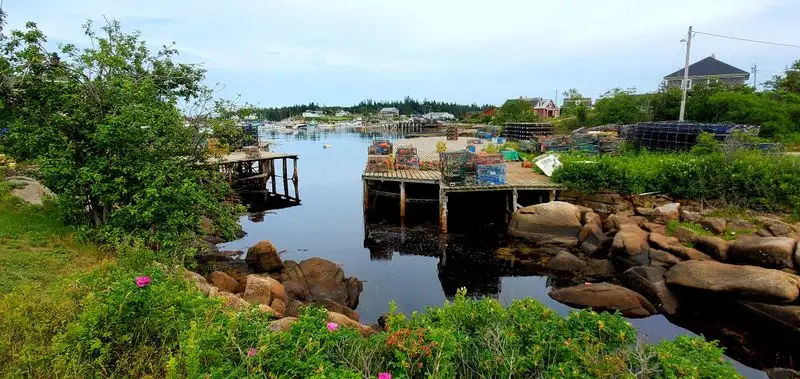
Corea sits with its back to the Bold Coast, weathered and calm, a harbor shaped by patience. You will notice lobster boats first, then the neat stacks of traps like bright punctuation. The village road curves so gently you might think you imagined it.
There is a hush here that makes even gulls sound considerate. Houses stand practical and close to the wind, with porches that face the water like pews. You will find yourself walking slower, listening for the small click of halyards against masts.
Low tide reveals a geometry of rock, weed, and tide pools that invite you to crouch closer. If fog drifts in, the scene shifts to soft graphite, edges smudged but not lost. The village accepts the weather with a shrug you will start to copy.
Work carries the day, with trucks backing carefully and boots leaving salt crescents on the planks. A smell of bait and diesel lingers, oddly comforting once you let it. You may catch someone mending gear and offering a nod that feels like permission to stay.
Evening brings a silvery quiet, the kind that makes you hear your own breath. You will look back from the last bend and realize why you nearly missed it. Corea is not hidden, it simply refuses to announce itself, which is part of the gift.
Beals Island Village
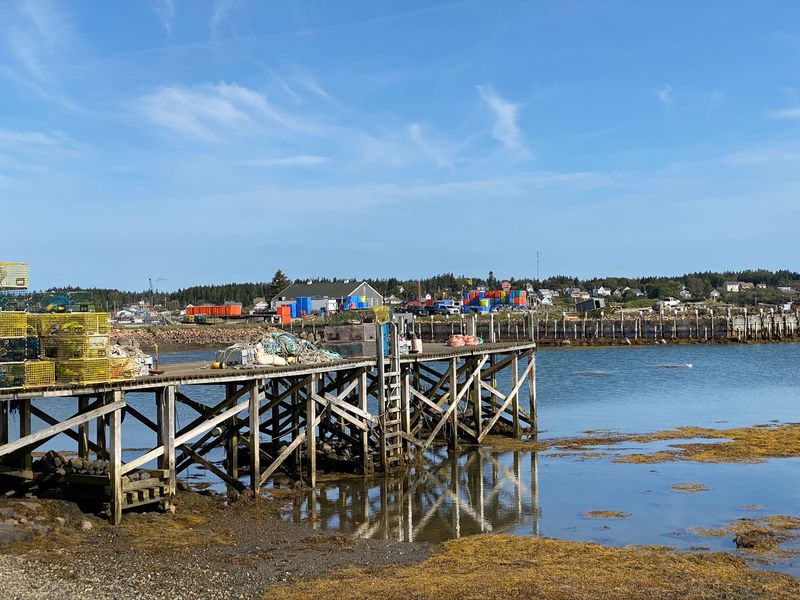
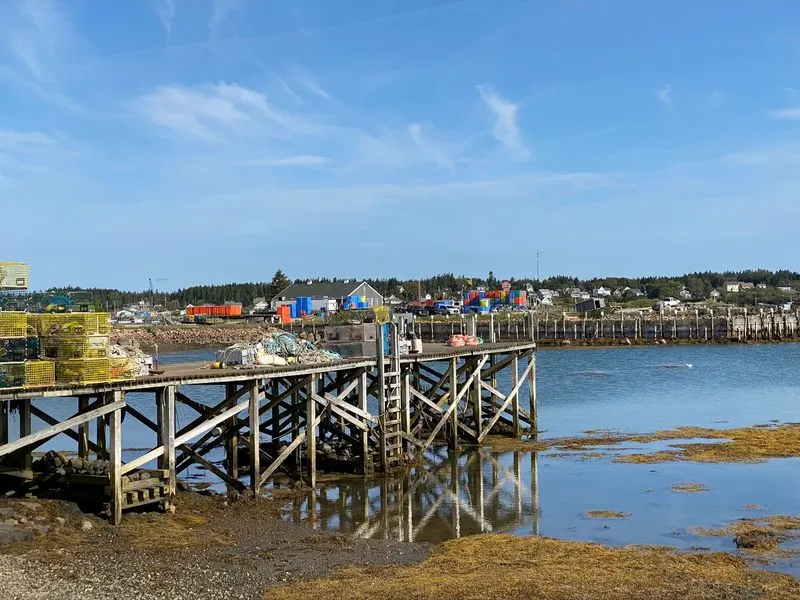
Beals Island greets you over a simple bridge, and the switch from mainland to island is more feeling than fanfare. You will see marsh grass bowing to the tide and houses tucked low against the breeze. Boats rest in the channel, patient as old dogs waiting for the next run.
This is a village stitched together by work, with lobster pounds, traps, and bait sheds speaking the local dialect. Cars pass seldom and slowly, giving you room to wander without thinking about time. The air carries a clean brine that lingers on your lips like a friendly reminder.
Shorelines slide from cobble to sand, and shallow coves invite you to roll your cuffs and wade. If you listen, you will catch the soft pop of mud underfoot and the hush of reeds. Every corner seems to hold a family story nobody is trying to sell.
There are no showy promises here, just small proofs of care: painted trim, stacked wood, a skiff patched well. You might meet someone fixing a prop and trade a few words about weather and tide. Conversations stay short, but the kindness is durable.
As the tide turns, the marsh glows, and egrets write careful lines across the flats. You will cross back over the bridge feeling lighter and a little quieter. Beals Island keeps your secrets and sends you off with salt still on your shoes.
Jonesport
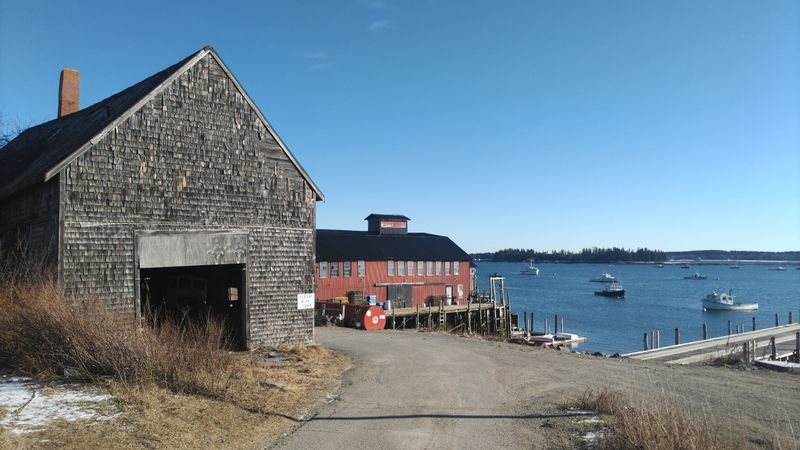
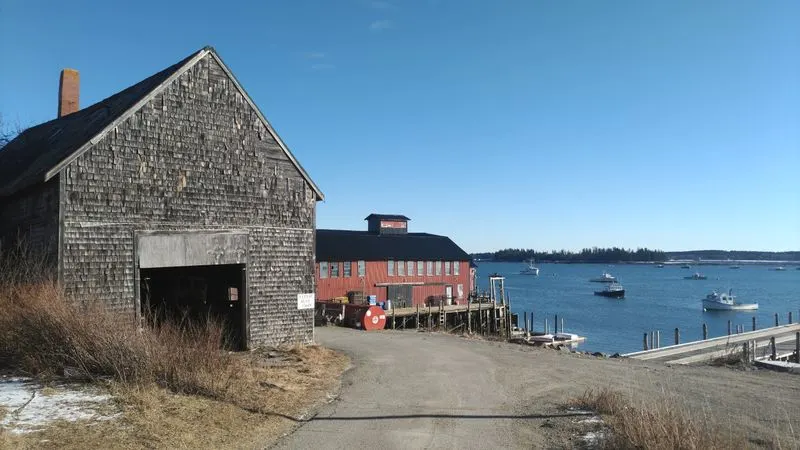
Jonesport wears fog like a well used jacket, easy on the shoulders and familiar. You will find wharves busy but not hurried, with engines clearing their throats and traps ticking in stacks. Houses lean into the weather, unbothered by spectacle.
Walk the main drag and you will hear a language of tides, prices, and tomorrow morning’s start time. Coffee cups steam on tailgates while gulls run commentary from the rooflines. The town is stitched with everyday tasks that make quick work of pretense.
Out on the water, boats nose through gray water with the confidence of repetition. On shore, you can trace the day by the smell of diesel softening into salt. You will measure time by the turn of the tide rather than a clock face.
It is easy to drive past because the charm does not advertise itself. Steps are painted for safety first, flowers happen where they can, and views land where the road bends. If you slow down, you will notice how the harbor lines up into a quiet kind of perfection.
When the sun finally burns through, the village shows a smile it does not mind hiding. You will leave with sea wind in your hair and a sense that work and water can be a steady kind of grace. Jonesport keeps at it, and that is the point.
Machiasport
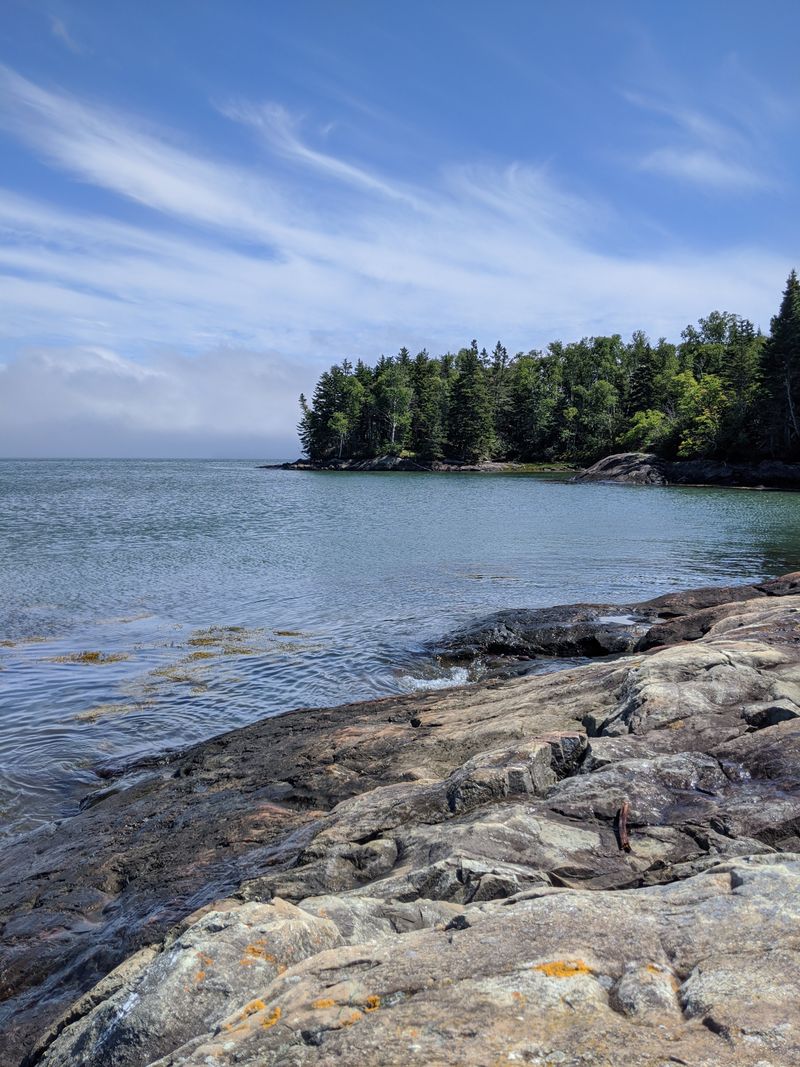
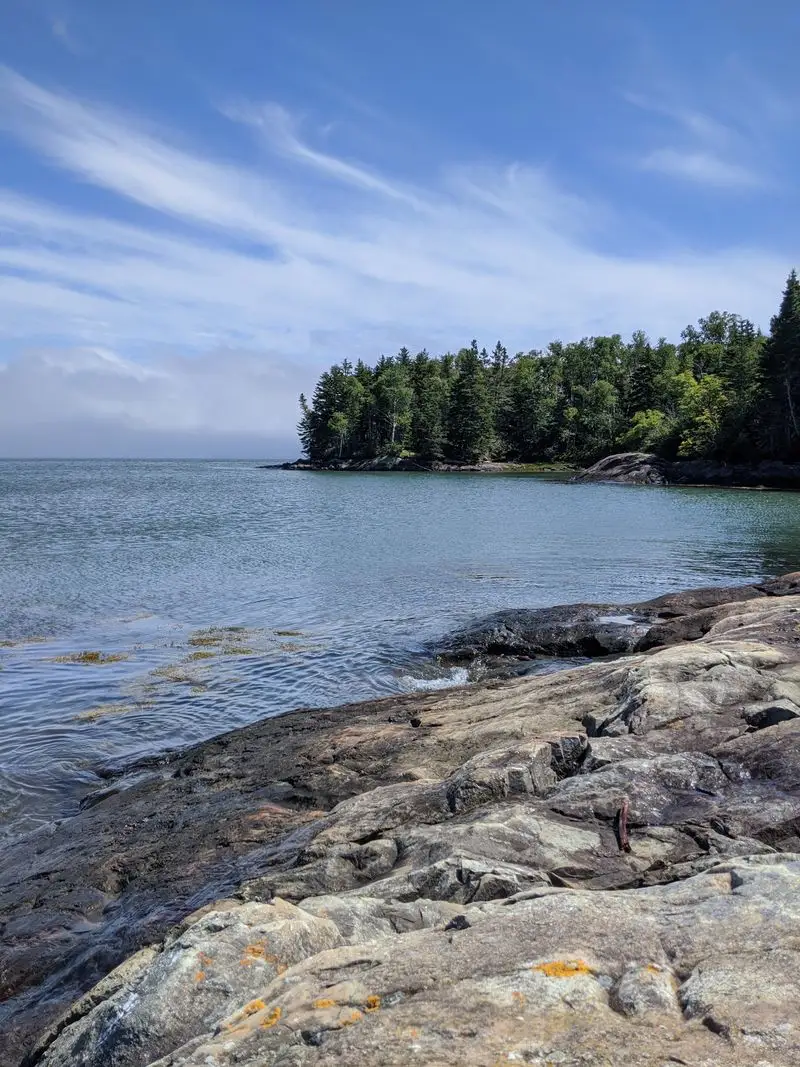
Machiasport rides a narrow peninsula into wide water, a place where the map finally takes a breath. You will see beaches that arc gently and headlands that hold the horizon like careful hands. The air smells like spruce tea and tide, simple and clean.
History lingers in earthworks and old timbers, but it shares space politely with seabirds and dune grass. Walk the shoreline and you will hear small waves make tidy arrangements with the stones. The village keeps its volume low, favoring nods over announcements.
On a calm day, the bay looks pressed flat as a page, and you will understand why people settle here quietly. Trails rise and fall through mossy woods, popping out at overlooks that feel private. Your shoes will pick up a dusting of sand and needles that you will not bother to brush off.
This is where you learn to count time by tide tables and wind direction. A fisherman’s truck might idle near the ramp, windows cracked, radio low. You will share the view without needing to trade more than a hello.
Evening gowns the water in pewter, and the last light writes silver along the beach. When you finally turn back, the road seems shorter, like the land shifted closer. Machiasport leaves a calm that follows you home and keeps surprising you for days.
Cutler
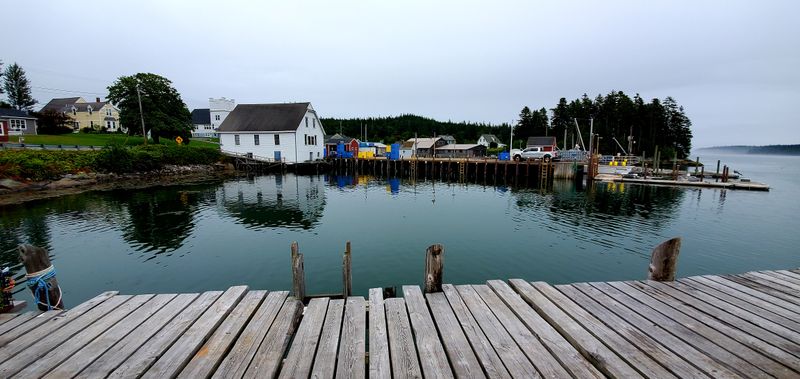
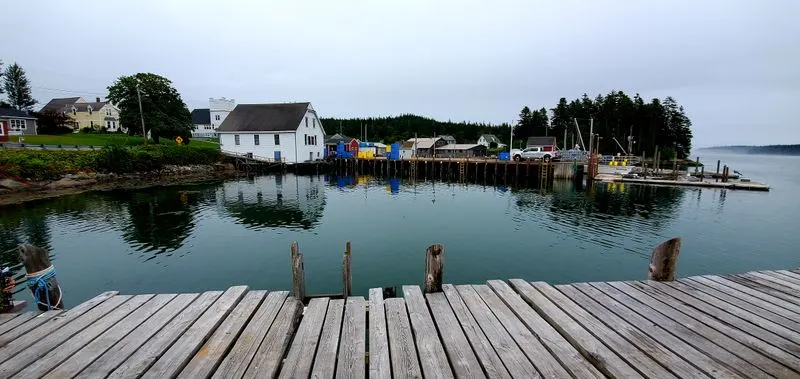
Cutler is where the road stops pretending and the coast turns wild without apology. You will see a tight blue harbor cupped by spruce and rock, with boats painted like bright commas. Everything feels sturdy and precise, from the wharves to the way wind threads the rigging.
Trails head out toward cliffs that fall cleanly into the Atlantic, the kind of views that reset your breathing. The path smells like balsam and salt, with bog boards clicking underfoot. You will stand at an edge and hear nothing but waves unraveling below.
The village itself remains practical, almost shy, built to face weather first and visitors second. People wave from trucks, a quick lift of fingers that says welcome at a distance. You will find a bench with a view and realize it is enough.
On foggy days, the headlands turn to charcoal sketches, and the harbor bells fill in the details. Sun breaks bring electric color, every buoy and hull suddenly bold. You will learn how fast conditions change and how steady the place stays anyway.
When you drive away, spruce shadows flicker across the road like pages turning. You will keep the cliff line in your head and the harbor in your chest. Cutler rewards the ones who go a little farther and ask a little less.
Lubec
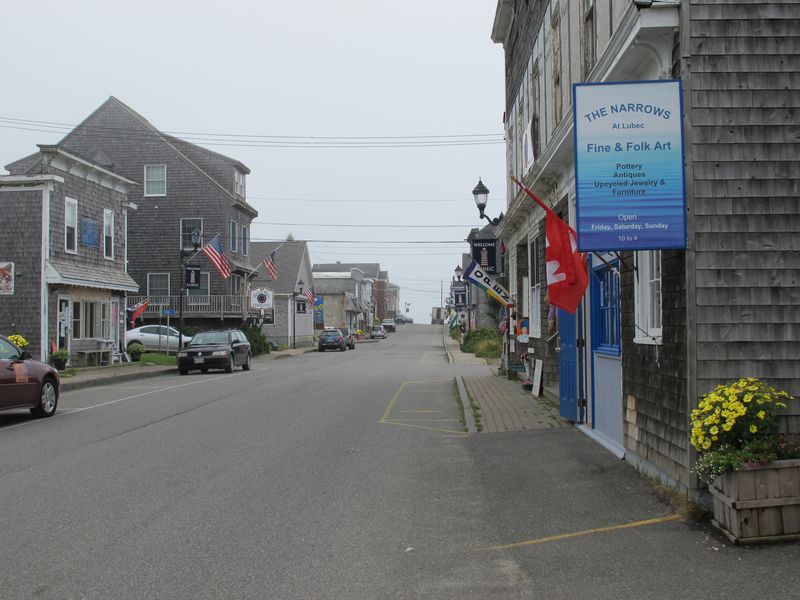
Lubec sits at the edge of the map, the first to greet the sun and the last to make a fuss about it. You will walk quiet streets where salt paint peels in charming ways and windows frame the tide. The waterfront keeps moving, even when the sidewalks do not.
Tides run like a river here, fast and insistent, writing and erasing the shoreline twice a day. The bridge to Campobello hovers in the distance, a reminder that borders can feel like suggestions. You will find a pocket bench, a thermos, and a view that does the rest.
Lighthouses mark the passages, their white walls catching every mood the sky invents. When fog settles, the village leans into soft focus, and the water answers with gentle percussion. You will learn the names of currents by the sound they make at the pilings.
Locals talk about weather like family, with affection and a little side eye. Shops open on their own time, and nobody minds waiting a beat. You will end up with postcards you actually send and stories that do not need polishing.
At dusk, the harbor becomes a mirror, and gulls stitch the last seams of daylight. The road out is quiet, leaving room for the ocean to follow you partway home. Lubec is far, yes, but that is exactly the point.
Castine
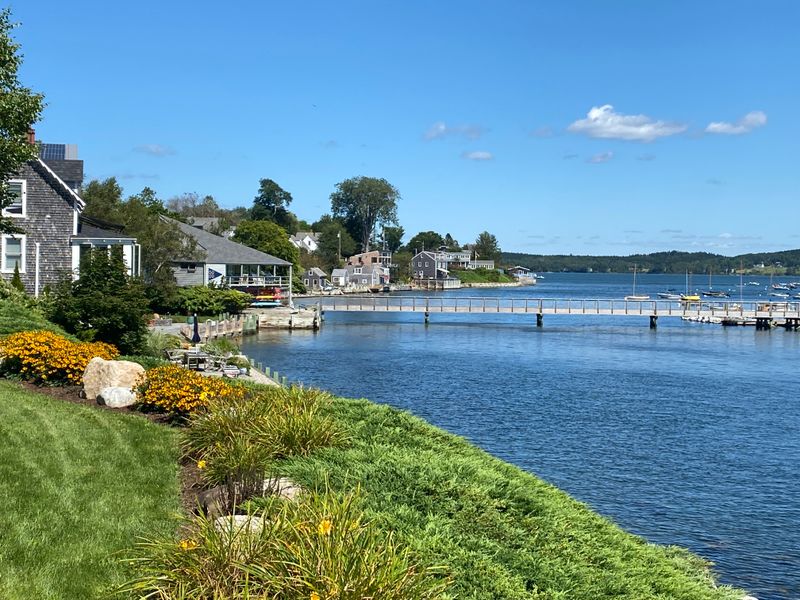
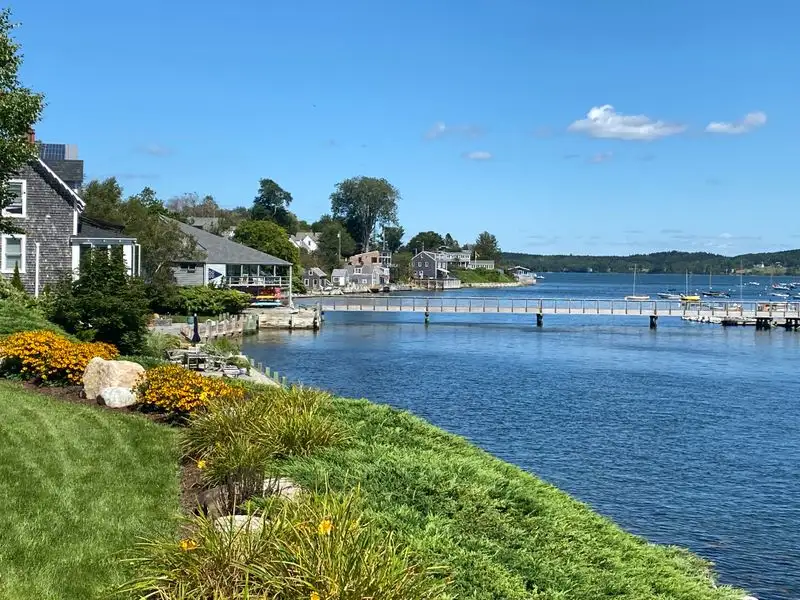
Castine feels carefully kept without feeling precious, a harbor town that remembers its manners. You will stroll elm lined streets where clapboard homes keep watch with quiet pride. The harbor sits like a well made bed, smooth and inviting.
History walks beside you, from old forts to tidy campus greens, but it never elbows for attention. The wind smells of varnish, salt, and cut grass, part maritime and part library. You will catch yourself speaking softer, as if the town asked nicely.
Sailboats tack lazily across the water while dinghies tap against docks with patient rhythm. Cafes offer windows that frame the harbor like a painting you can hear. You will sit longer than planned, because the day does not push here.
Footpaths lead to batteries and bluffs where plaques tell stories in crisp sentences. You can stand with the bay opening wide and feel the timeline settle around you. Even the gulls seem polite, keeping their distance and their commentary brief.
As light stretches, houses glow from within, and the streets hold onto a little warmth. You will leave with a steadier step and a wish to return in a quieter season. Castine lets you breathe and makes it feel like your own idea.
Stonington
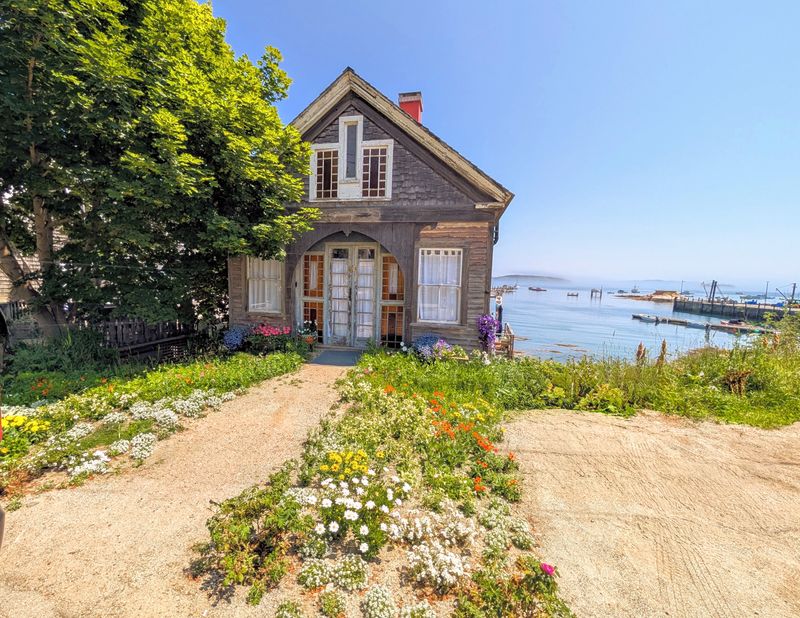
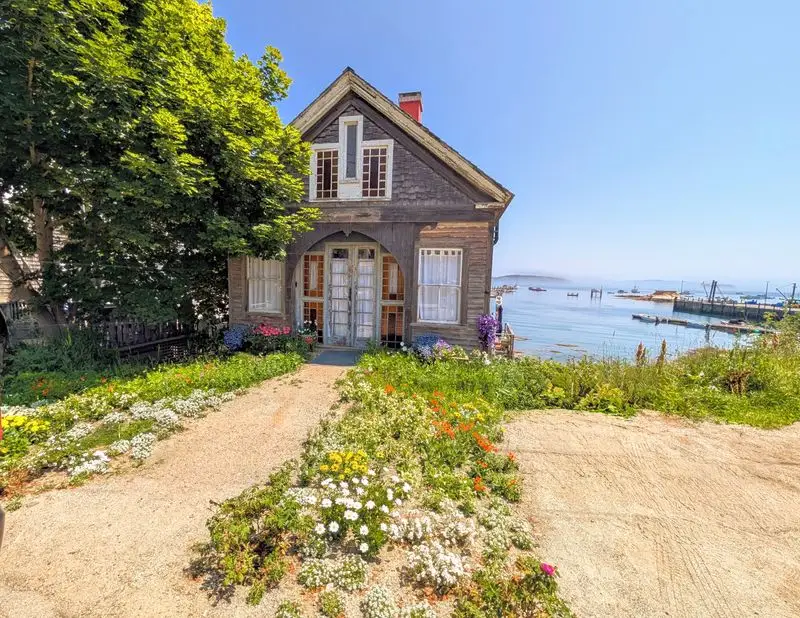
Stonington hums with work, a harbor full of purposeful motion and bright buoys. You will hear engines, gulls, and the clack of traps settling into stacks. The town climbs the hill in practical steps, houses watching the fleet like family.
Granite edges every view, steady and salt washed, and the bay splinters into island after island. You can sit on the town pier and let the patterns of movement sort your thoughts. Lunch arrives in paper, simple and perfect, with sea air doing the rest.
Galleries hide between gear sheds, proof that art and labor share the same weather. A conversation at the co op might teach you more than a brochure ever could. You will leave with new words for fog, flats, and fair tide.
When the light swings low, hulls shine and the harbor looks like a painting that forgot to stop. It is easy to miss from the highway, which is probably why it stays sharp and true. You will measure your day by the weight of the air and the taste of salt.
Nights are honest and starry, with radio chatter thinning to quiet. Walking back up the hill, you will feel the rhythm of the place settle in your chest. Stonington does not perform, it just works, and somehow that is the charm.