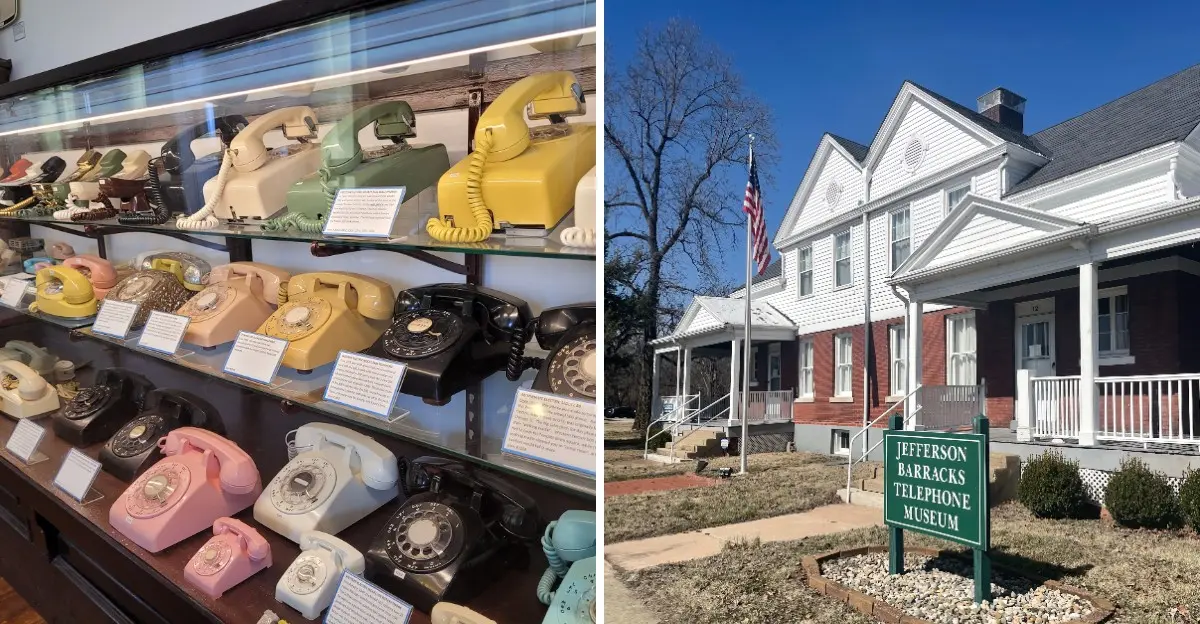
Somewhere in Missouri, a crew of retired phone company workers poured 66,500 volunteer hours into an old 1896 building. Their reward?
A place where kids can dial a rotary phone and hear it actually connect.
The founders came from Southwestern Bell, so they know these machines from the inside out. Some of the docents spent decades on the job, and the stories come along with the tour at no extra cost.
I like how many pieces here are meant to be used, not just admired. There’s a working switchboard, old switching machines that still run, and a fire engine phone that rings with sirens.
I can’t imagine a better outing for grandparents and grandkids. One side gets to remember, and the other finally learns why we still say hang up the phone.
A Phone Company Museum Living Inside A Historic Army Post
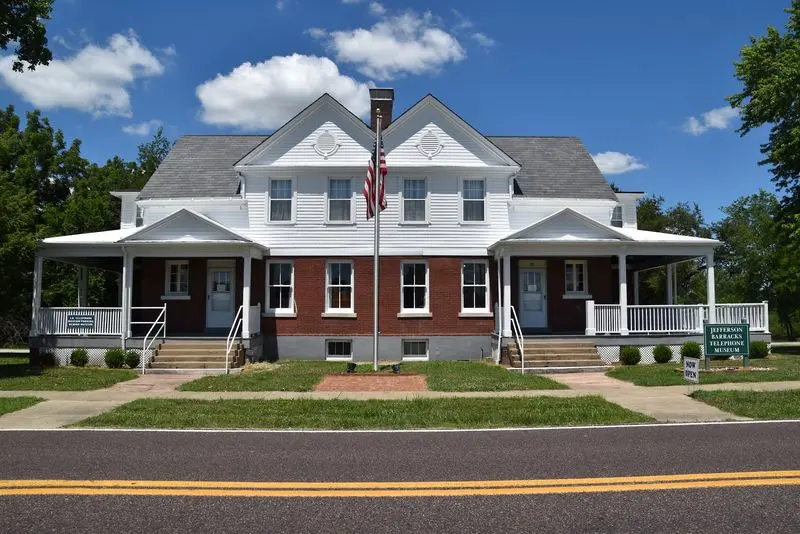
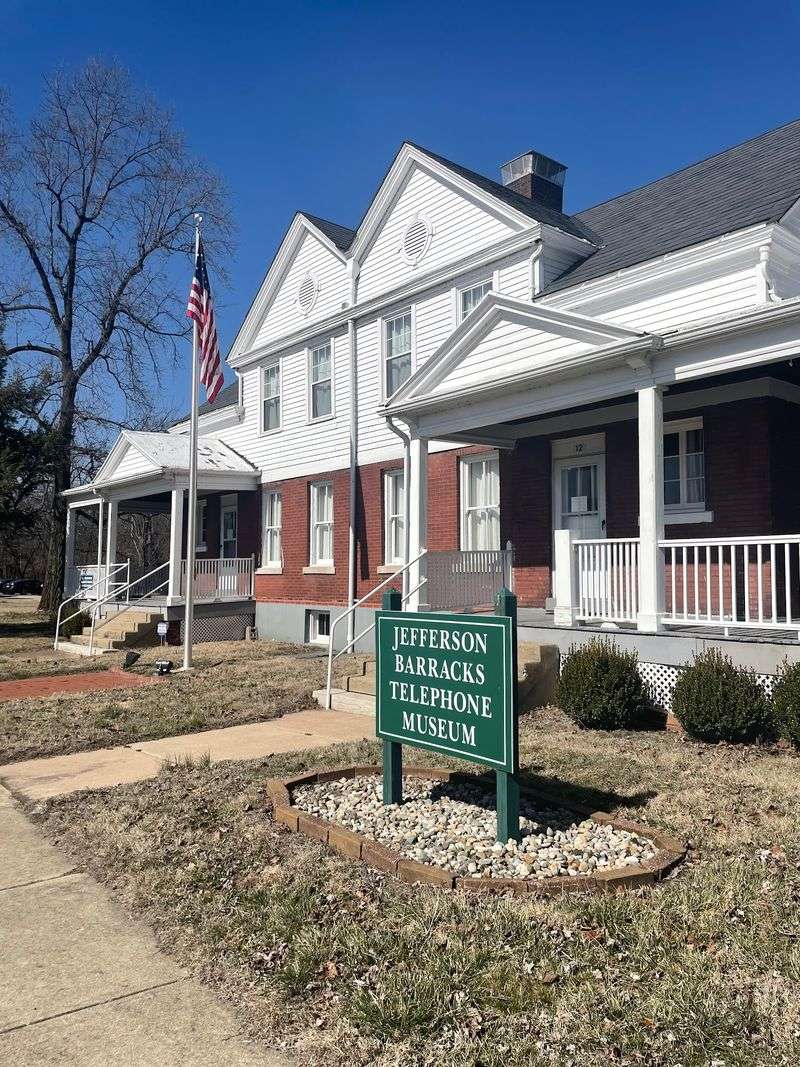
The Jefferson Barracks Telephone Museum sits on the grounds of Jefferson Barracks, the historic military post on the south edge of St. Louis. It fills a building dating to 1896, which feels fitting for a collection that spans more than a century of calls.
Think of it as a love letter to the telephone. Inside, you’ll find phones from the earliest days right up through cell phones, along with the gear that made every connection happen.
The museum is small, and nobody pretends otherwise. Yet the space is packed so tightly with exhibits that the size stops mattering pretty quickly.
What makes it special is who runs it. Retirees from Southwestern Bell established the museum, and the staff today is all volunteer.
That changes the whole feel of a visit. You aren’t hearing a script from someone reading cards, because many of these folks lived the history on display.
The museum also holds a 4.9-star rating across more than 180 Google reviews. For a tiny volunteer project in a Missouri military district, that’s a pretty loud ring.
Consider it a fine anchor for a Jefferson Barracks day, with plenty of local history waiting nearby.
Sixty-Six Thousand Hours Of Retirement Well Spent
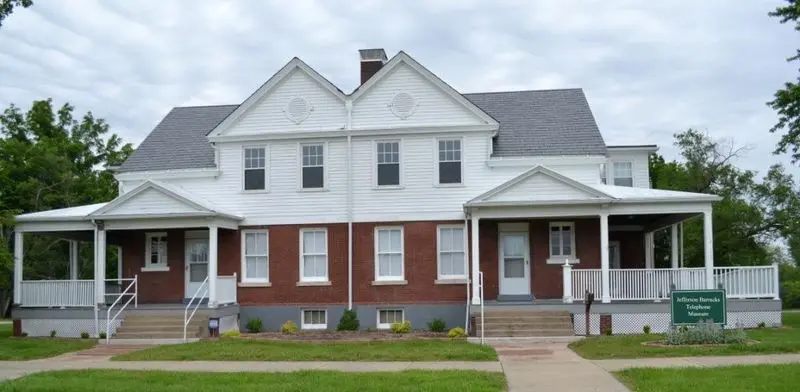
Most retirees take up golf or fishing. A group of former phone company workers in St. Louis chose a different hobby, saving an 1896 building and filling it with telephones.
The headline number is staggering. By the museum’s own count, volunteers have given around 66,500 hours to the project, which is a lot of Saturdays.
Those hours went into restoring equipment, building displays, and researching each artifact. One visitor noted how well the research behind every item was done, and it shows in the labels.
The founders came from Southwestern Bell, the regional phone company many Missouri families paid a bill to every month. Some docents spent 30 years or more working for the old Ma Bell system.
I believe that background is the secret ingredient. These volunteers don’t just know how a switchboard looks, they know how it felt to run one on a busy day.
There’s something touching about people protecting the tools of their own careers. They spent decades keeping Missourians connected, and now they keep that story connected to the next generation.
So when you walk through the door, you’re seeing a collection and a community effort at the same time.
Every Kind Of Telephone You Can Name, And Several You Can’t
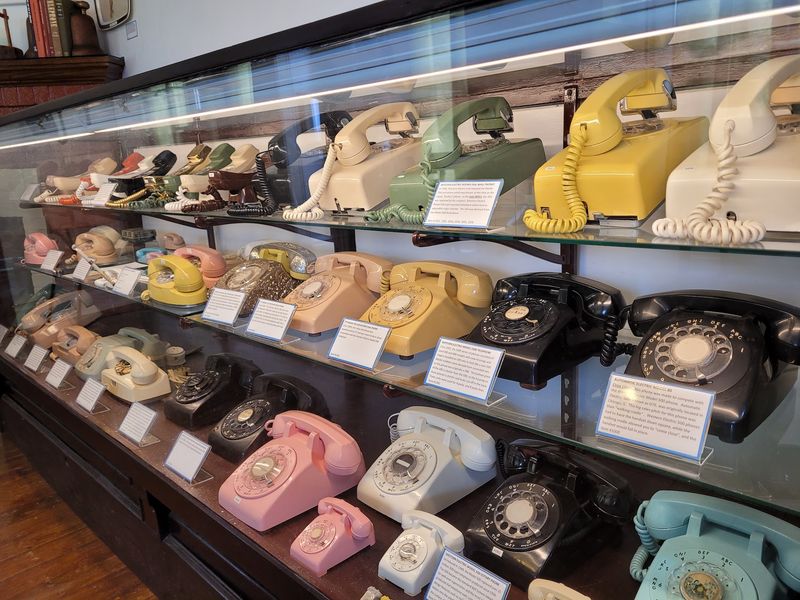
Candlestick phones. Wooden box phones.
Rotary dials in every color, plus pay phones, military field phones, early car phones, and the first chunky cell phones.
The collection runs from the very start of telephones to the modern era. If it carried a voice across a wire, there’s a decent chance it’s sitting on a shelf here.
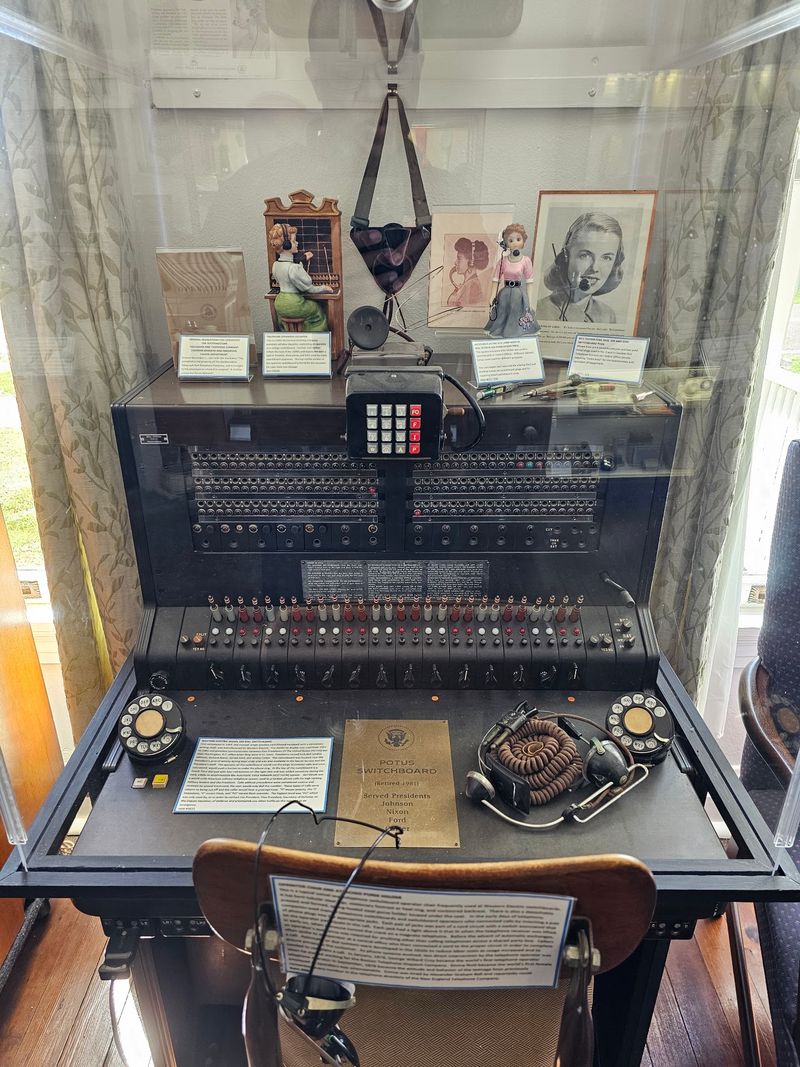
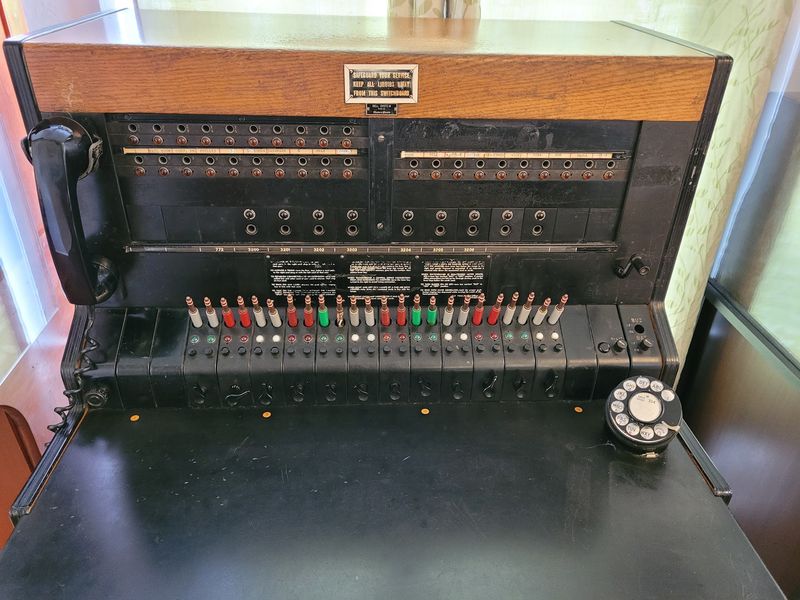
Operator stations get their own spotlight too. Those big boards with cords and jacks once connected entire neighborhoods, one call at a time.
Grandparents will likely point at a phone and say they had that exact model. Kids will point at the same phone and ask where the screen goes.
Some pieces stand out for pure fun. A fire engine phone comes with sirens and bells, and other novelty phones have their own special rings.
One exhibit even shows how phone companies sold fancy colors and add-on cases to upsell customers. Sound familiar?
Cell phone stores still play that exact game today.
That little lesson sums up the place nicely. Technology keeps changing, but the way we shop for it stays oddly the same.
Go Ahead And Plug In A Call On The Working Switchboard
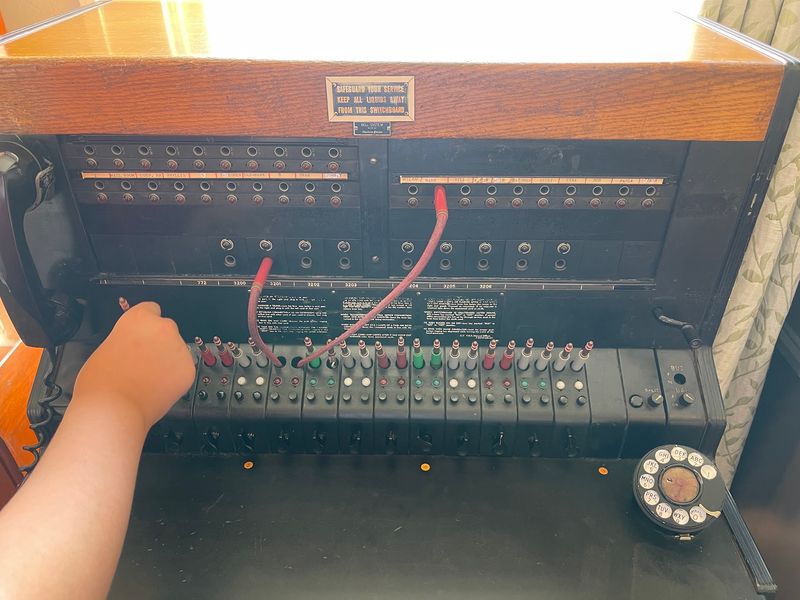
Here’s a museum piece that still does its job. The switchboard at Jefferson Barracks Telephone Museum works, and docents demonstrate how operators patched calls through.
For anyone under 40, this is pure magic. Those cords, plugs, and blinking spots once sat at the heart of every phone call in town.
Docents happily show how it all fit together. They explain how an operator answered, connected the line, and kept dozens of conversations flowing.
Families with young kids especially appreciate the demonstrations. Staff have welcomed little ones and pointed out exhibits they’re allowed to touch and handle.
I like that the board isn’t treated as too precious to use. Seeing it work explains more in two minutes than a sign ever could.
Picture the grandparent who once heard a real operator’s voice on the line. Now picture their grandchild finally understanding what that meant, and it gets a little sweet.
It’s a hands-on bridge between generations. The board may be old, but it still connects people, just in a slightly different way these days.
Rotary Dialing Lessons For A Generation Raised On Touchscreens
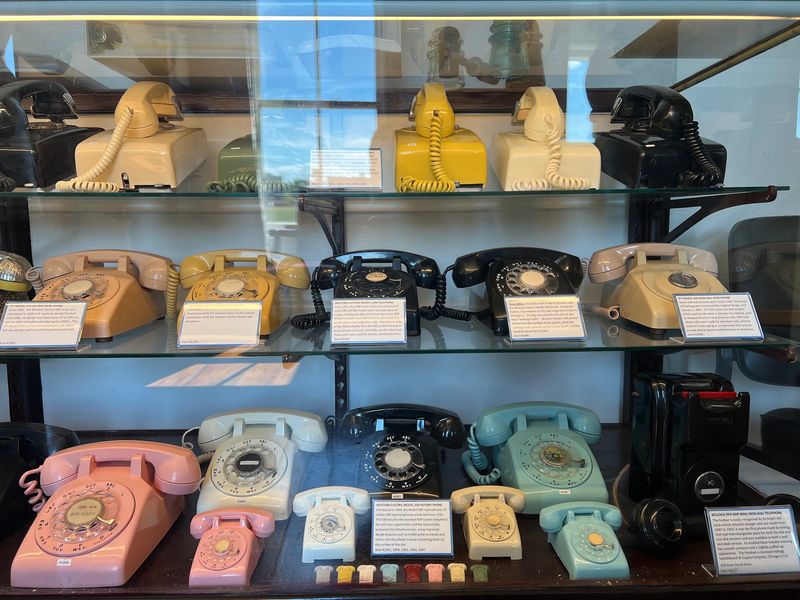
Finger in the hole, spin to the stop, let it whir back. Repeat for every single digit.
That’s the rotary dial routine, and plenty of kids today have never done it. The museum has a working telephone circuit, so visitors can place rotary-dialed calls between two phones.
It’s a surprising thrill for first-timers of any age. One visitor’s travel companion tried a rotary phone for the very first time here and loved it.
Working rotary pulse phones also show how the dial actually sent numbers down the line. Each click counted out a digit, which feels clever once you hear it explained.
Patience becomes part of the lesson. Dialing a long number takes a while, and kids quickly learn why nobody wanted a phone number full of nines.
Grandparents get bragging rights here too. Finally, a skill they mastered decades ago gets a little respect from the younger crowd.
Let the kids try it first, then show them your speed. Good luck keeping a straight face when they realize there’s no redial button.
Old Switching Machines That Still Click Into Action
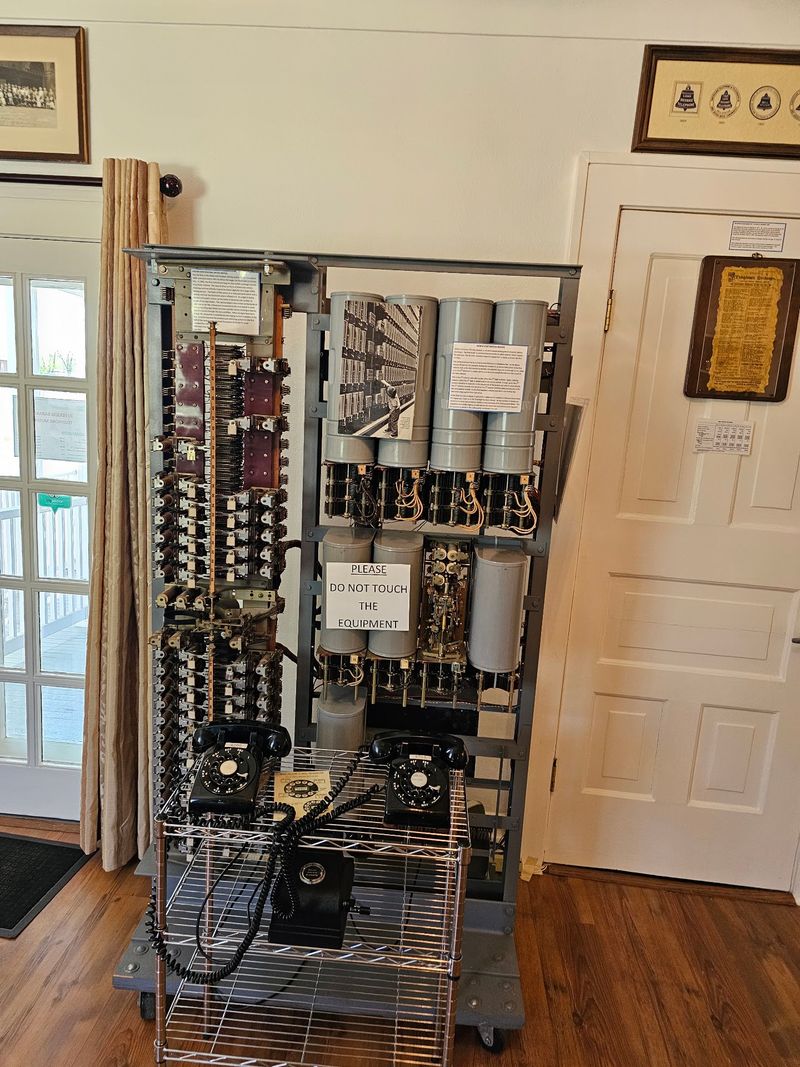
Behind every call sat a machine doing the real thinking. The museum keeps old switching equipment in working order, so you can watch it route calls.
Kids tend to stare at these. Gears and relays moving on their own feel almost alive, especially after you dial a number and see the result.
Visitors mention children getting fascinated just watching the machines operate. That’s high praise in an era of tablets and streaming cartoons.
The docents bring context that turns metal into history. They explain how automatic switching slowly replaced the operator for many everyday calls.
For engineering-minded teens, this might be the highlight of the trip. It’s rare to see the guts of a phone network up close and running.
Tools and old technology fill out the displays nearby. Together, they show the full chain from your living room phone to the central office.
Here’s a fun way to frame it at home. Your smartphone does all of this quietly in your pocket, while these machines needed a whole room to manage.
An Old Phone Book Full Of Familiar Names
Ever wonder what your grandparents’ phone number was? The museum keeps a telephone directory from the 1960s that visitors can page through.
It covers the St. Louis area, and it even includes some listings from the Illinois side of the river. That makes it a fun stop for families with roots on either bank.
One visitor described looking up family and friends in the old book. It’s the kind of small moment that sparks a lot of stories on the drive home.
Bring the older relatives for this one. They’ll remember old exchange names, family addresses, and which neighbor always tied up the line.
I believe this little directory does something big. It turns a museum visit into a personal treasure hunt through your own family’s past.
Younger visitors may be surprised that everyone’s number was printed for anyone to see. Privacy settings, as they say, were a lot simpler back then.
Snap a photo of any listing you find. Then send it to the cousins and watch the memories start pouring in.
How Jefferson Barracks Kept The Lines Open For The Military
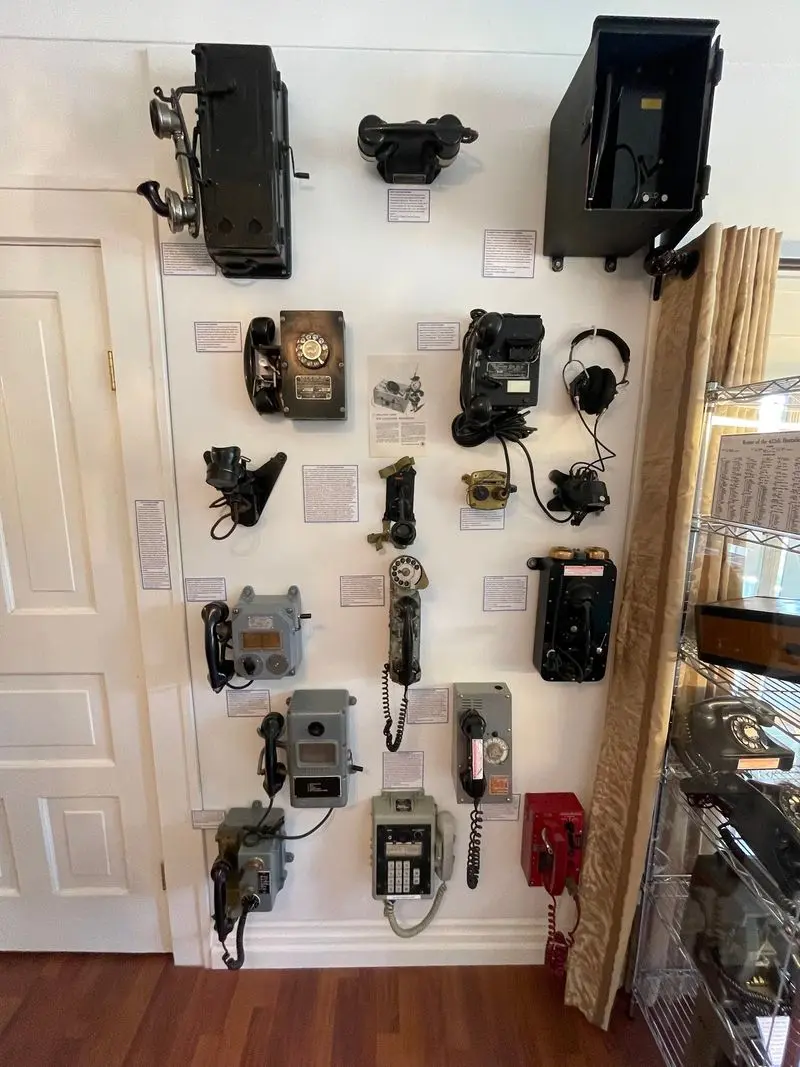
Location matters here. The museum sits on Jefferson Barracks, and part of the collection tells how the post maintained its phone system during its busy military years.
Exhibits share background on the military members assigned to that communications work. It’s a piece of Missouri history many folks drive past without ever hearing.
Military phones also appear in the broader collection. Rugged field units look nothing like the pretty colored phones of the 1950s kitchen.
This section suits veterans and history buffs especially well. It links the bigger story of the post with the everyday job of keeping people connected.
Jefferson Barracks itself carries a long military past, so the setting adds weight. You’re learning about the post’s communications while standing right on its grounds.
I like how the museum ties its subject to the place instead of floating in general history. The local angle makes the story feel rooted and real.
Ask your docent about it. The volunteers know the background well, and they’re happy to fill in details the displays only hint at.
Volunteer Docents Who Lived The Stories They Tell
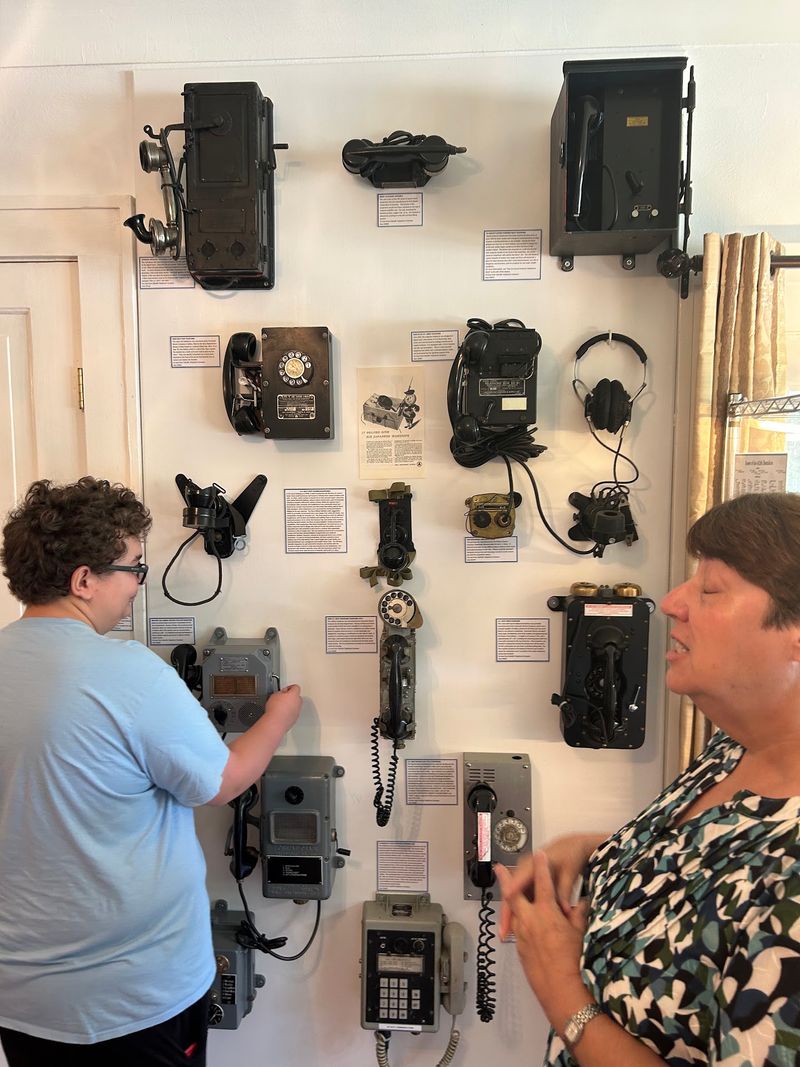
Tour guides come up again and again when people talk about this place. Knowledgeable staff and friendly volunteers rank among the most mentioned highlights.
Some docents spent their careers with the old Bell system. One visitor met a retiree with more than 30 years at the company who shared stories with real passion.
Guided tours come at no extra cost, which is a lovely bonus. A tour often runs about an hour and feels interactive rather than lecture-style.
Docents make a point of including kids in the conversation. One family said their 7-year-old was part of every discussion and demonstration along the way.
You can also explore on your own if you prefer. It’s the same space either way, but a guide unlocks stories the labels can’t hold.
Got a question about a strange-looking gadget? Ask away, because these folks seem genuinely delighted when visitors want to know more.
Honestly, the people may be the best exhibit in the building. They turn a room of telephones into a conversation, which feels exactly right.
Grandkids, Field Trips, And Memory Care Outings All Fit Here
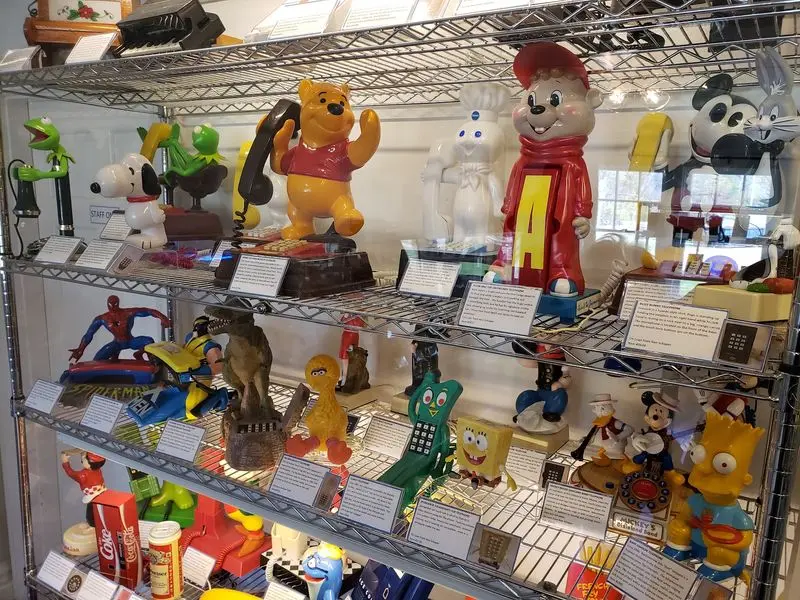
A grandparent brought a 7-year-old grandson here and called the guided tour interesting and enjoyable. The hands-on activities and novelty phones were a big hit with the little guy.
Homeschool families use the museum for field trips too. Its compact size makes it easy to cover in one focused morning.
Even a memory care home brought residents for an outing and gave it glowing praise. Familiar phones can spark conversation and recognition in a gentle, joyful way.
Very young kids can enjoy it, though expectations help. One parent with three small children felt it might suit slightly older kids best.
Elementary-age children seem to hit the sweet spot. They’re old enough to follow the stories and young enough to get excited dialing a rotary phone.
Teens and adults won’t be bored either. The engineering and history run deeper than the cute novelty phones suggest.
For Missouri families planning a multigenerational day, this checks a lot of boxes. Everyone gets something, and nobody needs to be coaxed out of the car.
Small Admission, Big Payoff For Budget-Minded Families
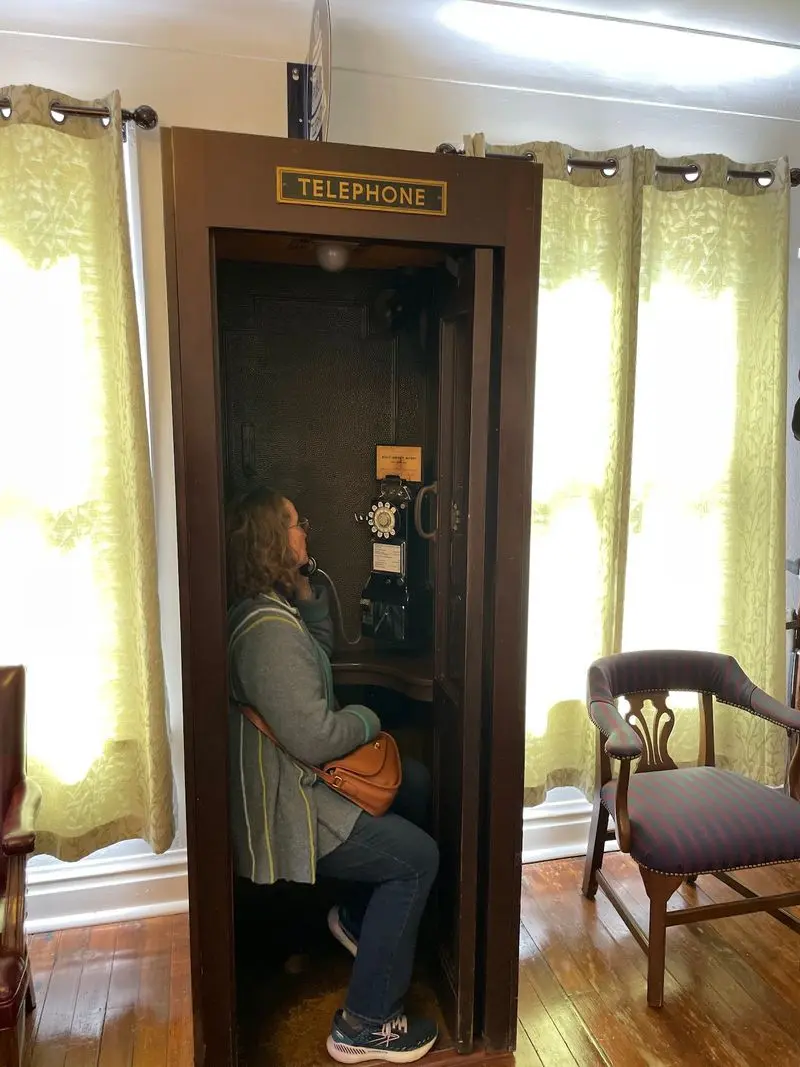
Good news for anyone watching the wallet. Admission carries only a small fee, and visitors consistently describe the museum as very affordable.
Parking is free, which helps on a family outing. A restroom is available on site, a detail every grandparent appreciates.
The guided tour costs nothing extra on top of admission. For about an hour of personal attention, that’s a deal that’s hard to beat.
A small gift shop near the entrance offers souvenirs if you’d like a memento. Kids will probably lobby for something, so plan accordingly.
Fees can change, so check current pricing before you go. Either way, it remains one of the friendliest-priced outings in the St. Louis area.
Pair it with a picnic or other stops around Jefferson Barracks, and the day stays easy on the budget. One visitor mentioned several other things to do nearby.
I believe the value here comes from heart, not frills. Volunteers built this place for love of the subject, and that shows in every corner.
Hours, Stairs, And Directions Before You Dial Up A Trip
Timing is everything with a volunteer-run spot. The museum opens Wednesday through Sunday from 9 AM to 2 PM, and it’s closed Monday and Tuesday.
Those are short windows, so arrive early. A guided tour runs about an hour, but some visitors recommend setting aside up to two hours.
You’ll find it at 12 Hancock Ave, St. Louis, MO 63125. That puts it on the Jefferson Barracks grounds in south St. Louis County, an easy drive from much of eastern Missouri.
Accessibility deserves a heads-up. Entry is up stairs, and one parent couldn’t find a ramp for a stroller.
Plan around that if anyone in your group uses a wheelchair or walker. Calling ahead can help you sort out the details before you make the trip.
Inside, the space is clean, well organized, and roomier than you might expect. One visitor also noted the area felt safe.
Hours may shift with volunteer schedules or holidays. Confirm before you head out, especially if you’re driving in from Springfield or Kansas City.
A Call Worth Returning, Long After The Tour Ends
Some museums dazzle with size. The Jefferson Barracks Telephone Museum wins with heart, hands-on fun, and a crew of retirees who clearly love what they do.
One family that had traveled across the country called it among their favorite museums anywhere. That’s quite a statement for a small building in south St. Louis.
I like that it honors both the machines and the people behind them. Operators, linemen, and engineers kept Missouri talking for generations, and their story deserves this care.
Bring the grandparents who remember party lines and the kids who’ve never seen a cord. Let them dial, listen, and swap stories along the way.
The admission is small, the parking is free, and the memories come cheap. For budget-minded day-trippers, that combination is music to the ears.
Remember the stairs, check the hours, and leave room for questions. The docents seem to enjoy answering them as much as visitors enjoy asking.
Thousands of volunteer hours went into saving this place. Spending a couple of your own there feels like the right way to say thanks.