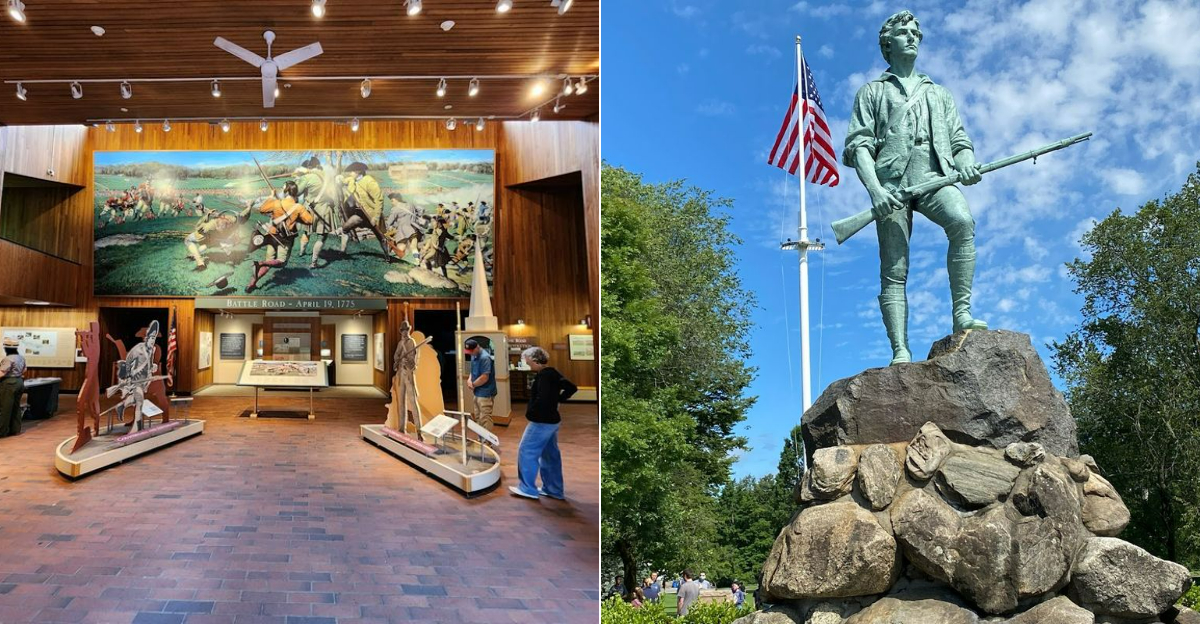
Imagine standing on the very ground where ordinary farmers and tradespeople became heroes overnight, sparking a revolution that changed the world forever. On April 19, 1775, Massachusetts became the birthplace of American freedom, and the incredible thing is you can still visit those exact spots today.
From Lexington to Concord, these historic sites are not just museums behind glass — they are open fields, old taverns, and ancient bridges where history literally happened beneath your feet. Whether you are a history fan or just curious, these places will give you chills in the best possible way.
Lexington Battle Green
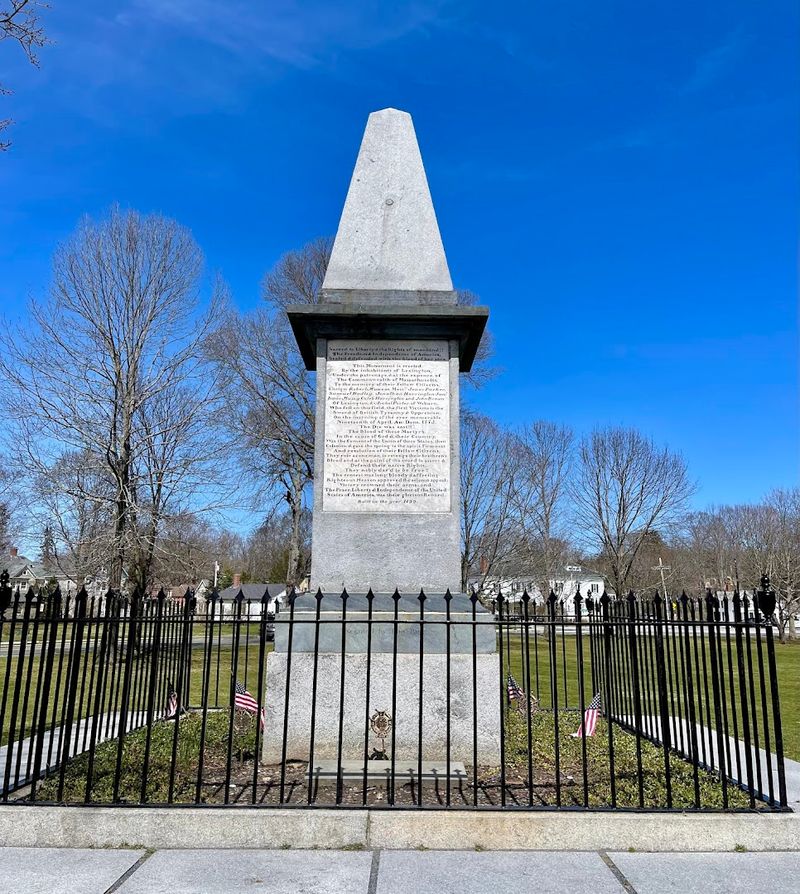
Before the sun had fully risen on April 19, 1775, a small group of colonial militiamen stood their ground on this modest patch of grass, facing hundreds of British soldiers. That moment of extraordinary courage launched the American Revolution.
Lexington Battle Green is where it all began.
Today, visitors can walk right onto the same green and feel the weight of that morning. A granite monument marks the spot where eight patriots fell, and their names are carved into the stone for all to read.
Standing here makes history feel startlingly real.
The green is free to visit and open year-round. Every April 19th, a reenactment draws thousands of spectators who watch actors in colonial uniforms recreate that fateful standoff.
Local volunteers and historians are often on hand to answer questions and share stories that no textbook quite captures the way being there does.
Minuteman Statue (Lexington)
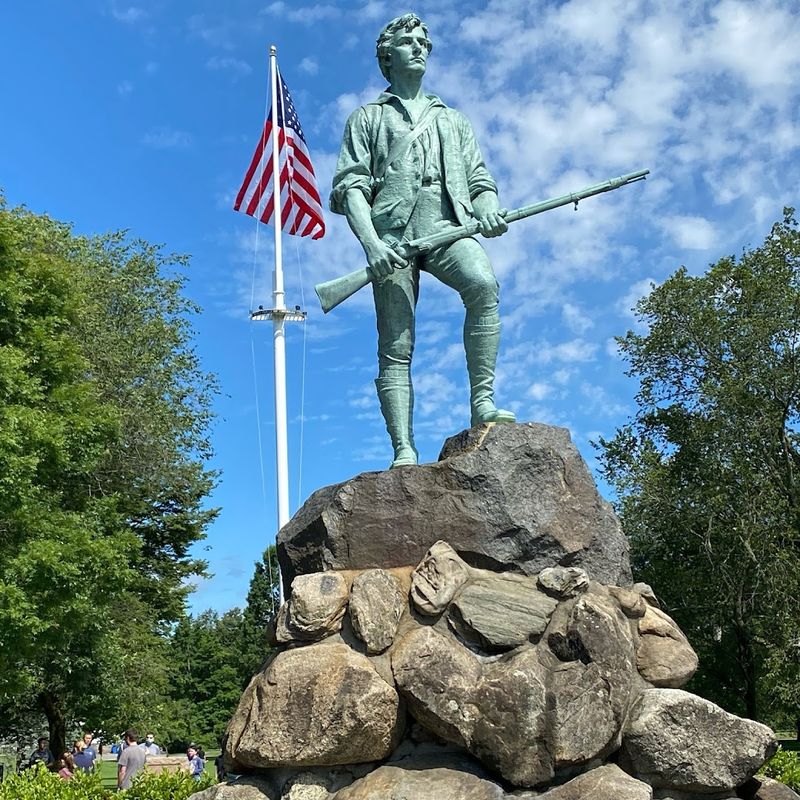
Bold, upright, and ready for anything the Minuteman Statue in Lexington captures exactly the spirit of the men who dared to face the most powerful army in the world with little more than farming tools and determination. It is one of the most photographed monuments in New England.
Sculpted and placed on Lexington Battle Green, the statue honors the militiamen who answered the alarm on April 19, 1775. The figure stands with a musket in hand, representing every ordinary man who chose to become a soldier that day.
Up close, the detail in the bronze is remarkable.
Visiting this statue is completely free and takes only a few minutes, but the impression it leaves lasts much longer. Kids especially love standing next to it for photos.
It serves as a powerful reminder that the people who changed history were not famous generals at first they were neighbors and farmers.
Buckman Tavern
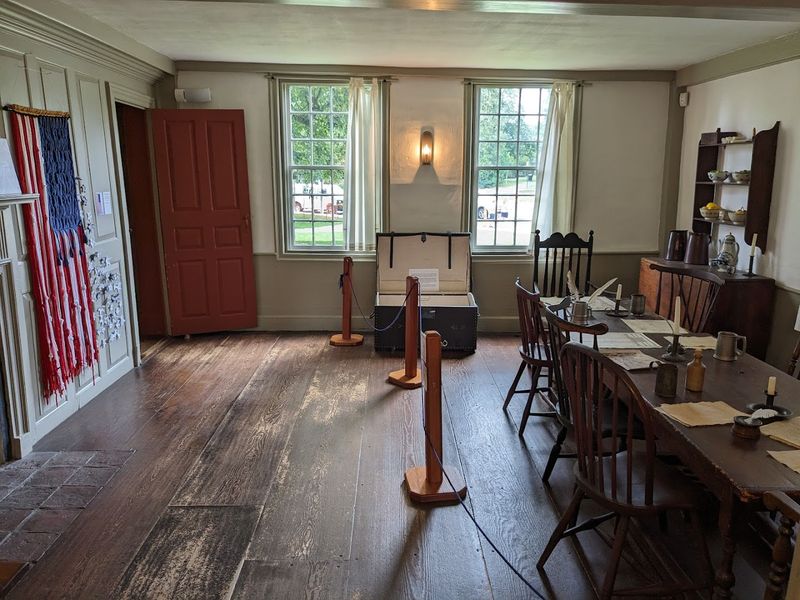
Picture dozens of nervous militiamen crowding into a creaky old tavern at four in the morning, loading muskets and waiting for word about the approaching British troops. That is exactly what happened inside Buckman Tavern on April 19, 1775, making it one of the most dramatic buildings in American history.
Built around 1709, Buckman Tavern served as the headquarters for the Lexington militia before the famous standoff on the Battle Green. Today it operates as a museum, and guided tours walk visitors through rooms that still contain original 18th-century furniture and artifacts.
The original bar where men gathered that night is still intact.
Admission is affordable, and the knowledgeable guides bring the stories to life in ways that feel more like storytelling than a history lecture. Look for the musket ball hole still visible in the front door a genuine relic of that chaotic April morning that no restoration team has chosen to erase.
Battle Road Trail
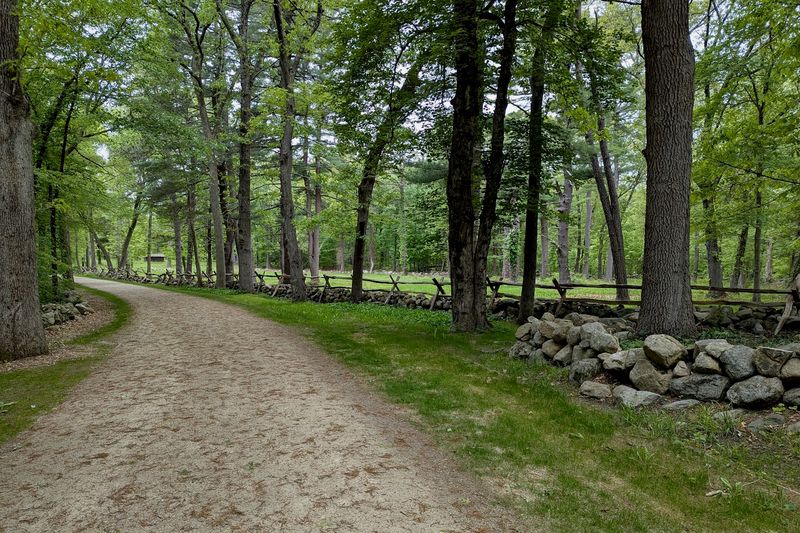
Few walks in America carry as much weight as a stroll along Battle Road Trail. Stretching about five miles through Minute Man National Historical Park, this path follows the actual route British soldiers marched and then desperately retreated along on April 19, 1775.
Along the way, interpretive signs pop up at key locations explaining exactly what happened at each spot. You might pass a stone wall where colonial snipers hid, or a field where a skirmish broke out during the chaotic British retreat.
The landscape has been carefully preserved to look much as it did in the 18th century.
The trail is open year-round and free to walk or bike. Families with kids will find it surprisingly engaging because the story unfolds piece by piece as you move forward, almost like a living museum.
Wear comfortable shoes since some sections are unpaved, and bring water, especially during summer months when the shaded sections feel like a welcome relief.
North Bridge (Concord)
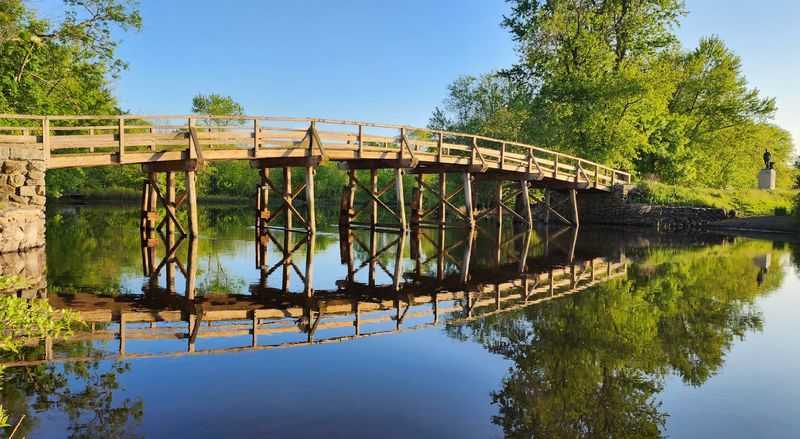
Ralph Waldo Emerson called it the shot heard round the world, and he was not exaggerating. On April 19, 1775, colonial militiamen fired back against British troops at this exact bridge, marking the first organized armed resistance of the American Revolution.
North Bridge in Concord is where the fight truly ignited.
The current bridge is a faithful wooden replica of the original, arching gracefully over the calm Concord River. Standing on it, you can look out over the same meadows and tree lines that colonial soldiers saw that morning.
It is a surprisingly peaceful spot considering the explosive history it holds.
Access to the bridge is free and available every day of the year. Rangers from the National Park Service are frequently stationed nearby and love sharing stories that go beyond the standard history class version.
Sunrise visits are especially magical — the mist rising off the river makes the whole scene feel like stepping directly into a painting of the past.
Minuteman Statue at North Bridge (Concord)
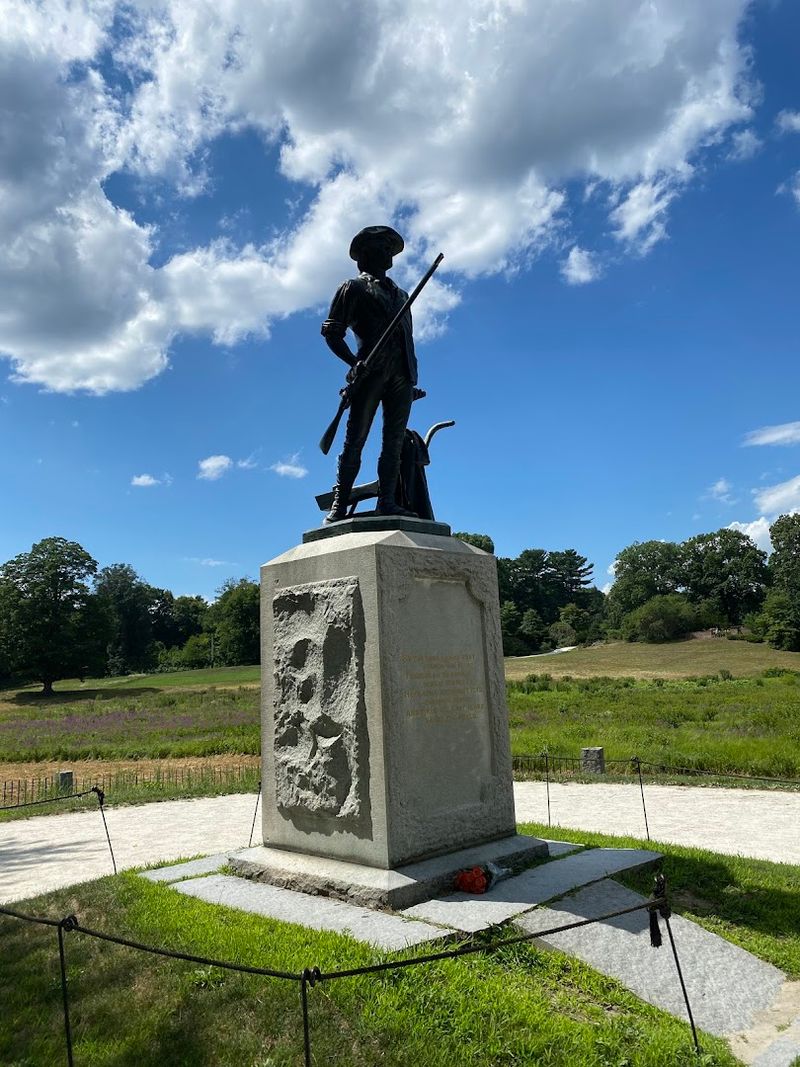
Daniel Chester French created this iconic statue in 1875, exactly one hundred years after the battle at North Bridge — and it became one of the most recognized sculptures in American history. The figure shows a young farmer dropping his plow to pick up his musket, perfectly capturing the spirit of the minuteman.
Placed right beside the replica North Bridge, the statue overlooks the Concord River with a quiet confidence. The inscription on its base includes lines from Emerson’s famous poem about the battle, adding a layer of literary history to an already powerful monument.
Many visitors read the words aloud without even planning to.
Photography here is spectacular in every season. Spring brings wildflowers along the riverbank, fall turns the trees behind the statue into a blaze of orange and red, and winter snowfall gives the whole scene an almost surreal quality.
French would later go on to sculpt the Lincoln Memorial in Washington D.C., so this was just the beginning of his legendary career.
Minute Man National Historical Park Visitor Center
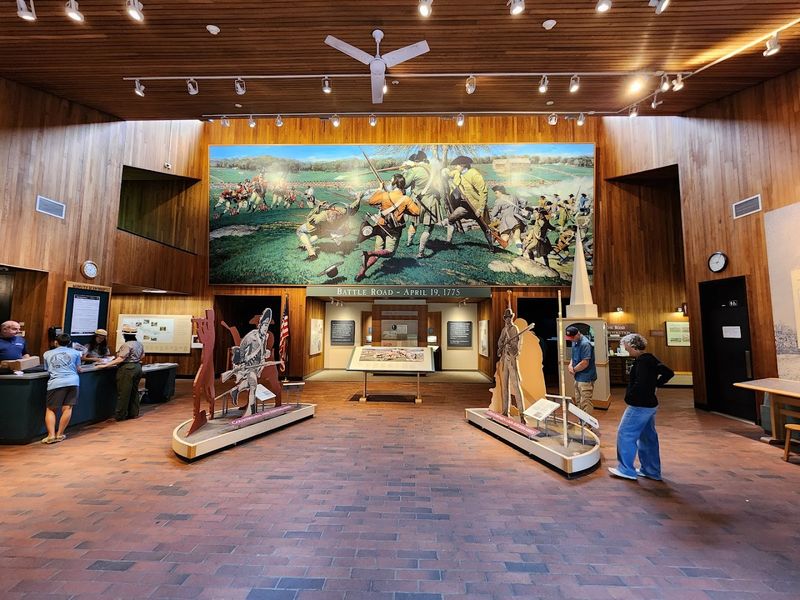
Every great adventure needs a good starting point, and for exploring the Battle Road area, the Minute Man National Historical Park Visitor Center is exactly that. Located in Lincoln, this facility is run by the National Park Service and packed with exhibits, films, and maps that make the April 19th story crystal clear before you head outside.
The centerpiece of the visitor center is an impressive multimedia program called The Road to Revolution, which uses dramatic lighting and sound effects to recreate the events of that historic day. It runs regularly throughout the day and is genuinely exciting for visitors of all ages.
Many people say it is the best way to understand the full story before walking the trail.
Admission to the visitor center is free, and the staff rangers are enthusiastic and well-informed. Pick up a free trail map here, browse the bookshop for titles on Revolutionary War history, and ask rangers for their personal recommendations on which sections of Battle Road are most worth visiting during your trip.
Paul Revere Capture Site (Lincoln)
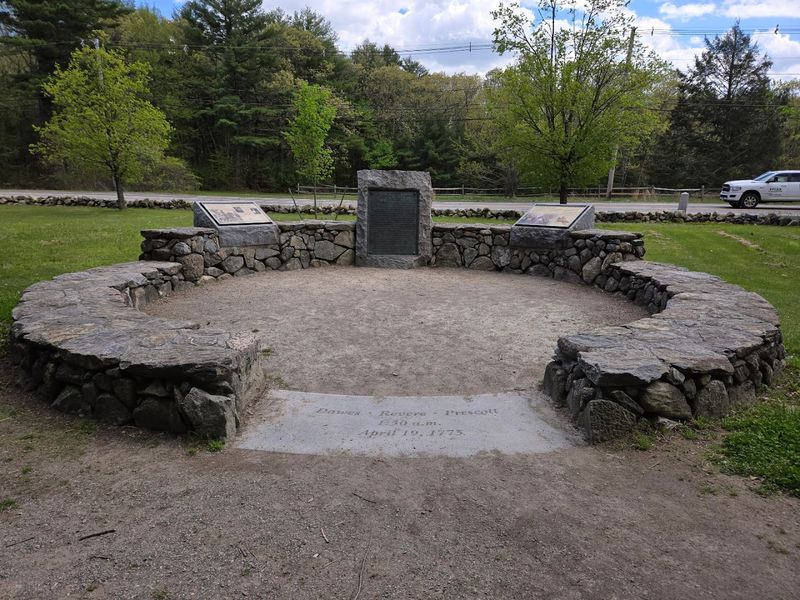
Most people know Paul Revere for his famous midnight ride warning that the British were coming, but fewer know that his ride ended abruptly right here in Lincoln, Massachusetts, where British soldiers stopped him at a roadblock and took him into custody. It is one of history’s great plot twists.
A modest roadside marker identifies the approximate location where Revere was captured on the night of April 18 into April 19, 1775. Despite being detained, Revere had already completed the most critical part of his mission, alerting Samuel Adams and John Hancock in Lexington.
His fellow rider, Samuel Prescott, escaped and carried the warning to Concord.
The site sits along a quiet stretch of road and is easy to miss if you are not looking for it, which somehow makes finding it feel even more rewarding. There is no admission charge and no formal visitor facility, just a marker and the trees and the road that witnessed one of the most dramatic nights in American history.
Old North Bridge Area and Surrounding Terrain
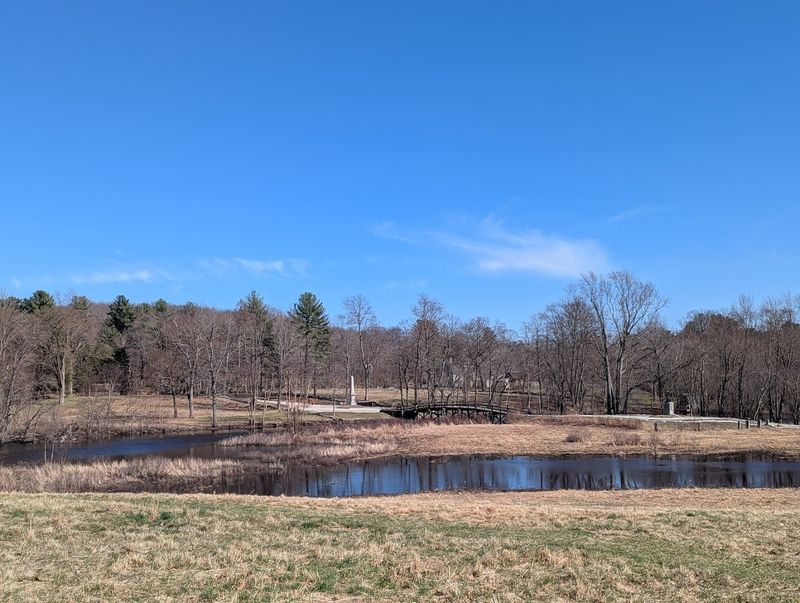
There is something almost meditative about wandering the open terrain surrounding the Old North Bridge in Concord. Beyond the bridge itself, the landscape stretches into meadows, wetlands, and forested hillsides that look remarkably similar to how they appeared in April 1775 when hundreds of militiamen gathered here to confront the British.
Walking the paths around the bridge gives visitors a sense of the actual geography that shaped the battle. Visitors can follow trails that loop through fields where colonial forces assembled, across ridgelines where commanders surveyed the scene, and along the riverbank where the skirmish unfolded in real time.
The terrain tells the story in ways that words alone cannot.
Wildlife thrives in this area too, making it a favorite among birdwatchers and nature lovers who combine outdoor recreation with history exploration. Great blue herons are frequently spotted along the river, and in autumn, the foliage transforms the whole area into a stunning tapestry of color.
Bring binoculars and plan to spend at least a couple of hours exploring properly.
Concord’s Monument Square
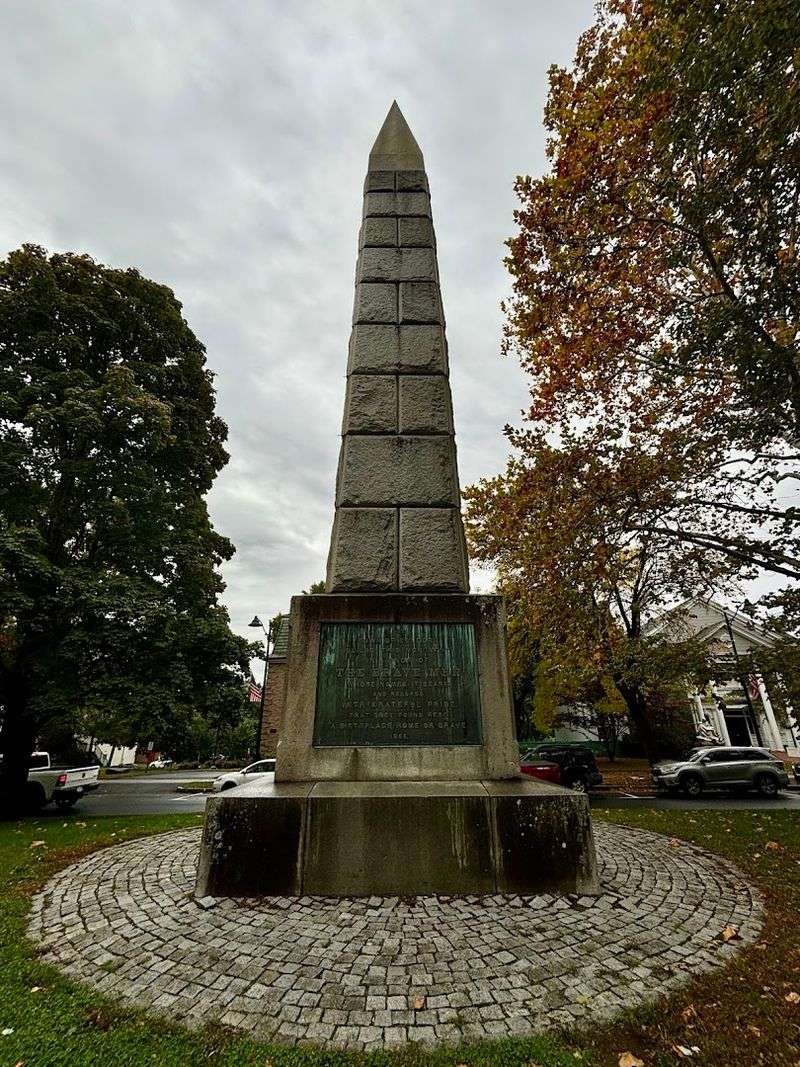
Concord’s Monument Square sits at the heart of one of the most historically rich small towns in America, and it wears that distinction with quiet pride. The square is surrounded by beautifully preserved colonial and Federal-style buildings, and the central monument anchors the space with a sense of civic dignity that feels timeless.
On April 19, 1775, this area buzzed with activity as militia companies assembled and British troops passed through. Today it functions as a living town center where locals grab coffee, visitors browse shops, and everyone coexists in a space where history and everyday life overlap in a uniquely Concord way.
Parking near Monument Square is relatively easy by Massachusetts standards, and from here you can walk to several other historic sites within minutes. The square also serves as a gathering point for organized walking tours that depart regularly during the warmer months.
Stopping here first helps orient visitors to Concord’s layout and gives the surrounding history a helpful geographic anchor.
Battle Monument (near North Bridge)
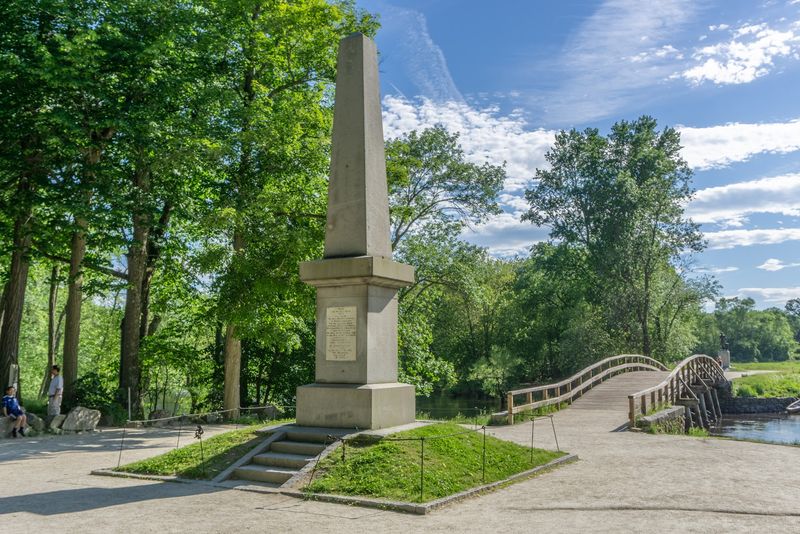
Tucked near the North Bridge on the British side of the river stands a stone monument that carries a fascinatingly complicated history. Originally erected to honor the British soldiers who fell during the April 19th battle, it became one of the first memorials in America to acknowledge fallen enemy combatants, a surprisingly nuanced gesture for its era.
The monument dates back to 1836 and features an inscription that acknowledges the soldiers who came from Britain and never returned home. Standing beside it invites visitors to think about the battle from a perspective that is rarely discussed in standard American history classes.
It humanizes the conflict in a way that feels both sobering and important.
The monument is free to visit and just a short walk from the Minuteman Statue and the bridge. Many visitors overlook it entirely while rushing between the more famous landmarks, which means those who pause here often have the spot entirely to themselves.
That quiet moment of reflection is worth more than any souvenir shop purchase nearby.
Emerson, Thoreau, Alcott, and Hawthorne Homes (Concord Area)
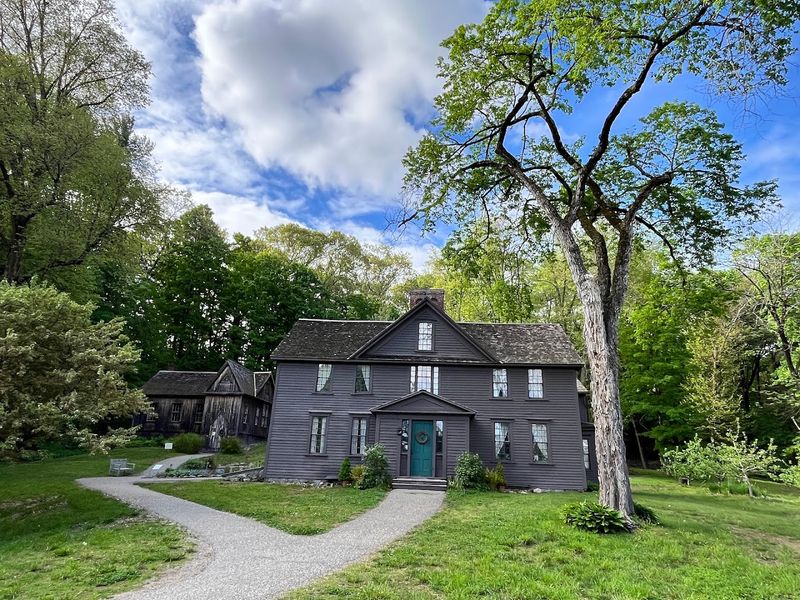
Concord did not just birth a revolution in 1775 — it also became the intellectual heartbeat of 19th-century America, home to some of the greatest writers the country has ever produced. Ralph Waldo Emerson, Henry David Thoreau, Louisa May Alcott, and Nathaniel Hawthorne all lived within walking distance of each other here, which is a remarkable concentration of literary genius.
Emerson’s home on Cambridge Turnpike is open for tours and contains original furnishings and personal items. Orchard House, where Alcott wrote Little Women, draws fans from around the world who have grown up loving that story.
Thoreau’s connection to the land around Walden Pond adds yet another dimension to Concord’s already layered identity.
Visiting these homes alongside the Revolutionary War sites creates a uniquely full picture of Concord’s extraordinary role in shaping American culture. The town produced both the first armed resistance to tyranny and some of the most enduring ideas about freedom, nature, and individual conscience.
That combination makes Concord unlike any other small town in the entire country.