The past can still be heard in the steady clatter of trolley wheels against steel rails. At the Shore Line Trolley Museum in East Haven, Connecticut, historic electric cars carry visitors through quiet marshland and autumn scenery, offering a view of the landscape that feels wonderfully different from a drive down the highway.
Located at 17 River St, the museum preserves a collection of historic trolleys while giving visitors the chance to experience rail travel from another era. As the car moves along the tracks, you can watch changing leaves and wetlands pass beyond the windows, then step back into the museum to see the vehicles and stories behind them.
The combination of a vintage ride, preserved railcars, and seasonal scenery makes this an easy outing for history lovers and curious travelers alike. Here’s what you can discover when you climb aboard and let the rails set the pace.
A Ride on Rails With a Story
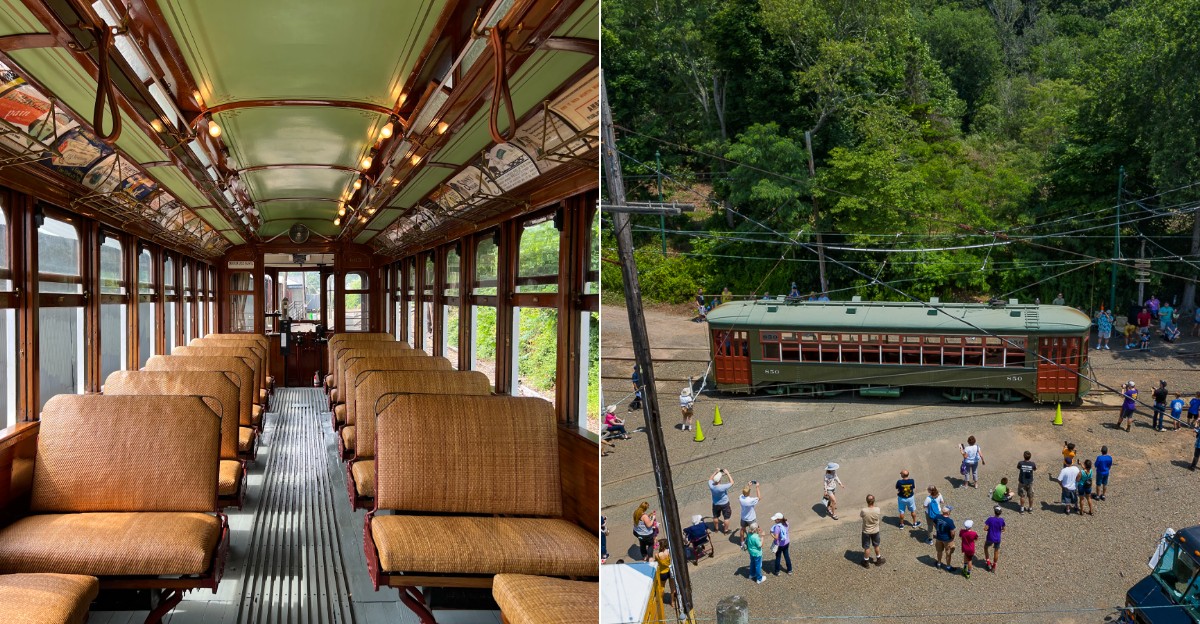
A low rumble under your feet can make the present feel far away. Once the trolley starts rolling, it is easy to picture neighbors taking the same line to work or to visit friends.
At the Shore Line Trolley Museum in East Haven, the ride happens on a surviving part of the Branford Electric Railway.
Passenger service on this line began in 1900, long before most families owned cars. The museum keeps that story moving with restored electric trolleys and the original route, rather than asking visitors to imagine everything from a display case.
Watch how the car follows the rails and listen for the changing sounds as it travels.
For a closer look at history, ask the operator about the car you are riding. Different vehicles have different stories, so the answer may change from one visit to the next.
You do not need to know much about trains to enjoy the trip; the motion and views do plenty of explaining.
Plan time for the exhibits as well as the ride. Seeing the tracks in use, then learning why they mattered, turns a pleasant fall outing into a story you can take home.
Fall Color Along the Line
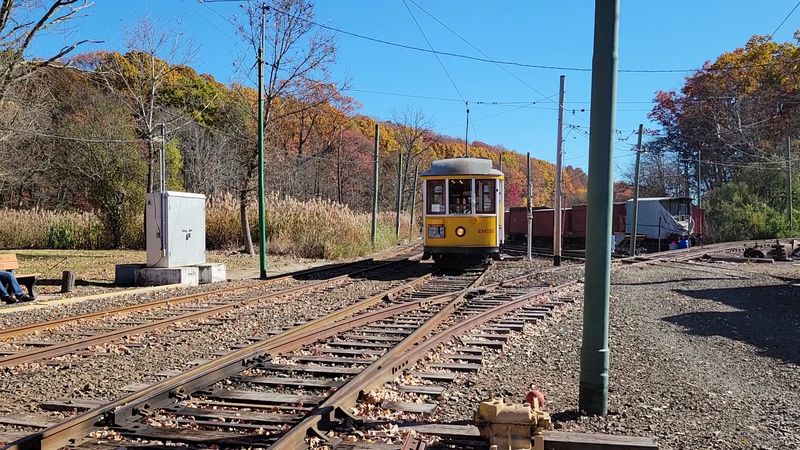
Orange leaves look different when they slip past a trolley window. Instead of hurrying down a road, you can sit back and notice each patch of color along the tracks.
The Shore Line Trolley Museum offers that slower view of fall from its historic rail line in East Haven.
The route runs near the Farm River Estuary, where marsh grasses add softer colors to the season. Trees along parts of the line bring brighter reds and yellows, though the display changes with the weather and the week.
A clear afternoon can make the water and leaves especially easy to see.
If foliage is your main reason for going, check the museum’s current calendar before making plans. Regular rides and special fall events may run on different dates, and peak leaf color is never guaranteed.
Bring a light layer for the cooler air and keep your camera ready without spending the whole ride behind it.
There is something restful about watching the landscape change at trolley speed. The outing gives families, friends, and solo visitors a chance to enjoy autumn without planning a long drive or a difficult hike.
Wildlife Beyond the Window
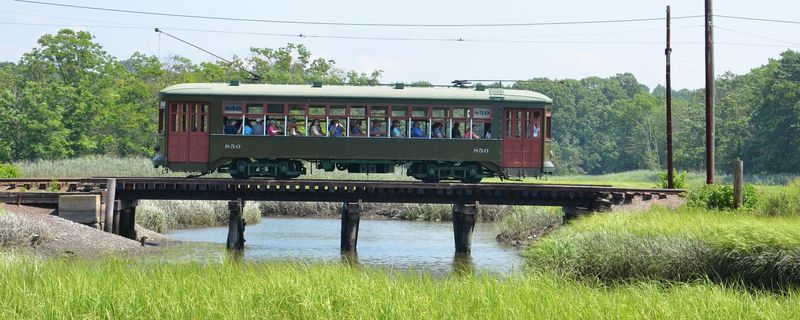
A sudden shape above the marsh might steal your attention from the trolley itself. Birds use this coastal habitat, and patient riders may spot an osprey circling overhead.
The scenic trip at the Shore Line Trolley Museum passes salt marsh near the Farm River, adding a wild side to the historic ride.
Keep an eye on the sky, but look across the reeds and water too. Light and movement can help you notice birds at a distance, even when you cannot name them.
Wildlife sightings are never promised, which makes a surprise appearance more exciting.
A small pair of binoculars can help, especially for children who want to see what is happening beyond the tracks. Use a quiet voice when pointing something out so other passengers can enjoy the moment as well.
Stay aboard unless museum staff invite you to step off at a scheduled stop.
Even on a day without a dramatic sighting, the marsh is worth your attention. Its open views offer a change from the enclosed trolley car and show how close nature sits to this old railway.
It is a lovely reminder to slow down and look around.
History You Can Hear and Feel
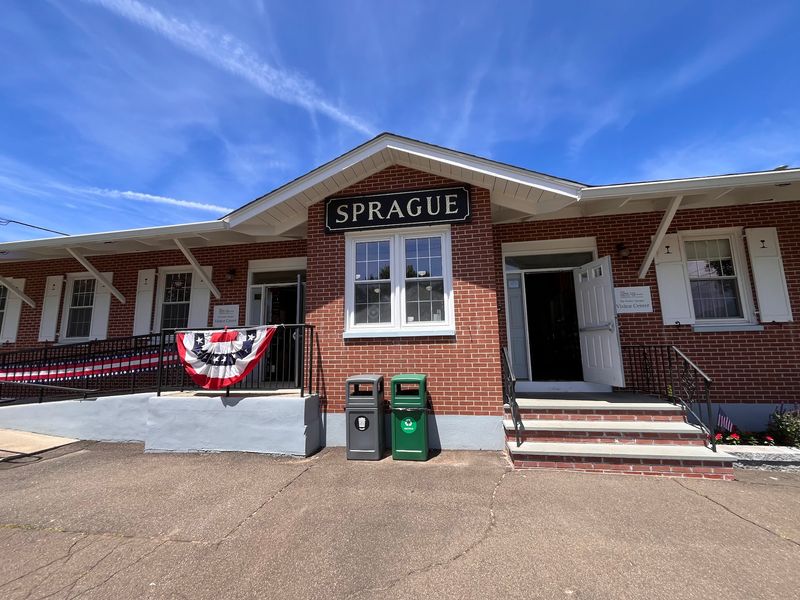
A history lesson feels less like homework when the floor moves beneath your shoes. On a museum trolley, the hum of the motor and the view through the windows make old ideas real.
That is part of the appeal of the Shore Line Trolley Museum, where exhibits and a ride tell the same story in different ways.
Start in the Sprague Visitors’ Center to learn what electric trolleys were and how they worked. Then listen to the operator during your trip; staff and volunteers often share details about the line and its cars.
Their stories can help you imagine daily travel before buses and family cars became common.
Children may enjoy choosing one detail to look for, such as the seats, windows, or equipment that connects the car to its power source. Adults can ask how a particular trolley reached the museum.
There is no test at the end, so follow whatever catches your interest.
Leave time to return to the exhibits after the ride. A fact that seemed ordinary indoors may mean more once you have heard the wheels, watched the route, and sat where earlier passengers once sat.
A Seat in a Working Antique
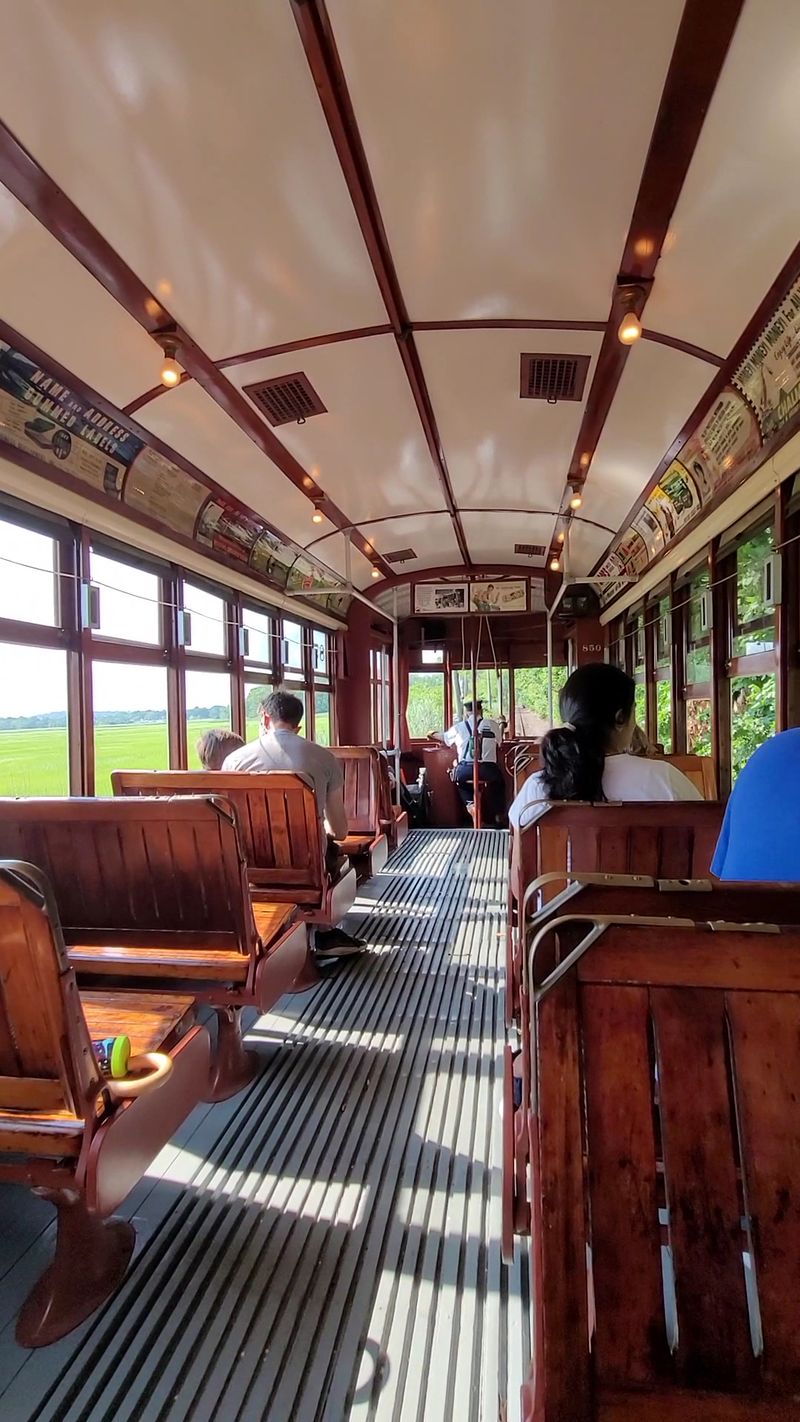
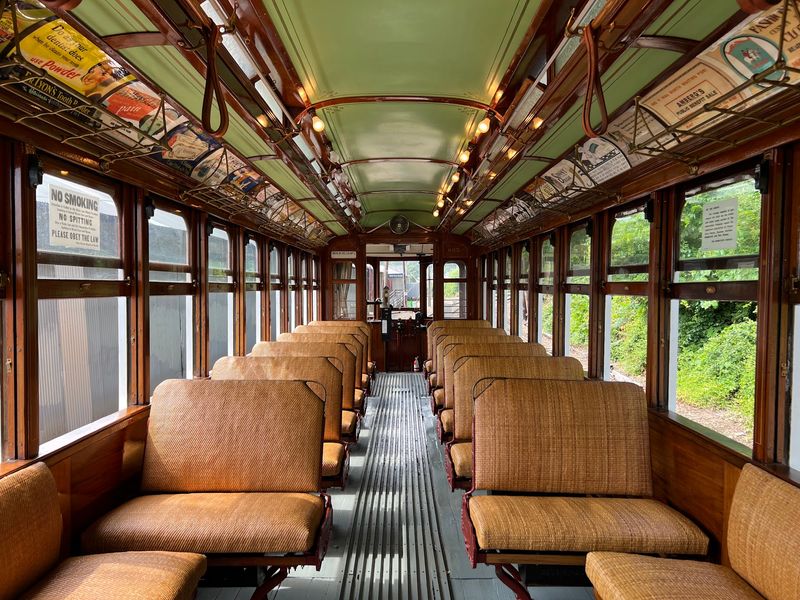
The seat beneath you has a history that no new ride can copy. Look at the windows, the fittings, and the way people share space inside a vintage trolley.
At the Shore Line Trolley Museum, a ride offers a close look at a vehicle built for everyday travel in another era.
The collection includes nearly 100 historic transit vehicles, though not every car operates or appears on every visit. Some date to the late nineteenth or early twentieth century.
Restoring them takes careful work, and a running car offers a chance to see the result beyond the workshop.
When you board, take a moment to look around before reaching for your phone. Notice what feels familiar and what seems different from a modern bus or train.
Ask museum staff which car is running that day if you want to know its age and former home.
Riding an antique is more than a fun photo opportunity. The gentle bumps, shared seats, and changing scenery help you understand why these cars mattered to the people who used them.
History feels closer when you can sit inside it and watch the world roll by.
Surprises in the Trolley Barns
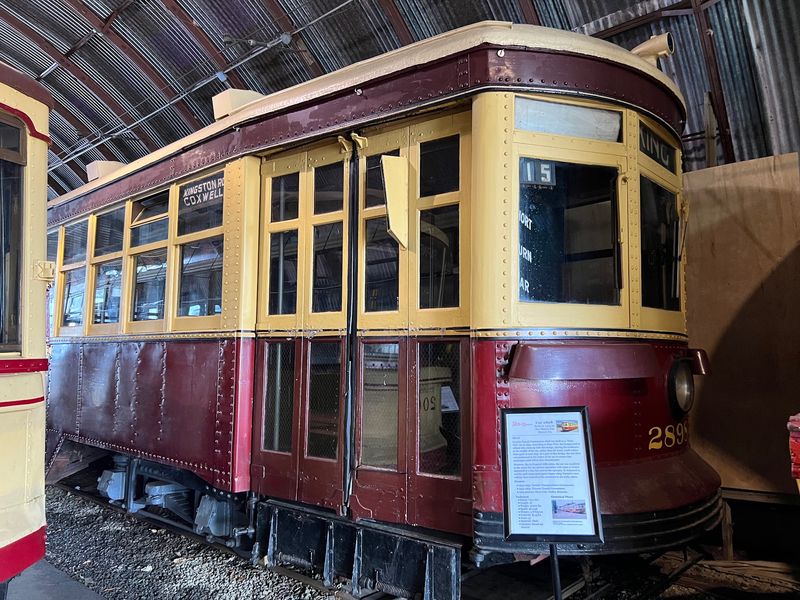
Just when you think the ride is the whole adventure, another set of doors opens. The car barns hold more vehicles than you could see from a passing trolley window.
On many regular museum visits, a stop gives guests a closer look at part of the Shore Line Trolley Museum’s collection.
Rows of old transit cars show how many shapes and styles a trolley can take. Some have been restored, while others reveal how much work preservation can require.
A guide may explain where a vehicle came from or what still needs attention before it can run again.
Follow staff directions in the barns and watch your step around rails and equipment. If a tour is important to your visit, check what is included with the ticket you plan to buy; special events may have different schedules.
Give yourself time to study small details rather than racing to the next car.
The barns make the museum feel less like a single ride and more like a continuing project. Seeing the work behind the scenes adds a new respect for the people who keep these old machines and their stories alive.
A Local Fall Tradition
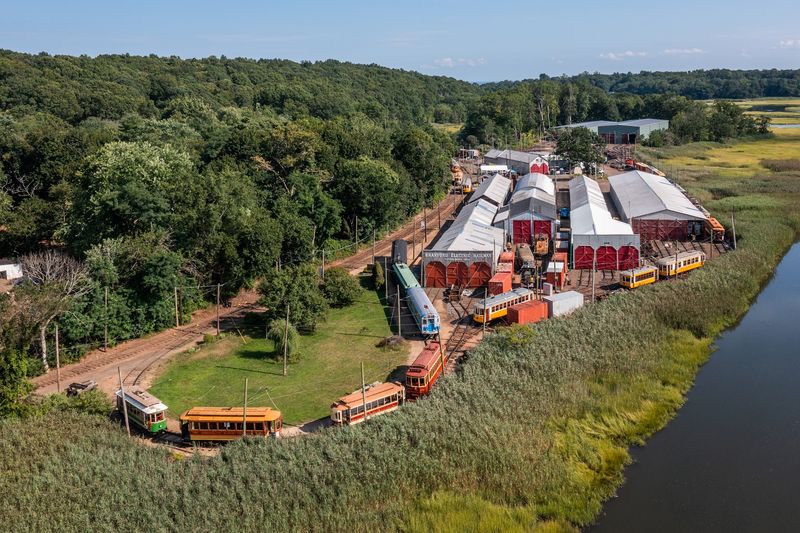
A town feels different when neighbors gather to celebrate the season. Laughter and conversation can make a museum visit feel like part of a larger East Haven story.
The Shore Line Trolley Museum has taken part in local fall festivities, giving visitors another way to connect with the railway and its community.
Festival-related museum plans may include rides or time to explore, but the offerings are not the same every year. Check the museum’s event calendar before you travel, especially if you hope to visit on a festival date.
Confirm hours, ticket needs, and what activities are actually taking place at the museum.
Once there, take a moment to chat with a volunteer if the schedule allows. Many know stories about the cars, the line, and the work that keeps it running.
A friendly exchange can make the visit feel more personal than a quick ride alone.
This is a good choice for visitors who enjoy seeing a historic place in use today. The trolley is not only an object from the past; it is also something people still gather around, share with children, and celebrate together each fall.
The Track at Golden Hour
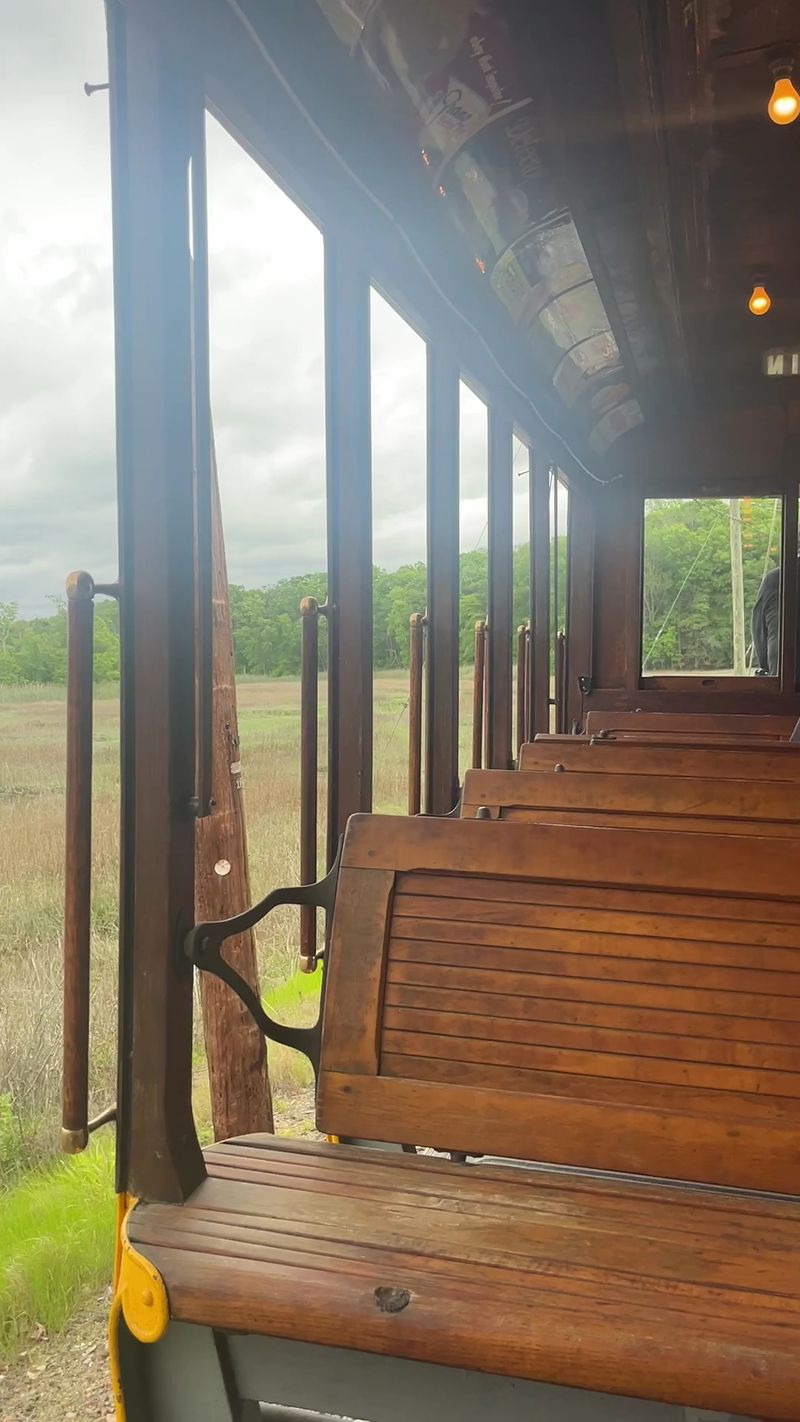
Late sunlight can turn an ordinary window view into something you want to remember. Marsh grass glows, shadows stretch beside the rails, and the trolley seems to move a little more quietly.
The Shore Line Trolley Museum has offered sunset and fall foliage rides that give visitors a chance to see its line in this softer light.
These special trips may differ from a standard visit in length, stops, and activities. Look up the current event description before buying tickets so you know what the ride includes.
Sunset times change quickly in fall, and an evening ride can feel cooler than an afternoon one.
Bring a light jacket and arrive early enough to board without rushing. If you hope to take pictures, try a few shots, then put the camera down and watch the view.
Cloud cover may change the colors, but the estuary has its own appeal even without a bright sunset.
For couples, friends, or anyone who wants a calm end to the day, the timing adds something special. The old car gives you a comfortable place to pause while the Connecticut shoreline settles into evening.
A Railway Worth Keeping
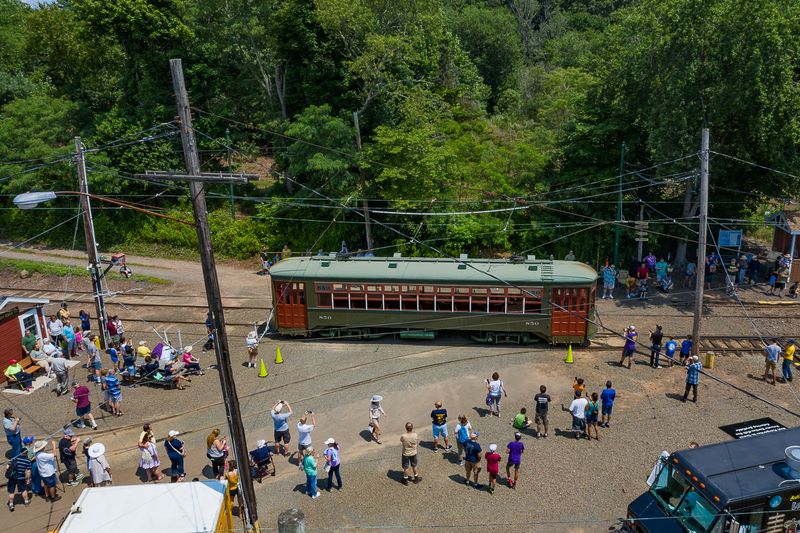
Some old places survive because people refuse to let their stories disappear. The rails at the Shore Line Trolley Museum are more than a scenic route; they belong to a railway with a long place in Connecticut travel history.
Riding them is a simple way to see why preservation matters.
The Branford Electric Railway began passenger service in 1900 and is known as the oldest continuously operating suburban trolley line in the United States. Its historic district was added to the National Register of Historic Places in 1983.
The museum is operated by the Branford Electric Railway Association, whose work helps keep the line and its vehicles available to visitors.
Try looking beyond the trolley car during your visit. Notice where the tracks lead, how the line fits into the landscape, and how different travel must have felt when it first opened.
The museum’s exhibits can help put those details into context.
A ticket gives you an enjoyable outing, but it also supports a living connection to the past. Long after the fall leaves are gone, the memory of riding a real historic railway may stay with you.