
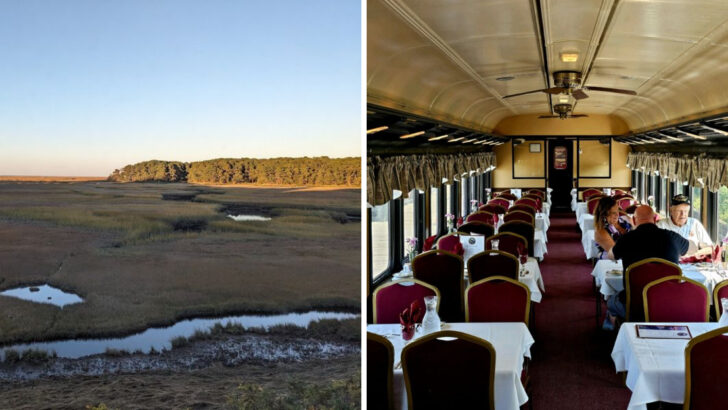
Imagine boarding a vintage train and watching Cape Cod’s stunning landscapes roll by your window — salt marshes, cranberry bogs, and coastal woodlands all within a single ride.
The Cape Cod Central Railroad, departing from Hyannis, Massachusetts, offers exactly that kind of unforgettable experience.
Whether you’re a history buff, a nature lover, or just looking for something different to do on the Cape, this scenic rail journey checks every box.
Grab your ticket and get ready for a trip that feels like stepping straight into a postcard.
A Step Back in Time on Cape Cod Rails
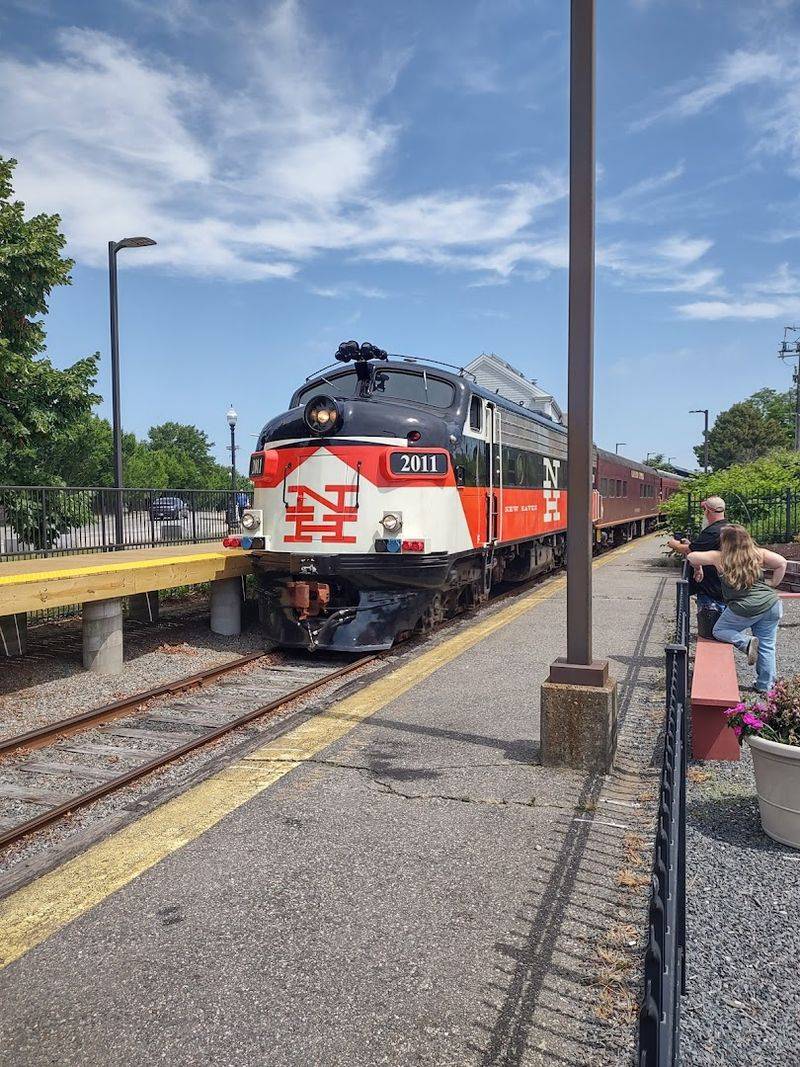
Some journeys are about more than just getting from one place to another — they’re about feeling something. The Cape Cod Central Railroad delivers exactly that kind of experience, wrapping passengers in the warm nostalgia of classic American rail travel while moving through one of New England’s most beautiful coastal regions.
Departing from Hyannis, the train winds through landscapes that most visitors never get to see up close. Forget the car traffic and the crowded beaches for a few hours.
Here, the pace slows down, the scenery opens up, and the rhythm of the rails does all the work.
Rail travel on Cape Cod dates back to the mid-1800s, when trains helped transform small fishing villages into popular summer destinations. Riding the Cape Cod Central today connects you to that history in a way that feels genuine and unhurried.
It’s the kind of trip that reminds you why slow travel is often the most rewarding kind.
Departure Point: Hyannis Historic Rail Hub
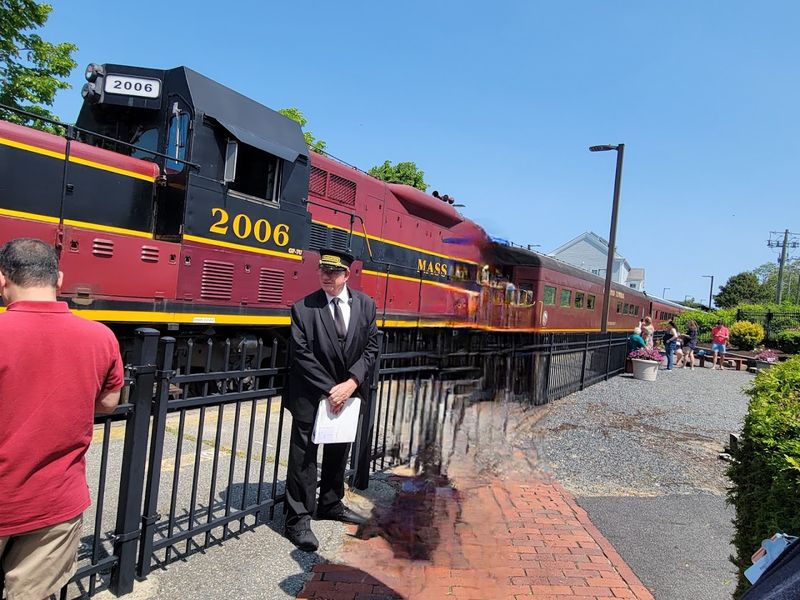
Every great rail adventure needs a great starting point, and the Hyannis Depot delivers. Located at 252 Main Street in the heart of Hyannis, this historic station has been welcoming travelers for generations.
It sits right in the middle of Cape Cod’s busiest town, making it easy to reach whether you’re driving in or already staying nearby.
The depot itself has a character all its own. Old-fashioned signage, a classic platform layout, and the distant sound of a train whistle set the mood before you even step aboard.
Staff members are friendly and knowledgeable, happy to answer questions and help first-time riders feel right at home.
Hyannis is also a fantastic base for exploring the broader Cape Cod area. After your train ride, you’re just minutes away from Kennedy Memorial, Hyannis Harbor, and dozens of restaurants and shops.
Arriving early gives you time to explore the depot area and grab a snack before boarding. Pro tip: parking near the depot fills up quickly during summer weekends, so plan ahead and arrive with extra time to spare.
Vintage Railcars and Onboard Atmosphere
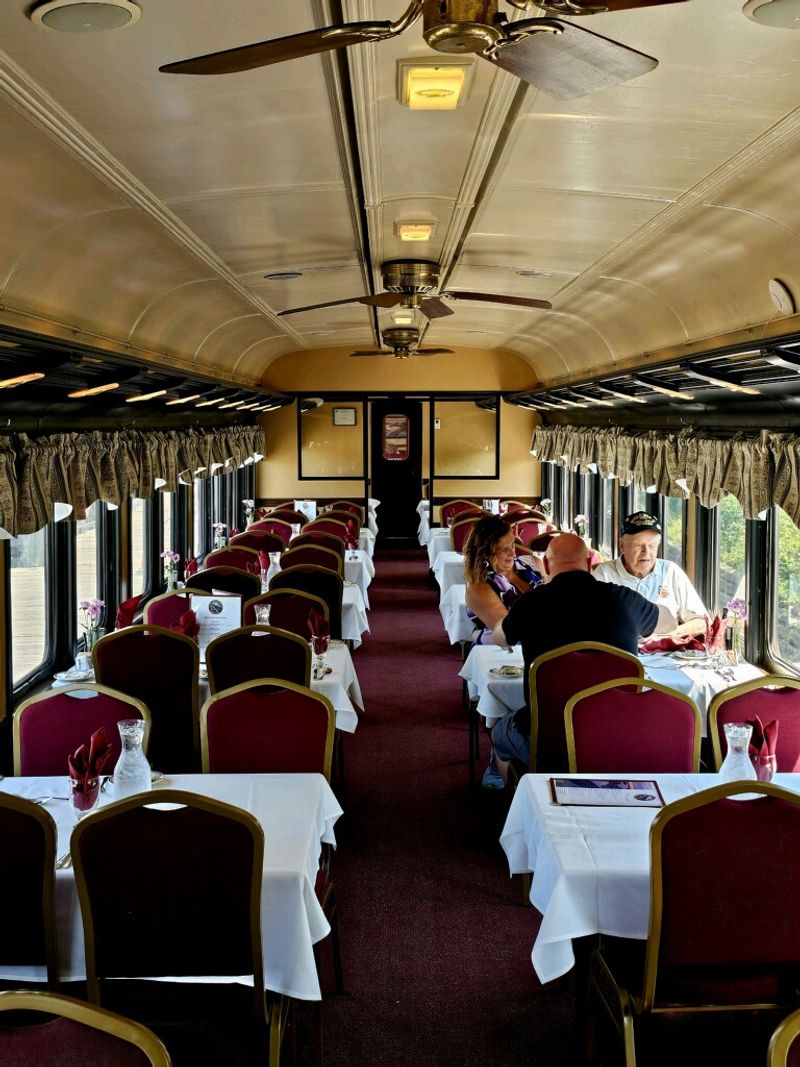
Stepping aboard the Cape Cod Central Railroad feels like walking into a different era. The passenger cars are carefully restored to capture the style of early-to-mid 20th century rail travel, complete with wide windows, comfortable seating, and warm interior details that modern trains simply don’t offer anymore.
Those oversized windows are the real stars of the show. They frame the passing scenery like living paintings — salt marshes reflecting the sky, cranberry bogs glowing red in fall, and dense coastal woodlands flickering past.
Narrated commentary plays throughout the journey, giving context to what you’re seeing without overwhelming the peaceful mood.
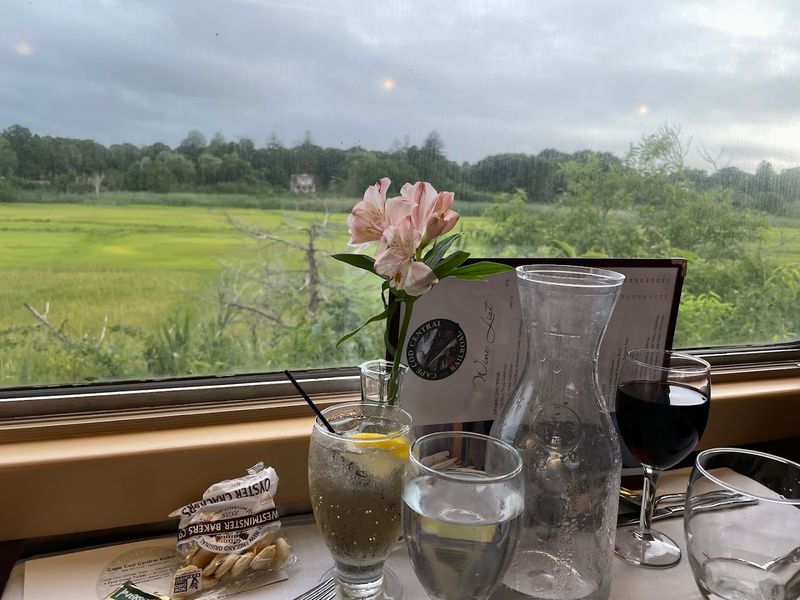
Dining cars add another layer of charm to the experience. Whether you’re joining a brunch excursion or a dinner ride, the food is served with a side of gorgeous scenery that no restaurant can replicate.
Even on standard scenic trips, light refreshments are often available onboard. The whole atmosphere strikes a balance between relaxed sightseeing and genuine historical immersion, making it equally enjoyable for first-time riders and seasoned rail enthusiasts who appreciate the craftsmanship behind a well-preserved vintage coach.
Cranberry Bog Country Views
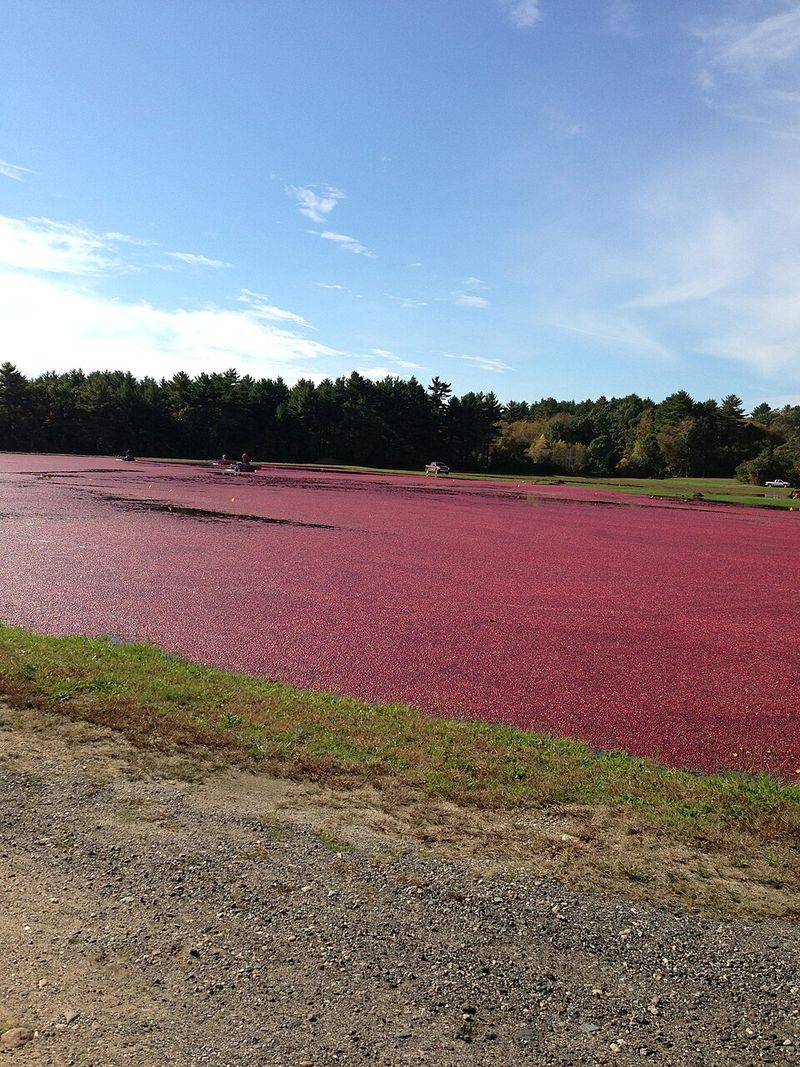
Few agricultural sights in America are as visually dramatic as a cranberry bog during harvest. Cape Cod is one of the top cranberry-producing regions in the entire country, and the train route passes near some of these striking cultivated wetlands, giving passengers a front-row view of a farming tradition that stretches back centuries.
In autumn, when harvest season peaks between September and November, the bogs flood with water and turn a deep, vivid crimson as the berries float to the surface. Even outside of harvest season, the bogs hold their own quiet appeal — low-growing vines spread across sandy, peaty soil in patterns that look almost geometric from a distance.
Did you know? Native Americans introduced cranberries to European settlers, who quickly recognized their value as a food source and trade item.
Today, Massachusetts produces millions of pounds of cranberries annually. Seeing these bogs from the train gives you a new appreciation for how deeply this small, tart berry is woven into Cape Cod’s identity.
It’s one of those sights that sticks with you long after the ride ends, especially when you spot fresh cranberries at the grocery store back home.
Salt Marsh Ecosystems Along the Route
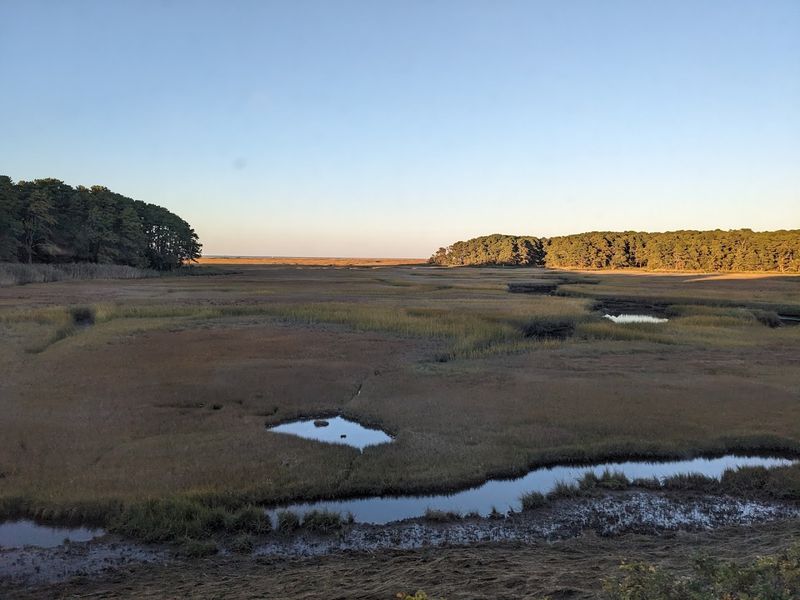
Salt marshes are some of the most productive ecosystems on Earth, and Cape Cod has some of the finest examples in New England. As the train glides through low-lying coastal areas, passengers get sweeping views of these tidal wetlands — wide, grassy expanses threaded with winding channels that fill and drain with each tide cycle.
The colors shift dramatically depending on the season. Summer brings lush greens and the calls of nesting shorebirds.
By fall, the grasses turn gold and amber, creating a warm, painterly palette that photographers absolutely love. Winter strips things back to stark, silvery beauty that feels raw and elemental.
These marshes aren’t just pretty — they’re ecologically critical. They filter runoff, protect coastlines from storm surge, store carbon, and provide nursery habitat for fish and shellfish that support the local fishing industry.
Great blue herons, egrets, ospreys, and even the occasional harbor seal can be spotted from the train windows. Watching this kind of landscape roll by at a relaxed rail pace, rather than rushing past it on a highway, gives you the time to actually absorb how alive and dynamic these wetland environments truly are throughout every season.
Cape Cod Canal Crossing Region
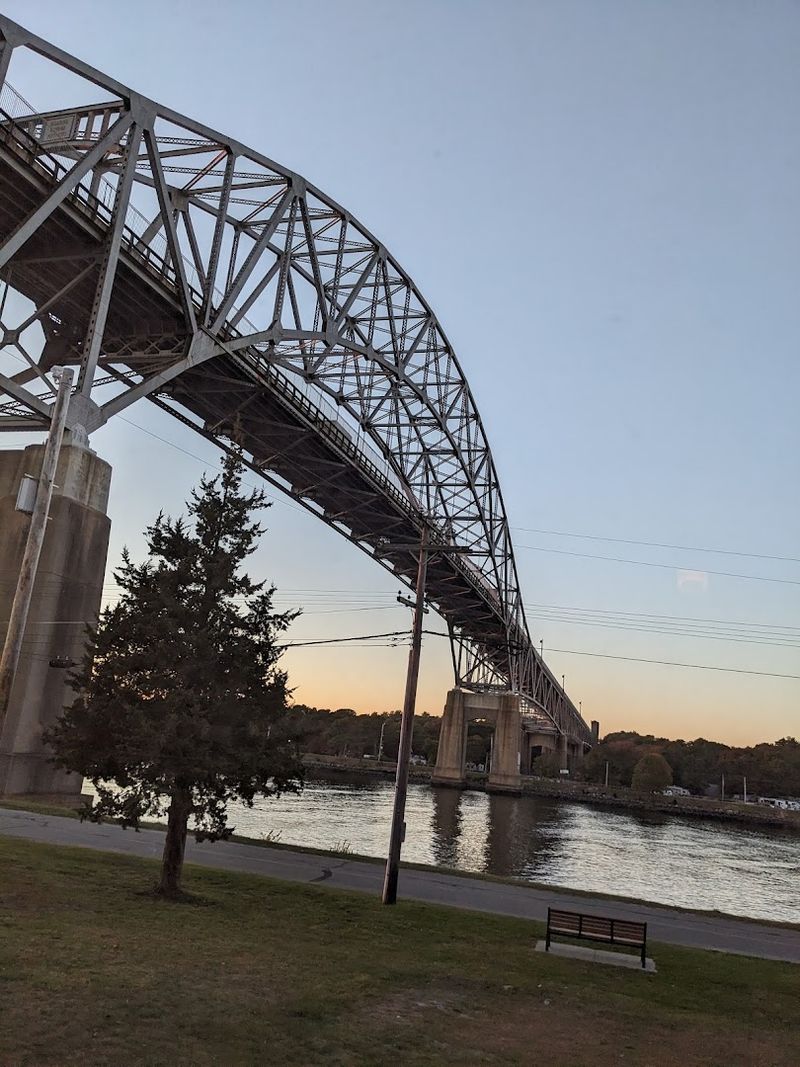
The Cape Cod Canal is one of those engineering achievements that quietly blows your mind once you learn the numbers. Stretching roughly 17 miles and completed in 1914, this man-made waterway connects Cape Cod Bay to Buzzards Bay, allowing vessels to avoid the treacherous waters around the tip of the Cape.
The train route passes through areas near this remarkable channel, offering glimpses into the region’s maritime and industrial heritage.
Watching a massive cargo ship or a sailboat glide through the canal is strangely captivating. The scale of the waterway compared to the surrounding flat landscape makes every vessel look almost surreal.
The two vertical-lift railroad bridges that span the canal are themselves engineering landmarks worth noticing.
The canal zone also buzzes with recreational activity. Cyclists, joggers, and fishermen line the towpaths on both sides year-round.
From the train, you catch a different perspective on all of this — elevated, unhurried, and framed by the broad horizon of the Cape’s interior. It’s a reminder that Cape Cod isn’t just beaches and lobster rolls; it’s also a working waterway with a rich, layered history that still shapes daily life for the people who live and work here.
Narrated Local History and Ecology
One of the things that elevates the Cape Cod Central Railroad experience above a simple sightseeing trip is the onboard narration. As the train rolls through the landscape, knowledgeable guides share stories about the region’s cranberry farming traditions, the rise and fall of Cape Cod’s rail network, and the ecological significance of the wetlands and woodlands outside your window.
Learning that cranberry harvesting was once entirely done by hand — backbreaking work that employed generations of local families and seasonal migrants — gives the bog views a whole new emotional weight. Hearing about how the Cape’s rail lines once connected dozens of small towns and carried summer tourists by the thousands makes the journey feel like a living history lesson.
The narration strikes a good balance: informative without being overwhelming, and friendly enough that kids stay engaged alongside adults. You don’t need to be a history nerd or a naturalist to appreciate it.
The guides have a way of making even technical ecological information feel accessible and genuinely interesting. By the time the train rolls back into Hyannis, most passengers find themselves knowing significantly more about Cape Cod’s past and present than they did when they first stepped aboard the platform.
Seasonal Wildlife and Scenic Variations
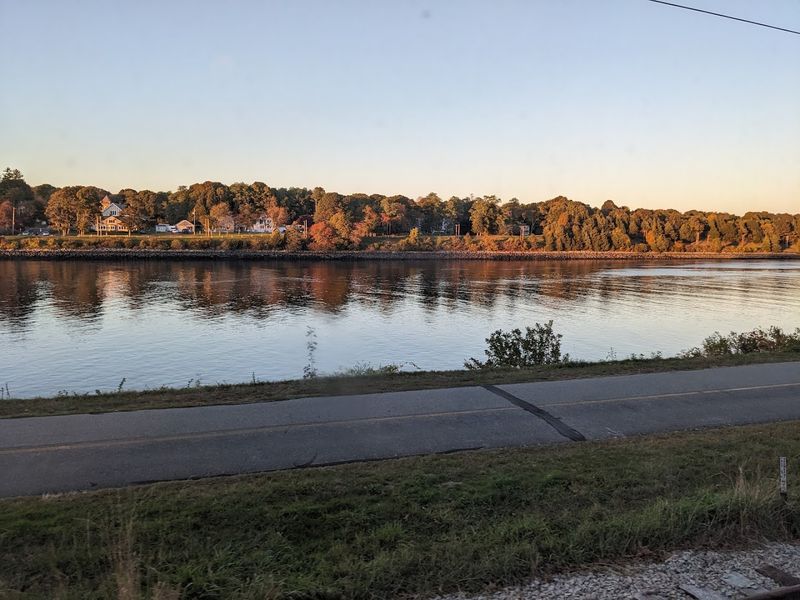
No two rides on the Cape Cod Central Railroad are exactly the same, and the seasons are largely responsible for that. Spring brings a burst of green growth across the marshes and the arrival of migratory songbirds returning from their wintering grounds.
The air smells fresh and salty, and the bogs begin to wake up with new vine growth spreading across the sandy soil.
Summer turns everything lush and busy. Herons wade through tidal channels, osprey circles overhead, and the marshes hum with insect life.
Fall is arguably the most spectacular season — cranberry harvest paints the bogs crimson, foliage turns the woodland edges amber and gold, and migrating shorebirds move through in impressive numbers.
Winter rides offer something quieter but equally compelling. Snow-dusted marshes and bare-branched pitch pines create a stark, almost meditative landscape that feels very different from the summer crowds.
Snowy owls occasionally make appearances in open coastal areas during irruption years, thrilling birders who know to look. Repeat visitors often say they come back each season specifically because the scenery transforms so completely.
Planning your ride around a particular season — or better yet, riding more than once — is the best way to fully appreciate everything this route has to offer.
Visitor Info: Cape Cod Central Railroad Essentials
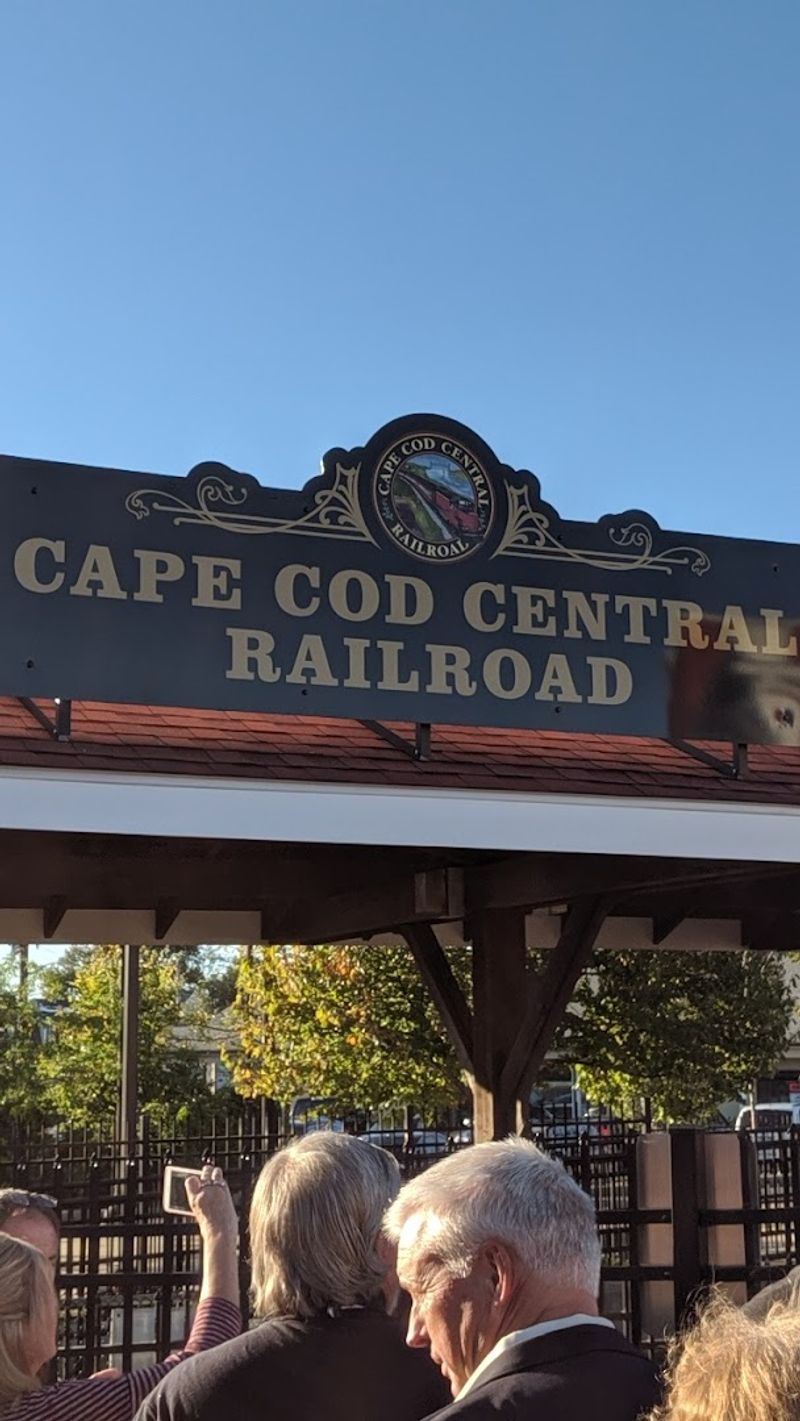
Planning your Cape Cod Central Railroad adventure is straightforward, but a few details are worth knowing before you go. The railroad is located at 252 Main Street, Hyannis, MA 02601, and can be reached by phone at +1 888-797-7245.
Trips typically run spring through fall, with most scenic excursions lasting between two and three hours round trip.
Beyond standard scenic rides, the railroad offers a rotating calendar of themed excursions including brunch trains, dinner trains, and special holiday events. These themed rides book up fast — especially during peak summer weekends and the fall foliage season — so reserving your seats well in advance is genuinely important rather than just a polite suggestion.
Ticket prices vary depending on the type of excursion, with dining trains naturally costing more than standard scenic rides. Children’s tickets are typically available at reduced rates, making this a solid family outing.
Dress in comfortable layers, since open-air viewing areas can get breezy even on warm days. Bringing a camera or binoculars will significantly enhance your wildlife-spotting experience along the route.
Check the railroad’s official website or call ahead to confirm the current schedule, as seasonal adjustments happen regularly and some special events require separate advance booking beyond the standard ticket purchase.