
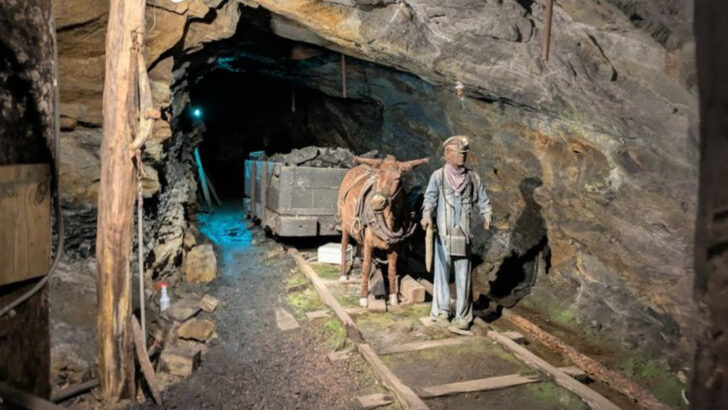
Tucked beneath the rolling hills of Scranton, Pennsylvania, lies one of the most unique travel experiences in the entire Northeast.
The Lackawanna Coal Mine Tour takes visitors on a real mine car ride 300 feet underground, straight into the heart of a working anthracite coal mine from the early 1900s.
Whether you are a history buff, a curious traveler, or a family looking for something truly different, this tour delivers an experience you will not soon forget.
From the cool tunnels to the powerful stories of the miners who worked there, every moment underground feels like stepping back in time.
A One-of-a-Kind Descent Beneath Scranton
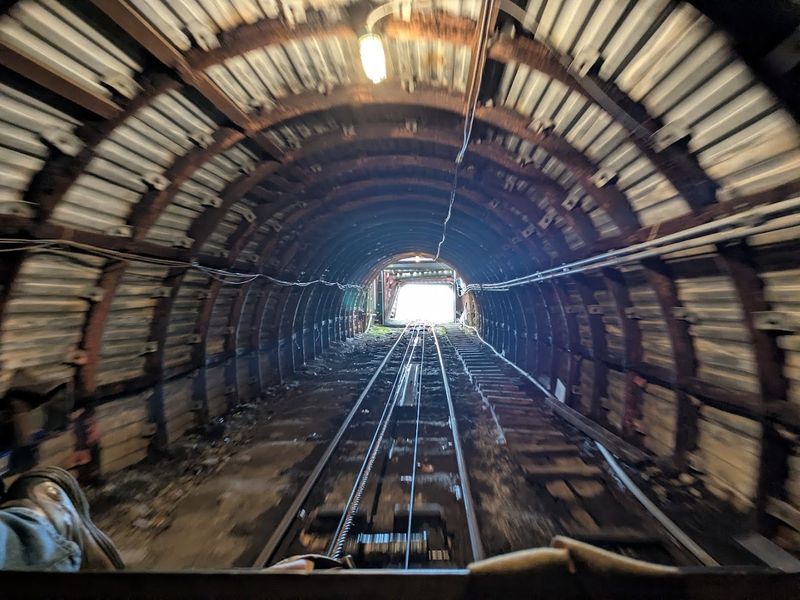
There are not many places in the world where you can climb into a real mine car and ride it straight down into the earth. At the Lackawanna Coal Mine Tour, that is exactly how the adventure begins.
The moment the car starts moving downward, the air changes, the light fades, and history surrounds you.
The descent covers 300 feet below the surface, which is roughly the height of a 30-story building — just straight down. That number alone is enough to make your stomach do a little flip.
The ride itself only takes a couple of minutes, but the feeling it leaves lasts much longer.
What makes this experience stand out from other historical tours is the sheer physical reality of it. You are not watching a video or reading a plaque — you are actually inside the mine.
The cool, damp air and the rock walls closing in on both sides make the history feel immediate and real. For many visitors, this is the most memorable part of the entire trip, and it sets the tone for everything that follows underground.
Located Inside McDade Park
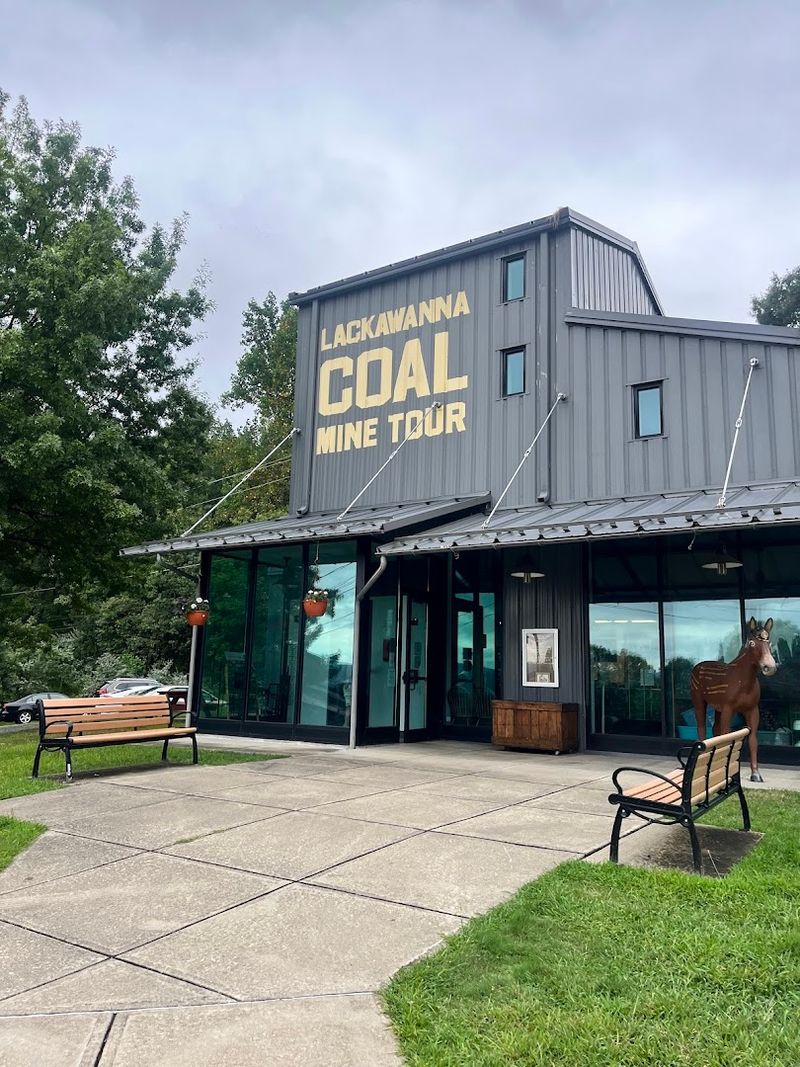
Not every historic attraction is easy to find, but the Lackawanna Coal Mine Tour has a pretty great address — right inside McDade Park in Scranton. The park itself is a sprawling green space managed by Lackawanna County, and it offers way more than just the mine tour.
Picnic areas, walking trails, and open fields make it a natural gathering spot for families.
Having the mine tour situated inside a county park gives the whole visit a relaxed, unhurried feel. You can arrive early, enjoy a walk through the park, and then head underground for the tour without feeling rushed.
After resurfacing, kids can burn off energy on the grounds while adults take in the scenery.
The park setting also adds a meaningful contrast to the tour experience. Above ground, everything is bright, leafy, and peaceful.
Below ground, the world is dark, narrow, and sobering. That contrast actually strengthens the emotional impact of the tour, reminding visitors just how different life was for the men and boys who worked in these mines every single day.
Parking is free and the location is easy to navigate, making it a stress-free outing for all ages.
Guided by Former Miners
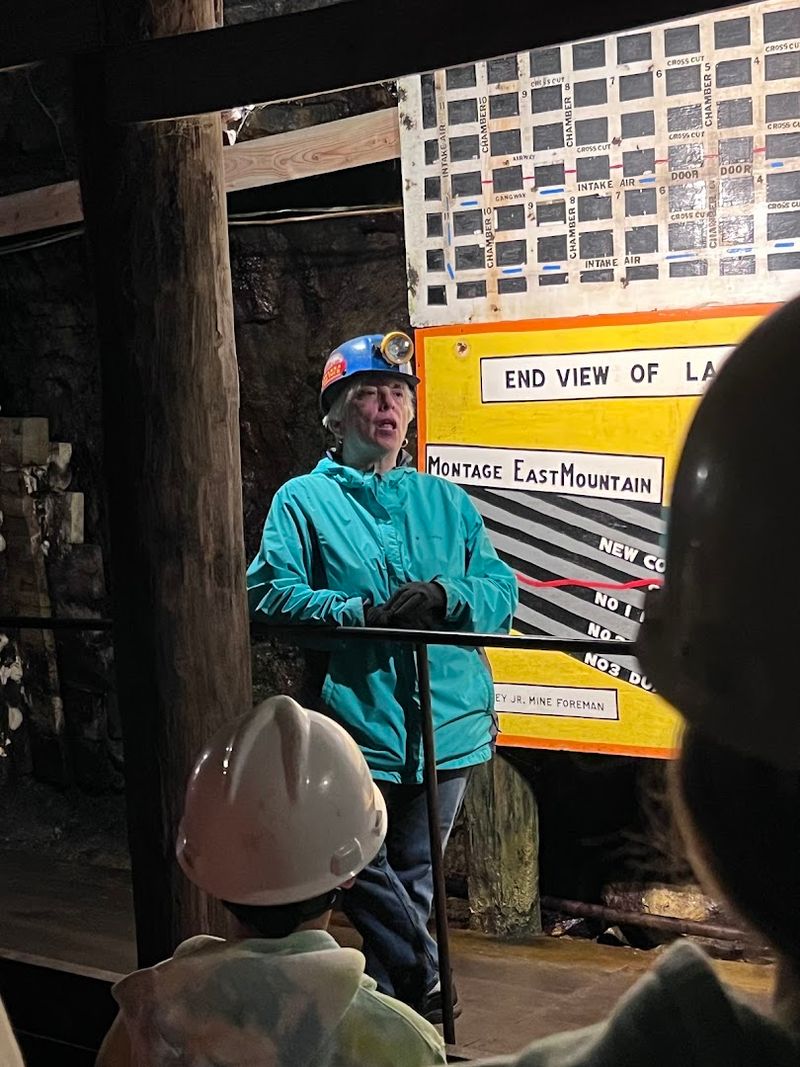
Imagine getting a tour from someone who actually lived the story you are hearing. That is what makes the Lackawanna Coal Mine Tour so special — many of the guides are retired miners who worked in the anthracite coal industry themselves.
Their firsthand knowledge brings a level of authenticity that no textbook or museum display could ever match.
When a former miner points to a low tunnel ceiling and says he spent years crouching through spaces just like it, you feel the weight of those words differently. The stories they share are not rehearsed scripts — they are real memories, complete with humor, hardship, and honest emotion.
Some guides even reference family members who worked in the mines before them, connecting generations of labor history in a single conversation.
Visitors consistently rate the guides as one of the highlights of the tour. Children especially tend to light up when they realize the person talking to them actually experienced this world firsthand.
It turns the tour into more of a conversation than a lecture, and that personal connection makes the history stick. If you get a chance to ask questions, take it — these guides have stories that go far beyond the official tour script.
Life 300 Feet Below the Surface
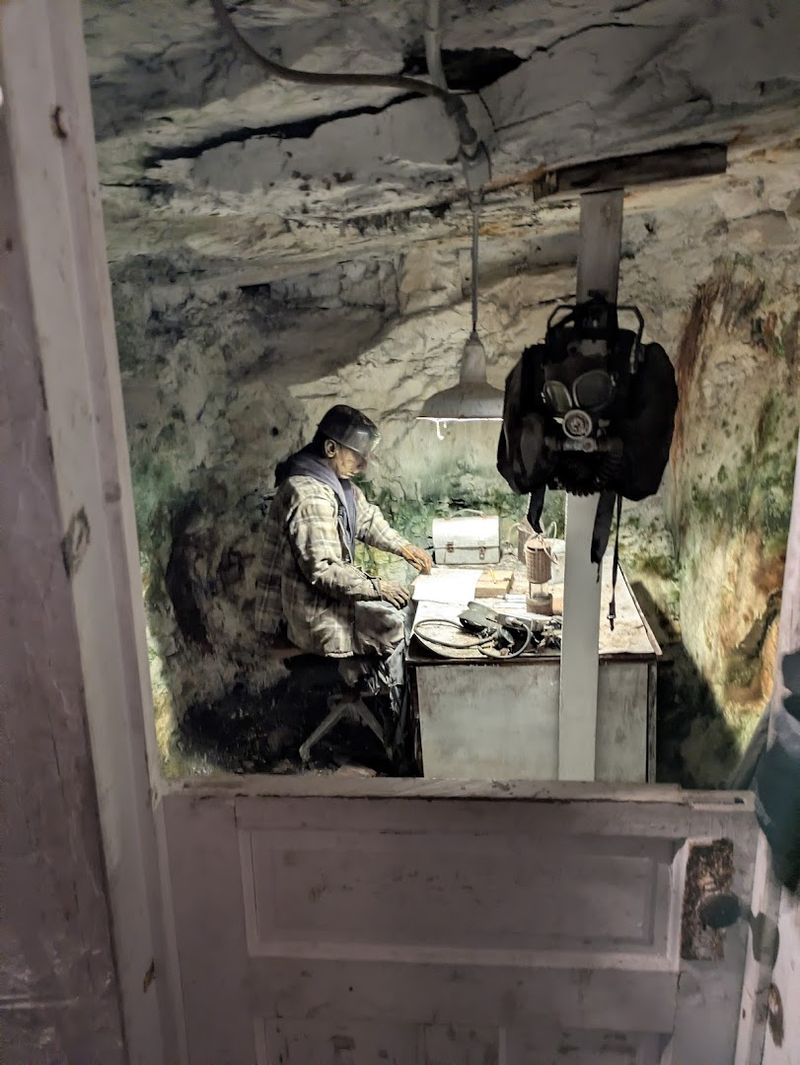
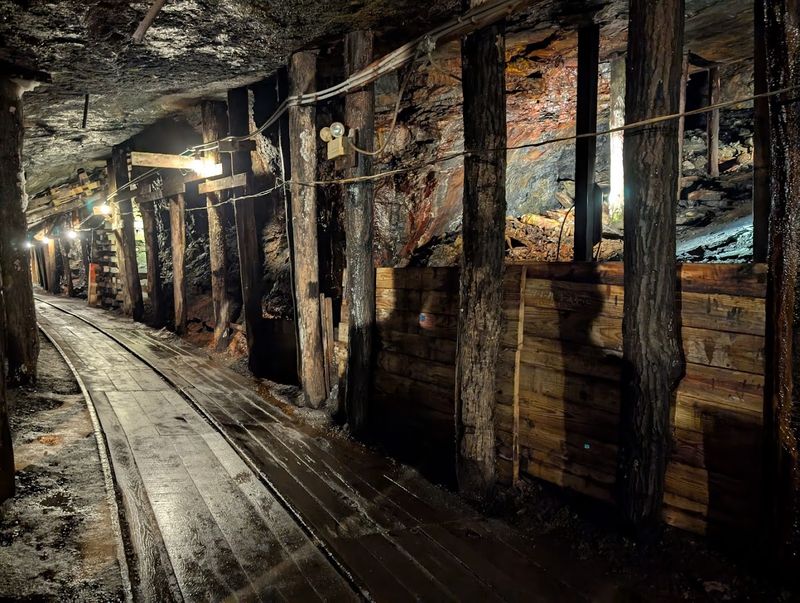
Once the mine car reaches the bottom, the real exploration begins. Walking through the tunnels gives visitors a visceral sense of what daily life looked like for miners in the early 1900s.
The ceilings are low, the passages are narrow, and the lighting is minimal — conditions that miners dealt with for 10 or more hours a day.
The temperature underground stays around 53 degrees Fahrenheit year-round, which feels refreshing in summer but surprisingly chilly when you are standing still. Guides explain how miners worked by the glow of small carbide lamps attached to their helmets, often unable to see more than a few feet ahead.
The darkness was not just uncomfortable — it was genuinely dangerous.
Learning about the physical environment of the mine reframes how most people think about coal. It is easy to flip on a light switch without thinking about where the power comes from.
Standing in those tunnels, surrounded by the same rock those miners chipped away at for decades, makes that invisible labor suddenly very visible. The experience is humbling in the best possible way, and it sparks conversations that tend to continue long after visitors return to the surface.
Tools and Techniques of the Trade
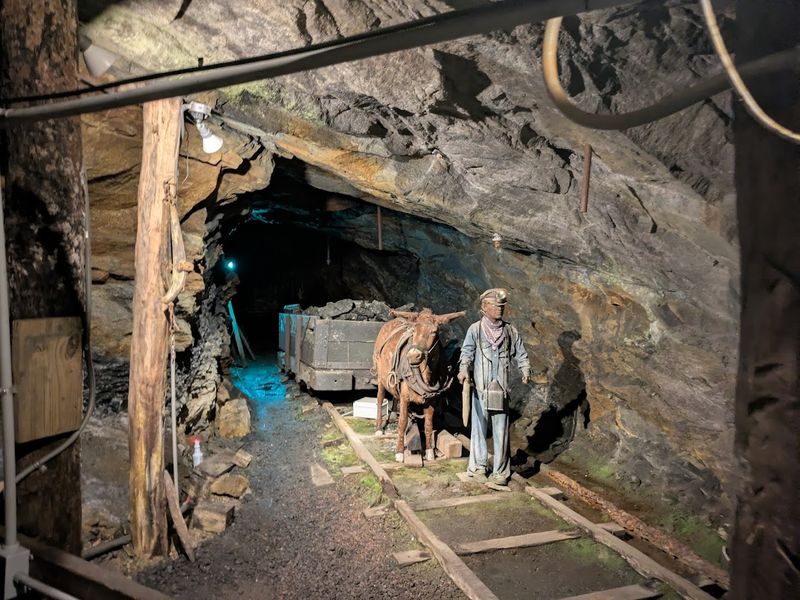
Coal mining in the early 20th century was brutally physical work, and the tools of the trade reflect just how demanding the job was. The Lackawanna tour showcases original equipment used in the mine, from hand drills and pickaxes to blasting powder and coal carts.
Seeing these tools up close makes the labor feel tangible in a way that photographs simply cannot.
Guides walk visitors through the step-by-step process of extracting coal — from drilling holes in the rock face to inserting blasting charges, clearing rubble, and loading coal into carts. Each stage required skill, strength, and a sharp awareness of the risks involved.
One wrong move during the blasting process could be fatal, and miners knew it every single day.
What is especially interesting is how little mechanization existed in the early days of mining. Most of the work was done by hand, with mules used to haul loaded carts through the tunnels.
It was not until later in the century that machinery began replacing human muscle in the mines. Understanding this progression helps visitors appreciate both the ingenuity and the sacrifice behind every ton of coal that powered the growing American economy during the Industrial Revolution.
Harsh Working Conditions
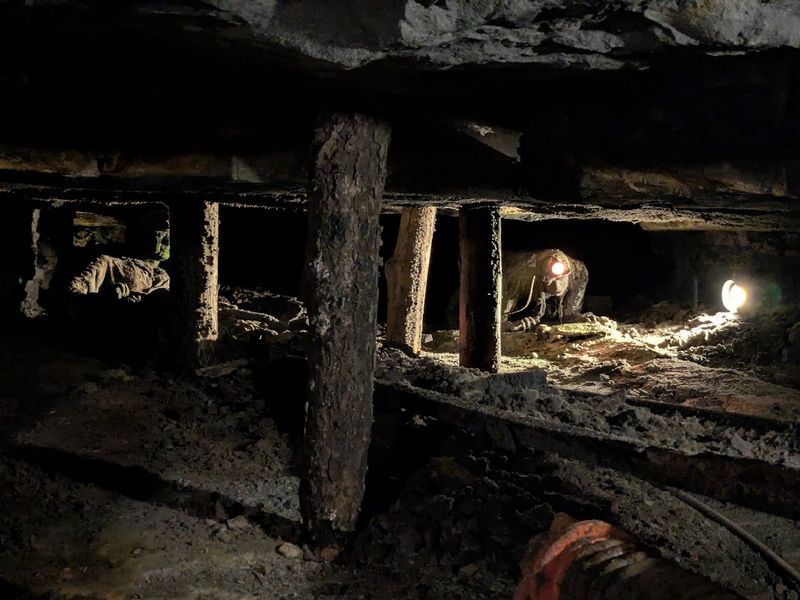
Long before labor laws and safety regulations existed, coal miners went to work every day knowing the job could kill them. The Lackawanna tour does not shy away from this reality.
Guides speak candidly about the dangers miners faced — cave-ins, gas explosions, flooding, and lung disease from years of breathing coal dust.
Beyond physical danger, the economic conditions were equally grim. Miners were often paid by the weight of coal they extracted, not by the hour.
If a cart was not loaded to the company’s satisfaction, they might earn nothing for that haul. Some miners even found themselves in debt to the company store, where they were forced to buy food and supplies at inflated prices.
Hearing these details in the actual environment where they played out makes the information land differently than reading it in a history book. The cramped tunnels and heavy air become a backdrop for understanding just how much these workers sacrificed.
Many visitors leave with a renewed appreciation for the labor movement and the hard-won rights that workers eventually secured. The story of the mines is not just about coal — it is about the human beings who made it possible, often at enormous personal cost.
The Role of Child Labor
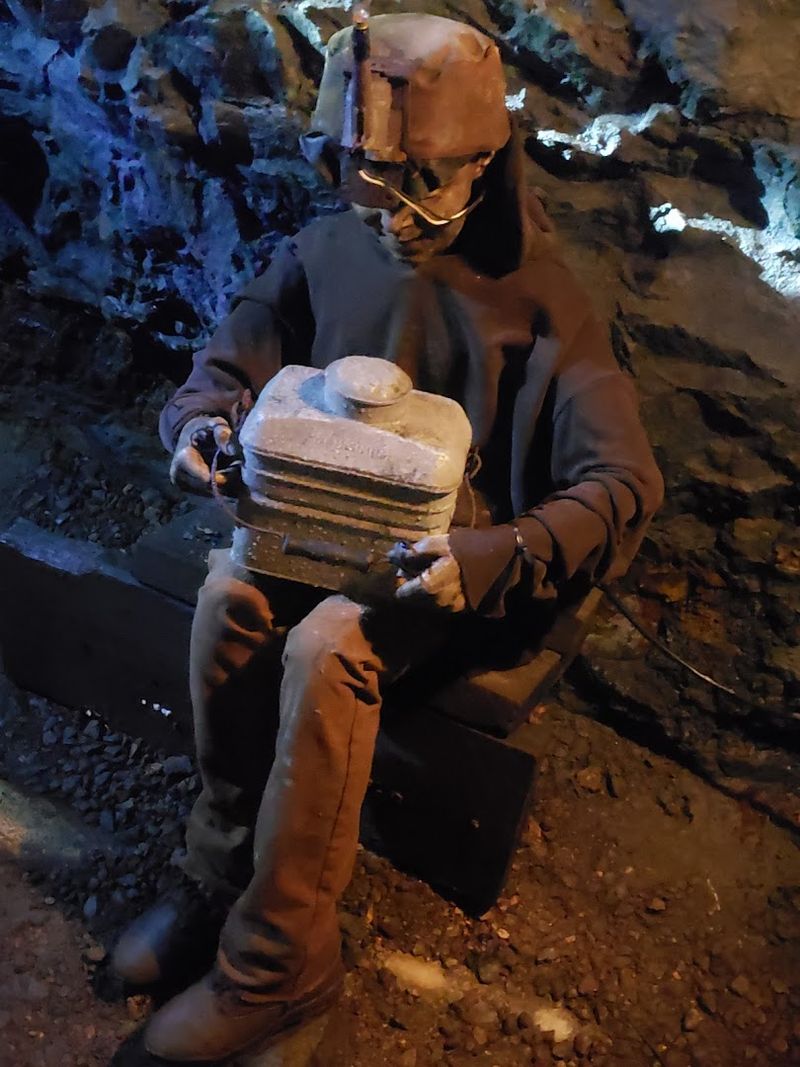
One of the most sobering stops on the tour covers the use of child labor in the coal industry. Known as “breaker boys,” these were children as young as eight years old who sat hunched over conveyor belts for hours, picking out slate and rock from coal with their bare hands.
Their small fingers made them well-suited for the job, and their wages were a fraction of what adult miners earned.
The breaker house sat above the mine, filled with noise, dust, and coal debris. Boys worked in these conditions six days a week, often missing out on school entirely.
Many suffered injuries from the moving machinery, and respiratory problems from the constant dust were common. The job offered little protection and even less recognition.
Hearing this part of the tour tends to quiet even the most energetic groups of visitors. The guides handle the subject with care, using it as a teaching moment about child labor laws and the long fight for workers’ rights in America.
For younger visitors especially, learning that kids their own age once worked in these conditions creates a powerful emotional connection to history. It is one of those stories that stays with you, and it should.
Pennsylvania’s Coal Boom
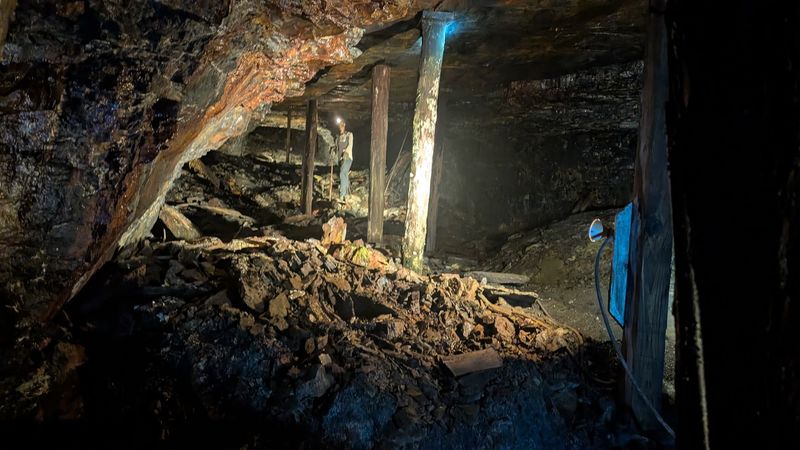
Pennsylvania was once the coal capital of America, and the Lackawanna region sat right at the center of the anthracite coal boom. During the 19th and early 20th centuries, this part of the state supplied fuel that powered factories, heated homes, and kept railroads running across the country.
Without it, the Industrial Revolution would have unfolded very differently.
The tour puts this broader story into context, explaining how the demand for coal transformed small towns like Scranton into bustling industrial cities almost overnight. Waves of immigrants arrived from Ireland, Poland, Italy, and other countries, seeking work in the mines and building communities that still shape the region’s culture today.
Understanding this history adds real depth to the underground experience. The coal you see embedded in the tunnel walls was not just a mineral — it was the foundation of an entire economy and a way of life for hundreds of thousands of families.
The Lackawanna mine tour connects the dots between raw geology, human migration, industrial growth, and national development in a way that feels genuinely eye-opening. Scranton’s story is America’s story, compressed into a single hillside and a few thousand feet of tunnel.
Above-Ground Exhibits and Museum
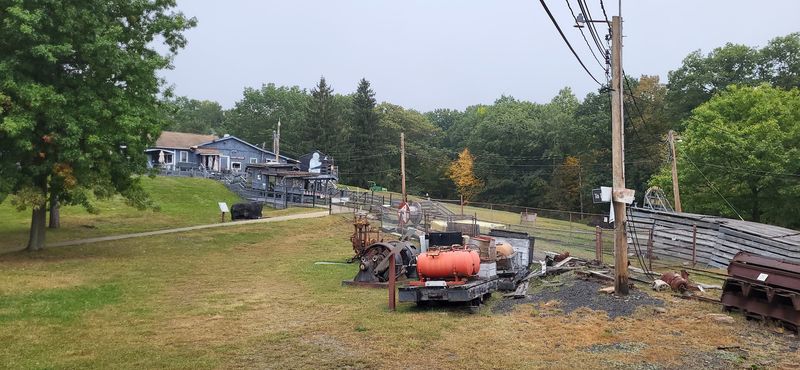
The underground experience is the centerpiece of the visit, but the Lackawanna Coal Mine Tour does not end when you ride back to the surface. Above ground, there are additional exhibits, equipment displays, and interpretive signs that round out the story of coal mining in northeastern Pennsylvania.
These exhibits are worth spending real time with, not just a quick glance.
Large pieces of vintage mining machinery are displayed outdoors, giving visitors a chance to see the scale of the equipment used to process and transport coal. Inside the visitor center, photographs, artifacts, and timelines trace the history of the region’s coal industry from its earliest days through its eventual decline.
The exhibits are designed to be accessible for all ages, with clear explanations that do not require any prior knowledge.
For families with younger kids, the above-ground area also offers a bit of breathing room after the intensity of the underground tour. The combination of outdoor equipment and indoor displays creates a natural flow to the visit, allowing everyone to absorb information at their own pace.
Many visitors say the above-ground exhibits actually deepen their appreciation for what they saw underground, filling in context and details that the tour itself could only briefly touch on.
Seasonal Operation and What to Know Before You Go
Planning ahead makes a real difference when visiting the Lackawanna Coal Mine Tour. The tour typically operates from spring through fall, so checking the current season schedule before making the trip is a smart move.
Hours and availability can vary, and booking in advance during peak summer months is highly recommended to avoid long waits.
Footwear matters more here than on most tours. The underground tunnels have uneven surfaces and can be slippery in spots, so sturdy closed-toe shoes or boots are strongly advised.
Sandals and flip-flops are a bad idea and may actually prevent you from joining the tour. Dressing in layers is equally important because the underground temperature holds steady at around 53 degrees Fahrenheit regardless of how hot it is outside.
Admission prices are very reasonable for what you get, and children generally receive a discounted rate. The tour runs for approximately an hour, making it easy to fit into a broader Scranton itinerary.
Nearby attractions like Steamtown National Historic Site and the Electric City Trolley Museum make the area a full day of history-focused fun. With a little preparation, this tour delivers an extraordinary experience that is well worth every minute of the drive to Scranton.