
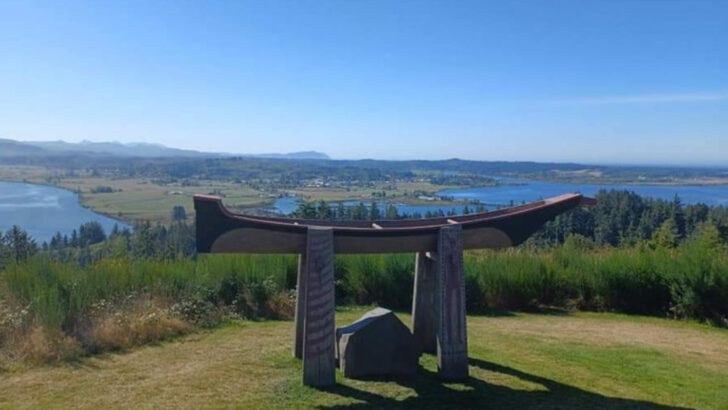
When the cold finally loosens its grip and trees start budding, there is no better place to be than a charming river town.
Across America, dozens of small communities tucked along riverbanks transform into vibrant destinations every spring, offering festivals, fresh air, and unforgettable scenery.
Whether you love hiking, history, kayaking, or simply wandering through a pretty downtown, these towns deliver the kind of weekend magic that big cities rarely can.
Pack a light jacket, grab your camera, and get ready to discover some of the most delightful spring escapes the country has to offer.
Leavenworth, Washington (Wenatchee River)
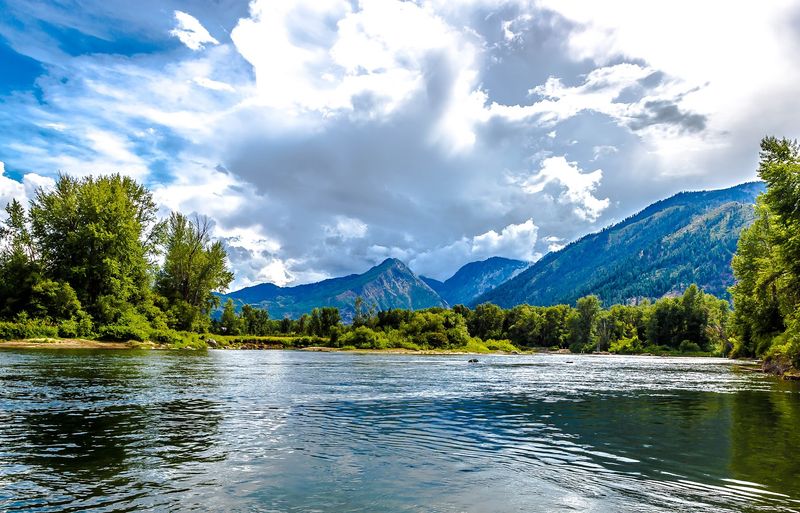
Tucked into a narrow mountain valley in the Cascades, Leavenworth looks like a postcard straight out of Bavaria. Every spring, the town erupts with color as window boxes overflow with tulips and cherry trees line the streets in soft pink clouds.
The Wenatchee River runs cold and clear alongside town, drawing kayakers and whitewater enthusiasts as snowmelt feeds its currents.
Spring is also festival season here. The Maifest celebration fills the village with traditional German music, dancing, and plenty of bratwurst.
Even if you miss the festival, the alpine scenery alone is worth the drive through Stevens Pass or Blewett Pass.
Hiking trails outside town open up as snow retreats to higher elevations. Icicle Canyon offers stunning wildflower meadows just a short drive from the main strip.
Downtown shops sell everything from handcrafted nutcrackers to local wines, and the bakeries are legendary. Leavenworth is one of those places that feels almost too charming to be real, yet every detail is genuinely authentic to its community spirit.
New Hope, Pennsylvania (Delaware River)
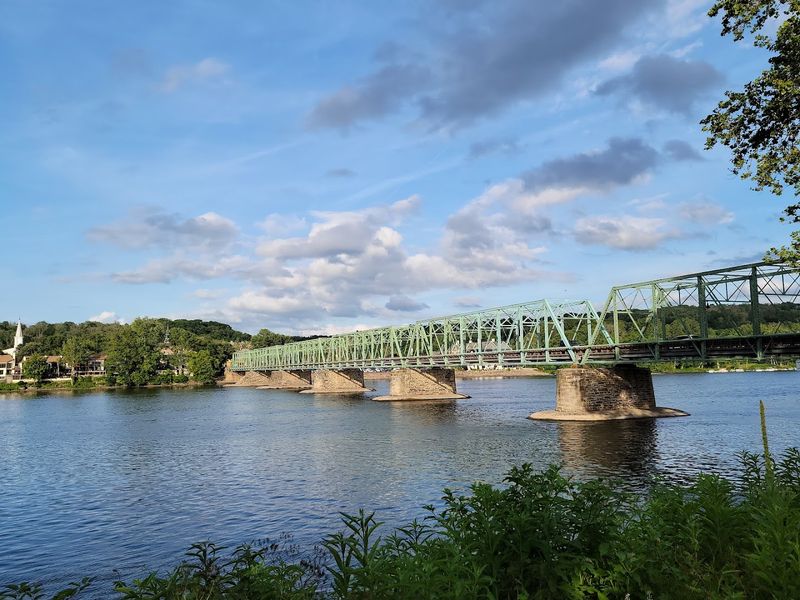
Artists discovered New Hope long before tourists did, and that creative energy still hums through every gallery, boutique, and cafe along the riverbank. Spring is when this Delaware River town truly hits its stride, with flowering cherry trees arching over the historic canal towpath and outdoor patios filling up with visitors ready to breathe in the season.
The Delaware Canal State Park runs right through town, offering a flat, paved path that is ideal for biking or walking with kids. Colorful wildflowers pop up along the water’s edge, and the gentle sound of the canal locks creates a surprisingly peaceful soundtrack for a weekend stroll.
New Hope has a reputation for being wonderfully quirky. You will find drag brunches next door to antique stores, and a ghost tour kicking off just around the corner from a fine French restaurant.
The free pedestrian bridge to Lambertville, New Jersey, adds another charming town to your itinerary without any extra driving. For a weekend packed with art, nature, and good food, few places on the East Coast compare to New Hope in full spring bloom.
Galena, Illinois (Galena River)
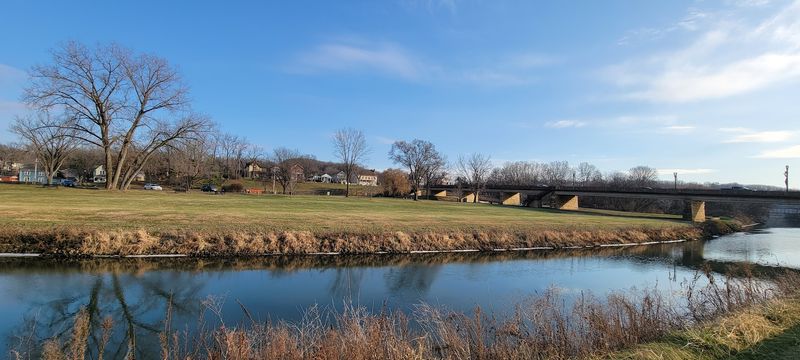
Ulysses S. Grant called Galena home before he became a Civil War general and president, and walking its hilly streets today still feels like stepping back into the 1800s.
The red-brick storefronts, preserved Victorian mansions, and winding roads carved into the bluffs have barely changed in over a century. Spring softens the whole scene with fresh green grass and blooming redbuds.
Main Street comes alive after a quiet winter, with boutiques, wine bars, and fudge shops throwing open their doors. The Galena River Trail offers a flat, easy route for cyclists and walkers looking to enjoy the budding countryside without breaking a sweat.
Local vineyards in the surrounding hills start hosting weekend tastings as temperatures climb.
What makes Galena special is how unhurried it feels. There is no rush here.
You can spend an entire afternoon browsing a single antique shop without anyone minding. The historic Dowling House, built in 1826, is the oldest structure in town and worth a peek.
Pair a history walk with a meal at one of the farm-to-table restaurants and you have a nearly perfect spring Saturday in the Midwest.
Fredericksburg, Virginia (Rappahannock River)
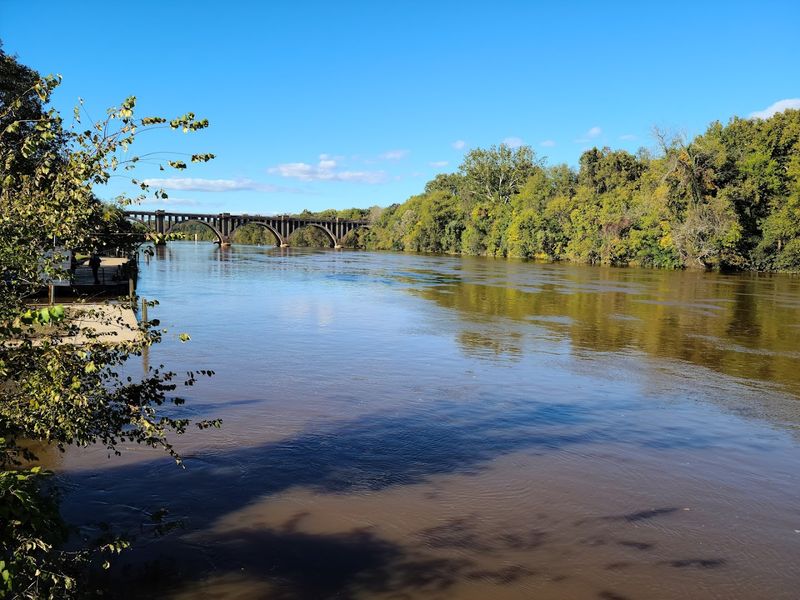
Cherry blossoms and dogwoods turn Fredericksburg into a living painting every April. The Rappahannock River curves gently past the old town, and its banks become a favorite spot for picnickers, joggers, and photographers chasing that perfect springtime shot.
The riverfront trail connects parks, historic markers, and scenic overlooks all within easy walking distance of downtown.
Fredericksburg carries serious history. It changed hands multiple times during the Civil War, and the preserved battlefields just outside town draw visitors who want more than just pretty scenery.
The downtown itself is packed with independent bookshops, craft breweries, and restaurants serving everything from wood-fired pizza to fresh Chesapeake oysters.
Spring weekends often bring outdoor concerts to the amphitheater near the river and farmers markets overflowing with early-season produce. The George Washington birthplace at nearby Ferry Farm adds an educational stop for families.
Hotel options range from cozy bed-and-breakfasts in converted historic homes to modern boutique properties steps from the river. Fredericksburg sits perfectly between Washington, D.C., and Richmond, making it an easy drive from two major metro areas and an obvious choice for a spring escape that blends beauty with substance.
Hood River, Oregon (Columbia River)
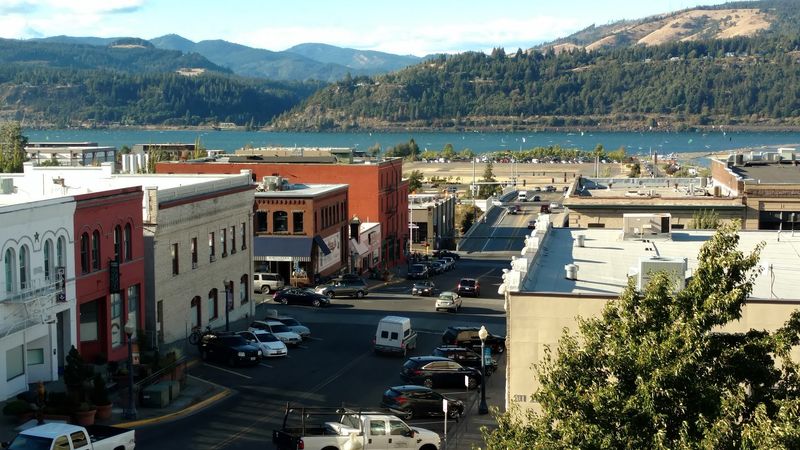
Few spring views in America rival standing in a Hood River orchard with Mount Hood gleaming white above you and the Columbia River sparkling below. Every April, the Hood River Valley erupts into a sea of pink and white blossoms as pear, apple, and cherry trees flower simultaneously.
The Hood River Blossom Festival celebrates this natural spectacle with farm tours, local food, and live music.
The Columbia River Gorge surrounding the town is a playground for outdoor lovers. Waterfalls that were tamed by winter ice roar back to life in spring, with Multnomah Falls and Latourell Falls drawing visitors from across the Pacific Northwest.
Windsurfers and kiteboaders return to the river as the famous Gorge winds pick up, turning the waterfront into a colorful spectacle of sails and boards.
Downtown Hood River punches well above its weight for a small town. Excellent craft breweries, farm-to-table restaurants, and independent shops fill the compact main district.
The Mount Hood Railroad runs scenic excursions through the valley during blossom season, offering a relaxed way to soak in the views. This is a town that rewards visitors who slow down and simply look around.
Eureka Springs, Arkansas (White River)
Nobody builds a town quite like Eureka Springs did. Streets curve and climb at impossible angles through the Ozark hillsides, and no two buildings sit on the same level.
The whole place looks like it was dreamed up by someone who loved both Victorian architecture and Dr. Seuss. Spring dresses it all in brilliant green, with wildflowers popping up along every stone wall and garden fence.
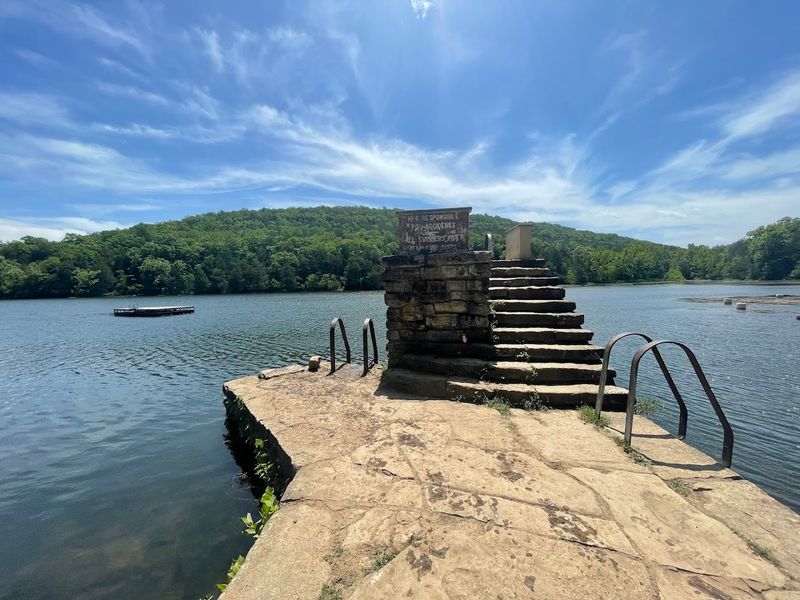
The White River and nearby Bull Shoals Lake offer fantastic fishing, kayaking, and float trips as the season warms. Trout anglers in particular make pilgrimages to this corner of Arkansas every spring, when the cold, clear water is at its most productive.
Outfitters in town can set you up with everything you need for a half-day on the water.
Back in town, the arts scene is genuinely impressive for a community of fewer than 2,500 people. Galleries, glassblowers, and local theaters keep the calendar full year-round, and spring brings outdoor art festivals that take over the winding downtown streets.
The historic Crescent Hotel, known locally as the Grand Old Lady of the Ozarks, perches dramatically above town and offers ghost tours that are equal parts spooky and hilarious.
Stillwater, Minnesota (St. Croix River)
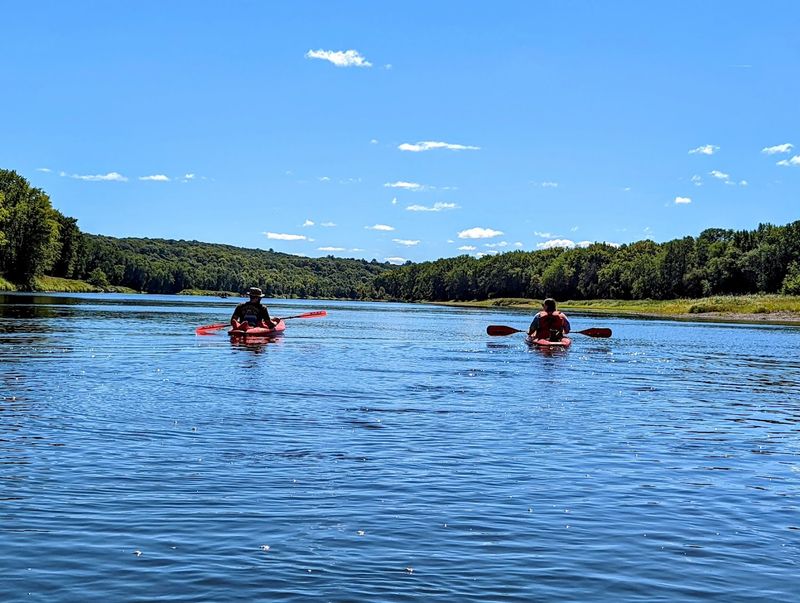
There is something deeply satisfying about watching a Minnesota river town shake off winter, and Stillwater does it with particular style. As ice breaks up on the St. Croix, the lift bridge creaks back into action, riverboats return to their docks, and the hillside patios start filling with locals celebrating the simple miracle of warm weather.
The whole town exhales at once.
Stillwater sits on bluffs above the St. Croix River, and the views from the upper streets are genuinely spectacular in spring when the trees leaf out in every shade of green. The Lowell Park waterfront is a natural gathering spot, with festivals, food trucks, and live music popping up on weekends from May onward.
The historic downtown is packed with antique shops, and Stillwater has earned a reputation as one of the best antiquing destinations in the Midwest.
The St. Croix National Scenic Riverway protects miles of shoreline on both the Minnesota and Wisconsin sides, making this an exceptional area for kayaking, canoeing, and hiking. Spring wildflowers carpet the bluff trails above town.
A weekend here typically involves too much good food, a long walk along the river, and a strong desire to move here permanently.
St. Michaels, Maryland (Miles River)
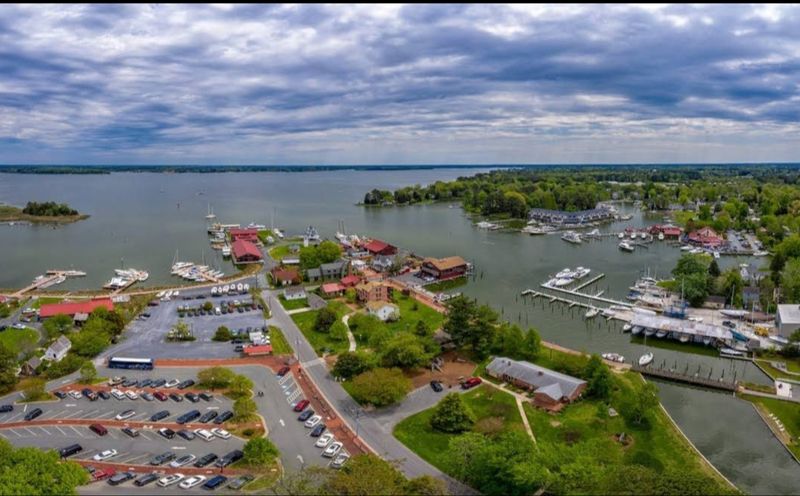
Legend has it that during the War of 1812, residents of St. Michaels hung lanterns in the trees to fool British gunboats into firing above the town. Whether the story is entirely true or not, it speaks to the independent spirit of this Chesapeake Bay gem.
Spring brings sailing season back to the Miles River, and the harbor fills with gleaming masts practically overnight.
The Chesapeake Bay Maritime Museum is one of the finest maritime museums in the country, and its waterfront campus is especially beautiful in spring when the gardens bloom and the bay breezes carry the smell of salt and honeysuckle. Skipjacks and historic workboats bob at the docks, offering a living history lesson you can actually walk aboard.
Fresh seafood is the main food group in St. Michaels. Crab cakes, oysters, and soft-shell crabs appear on menus across town as the season shifts.
Kayak rentals let visitors paddle the quiet creeks and coves surrounding the Miles River, where osprey nest and blue herons stalk the shallows. The town is small enough to walk entirely in an afternoon, but rich enough in character to fill an entire weekend without trying.
Harpers Ferry, West Virginia (Potomac and Shenandoah Rivers)
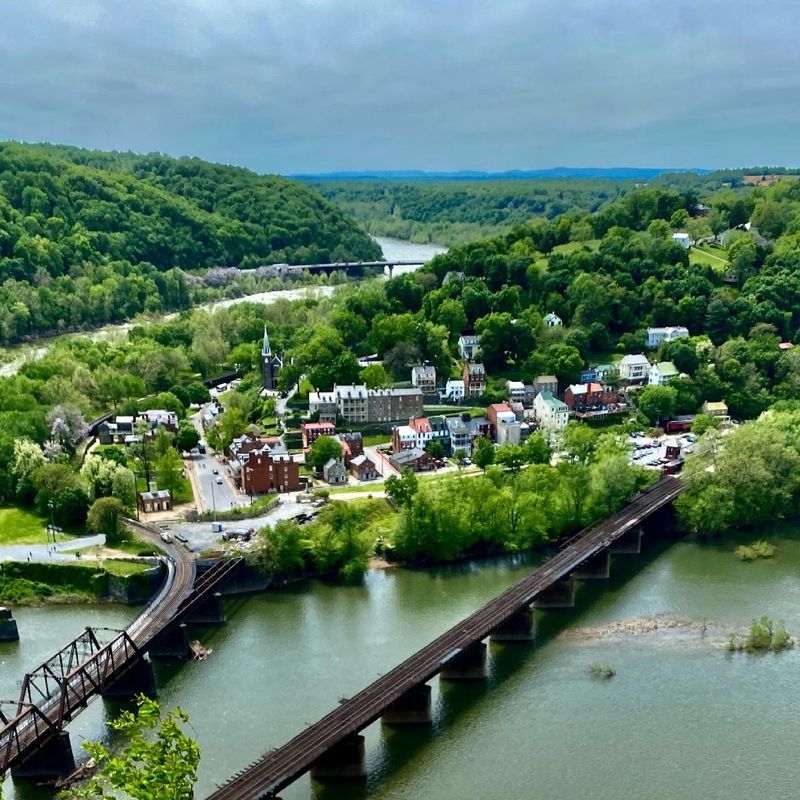
Thomas Jefferson once stood at the confluence of the Potomac and Shenandoah Rivers and called the view worth a voyage across the Atlantic. Spring makes that statement feel completely reasonable.
The hills surrounding Harpers Ferry transform from bare gray to an almost overwhelming shade of green within just a few weeks, and the two rivers run fast and clear with snowmelt from the mountains.
The Appalachian Trail passes directly through town, and the famous Maryland Heights trail above the Potomac offers one of the most photographed river views on the entire East Coast. Spring wildflowers bloom along every trail, and birding is exceptional as migrating warblers move through the forest in waves of color.
Rock climbing on the cliffs above the river is another popular warm-weather activity.
The historic lower town is a National Historical Park, preserving the site of John Brown’s 1859 raid on the federal armory. Walking through those stone streets while learning about one of the most pivotal moments leading up to the Civil War adds real depth to what could otherwise just be a pretty nature trip.
Rafting outfitters along the rivers offer everything from calm floats to exciting whitewater runs just minutes from the historic district.
Natchez, Mississippi (Mississippi River)
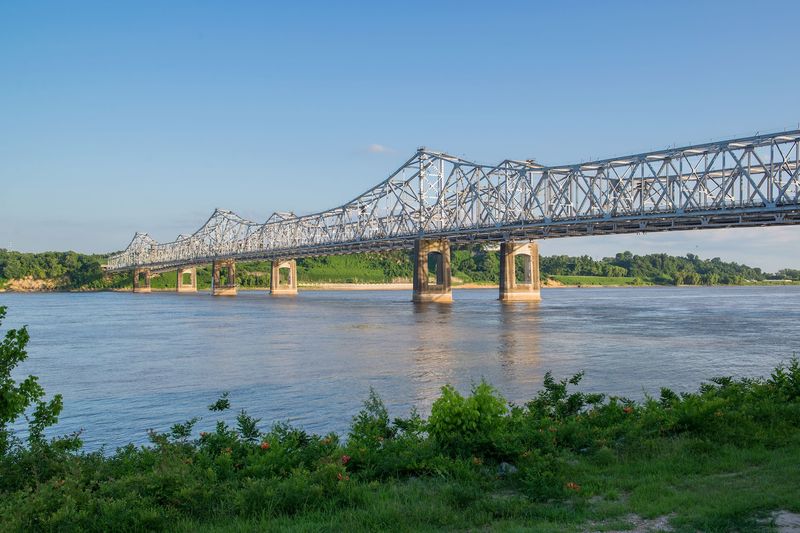
Every spring, Natchez does something almost no other American town attempts: it opens the doors of its grandest antebellum mansions and invites the public inside. The Spring Pilgrimage, held annually since 1932, is a celebration of the city’s extraordinary collection of historic homes, many of which sit on bluffs overlooking the Mississippi River with the kind of dramatic views that stop conversations cold.
Azaleas are the unofficial flower of Natchez spring, and they bloom in outrageous quantities across every garden, median, and historic property in town. The combination of hot-pink flowers against the white columns of an 1800s plantation home is the kind of image that ends up as a screensaver.
The riverfront Under-the-Hill district is a lively contrast, with bars and restaurants tucked into the steep slope below the bluffs.
The Natchez Trace Parkway begins here, winding 444 miles northeast to Nashville through some of the most scenic countryside in the South. Spring cyclists ride sections of the Trace when wildflowers are at peak bloom.
A carriage ride through the historic district, followed by a sunset walk along the bluffs, is the kind of evening that makes you wonder why you do not visit more often.
Hudson, New York (Hudson River)
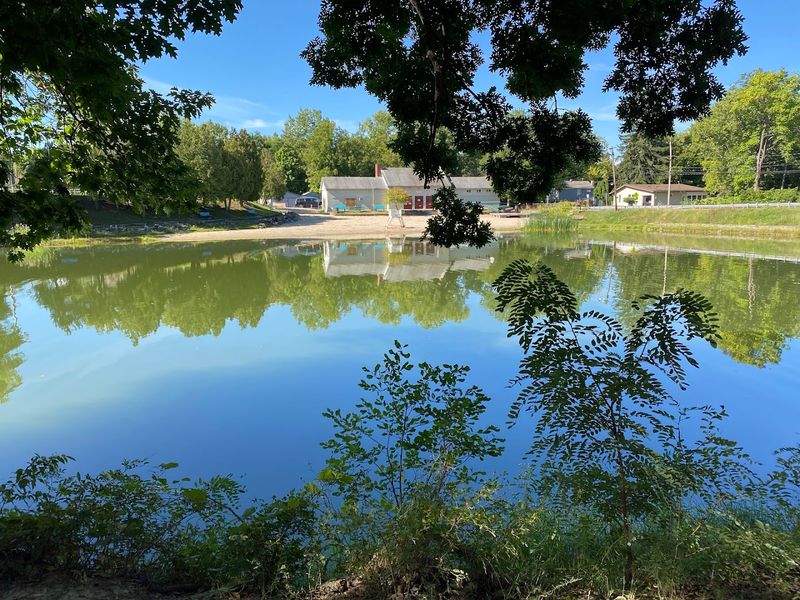
Hudson has pulled off one of the more remarkable small-town reinventions in recent American history. Once a struggling post-industrial city, it has transformed into a destination packed with art galleries, design shops, James Beard-recognized restaurants, and one of the best antique strips in the Northeast.
Warren Street runs straight downhill toward the river, and in spring, the trees lining it burst into bloom like a welcome-back party.
The Hudson River itself is spectacular from the waterfront park at the foot of the city, where you can watch the tide move and spot bald eagles riding thermals above the Catskill Mountains on the opposite bank. The Olana State Historic Site, just south of town, is the former home of Hudson River School painter Frederic Church and offers sweeping panoramic views of the river valley that look almost exactly like his paintings.
Spring farmers markets return to Hudson in April, showcasing produce from the surrounding Columbia County farms that supply many of the city’s restaurants. Weekend visitors often arrive by Amtrak from New York City, making this one of the easiest car-free getaways in the region.
Two days in Hudson reliably turns skeptics into devoted regulars who start planning their next visit before they have even left.
Beaufort, South Carolina (Beaufort River)
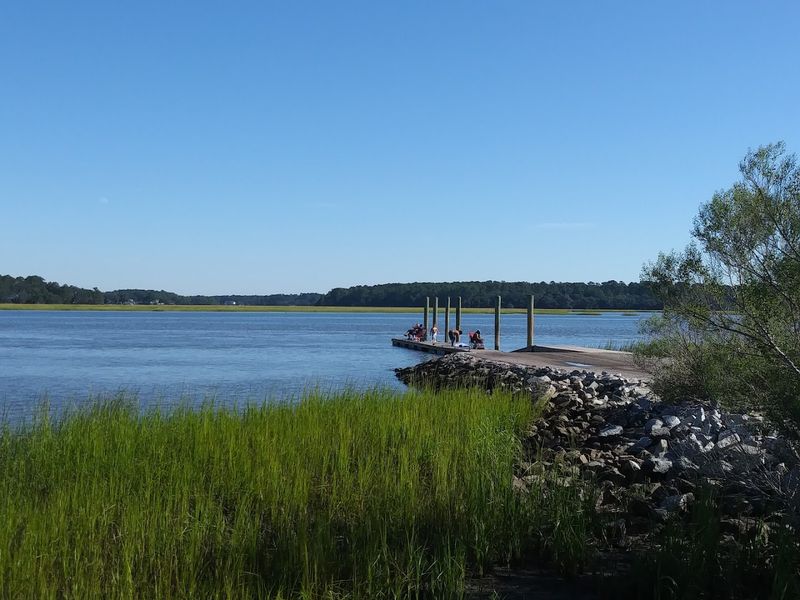
Spanish moss sways from ancient live oaks over streets lined with antebellum mansions, and the Beaufort River shimmers in the warm Lowcountry light. Spring arrives earlier here than almost anywhere else in this guide, with temperatures climbing into the comfortable seventies by March and azaleas reaching full bloom well before Easter.
The whole scene has a slow, honeyed quality that is genuinely hard to leave behind.
Kayaking the tidal creeks and salt marshes surrounding Beaufort is one of the finest spring outdoor experiences in the Southeast. Dolphins follow the tides through the marsh channels, and wood storks nest in the cypress trees above the black water.
Guided eco-tours are widely available and offer a fascinating look at one of the most productive ecosystems on the Atlantic coast.
The historic downtown along Bay Street is lined with restaurants serving shrimp and grits, she-crab soup, and local oysters in every preparation imaginable. Beaufort has appeared in more movies than most people realize, including The Big Chill and Forrest Gump, and walking tours highlight the filming locations alongside the genuine history.
The town feels effortlessly elegant without being stuffy, welcoming visitors in the easy, unhurried way that defines the best of Southern hospitality.
Winona, Minnesota (Mississippi River)
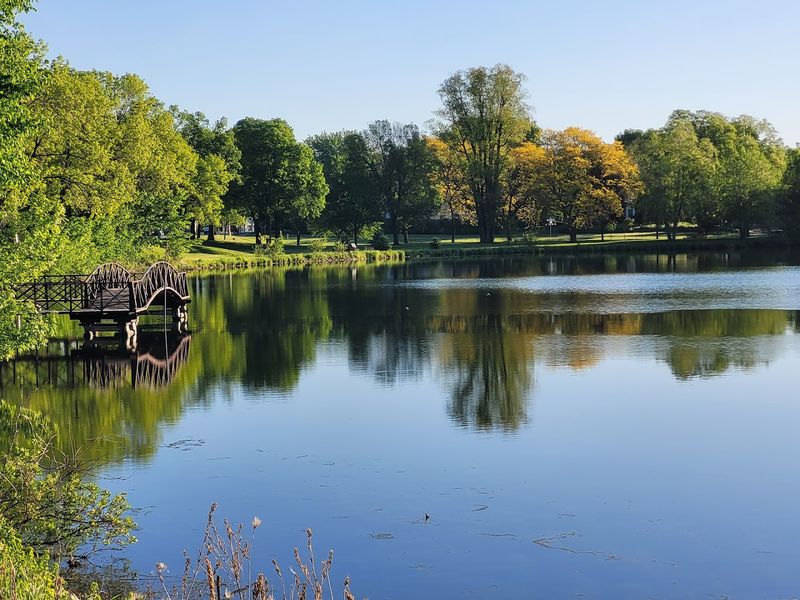
Winona sits in a dramatic natural bowl formed by towering limestone bluffs on both sides of the Mississippi River, giving it one of the most striking natural settings of any small city in the Midwest. Spring migration turns this geography into a genuine spectacle.
Millions of birds funnel through the Mississippi Flyway each April and May, and Winona sits directly in the path of one of the greatest wildlife movements on earth.
Sugar Loaf, a distinctive limestone pinnacle rising above the city, has been a landmark since Native Americans first settled the valley. Hiking trails wind up the bluffs to overlooks where the Mississippi River spreads out in a wide, shining panorama below.
Perrot State Park across the river in Wisconsin offers additional trails and some of the best spring birding in the region.
Downtown Winona has a handsome collection of Victorian commercial buildings that reflect its 19th-century prosperity as a major lumber port. Independent restaurants, local breweries, and a surprisingly vibrant arts scene keep the downtown lively year-round.
Stained glass is a local specialty, with several studios open for tours. Winona State University adds youthful energy to the mix, making this a town with more personality per square mile than most visitors expect to find.
Jim Thorpe, Pennsylvania (Lehigh River)
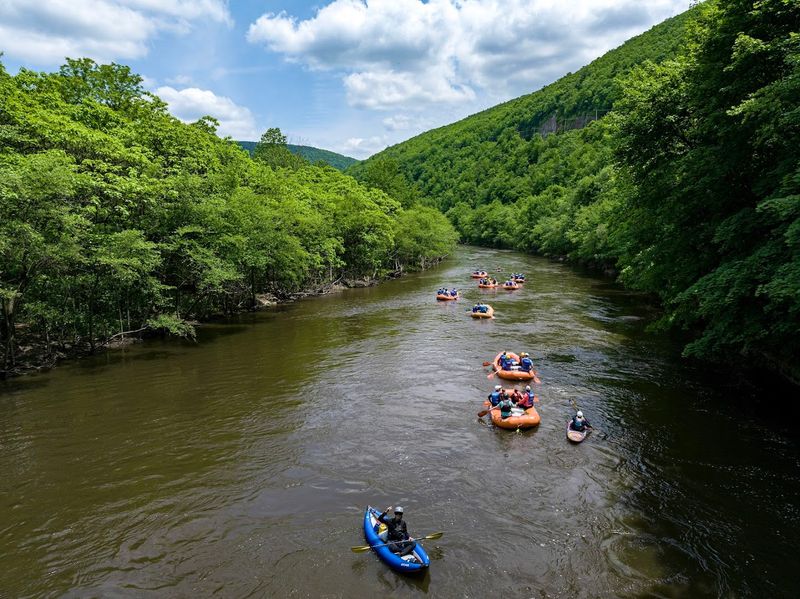
People who have not been to Jim Thorpe sometimes doubt the Switzerland of America comparison until they actually arrive. Then the Victorian mansions perched on steep, forested hillsides above a rushing mountain river tend to settle the debate fairly quickly.
Named for the legendary Native American athlete in 1954, the town carries its namesake’s legacy with a small but thoughtful museum near the train station.
Spring is arguably the best season in the Lehigh Gorge. The river runs high and fast with snowmelt, creating Class III and IV rapids that draw whitewater kayakers and rafters from across the mid-Atlantic region.
The 26-mile Lehigh Gorge Trail, a converted rail trail, follows the river through a canyon of blooming rhododendrons and towering hemlocks, offering one of the most scenic flat bike rides in Pennsylvania.
The town itself is a feast for architecture lovers. Asa Packer Mansion, built in 1861, is open for tours and offers a glimpse into the gilded lifestyle of a 19th-century railroad baron.
The Opera House hosts live performances year-round. Spring weekends fill up fast, so booking accommodations a few weeks ahead is genuinely wise.
Jim Thorpe rewards those who plan ahead with a weekend that is hard to top anywhere in the Northeast.
San Marcos, Texas (San Marcos River)
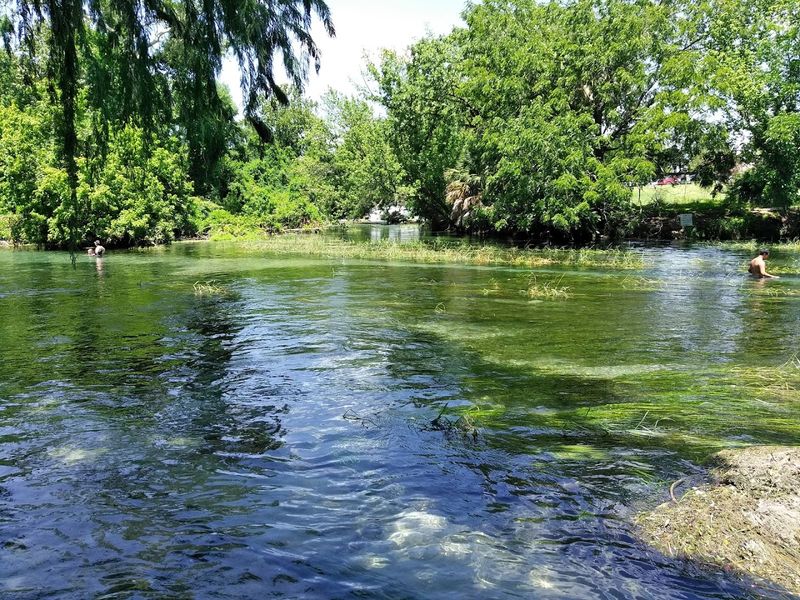
The San Marcos River never changes temperature. It flows out of the Edwards Aquifer at a constant 68 to 72 degrees year-round, which means it is always ready for swimming, kayaking, or tubing regardless of what the weather is doing above ground.
Spring just makes the surrounding landscape match the water’s energy, as bluebonnets, Indian paintbrush, and Mexican hat wildflowers carpet every roadside and meadow for miles in every direction.
Spring Break in San Marcos is a Texas institution, and the town has built an entire recreational infrastructure around its remarkable river. Glass-bottom boat tours at Aquarena Springs have been running since the 1940s, letting visitors peer into the crystal-clear springs where ancient artifacts and fossils have been found.
The San Marcos River Foundation works hard to keep the water clean and accessible for future generations.
Texas State University gives San Marcos a lively, youthful atmosphere that keeps the restaurant and music scene punching above its weight. The Outlet Shoppes at San Marcos draw bargain hunters, while the historic downtown square hosts art walks and live music on spring evenings.
Situated exactly halfway between Austin and San Antonio on I-35, San Marcos is almost criminally easy to reach, which makes it an obvious choice for a spontaneous spring weekend.
Astoria, Oregon (Columbia River)
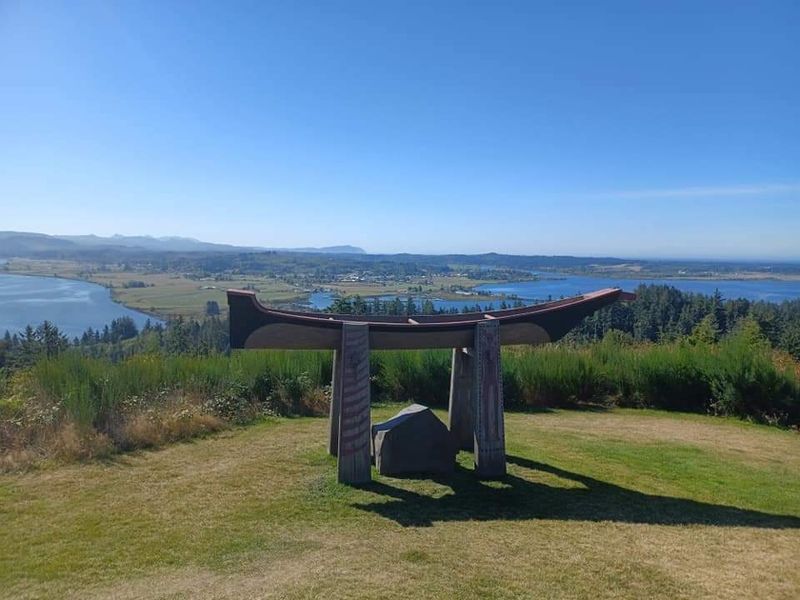
Astoria occupies a dramatic hillside above the mouth of the Columbia River, where the continent’s longest western river finally surrenders to the Pacific Ocean. The view from the Astoria Column on Coxcomb Hill — a 125-foot painted tower at the top of the city — is one of the most sweeping coastal panoramas in the Pacific Northwest, and spring fog lifting off the river adds a cinematic quality that photographers chase relentlessly.
The Victorian homes climbing Astoria’s steep streets are among the best-preserved in the region. Many have been converted into bed-and-breakfasts with front porches that face west toward the river and the setting sun.
The riverfront promenade stretches for miles along the Columbia, passing the Columbia River Maritime Museum, which houses the lightship Columbia and tells the harrowing story of the Columbia Bar, one of the most dangerous river mouths in the world.
Astoria’s food scene has grown remarkably in recent years, with excellent coffee roasters, craft breweries, and restaurants featuring local Dungeness crab, Columbia River salmon, and foraged mushrooms. The town also served as the filming location for The Goonies in 1985, and the house used in the film draws visitors year-round.
Spring brings milder weather and fewer crowds than summer, making it the ideal time to explore.
Marietta, Ohio (Ohio River)
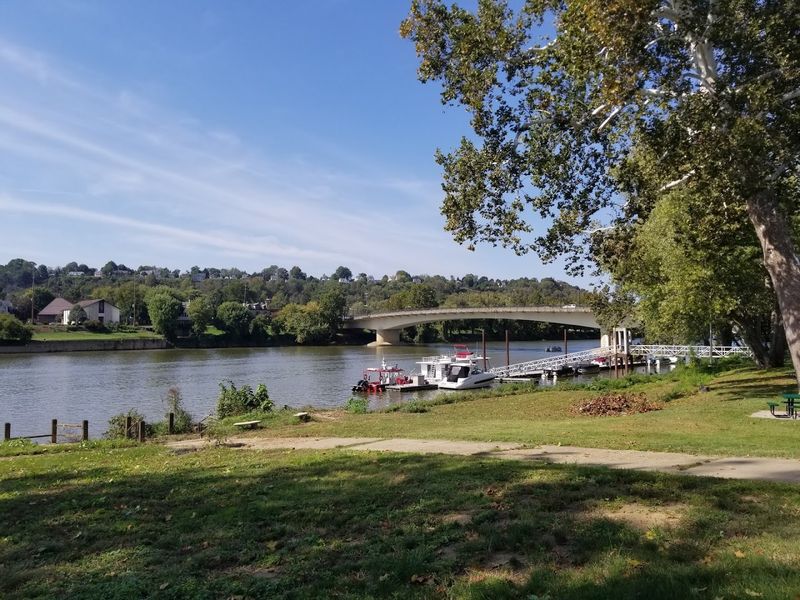
Founded in 1788, Marietta holds the distinction of being the first permanent American settlement in the Northwest Territory, which means it has had more than two centuries to figure out how to be a great river town. It has.
The Ohio River rolls past the city’s historic waterfront, and spring brings the riverboats back to life along with the blooming trees that line Muskingum Park near the confluence of the Muskingum and Ohio Rivers.
The Ohio River Museum and the sternwheeler W.P. Snyder Jr. tell the story of an era when paddle-wheel steamboats ruled American commerce and culture.
The Sternwheel Festival in September is the big annual event, but spring is when the town feels most alive and unhurried, before the summer crowds arrive. The Lafayette Hotel, a grand 1918 riverfront property, is one of the finest places to stay in small-town Ohio.
Marietta College adds intellectual energy to a community that is already rich in history. Antique shops, independent bookstores, and locally owned restaurants fill the attractive downtown grid of streets.
The Muskingum River Parkway nearby offers locks and dams that still operate, allowing boats to travel inland along a 19th-century waterway. It is a living piece of American infrastructure history that most visitors never knew existed.
Camden, Maine (Megunticook River)
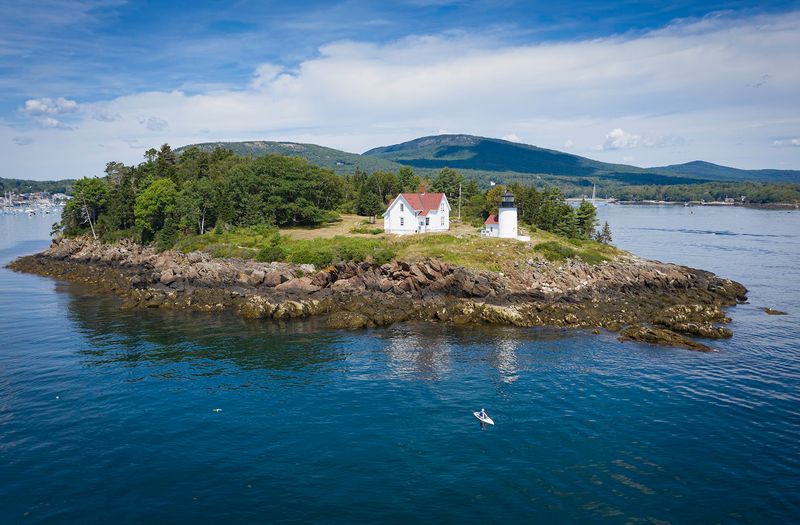
Camden is one of those rare places where a river, a mountain, and an ocean all converge within a few minutes of each other. The Megunticook River tumbles through the center of town and empties into a harbor full of tall-masted windjammer schooners, with Mount Battie rising dramatically behind everything.
Spring here arrives with lilacs, which bloom in extraordinary profusion and fill the whole town with a fragrance that locals say is the true smell of a Maine spring.
Mount Battie State Park opens its roads and trails as snow recedes, and the summit drive or hike rewards visitors with one of the most celebrated views in New England: a panorama of Penobscot Bay dotted with spruce-covered islands stretching to the horizon. The Camden Amphitheater, built into the hillside above the harbor, hosts outdoor performances as the season warms.
Spring mornings often bring fog that burns off by midday, leaving the harbor glittering in clear light.
The windjammer fleet begins its sailing season in late May, offering multi-day cruises through the islands of Penobscot Bay that are unlike any other travel experience in America. For landlubbers, kayaking the harbor and river mouth is equally rewarding.
Camden’s downtown is small but excellent, with bookshops, seafood restaurants, and galleries that reflect the town’s long history as a gathering place for artists and sailors alike.