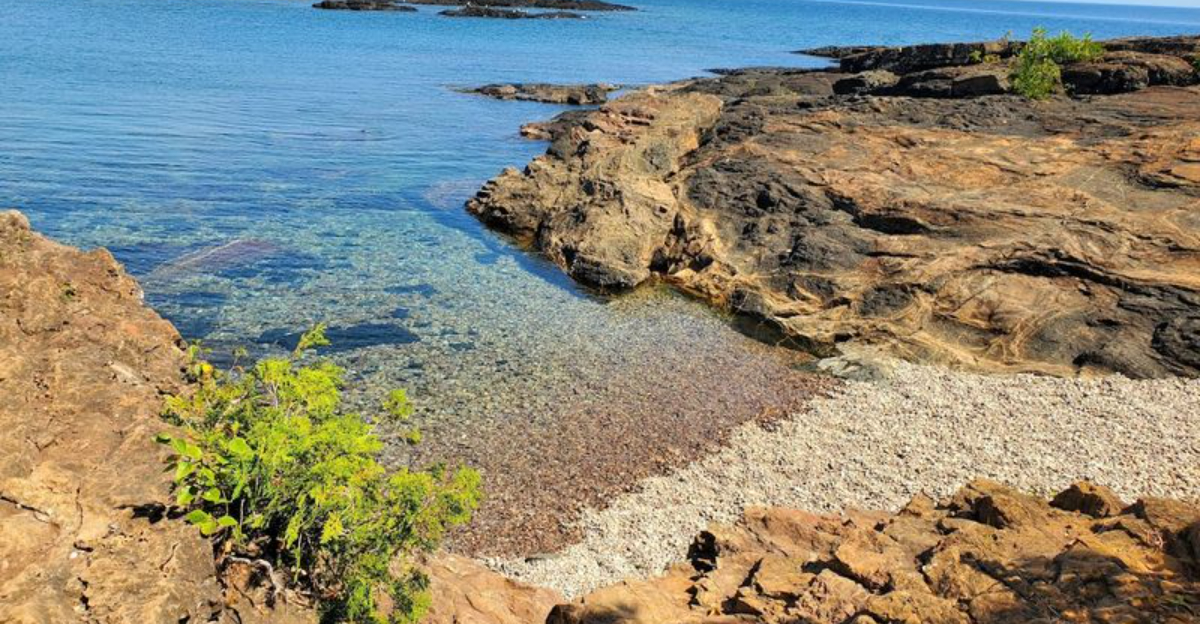
Michigan’s Upper Peninsula feels like a giant treasure box with cold waves, ancient bedrock, and beaches that love giving up agates, jaspers, and copper.
Here, rockhounding is not just a hobby. It is a form of treasure hunting that connects you directly to the volcanic history of the Great Lakes.
These ten spots mix famous collecting grounds with lesser-known gems, and each one brings its own scenery, stone types, and scavenger-hunt energy.
So, grab a bucket and a pair of sturdy boots, and get ready to dig out the best souvenirs yourself.
1. Grand Marais Public Beach (Agate Beach)
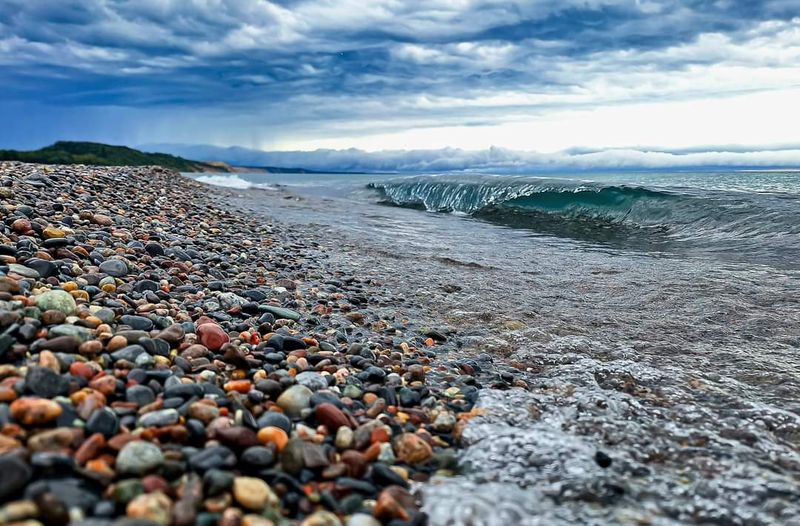
The nickname alone tells you this beach means business.
Grand Marais Public Beach, often called Agate Beach, has earned a loyal following from collectors who know Lake Superior loves to polish its best treasures here.
On the right day, the shoreline can feel like a giant sorting tray for agates.
It sits near Lake Avenue and Coast Guard Point Road, Grand Marais.
At Agate Beach, you are most likely to spot banded agates, carnelian-toned pieces, quartz, and richly colored jaspers mixed through rounded beach gravel.
Wet conditions help enormously because agates glow with that slightly greasy, wax-like surface that dry stones tend to hide.
A patient zigzag along the swash line usually beats rushing, and checking areas where larger cobbles meet finer gravel can pay off nicely.
Wind and waves are the secret partners in your search, so many regulars head out after a blow when fresh stones get exposed.
The public access makes this spot easy to reach, but it also means prime pieces disappear quickly, so earlier is smarter.
Even when your pocket stays lighter than hoped, the broad Superior horizon, crisp air, and constant chance of finding one perfect honey-colored agate make this beach a classic Upper Peninsula stop.
2. Whitefish Point
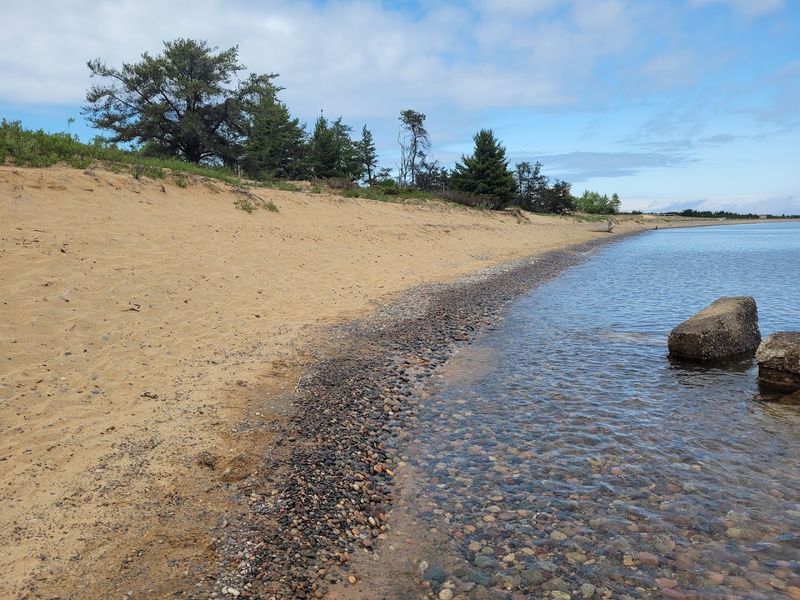
Cold wind, restless surf, and a famously wild shoreline give this place a dramatic edge.
This Lake Superior landmark is better known for shipwreck lore and birds, but rockhounds also appreciate the steady supply of wave-tumbled material.
To reach Whitefish Point, head out to 18335 N Whitefish Point Rd, Paradise.
The beach has a raw, shifting quality that makes every walk feel different.
You can search for agates, quartz, basalt, granite erratics, and occasional colorful jasper among the mixed stones.
The point gathers material from powerful currents, so pockets of interesting rock can appear where you least expect them.
Focus on recently washed sections, especially where the wave line leaves behind concentrated bands of pebbles, and keep an eye out for stones that look translucent when backlit.
This is not a place to underestimate because weather can turn quickly and Lake Superior stays dangerously cold.
Dress for wind, use good footing on uneven cobbles, and combine your hunt with nearby interpretive stops if you want a fuller day.
Whitefish Point rewards patient observers more than frantic grabbers, and that suits the setting perfectly, since half the pleasure comes from listening to the surf while scanning one stone after another for that unmistakable agate glow.
3. Keweenaw Peninsula
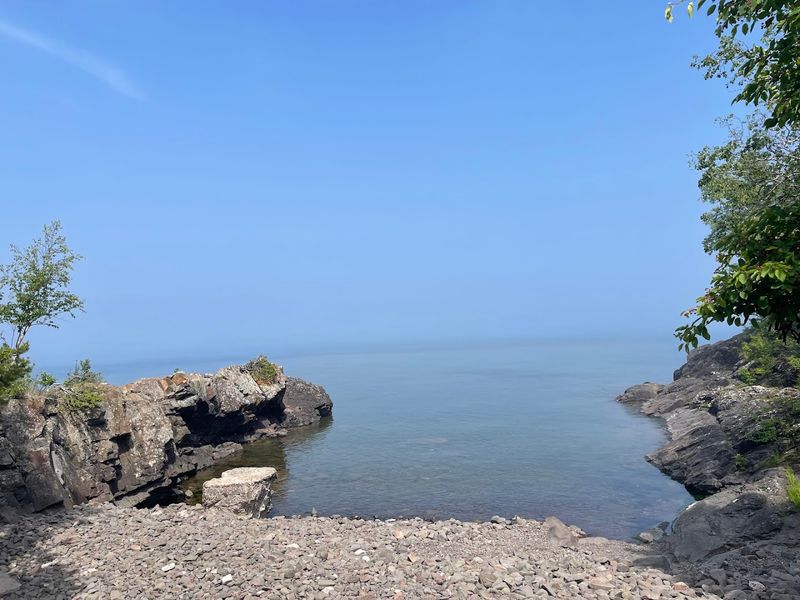
If Michigan had a rockhounding capital, the Keweenaw Peninsula would make a strong case.
Give yourself time here, because the Keweenaw rarely delivers all at once, but when it does, a single copper piece or perfectly banded agate can make the whole peninsula feel like a jackpot.
Stretching north from Houghton and Hancock toward Copper Harbor, with key access along US-41 and M-26, this region is legendary for native copper, agates, datolite, prehnite, and an astonishing variety of volcanic rocks.
It is less one stop than a geology road trip with endless excuses to pull over.
You will find beaches, road cuts, mine dumps, and stream mouths that all tell parts of the same ancient volcanic story.
Copper-rich material can show up as flattened nuggets, veins in host rock, or heavy metallic pieces mixed with rounded shoreline stones.
The smartest approach is to research access carefully, stick to public areas, and bring a small hand lens because subtle textures and mineral fillings become much easier to spot up close.
Different sections of the peninsula produce different rewards, which is exactly why serious collectors keep coming back.
Around Eagle River, Eagle Harbor, and other public shorelines, wave action can reveal fresh material after storms, while interior locations may offer mine-related finds where collecting is allowed.
4. Copper Harbor Shoreline
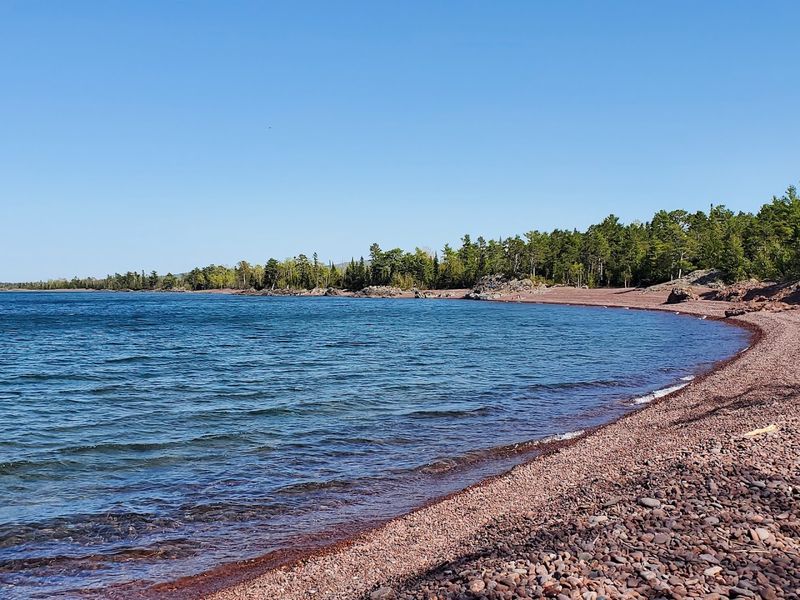
At the northern tip of the Keweenaw, the shoreline around Copper Harbor feels rugged in the best possible way.
Center your search near Gratiot Street and Harbor Haus area, Copper Harbor, MI 49918, where public stretches of rocky beach and harbor edges can produce classic Upper Peninsula finds.
The scenery is showy, but the stones deserve equal attention.
You are here for native copper, agates, quartz, basalt, and occasional greenstone among well-rounded cobbles.
Copper Harbor’s wave action and mineral-rich bedrock create a setting where even ordinary-looking stones deserve a second glance, especially if they feel unusually heavy or show metallic flashes.
Wet rocks help enormously, so work slowly near the waterline and check gaps where finer gravel collects between larger stones.
Because this is a popular travel destination, collecting success often comes down to timing and patience rather than pure luck.
Early hours, shoulder season visits, and post-storm walks can all improve your odds without needing complicated gear.
Add in the harbor views, forested hills, and the unmistakable feeling that you have reached the edge of the map, and Copper Harbor becomes the kind of place where finding one small copper piece feels less like a handshake from the peninsula itself.
5. Siskiwit Bay Beaches
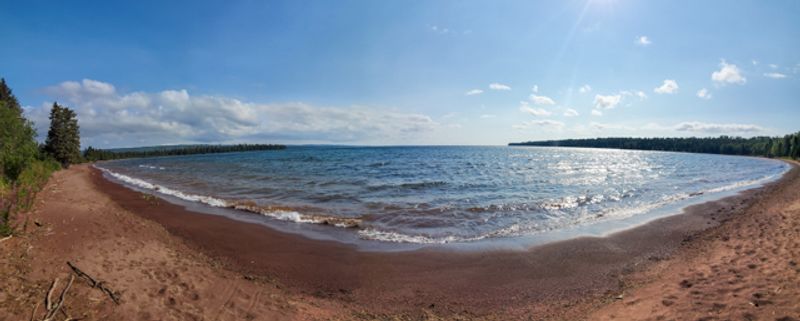
Remote beaches always seem to sharpen the thrill of finding something special.
Siskiwit Bay Beaches on Isle Royale National Park, accessible through park routes near Windigo and interior trails, Isle Royale, offer a wild, less-traveled setting where every rounded stone feels earned.
The island’s volcanic history gives the shoreline a distinctly promising look.
You may encounter agates, greenstone, basalt, quartz, and beautifully weathered pebbles shaped by Superior’s constant motion.
The beaches here are less about fast collecting and more about careful observation, because subtle color, pattern, and texture often separate an ordinary rock from a memorable find.
Low-angle light can be especially helpful, and clear, calm water sometimes turns the shallows into a natural display case.
Rules matter a great deal on Isle Royale, so always check current National Park Service regulations before removing anything, since protected areas can have strict limits or prohibitions.
Even if collecting is restricted, the beaches remain worth visiting for educational viewing and photography alone.
Siskiwit Bay stands out because the setting is so quiet, so geologically rich, and so deeply scenic that scanning the shore becomes part treasure hunt, part wilderness meditation.
6. Champion Mine Dump
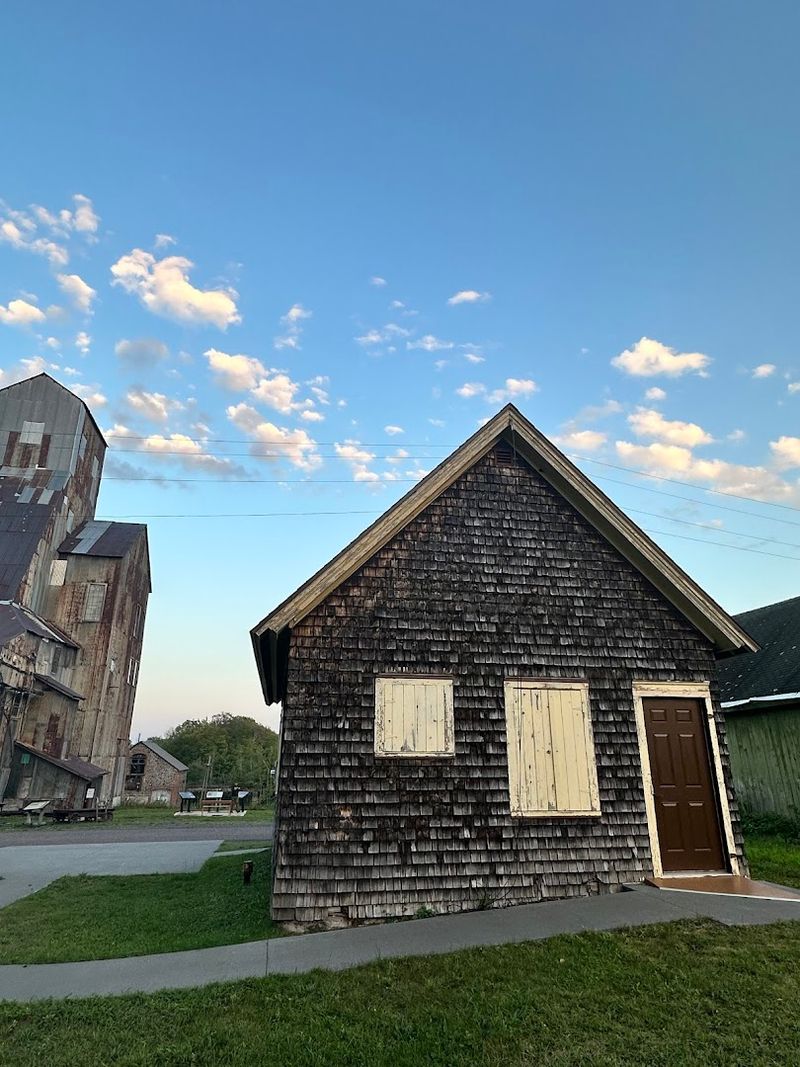
Mine dumps have a very different personality from beaches, and that is exactly the appeal.
Around the historic Champion area near County Road 601 and US-41, Champion, MI 49814, old mine waste piles can hold mineralized rock that never spent centuries being polished by water.
Instead of scanning surf lines, you get to read the ground like an industrial geology puzzle.
Depending on the specific dump and its mining history, you might find quartz, sulfide-bearing rock, iron-stained specimens, and occasional copper-related material.
A hand lens is useful here because crystals, veining, and altered textures often reveal themselves only up close.
Wear boots and gloves, move cautiously over unstable footing, and never assume old mining ground is safer than it looks, because loose rock and hidden hazards are common.
The big advantage of a mine dump is that angular pieces preserve details beaches usually grind away.
That means more visible mineral structures, more educational value, and a better chance to learn exactly what you are seeing rather than just admiring a polished pebble.
Access can vary, so confirm ownership and permission before collecting, but when conditions are legal and safe, Champion rewards curious rockhounds who enjoy a more hands-on, detective-style search with a strong dose of Upper Peninsula mining history.
7. Presque Isle Park
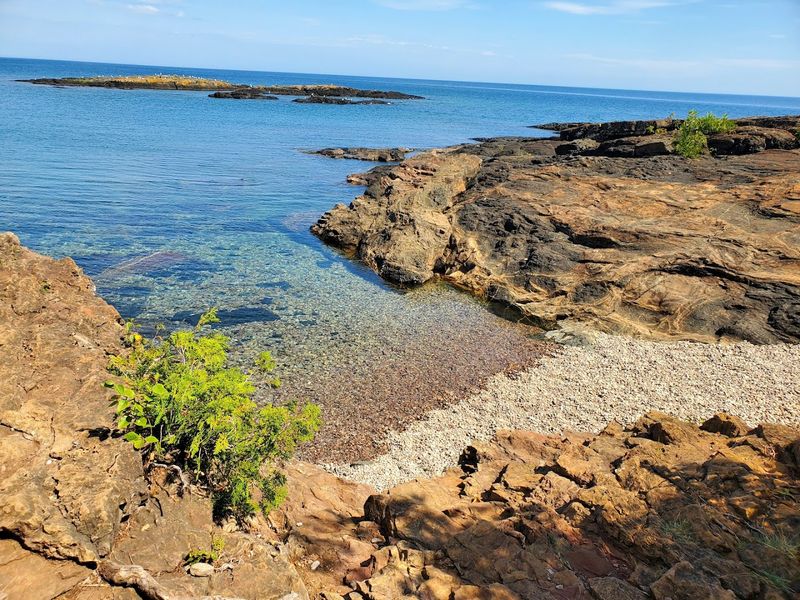
One glance at the black, wave-smoothed stones here and you can feel the hunt begin.
Presque Isle Park, reached via Peter White Drive, Marquette, MI 49855, is one of those places where every cobble seems to hint at something brighter hiding underneath.
Lake Superior constantly rearranges the shoreline, which keeps the rockhounding experience fresh and surprisingly addictive.
You will mostly search for agates, quartz, jasper, epidote-rich stones, and interesting volcanic pebbles washed out of ancient formations.
After storms, the beaches and lower ledges can be especially rewarding because new material gets rolled into view.
The best strategy is simple: move slowly, let the water glaze the rocks, and look for waxy translucence, banding, or unusual color that stands out from the darker host stones.
Safety matters here because slick rock, cold water, and sudden waves can make a casual outing turn clumsy fast.
Early morning light helps reveal agates, and fewer visitors mean less competition from sharp-eyed collectors.
Since this is a public recreation area, keep your collecting casual, respect posted rules, and enjoy the bonus that even a modest find comes with unbeatable views of Lake Superior, forested shoreline, and Marquette’s rugged volcanic character.
8. Manitou Island
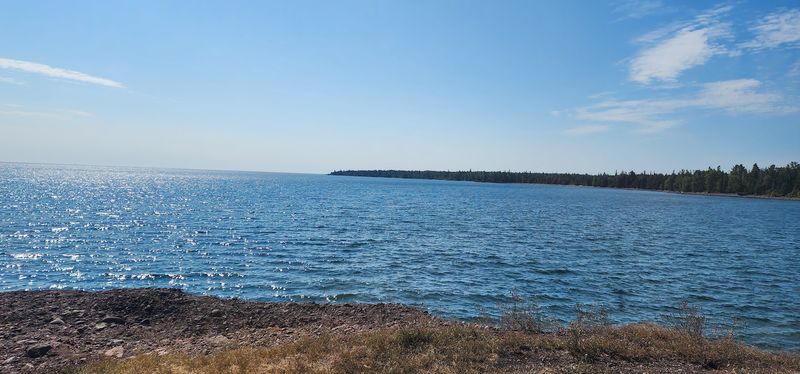
Manitou Island, offshore from the Keweenaw near the public viewpoints around Manitou Island Road, Grant Township, MI 49968, has long attracted attention for its volcanic geology and rugged shoreline character.
It is one of those places that feels like it belongs in a field notebook and an adventure story at the same time.
Even from the mainland, the island hints at the mineral-rich drama that defines this part of Lake Superior.
Rockhounds interested in the surrounding beaches and accessible nearby shoreline search for agates, basalt, quartz, and Keweenaw-native mineral material shaped by relentless waves.
The appeal here is not just what you find, but how geologically expressive everything looks, from dark volcanic cobbles to striking color contrasts in wet stone.
If you are exploring adjacent public shore areas, take your time and inspect heavier stones carefully for signs of copper or unusual matrix patterns.
Nearby mainland pull-offs and shoreline spots may offer the more practical option for casual searching. Manitou Island earns its place on this list because it adds mystery, serious scenery, and a strong sense of Keweenaw geology in action.
This means that even a modest find can feel wonderfully connected to one of the Upper Peninsula’s most storied landscapes.
Because island access and surrounding ownership can be complicated, it is wise to verify current public
access rules before planning any collecting trip tied directly to the island.
9. Marquette County Mine Dumps
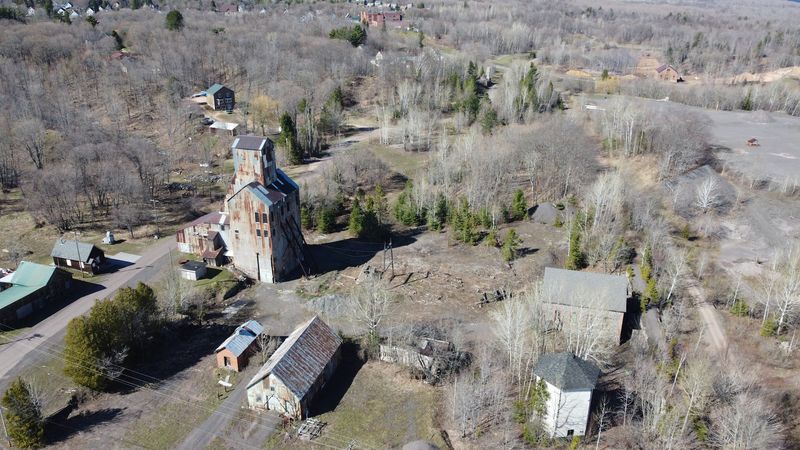
Rust-red rock piles across Marquette County tell you immediately that iron country plays by different rules.
This is rockhounding with a harder hat attitude.
Marquette County mine dumps are especially rewarding if you like understanding where your specimens came from, because every iron-rich slab, quartz vein, or jasper-streaked fragment reflects the region’s mining legacy as clearly as any museum display.
Historic mining areas near Negaunee, Ishpeming, and Palmer, including public vicinity routes along US-41 and County Road 492, Marquette County, can offer fascinating dump material for collectors who enjoy texture, structure, and mining history more than polished beach stones.
You may encounter banded iron formation pieces, quartz, jaspery material, hematite-rich rock, magnetite-bearing specimens, and colorful oxidized fragments with surprising visual appeal.
The joy here comes from variety, because two nearby dumps can produce noticeably different material depending on the ore body and waste rock source.
Bring gloves, sturdy footwear, and a magnet if you want a quick way to test certain specimens while learning the difference between decorative and truly interesting finds.
As always, confirm land ownership and collecting permission before entering any old mining site, since many are on private or restricted property.
Safe, legal access is part of good collecting, and it keeps these places available for future enthusiasts.
10. Hurricane River Beach
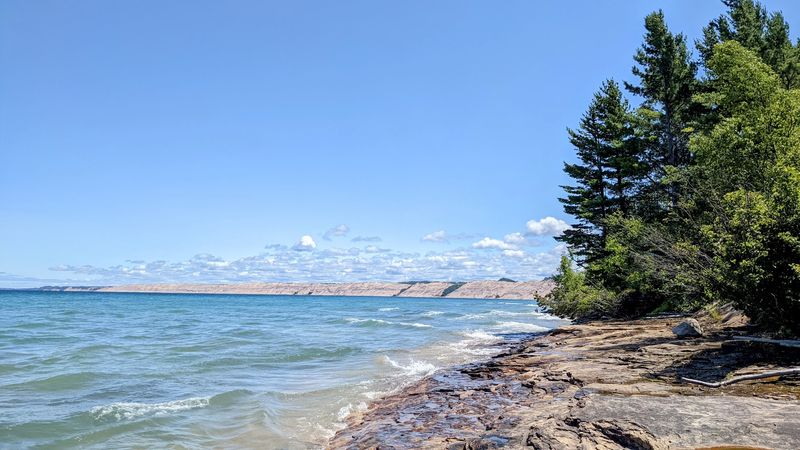
Just east of Munising, the shoreline starts showing off in a way that grabs both photographers and rockhounds.
Hurricane River Beach, near Hurricane River Campground off H-58, Grand Marais, sits in a spectacular stretch of Pictured Rocks National Lakeshore where moving water constantly shuffles beach stone into fresh combinations.
It is a scenic place first, but a very capable hunting ground second.
You can search for agates, jasper, quartz, chert, and other colorful Lake Superior pebbles among the rounded cobbles.
Wet weather or recent wave action improves your odds because translucent material stands out better and newly exposed gravel.
As you keep your eyes glued to the ground, do not forget to look up and scan the shoreline for the ghosts of the Great Lakes.
Following the water’s edge just a short walk east toward the Au Sable Light Station reveals the weathered, skeletal remains of three 19th-century shipwrecks: the Mary Jarecki, Sitka, and Gale Staples embedded right in the sand.
It is a hauntingly beautiful reminder of Superior’s power, making this stretch of beach a rare spot where you can pocket a piece of geological history while standing over the literal bones of maritime history.