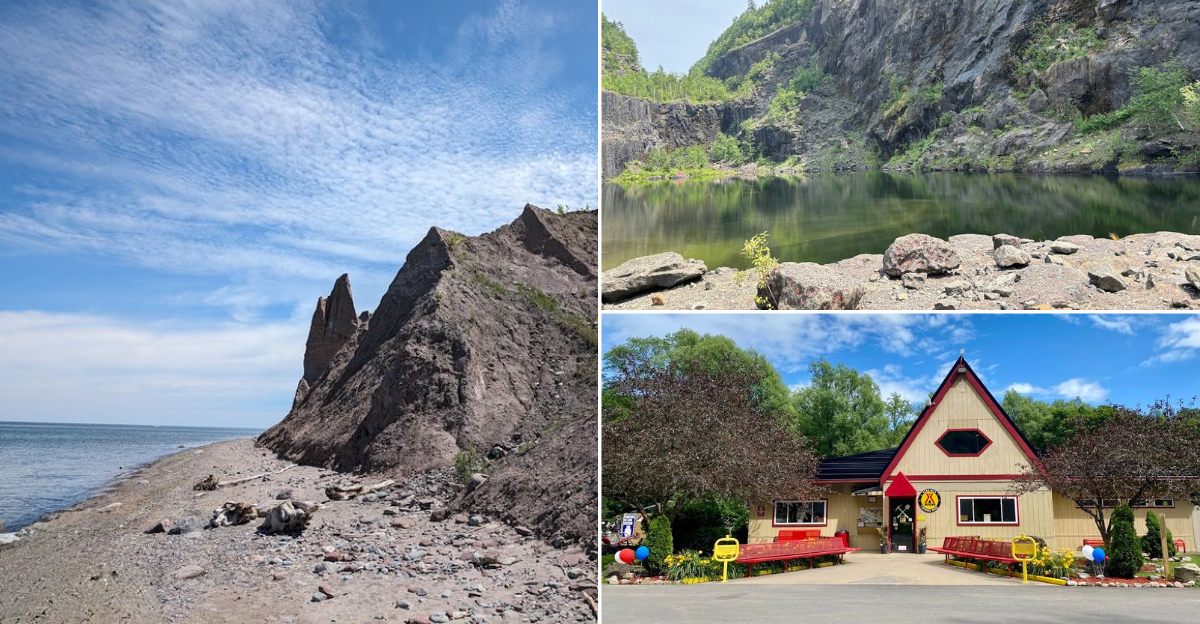
New York surprised me the moment a dusty hillside handed over a pocketful of glitter, because this state hides far more than city skylines and roadside diners.
If you love the thrill of finding crystals, fossils, and colorful minerals with your own two hands, these stops turn an ordinary weekend into a treasure hunt with better scenery and less pirate drama.
From the Adirondacks to Lake Ontario and all the way out to Montauk, each place on this list offers a different kind of geologic payoff, plus enough local character to keep the drive interesting.
Grab sturdy shoes, a small hammer where allowed, and a healthy respect for the rules, then come along because these 11 New York spots are absolutely worth exploring.
1. Crystal Grove Diamond Mine & Campground — St. Johnsville, New York
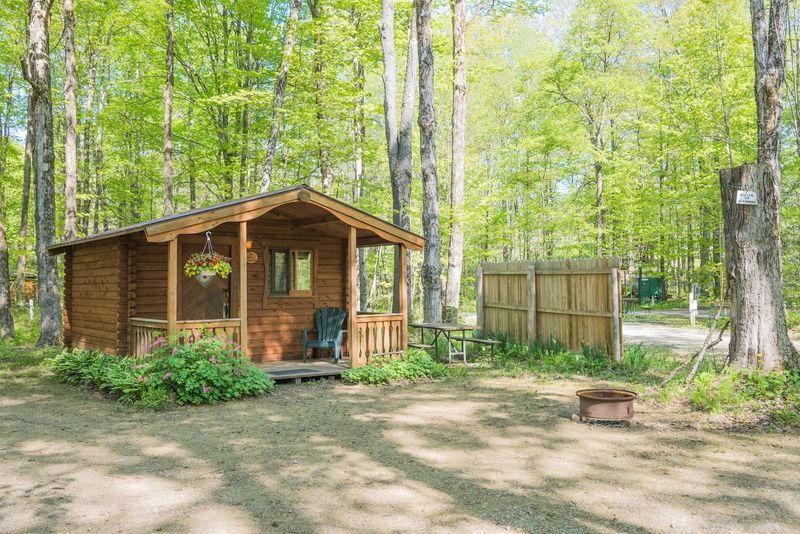
Nothing says commitment to rockhounding like camping beside the place where you plan to get gloriously dusty the next morning.
Crystal Grove Diamond Mine and Campground in St. Johnsville sits in the Mohawk Valley and offers another chance to hunt Herkimer diamonds in a more rustic, laid back setting.
The appeal is not just the crystals, but the full experience of sleeping under the stars, waking up early, and heading straight to the dig before the coffee has even finished negotiating with your brain.
This site welcomes families and first timers, yet it still satisfies collectors who enjoy working through rock methodically for better specimens.
You can mine in paid areas, camp on site, and use basic hand tools to search for clear quartz crystals that often appear in vugs inside the host rock.
Bring sturdy gloves, old clothes, and realistic expectations, because not every bucket hides a showpiece, though the peaceful setting, helpful staff, and the possibility of uncovering your own sparkling pocket make Crystal Grove a wonderfully memorable stop in central New York.
2. Penn Dixie Fossil Park & Nature Reserve — Blasdell, New York
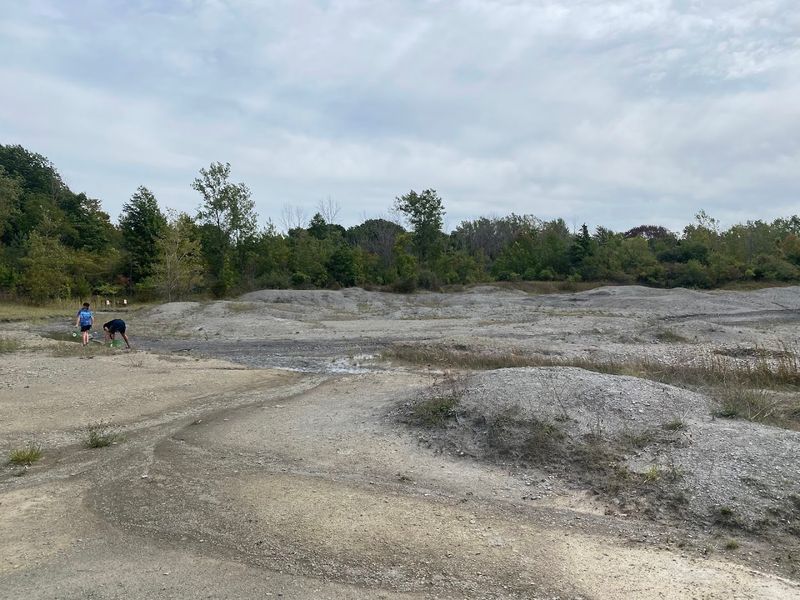
Ancient sea life steals the show at Penn Dixie, where the ground looks ordinary until a fossil pops out and suddenly you are time traveling in sneakers.
Located in Blasdell just south of Buffalo, this renowned fossil park preserves Devonian shale layers packed with brachiopods, crinoids, horn corals, and occasional trilobites.
It is one of the most approachable fossil sites in New York, partly because the staff leans hard into education, so you leave with better finds and a smarter eye.
The collecting setup is organized, legal, and welcoming, which is a beautiful sentence in any rockhound’s language.
Visitors pay admission, borrow or bring hand tools, and search designated spoil piles and exposure areas where fossils weather out regularly after rain and seasonal maintenance.
Check the schedule for guided programs, wear kneepads if you dislike crouching, and give yourself time in the interpretive center, because Penn Dixie balances scientific credibility with plain old digging fun, making it an ideal stop for families, beginners, and anyone who enjoys discovering that western New York once sat beneath a warm prehistoric sea.
3. Barton Garnet Mine — North River, New York
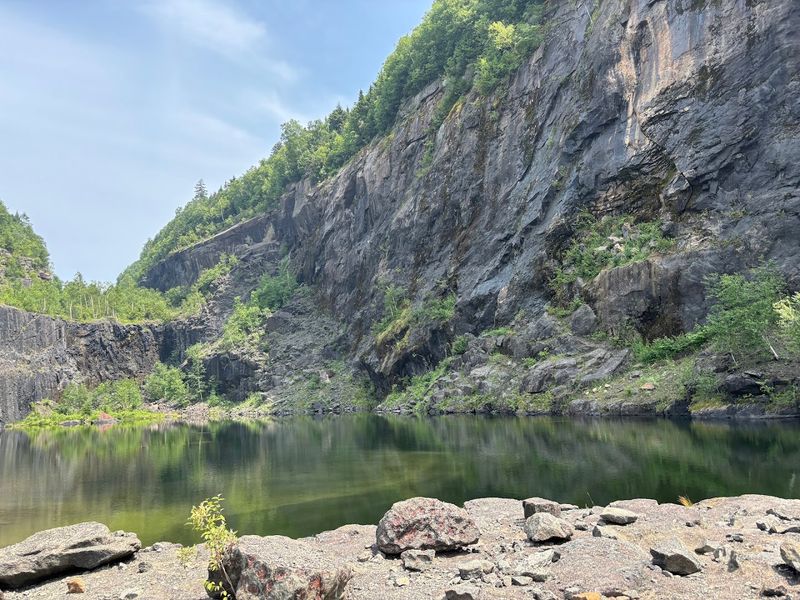
Red flashes in dark stone give this Adirondack classic its drama, and Barton Garnet Mine has been supplying that color for generations.
Near North River in Warren County, the mine sits in one of the world’s best known garnet producing regions, where almandine garnets formed in metamorphic rock under intense heat and pressure.
This is not casual beach combing, and that difference is part of the charm, because the landscape feels bold, industrial, and unmistakably tied to New York’s mining history.
Access can vary, so planning ahead matters more here than at simpler dig sites on this list.
Many visitors experience the area through tours, local museums, or nearby collecting opportunities rather than unrestricted wandering, which is both safer and far kinder to active operations and private property rules.
If you are fascinated by mineralogy, the North River area rewards the effort with striking geology, mountain scenery, and a deeper understanding of why Adirondack garnets became globally important, while the nearby roads, trailheads, and scenic pull offs make it easy to combine your mineral mission with a seriously beautiful day in the southeastern Adirondacks.
4. 18 Mile Creek Fossil Area — Hamburg, New York
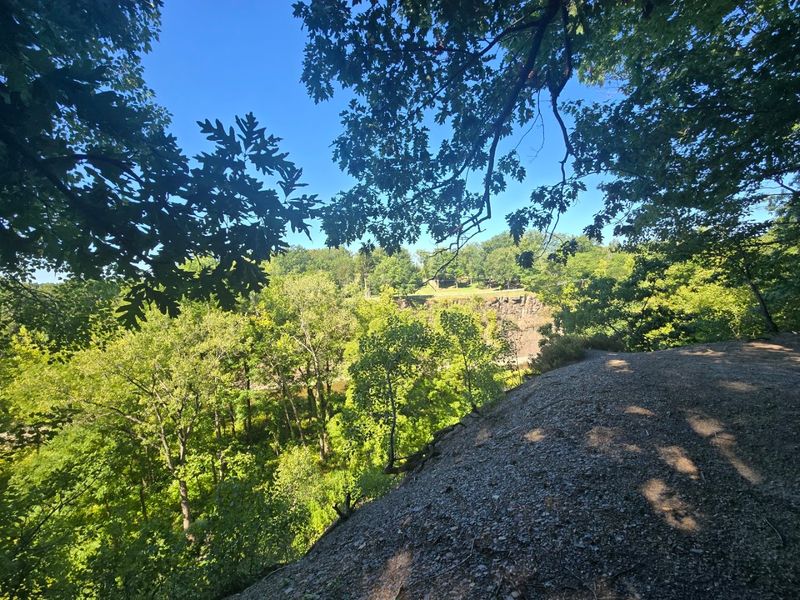
Here, the creek banks and lake bluffs read like a geology textbook that someone kindly left open for the public.18 Mile Creek Fossil Area in Hamburg, southwest of Buffalo along Lake Erie, is famous for exposed Devonian sediments where collectors may spot brachiopods, corals, crinoid fragments, and other marine fossils.
The place feels a little wild, which adds excitement, but it also means you should treat changing water levels, unstable slopes, and weather conditions with healthy caution.
Timing can make all the difference, especially after erosion or lower water reveals fresh material along the shoreline and creek margins.
The site is best for patient observers willing to scan fallen rock and loose pieces instead of attacking outcrops, since preservation and safety both matter here.
Wear boots with good grip, respect posted rules and protected areas, and keep your expectations flexible, because 18 Mile Creek rewards curiosity more than brute force, offering a memorable mix of scenic Lake Erie views, rich paleontological history, and the satisfying sense that every ripple, shale slab, and weathered bluff might be hiding a fossilized surprise.
5. Chimney Bluffs State Park — Wolcott, New York
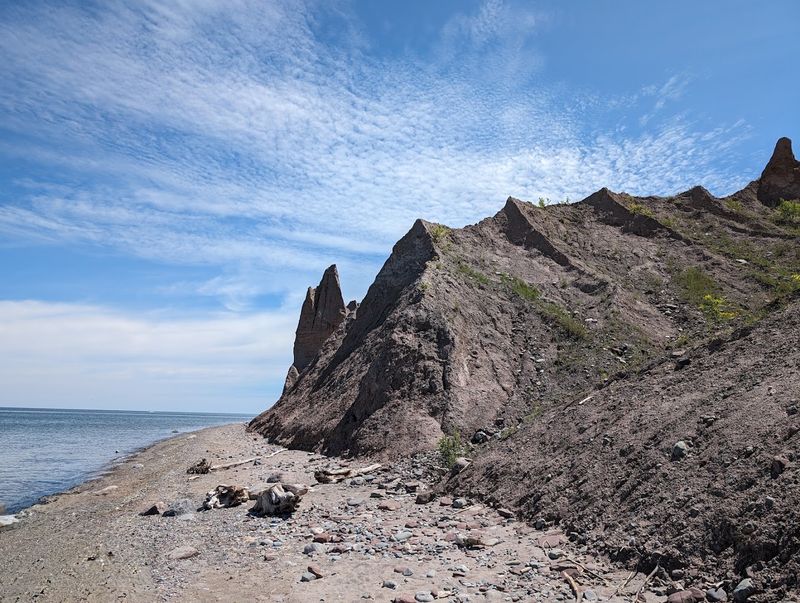
These bluffs look like a sandcastle kingdom that got promoted to state park, and they are just as photogenic as that sounds.
Chimney Bluffs State Park near Wolcott on the southern shore of Lake Ontario is better known for dramatic erosional spires than classic collecting, but observant rockhounds still appreciate the exposed glacial sediments and shoreline material.
The real magic here is seeing how wind, wave action, and ancient ice shaped a landscape that feels more theatrical than most geological stops in New York.
This is a place to tread lightly, because erosion is active and the fragile bluffs deserve admiration more than interference.
Stick to trails and the beach where permitted, study the sediments, and look for interesting stones along the shoreline rather than attempting to climb or disturb the formations.
If you visit at sunrise or late afternoon, the light turns the cliffs into a glowing wall of texture, and even without a pocket full of specimens, you leave with a stronger feel for New York’s glacial story, plus enough spectacular scenery to make your camera and your inner geology nerd equally happy.
6. Montauk Point & Long Island Beach Fossil Areas — Montauk, New York
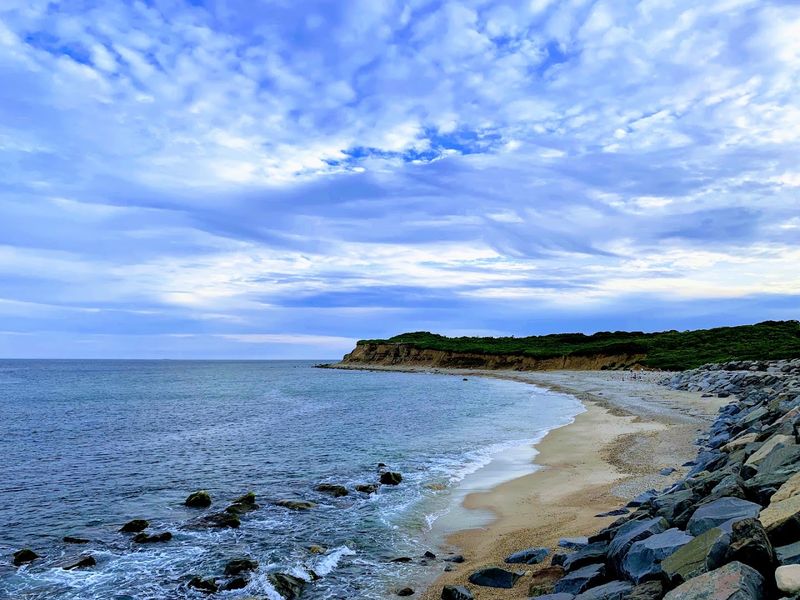
Salt air changes the mood instantly, and in Montauk the hunt feels less like mining and more like reading clues left behind by the Atlantic.
At the eastern tip of Long Island, Montauk Point and nearby beach fossil areas offer opportunities to search for wave worn shells, interesting pebbles, and occasional fossils or fossiliferous material exposed by coastal erosion.
You will not find the same dense collecting conditions as an inland quarry, yet that unpredictability is exactly why many people love beachcombing here.
Tides, storms, and patience do a lot of the heavy lifting, so timing your walk can be smarter than walking farther.
Check local access rules, favor public beaches, and scan wrack lines, gravel pockets, and freshly cut sections after rough weather while keeping a respectful distance from unstable edges.
Montauk also delivers one of New York’s most scenic backdrops, with the lighthouse, surf, and long horizon turning even a modest find into a story worth telling, and if the fossils stay shy, the polished stones, sea breeze, and end of the island energy still make this stop feel wonderfully worthwhile.
7. Lake Ontario Shoreline Rockhounding Areas — Oswego County, New York
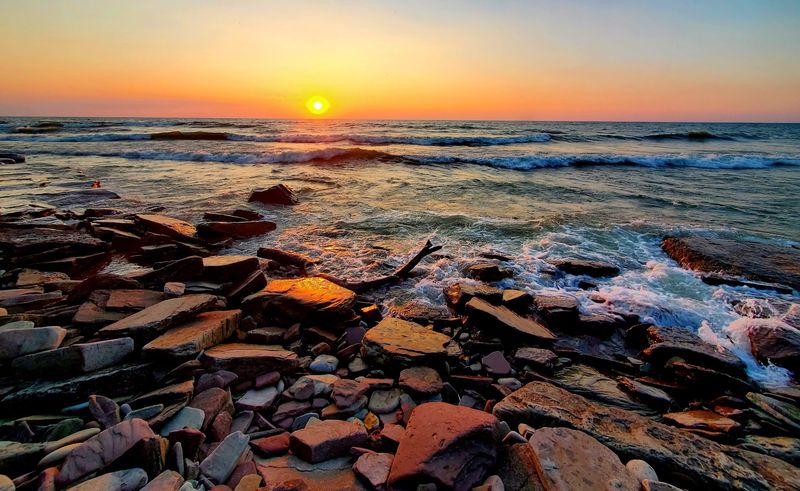
Waves are excellent editors, and along the Lake Ontario shoreline they sort, polish, and deliver a constantly changing spread of stones to inspect.
Across Oswego County, public shoreline stretches, creek mouths, and beaches can yield interesting sedimentary rocks, quartz, chert, occasional fossils, and colorful glacially transported material.
This is the kind of rockhounding that rewards slow walking and sharp eyes, because the lake rarely hands over treasure in one dramatic pile.
Conditions shift with season, recent storms, and water levels, so no two visits feel exactly the same.
After windy weather, new material often appears, and the best strategy is to search gravel bars, cobble patches, and spots where streams meet the lake, always confirming local regulations before collecting.
Bring a small bag, waterproof footwear, and enough time to enjoy the process, because Oswego County’s shoreline combines peaceful scenery with genuine geological variety, and even when your best find is simply a perfectly banded stone or an unusually smooth fossil fragment, the broad lake views make the whole outing feel calm, curious, and deeply satisfying.
8. Herkimer Diamond Mines — Herkimer, New York
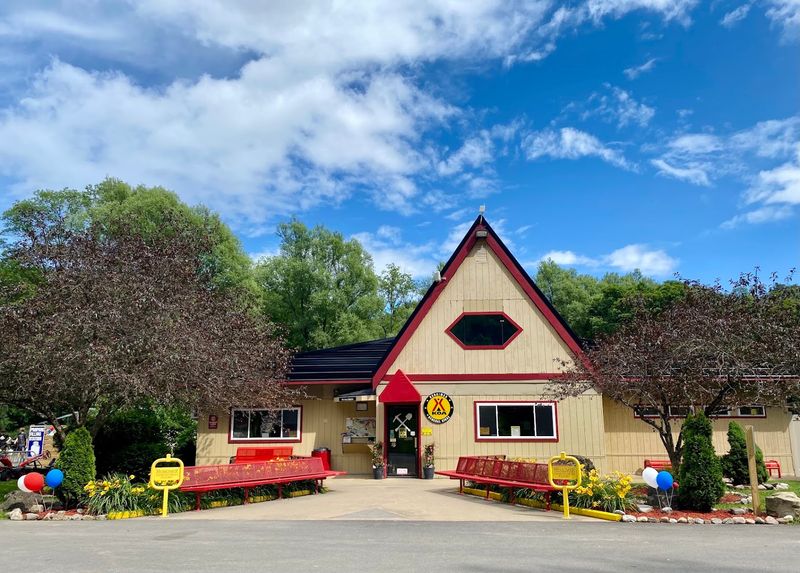
Sunlight does half the marketing here, because the quartz crystals called Herkimer diamonds really do flash like tiny chandeliers in the dirt.
At Herkimer Diamond Mines in Herkimer, about midway between Albany and Syracuse, you can dig in exposed dolostone where these famous double terminated quartz crystals formed millions of years ago.
The site is beginner friendly, yet serious collectors still show up with strategy, gloves, and enough enthusiasm to make a gravel pile feel like a casino.
What makes this place special is the realistic chance of taking home a clean, naturally faceted crystal instead of just good intentions and muddy boots.
You pay to enter, rent tools if needed, and work designated areas, so it feels accessible without losing the thrill of genuine discovery.
Arrive early, wear eye protection, and bring patience, because the best finds usually reward careful splitting rather than dramatic swinging, and nearby shops and museums in Herkimer County make it easy to turn one dig into a full geologic day trip.
9. Adirondack Garnet Trail / Barton Garnet Region — Adirondack Mountains, New York
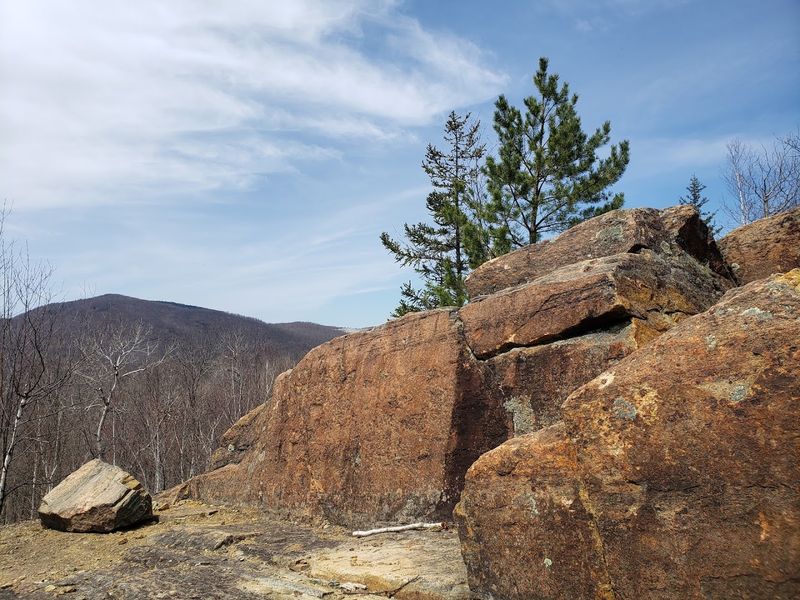
Sometimes the best rockhounding trip is part scavenger hunt, part road trip, and the Adirondack Garnet Trail delivers both with mountain flair.
This broader region in the Adirondack Mountains ties together the history, geology, and local identity of New York garnet country, especially around North River and nearby communities.
Rather than promising one simple dig site, it invites you to understand the bigger picture, from metamorphic processes and mining heritage to museums, scenic drives, and businesses that celebrate the area’s famous deep red mineral.
That wider lens makes the trail especially good for travelers who like context with their specimens.
You can pair scenic stops with local exhibits, trailheads, roadside geology, and approved collecting opportunities in the region, creating a fuller experience than a quick stop and swing approach.
Plan with maps, verify access at each location, and leave room for detours, because the Adirondacks excel at distracting you with lakes, peaks, and overlooks, while the garnet story adds a satisfying thread that ties the whole route together into a smart, beautiful, and very New York style geological adventure.
10. Hudson River Valley Fossil & Geological Sites — Hudson Valley, New York
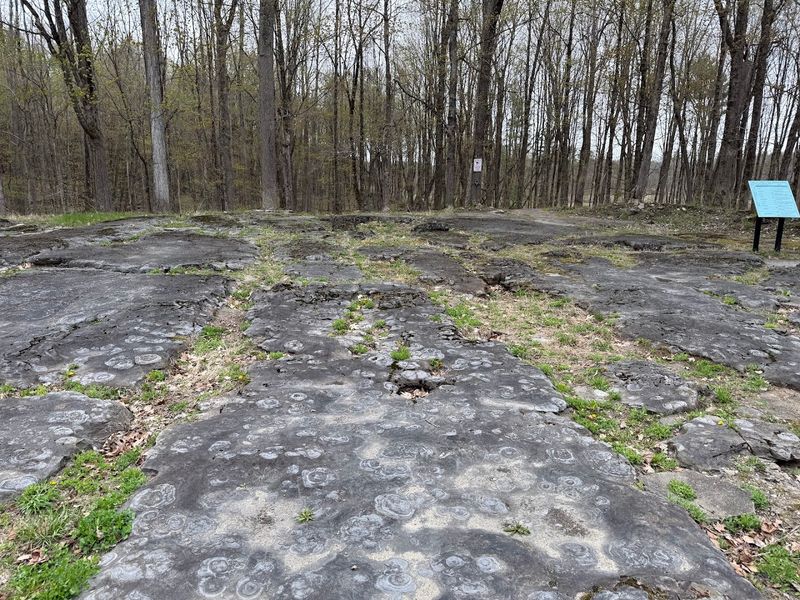
The Hudson Valley hides science in plain sight, where rolling scenery and historic towns share space with some remarkably revealing rock layers.
Across the valley, various public parks, roadcuts visible from safe viewpoints, stream exposures, and museum supported sites showcase sedimentary formations, fossils, and evidence of ancient environments that shaped eastern New York.
Because access differs widely, this region works best for curious travelers willing to research carefully rather than charge in with a hammer and heroic confidence.
That caution pays off, since the valley offers depth, variety, and easy pairings with other attractions.
Depending on the specific site, you may encounter marine fossils, glacial features, folded rock, or excellent interpretive material that explains how the landscape evolved over immense spans of time.
Use local guides, respect private property, and focus on legal collecting spots or observation areas, because the Hudson Valley shines as a place where geology, scenery, and history overlap beautifully, letting you spend a morning examining ancient clues and an afternoon rewarding yourself with river views, bookstore browsing, or a very deserved pastry.
11. Schoharie Creek Geological Areas — Schoharie County, New York
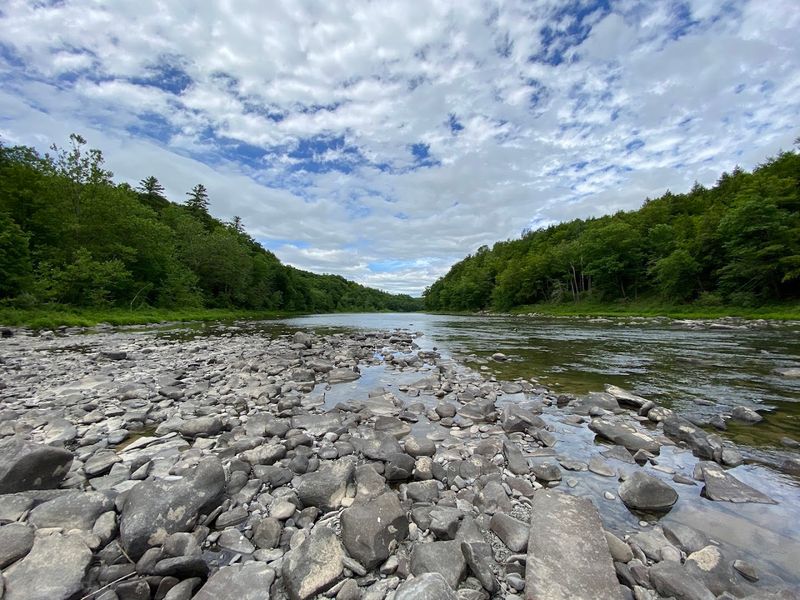
Creek beds have a sneaky way of turning a simple walk into an unscheduled lesson in deep time, and Schoharie County proves it beautifully.
Schoharie Creek geological areas are known for classic Devonian exposures, with limestone and shale units that have long attracted geologists, students, and fossil enthusiasts interested in marine life from an ancient inland sea.
The county sits west of Albany, making it a practical destination for a day trip that feels rural, quiet, and packed with scientific intrigue.
Water and weather constantly reshape what is visible, so flexible expectations are your best field companion.
Depending on conditions and legal access, careful searchers may notice brachiopods, corals, crinoid fragments, and other fossils in loose material, while the surrounding stratigraphy offers just as much excitement for anyone who likes reading layers.
Check local guidance before collecting, avoid unstable banks, and keep an eye on stream safety, because Schoharie Creek rewards respect with a rich sense of place, and even when your pockets stay light, the combination of pastoral scenery, textbook geology, and fossil potential makes this corner of New York thoroughly worth exploring.