


Montana shifts into a quieter kind of magic this time of year, and day trips feel like secret invitations.
Roads thin out, mountains dust with snow, and familiar views turn crisp and luminous in the low winter light.
You can chase frozen waterfalls, glassy lakes, and sweeping valleys without the usual crowds.
Pack a thermos, charge your camera, and let these routes turn a cold day into something unforgettable.
Big Sky to Ousel Falls Trail (Gallatin County)
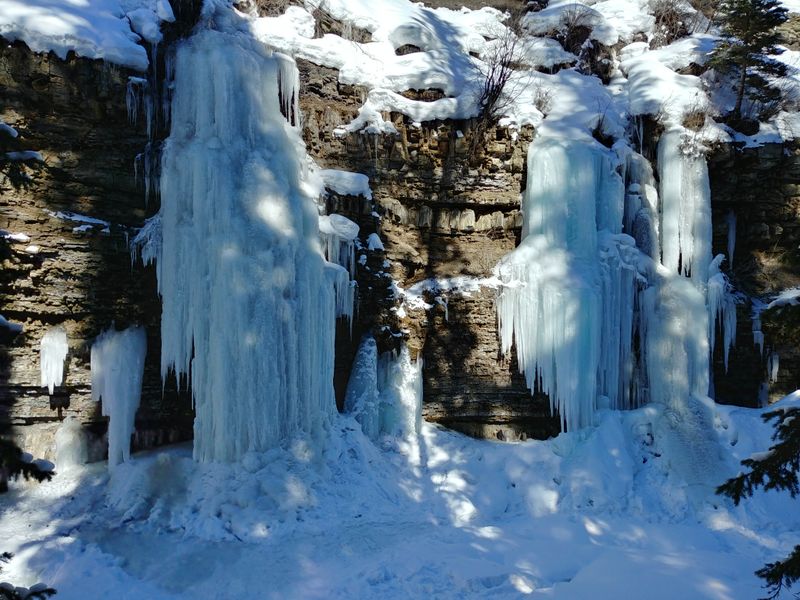

This short trail feels tailor made for a crisp winter walk, with the kind of payoff you rarely get for such little effort. As you follow the packed path through evergreens, the air smells like snow and pine, and your breath curls in wisps. The sound of Ousel Creek hushes the forest, then grows louder as you near the falls.
When the waterfall appears, you get both motion and stillness. Sheets of ice cling to the rock while a strong ribbon of water keeps moving, casting a mist that turns edges into delicate rime. You can step onto overlooks to frame the frozen curtains and frosted logs, and the early snow against dark basalt makes photos pop.
Footing can be slick, so traction helps, and a thermos makes the viewpoint feel cozy. Kids love spotting icicles and the bridges, and dogs usually do great on leash. Start early to catch the low sun that lights the spray like glitter.
Beyond the falls, continue a bit to find quieter banks where ice forms lacy patterns along the creek. Listen for chickadees, and look for tracks pressed into powder, from deer to tiny mice. When you head back, that gentle grade turns into an easy glide toward town.
Big Sky has coffee and quick bites if you want a warm up before or after the hike. Parking fills less in winter, but weekends still draw locals, so arrive mid morning. Bring layers, because the canyon holds shade and temperatures dip fast.
With light snow and golden green trees, the whole scene glows without harsh contrast. The trail offers enough variety for honest adventure yet stays friendly for families. You will leave with rosy cheeks, a camera full of glittering ice, and that calm that only a winter waterfall can give.
Whitefish to Glacier National Park (West Glacier)
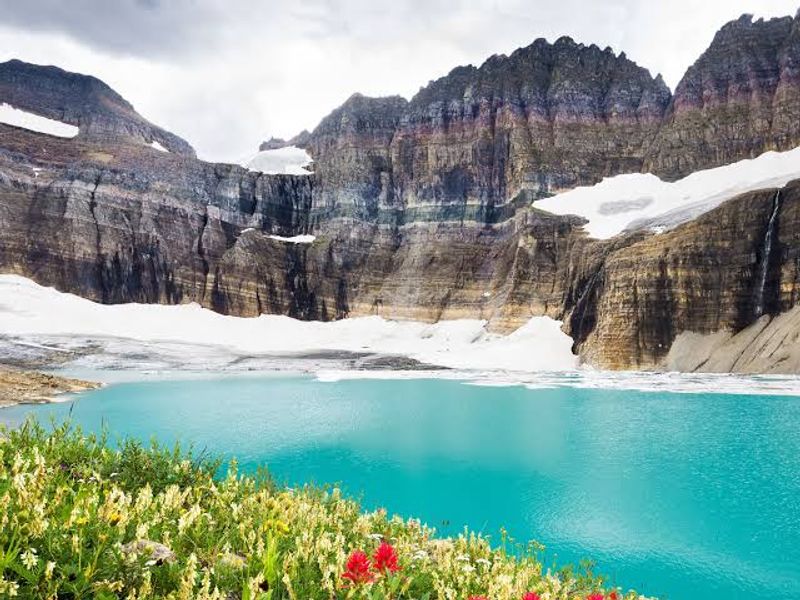
The drive from Whitefish to West Glacier turns into a quiet meditation once the crowds fade. Pines stand still and sharp, and the mountains pick up a powdered sugar finish. You roll past frozen meadows that catch sunlight like brushed steel.
Lake McDonald sits calm as a mirror, its edges filming with ice in lace patterns. Pebbles show through the clear water, and the classic boathouse and peaks line up for photos that feel timeless. Step gently along the shore to capture reflections before any breeze dimples the surface.
With fewer people, wildlife becomes easier to spot. Keep an eye on the river corridor for eagles riding thermals or perched in cottonwoods. You might see deer ghosting along the road edge, so slow down and let the quiet set the pace.
The entrance area and Apgar can offer enough for a full day, even if interior roads close. Walk the lakeside paths, sip a hot drink, and frame the valley while low sun paints long shadows. You will appreciate the soft palette of blue, silver, and evergreen.
Pack layers and microspikes for short icy stretches. A thermos turns a cold bench into a scenic café, and extra gloves keep you shooting longer. Respect closures and pull off only where plowed, since shoulders can hide slick drop offs.
On the way back, Whitefish adds cozy stops for dinner and a warm glow downtown. The late afternoon light often returns the mountains to rose tones, making one last photo stop irresistible. This day trip gives you Glacier’s presence without summer frenzy, all calm and crystalline.
Yellowstone River Drive – Paradise Valley
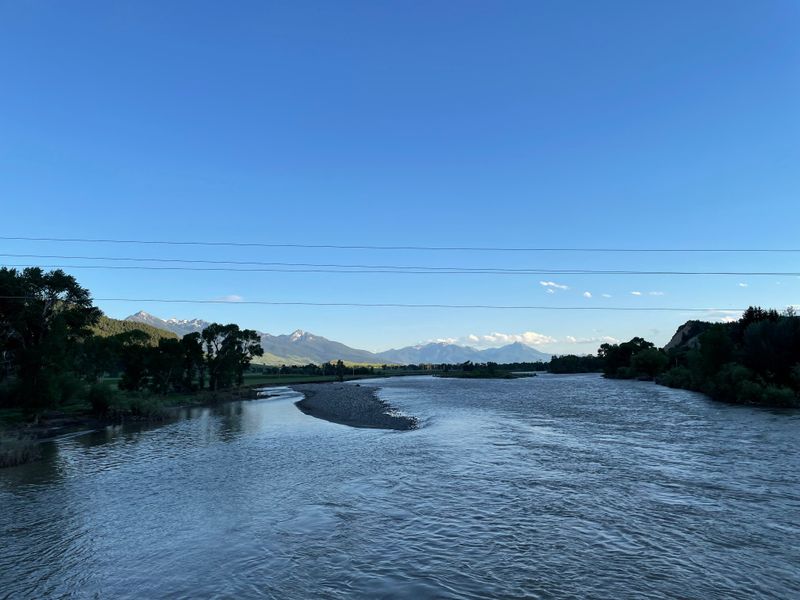
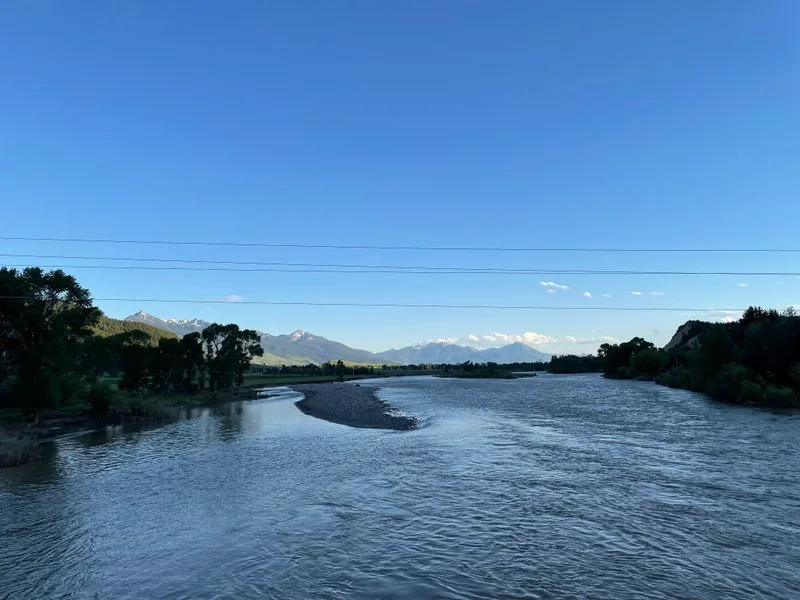
Paradise Valley lives up to its name when winter spreads a quiet gloss over the river. The Yellowstone often runs open here, turning into a dark mirror for the Absarokas. You can pull into riverside turnouts and watch steam rise where warmer water meets the cold air.
Elk congregate on the valley floor, moving like tawny brushstrokes across pale fields. Keep binoculars ready for bald eagles that sit high in cottonwoods, scanning riffles for fish. The combination of wildlife and mountain drama makes the drive feel like a slow moving documentary you get to narrate.
Start near Livingston and meander south toward Emigrant and Yankee Jim. The road traces the river’s bends, with scenic bridges and snowy bluffs framing each curve. Stop often, because light shifts fast and the reflections can sharpen or soften in minutes.
For photos, look for side channels where ice etches scalloped edges. The Absaroka skyline stacks layer after layer, offering clean compositions even on gray days. If wind kicks up, it brushes the valley into a textured silver that still reads beautifully on camera.
Pack hot drinks, a warm layer, and patience for wildlife moments. Pull well off the road for viewing, and give animals space so their day stays calm. You may hear coyotes yip or see ravens banking over the water for a classic winter soundtrack.
End at Gardiner for a snack and the stone arch, or just turn around wherever the light tells you to. Late afternoon drops a soft gold across the river, and the mountains respond with lavender shadows. This drive offers big scenery with low effort, where the river carries the whole valley like a ribbon of moving light.
Big Horn Canyon National Recreation Area
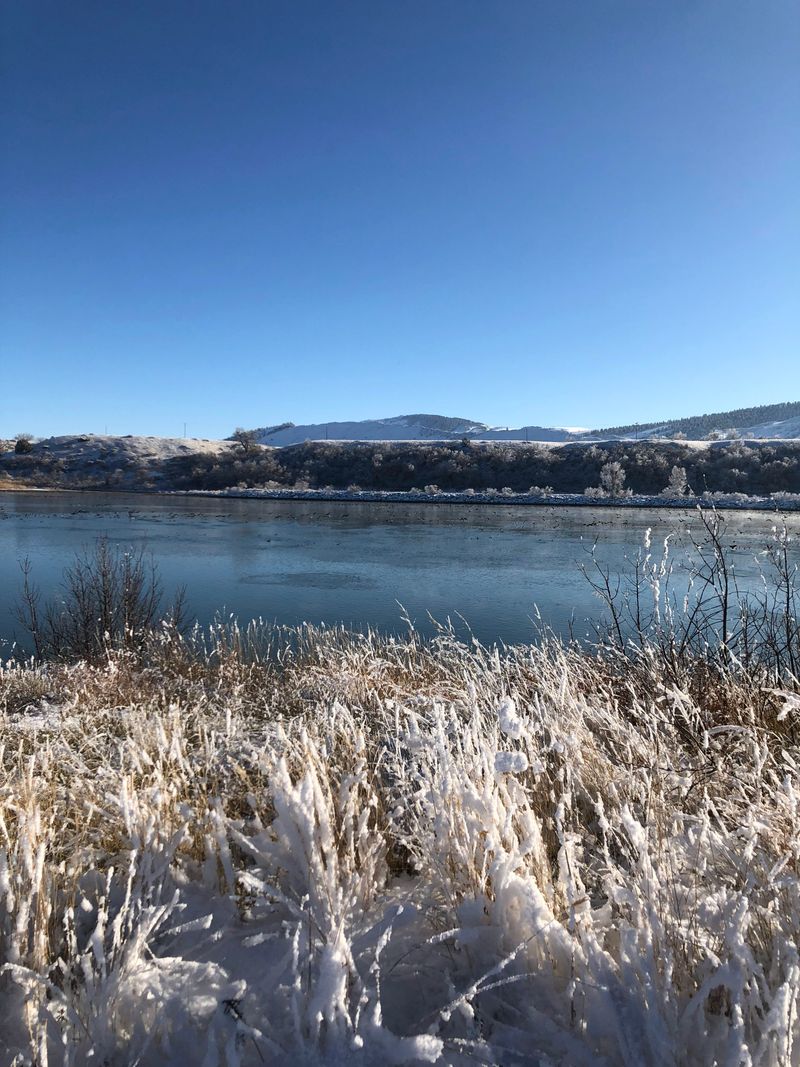
Bighorn Canyon feels stark and cinematic in winter, when color narrows to rock, ice, and sky. The cliffs burn orange against pale snow, and the reservoir settles into deep teal with glazed edges. Silence fills the overlooks, and your footsteps crunch like a metronome.
Drive to the main viewpoints and let the canyon reveal its scale one rim at a time. The bends create layered S curves that photograph well from high angles. With fewer visitors, you can linger without jostling for space or waiting for clear frames.
Look for ice plates drifting near shore, where patterns form like cracked porcelain. If wind is calm, the water reflects the striations in the walls, doubling the drama. Bring a long lens for bighorn sheep that pick their way across snowy shelves.
Traction helps on short paths to railings, since shaded spots hold slick patches. The air bites, but it sharpens colors and outlines, which makes images feel crisp. A wide lens captures the sweep, while a polarizer manages glare off ice and water.
Pack snacks and warm layers because services are sparse, and the solitude is part of the reward. The canyon reads like a geology lesson, each band telling a quiet story across time. You can hear ravens, the occasional wingbeat echoing like a drum.
As the day leans late, shadows carve deeper relief into the walls. The sky fades to pewter, and the river of water and ice becomes a ribbon of steel. Leaving feels like stepping out of an art gallery where the pieces keep changing with the light.
Virginia City & Nevada City
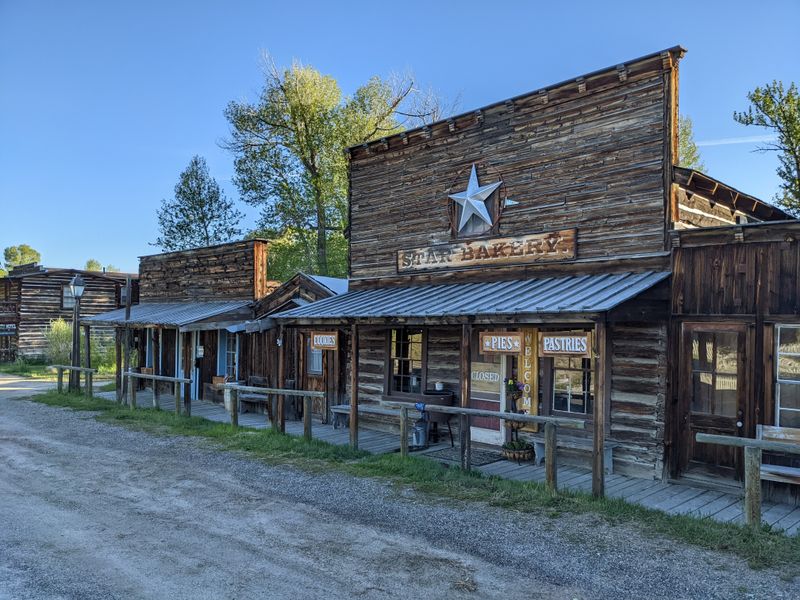
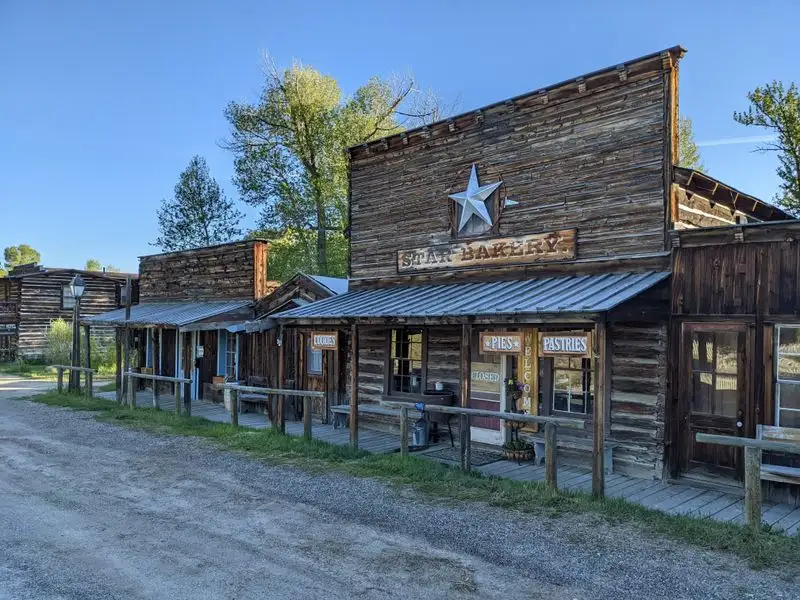
These sister towns turn storybook with a dusting of snow and a nip in the air. Boardwalks creak softly, and false front buildings frame the street like a frontier film set. You can almost hear the clink of coins and the rustle of wool coats.
Wander slowly to read old signs, peek through museum windows, and admire preserved craftsmanship. The muted winter palette gives the wood grain extra warmth and soul. Small details pop for photos, like frosted railings, antique hinges, and lanterns.
The rolling hills around town wear a quiet brown that sets off white drifts. It makes a lovely backdrop for portraits and street scenes, especially in soft morning light. A light snowfall can turn the whole main street into a clean, fresh canvas.
Duck into open shops for a warmup, or bring a thermos and claim a bench for people watching. Even with fewer visitors, you will trade smiles with locals who keep the history alive. The slower pace invites you to imagine the grit and hope that built these places.
Wear boots for packed snow and slick steps, and keep hands free for a camera. If you enjoy architecture, try low angles that emphasize rooflines against the sky. Look for reflections in windows, which fold modern you into old Montana.
As golden hour nears, the towns glow and the hills soften. You might hear a raven overhead or the crunch of a wagon display underfoot. This day trip blends story and scenery, leaving you with photos that feel like chapters you can hold.
Flathead Lake Scenic Drive

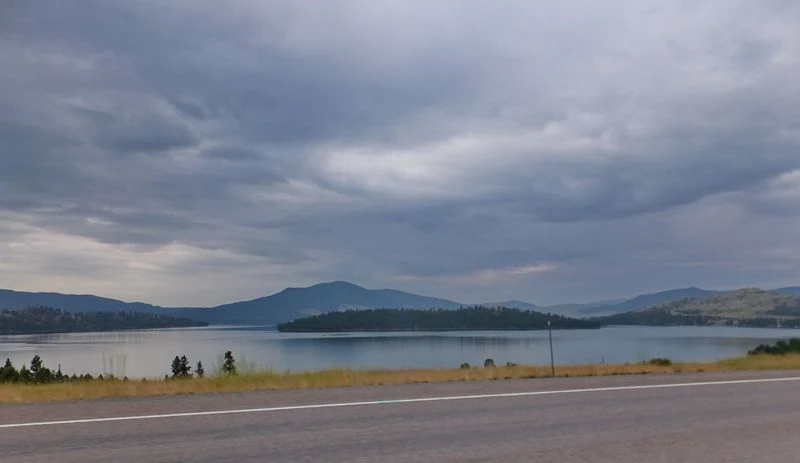
Flathead Lake becomes a quiet mirror when winter tames the wind. The surface can go still enough to double the sky and hills, with only faint ripples. Those calm days are perfect for slow driving and frequent pullouts.
Vineyards and orchards sit dormant, their rows making tidy lines across frosted ground. Snow tipped hills ring the lake and give depth to every composition. You can frame docks, driftwood, and round shoreline stones against the glassy water.
Circle part of the lake or pick a favorite stretch and linger. The light takes on a soft pastel cast that flatters subtle scenes. Even gray days read beautifully when the water holds reflection like polished slate.
For photos, move a few feet along the shore to eliminate clutter and find clean symmetry. A wide lens captures sky drama while a short telephoto stacks distant hills. Keep an eye out for waterfowl that leave delicate wakes across your reflected clouds.
Pack layers and hand warmers because the lakeside breeze can nibble at fingers. Coffee stops in nearby towns make it easy to warm up between pullouts. Roads are generally clear, but shady corners can surprise, so keep your speed easy.
As afternoon fades, the lake deepens to cobalt while snowy ridges glow. Lights flicker along the shore, and the reflections stretch like ribbons. This drive gives you serene beauty without effort, a calm reel of winter Montana through your windshield.
Lewis & Clark Caverns

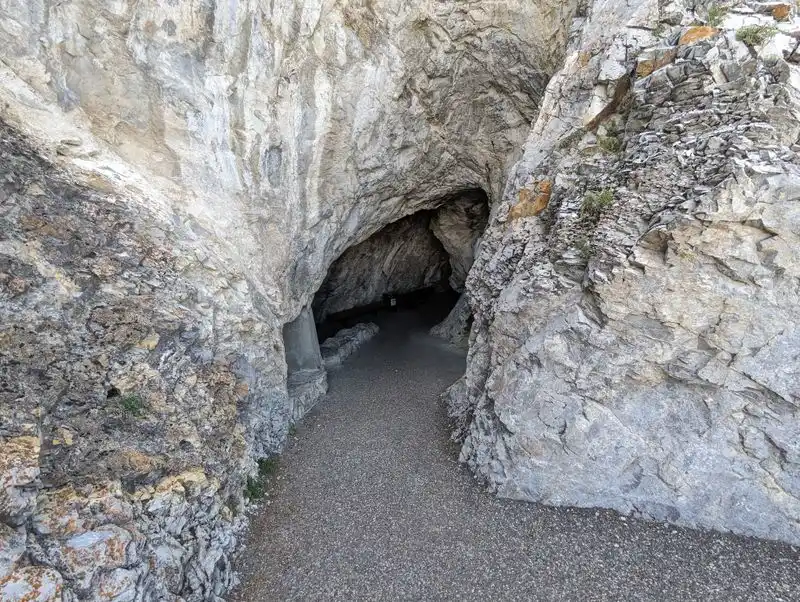
Winter suits the caverns because crowds thin and the landscape outside goes subtle and beautiful. Hills wear soft browns and the grasses show frost like silver threads. You get both the quiet of the park and the wonder underground.
Guided tours move at an easy pace, and the cave keeps a steady cool temperature. Stalactites and flowstone unroll in chambers that feel sculpted by time. The lighting brings out texture, so even quick handheld shots can look dramatic.
Before or after your tour, explore the rim trails if conditions allow. The views stretch across folded hills and wide sky, with raptors cruising the thermals. Those exterior scenes pair nicely with the intimate cave details in a photo set.
Wear layers for the surface chill and bring gloves that still let you handle a camera. Traction helps on any icy steps near the entrance and parking. Ask rangers about photography guidelines and tripods so you travel light and informed.
The narrative of exploration lands well in winter, when your breath puffs and sound carries. You can hear droplets in the cave and the muffled hush of the group. It feels like entering a long, patient story and stepping back out with new eyes.
Wrap the day with a thermos at a viewpoint while the hills fade to mauve. The contrast between underground formations and frosted grasses makes a satisfying memory. This trip blends geology, quiet, and open sky into something neatly complete.
Glacier Park’s Many Glacier Area
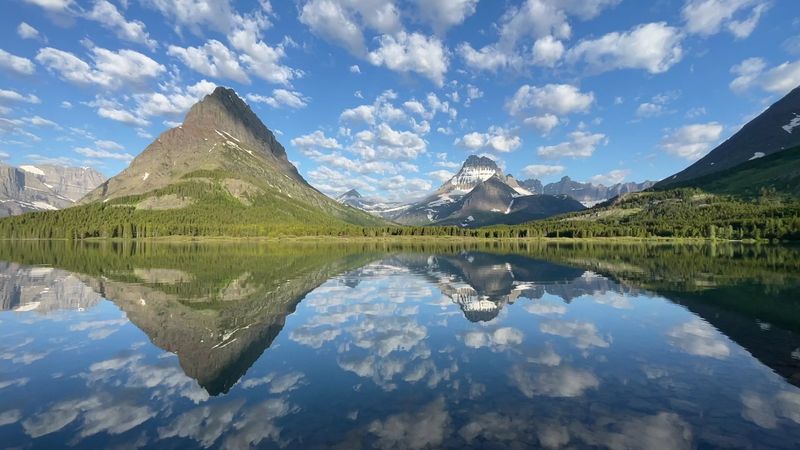
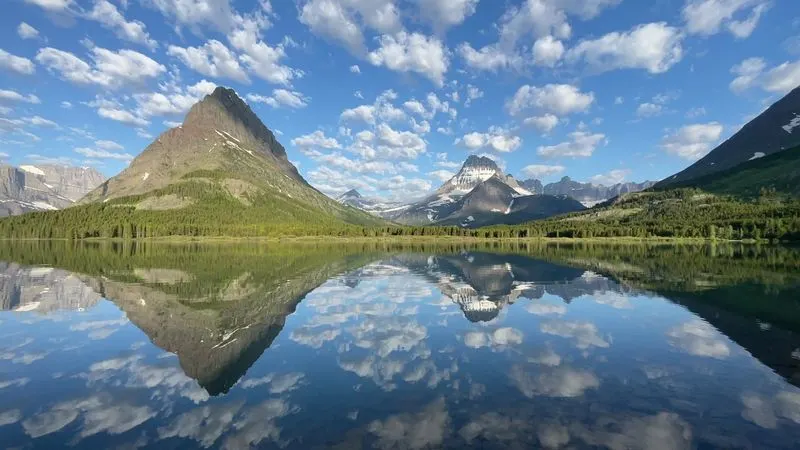
Many Glacier wears early snow like it was designed for drama. Peaks draw hard lines against pale sky, and lakes freeze in plates that reflect light like glass. Even a short walk delivers views that feel cathedral quiet.
Trails near the lodges and lakes stay accessible depending on conditions. You can wander to creek bridges, edges of ice, and low ridges for broad angles. Each stop offers a new mix of polished water, frosted shoreline, and towering silhouettes.
The soundtrack is gentle wind, a raven’s croak, and boots on crunchy snow. You might see moose or bighorn on distant slopes, so keep distance and let them be. With fewer people, that sense of scale settles in and moves you to slow down.
Photography shines here in low winter light, when the mountains throw long shadows. Look for cracks in the ice that lead the eye toward pinnacles. A bit of pink alpenglow can turn the entire amphitheater into a soft echo of rose.
Pack traction, warm layers, and snacks, and check access updates before you go. Roads can change with weather, and safe parking makes the day easy. A wide lens and a polarizer handle glare while keeping those dark waters rich.
As you head out, glance back for one last layered view, mountains marching into the distance. The place holds on to you in that moment, steady and bright. Many Glacier turns winter into a bold, quiet symphony you will replay for months.
Makoshika State Park

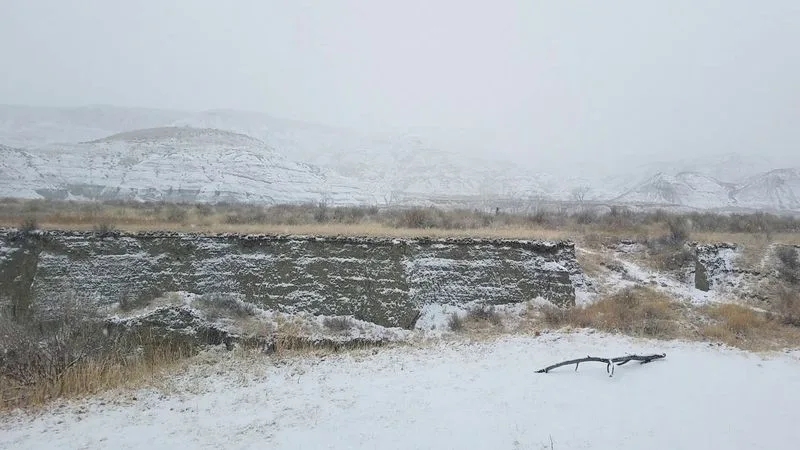
Makoshika strips the landscape down to shape and tone, and winter doubles that effect. Hoodoos and buttes carry a light brush of snow that outlines every curve. The result is a black and white sketch come to life with just a hint of color.
Trails weave through gullies where silence gathers and a single raven can fill the air. Footprints read like a map, and you can follow yours back without hurry. Each turn opens a new composition of ridges, shelves, and delicate snow seams.
For photos, overcast days work like a giant softbox, pulling texture out of every stratum. Low angles emphasize layers while a longer lens compresses buttes into a patterned wall. Watch for small ice pockets that reflect sky like tiny mirrors.
Carry water even in cold weather, and pack traction for occasional slick clay. The park’s openness means wind can bite, so a neck gaiter earns its space. You will find solitude that feels respectful, ancient, and oddly comforting.
Pause at overlooks to read the interpretive signs and imagine the deep time below your boots. The palette shifts with each hour, from pewter to sand to faint rose. If a snow flurry passes, the whole place gets an instant refresh.
As the day closes, the badlands soften into gentle gradients. Your final frame might be a single hoodoo with a brush of snow and a pale sky. Makoshika proves that winter beauty can be quiet, austere, and absolutely compelling.
Red Lodge to Beartooth Highway (south entrance to Yellowstone)
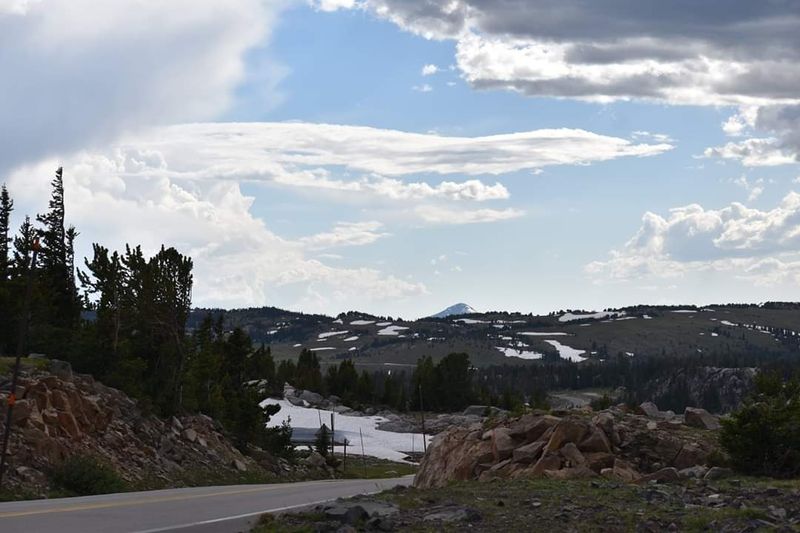
The Beartooth’s lower reaches often stay open when the high pass shuts, and that window is gold. Starting from Red Lodge, the road winds into steep country with views that escalate quickly. You get big mountain energy without committing to the full summer summit.
Pull into plowed overlooks to frame switchbacks, snowy ribs, and wide valleys. The light plays across ridgelines, carving depth you can feel. Even a brief clearing can explode into views that look cinematic and bold.
Check conditions, since winter changes the road’s mood from hour to hour. Drive slow, give yourself room, and let the day breathe. With fewer cars, the silence comes through your windows like a companion.
For photos, try bracketing exposures to balance bright snow and dark timber. A polarizer tames glare while clouds add texture in the sky. Telephoto lenses stack ridges for a layered, almost abstract mountain portrait.
Red Lodge makes a perfect base, with strong coffee and a warm bite before or after. If the upper gates close, you still get a satisfying arc of alpine drama. Watch for wildlife near the road, especially in the dim edges of day.
As afternoon cools, shadows blue the snow and the peaks pick up blush. The drive back feels like rewinding a symphony you just heard in full. It is a compact, powerful day, stitched with switchbacks and winter light.
Missouri Headwaters State Park
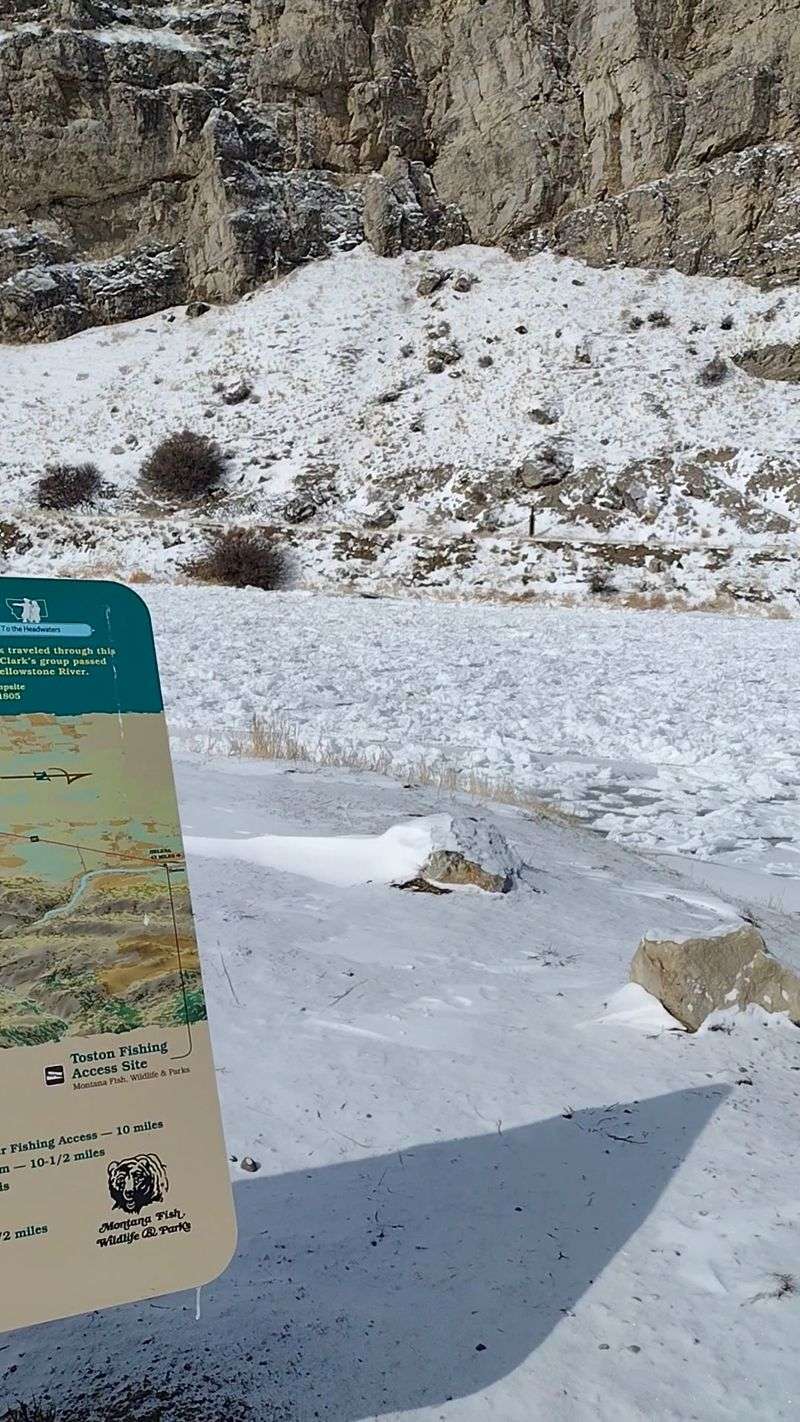
The birthplace of the Missouri settles into a calm rhythm once the cold arrives. You can trace the confluence from bank to bank and watch ice sketch its slow designs. The surrounding hills turn muted and soft, which makes the water read darker and more thoughtful.
Walk the paths that connect viewpoints, pausing where channels meet and unspool into one river. The sound is a mix of thin ice popping and quiet current, with occasional geese. It is a perfect place for reflection, photos, and an easy loop to stretch your legs.
Look for delicate reeds frozen in clear collars and stones trapped in shelves of ice. Those little scenes tell the season’s story better than any grand overlook. If you time it for low sun, the water goes bronze and the hills glow faintly.
Bring warm layers and a thermos, since the open flats can carry a steady breeze. Paths are gentle, but slick spots appear where shade lingers, so traction helps. Give waterfowl a wide berth and let the quiet be your guide.
For photos, try a slow shutter to soften ripples while keeping the ice sharp. A short tele compresses the channels into elegant S curves. The wide sky begs for a simple horizon and a thoughtful frame.
As you head out, the confluence keeps murmuring, unhurried and sure. You leave lighter, like the river took a worry and folded it downstream. This day trip is about gentle beauty, patient light, and the comfort of open space.