South Mountains State Park unfolds quietly in the foothills of western North Carolina, where forested ridges, rushing streams, and wide valley views create an easy escape from the pace of everyday life. Along the trails near Connelly Springs, the air feels softer, carrying the scent of pine, damp earth, and seasonal wildflowers that line the paths in gentle bursts of color.
It’s the kind of place where a weekend walk naturally slows you down. Sunlight filters through tall trees, water moves steadily over smooth rock, and every bend in the trail opens to something worth pausing for.
In the warmth of late spring, the landscape feels especially alive, inviting longer strolls and unplanned detours toward overlooks and quiet clearings.
For anyone looking to step outside and breathe a little deeper, these ridge walks and forest views offer an easy rhythm to follow. Here’s where to begin exploring.
The Cascading Waterfall Trail Experience
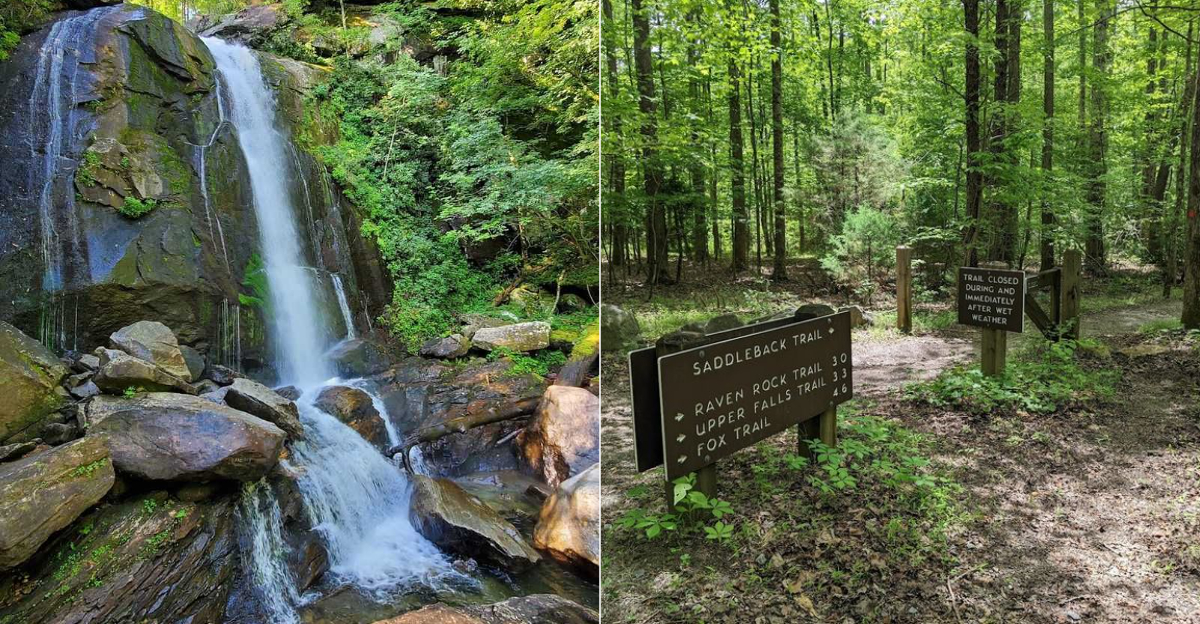
Water thunders down an 80-foot rock face, creating misty rainbows that dance in the afternoon sunlight. The journey to High Shoals Falls takes you through dense hardwood forests where the sound of rushing water grows louder with each step.
This moderate to strenuous adventure spans roughly 2.5 miles one way, passing smaller cascades that tempt you to pause and soak in the beauty.
Steep stone steps lead upward near the falls, testing your endurance but delivering spectacular views from multiple vantage points. Both the base and top offer unique perspectives of this natural wonder.
The trail follows Jacob Fork creek for much of the route, providing cool breezes even on warm summer days.
Early morning visits beat the crowds and offer the best lighting for photography enthusiasts. Families with older children find this hike challenging but achievable with proper pacing.
The park recommends sturdy footwear since rocks can be slippery near water features.
Note that some access points may temporarily close during high water or maintenance periods. Rangers at the visitor center provide current trail conditions before your hike.
This signature trail showcases exactly why South Mountains State Park draws nature lovers from across the region.
Ridge Top Vista Adventure
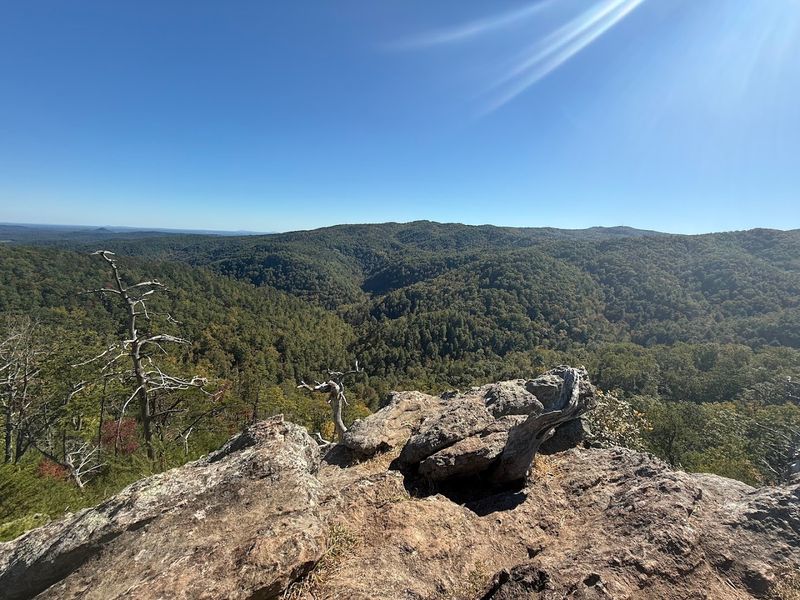
Standing atop Chestnut Knob, the world seems to unfold in layers of blue-green mountain ridges stretching toward distant horizons. This challenging climb rewards determined hikers with one of the park’s most stunning overlooks.
The 3.2-mile ascent gains significant elevation, making your leg muscles earn every spectacular vista.
Forest transitions occur as you climb higher, with oak and hickory giving way to mountain laurel thickets. Switchbacks ease the steepest sections, though you’ll definitely feel the workout.
Trail markers keep you oriented through intersections with other paths that crisscross this extensive network.
The summit clearing provides perfect picnic opportunities with views that make you forget the uphill struggle. On clear days, visibility extends for miles across the surrounding countryside.
Binoculars enhance the experience, letting you spot distant landmarks and maybe even soaring hawks.
This trail remains open despite some park closures affecting other routes after recent storms. Rangers recommend starting early since the exposed summit can get quite warm by midday.
Bring plenty of water because the climb demands proper hydration. Return via the same route or create a longer loop using connecting trails for experienced adventurers seeking more mileage.
Secret Falls Discovery Route
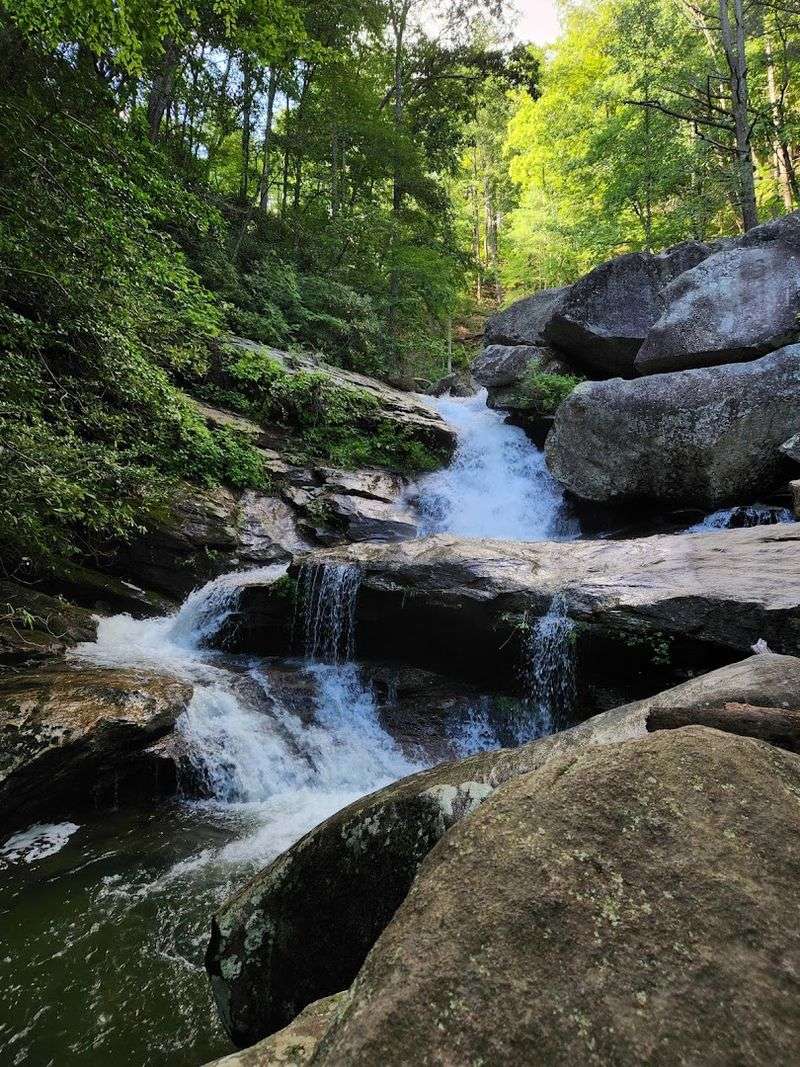
Hidden beyond the main waterfall lies another gem that fewer visitors discover. Big Bear Falls provides a quieter, more intimate waterfall experience away from the crowds that flock to the park’s signature cascade.
Adding just 0.4 miles total to your hike unlocks this peaceful spot where water tumbles over ancient stone in a verdant grotto.
The detour branches off the main trail system, clearly marked but easy to miss if you’re not watching for signs. Moss-covered boulders frame the falls, creating a scene straight from a fairy tale.
The smaller scale makes it feel like your personal discovery rather than a tourist destination.
Photography enthusiasts appreciate the softer light filtered through the dense canopy overhead. The intimate setting allows closer approaches to the cascading water.
Slower flows during late summer create delicate sheets of water sliding over rock faces.
Families with younger children often prefer this destination since the shorter distance feels less daunting. The trail difficulty rates as moderate without the extreme vertical challenges found elsewhere.
Local visitors return repeatedly, knowing this spot offers consistent beauty without requiring the full-day commitment of longer routes through the 18,000-acre wilderness preserve.
Moderate Forest Loop Journey
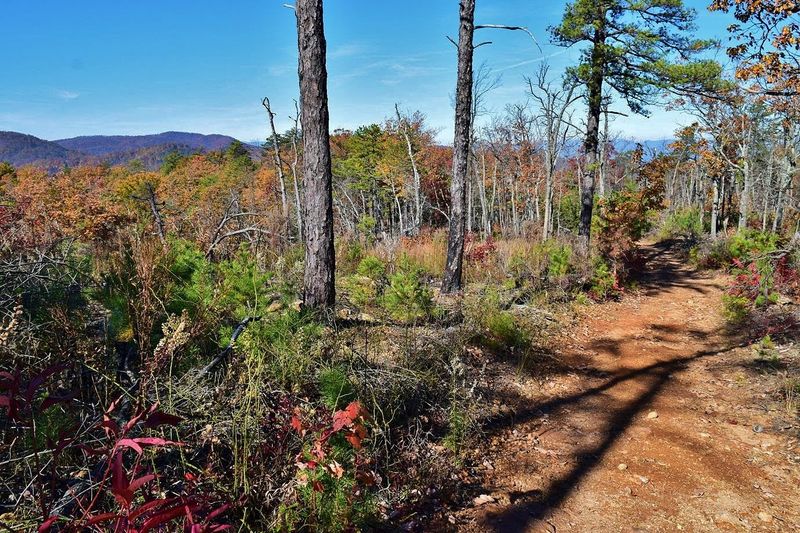
Perfect for those building their hiking confidence, a 2.7-mile loop winds through pristine woodland without punishing climbs. Hidden Cove Trail delivers immersive forest experiences where towering oaks and poplars create natural cathedral ceilings overhead.
Sunlight filters through leaves in shifting patterns that transform throughout the day.
The moderate rating makes this accessible for most fitness levels while still providing authentic mountain terrain. Gentle elevation changes keep things interesting without exhausting casual hikers.
Well-maintained tread reduces the chance of twisted ankles compared to more rugged paths.
Seasonal wildflowers bloom along the route during spring and early summer, adding colorful accents to the green palette. Bird songs fill the air, with patient observers spotting various species flitting through branches.
The trail’s relative ease lets you focus on nature appreciation rather than just surviving the physical challenge.
Benches positioned at scenic points invite rest stops and contemplation. Trail markers appear frequently, eliminating navigation stress for first-time visitors.
Rangers describe this as an excellent introduction to the park’s character. Many families use it as their gateway trail before attempting more strenuous options.
The loop design means no backtracking, keeping the scenery fresh throughout your walk.
Creek-Side Exploration Path

Crystal-clear mountain water tumbles over polished stones, creating a soundtrack that follows you for miles. Jacob Fork serves as the park’s liquid lifeline, nourishing the ecosystem and providing endless fascination for trail walkers.
Paths paralleling this waterway offer relatively flat terrain compared to ridge routes, making them family-friendly options.
Trout dart through deeper pools, their shadows flickering across submerged rocks. Fishing enthusiasts cast lines in designated areas while hikers pass peacefully nearby.
The cold water maintains refreshing temperatures year-round, though swimming technically isn’t permitted in most locations.
During warmer months, wading in shallow sections provides welcome relief from summer heat. Kids love exploring the creek’s edge, discovering small waterfalls and interesting rock formations.
The riparian environment supports diverse plant life not found on drier hillsides.
Multiple access points let you customize distance based on available time and energy. Some sections connect to longer trail systems for those wanting extended adventures.
The gentle terrain makes this ideal for older visitors or anyone recovering from injury but craving outdoor time. Photographers find endless subjects where water meets stone and light plays across flowing currents.
Morning visits often reveal mist rising from the water’s surface in ethereal displays.
Extended Backcountry Trail Network
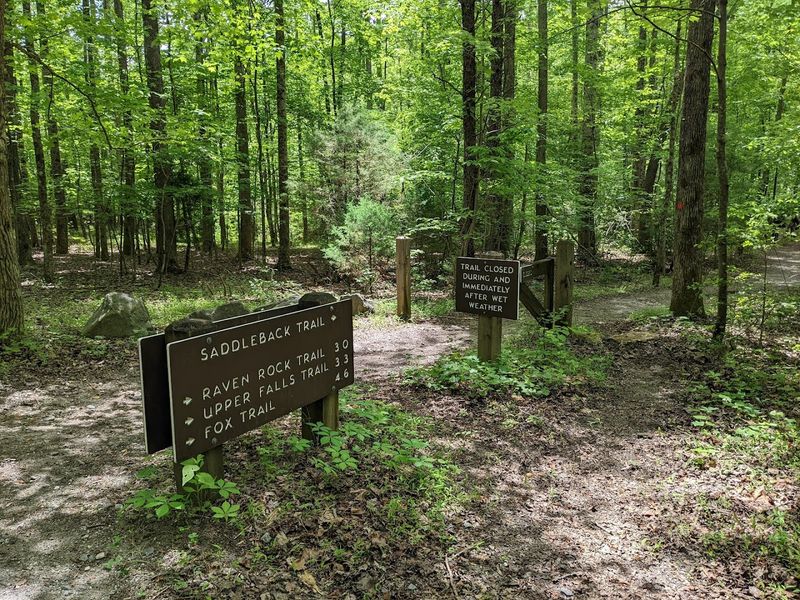
For serious hikers seeking solitude, the park’s extensive 47-mile trail network provides days worth of exploration opportunities. Interconnected paths wind across ridges, through hollows, and along mountain flanks far from parking areas.
Topographic maps become essential tools for planning longer adventures through this rugged landscape.
The backcountry reveals itself slowly to those willing to venture beyond the popular waterfalls. Wildlife sightings increase as human traffic decreases on remote sections.
Black bears inhabit these woods, making proper food storage practices critical for backcountry campers.
Trail conditions vary significantly, with some sections featuring challenging rocky terrain and stream crossings. Recent storms have temporarily closed certain routes, requiring flexibility in planning.
The visitor center’s detailed topographic relief map helps visualize elevation changes before committing to a route.
Experienced hikers can create custom loops combining multiple trails for all-day excursions. Some paths accommodate mountain bikes and horses, requiring trail etiquette awareness.
Spring and fall offer optimal temperatures for extended hikes, though summer’s canopy shade provides relief. Winter hiking reveals forest structure hidden by leaves during warmer months.
GPS devices or downloaded maps help since cell service remains spotty throughout the park. Proper preparation transforms these trails from daunting to deeply rewarding wilderness experiences.
Equestrian Forest Pathways
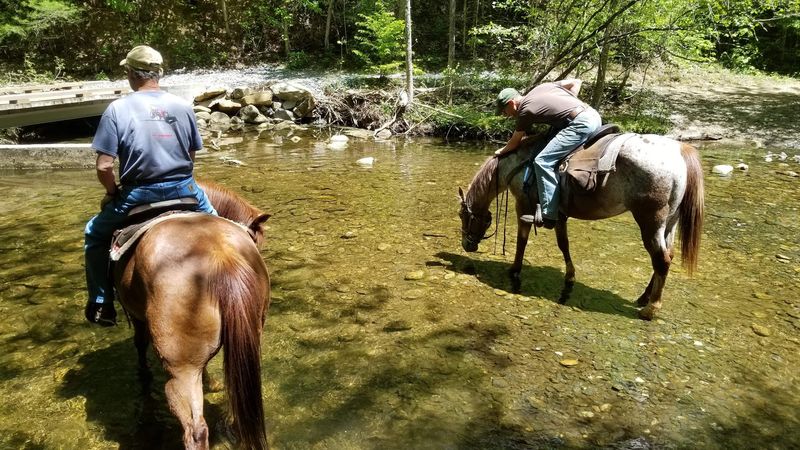
Hoofbeats echo softly on forest floor as horses and riders explore dedicated trails winding through ancient woodlands. Equestrian camping facilities make South Mountains State Park particularly appealing for horse enthusiasts.
These wider paths accommodate four-legged companions while providing the same scenic beauty available to hikers.
Special staging areas allow trailer parking and horse preparation before heading into the backcountry. Designated camping spots include hitching posts and areas designed for stock animals.
The multi-use trail system spans considerable distances, offering half-day or full-day rides.
Riders experience the forest from an elevated perspective, gliding past trees and crossing streams at a different pace than foot travel. The trails maintain gentle grades suitable for horses while still showcasing mountain terrain.
Experienced equestrians appreciate the well-marked routes and maintained conditions.
Seasonal considerations affect trail conditions, with mud making some sections challenging after heavy rain. Fall foliage rides rank among the most popular experiences.
Registration requirements and regulations ensure responsible use of equestrian facilities. Groups often coordinate rides through local stables familiar with the park’s offerings.
The combination of quality trails and supporting infrastructure keeps riders returning year after year. Even non-horse owners can sometimes arrange guided trail rides through area outfitters who know these paths intimately.
Lower Cascade Viewing Spots
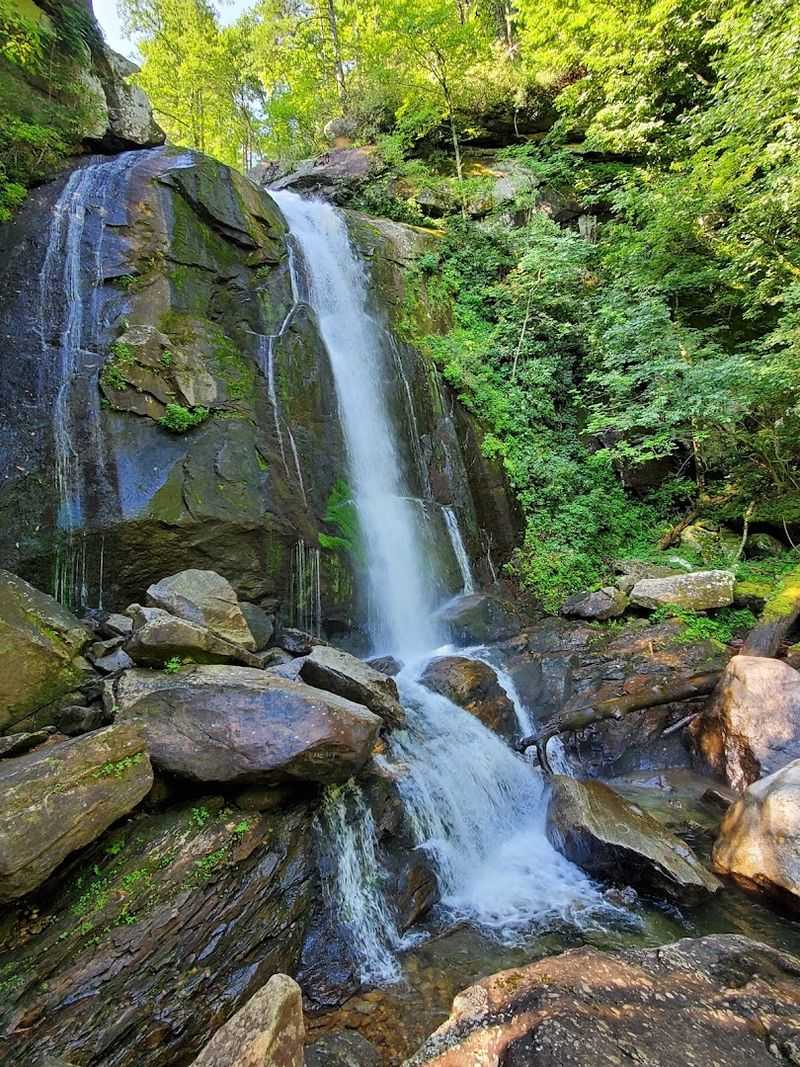
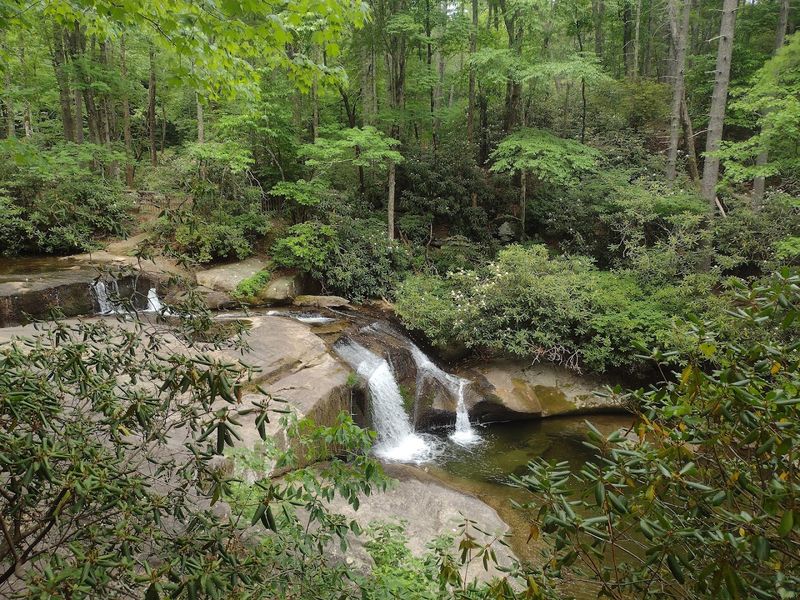
Not every spectacular water feature requires summiting steep staircases or hiking for hours. The trail toward the main falls passes numerous smaller cascades that deserve attention in their own right.
These accessible spots let visitors enjoy moving water without committing to strenuous climbs.
Flat rocks beside cascades create natural seating areas perfect for snack breaks or contemplation. The constant water sounds provide natural white noise that masks modern world stresses.
Families with small children often make these lower sections their turnaround points, satisfied with the beauty achieved without overwhelming young legs.
Each cascade possesses unique character based on recent rainfall and seasonal flow patterns. Late spring typically offers maximum water volume and dramatic displays.
Summer transforms some into gentle trickles where individual droplets can be observed.
Photographers find these locations less crowded than the main waterfall, allowing patience in capturing perfect shots. The varied scale provides opportunities for both wide landscape images and intimate close-ups of water patterns.
Tripods help capture the silky water effect during longer exposures.
Educational placards along the route explain watershed ecology and geological processes. Kids enjoy the scavenger hunt aspect of spotting different cascade types.
These lower features prove that sometimes the journey itself outshines any single destination when explored with mindful attention.
Forest Canopy Nature Walks

Easier interpretive trails near the visitor center offer immersive forest experiences without demanding significant physical effort. These shorter loops wind through representative ecosystems, showcasing biodiversity in manageable distances.
Educational signs identify tree species, explain forest succession, and highlight wildlife habitats.
The gentle paths accommodate wheelchairs and strollers in many sections, making nature accessible to all abilities. Overhead, the forest canopy creates a living roof that shifts with seasons.
Spring brings tender green leaves, summer deepens the shade, fall explodes with color, and winter reveals intricate branch structures.
Self-guided nature walks take 30-60 minutes depending on pace and curiosity. Benches provide rest spots while encouraging quiet observation of your surroundings.
These trails serve as excellent warm-ups before tackling longer hikes or perfect standalone experiences for time-limited visits.
Families with young children find these trails ideal for introducing wilderness exploration concepts. The short distances mean restless kids won’t exhaust patience reserves.
School groups frequently use these paths for outdoor education programs.
Bird watching opportunities abound since slower paces allow better observation of feathered residents. The forest floor changes character seasonally, from spring wildflowers to summer ferns to autumn fungi displays.
These accessible trails prove that profound nature connections don’t always require extreme adventures.
Mountain Vista Ridge Routes
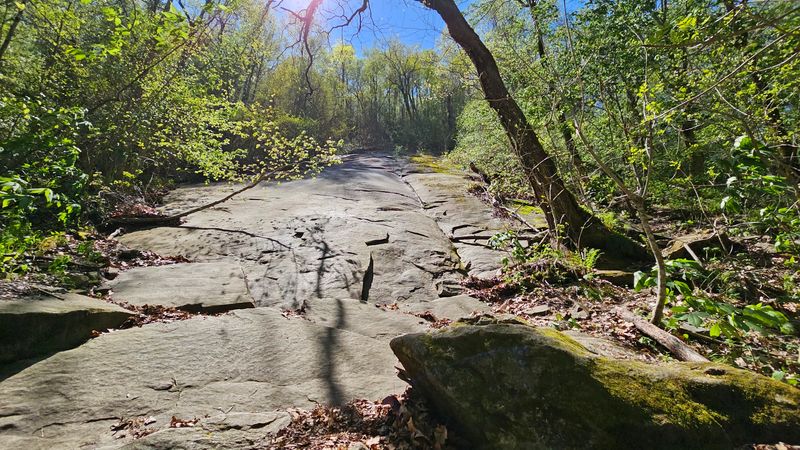
Multiple high-elevation trails deliver commanding views across wave after wave of forested mountains. These ridge walks combine moderate distances with significant elevation gain, appealing to hikers seeking vistas without committing to the longest routes.
The payoff comes in panoramic views that photograph beautifully.
Ridge routes typically follow the high ground, dipping occasionally into saddles before climbing adjacent peaks. Exposed sections provide welcome breezes on warm days while demanding awareness during stormy weather.
Trail junctions let you extend or shorten adventures based on energy levels and time constraints.
Flora changes subtly at higher elevations, with different tree species dominating and unique understory plants appearing. Rhododendron and mountain laurel create tunnel effects in places.
Rock outcrops provide natural viewing platforms for scanning distant landscapes.
Navigation requires attention since multiple trails intersect along these ridges. Carrying a detailed map prevents accidental wrong turns that could add unwanted mileage.
Trail intersections usually feature clear signage indicating distances and directions.
Sunrise and sunset hikes reward early risers or those willing to carefully time afternoon starts with headlamp-assisted returns. The changing light transforms familiar views into completely different experiences.
These ridge adventures epitomize classic mountain hiking without requiring overnight backpacking commitments. Return routes often follow different drainages, creating satisfying loop hikes showcasing diverse terrain within a single outing.