

Think science centers are just for field trips and sticky-fingered snack breaks?
Think again.
Across America, these immersive museums invite you to tinker, test, and wonder like a kid while delivering depth that satisfies an adult brain.
From space shuttles and mega planetariums to maker spaces and mind-bending perception labs, this list will make you plan a weekend around curiosity.
Smithsonian National Air and Space Museum (Washington, D.C.)
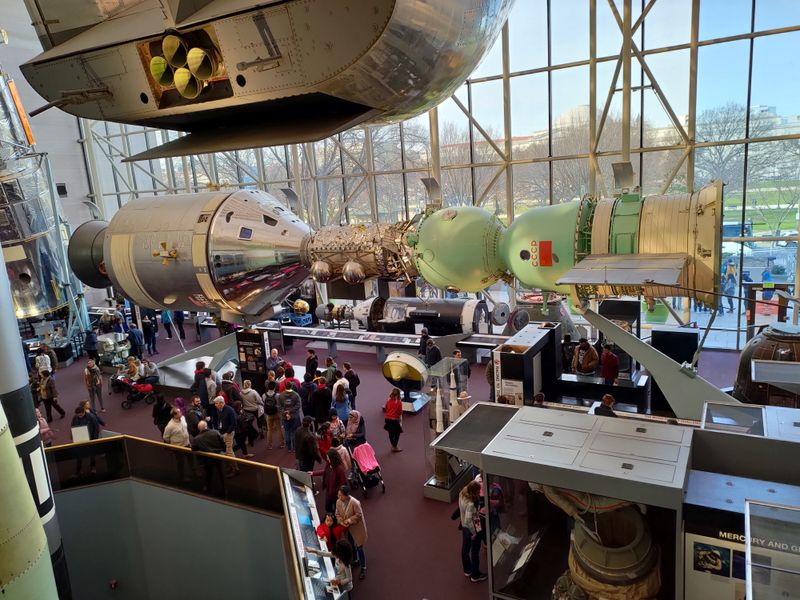
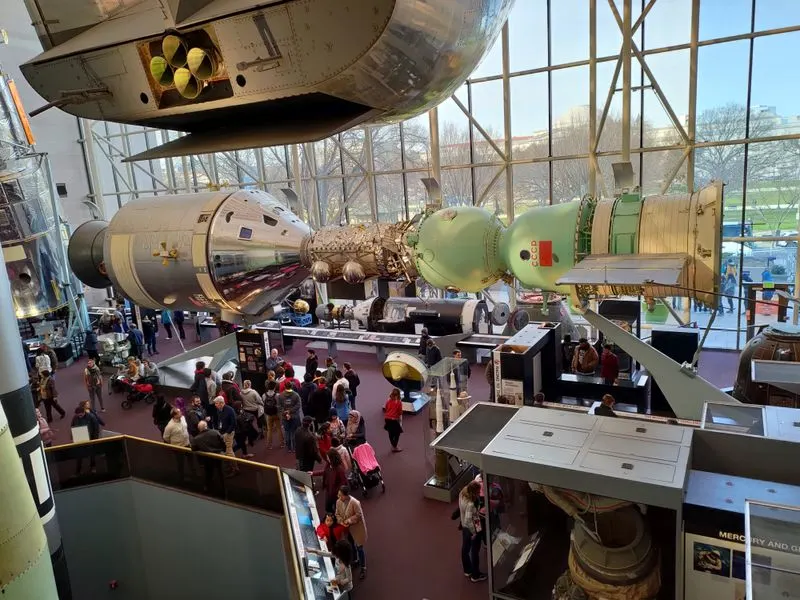
Walking into the National Air and Space Museum feels like stepping into humanity’s collective daydream of flight. You are greeted by icons that shaped the sky and beyond, from early biplanes to spacecraft that redefined what is possible. It is impossible not to feel that goosebump hum when you stand under the wings that carried brave ideas into reality.
Adults will love the depth of interpretation behind every artifact. You can trace the engineering lineage of propulsion systems, compare guidance technologies, and see how human factors informed cockpit design. The exhibits connect stories of risk, iteration, and triumph with elegant clarity, encouraging you to think like an engineer while marveling like a traveler.
The space galleries deliver the punch. You will meet capsules that survived brutal reentry, peer at heat shields, and study redundant systems that kept astronauts alive. Interactive displays let you test orbital mechanics, manipulate simulated trajectories, and understand why tiny adjustments mean everything in the vacuum of space.
History here is tactile and present. Archival footage runs alongside real hardware, and the narrative bridges science with politics, culture, and economics. You will sense how innovation depends on funding, collaboration, and timing, not just brilliant ideas.
Be sure to check rotating exhibitions and the planetarium for a deeper dive into contemporary missions. The museum’s curators do not just preserve the past, they contextualize the present and point to near futures unfolding now. You leave thinking differently about flight, not as spectacle but as systems thinking writ large.
Take your time in the galleries that deconstruct aerodynamics and materials science. Touchscreen labs let you tweak variables and see consequences instantly, making complex theory surprisingly approachable. You will walk out with a renewed respect for the elegant math behind every takeoff and landing.
Museum of Science and Industry (Chicago, Illinois)
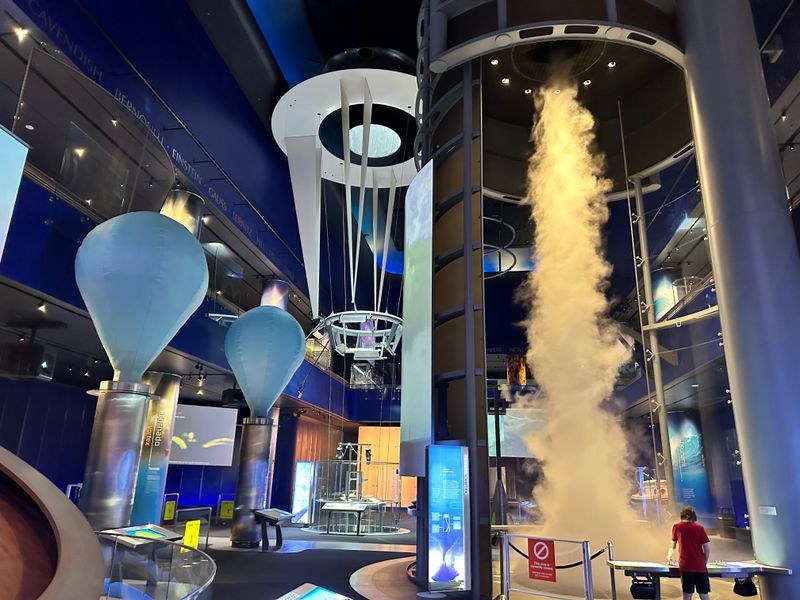
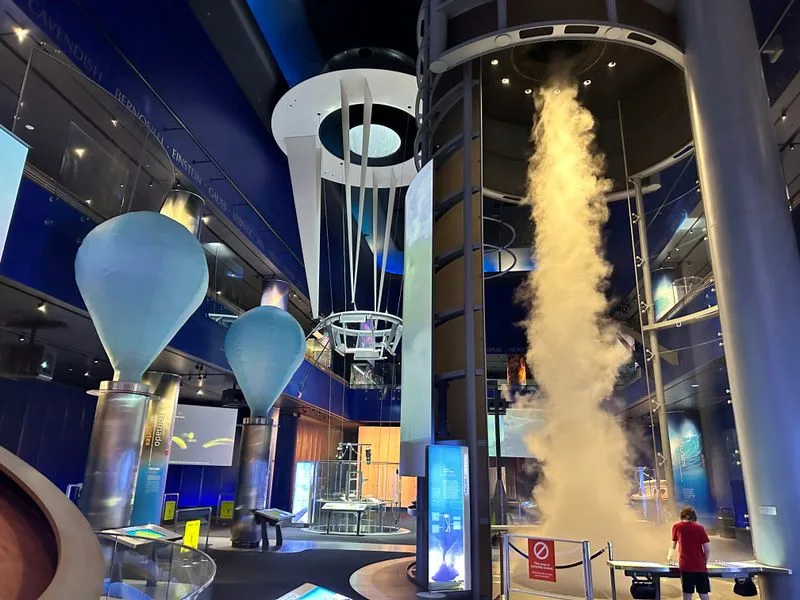
The Museum of Science and Industry is a playground for grownup curiosity. You can step beside a captured World War II submarine, feel the scale of industrial engineering, and then pivot into a lab where you control experiments. That blend of wow and why makes this place unforgettable.
Adults will appreciate the museum’s systems mindset. Exhibits on transportation map innovations from steam to jet engines, with cutaways that reveal gutsy mechanical truths. You will examine power transmission, energy efficiency, and the tradeoffs that defined each technological leap.
Physics becomes tactile in the live science demos. You will watch fluids dance across pressure gradients, observe magnetic fields sculpt patterns, and feel the logic behind equations you once memorized. The presenters are skilled at teasing out the questions you did not know you had.
The U-505 exhibit is a masterclass in storytelling through engineering. Walking alongside the hull, you will grasp the constraints of underwater warfare and the ingenuity of sonar, codes, and countermeasures. It is sobering and fascinating in equal measure.
Do not miss the Maker-focused experiences, where prototyping tools demystify iterative design. You can test structural ideas, tweak tolerances, and learn how materials bend, buckle, and break. It is the most satisfying way to understand failure as data, not defeat.
From genetics labs to storm simulators, this museum invites you to test hypotheses instead of just reading placards. You will leave with a renewed respect for how science shapes the city around you, from transit to power grids. Plan extra time, because every corner tempts you to linger.
California Science Center (Los Angeles, California)
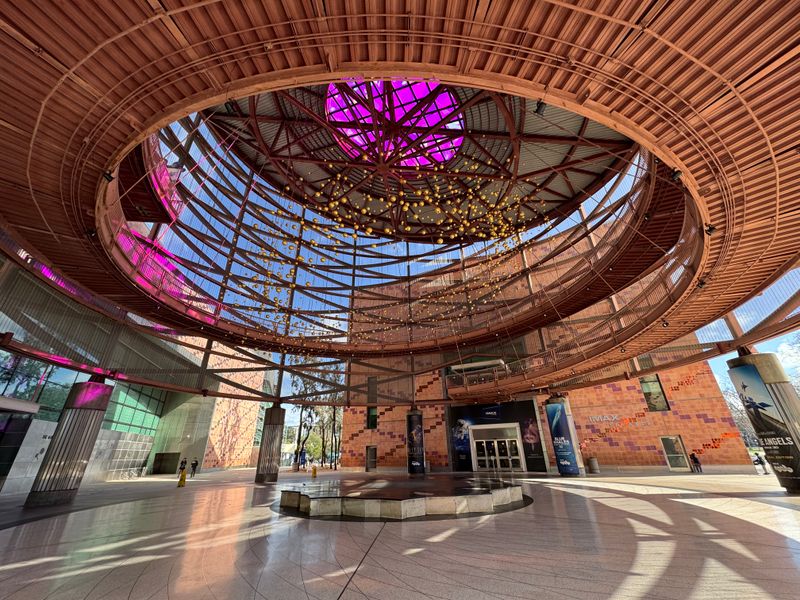
Seeing Space Shuttle Endeavour up close is a jaw-dropper. The California Science Center turns that awe into understanding by unpacking the shuttle’s tiles, engines, and mission logistics. You will feel the grit of engineering tradeoffs with every scuffed panel and thermal scar.
Beyond space, the Ecosystems galleries are a quiet triumph. You can wander from desert microclimates to kelp forests, observing how energy flows and feedback loops stabilize life. Adults will appreciate how the exhibits connect ecology to urban planning and personal choices.
Hands-on stations here are designed for layered learning. Kids twist knobs, but you can dive into data about buoyancy, salinity, and nutrient cycling. The signage respects your intelligence, inviting you to argue with your assumptions and test them live.
Endeavour’s story is framed by logistics as much as heroics. You will learn how supply chains, mission control protocols, and crew training knit together. That operational lens makes the shuttle feel less like a miracle and more like the result of disciplined systems engineering.
Do not skip the special exhibitions and IMAX programming, which often broaden the context. Whether it is climate science or robotics, the curators link cutting edge research to everyday life. You will walk out thinking about the science in your kitchen, commute, and weekend plans.
Plan to pause and watch demonstrations that translate abstract concepts into visible phenomena. You will catch your breath as vortex rings skid through the air or as liquid nitrogen rewrites your intuition. This museum makes science feel immediate, practical, and deeply human.
Exploratorium (San Francisco, California)
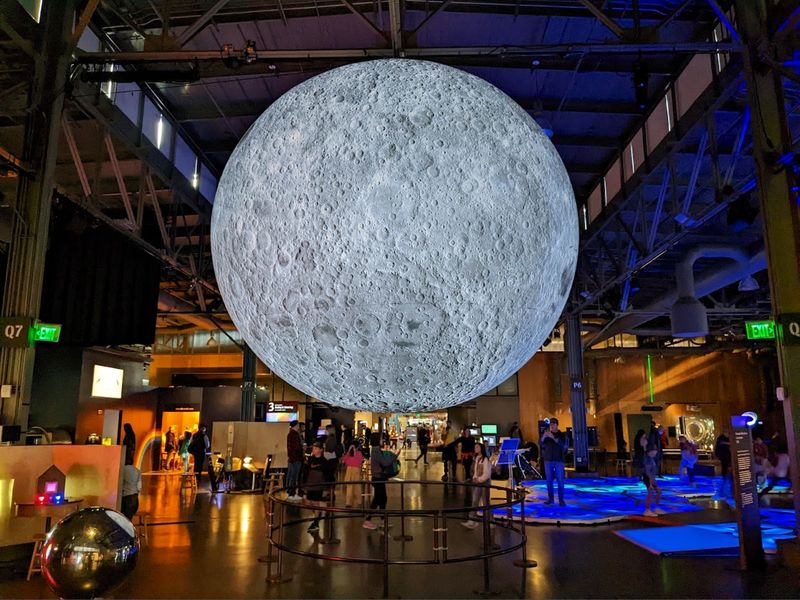
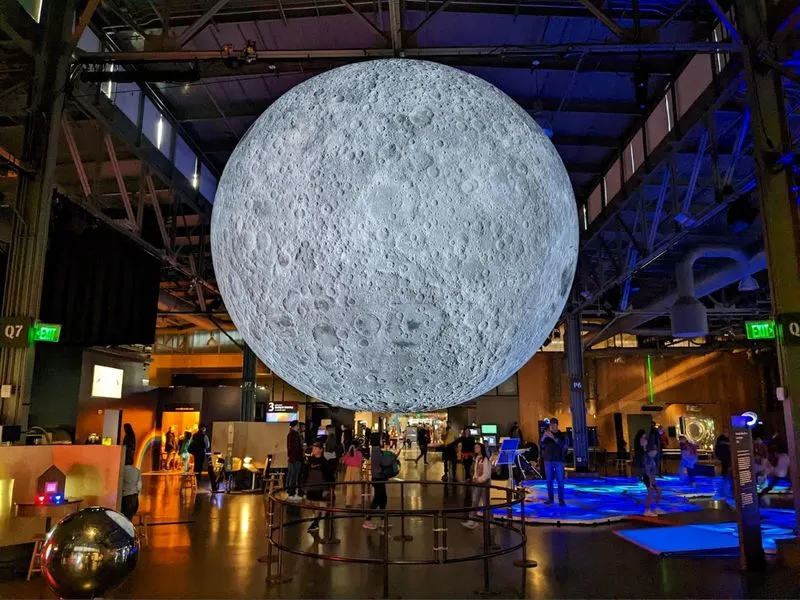
The Exploratorium treats curiosity like a muscle you can train. Instead of finished answers, it hands you experiments and asks what you notice. You will poke, twist, and reframe until patterns emerge and assumptions wobble.
Perception is the star here. You can bend light, challenge your balance system, and discover how your brain edits reality. The result is humility and delight, as illusions expose the shortcuts that usually help but sometimes mislead.
Adults especially will appreciate the tinkering ethos. Exhibit labels suggest provocations, not prescriptions, so you steer your own investigation. The process feels playful yet rigorous, the way real research often begins.
Sound and heat become materials to sculpt. You will map resonances across plates, watch sand sketch standing waves, and feel convection draw invisible shapes in air. Each station invites you to iterate, compare, and explain in your own words.
The After Dark evenings transform the museum into a social lab for grownups. With music, talks, and fewer little feet underfoot, you can linger with a glass in hand and chase rabbit holes. It is the rare museum night that feels both relaxed and mind-expanding.
Set aside enough time to circle back to exhibits you cannot shake. The second pass usually reveals a new layer. You will leave with sharper questions and the pleasant sense that the world is stranger and more knowable than it looked before.
The Franklin Institute (Philadelphia, Pennsylvania)


The Franklin Institute pairs classic grandeur with brain-tingling interactivity. You can walk through a giant beating heart, then pivot into galleries that decode motion, electricity, and space. It is equal parts spectacle and substance, and it never talks down to you.
Adults will love how the exhibits frame scientific principles as tools for everyday problem solving. Kinetic displays dissect momentum, friction, and torque in ways you can feel. You will start noticing those forces in your commute and your workout routines.
The astronomy programs shine. Planetarium shows are vivid without dumbing down orbital mechanics or stellar life cycles. You will leave with a clearer mental map of the night sky and a newfound respect for scale.
Neuroscience exhibits invite you to test your own brain. You will measure reaction times, probe attention, and see where perception cuts corners. The result is a kinder conversation with yourself about limitations and potential.
Temporary exhibitions often tackle timely topics like climate, robotics, or bioengineering. They feature real data, case studies, and prototypes that hint at the futures already arriving. You will feel equipped to ask better questions about technology and ethics.
Plan a slow circuit and let curiosity set the pace. Grab a seat at a demo and watch concepts click for people of all ages. When a place makes physics feel like a friendly language, you know it is doing something right.
Museum of Science (Boston, Massachusetts)
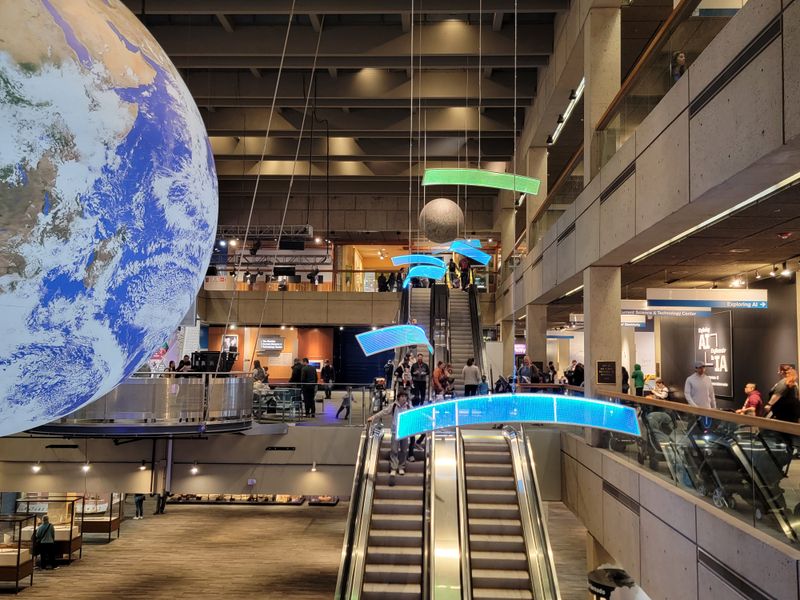
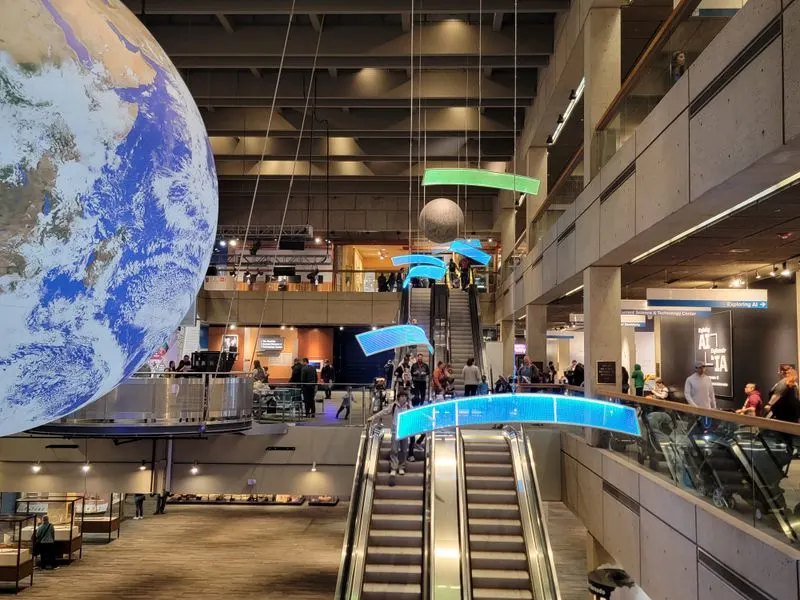
Boston’s Museum of Science is where curiosity gets a megaphone. You can roam from a lightning theater to a quiet biology nook in a few steps. The range means you will always find a corner that fits your mood.
Adults gravitate to the layered content behind each hands-on station. Beyond the button press is a clear explanation of models, variables, and uncertainty. You will test, fail, tweak, and suddenly the math feels friendly.
The Electricity Theater is a must. Tesla coils spit purple arcs while presenters narrate the choreography between voltage, current, and safety. You walk out with hair raised and concepts anchored.
Planetarium and IMAX programming extend the reach. From deep ocean dives to exoplanet tours, the shows respect your attention span and intelligence. You will leave feeling both small and connected to a vast tapestry.
Engineering and innovation galleries highlight local breakthroughs and global impact. You can prototype bridges, experiment with materials, and study control systems. That hands-on rigor keeps your brain engaged while your hands are busy.
Give yourself permission to meander. The museum rewards detours with surprising demos and thoughtful staff. You will likely leave with a list of things to read, try, and observe on your way home.
Oregon Museum of Science and Industry (Portland, Oregon)
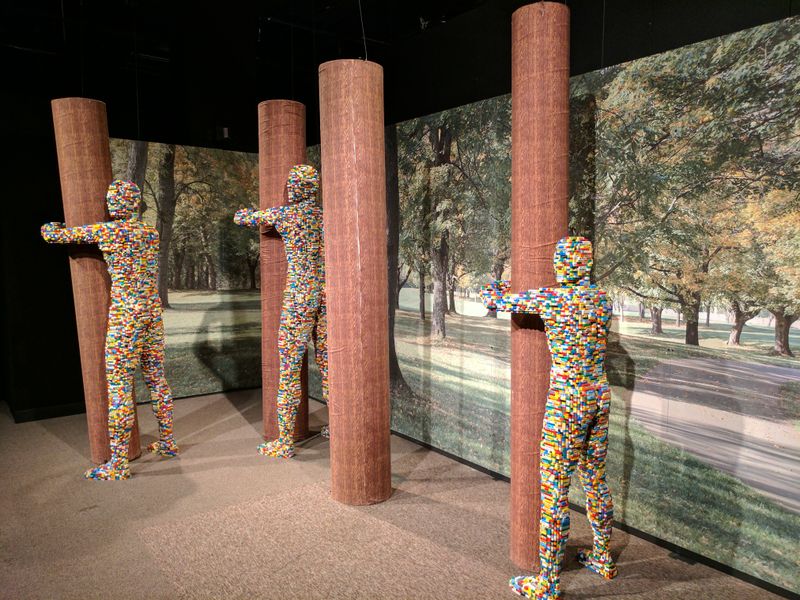
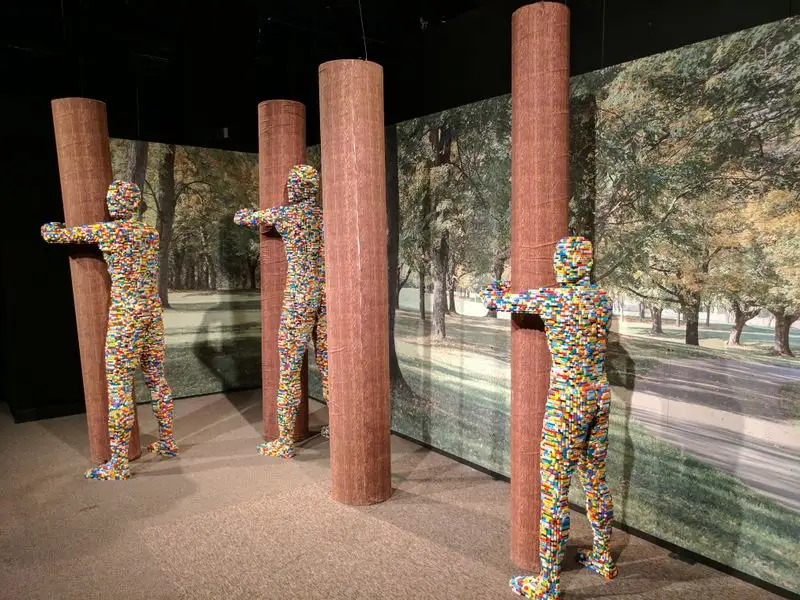
OMSI feels like Portland’s curiosity engine. You can calibrate a physics demo, join a live lab, and then step outside to tour a real submarine. That mix of play and practicality keeps adults engaged all day.
The exhibit design rewards tinkering. You will test variables, alter inputs, and watch outcomes change in real time. It is an honest invitation to think like a scientist without jargon overload.
The planetarium and Kendall Planetarium laser shows add a lush cinematic layer to the experience. You will get clear explanations of celestial mechanics alongside gorgeous visuals. It is both soothing and stimulating.
Do not miss the USS Blueback tour. Moving through cramped passages reframes your sense of space, energy management, and human factors. You will appreciate how engineering decisions ripple into daily life aboard.
Maker and engineering zones empower you to prototype quickly. Try designs, accept failure as feedback, and iterate toward stronger solutions. That approach mirrors how innovation works outside the museum walls.
With rotating exhibitions and science pub nights, OMSI leans into community. You will find a crowd that likes to ask why and then test the answer. It is a great place to reset your curiosity compass.
Center of Science and Industry (COSI, Columbus, Ohio)
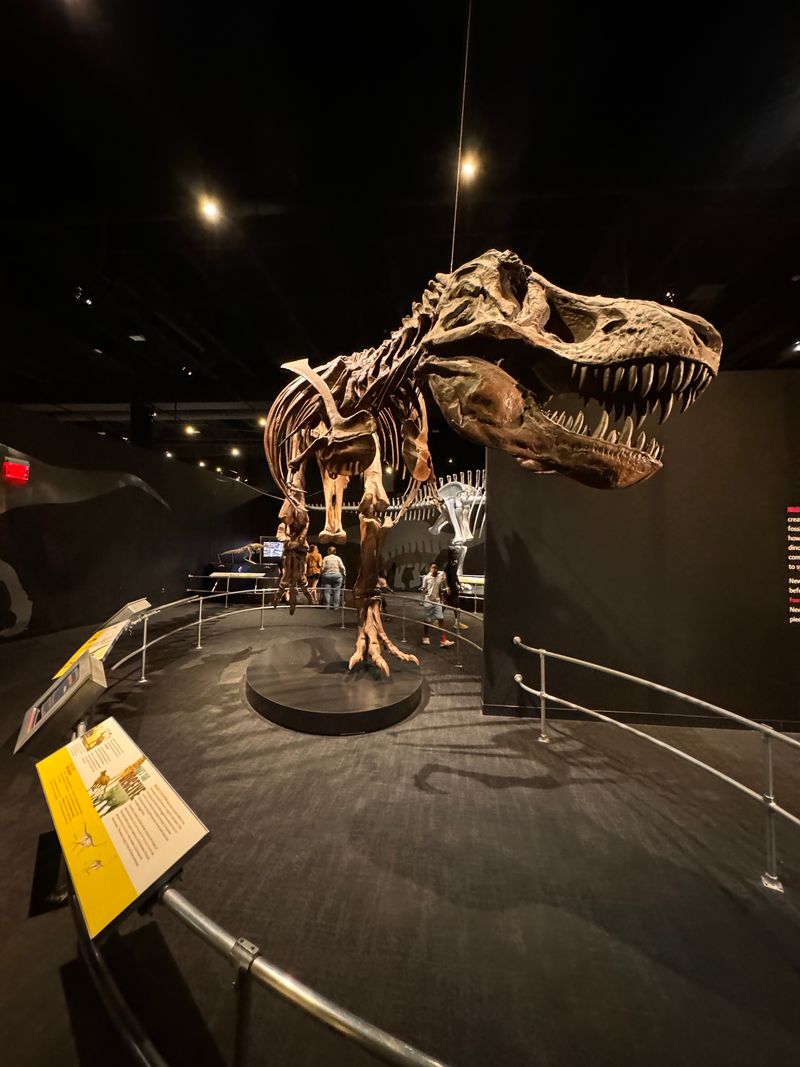
COSI turns STEM into a friendly conversation. You can pilot a robot, fine tune a pendulum, and watch a live chemistry demo in under an hour. It is a place where questions are currency and experiments are everywhere.
Adults gravitate to the balance between spectacle and substance. Exhibits are approachable, but the underlying ideas go deep if you linger. You will find systems thinking embedded in everything from energy grids to biomechanics.
The planetarium provides perspective when you need it most. Stellar lifecycles, exoplanet atmospheres, and cosmological scale unfold with clarity. You will leave with a better sense of where we fit.
Interactive labs make failure feel safe and useful. You can adjust parameters, watch outcomes shift, and refine your model. That loop mirrors how real-world problem solving actually works.
Community programs at COSI are robust, which means fresh content and collaborations. Special exhibitions often feature cutting edge research translated into human stories. You will walk away with both facts and empathy.
Plan a relaxed route through the galleries and save time for demos. The staff is excellent at meeting you where you are and nudging your curiosity forward. By the end, you will feel energized to keep exploring.
Liberty Science Center (Jersey City, New Jersey)
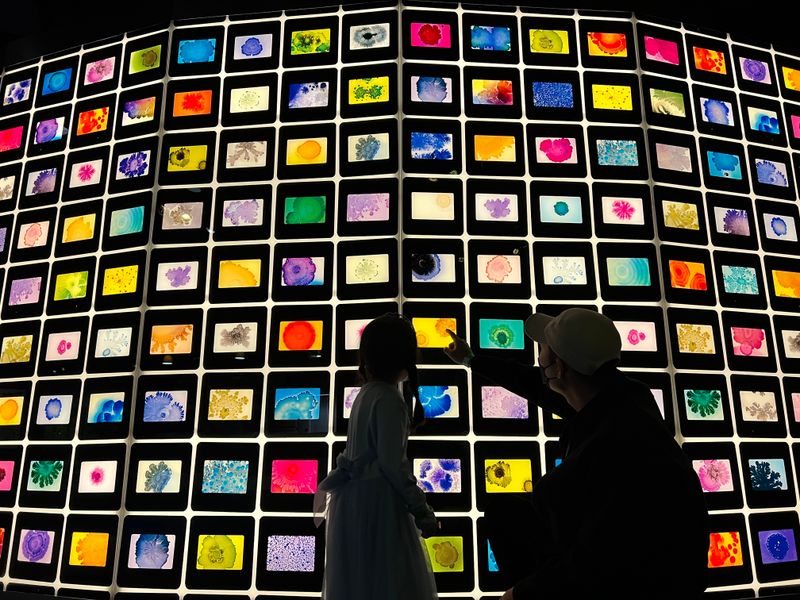
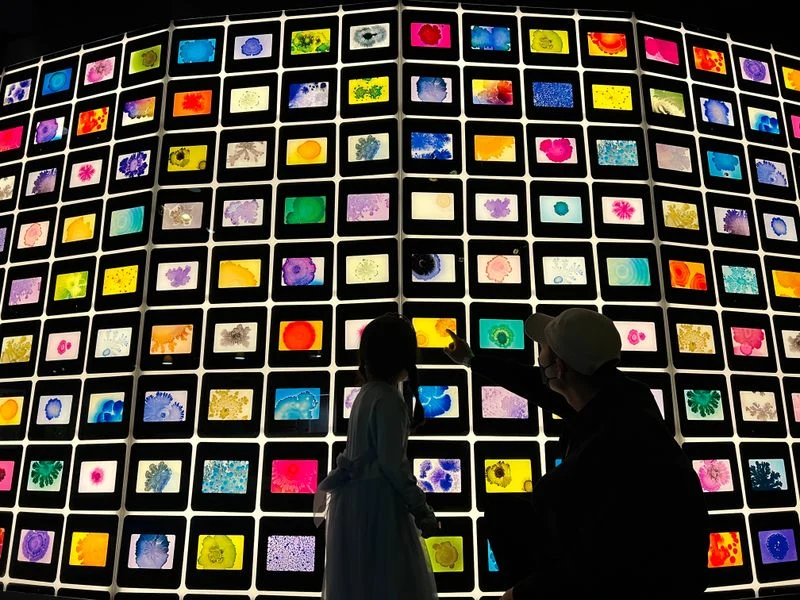
Liberty Science Center delivers big city energy with big universe perspective. The planetarium is colossal, and the programming takes full advantage of that immersive canvas. You will feel the cosmos wrap around you without losing the thread of real science.
Exhibits mix tactile experiences with clear explanations. You can explore engineering design challenges, test biological models, and compare data across scenarios. Adults will appreciate how the signage invites critical thinking rather than passive viewing.
Special exhibitions often push into timely topics like infectious disease, AI, or climate resilience. The content is grounded and pragmatic, offering actions you can take in your own community. You will leave motivated, not overwhelmed.
Because the center sits near New York, collaborations bring in researchers and unique artifacts. Talks and pop-up demos add depth and spontaneity to a day visit. You can chase a question and find someone ready to explore it with you.
Views of the skyline remind you that science lives in cities too. Energy systems, transportation, and public health all become visible case studies. You will catch yourself connecting exhibits to the streets outside.
Take your time under the dome and then circle back to your favorite stations. The second pass often clarifies what clicked the first time. It is a place where curiosity scales up beautifully.
New York Hall of Science (Queens, New York)
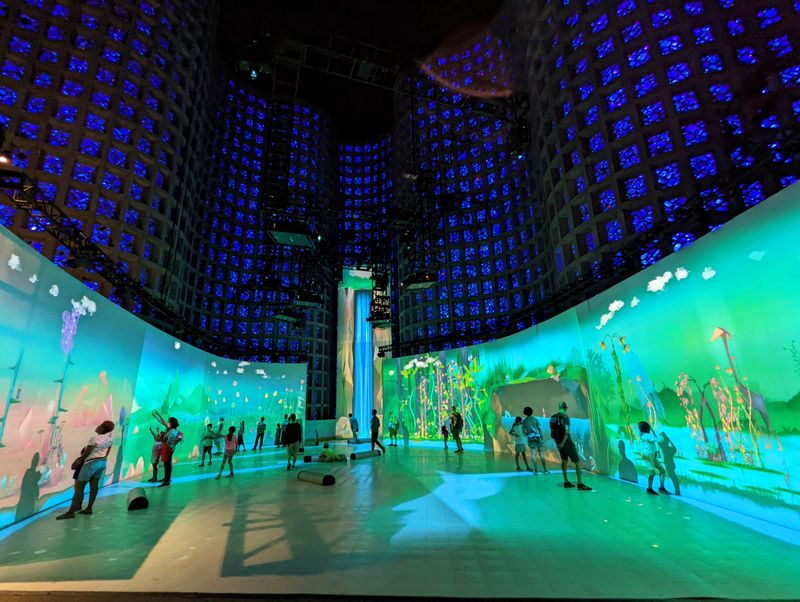
NYSCI is a love letter to tinkering. You will find hands-on exhibits that invite you to build, break, and rebuild until an idea holds. The process lights up that part of the brain that adores puzzles and patterns.
Adults will appreciate the engineering-forward approach. Structural forces, feedback loops, and material behaviors appear in approachable stations. You can test, adjust, and quickly see why designs succeed or fail.
Temporary exhibitions engage with the city’s pulse, blending technology and culture. Whether it is sustainability or data privacy, the framing is practical and human-centered. You will leave with ideas you can apply at home and work.
The outdoor Science Playground adds kinesthetic insight. Climbing, spinning, and balancing make physics feel lived-in rather than theoretical. You will catch yourself narrating forces to friends without realizing it.
Workshops and maker spaces deepen the experience. Guided activities provide enough structure to start and enough freedom to improvise. Failure is framed as exploration, which keeps the mood light and productive.
Give yourself room to explore widely. The museum rewards curiosity with unexpected connections. You will walk out seeing the city’s infrastructure as one giant experiment you are part of.
Great Lakes Science Center (Cleveland, Ohio)
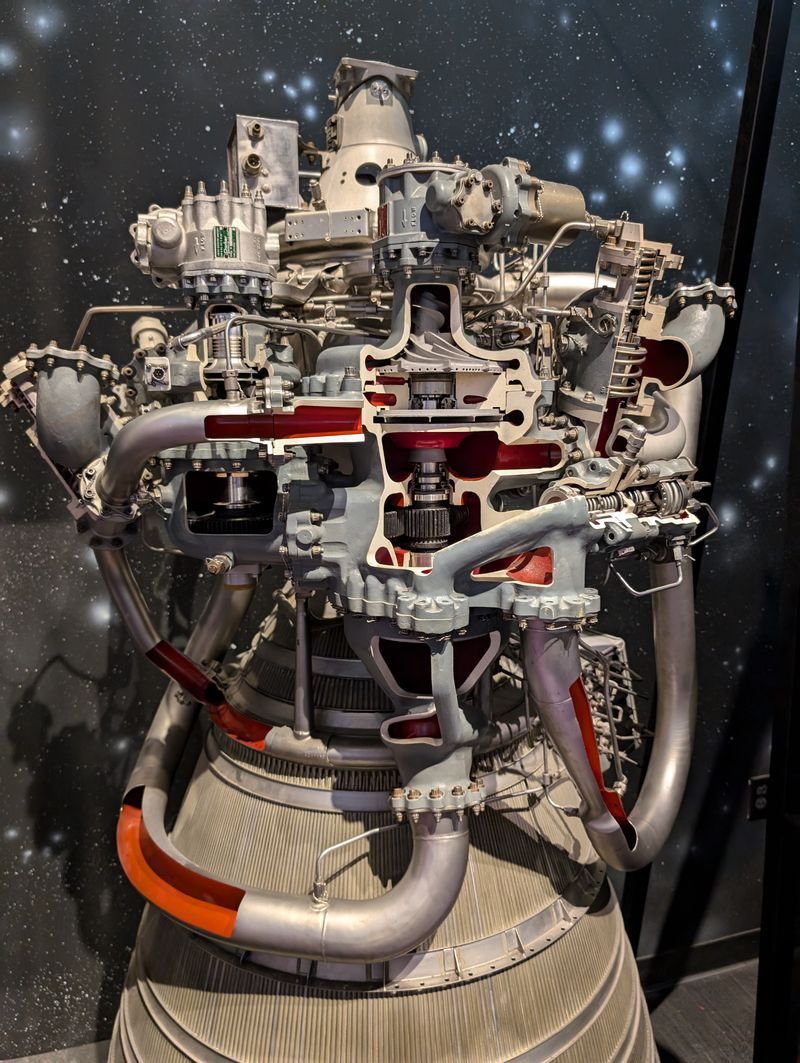
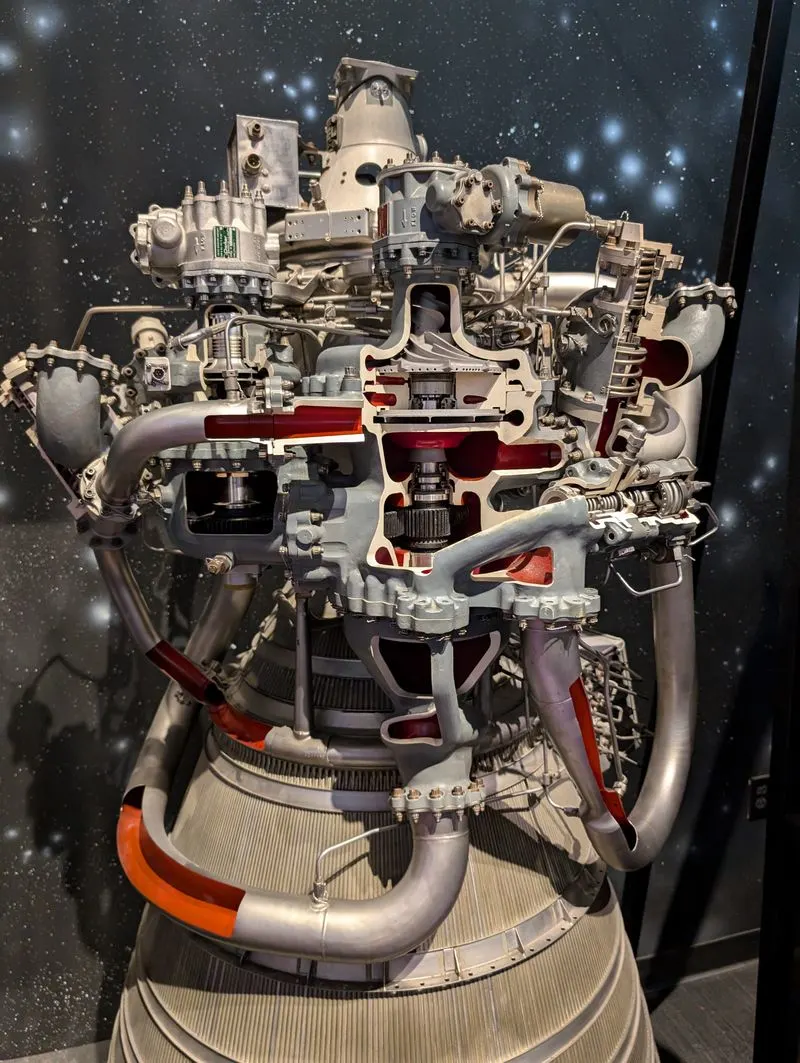
Great Lakes Science Center blends local context with cosmic perspective. On one floor you are testing wind turbine blade angles, on another you are studying NASA artifacts. That interplay grounds space exploration in the engineering realities right outside.
Adults will enjoy the emphasis on energy systems. You can tweak variables on grid simulations, see storage tradeoffs, and compare renewable strategies. It is the kind of pragmatic learning that pays dividends at home.
The NASA Glenn Visitor Center is a standout. Hardware, mission histories, and training modules illuminate the human and technical challenges of leaving Earth. You will appreciate the balance of storytelling and data.
Live demos and maker activities invite you to get your hands involved. Build structures, test forces, and iterate toward stability. The feedback is immediate and satisfying.
Because the museum sits on the lake, weather becomes part of the curriculum. You can feel microclimates shift and then connect those sensations to exhibit explanations. It makes the science feel anchored in place.
Plan time to talk with educators who roam the floor. They are skilled at guiding deeper inquiry without stealing your aha moment. You will leave with practical frameworks for thinking about energy, materials, and motion.
Michigan Science Center (Detroit, Michigan)
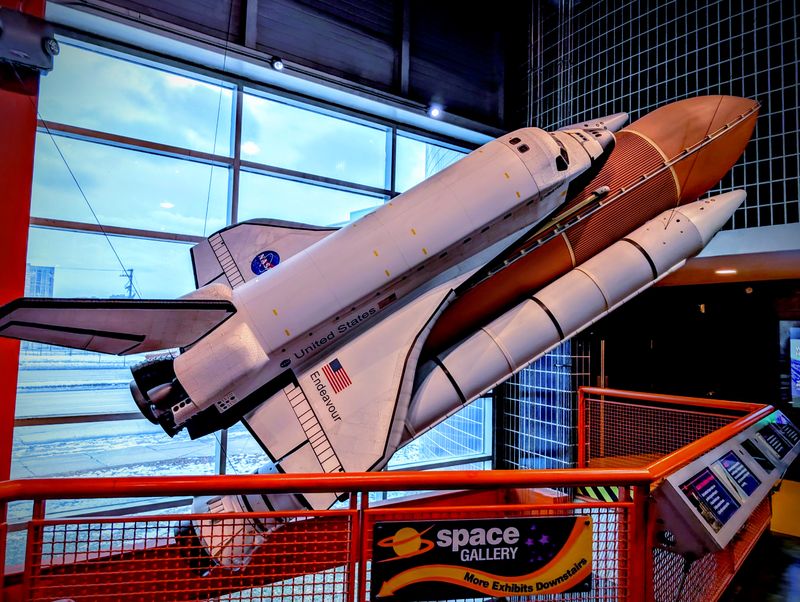
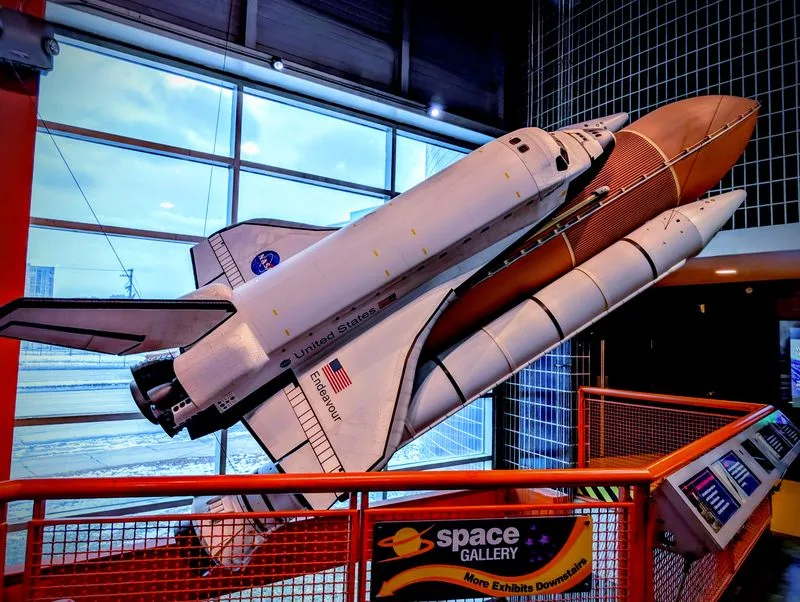
Michigan Science Center brings Detroit’s maker spirit into the galleries. You can watch a live science show crackle with energy and then dive into engineering challenges that test your instincts. It is part theater, part workshop, and fully engaging.
Adults will appreciate the attention to measurement and iteration. Exhibits invite you to change variables, record outcomes, and find patterns. That rhythm makes the principles stick long after you leave.
The planetarium reshapes your sense of scale. You will glide from neighborhood stargazing to galaxy clusters with a clear narrative thread. It is the perfect reset for a busy brain.
STEM labs emphasize practical problem solving. Build bridges, balance loads, and compare materials under stress. You will feel the learning in your fingertips.
Special events and rotating shows keep the content fresh. The museum partners widely, bringing in regional stories of industry, technology, and design. You will recognize Detroit’s legacy in the exhibits’ emphasis on craft and resilience.
Give yourself space to play, compare notes, and revisit favorite stations. The staff excels at jumping into your experiment at the right moment. You will head out energized to keep building on what you discovered.
Explora (Albuquerque, New Mexico)
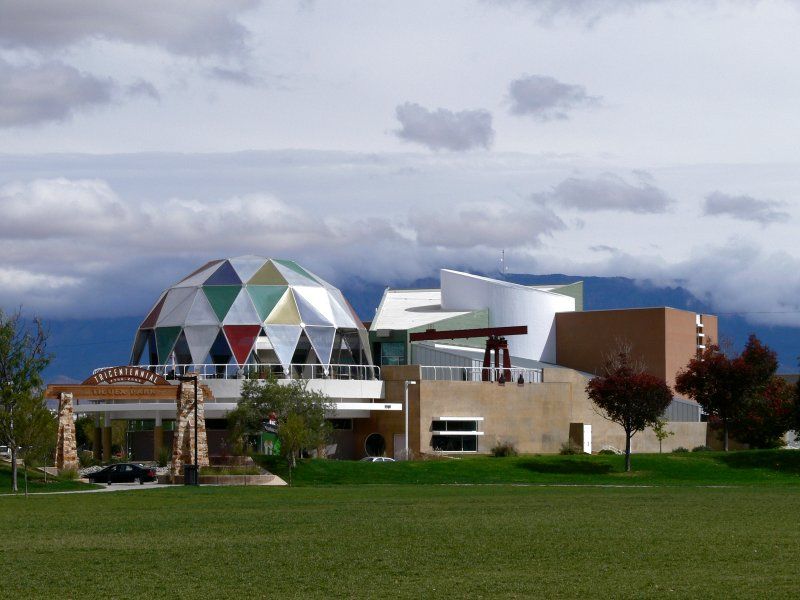
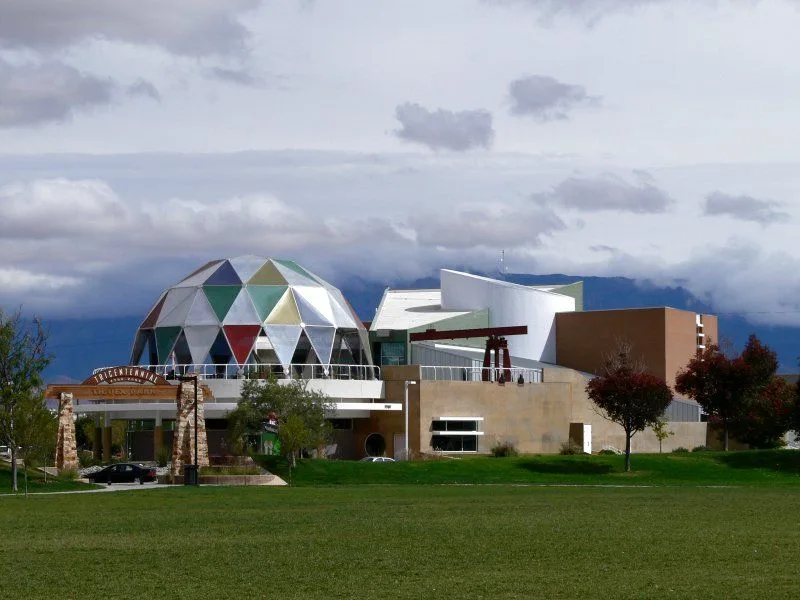
Explora is a quiet revolution in how museums teach. Everything is invitation, not instruction, and the effect is disarming. You will find yourself experimenting before you realize you are learning.
Inquiry drives the design. Exhibits prompt you to ask a question, propose a test, and observe the result. Adults will appreciate that there is no single right path, only better questions.
Water, light, and motion stations are deceptively deep. You will layer variables, watch feedback loops appear, and refine your mental model. The process feels like play with a scientific backbone.
Explora’s educators are gentle co-conspirators. They nudge without lecturing, letting your curiosity stay in the driver’s seat. You will leave with new habits of noticing.
The setting in Albuquerque adds flavor. Sunlight, architecture, and local partnerships create a grounded sense of place. You can feel the region’s creativity in the exhibits’ materials and themes.
Plan to go slow and repeat tasks. The second loop is where insights crystallize. You will walk out lighter, sharper, and more ready to tackle everyday problems with an experimental mindset.
Ann Arbor Hands-On Museum (Ann Arbor, Michigan)
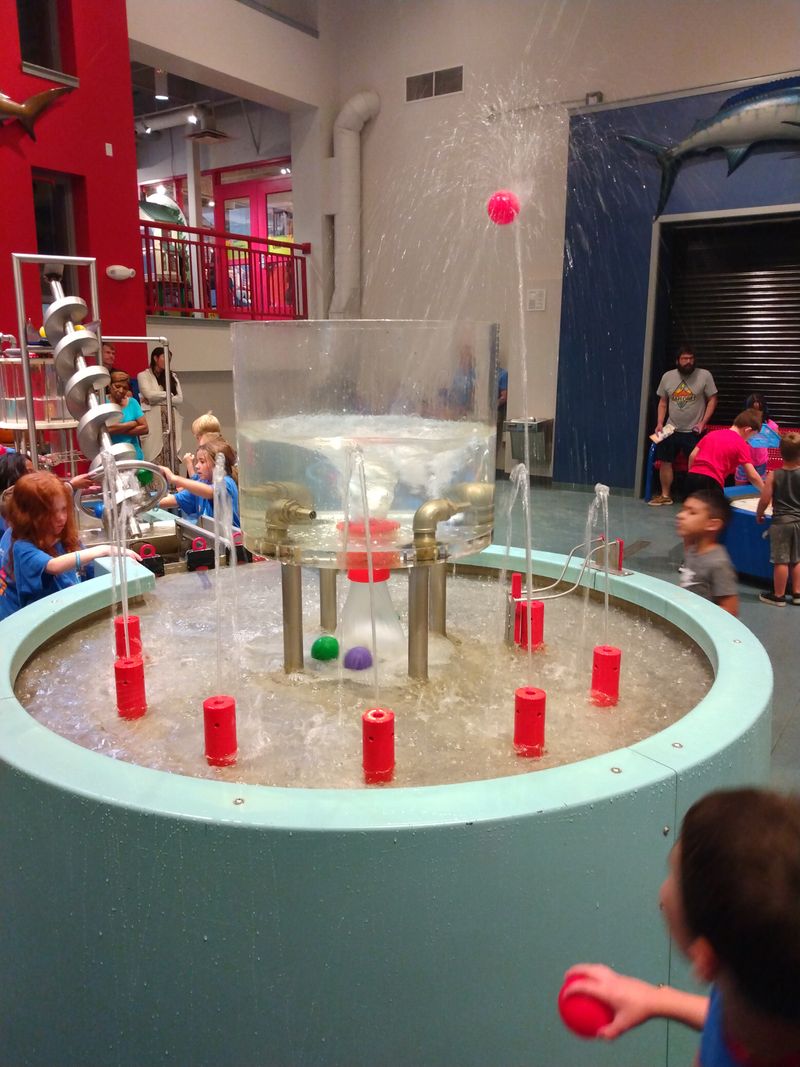
This museum proves that playful can be profound. You will bounce between sound, motion, and engineering stations that reward curiosity at any age. The vibe is friendly and unpretentious, perfect for relaxed discovery.
Adults will enjoy the clarity of the explanations behind each activity. Concepts like resonance, pressure, and leverage become visible and touchable. You can feel theory settle in as intuition.
Because Ann Arbor is a university town, collaborations bring fresh ideas into the galleries. Pop-up demos and community science nights add depth without formality. You will find people who love your questions.
Maker-style exhibits encourage iteration and reflection. Build something, watch it wobble, then tweak until it sings. That loop is where confidence grows.
The scale is manageable, which means you can slow down. Sit with one exhibit and really chase the variables. You will leave with insights that stick.
It is a great date spot or solo afternoon escape. The museum invites conversation, laughter, and those small aha moments that brighten a week. You will likely plan a return visit before you hit the exit.
The Works (Bloomington, Minnesota)


The Works treats engineering as a language you can learn by speaking it. You will design, build, test, and rebuild until your structure holds. The process is addictive and deeply satisfying.
Adults will appreciate the emphasis on constraints and tradeoffs. Materials have personalities, and the exhibits help you listen. You can watch how tiny changes cascade through a design.
Workshops bring in tools and techniques that demystify fabrication. You will measure twice, cut once, and celebrate the near miss as much as the perfect fit. That mindset travels well into work and home projects.
The museum’s scale encourages focus. Pick a challenge and give it time. You will feel your problem-solving muscles warm up.
Because it centers on engineering, the content feels universally relevant. Bridges, gears, circuits, and code all show up with approachable clarity. You will leave ready to tinker with the world around you.
Bring a curious friend and trade roles between designer and tester. The feedback loop becomes a conversation. It is the kind of day that sticks in memory as both fun and useful.