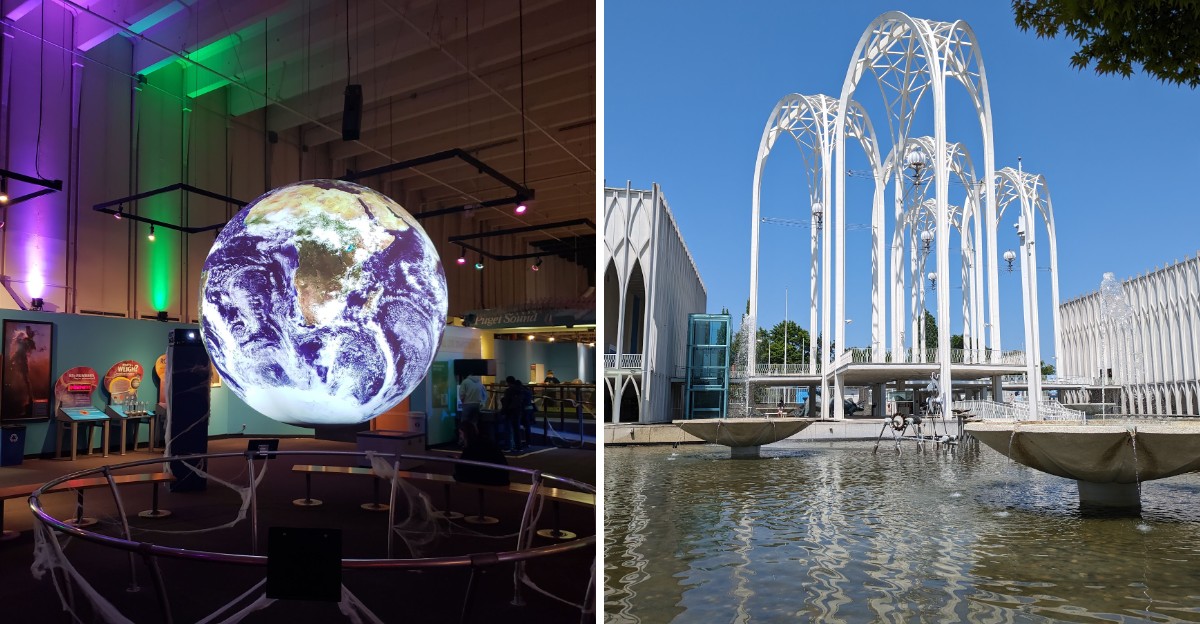
Before you step inside, someone hands you a small flower so butterflies might land on you. Around 700 of them can be flying freely in one warm, tropical room.
That’s a pretty great trade for a gray afternoon.
The room stays open all year. So when Washington skies turn soggy, your kids can still chase color instead of puddles.
I can’t imagine a better cure for a cooped-up toddler.
The butterflies are only one stop, too. Laser shows, a planetarium, LEGO space builds, and a hands-on maker area share the same building.
I like how one ticket can cover a two-year-old and a grandparent without anyone getting bored.
So what else is waiting next to that famous tower? Let’s look at what makes this rainy-day favorite worth the trip, and how to plan it smart.
A Science Playground Sitting Right Beside the Space Needle
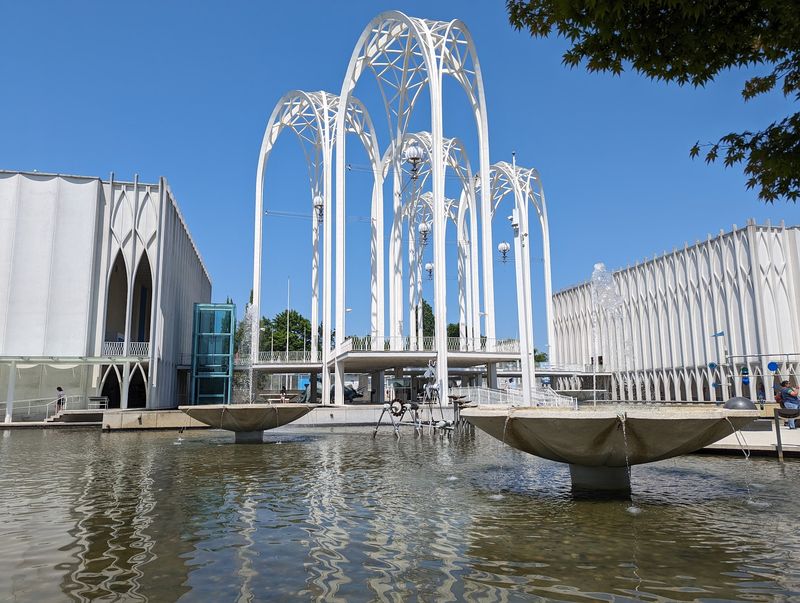
Location matters when you’re wrangling kids, and this one nails it. Pacific Science Center sits right next to the Space Needle at Seattle Center.
That means you can pair the two in one outing without moving the car. Families often mention how easy it is to find.
It also fits neatly into a bigger Seattle day.
Inside, you’ll find a science museum built around touching, testing, and playing. Rotating exhibits share space with a tropical butterfly house, laser light shows, a planetarium, and IMAX movie theaters.
It’s a lot under one roof, which is exactly the point.
The place earns a 4.5-star rating from more than 7,700 Google reviews. Numbers like that don’t happen by accident.
They suggest a lot of Washington families keep walking out happy.
It’s not a place for quiet browsing, though. Kids are encouraged to push buttons, spin gears, and build things.
Adults end up doing the same, which nobody needs to admit out loud.
Think of it as a museum where the exhibits ask for help. Every corner invites a question.
And on rainy days, that indoor setting becomes the biggest selling point of all.
The Warm Room Where Butterflies Pick You
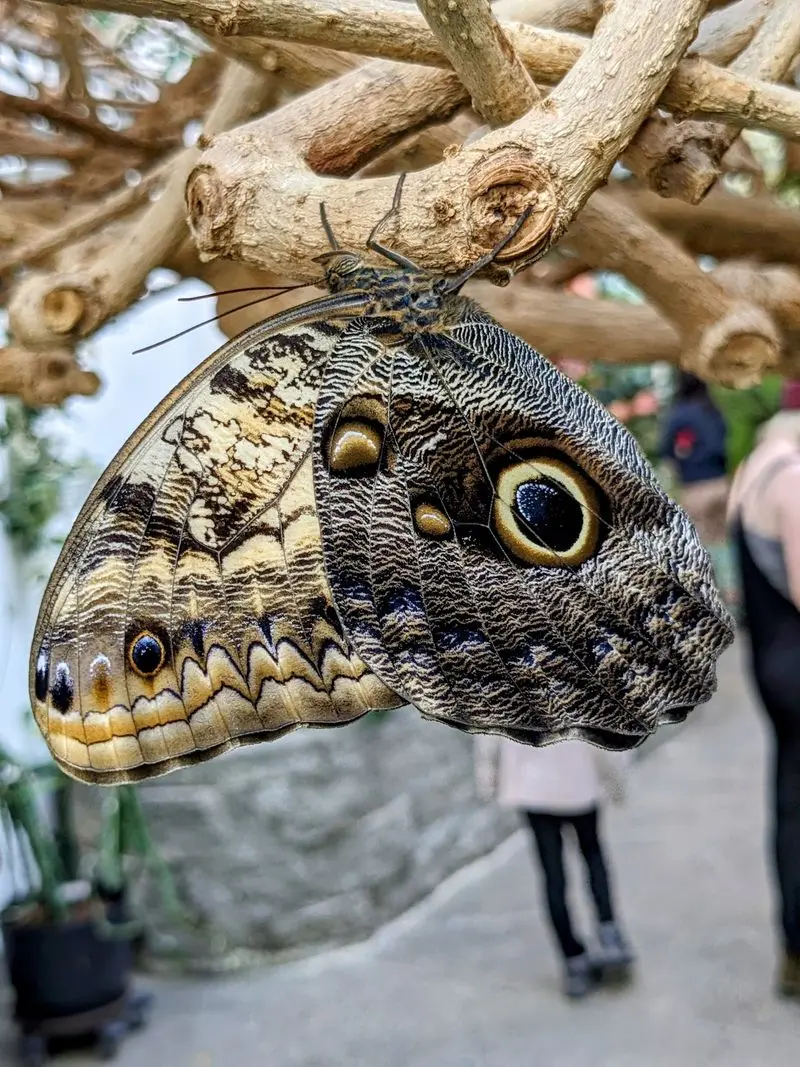
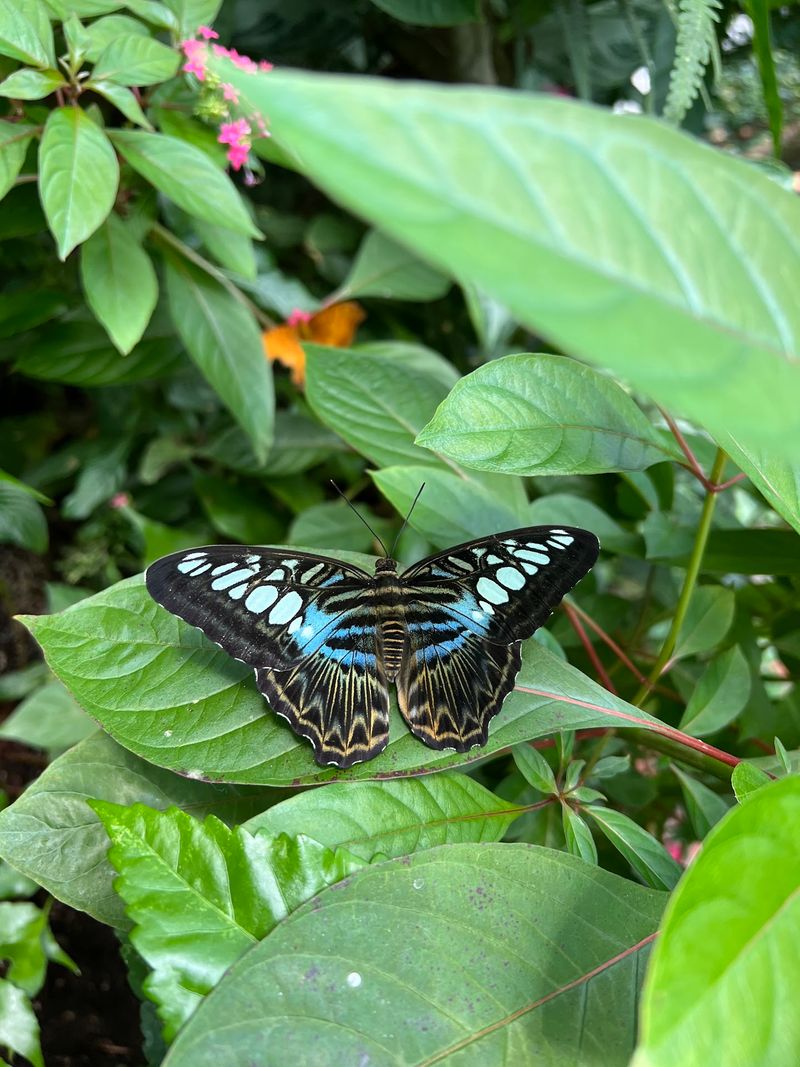
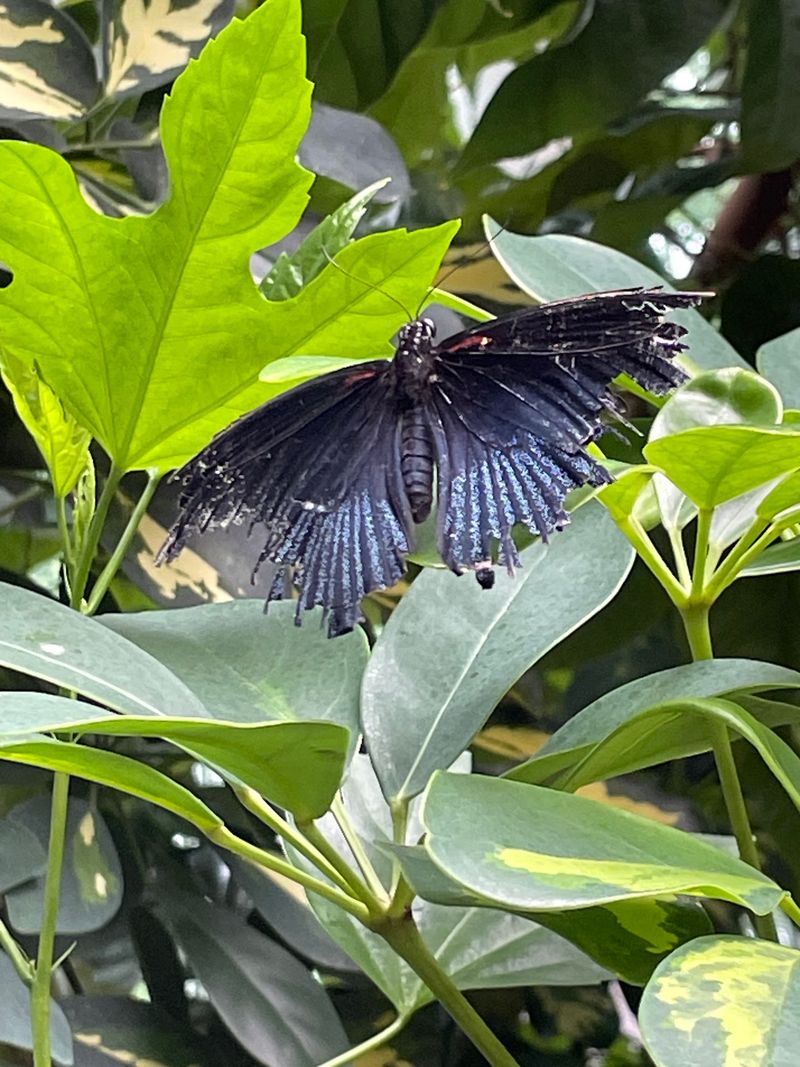
Hundreds of wings, one small flower, and a kid holding perfectly still. That’s the scene inside the Tropical Butterfly House.
Families describe a tropical space with around 700 butterflies flying freely. Before you enter, staff hand each visitor a small flower.
It’s meant to encourage butterflies to land on you.
Sometimes they settle on hands and shoulders. That moment tends to stick with kids for a long time.
Grown-ups don’t seem immune to it either.
The room is warm, which feels wonderful on a chilly Washington day. One family called it magical for their toddler.
Another called it relaxing, a welcome change from busier exhibits.
It’s on the smaller side, so don’t expect a giant jungle. What you get is close and personal.
Butterflies drift right past your face instead of hiding far away.
Best of all, the butterfly conservatory runs year-round. You don’t need to time your trip for summer.
A drizzly Wednesday in February works just as well.
Quick tip for parents: talk about gentle hands before going in. Little ones get excited fast.
A calm kid with a flower is basically a butterfly magnet.
Laser Dome Shows That Pull Teens Off Their Phones
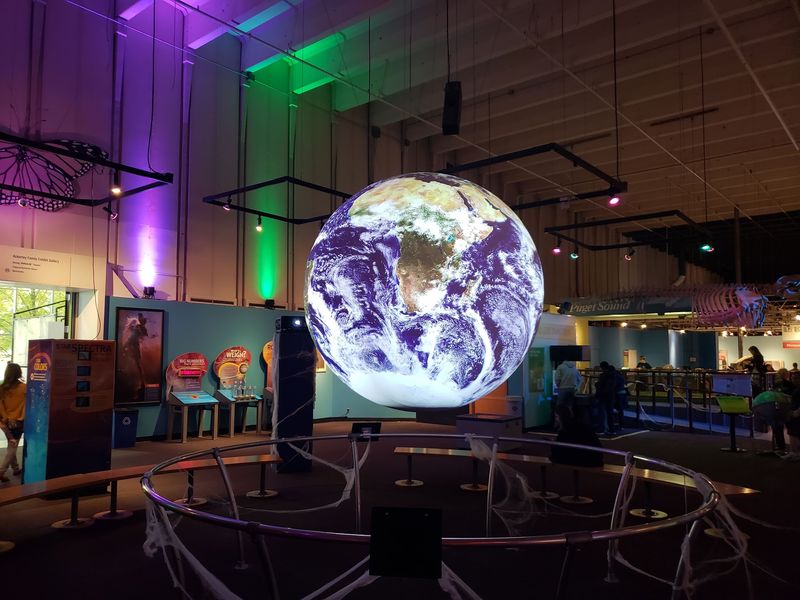
Lasers set to music are hard to resist at any age. The Laser Dome is one of the most talked-about spots at Pacific Science Center.
Visitors call the shows immersive and say they completely captured their kids’ attention. One family raved about how awesome it was.
Another recommended planning several hours just to fit one in.
Pop culture shows up here too. One set of grandparents came specifically for a KPop Demon Hunters laser show.
They figured the grandkids would love it, and that hunch sounds about right.
Show lineups change, so check the schedule before you go. Some shows run during the day.
Members also get discounts on evening laser shows.
The dark, swirling dome makes a nice break for tired legs. Everyone sits, looks up, and lets the light do the work.
After hours of hands-on exhibits, that’s a gift.
Got a tween who claims museums are boring? Start here.
A booming soundtrack and beams across the ceiling tend to change minds quickly.
Little ones can find it a lot, though. Watch for volume and darkness if your toddler is sensitive.
Older kids, on the other hand, will probably ask to go twice.
Stars, Planets, and a Preschool Planetarium Hour
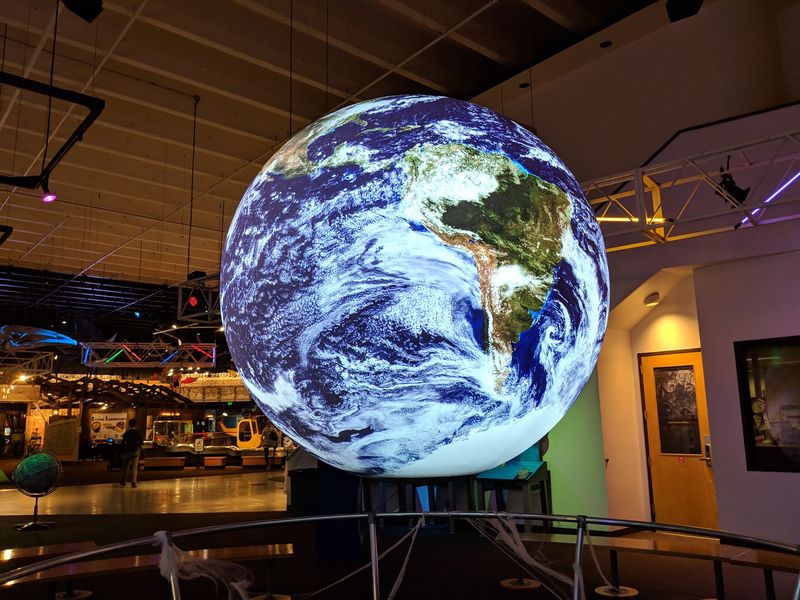
Toddlers rarely sit still for anything involving outer space. Somehow, the planetarium here pulls it off.
Pacific Science Center offers planetarium shows, including one aimed at kids around ages two to five. One mom brought her 16-month-old and loved it.
She mentioned a guide explained that a little dancing part usually livens things up.
Free planetarium shows and demonstrations are part of the visit. That’s a nice perk that doesn’t add to your bill.
It also helps break up the day with something new.
One older visitor called the planetarium okay and offered smart advice. Don’t rush with little ones.
Give them time to settle in and look around.
Space themes run throughout the building as well. Families mention space and planet displays as favorites.
One baby loved a twist button showing how a star’s color shifts as it heats up.
That kind of simple, hands-on moment is the magic here. Kids don’t need to read a paragraph to get it.
They turn a knob, watch a color change, and suddenly they’re asking about stars.
Bring curiosity and a little patience. The universe is big, and short attention spans are real.
Bricks, Rockets, and the LEGO Space Mission
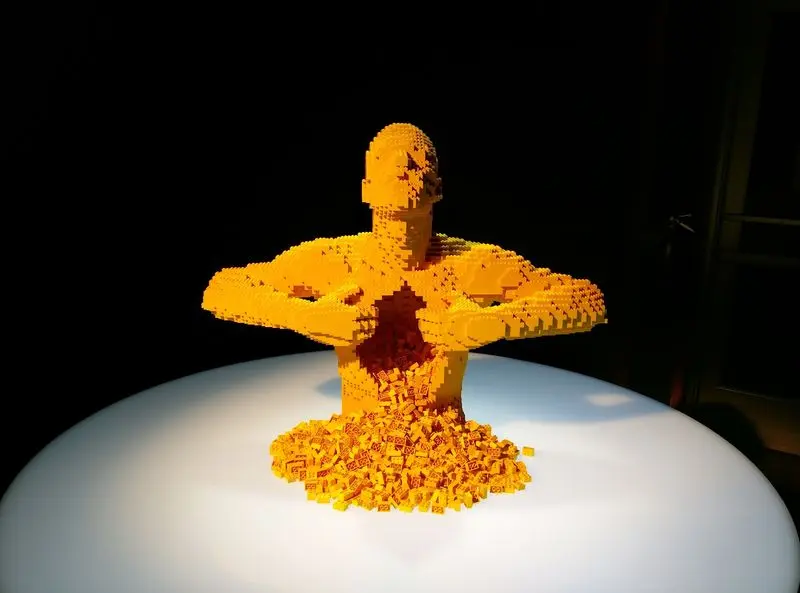
LEGO plus NASA sounds like a kid’s dream assignment. Artemis Adventure with LEGO Bricks became a temporary exhibit here starting May 22.
Families describe it as a clever mix of space exploration and detailed LEGO creations. Kids spent plenty of time studying the models and joining the activities.
Even adults admired the craftsmanship.
One member family called it small but interesting. That’s a fair heads-up.
It’s a fun stop rather than an all-day destination.
Earlier, a spider exhibit called Spiders: From Fear to Fascination drew big reactions. It ran until April 19.
One visitor joked that kids squealed with delight while adults said eeeww, also with delight.
Rotating exhibits are a big part of the Pacific Science Center formula. What’s showing now may be gone in a few months.
Something new usually follows.
Before your trip, check what’s currently on display. That way your little builder isn’t promised bricks that already left.
Expectations matter with kids, as every parent learns the hard way.
Still, the steady rotation keeps return visits fresh. That’s a real plus for families who come back again and again.
Clay, Looms, and a Downstairs Workshop for Tiny Makers
Some kids would rather make something than look at anything. The lower level was built with them in mind.
Downstairs from the main entrance, families find a whole area for creating. Visitors mention clay, a loom for weaving, and wooden pieces for building patterns and shapes.
It’s often called the Makerspace.
One member family said their kids spent most of their visit at the clay station. That says a lot.
When a lump of clay beats lasers, you know it’s good.
Another parent loved watching kids solve problems and experiment with materials. Nobody needed a lesson plan.
Curiosity handled the instructions.
Magna-Tiles also show up in a hands-on area upstairs. One three-year-old loved them.
Simple tools like these work for a wide range of ages.
Getting downstairs is easy too. There’s an elevator if stairs are tricky for strollers or grandparents.
Restrooms are on the lower level as well.
Plan for extra time here if you have a builder. Kids lose track of the clock.
Honestly, that’s the best compliment any activity can earn.
No skills required, no gear to bring. Just show up and let them create.
Brain Games, Bubbles, and Big Moves
Bubbles. Gears.
Floating balls. The main exhibit halls feel like a giant toy box with a science degree.
Families highlight exhibits on motion, space, and brain games with optical illusions. One mom said her baby loved the bubble station, the gears, and the Bernoulli effect balls.
That’s physics, disguised as fun.
A newer experience called Big Moves joined the lineup in recent changes. Visitors describe plenty of high-energy activities inside.
Kids can burn off steam while learning something.
Illusion shows also get a mention from regulars. Those are a hit with older kids who love being fooled.
Adults tend to argue about them afterward.
What families appreciate most is the participation. Kids aren’t just looking at displays behind glass.
They’re pushing, spinning, and testing ideas themselves.
One family said their kids had so much fun they didn’t realize they were learning. That’s the sweet spot for any parent.
Education that doesn’t feel like homework.
Adults get pulled in too. Several visitors admitted reading exhibit signs and trying activities alongside their kids.
Go ahead and race your nine-year-old on the optical illusions. You might lose.
The Free Courtyard With a Water Wheel Surprise
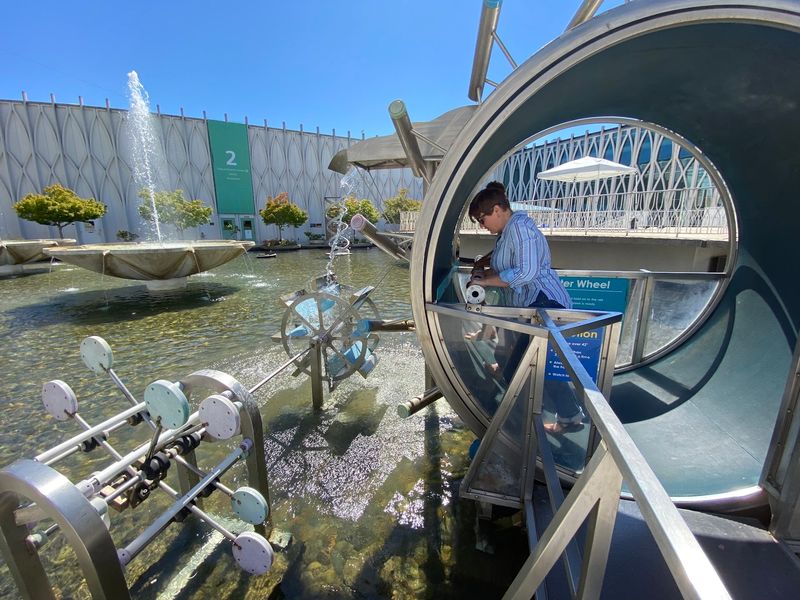
Here’s a pleasant bonus for budget-minded families. The interior courtyard is now free to explore.
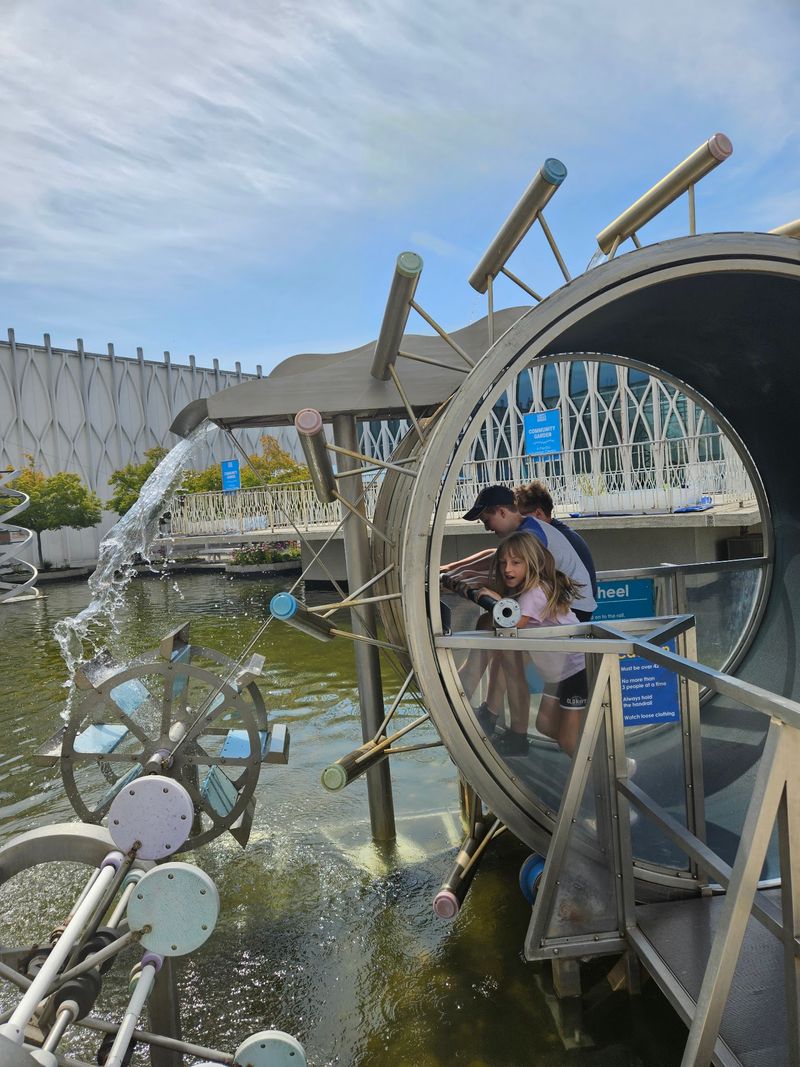
Visitors mention that most fountains are drained these days. But the south area still has water.
There, kids can play with an Archimedes screw and a water wheel.
One family’s three-year-old loved the outdoor water cannon area too. On a dry day, it’s a fun break between indoor exhibits.
Just maybe pack a spare shirt.
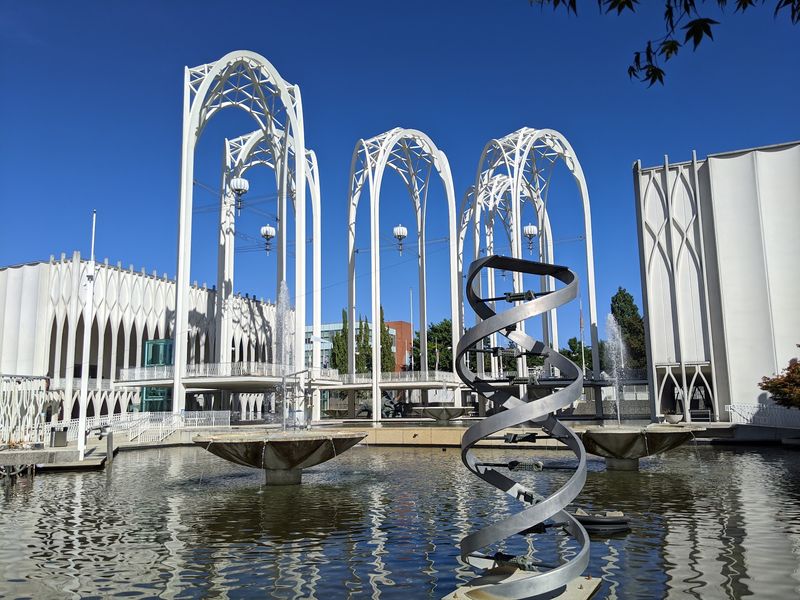
The building and outdoor structures get compliments for their looks. One visitor called them beautiful.
The setting feels lively and fits right in with Seattle Center.
A free courtyard is a nice way to sample the place. Grandparents with young kids could easily pair it with a Space Needle stroll.
No ticket needed for that part.
Of course, this is Washington, and rain happens. When it does, head inside to the butterflies.
The courtyard can wait for a sunnier hour.
Still, it’s worth a peek before you leave. Kids who’ve spent hours indoors usually welcome fresh air.
A spinning water wheel is a simple joy that never seems to get old.
One Ticket That Works for Toddlers and Grandparents
Finding one outing that thrills a two-year-old and a six-year-old is tough. One dad said this place hit the mark entirely.
That’s a common theme in family feedback. Visitors say there’s enough variety for every age.
Older kids get lasers and illusions, while toddlers get bubbles and blocks.
Grandparents are welcome company here. One retired couple called it fun for big, little, and older people alike.
Another set came just to share a laser show with grandkids.
Accessibility helps too. An elevator connects the floors for anyone avoiding stairs.
That’s a small detail that makes a big difference.
There’s a toddler area as well. One family noted it’s smaller than in older photos.
Even so, their daughter still found plenty to keep her busy.
Most families spend about two and a half to three hours. Many say they could have stayed longer.
Plan breaks around naps and lunch, and nobody melts down.
It’s a solid choice for mixed-age groups across Washington. Everyone finds a favorite corner.
And nobody gets stuck waiting on the sidelines while the others have fun.
Honest Talk About the Changes
Longtime fans have noticed some shifts, and it’s fair to mention them. Part of the property was sold, and parts of the campus have seen construction.
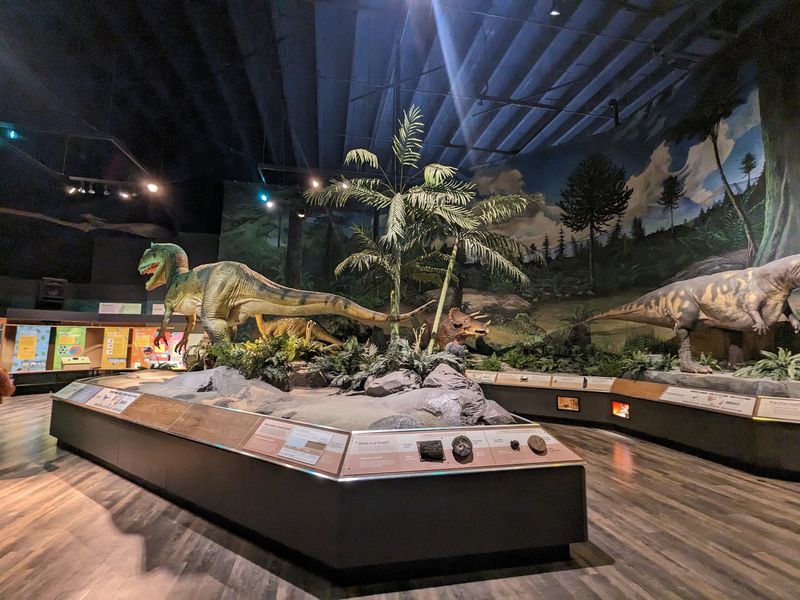
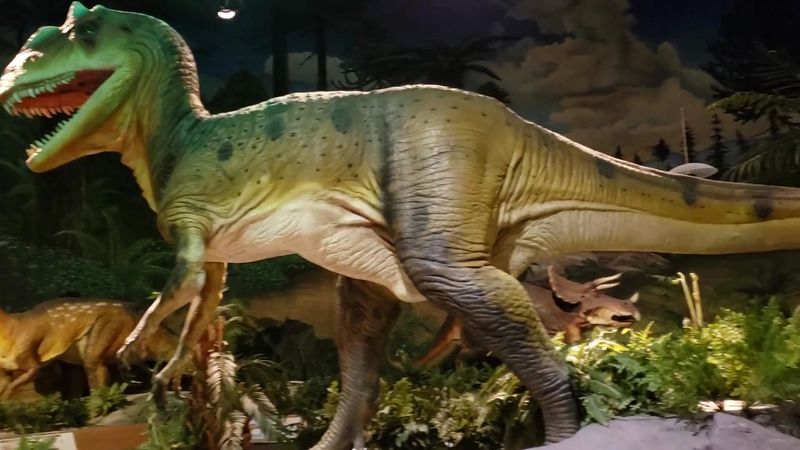
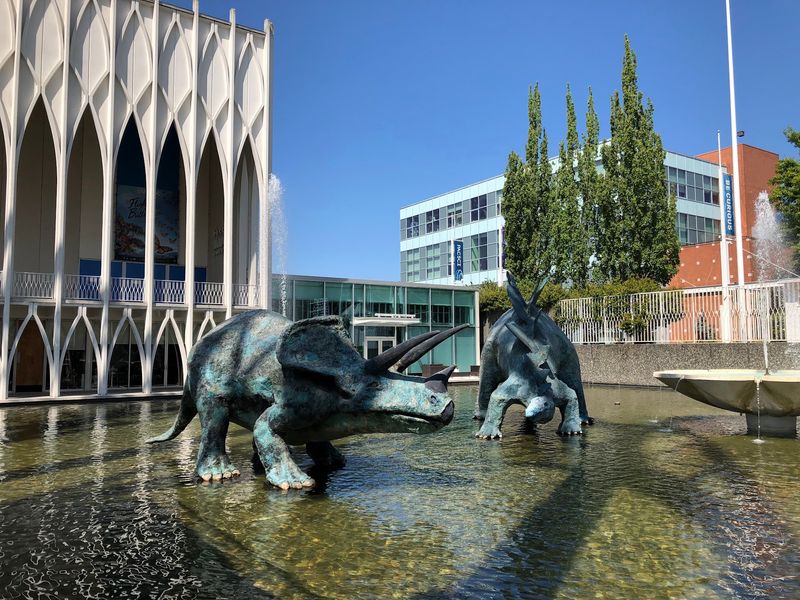
One returning visitor said the dinosaur exhibit is gone. Another missed an enclosed water play area for little kids.
A third noted one IMAX theater changed hands.
That’s useful context if you’re chasing childhood memories. Some old favorites simply aren’t there anymore.
Expectations help a lot.
Still, the classics remain. The butterflies and insects are still around, as one decades-long visitor pointed out.
New exhibits have also arrived.
Management has said it’s committed to refreshing exhibits for new and returning guests. Recent additions include Big Moves and the LEGO space exhibit.
More are promised.
Plenty of recent families say nothing felt closed or outdated. One even said the place felt clean, organized, and easy to navigate.
Experiences vary, as they always do.
For first-timers, the changes may not matter much. You’ll still get butterflies, lasers, and loads of hands-on fun.
And if you remember the old dinosaurs, maybe share those stories while your kids hold their flowers.
Hours, Parking, and How to Get There
Mondays and Tuesdays are off-limits, so mark your calendar. Pacific Science Center is closed both days.
The rest of the week, it’s open from 10 AM to 5 PM. That includes Wednesday through Sunday.
Short hours mean an early start pays off.
You’ll find it at 200 Sue Bird Ct N, Seattle, WA 98109. That’s right on the Seattle Center campus.
The Space Needle makes a pretty handy landmark.
For parking, one family used the Seattle Center 5th Ave. N. garage. It’s a convenient option close by.
Afterward, they grabbed lunch at the Armory nearby.
Crowds can build quickly. One family arrived before opening to an empty building, then watched it fill fast.
Another found a Wednesday morning crowded but manageable.
School groups often visit in the mornings. One couple waited until afternoon, after groups left, and tried everything in the science hall.
That’s a clever strategy.
Buying tickets online can save time at the door. Little details like that matter with impatient kids.
Every minute in line is a minute of fidgeting.
Bring snacks, a water bottle, and maybe a stroller. You’ll be on your feet a while.
Smart Ways to Stretch Your Admission Dollars
Ticket prices can add up for a big family, so a little planning helps. Several money-saving routes come up again and again.
Visiting families often use CityPASS. One visitor recommended it for making the trip more affordable and convenient.
Another family just picked a visit day, and booking was easy.
For locals, membership might be the real winner. Members get unlimited free admission to permanent exhibits.
They also get discounts on IMAX, evening laser shows, and concessions.
One family visits every few weeks with their membership. They said it feels new every time.
That’s strong value for Washington families living within driving distance.
Don’t forget the free extras. The courtyard is open without a ticket.
Planetarium shows and demonstrations are included once you’re inside.
The front desk may offer options too. One visitor praised a staff member who helped a struggling family enter at a lower cost with a family plan.
It’s worth asking politely about access programs.
Prices change, so check current rates before you go. A few minutes of research could save real money.
That leaves more for a souvenir butterfly book on the way out.
Why the Rainy Forecast Might Be Good News
Gray skies over Seattle usually mean canceled plans. Here, they might be the perfect excuse.
Pacific Science Center packs butterflies, lasers, planets, clay, and LEGO under one roof. Families call it a perfect indoor option no matter the weather.
It’s hard to argue with that.
The Tropical Butterfly House remains the star. Holding a flower while a butterfly lands on your hand is pretty special.
It’s the kind of memory kids bring up years later.
Is it perfect? Not quite.
Some longtime fans miss old exhibits, and crowds can swell quickly.
But the big picture looks bright. A 4.5-star rating from thousands of visitors speaks for itself.
Many families say they’d happily come back.
For Washington parents and grandparents, it checks a lot of boxes. No special gear, no hiking boots, no long drive for Seattle-area families.
Just show up and explore.
So next time rain drums on the windshield, don’t sulk. Pack the kids, grab a snack, and head toward the Space Needle.
A warm room full of butterflies is waiting, and it doesn’t care one bit about the forecast.