

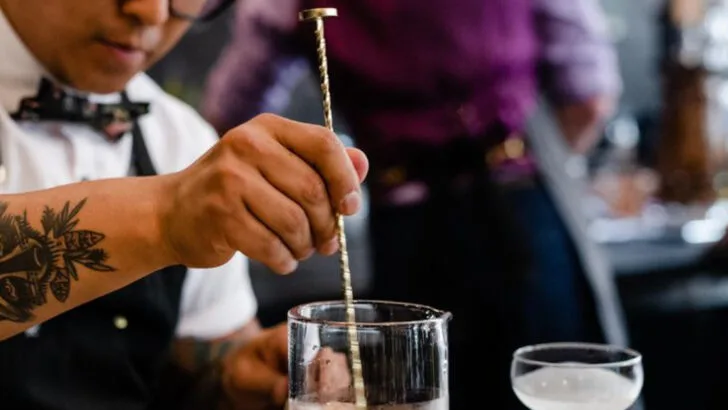
Every crowded bar has a few secrets hiding behind the counter. Tourist hotspots sparkle on the surface—neon signs, packed patios, clinking glasses—but bartenders see everything. They watch the rush, read the room, and quietly follow rules most visitors never notice. Miss those cues, and you might wait longer, pay more, or order the wrong drink at the wrong time.
These pros aren’t trying to trick you. They’re juggling crowds, speed, and survival during nonstop shifts while keeping the vibe alive. From timing your order to spotting menu traps, their inside knowledge can turn a chaotic stop into a smooth, memorable night.
Pull up a stool and pay attention. These bartender secrets reveal how tourist bars really work—and how a little awareness can score better service, better drinks, and a far better story to tell when the night winds down.
Know what you want before you reach the bar
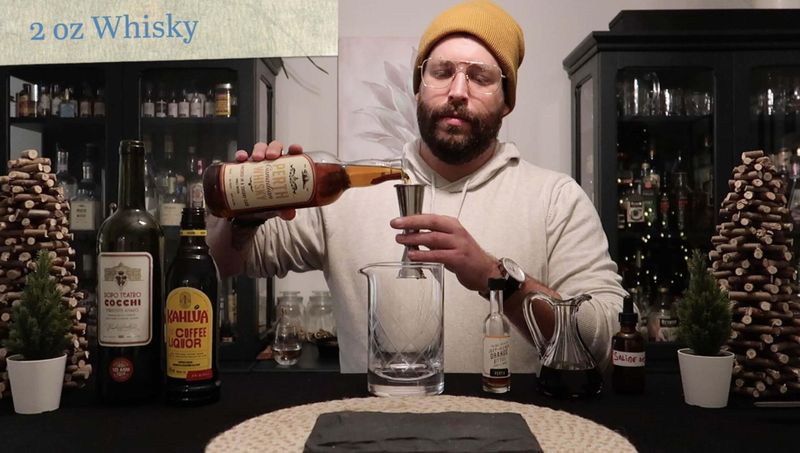
In a busy tourist bar, decisiveness is currency. Walking up with a clear order shortens the line for everyone and signals respect for the pace. Try to know your spirit, style, and sweetness level before the bartender greets you. A simple format helps: spirit, style, and any tweaks. For example, vodka soda with lime, not too sweet. That clarity saves time and mistakes.
When you pause at the rail to debate with friends, you slow the entire room. People behind you get impatient, and the bartender loses rhythm. You are more likely to accept a default suggestion that costs more or clashes with your taste. If you want help, ask for two options within a price range. That narrows the conversation and keeps things moving.
Menus at hotspots are designed for speed, highlighting batched or house favorites. Use them as a shortcut, not a straitjacket. If you have allergies or strict preferences, say them first. Clear constraints guide faster recommendations. Avoid asking for ten samples. One small taste is reasonable when the bar allows it.
Practice the order in your head while waiting. Decide whether you are closing out or keeping the tab open. Bring your payment ready, tip prepared, and glassware accessible. Polite, focused guests get served quickly and remembered kindly. Efficiency benefits you, the bartender, and everyone around you.
Peak times change everything
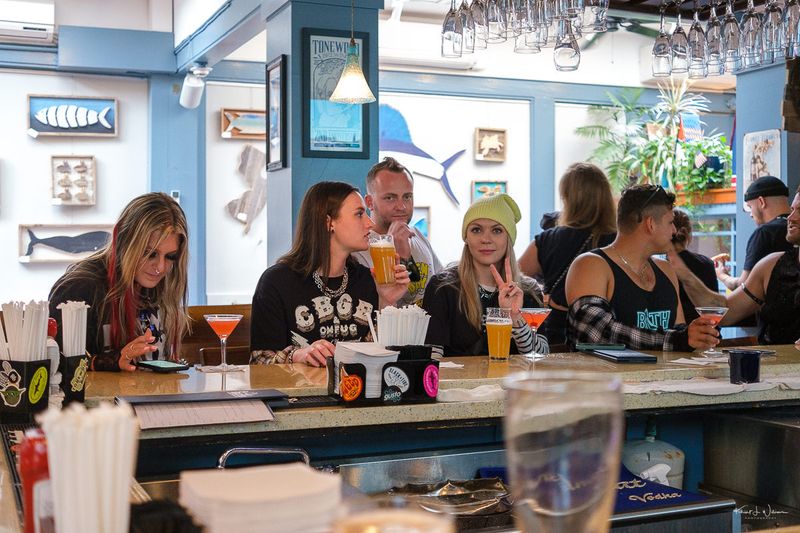
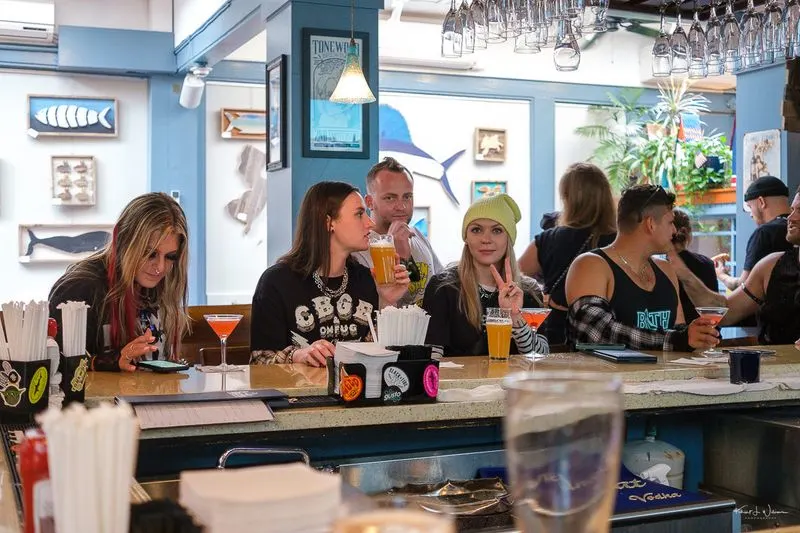
Time of day reshapes service at tourist hotspots. Early evening brings families, sunset shooters, and photo seekers, so drinks lean colorful and quick. Late night turns high volume and higher proof. Expect shorter patience and louder rooms during peak. If you want conversation and custom cocktails, aim for off peak hours. Late afternoon or early weeknights are ideal.
Surge times are predictable: when tours end, after big events, or right after dinner reservations. Lines stretch, and the team switches to speed mode. That means fewer bespoke builds and more batched signatures. Quality remains, but complexity trims. Adjust expectations accordingly. You will get faster service if your order is straightforward.
Happy hours near landmarks fill with deal hunters and tight turnaround demands. Bartenders prioritize guests who are ready, respectful, and concise. If you need guidance, mention you are flexible on style and price. They can steer you toward fast moving winners. Avoid long stories during rushes. Save them for quieter moments.
Arriving ten minutes before the wave starts gets you attention and better seating. Ask about last call timelines when you sit. Tourist areas often enforce strict cutoffs tied to local rules. Plan your round count. You will enjoy the energy without sacrificing the drink you actually want.
Simple orders get made first
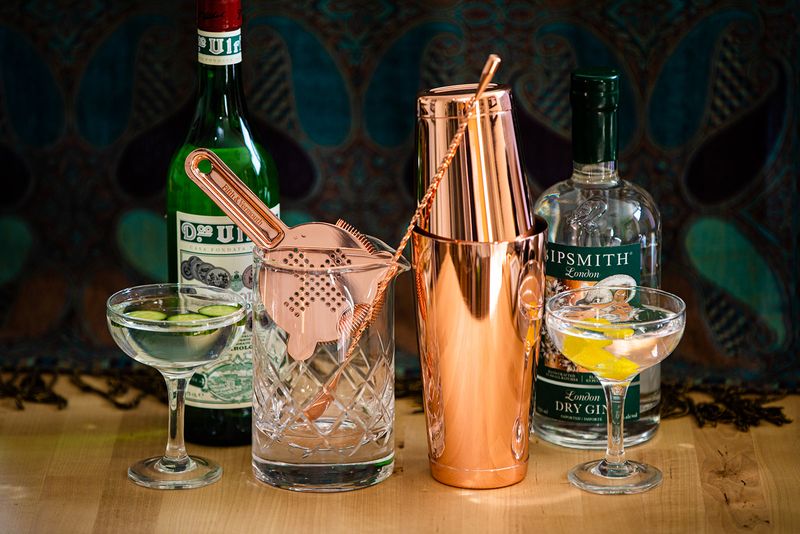
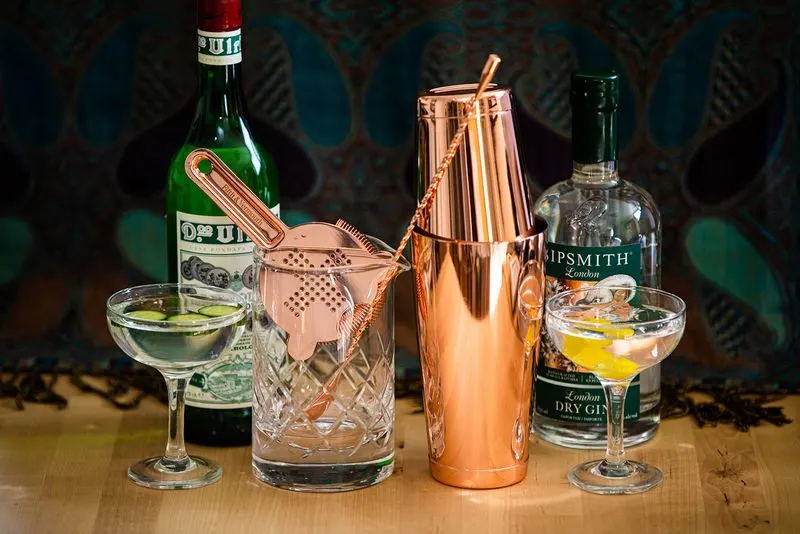
In high volume rooms, simplicity wins. Highballs, spritzes, and house signatures move fast because the parts are prepped and the steps are minimal. Ordering a complex classic at peak can push you to the end of the queue. The bartender is not punishing you. They are triaging to serve the most people quickly. Simple orders keep the line flowing and your wait shorter.
Think two or three ingredient builds. Vodka soda, gin and tonic, tequila highball, or a spritz with the house bubbly. If you crave a classic, pick one that is easy for speed rails. A Daiquiri is quicker than a Ramos. A Margarita is quicker than a bespoke barrel aged Old Fashioned. Read the room and the setup.
Batching makes signature cocktails faster without killing quality. Ask which drinks are flying tonight. Those have garnishes and glassware staged. You get freshness with efficiency. Avoid frozen customizations during rushes. Blenders choke the pace and can irritate the crowd behind you.
When the bar calms down, explore. That is the time for stirred, spirit forward builds or something off menu. You will get better execution and attention. During peak hours, keep it clean and crisp. The payoff is more sips and less standing.
Tip early and fairly
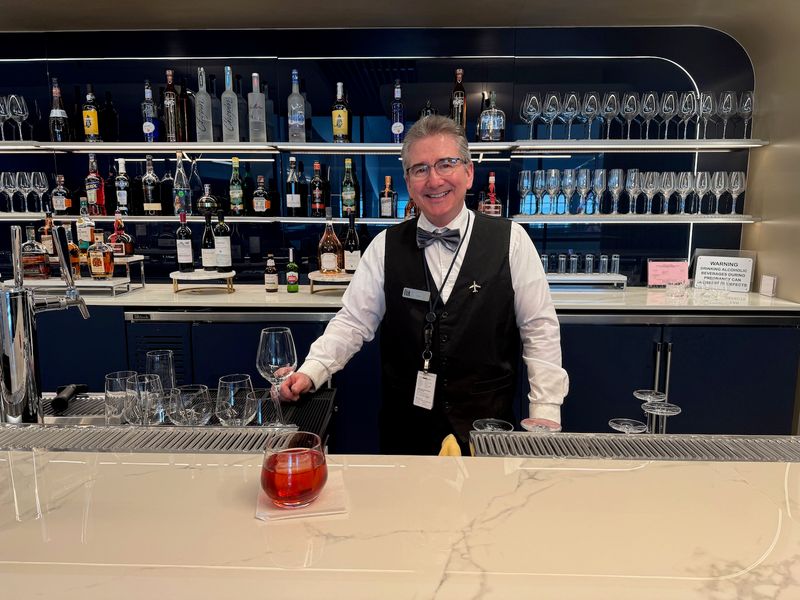
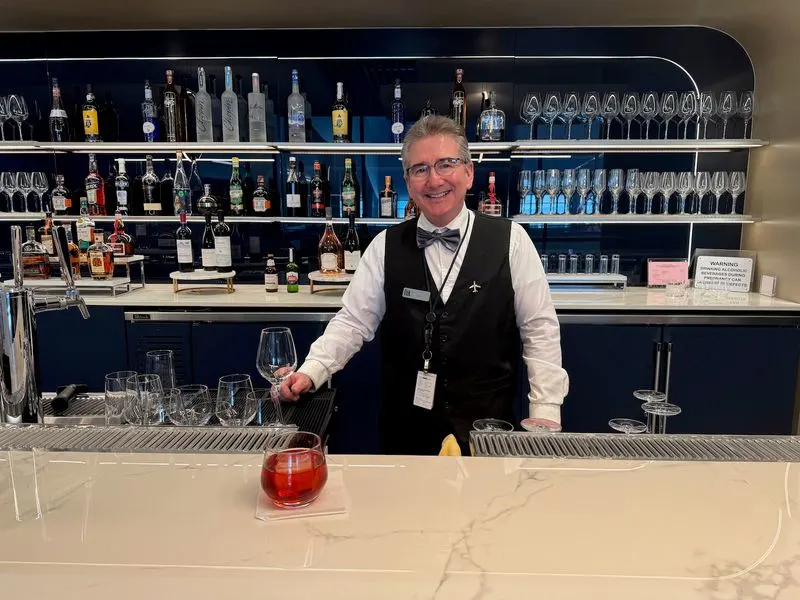
In tourist zones, a fair tip at the start sets a positive tone. You are not buying favoritism. You are signaling respect for a tough job. A dollar per simple drink or 18 to 22 percent on tabs is standard. For signature builds or labor heavy rounds, tip on effort. Early tipping often means better eye contact, faster acknowledgments, and smoother reorders.
Cash still helps. It is quick to drop and easy to share among staff. If you are opening a tab, mention you will tip on the final. The team will trust the process. Avoid performative tipping with theatrics. Quiet appreciation goes a long way and never embarrasses anyone.
If service dips, communicate politely first. Bars can have printer crashes, short staffing, or sudden tour buses.
Do not punish unknown chaos. Ask for an update with patience. Most bartenders will make it right when they can. Your tone matters more than the extra dollar sometimes.
On comped or discounted items, tip as if you paid full price. Someone absorbed that cost. Your generosity keeps goodwill flowing. In places with service charges, ask whether it reaches staff. If it does not, tip additionally. Fairness builds the best bar karma for your trip.
Menus hide price traps
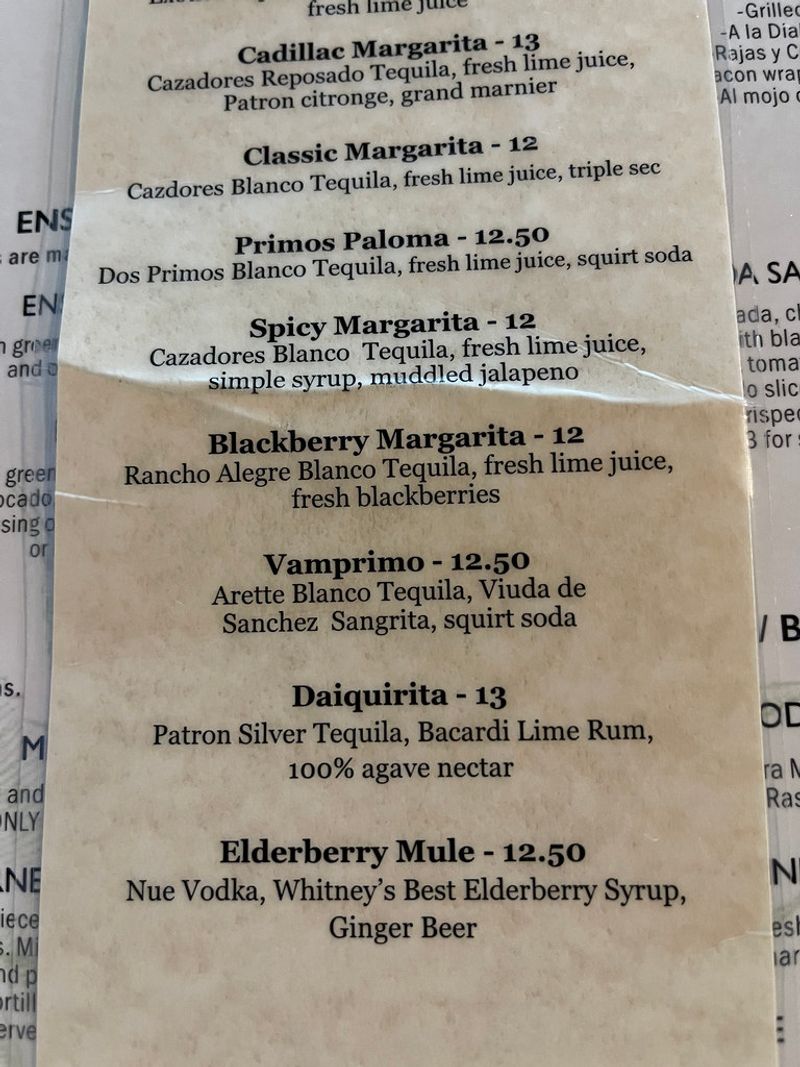
Tourist hotspot menus are marketing tools. Big fonts highlight colorful signatures and souvenir cups. Small print hides upcharges for premium pours, double shots, and frozen add ons. Read carefully. Ask what size the glass is and what the pour measures. A flashy garnish can mask a weak ounce count. You deserve clarity before swiping.
Beware mix and match deals or open ended upgrades. Phrases like top shelf or premium can add dollars without improving taste. Some spirits shine in cocktails. Others disappear under sugar and citrus. Ask for a house spirit unless the brand truly matters to you. Save top shelf for spirit forward builds you will actually notice.
Souvenir mugs seem fun but inflate prices and crowd your suitcase. If you want the memory, consider sharing one and refilling with standard serves. Happy hour rules often exclude these add ons. Confirm what is discounted. Do not assume a colorful banner equals a bargain.
Finally, watch dynamic pricing near events or sunset. A menu screen can change mid evening. If cost matters, request totals before confirming. No bartender wants you surprised. The more transparent the exchange, the nicer the vibe for everyone on both sides of the bar.
Frozen drinks are not always faster
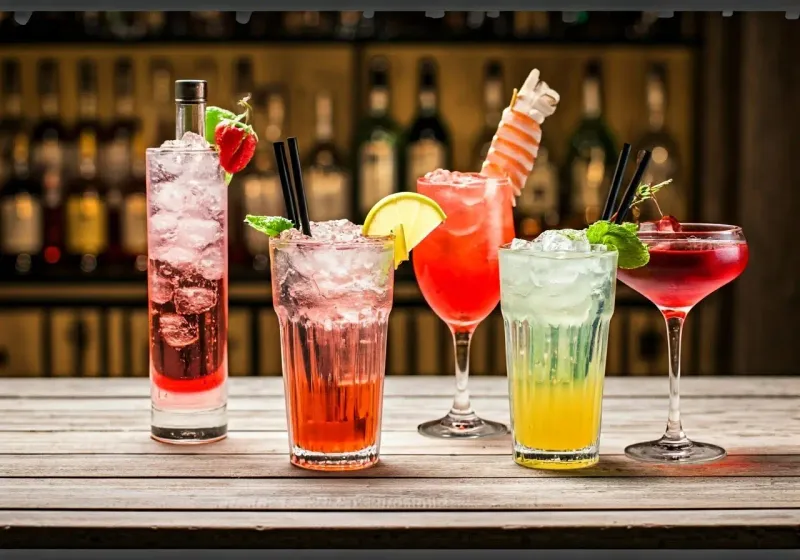
Frozen cocktails feel like speed drinks, but the reality is mixed. Batch machines crank out consistent slush when maintained and full. However, custom frozen orders require blending, garnishing, and cleaning blades, which slows the line. During peak, blenders become bottlenecks. Ask whether the frozen option is on tap or made to order. That distinction matters for wait times.
Texture changes as the night goes on. As ice melts, sweetness jumps and alcohol seems lighter. Well tuned bars adjust ratios throughout service, but tourist volume can strain precision. If you want reliable balance, consider a shaken alternative with the same flavor profile. It is often faster and cleaner tasting.
Upcharges hide in frozen builds. Extra float, souvenir vessel, or split base spirits can add costs without improving quality. If you want oomph, ask for a measured sidecar shot instead of a blind double. That keeps control of proof and spend. Bartenders appreciate the clarity.
For big groups, order multiples of the same frozen drink if you must. Consistency speeds batching and garnishes. Avoid off menu tweaks during rush. You will wait less and get colder, smoother results. Remember sunscreen and water if you are outside. Frozen does not equal hydration.
Tourist pours can be lighter than you think
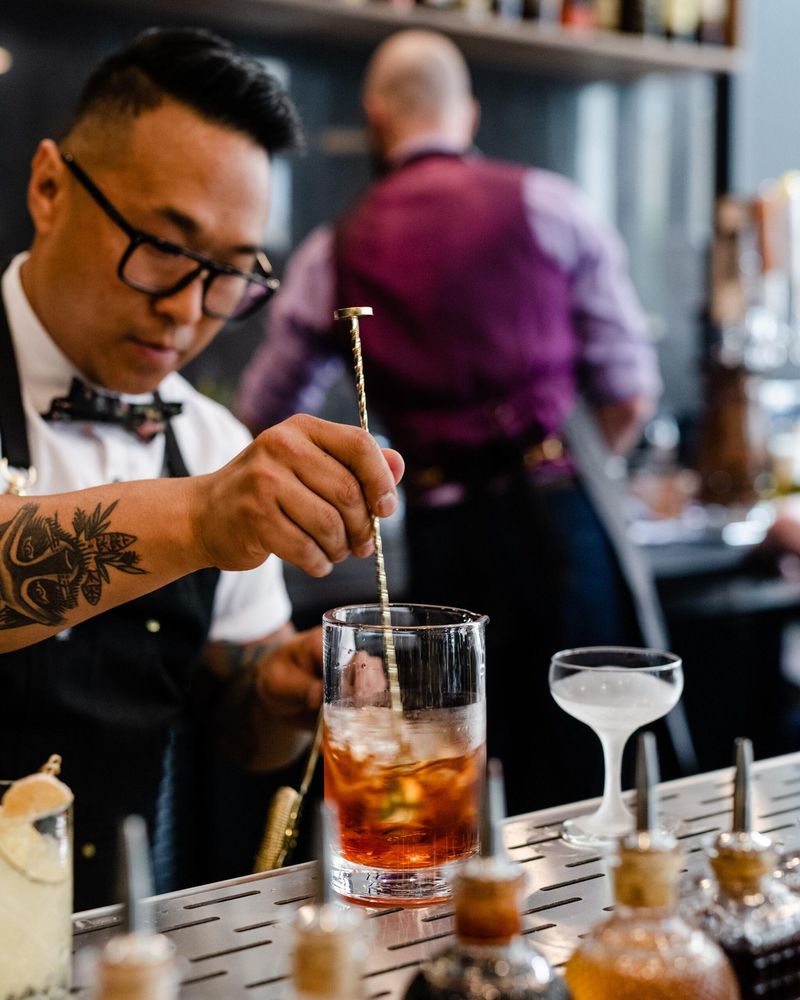
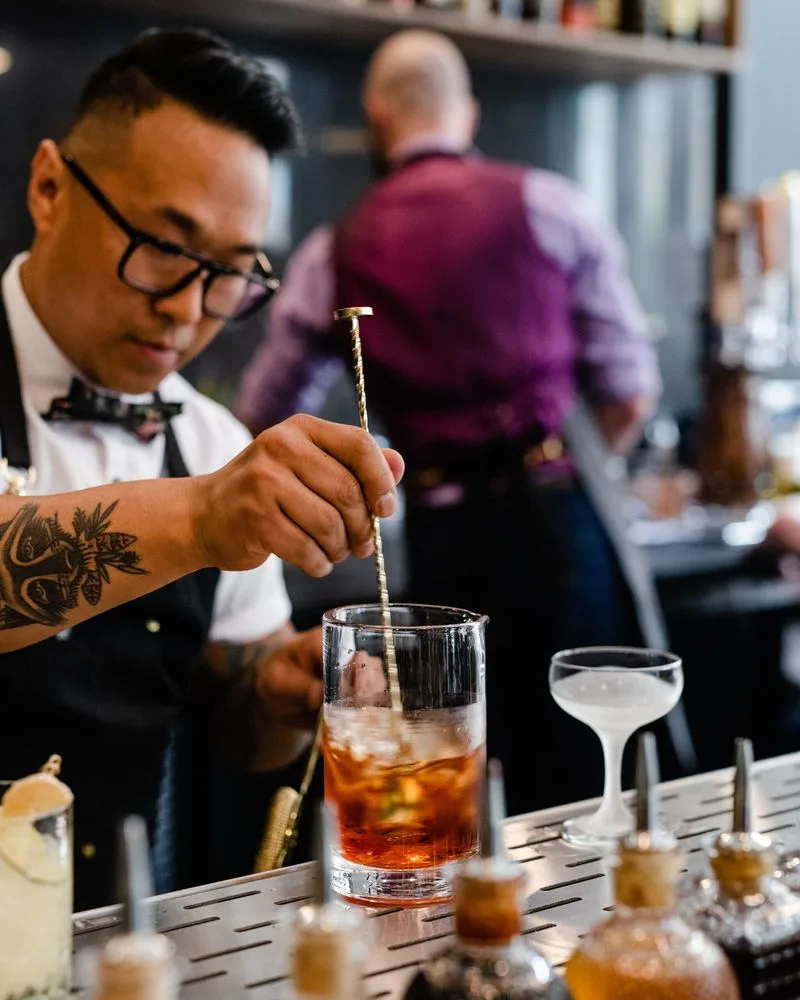
In high volume tourist venues, measured pours protect consistency and licensing. That is good for accuracy but can feel light if you are used to generous neighborhood bars. Expect strict jiggering or portion control spouts. Your drink is not weak. It is standardized. If you want more punch, ask for a double or a side shot, then adjust to taste.
Remember, heavy ice is not always a trick. Proper dilution keeps balance and temperature. Tall glasses with bubbles need space for carbonation. If your drink seems watery, ask for less ice next round and accept reduced chill. You trade one benefit for another. Bartenders respect informed choices.
Signature cocktails may run lower ABV to fit the setting. Sun, heat, and altitude make stronger drinks unsafe. It is about pacing the crowd and preventing problems. If you prefer spirit forward profiles, request stirred classics or barrel aged offerings. Those lanes provide the complexity you want.
Never pressure staff to free pour against policy. It risks their job and the license. Transparent requests work best. Say your preference, offer to pay the difference, and keep the conversation courteous. You will leave happier, and the bar stays compliant and calm.
Local spirits beat generic picks
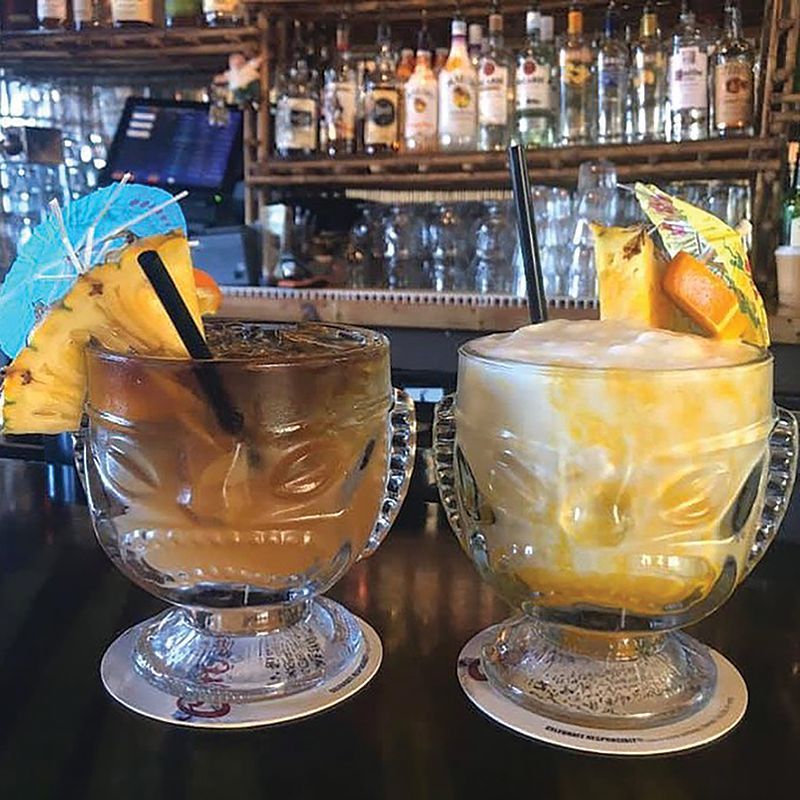
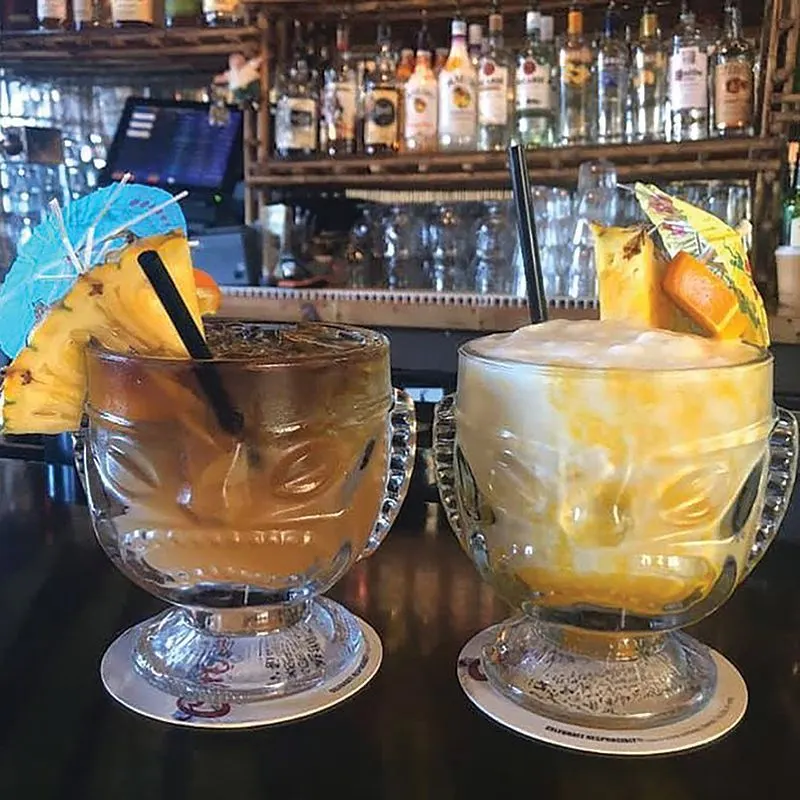
Tourist hotspots often stock excellent local spirits that travelers overlook. Choosing them supports the community and yields fresher flavor stories. Ask what the staff is excited about right now. Many bars partner with nearby distilleries for limited releases. Those bottles can elevate simple builds and give you a sense of place in each sip. You will remember the drink long after the view fades.
Local gins and rums shine in highballs and spritzes. Regional agave or cane spirits add earthy depth to classics. Even house vermouths and bitters might be locally crafted. These swaps can cost the same as generic brands yet taste far better. Let the bartender guide you toward balanced combinations that fit your palate.
Flights are your friend. A quick three pour lineup teaches more than a long lecture. Keep notes in your phone so you can find bottles later. If the bar sells merch or mini bottles legally, that is a smarter souvenir than a bulky novelty cup. It travels better and tells a real story.
Be honest about your comfort zone. If smoke or funk scares you, say so. Ask for gentle introductions rather than extremes. Exploring local spirits becomes fun, not risky, when expectations are clear and friendly.
Water and food keep you upright
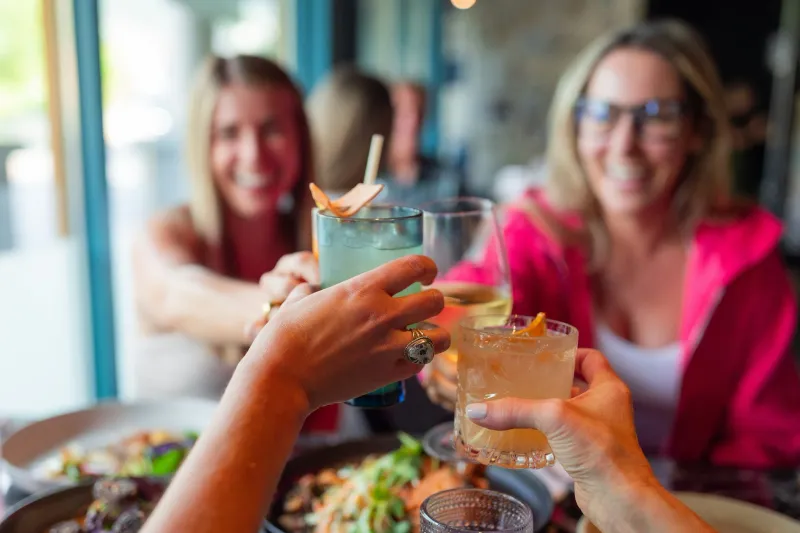
Tourist bars see more dehydration than bad bartending. Sun, walking, and salty food set you up for quick buzzes and quicker crashes. The simplest hack is alternating water with each round. Many bars will happily hand you a water cup. Ask early and keep it full. Your head will thank you tomorrow, and your tab will look kinder.
Food buffers absorption and steadies energy. If the venue serves snacks, ask what comes out fast. If it does not, eat before arriving or plan a nearby bite. High sugar cocktails without food can sneak up on you. Balanced rounds keep your night enjoyable instead of dizzy.
Electrolytes help when heat is intense. Carry packets or order a low sugar mixer with minerals. Bartenders notice who is taking care of themselves. They tend to keep an extra eye on your safety, which is good for everyone. Do not be shy about asking for water refills.
Finally, choose glass sizes wisely. Short strong drinks hit harder than tall spritzes. If you are feeling it, downshift to sessionable options. There is no prize for the strongest pour on vacation. The goal is memories, not damage control.
Scams and pickpockets target the distracted
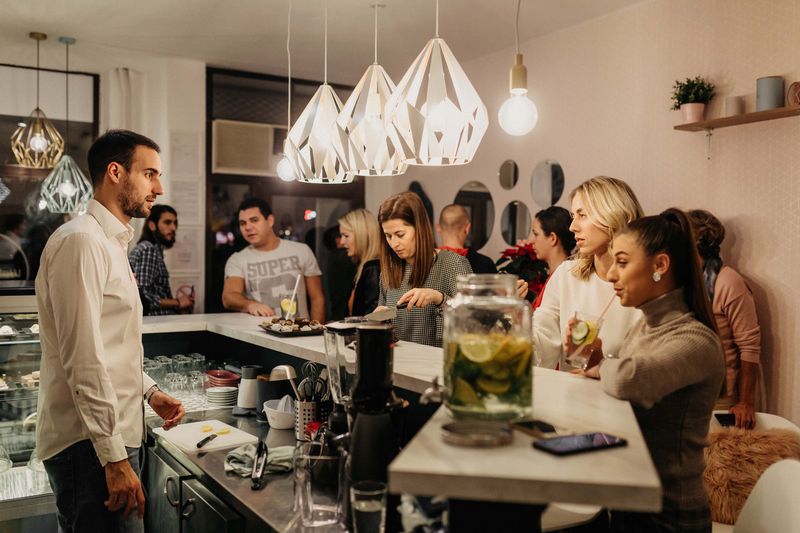
Crowded tourist bars attract opportunists. Distraction is their tool. Keep bags zipped, phones pocketed, and tabs under your name only. Do not hand your card to strangers claiming to be staff. Real bartenders handle payment at the terminal or rail. If something feels off, ask the person to walk you to the bar lead or manager. A quick check prevents headaches.
Spiked drink scares are rare but real. Watch your glass. If you step away, take it or order a fresh one. Bartenders will support you without judgment. Use coasters as subtle markers to track whose drink is whose in groups. Clear communication prevents mix ups.
Tab fraud can happen when groups merge and split. Always verify the name and last four digits before closing. Ask for an itemized receipt. Mistakes are usually honest, but vigilance helps. Keep your ID secure and ready for checks. Many hotspots card everyone after certain hours.
Trust staff instincts. They track sketchy behavior and will steer you if needed. If a stranger insists on buying shots and pushes for personal info, bow out politely. Your safety outranks any social pressure. A calm, aware guest is hard to hustle.
Speak up about allergies and preferences
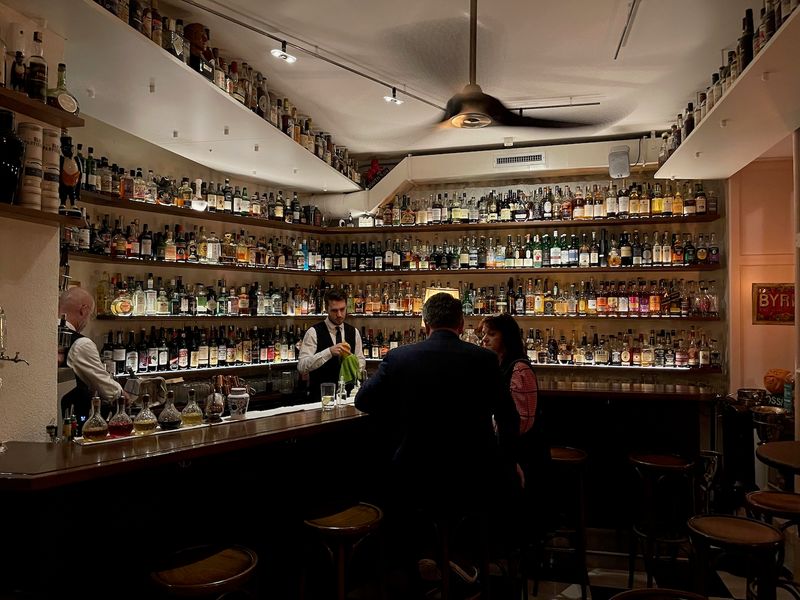
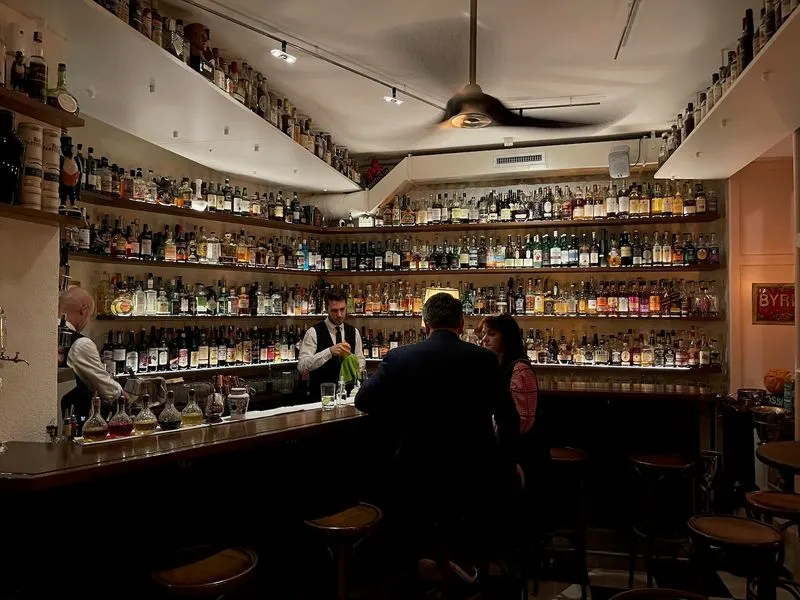
Bartenders are not mind readers, and tourist menus hide surprise ingredients. If you have allergies, disclose them immediately, before naming a drink. Be specific: nut allergy, celiac, citrus sensitivity, or dairy issues. The team can guide you away from orgeat, hazelnut liqueur, cream, or gluten exposure. Honesty beats guesswork every time.
Preferences matter too. If sweetness bothers you, ask for balanced or tart. If you prefer light booze, say sessionable. If bitterness is your thing, request amaro forward. Clear language gives the bartender a framework to tailor recommendations. This is collaboration, not inconvenience.
Cross contamination can happen in blenders, shakers, and garnish stations during rush. Ask for a clean wash if your allergy is severe. Most bars will accommodate, but it takes a minute. Your patience helps them do it safely. Do not gamble with unknown syrups or opaque tiki mixes.
Once you find a safe lane, stick with it for the night. Repeating a winning template speeds future rounds. Tip for the extra care, and thank the staff. They will remember your needs and look out for you. That mutual respect elevates the entire experience.
Closed tabs speed reorders
At tourist hotspots, keeping a tab open is convenient for lingering. However, if you are bar hopping, closing each round can be faster. It reduces card hunts, misplaced receipts, and end of night pileups. Ask the bartender which workflow they prefer. Some systems auto add service charges to open tabs during rush. Clarity prevents surprises and saves time.
For groups, designate one payer per round. Splitting six ways at the rail clogs the queue and stresses staff. Alternate buyers instead. If you must split, do it at a table or with a server when possible. Bars with tap to pay make single round closes painless. Prepare your wallet before ordering.
Receipts matter in tourist districts with dynamic pricing and surcharges. Review quickly before leaving the station. Catching an error instantly is smoother than fixing it later. Keep photos of receipts if you are traveling internationally to verify exchange rates.
When you plan to stay, keeping the tab open is fine. Just confirm last call timing and whether the system holds a preauth. That hold may exceed your spend until it clears. No one likes mystery charges on vacation. Communication keeps the night simple and friendly.
Kindness gets remembered
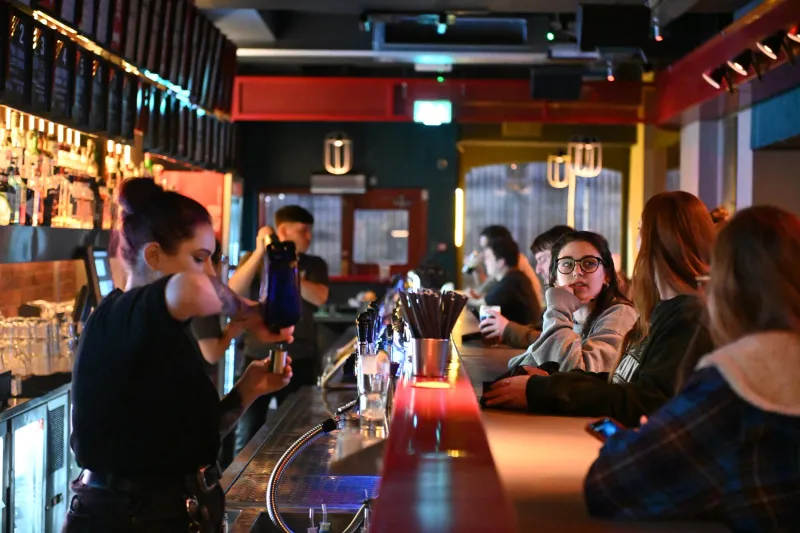
Service work at tourist hotspots is relentless. A smile, a thank you, and patience during chaos stand out more than you think. Staff remember gracious guests, even during quick exchanges. That can translate to faster nods, better recommendations, and small courtesies like water refills. Kindness does not buy special treatment. It creates a cooperative vibe that benefits everyone.
Use names when offered. A simple thanks, Alex feels genuine and human. Put your phone down while ordering. Eye contact reduces errors and keeps the flow clean. If something goes wrong, state the issue calmly and propose a fix. People respond well to solutions.
Compliment the drink specifically. Saying the grapefruit bitterness hits perfectly shows you noticed the craft. Avoid negging other bars. Keep it positive and short. Generosity with tips and words multiplies good energy in a crowded space.
When you leave, close the loop. Thank the team, clear your area, and stack glassware if appropriate. Those small gestures are gold on a slammed night. The next time you return, you will be treated like a local, not a passerby. Hospitality thrives on reciprocity.