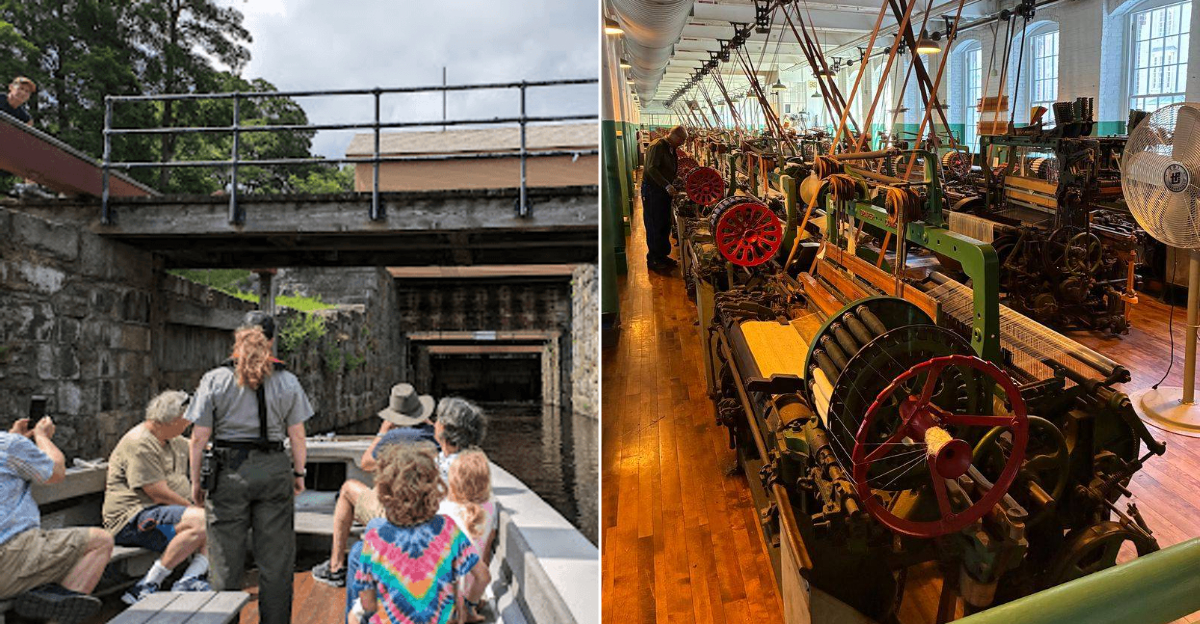
The past feels remarkably close when the streets still echo with the sounds of rushing water and old machinery. In Lowell, brick mill buildings rise beside canals, offering a glimpse into the bustling city that helped drive America’s Industrial Revolution.
At the Lowell National Historical Park Visitor Center, 246 Market St, Lowell, MA, the story comes into focus through exhibits that bring workers, immigrants, families, and factory life into view. Instead of feeling like a distant chapter in a textbook, the city’s industrial history becomes something you can see and imagine—water turning wheels, workers filling crowded mills, and trolley tracks connecting neighborhoods.
From here, the story naturally spills outdoors, where historic canals, mill buildings, and preserved streets reveal how Lowell grew into one of America’s most important manufacturing centers.:::
Begin With the Big Picture at the Visitor Center
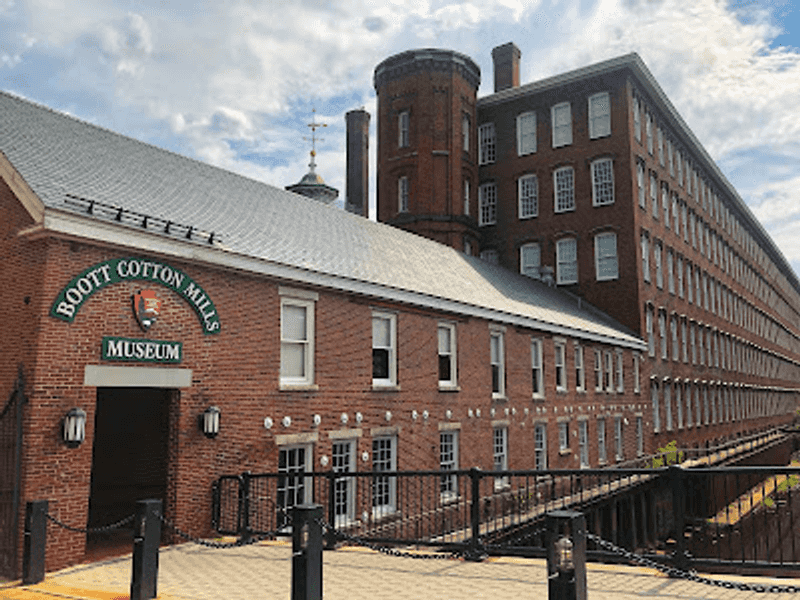
A good trip often starts with one small moment of clarity, and here it might be a ranger pointing to a map covered in canals, mills, and walking paths. The Lowell National Historical Park Visitor Center at 246 Market St gives the city’s story shape before you step outside.
It helps visitors understand why these brick buildings mattered so much.
Inside, exhibits explain Lowell’s rise as a planned mill city and show how waterpower, textiles, and labor changed American life. The displays are easy to follow, so families, students, and first-time visitors can quickly connect the dots.
Ask about current tours, trolley schedules, and seasonal canal boat rides before heading out.
Clean restrooms, brochures, and friendly staff make this a useful base, not just a quick stop. If you only have a couple of hours, start here and choose one nearby site.
If you have a full day, let the rangers help you build a route.
Red Brick Giants Tell the Story
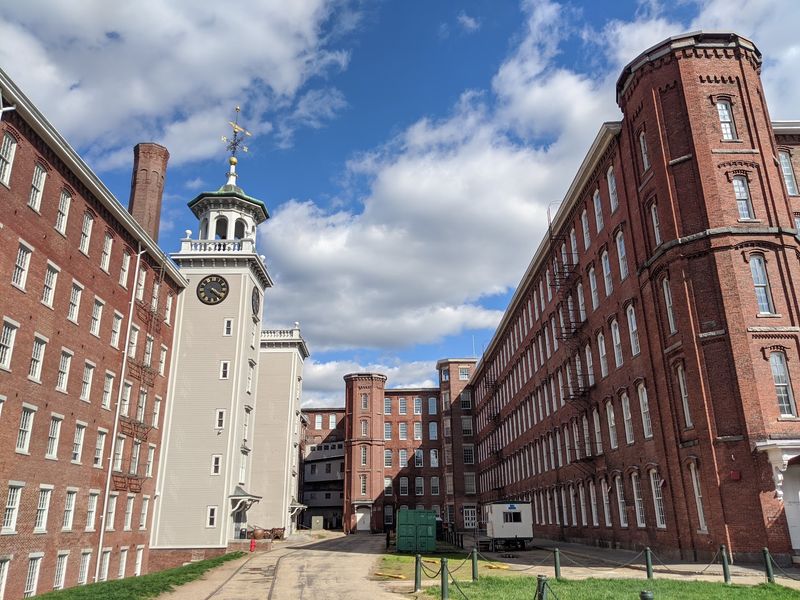
Red brick walls make Lowell feel like a city-sized museum, where the buildings themselves tell the story before you even step inside. At Lowell National Historical Park, the massive former textile mills show how water-powered industry transformed this Massachusetts city into a major center of the American Industrial Revolution.
The scale is striking, with long rows of windows, sturdy masonry, and towering structures built for thousands of workers and the machinery they operated.
The Boott Cotton Mills complex is especially impressive, with its historic mill buildings and distinctive clock tower surrounding an industrial courtyard. Nearby canals helped power the mills, connecting the architecture to the technology that made Lowell such an important manufacturing center.
Take time to look closely at the brickwork, windows, towers, and old industrial details. The buildings make Lowell’s history feel tangible, giving visitors a powerful sense of the people, machines, and ambition that once filled these walls.
Follow the Story of the Mill Girls
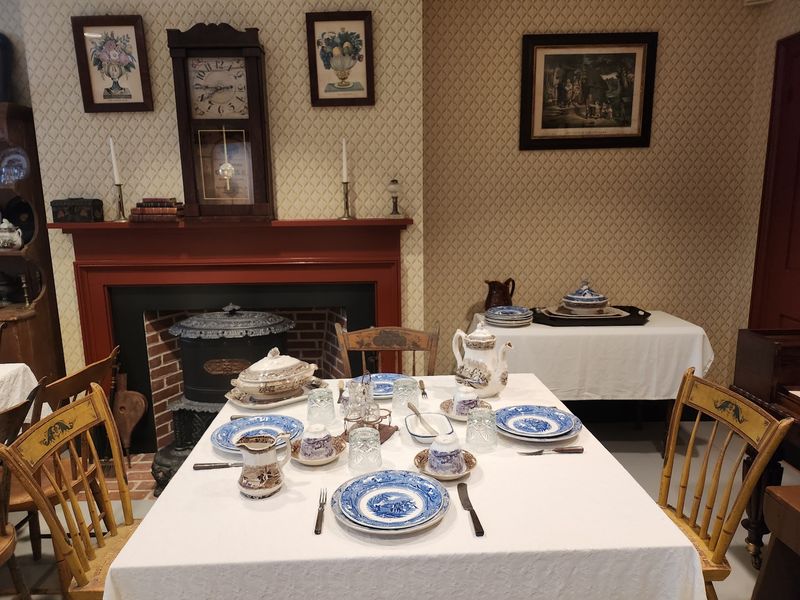
Some history feels far away until you imagine a young woman packing a trunk and leaving home for factory work. Lowell’s mill girls were part of a new kind of American life, and the visitor center helps introduce their world.
Their story adds heart to the city’s tall brick mills.
Exhibits and ranger guidance point visitors toward places connected with boarding houses, workrooms, and daily routines. The women earned wages, followed strict rules, wrote letters, and dealt with noise, dust, and long hours.
Their choices were brave, practical, and complicated.
Families can use this story to talk about work, freedom, and fairness in a simple but meaningful way. Adults may find it just as moving, especially when later walking past the buildings where that life unfolded.
Lowell National Historical Park makes clear that the Industrial Revolution was not only about machines. It was also about people trying to build futures.
Ride the Historic Trolley Through Lowell
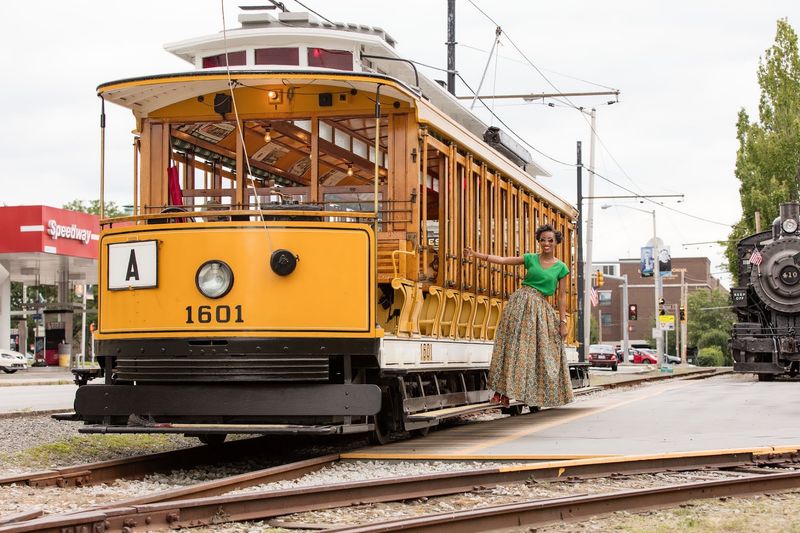
A bell rings, wheels turn, and the city begins to feel like a moving museum. The trolley is one of the most enjoyable ways to see Lowell’s historic streets without rushing from site to site.
It adds a bit of old-fashioned fun to a serious story.
When available, trolley rides can connect visitors with parts of Lowell National Historical Park and offer a safer, easier way to move around the neighborhood. The route gives a relaxed look at mills, canals, and downtown streets from a seat instead of a sidewalk.
Kids often enjoy the ride simply because it feels different from a car or bus.
Check schedules at the Visitor Center at 246 Market St before planning your day, since service can change by season or event. Bring a camera, but also look up from it.
The best part is noticing how modern Lowell and old industrial Lowell sit side by side.
Listen for the Power of Working Looms
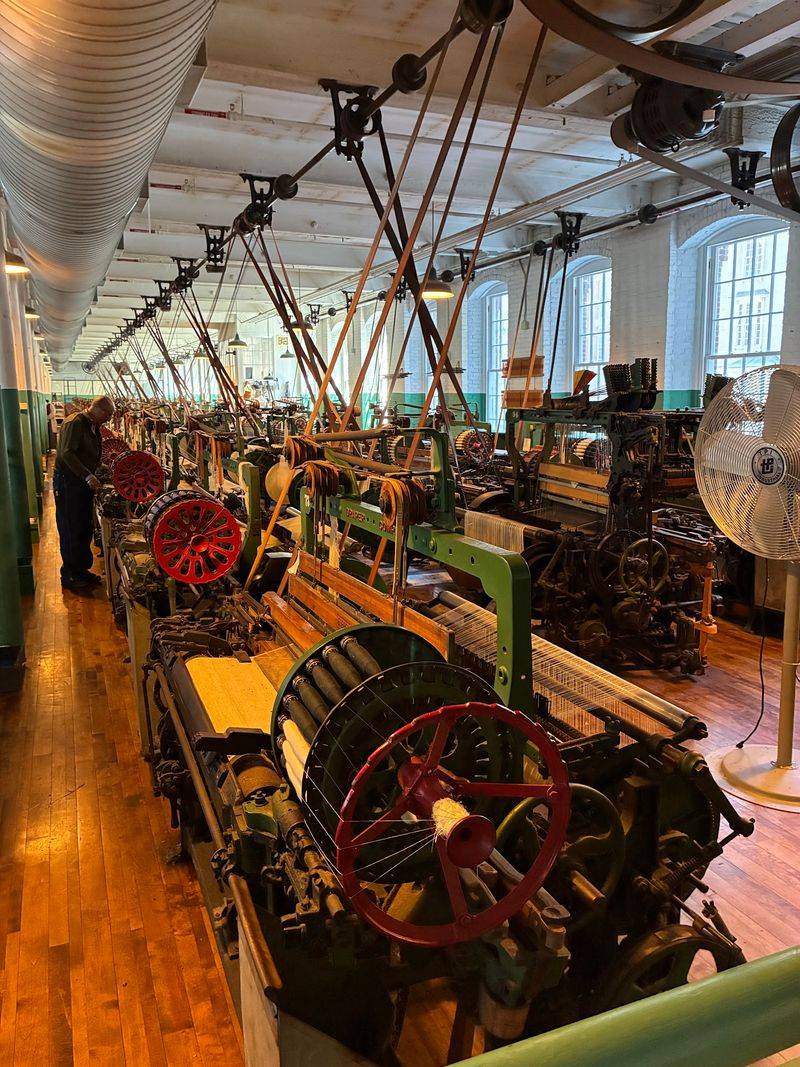
The first sound can surprise you, loud, steady, and almost alive. Working looms help visitors feel the force of mill labor in a way signs alone cannot.
Even a short demonstration makes the past seem close enough to touch.
The Visitor Center is a helpful starting point for learning where to see textile machinery in action, including nearby park sites connected with the Boott Cotton Mills experience. Watching threads become cloth shows how skill, speed, and water-powered systems shaped Lowell’s economy.
It also makes the workers’ long days easier to imagine.
Bring ear awareness for sensitive children, because the noise can be intense. Still, that sound is part of the lesson.
A quiet museum case may explain history, but a running loom makes visitors feel it in their chest. That is why many people remember this stop long after leaving Massachusetts.
Trace the Canals That Powered a City
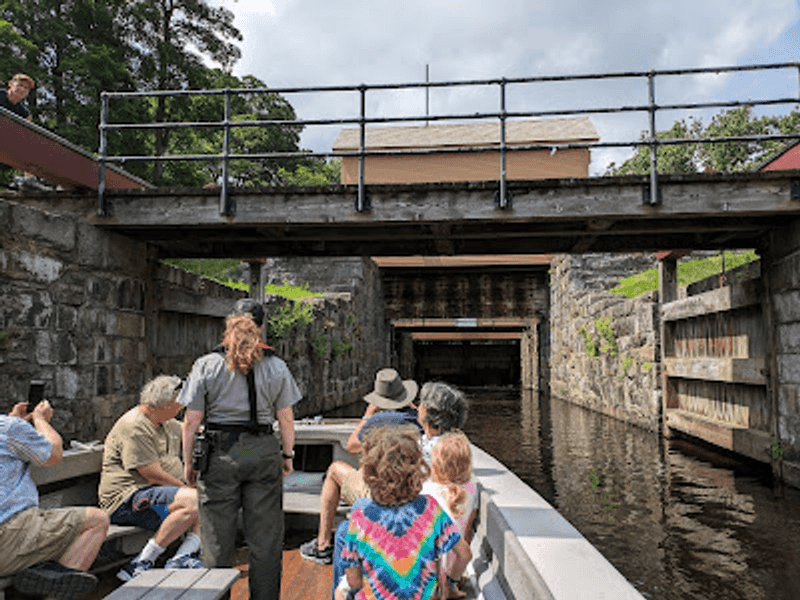
Water slips through Lowell like a hidden engine, quiet now but once full of purpose. The canals are not just pretty city features.
They were the power system that helped turn Lowell into one of America’s great textile centers.
From the Visitor Center, staff can explain how canal routes fit into the larger park and which walks or tours are best that day. Seasonal boat tours, when operating, offer a close view of locks, waterways, and old mill walls.
On foot, the canals still give visitors strong views of brick buildings reflected in the water.
Wear comfortable shoes, because uneven brick and older sidewalks are part of the urban setting. The reward is a deeper sense of how carefully the city was planned.
Lowell’s mills did not appear by accident. They rose beside water that had been measured, moved, and controlled to power a new age.
Meet Rangers Who Make the Past Feel Human
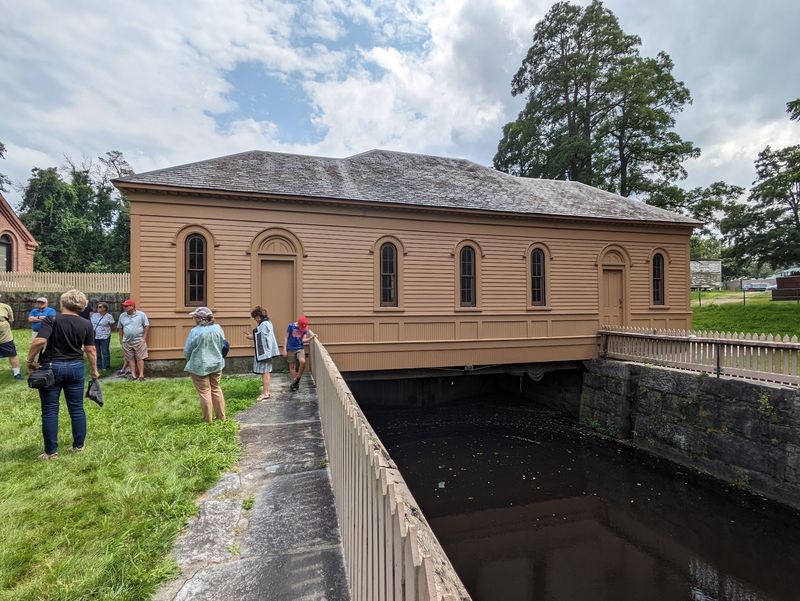
A good ranger can turn a simple question into the best part of the day. At Lowell National Historical Park Visitor Center, many visitors mention how helpful and knowledgeable the staff are.
Their guidance can make a large urban park feel easy to explore.
Ask about short visits, half-day plans, family activities, accessibility, and which exhibits are best for your group. Rangers can also explain the harder parts of Lowell’s history, including dangerous working conditions, child labor, immigration, and the constant pressure to produce cloth faster.
That honest storytelling gives the park real depth.
If you are traveling with kids, ask about Junior Ranger options or hands-on activities. If you love history, ask which tour goes beyond the basics.
The Visitor Center is more than an information desk because the people there help connect streets, buildings, and stories. Their advice can turn a confusing map into a memorable route.
Bring Kids to the Hands-On Corners
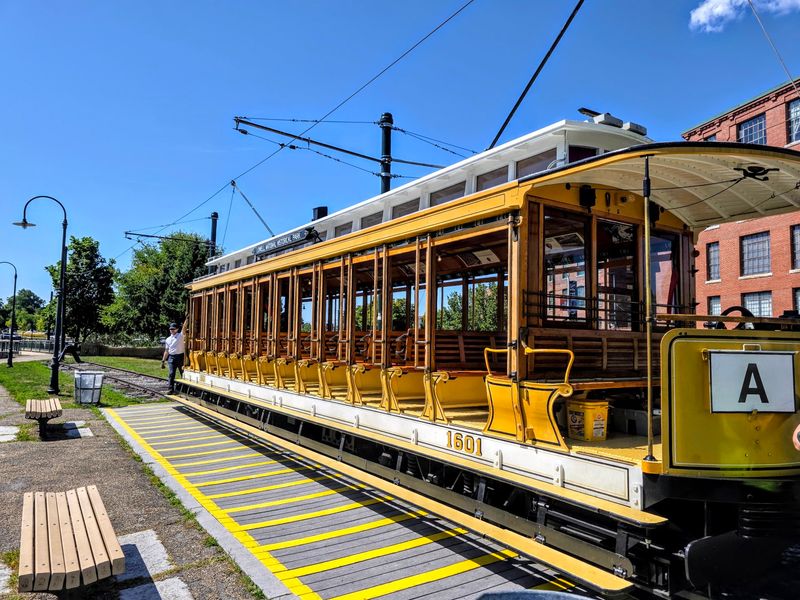
Little travelers often need something they can touch before history begins to click. The Visitor Center offers kid-friendly features that make Lowell’s big industrial story feel less overwhelming.
A small hands-on area can help younger visitors settle in before tours or walking routes.
Reviews mention puppets, books, and an interactive trolley display, the kind of simple details that can turn waiting time into learning time. Children can connect with transportation, workers, and city life in a playful way.
Parents will also appreciate clean restrooms and ramps for strollers or wheelchairs.
Keep the visit flexible if you are with young kids. Watch the film, explore a few exhibits, then step outside for fresh air along nearby streets or canals.
The park works well because families can choose their pace. Instead of forcing children through a long museum day, Lowell lets them meet history in small, interesting pieces.
Notice Immigration Stories Woven Into the Mills
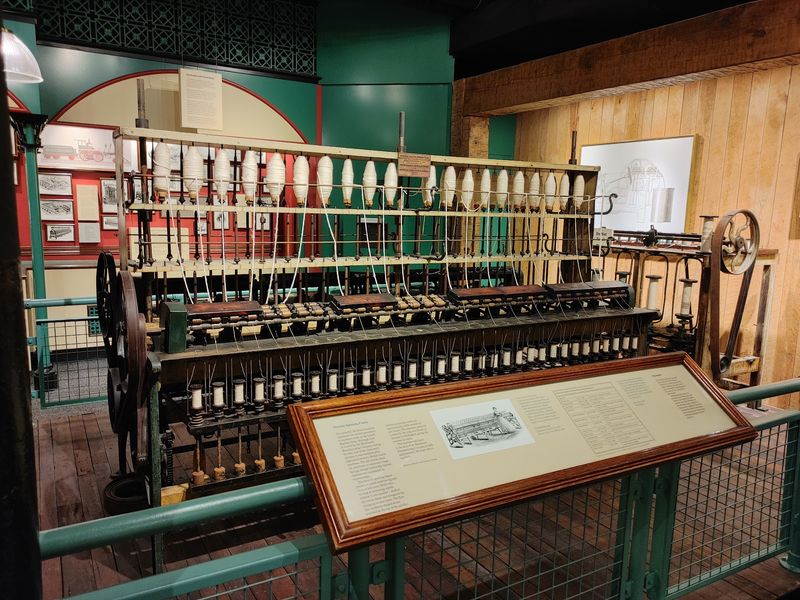
Behind every mill window, there were many voices, accents, and family hopes. Lowell’s history did not stop with early New England farm girls.
Over time, immigrant communities helped shape the city’s factories, neighborhoods, food traditions, and culture.
The Visitor Center introduces this wider human story through exhibits on labor, public transportation, textile work, and changing city life. Visitors can learn how people came to Lowell for wages, stability, and opportunity, even when factory work was hard and sometimes unsafe.
That mix of struggle and ambition makes the park feel deeply American.
As you continue through downtown, look for the way old industrial buildings now sit near restaurants, shops, arts spaces, and busy streets. The city did not freeze in the past.
It kept changing, just like the people who arrived here. That living quality is one reason Lowell National Historical Park feels different from a traditional museum.
Step Outside Into a Walkable Mill City
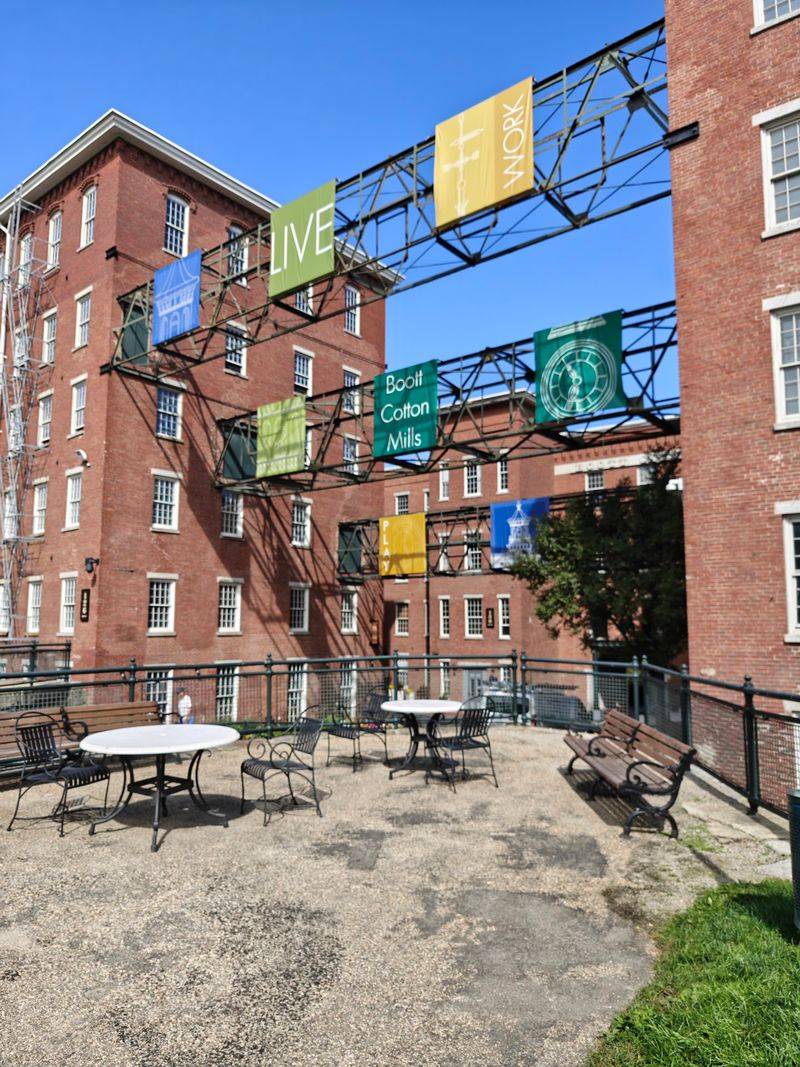
One minute you are reading a museum panel, and the next you are standing inside the same kind of city the panel described. That is the special pleasure of visiting this national park.
Lowell National Historical Park is built into an active urban neighborhood, not set apart behind gates.
From the Visitor Center on Market Street, you can walk toward mill buildings, canals, shops, and restaurants within a compact area. Some streets have old brick surfaces and uneven spots, so sturdy shoes are a smart choice.
Visitors using wheelchairs or strollers should ask staff about smoother routes before heading out.
Give yourself time to wander, pause, and look up at the architecture. The brick walls, tall windows, and narrow waterways tell part of the story without saying a word.
For lunch or a snack, nearby downtown options make it easy to turn a history visit into a relaxed day out in Lowell.