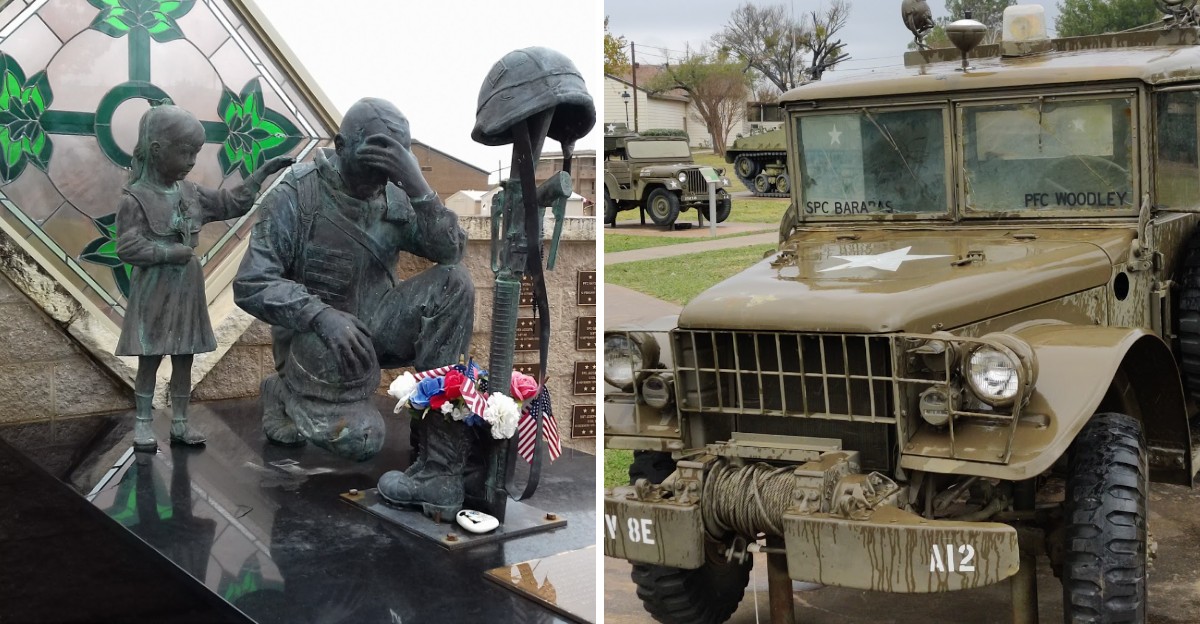
Once a year, an Army post opens its live-fire training ranges so families can visit graves. Not tank crews.
Grandkids, cousins, and great-grandkids carrying flowers to cemeteries surrounded by military land.
Those graves belong to farming families who lost their homes in 1942. About 300 families were told to leave, often with very little notice.
Many had worked the same Central Texas ground for generations.
I can’t imagine packing up a whole family history in a few weeks. I believe most of us would struggle to even pack a garage that fast.
Yet these families did it, and many stayed close by.
Twenty of their cemeteries still sit inside the training area today.
Wells and old foundations remain too, if you know where to look.
So who were these people, and why does their story still matter?
A Tank Training Center Changed Everything Almost Overnight
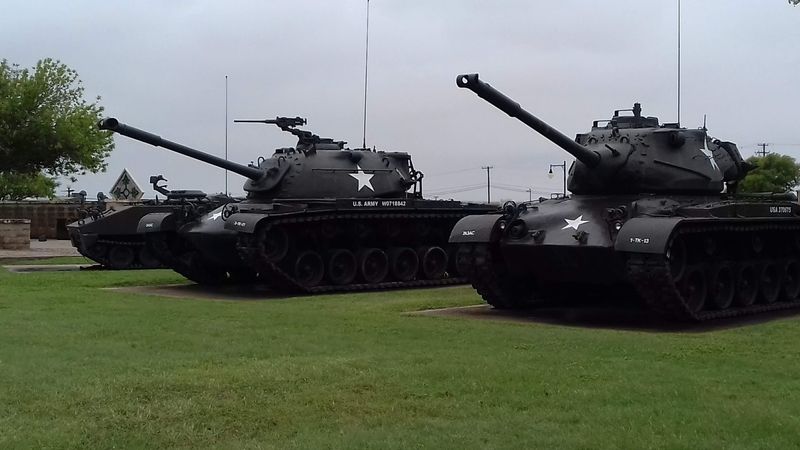
January 1942 brought news that shook quiet farm country near Killeen. The War Department announced a tank destroyer tactical and firing center would be built there.
The Army needed huge open spaces to train crews and test new tank destroyers. Texas had plenty of room, and that sealed the deal for these rolling hills.
The post began as Camp Hood and officially opened on September 18, 1942. That timeline is wild when you think about it.
Families went from planting crops to moving out in mere months.
Today, that place is known as Fort Hood, Texas, one of the largest military installations anywhere. It sits roughly halfway between Austin and Waco.
It also ranks as the largest single employer in the state.
Those big numbers are easy to admire. Still, it helps to remember what stood there first.
Homes, churches, schools, and family farms filled that land before any tank rolled through.
When you drive past the post today, try picturing it as patchwork fields and small country crossroads. That mental picture changes how the whole region feels.
Every training range has a backstory, and much of it starts with ordinary farm families.
You Might Be Surprised By How Many Communities Vanished
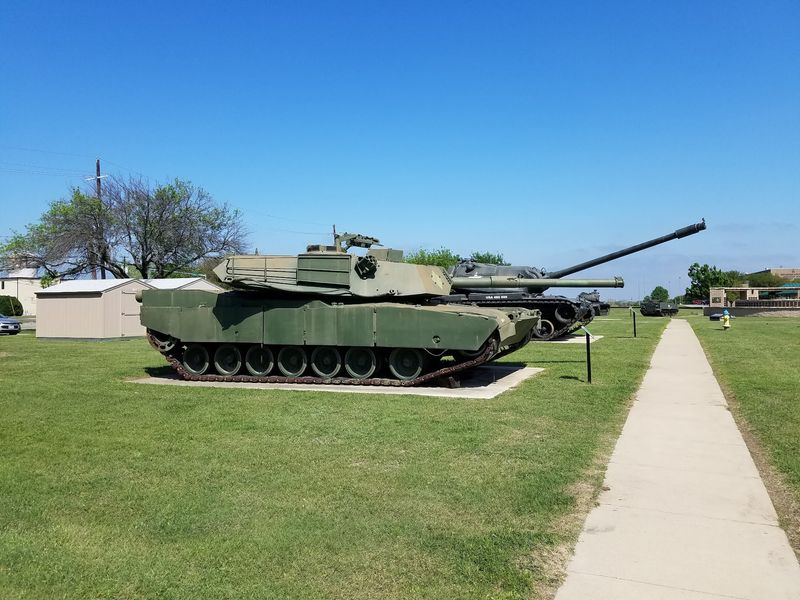
Twenty-five rural communities were displaced when the Army acquired land for the post. Counting smaller settlements, 41 communities in southwestern Bell and southeastern Coryell counties were taken.
That’s not one town lost. It’s a whole web of neighbors, cousins, and Sunday visits wiped from the map.
About twenty small communities sat in Coryell County alone. Most were tiny places built around a church, a school, a store, or a cotton gin.
You probably won’t find them on a modern road map.
The Army first bought roughly 108,000 acres. More land followed in 1943, pushing the total past 200,000 acres.
That growth meant even more families had to pack up.
Here’s a fun way to grasp the size. Fort Hood, Texas covers more ground than many entire cities combined.
All that space once held fences, barns, and gardens tended by real people.
If you have roots in Bell or Coryell County, ask older relatives about these places. Family stories often hold names that never made the history books.
Write them down while you still can.
Packing Up A Lifetime On Short Notice Was No Small Task
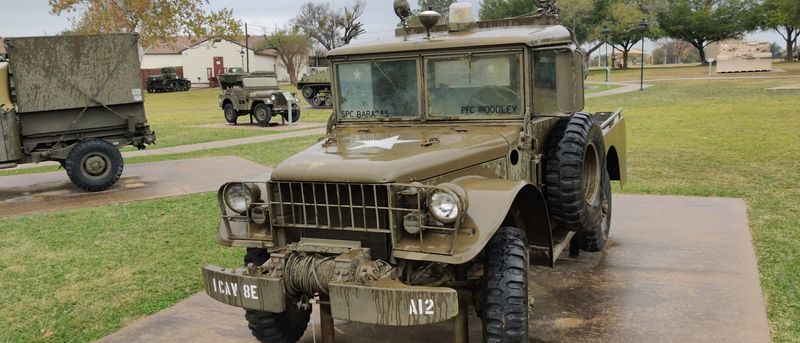
Roughly 300 farming and ranching families got word they had to leave. Many had very little notice, sometimes only days or weeks.
Think about everything on a working farm. Livestock, tools, seed, furniture, and decades of family keepsakes all had to go somewhere fast.
Many of these families had lived on the same land for generations. Grandparents had cleared the fields.
Kids had grown up knowing every creek bend and shade tree.
Plenty of residents thought the move might be temporary. Some expected to return after the fighting overseas ended.
That return never came, since the post became permanent in 1950.
The quick changes caused confusion and money troubles for many households. Selling land in a rush rarely works out well.
Finding a similar farm nearby at a fair price was tough.
Their experience offers a real lesson for anyone today. Keep important papers, photos, and family records organized and easy to grab.
Nobody plans to move in a hurry, yet life sometimes has other ideas. These Central Texas families knew that better than anyone.
Fair Pay Was The Fight, Not The Move Itself
Patriotism ran deep in these farm communities. The families did not resist the government’s need for land during a national emergency.
Their real concern was simple and fair. They wanted enough money to buy comparable homes and farms elsewhere.
That detail matters a lot. It shows people willing to sacrifice, yet still hoping to land on their feet.
Nobody wanted to trade a productive farm for a much smaller one.
Rapid land deals made that hard. Prices nearby could climb when hundreds of families went shopping at once.
Basic supply and demand worked against them.
I like how this part of the story feels so human. These folks were not villains or protesters.
They were neighbors trying to protect their kids’ future while also serving their country.
Students studying Texas history can learn a lot here. Big projects bring real benefits, but they also carry personal costs.
Asking who gets affected, and how, is a smart habit for any curious mind. Fort Hood, Texas makes a perfect example for that kind of thinking.
Twenty Cemeteries Still Rest Inside The Training Area
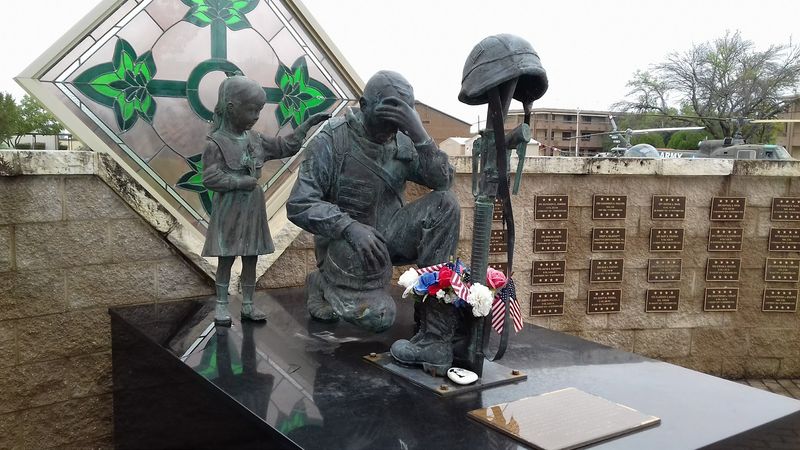
Picture tanks rumbling across the land, and then a fenced cemetery right in the middle. That’s real life at Fort Hood, Texas.
Twenty legacy cemeteries still exist inside the current training area. They hold the graves of people from the displaced communities.
The post maintains these burial grounds. Two of them, Pleasant Grove Cemetery and Ruth Cemetery, carry a Historic Texas Cemetery designation.
That honor recognizes their importance to state history.
Keeping cemeteries safe on an active Army post takes care and planning. Training land is busy and sometimes dangerous.
Still, these sacred spots remain protected.
I believe that says something meaningful. The families lost their homes, but their loved ones were not forgotten.
The cemeteries act like anchors connecting past and present.
For anyone interested in Texas history, the Historic Texas Cemetery program is worth learning about. It helps protect burial grounds across the state.
Looking up designated cemeteries near you can turn a weekend drive into a mini history lesson. Bring a notebook for names and dates.
Mark Your Calendar For The Sunday Before Memorial Day
Once a year, the gates open in a very special way. On the Sunday before Memorial Day, Fort Hood allows descendants to visit the legacy cemeteries.
Even areas normally used for live-fire training become reachable that day. That’s a big deal on a working Army post.
Families travel to honor relatives buried on their old homeland. Some bring flowers.
Others share stories with younger generations who never knew the farms.
Timing is everything here. Missing that Sunday usually means waiting another full year.
Anyone with family ties should plan well ahead.
A smart tip for first-timers is to gather family records before the visit. Knowing names, birth years, and cemetery locations helps a lot.
Old photos can spark great conversations too.
Kids might find this tradition surprisingly moving. Standing where great-great-grandparents once lived makes history feel personal.
It’s hard to forget a day like that.
This yearly opening shows respect between the post and the families. It keeps a promise to remember, one Sunday at a time.
Old Wells And Foundations Still Whisper From The Ground
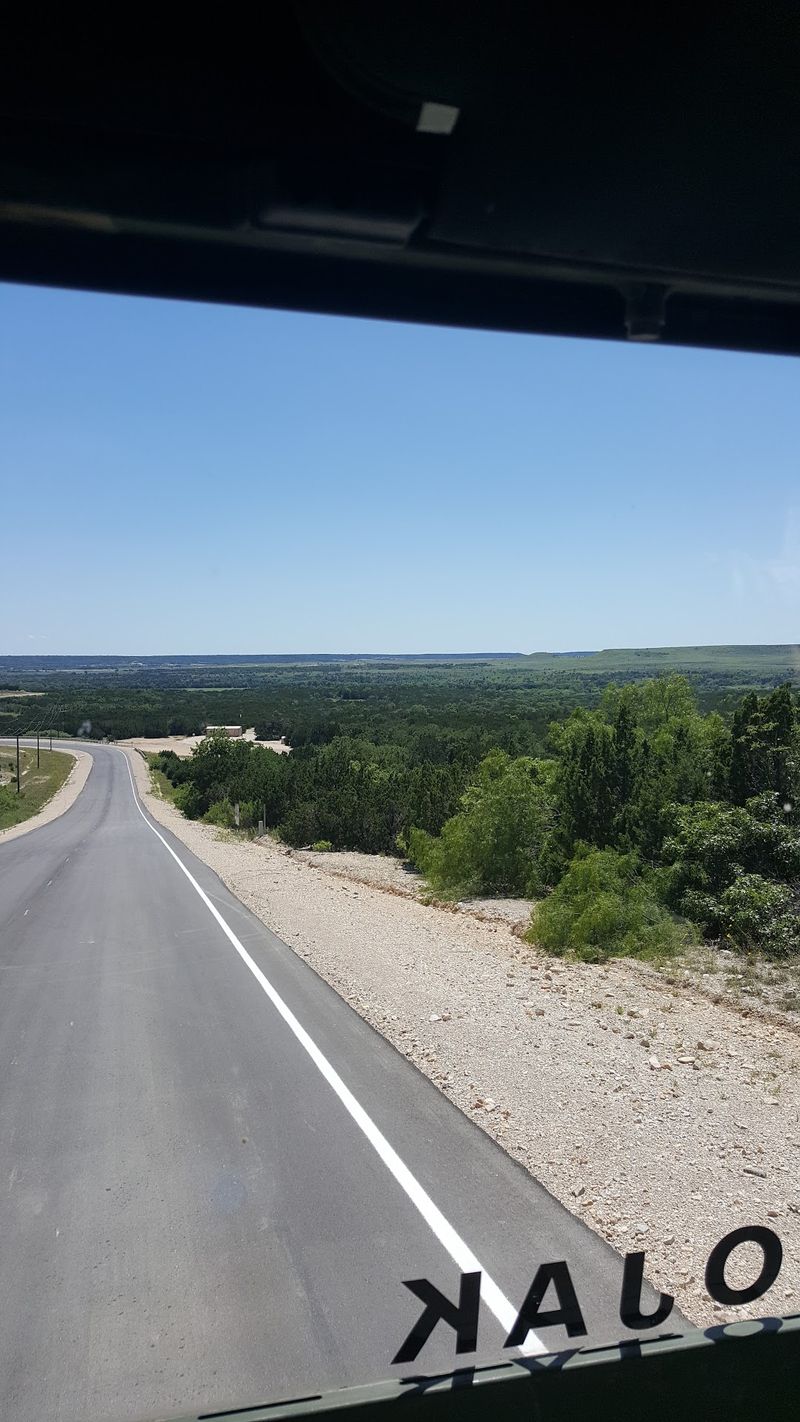
Tall grass hides a lot of secrets on the post. Old homestead wells and foundations can still be found by people who know where they are.
These remnants are quiet clues to daily life before 1942. A stone foundation marks where a family once ate supper.
A well shows where someone hauled water every morning.
Finding them takes local knowledge. Most aren’t marked with big signs.
They blend into the landscape after more than eighty years.
Honestly, that makes them even more fascinating. They’re like puzzle pieces scattered across a giant map.
Each one hints at a home with its own story.
Keep in mind that Fort Hood, Texas is an active military installation. Access is controlled, and training areas are not open for casual exploring.
Respecting those rules keeps everyone safe.
Still, you can explore this history from home. County historical groups, old maps, and family photos often show where farms once stood.
Matching an old photo to a modern map can feel like solving a mystery.
Bonds Grew Stronger, And So Did The Name Story
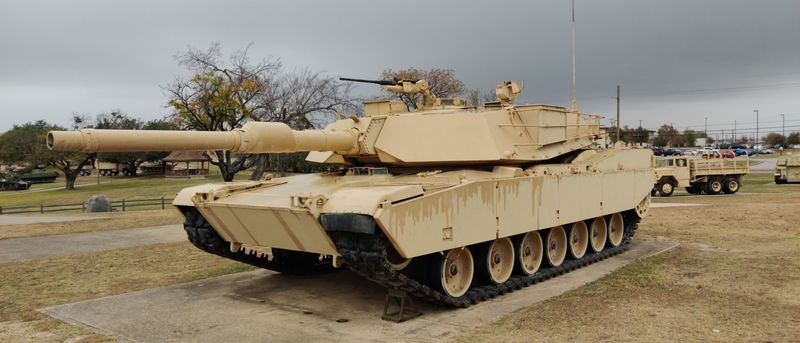
Hardship has a funny habit of pulling people closer. Many displaced families settled in nearby towns and stayed connected.
Shared struggles built tight bonds among former neighbors. Descendants still keep in touch through reunions, conversation, and traditions passed down over generations.
The post’s name has its own twisty history too. Camp Hood first honored Confederate General John Bell Hood and became Fort Hood in 1950.
In May 2023, it was renamed Fort Cavazos for Gen. Richard E.
Cavazos.
Gen. Cavazos was the first Hispanic four-star general in the U.S.
Army. Then, in June 2025, the name changed back to Fort Hood.
This time it honors Colonel Robert B. Hood, a World War I Distinguished Service Cross recipient.
A redesignation ceremony followed on July 28, 2025. So the name returned, but with a new meaning behind it.
Names can change, yet some things hold steady across Texas. The land remembers the farm families, and their descendants keep showing up.
That loyalty might be the most powerful part of this whole story.