If you love the kind of beach walk that turns into a treasure hunt, Florida gives you plenty of reasons to keep your eyes on the tide line. From Gulf Coast shell piles to quieter Atlantic spots with sea glass and reef pockets, every stretch of sand tells a slightly different story.
I pulled together 12 standout shelling beaches where timing, tides, and geography make each visit feel rewarding. Start with these places, and your next coastal stroll might end with the best finds of the trip.
Bowman’s Beach
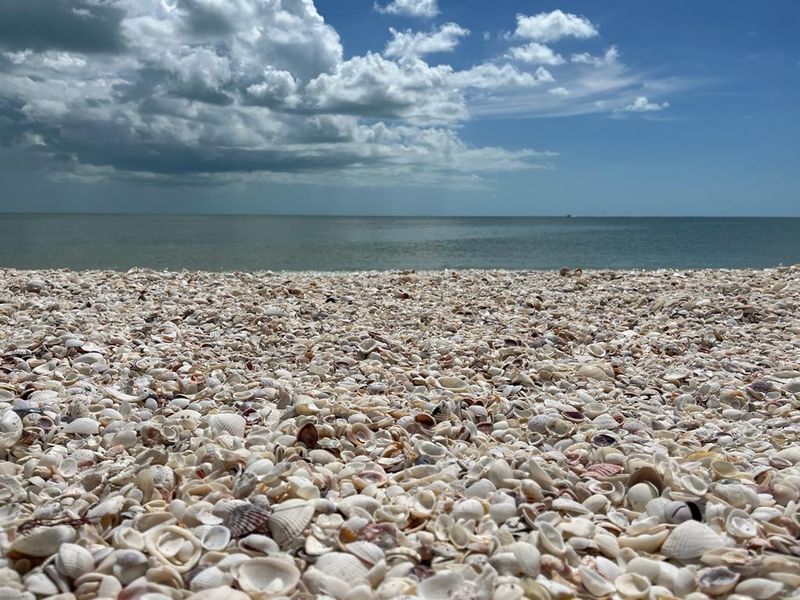
Bowman’s Beach feels like Sanibel’s quieter overachiever. It has the same shell-friendly geography that makes the island famous, but the atmosphere is often more relaxed, which means you can settle into a slower, more focused beach walk.
If crowded beaches drain the fun out of shelling, this stretch is a smart pick.
The walk from the parking area helps thin the crowds, and that little bit of extra effort often pays off. After shifting tides or windy weather, shell piles can build up in impressive bands along the shoreline.
I would keep an eye out for tulips, lightning whelks, moon snails, and colorful fragments that still photograph beautifully.
Bowman’s is also a lovely place to linger even when shelling slows down. The beach is broad, scenic, and wild enough to feel separate from busier vacation zones nearby.
Go early, move slowly, and check the edges of shell lines carefully. Interesting finds hide in plain sight here.
Blind Pass Beach
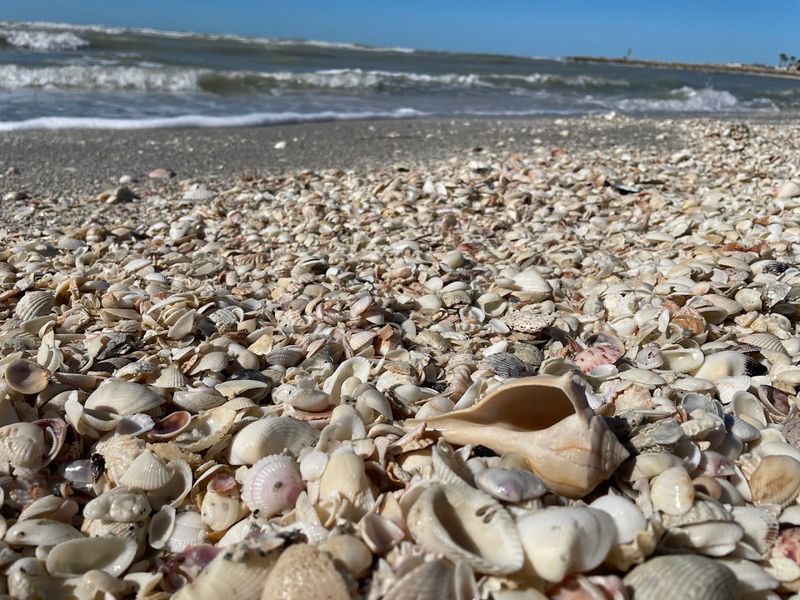
Blind Pass Beach is one of those places where currents do a lot of the work for you. Sitting between Sanibel and Captiva, this area funnels water and shell debris in ways that can create impressive concentrations after changing tides.
If you enjoy beaches with a little unpredictability, this one stays interesting.
The pass is known for movement, and that movement helps deliver bigger, more intact shells to the sand. I would check conditions before going because stronger water can make some areas better for looking than wading.
On productive days, you might spot whelks, tulips, augers, and other polished finds mixed into heavy shell bands.
It is not just a shelling stop, either. The scenery around the pass adds a rugged, dynamic feel that is different from softer, open Gulf beaches.
Bring sturdy footwear and watch where waves are dropping fresh material. When Blind Pass is on, every scan of the shoreline feels promising.
Turner Beach
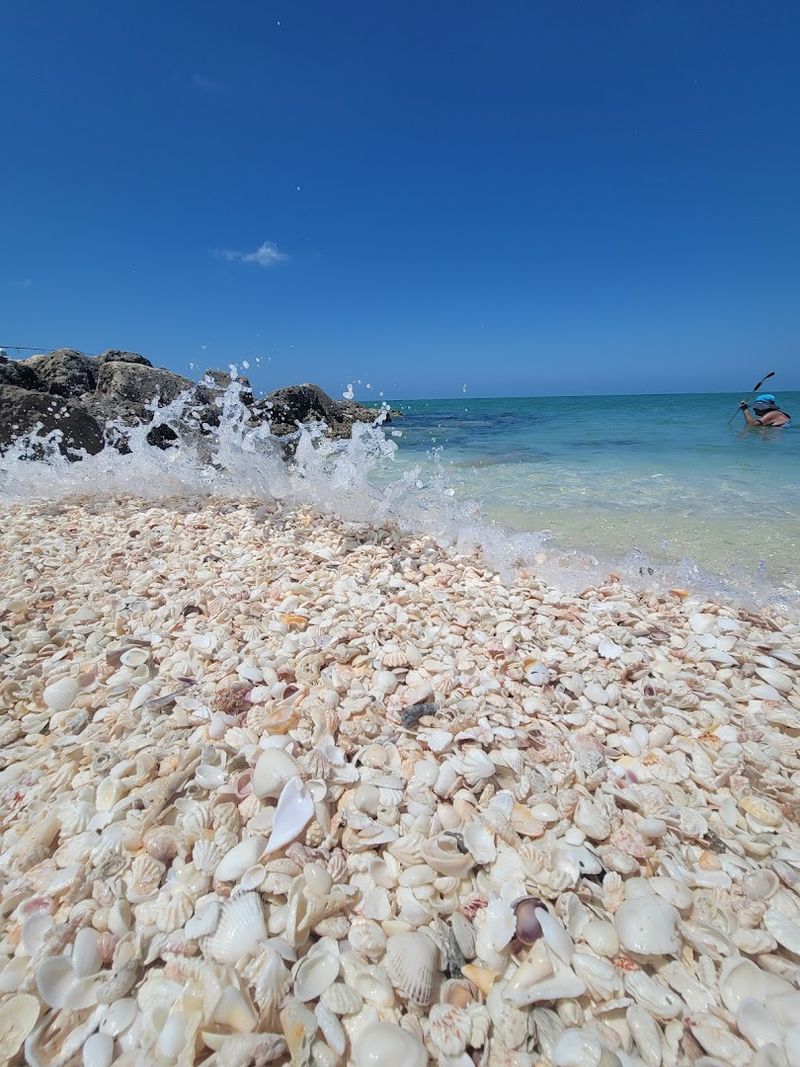
Turner Beach is a favorite for shellers who do not mind a more energetic stretch of coast. Located near Blind Pass on the Captiva side, it benefits from strong currents that can drop larger, cleaner shells close to shore.
If you are hoping for something more memorable than tiny fragments, this beach deserves a look.
The same conditions that make Turner productive also require a little caution. I would focus on shelling from the sand rather than treating it like a casual swimming beach, especially when water movement is strong.
Look for heavy shell piles after weather shifts, and scan carefully for tulips, conchs, whelks, and intact scallops.
Turner feels a bit more dramatic than some neighboring spots. The bridge, the pass, and the active surf all add to the sense that the shoreline is constantly being rearranged.
That is exactly what makes it exciting. Every tide has the potential to leave behind a completely different collection.
Tigertail Beach
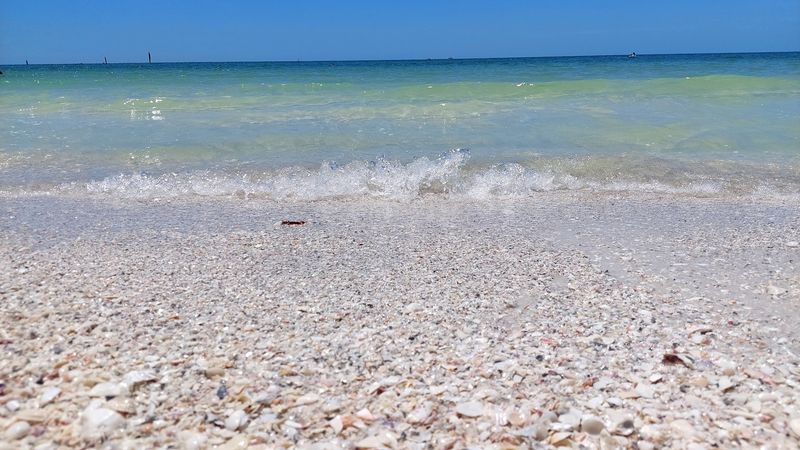
Tigertail Beach stands out because it combines a lagoon setting with access to a quieter outer shoreline where shelling can be excellent. The approach feels a little adventurous, and that sense of discovery matches what you may find once you reach productive shell lines.
If you enjoy beachcombing with a side of exploration, this one delivers.
Marco Island is already known for good shelling, but Tigertail often feels especially varied. I would watch for sand dollars, cockles, olives, coquinas, and other small treasures washed into shallow areas and along the Gulf-facing beach.
Conditions shift often, so a visit after wind or changing tides can be especially worthwhile.
The birdlife and open coastal scenery add another layer to the experience. Even if your bag is not full, the walk itself feels rewarding and scenic in a very Florida way.
Pack light, wear water-friendly shoes, and expect changing terrain. The best shelling usually comes to people willing to wander a little farther.
Barefoot Beach Preserve
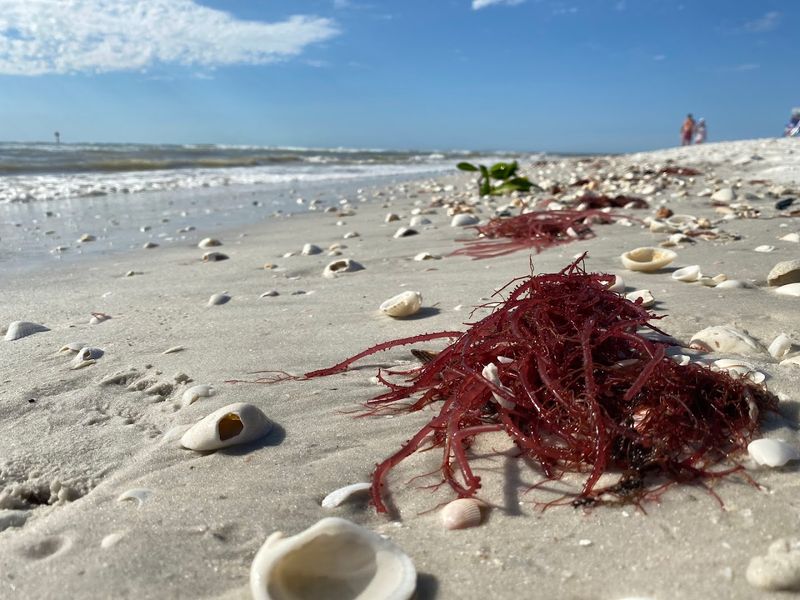
Barefoot Beach Preserve is a protected coastal stretch that balances easy access with genuinely good shelling potential. Calm Gulf waters, natural shoreline, and less intensive development help create the kind of beach where small treasures accumulate in satisfying numbers.
If you like a scenic preserve atmosphere, this spot checks that box.
The shelling here can be especially enjoyable for people who prefer a relaxed pace. I would look along the high tide line and around quieter sections where lighter foot traffic leaves more to discover.
Expect plenty of common Gulf shells, interesting fragments, and the occasional standout find that makes you stop and grin.
Because the preserve is so attractive, the walk itself never feels like a backup plan. Sea oats, soft sand, and a broad open shoreline make the whole experience feel calm and restorative.
Go near low tide if possible and keep your eyes moving between wet and dry sand. Barefoot Beach rewards patient, observant walkers more than rushed collectors.
Caladesi Island State Park
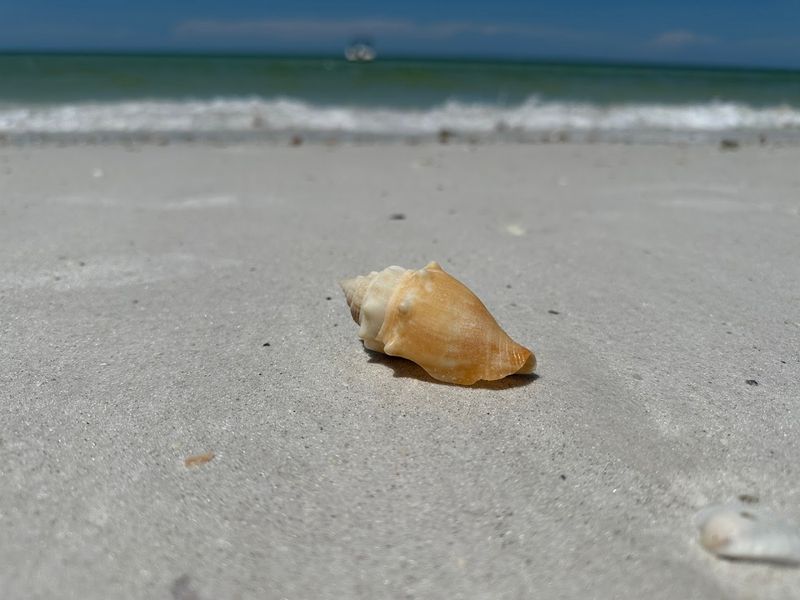
Caladesi Island State Park feels special partly because getting there takes a little extra effort. Ferry and boat access help keep the beaches less disturbed, and that can translate into shell beds that feel fresher than those on more heavily visited shorelines.
If you love the idea of shelling somewhere that still feels removed, Caladesi fits beautifully.
Once you arrive, the experience is calm and wonderfully scenic. I would focus on low tide walks and watch for shell concentrations along bends in the shoreline, especially after windy conditions.
Finds can include small Gulf shells, sand dollars, and plenty of textured fragments that look great in a natural collection.
What I like most here is the balance between accessibility and seclusion. You are not deep in the backcountry, but the island still feels peaceful enough to make each discovery more satisfying.
Bring sun protection, arrive with time to explore, and keep your pace slow. Caladesi rewards the kind of wandering that never feels rushed.
Fort De Soto Park
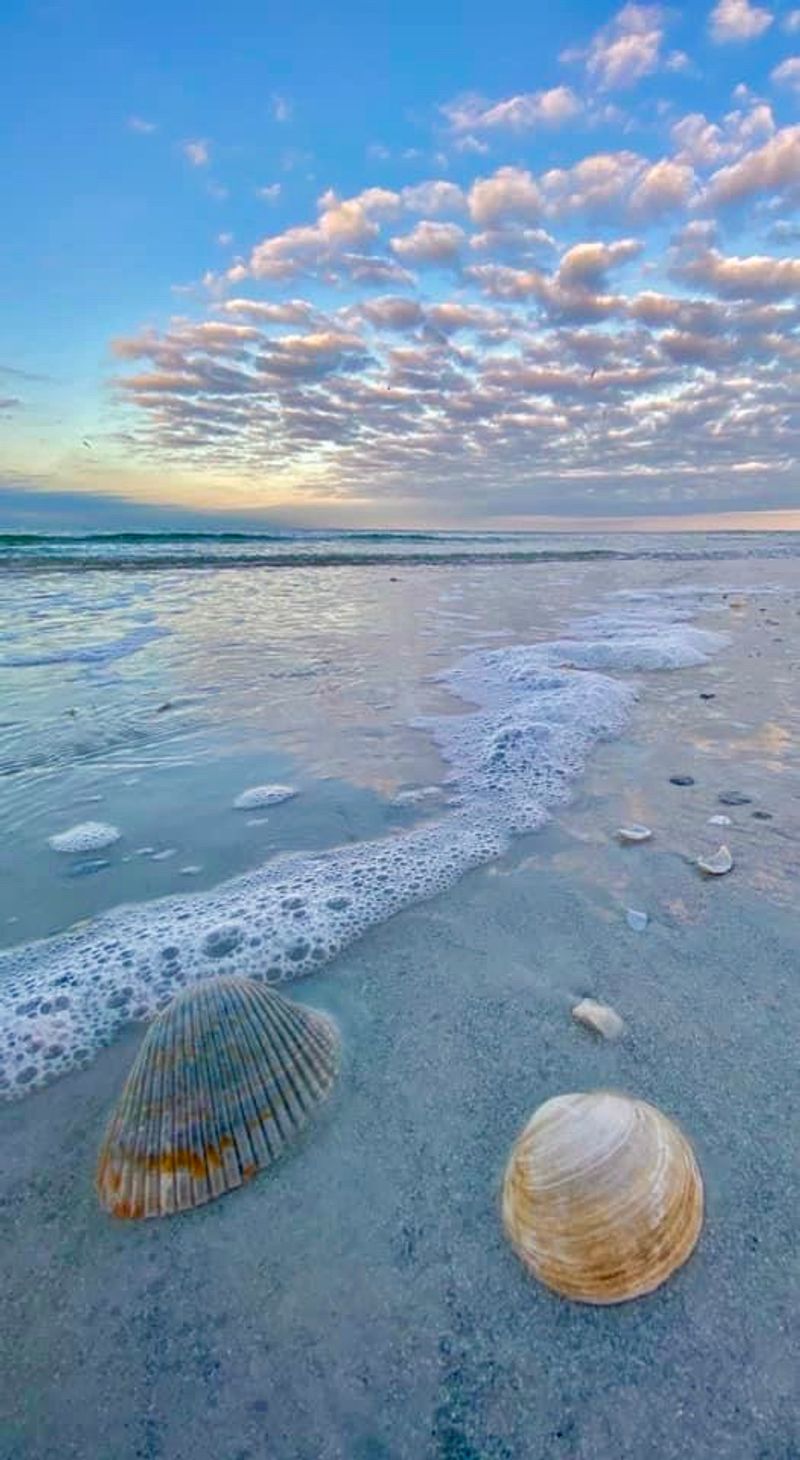
Fort De Soto Park offers variety, which is one of the best things a shelling destination can have. With multiple beaches, changing exposures, and tidal influence around the park, conditions can shift enough to make each visit feel a little different.
If you like options, this Pinellas County favorite is easy to appreciate.
Shelling here often includes a mix of small shells and occasional sand dollars, especially where currents and quieter water combine. I would explore more than one beach area instead of settling in immediately, because one section may be much more productive than another on the same day.
That flexibility usually improves your odds.
The park also makes shelling easy to pair with a full outing. You have scenery, birdlife, open coastal views, and enough space to keep walking long after your first handful of finds.
Check tides before you go and stay curious as you move around. Fort De Soto rewards people who treat the whole park like one big, shifting shell map.
St. George Island State Park
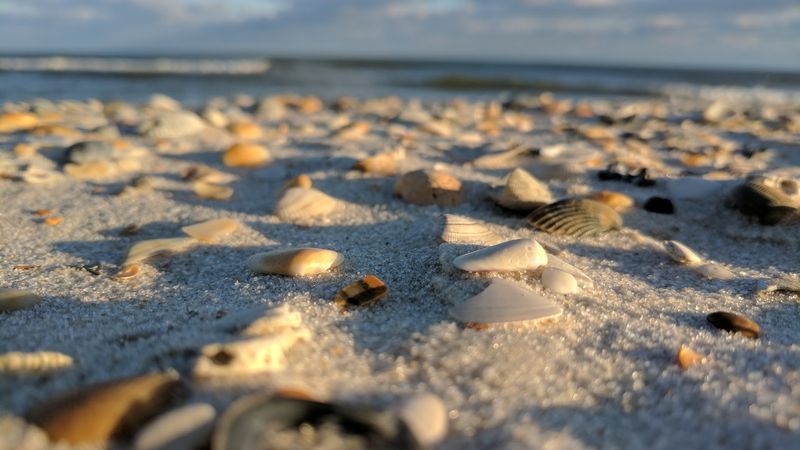
St. George Island State Park is a Panhandle favorite for anyone who prefers quiet beaches and steady shelling potential. The shoreline here feels spacious and peaceful, and that lower-key atmosphere makes it easier to settle into a patient, observant rhythm.
If crowded resort beaches are not your style, this park is a refreshing alternative.
Shelling is often consistent rather than flashy, which can be ideal for relaxed collectors. I would walk long stretches at low tide and watch for fresh deposits after wind or surf changes.
You may find scallops, clams, coquinas, and plenty of small shells that add up quickly during a leisurely morning.
The scenery adds to the appeal. Dunes, open Gulf views, and a quieter natural setting make the whole experience feel more restorative than hurried.
Bring a simple bag, take your time, and enjoy the calm pace. St. George Island is the kind of place where a modest beach walk can quietly become one of your favorites.
Jupiter Beach
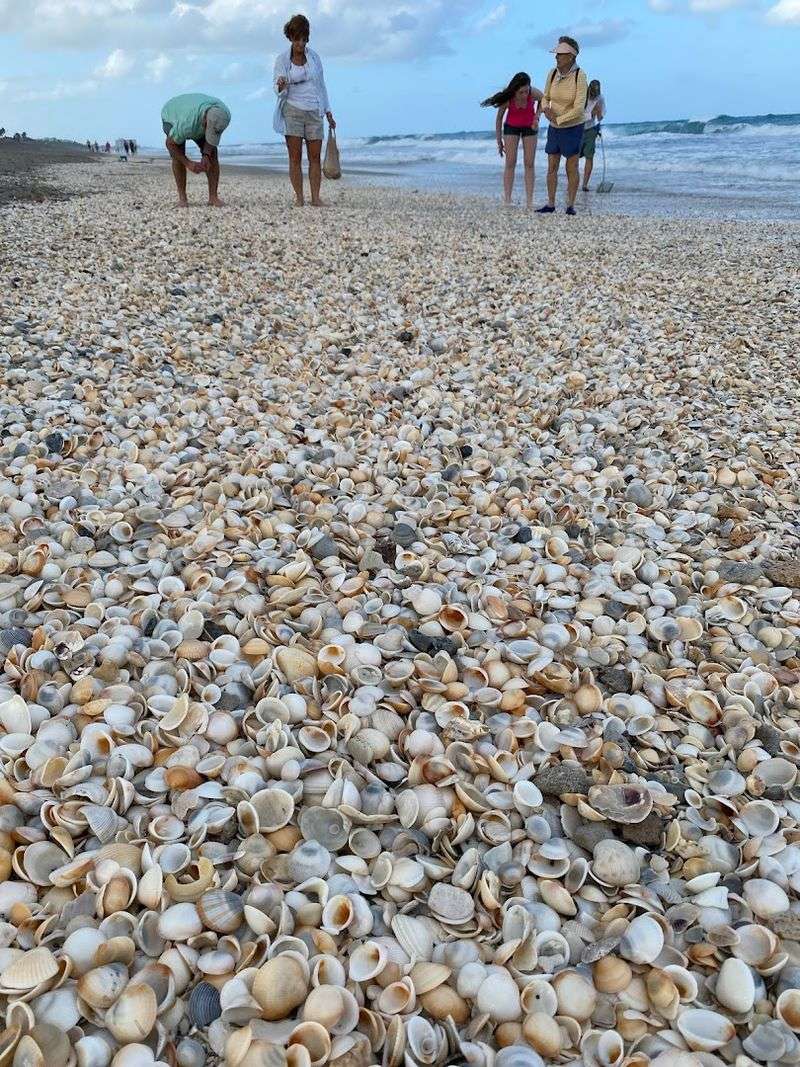
Jupiter Beach offers a nice change of pace if you want to mix Gulf-style shell hunting with an Atlantic Coast setting. The stronger surf and different coastal conditions can turn up shells, worn fragments, and occasional sea glass that add variety to your collection.
If you like beachcombing that feels a bit less predictable, Jupiter is worth a visit.
The Atlantic does not usually stack shells the same way as some Gulf beaches, so I would approach this spot with a patient eye. Look near the wrack line after higher surf or windy weather, and pay attention to areas where material settles naturally.
The thrill here often comes from the mix rather than the volume.
Jupiter Beach also has a distinctly energizing feel. The light, waves, and wider open shoreline create the kind of setting that makes a morning walk feel productive even before you find anything.
Bring a small collection pouch and stay curious. Jupiter rewards people who appreciate shells, sea glass, and the surprise factor equally.
Coral Cove Park
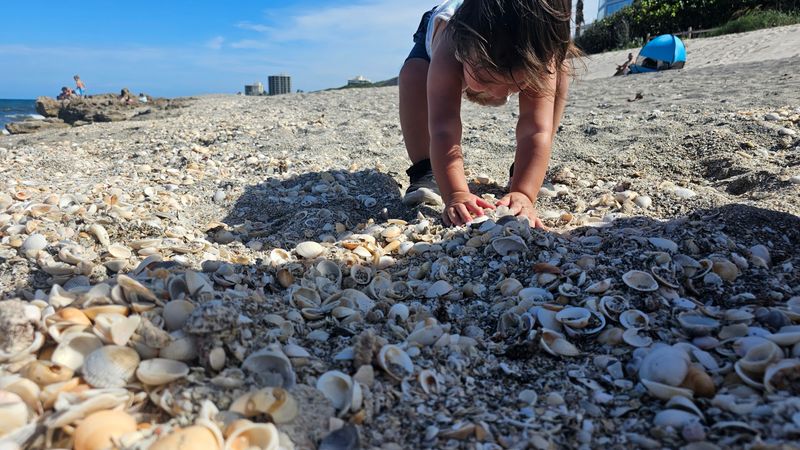
Coral Cove Park is one of the most distinctive beachcombing spots in Florida because the environment looks so different from a typical sandy shelling beach. Limestone formations, tide pools, and pockets between rocks create places where shells can collect in unexpected ways.
If you enjoy a treasure hunt with more texture and variety, Coral Cove stands out immediately.
The reef setting means you should watch your footing and take your time. I would look in tide pool edges, rocky crevices, and calmer sandy patches where shells and other beach finds settle between wave cycles.
You may also spot sea glass or interesting marine fragments that make this stop feel different from Gulf shelling destinations.
Visually, the park is gorgeous. The contrast of rock, water, and shifting light gives each walk a more dramatic feel than flatter, open beaches.
Wear sturdy water shoes and explore slowly around low tide. Coral Cove rewards curiosity, careful movement, and people who enjoy searching beyond the usual shoreline.
Little Talbot Island State Park
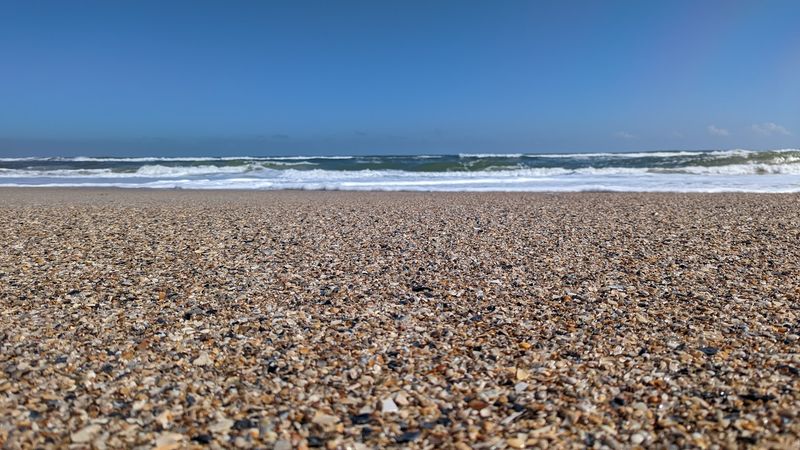
Little Talbot Island State Park has that wild feel that makes shelling more rewarding from the first step. The beach shifts with tides, wind, and storms, so every visit can turn up a different mix of whelks, coquinas, olives, and broken sand dollars.
If you like a walk that feels exploratory instead of overly groomed, this stretch delivers.
I would time your visit for early morning or just after rough surf, when fresh shell lines often appear along the wrack. The scenery stays undeveloped, which makes the search feel calmer and more immersive.
You come for shells, but the backdrop is what makes you linger.
Cayo Costa State Park
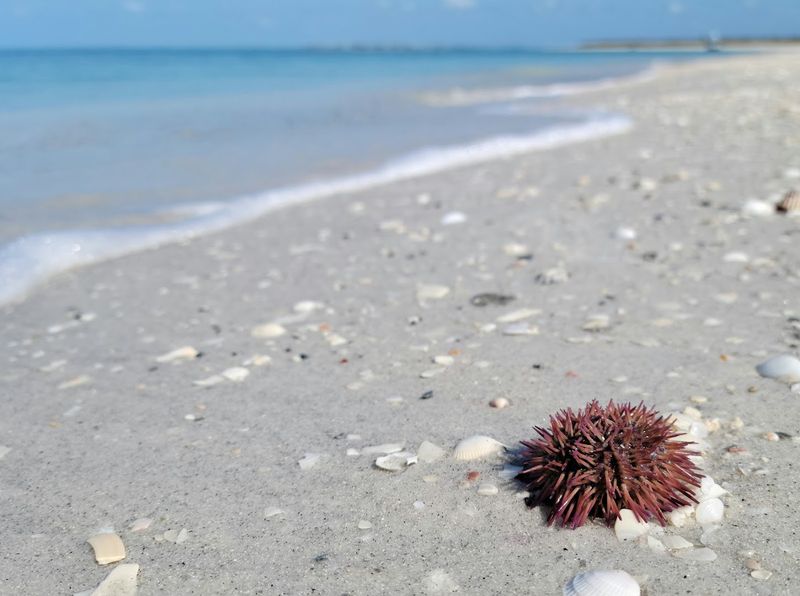
Cayo Costa State Park is the kind of place that makes shelling feel like a small expedition, which is part of the appeal. Because the island stays more remote and less built up, the beach often feels wonderfully untouched, especially if you catch a quiet morning.
You can scan long stretches for tulips, cockles, scallops, and the occasional larger surprise.
The extra effort it takes to get here tends to thin the crowds, and that changes the pace in your favor. Instead of dodging towels and umbrellas, you get room to actually notice shell piles, tide cuts, and fresh deposits.
This one absolutely earns consideration.