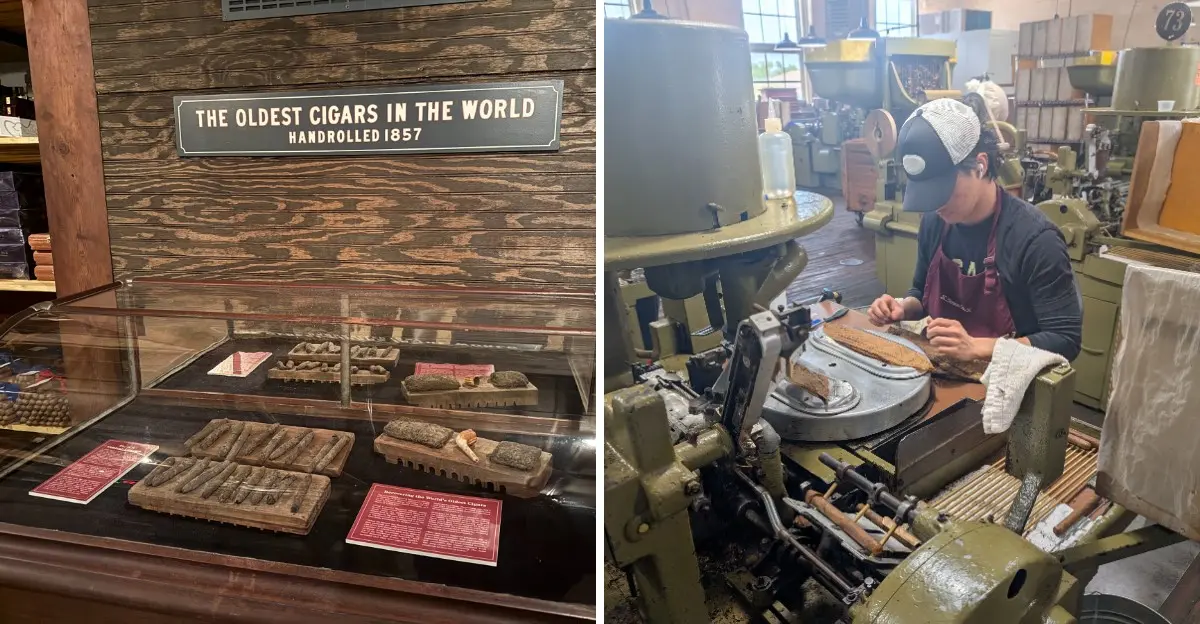
Step inside Tampa’s El Reloj, and you’ll find cigar makers still rolling cigars by hand.
The story began in 1895, when Julius Caeser Newman started his cigar company in Cleveland.
Decades later, the family business found a home in Tampa’s Ybor City, moving into the historic El Reloj factory in 1954.
This red-brick building still hums with the sounds of cigar production, antique machinery, tobacco, and skilled hands shaping premium cigars.
It feels less like a museum frozen in time and more like a working piece of Tampa’s cigar story.
Visitors can watch cigar makers at work, explore three floors of exhibits, see century-old equipment, and even try rolling cigars themselves.
If you think Tampa’s cigar history is just something you read about, El Reloj is ready to prove otherwise.
A Cigar Company That Began in 1895
Julius Caeser Newman started something special in Cleveland back in 1895. He opened a small cigar business that would grow into a family legacy lasting more than four generations.
The company stayed in Cleveland for nearly 60 years before finding its permanent home in Florida.
The move to Tampa happened in 1954, when the Newman family relocated their entire operation to Ybor City. This neighborhood had already earned a reputation as America’s cigar-making center.
The timing worked perfectly because Tampa offered skilled workers who understood the craft and a community built around tobacco.
Four generations later, the Newman family still runs the business their ancestor founded. That kind of family commitment is rare in today’s world, where most companies change hands or disappear within a few decades.
The family’s dedication means traditions get passed down directly, and quality remains the top priority. Every cigar rolled today connects to that original vision from 1895, making each one part of a story that spans three different centuries.
El Reloj: Tampa’s Historic Cigar Factory
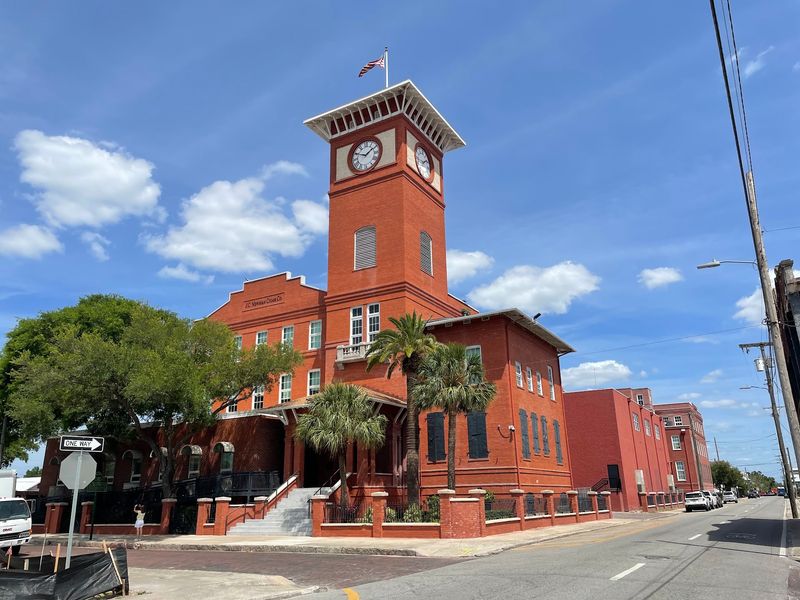
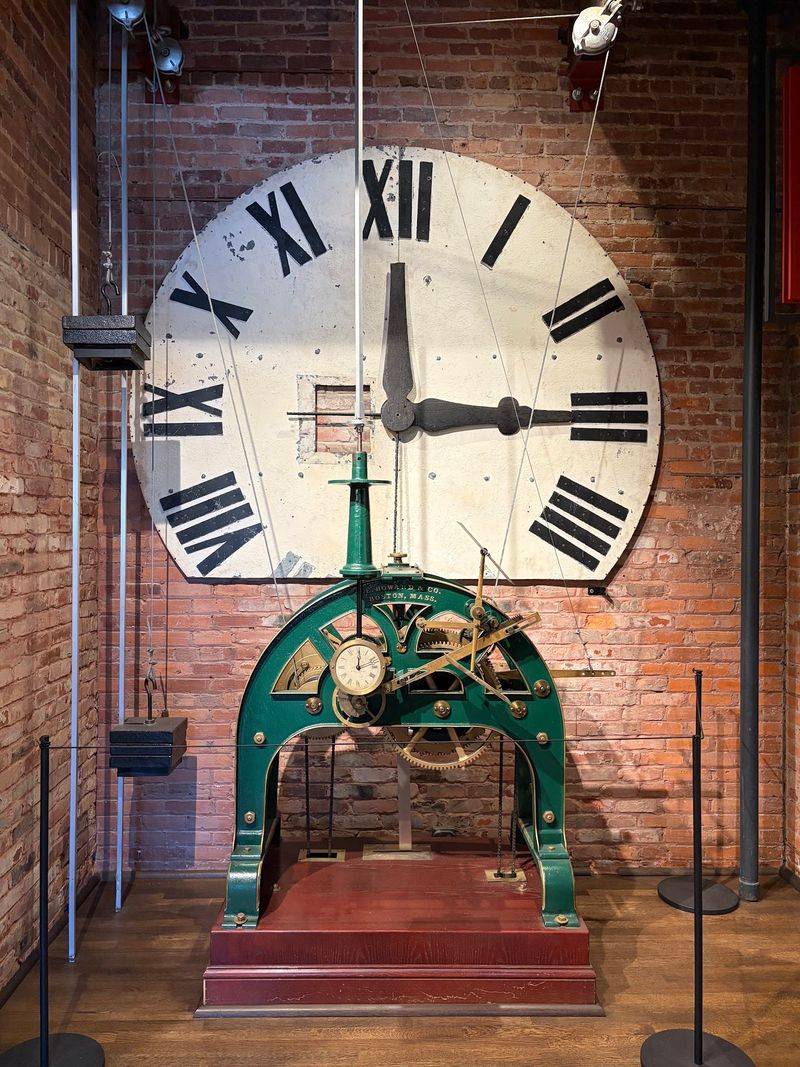
The red-brick building with the clock tower has its own fascinating backstory. Originally constructed in 1910, it served as the Regensburg cigar factory for decades before J.C.
Newman bought it in 1954. The building’s Spanish nickname, El Reloj, translates to “the clock,” named after that distinctive tower visible from blocks away.
Clock towers were important back when most workers didn’t own watches. Factory employees could glance up and know exactly when their shifts started or ended.
The clock became a landmark that helped people navigate the neighborhood and organize their daily routines around its face.
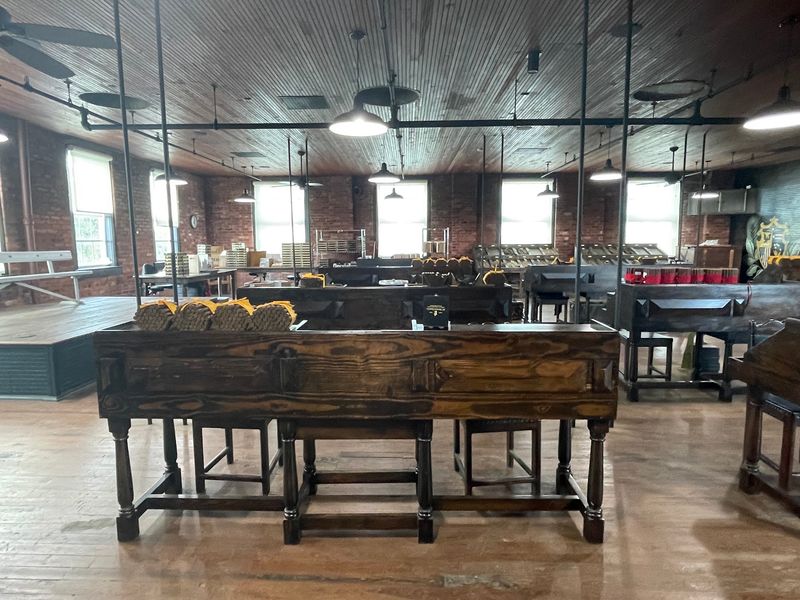
Walking up to El Reloj today feels like approaching a time capsule. The red bricks have weathered more than a century of Florida sun and storms, giving the walls character you can’t fake with new construction.
Inside those thick walls, the building stays surprisingly cool even on hot Tampa days. The high ceilings and old-fashioned windows were designed before air conditioning existed, using natural airflow to keep workers comfortable while they worked with tobacco.
Where Tampa’s Cigar-Making Past Is Still Alive
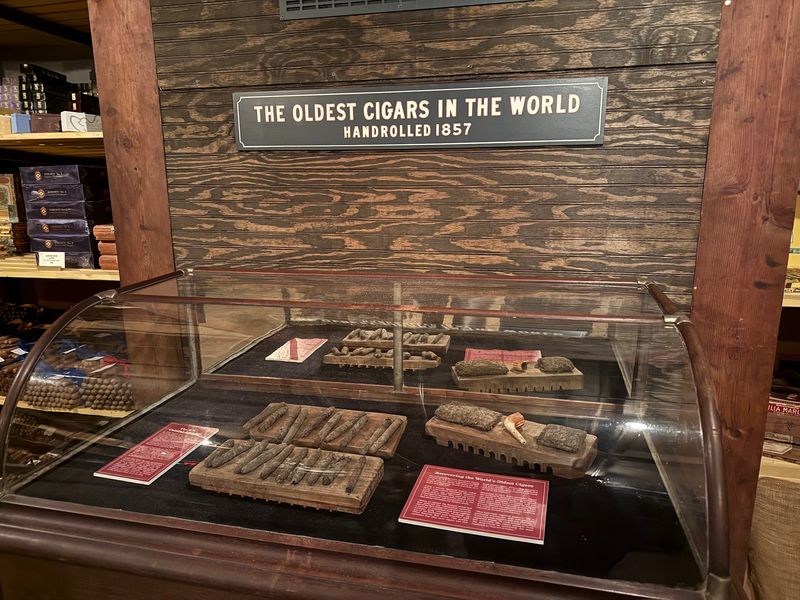
Thousands of people once worked in Ybor City’s cigar factories, filling the streets with workers speaking Spanish, Italian, and Cuban dialects. The neighborhood buzzed with activity as factories competed to produce the finest cigars in America.
Smoke from hundreds of buildings created a distinctive haze over the district.
All those other factories have closed their doors or converted to different uses. Some became restaurants, apartments, or offices, while others simply disappeared as buildings crumbled or got demolished.
J.C. Newman stands alone now as the only traditional cigar factory still operating in Tampa, making it incredibly valuable to the city’s history and identity.
Visiting this working factory offers something museums can’t provide. You’re not just looking at old photographs or reading displays about how things used to be.
Real craftspeople are rolling actual cigars using techniques their predecessors mastered decades ago. The sounds, smells, and sights create an authentic experience that connects visitors directly to Tampa’s past, showing them exactly why this city became famous for cigars in the first place.
Watch Cigars Being Rolled by Hand
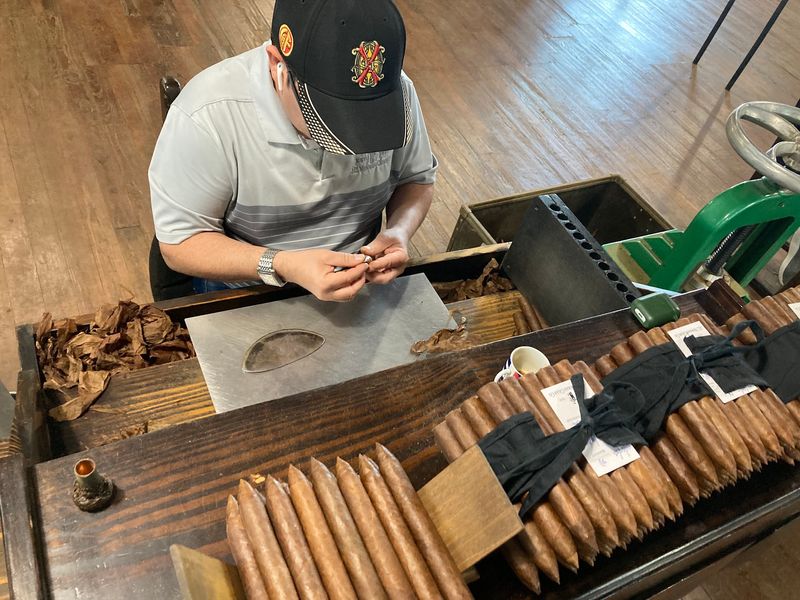
Picture someone’s hands moving with such practiced grace that every motion looks effortless. That’s what you’ll see in El Reloj’s hand-rolling area, where experienced cigar makers transform loose tobacco into perfectly wrapped cigars.
Their fingers know exactly how much pressure to apply and which direction to roll.
These craftspeople didn’t learn their trade from videos or books. Many trained under master rollers who taught them the same way they were taught, passing down knowledge through demonstration and practice.
Some workers have rolled cigars for 20, 30, or even 40 years, giving them an expertise that shows in every finished product.
The American cigar represents the factory’s commitment to traditional methods. Every single one gets rolled entirely by hand, with no machines speeding up the process or cutting corners.
Workers select each tobacco leaf carefully, checking for quality before they start rolling. Watching them work is mesmerizing because their hands never hesitate or fumble.
They’ve rolled so many cigars that the motions have become second nature, yet they still pay attention to every detail.
Antique Machines Still Have a Place on the Factory Floor
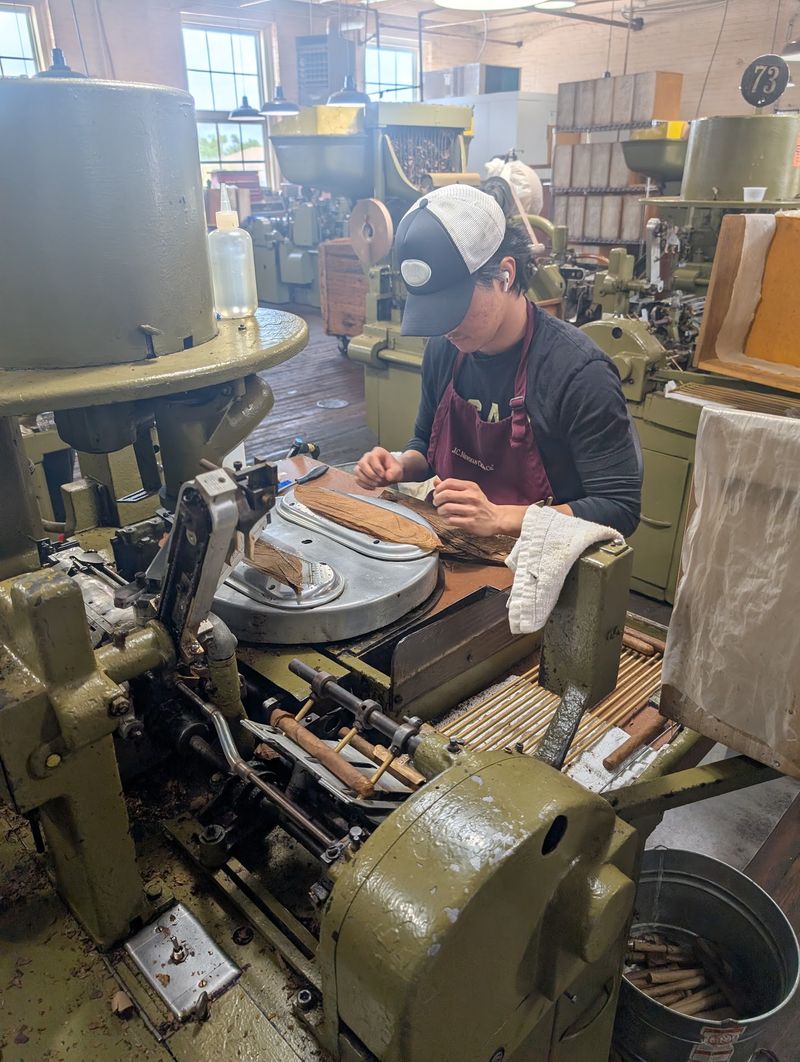
Not everything at J.C. Newman happens entirely by hand.
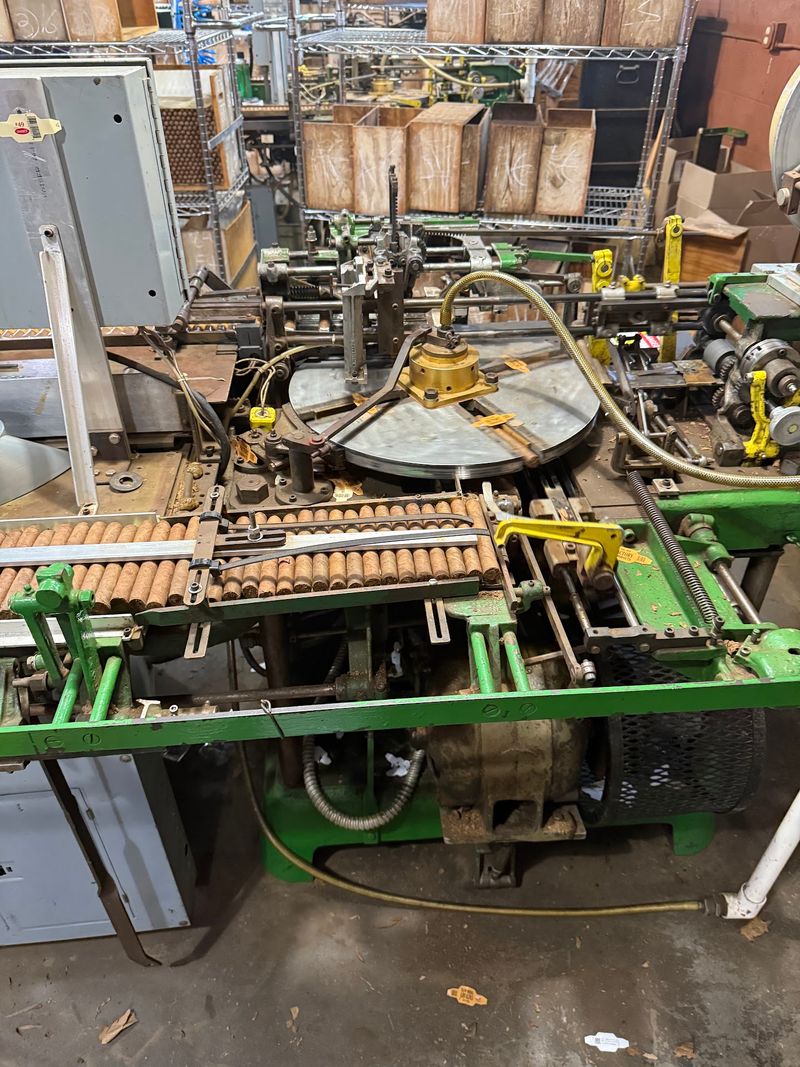
The factory also uses fascinating antique equipment that most people have never seen before. These hand-operated machines date back to the 1930s, representing a middle ground between fully handmade cigars and modern automated production.
What makes these machines special is that they still require human skill to operate. Workers guide the tobacco and control the rolling process while the machine provides mechanical assistance.
Think of it like the difference between kneading bread by hand versus using a stand mixer. The machine helps, but the person still makes all the important decisions.
Keeping 90-year-old equipment running requires serious dedication and problem-solving skills. Mechanics at the factory have become experts at maintaining these machines, learning how every gear, lever, and roller functions.
When parts wear out or break, they can’t just order replacements online. Instead, they often fabricate new parts themselves, essentially becoming both mechanics and metalworkers.
This combination of old machines and modern maintenance know-how creates a unique production process you won’t find anywhere else in the cigar industry.
The American: A Cigar Made Entirely by Hand
Most cigars contain tobacco from multiple countries, blending leaves from the Caribbean, Central America, and beyond. The American takes a completely different approach by using only tobacco grown in the United States.
Everything from the wrapper to the filler comes from American soil, making it a truly homegrown product.
Creating an all-American cigar meant solving challenges other companies avoided. American tobacco behaves differently than tobacco grown in traditional cigar regions, requiring different curing and aging techniques.
J.C. Newman spent years developing their approach, experimenting until they perfected a cigar that could compete with international brands.
Even the band and box materials come from American suppliers.
Every American cigar gets rolled by hand at El Reloj, adding another layer of authenticity to the product. The rollers treat these cigars with extra care because they represent something bigger than just tobacco.
They’re symbols of American craftsmanship and agricultural tradition. When someone lights up an American, they’re experiencing a cigar made entirely without leaving the country, from seed to finished smoke.
A Museum Inside the Working Factory
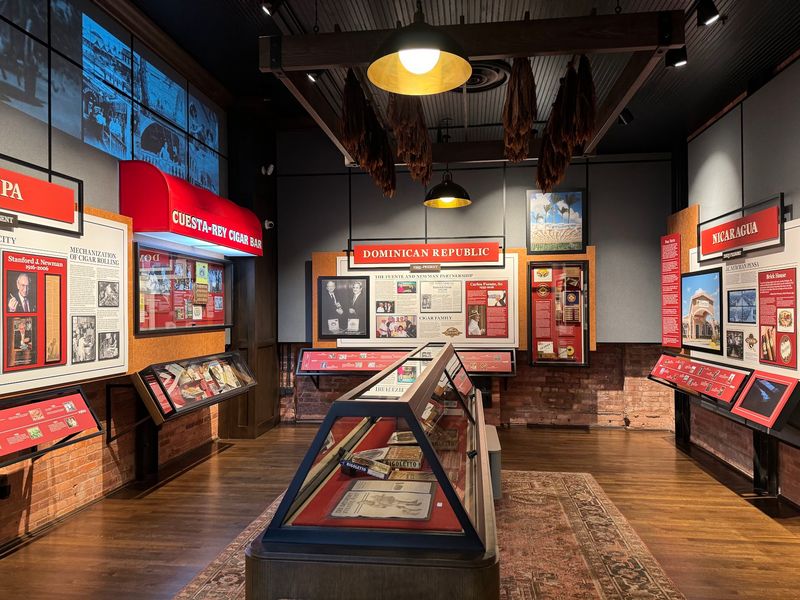
Most factory tours stick to the production floor, but El Reloj offers way more than that. The building houses a comprehensive three-level museum that tells multiple stories at once.
You’ll learn about the Newman family’s journey, Tampa’s rise as a cigar capital, and the fascinating traditions that developed in Ybor City’s immigrant community.
The museum displays actual tools and equipment used throughout cigar-making history. Old cigar molds, cutting blades, and rolling tables show how techniques evolved over the decades.
Photographs capture workers from different eras, letting you see how fashion and factory conditions changed over time. Some exhibits focus specifically on tobacco itself, explaining how different varieties grow and how farmers cure the leaves.
What makes this museum unique is its location inside a functioning factory. You can examine a historic cigar mold in one room, then walk downstairs and watch modern workers using similar tools.
The museum doesn’t just preserve the past as something dead and finished. Instead, it shows connections between yesterday and today, helping visitors understand that traditions continue evolving while maintaining their core essence.
See How a Cigar Goes From Tobacco to Finished Product
Ever wondered what happens between tobacco harvest and that finished cigar sitting in a store? The guided tour at El Reloj answers that question by taking you through every step of production.
You’ll discover processes most people never think about, like how tobacco gets aged and why timing matters so much.
Tobacco doesn’t go straight from the field to cigars. The leaves need careful preparation including fermentation, which changes their flavor and makes them easier to work with.
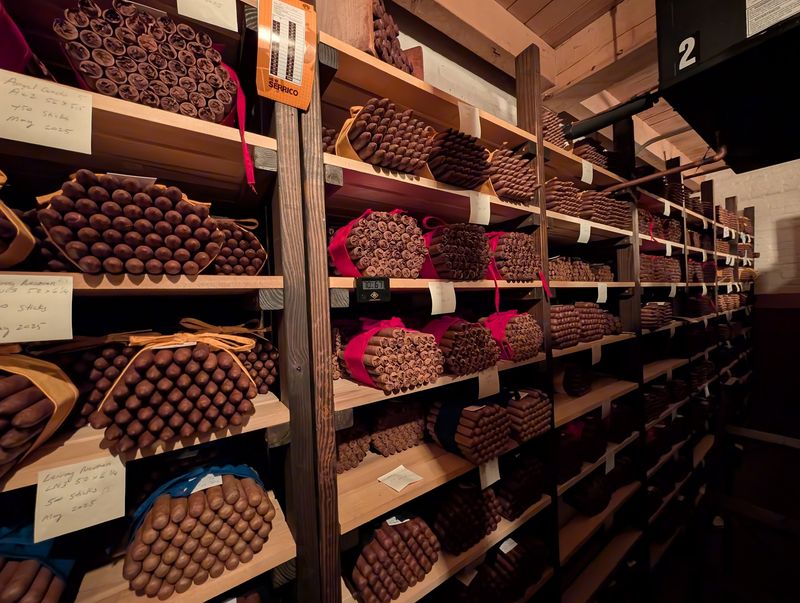
Tour guides explain how long different tobaccos must age and why rushing ruins the final product. You’ll see storage rooms where tobacco rests for months or even years before workers touch it.
The tour continues to the rolling areas where you can watch the actual construction process. Then it moves to packaging stations where workers prepare finished cigars for shipping.
Most people assume cigar-making is just rolling tobacco, but the tour reveals dozens of decisions and quality checks happening throughout. Guides encourage questions, and many are longtime employees who can share personal stories about working at the factory and learning the craft from experienced mentors.
You Can Try Rolling One Yourself
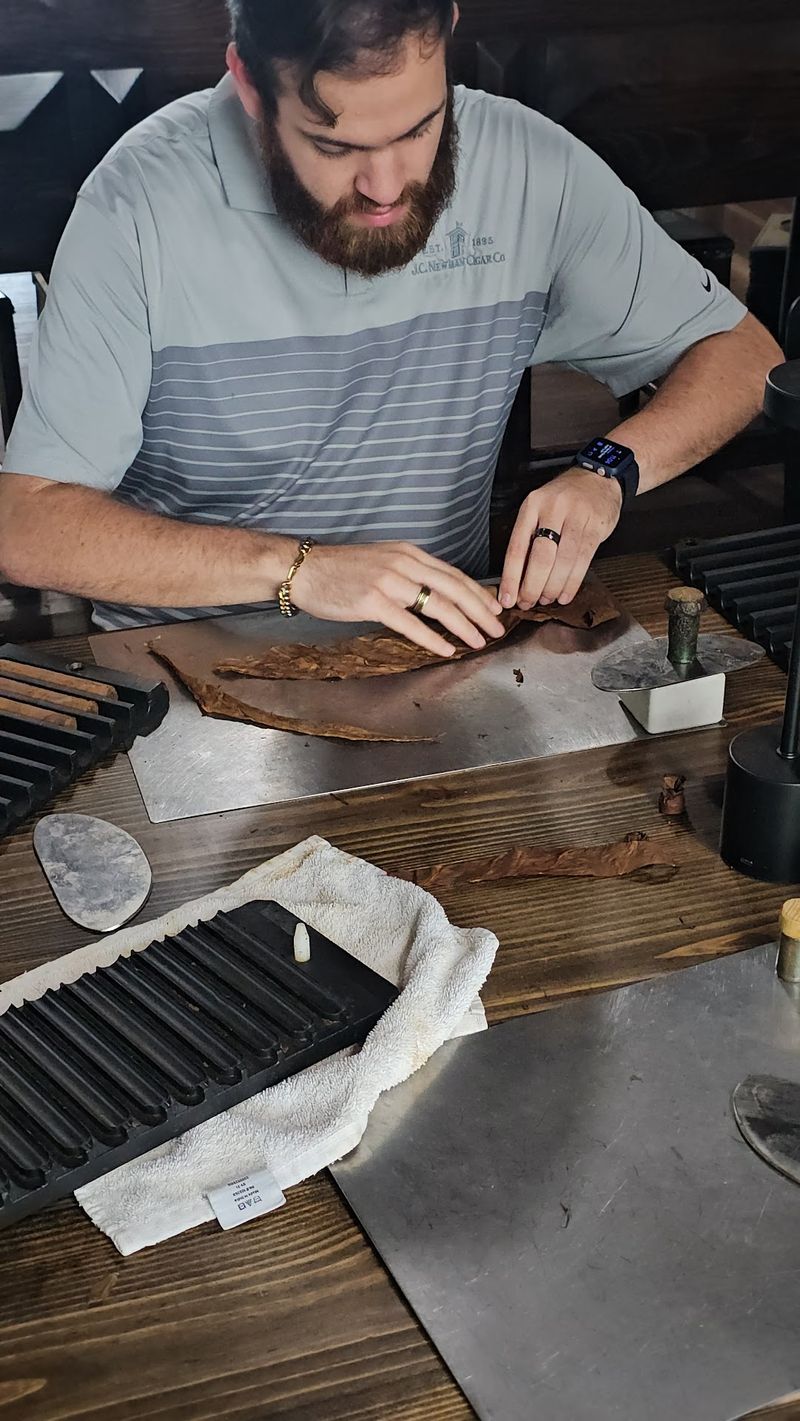
Reading about cigar-making is interesting, but actually trying it yourself creates memories that last forever. J.C.
Newman’s hand-rolling class lets visitors move beyond observation and become temporary cigar makers. Professional rollers guide you through the process step by step, showing techniques they’ve perfected over years of practice.
Don’t worry if you’ve never touched tobacco before. The class welcomes complete beginners and provides all necessary materials and tools.
Instructors demonstrate each technique first, then help you replicate it with your own hands. You’ll learn how to select wrapper leaves, judge their quality, and apply them smoothly without tears or wrinkles.
The best part? You get to keep the five cigars you make during class.
Taking home something you created yourself feels rewarding, even if your first attempts don’t look quite as perfect as the professionals’ work. Many participants say the experience gives them new appreciation for the skill required to make quality cigars.
After struggling to wrap even one cigar neatly, you’ll understand why master rollers earn respect and why handmade cigars cost more than machine-made versions.
Plan Your Visit to El Reloj
Getting to El Reloj is straightforward once you know the details. The factory sits at 2701 N. 16th Street, Tampa, FL 33605, right in the heart of historic Ybor City.
Regular hours run Monday through Friday from 9 a.m. to 5 p.m., giving you plenty of time to plan a visit that fits your schedule.
Money isn’t an issue for basic exploration. The museum and public exhibit areas cost nothing to enter, letting budget-conscious visitors experience the factory without spending a dime.
If you want guided tours or hands-on rolling classes, those require separate reservations and do charge fees. Checking their website or calling ahead helps you understand current pricing and availability.
Practical considerations make visits easier for everyone. Free parking eliminates the stress of feeding meters or finding street spots in a busy neighborhood.
The building includes a ramp and elevators, meaning wheelchair users and people with mobility challenges can access all levels without difficulty. For questions or reservations, call them directly at 813-248-2124.
Staff members can explain tour options, class schedules, and any special events happening during your planned visit.