Boats now glide across water that once covered roads, farms, homes, and entire communities. In southern Iowa, Rathbun Lake carries a history that is easy to miss from the shoreline, because beneath its broad blue surface lies land that was intentionally flooded as part of a massive flood-control project designed to protect communities downstream.
Today, Rathbun Lake is known for boating, fishing, camping, swimming, and quiet stretches of shoreline where visitors can enjoy the outdoors. Yet knowing what lies beneath the water changes the experience.
The lake’s calm surface sits above places where people once lived, worked, traveled, and built memories, creating a remarkable contrast between recreation and history.
As you explore the lake and surrounding area, those stories add another dimension to the landscape. From the communities that disappeared to the reasons the reservoir was created, there is much more beneath Rathbun Lake than first meets the eye.
A Lake With a Secret Under Its Calm Water
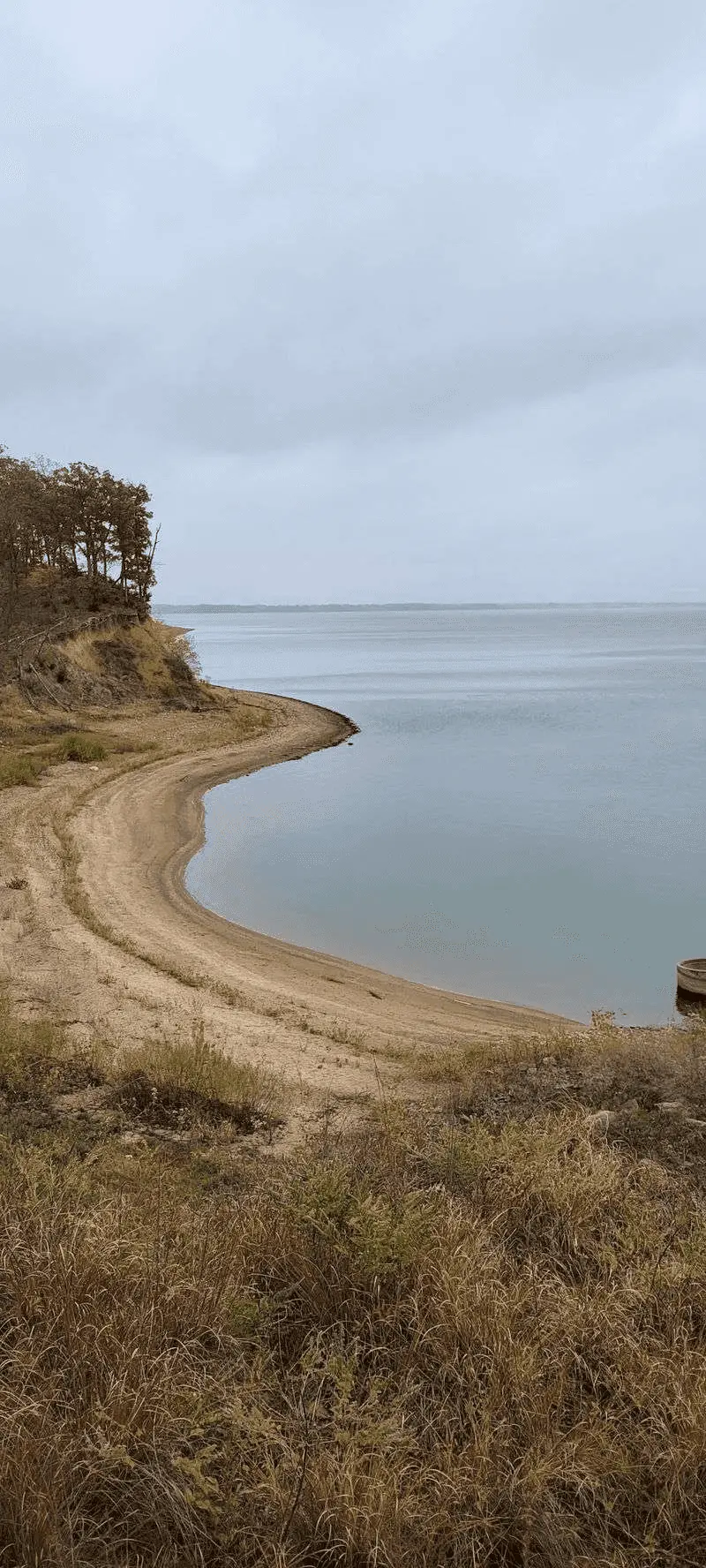
The first look can feel almost too peaceful. Sunlight slides across the wide water, boats drift in the distance, and it is hard to imagine that a whole valley changed forever to make Rathbun Lake possible.
In Appanoose County, Iowa, this big reservoir was built on the Chariton River for flood control, water supply, recreation, and wildlife. Locals often call it Iowa’s Ocean because it stretches across more than 11,000 acres at normal pool and has about 155 miles of shoreline.
The title often gets mixed with stories from Lake Red Rock, where several towns are widely linked to flooding. At Rathbun Lake, the best documented submerged village is Griffinsville, along with farms, roads, and pieces of rural life.
That truth is still powerful.
Come here for the views, but stay for the questions. A picnic by the water feels different when you know the lake was created to prevent disaster downstream.
Floods That Forced a Bold Choice
Long before campers packed coolers for the weekend, people in the Chariton River Valley watched the sky with worry. Heavy rains could turn the river from a quiet neighbor into a dangerous force that threatened farms, roads, and towns downstream.
Rathbun Lake was authorized by the Flood Control Act of 1954, and construction began in 1964 under the U.S. Army Corps of Engineers.
The plan was not small. Engineers needed a large dam and a wide reservoir that could store floodwater when the river rose.
The lake helps control flooding on the Chariton River and also supports larger river systems farther downstream, including areas connected to the Missouri and Mississippi watersheds. That makes a family beach day part of a much bigger safety story.
Visitors can appreciate the lake more by stopping near the dam area. The open view shows how one Iowa valley became a shield for many communities beyond it.
Coal Country Before the Reservoir
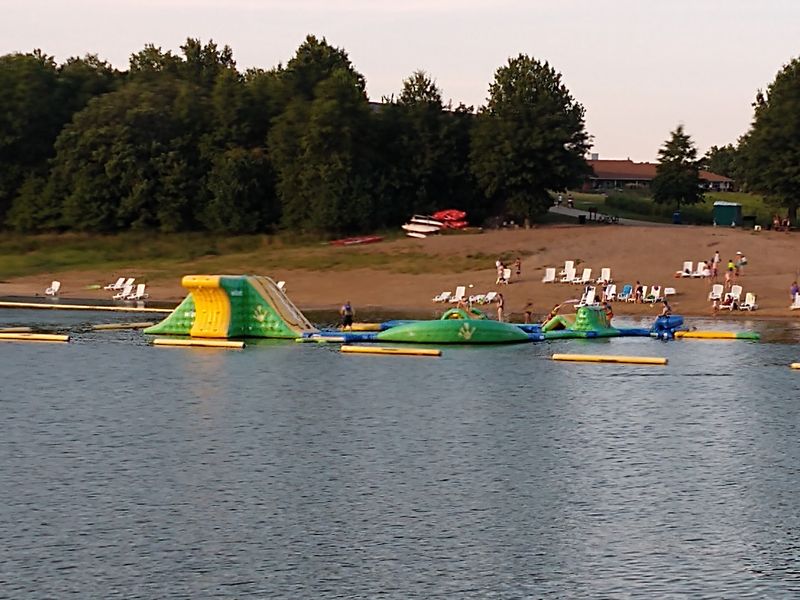
Before the lake brought sailboats and campfire smoke, this corner of southern Iowa had a grittier rhythm. Coal mining shaped Appanoose County, and small communities grew around shafts, rail lines, stores, schools, and churches.
The land around what became Rathbun Lake was once part of a busy coal region. Rathbun, the nearby town, is often confused with the submerged village story, but it was a separate mining community with its own deep roots.
That older world can be hard to picture while you are eating snacks on a boat or watching kids splash near a beach. Still, the contrast is what makes the lake interesting.
Work whistles, coal dust, and river bottoms gave way to marinas, campgrounds, and wide water.
History lovers should leave time for local museums and county displays. Knowing the valley’s mining past adds texture to a weekend trip and helps explain why Rathbun Lake is more than a pretty outdoor escape.
Iowa’s Ocean and Its Big-Sky Feeling
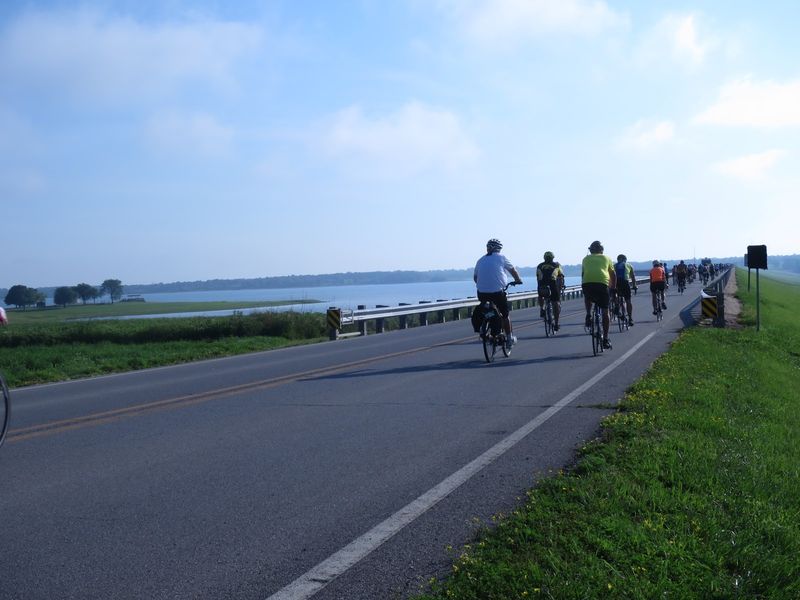
Some places surprise you by feeling larger than the map suggests. Rathbun Lake does that, especially when wind moves across the open water and the far shore looks almost out of reach.
That is why many people call it Iowa’s Ocean. In a landlocked state, the lake gives visitors a rare sense of space, with long shorelines, big horizons, and enough room for boats, kayaks, anglers, and quiet watchers to spread out.
The nickname also fits the mood. Families come for tubing and swimming, couples catch sunsets near the levee, and campers wake to gulls, breeze, and coffee outside the tent.
On calmer mornings, the water can look polished and still.
Anyone planning a first visit should drive around different access points before choosing a spot. Each shoreline has its own personality, from lively recreation areas to quieter coves where birds gather and the lake feels almost private.
Fishing Days, Boat Rides, and Windy Water
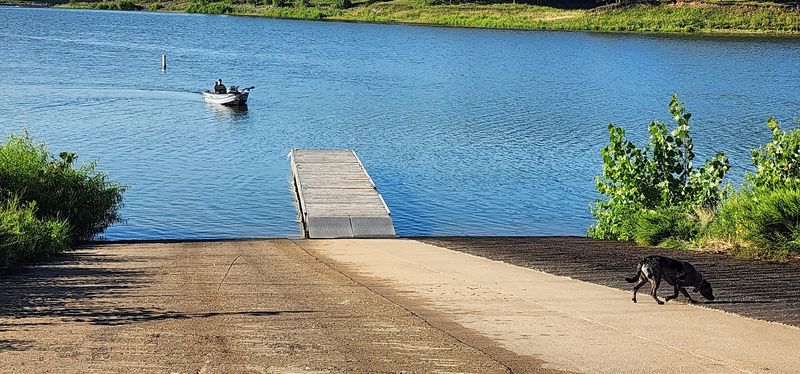
A good lake day often begins with tackle boxes clicking open and somebody asking where the fish were biting yesterday. Rathbun Lake has earned a strong reputation with anglers who come for crappie, walleye, channel catfish, white bass, wipers, and largemouth bass.
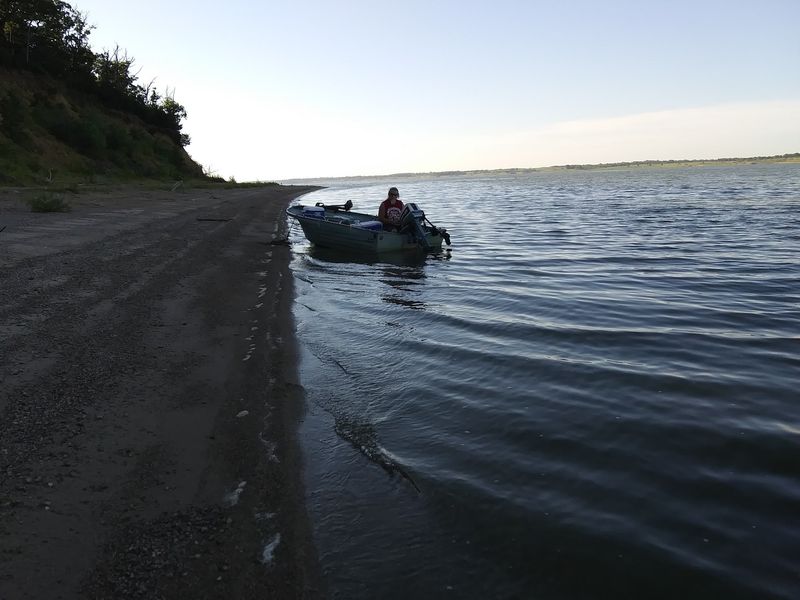
Boating is just as popular. Marinas, ramps, and wide water make it easy to spend a day cruising, tubing, or exploring the shoreline.
Sailors also like Rathbun because the open lake can catch steady southern Iowa wind.
Still, the size that makes the lake exciting also demands respect. Local reviewers often praise the clean water and fun atmosphere, but they also warn that wind can build quickly.
Life jackets, weather checks, and sober driving matter here.
For a slower outing, try kayaking in quieter arms of the lake where dead timber may keep larger motorboats away. Birdwatchers sometimes spot pelicans, eagles, and even river wildlife in those calmer backwaters.
Campgrounds Where the Evenings Stretch Out
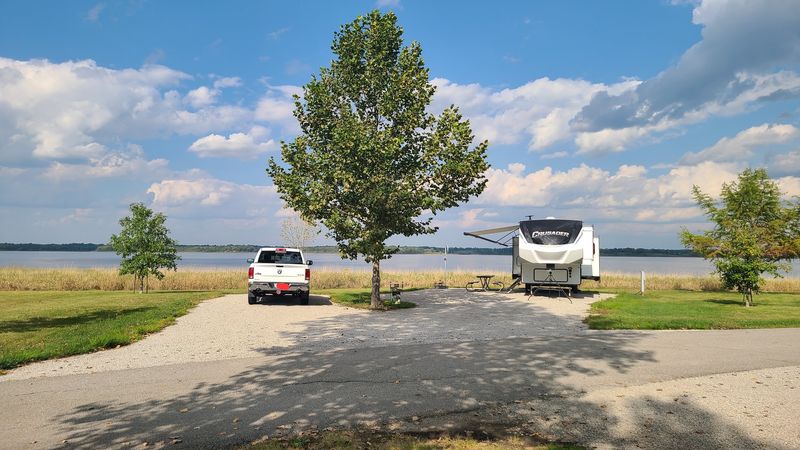
Evening arrives slowly at Rathbun Lake. Smoke curls from grills, kids ride bikes past campsites, and the water turns orange while everyone decides whether to fish one more hour or make another round of s’mores.
The U.S. Army Corps of Engineers manages several recreation areas around the lake, with hundreds of campsites in the region.
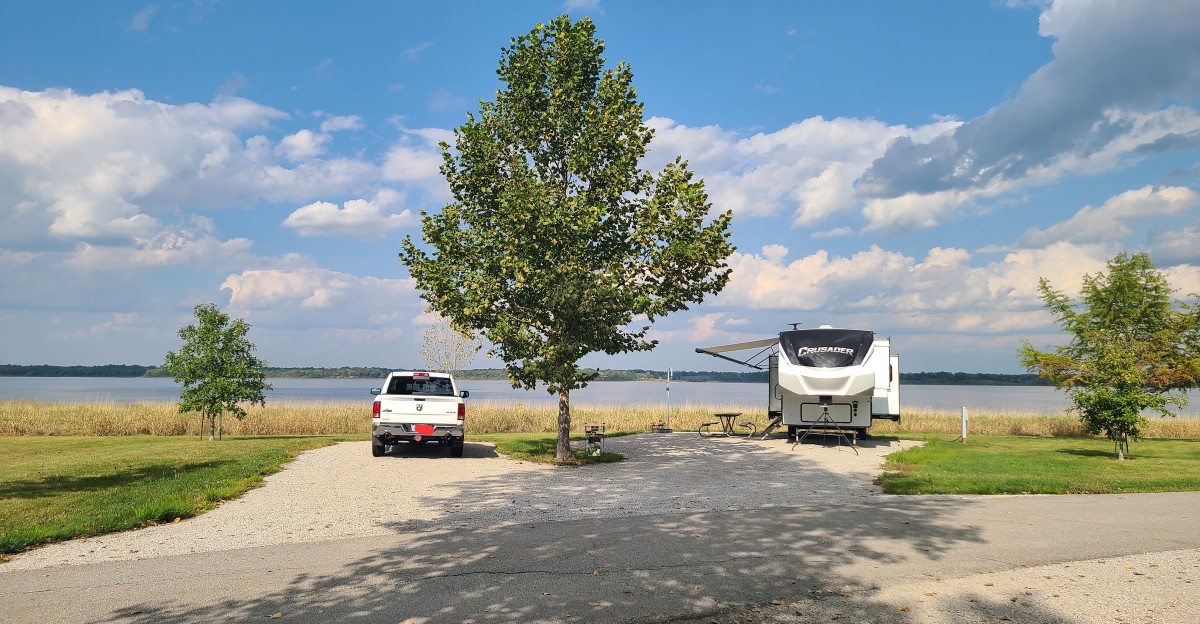
Popular areas offer electric hookups, boat access, picnic spots, beaches, and room for both quick weekends and longer summer stays.
Island View Campground is often praised by visitors, and Honey Creek areas draw people who want trails, lake access, and comfortable facilities nearby. Some campers choose simple tent sites, while others bring RVs, boats, and enough gear for a full family base camp.
Reservations are smart during busy warm-weather months. Pack layers for breezy nights, bug spray for certain seasons, and extra patience for holiday weekends.
The reward is easy, a front-row seat to one of southern Iowa’s best sunsets.
Trails, Wildlife, and Quiet Corners Ashore

Not every great Rathbun memory needs a motor, a fishing rod, or a swimsuit. Some of the best moments happen on shore, where trails slip through prairie grass, timber, and overlooks that frame the lake from above.
Hiking, biking, horseback riding, and seasonal trail use are part of the outdoor mix around the reservoir. The North Shore area and nearby public lands offer chances to stretch your legs after a long boat ride or a lazy picnic lunch.
Wildlife adds small surprises. Visitors may see deer near the tree line, turkeys moving through open fields, waterfowl skimming the surface, or eagles perched over quiet water.
In fall, the woods bring color that changes the whole feeling of the lake.
Bring binoculars, sturdy shoes, and water, even for shorter walks. A trail outing helps balance the busier parts of Rathbun Lake and shows why the area is valued for habitat, not only recreation.
Honey Creek Comfort Beside the Water
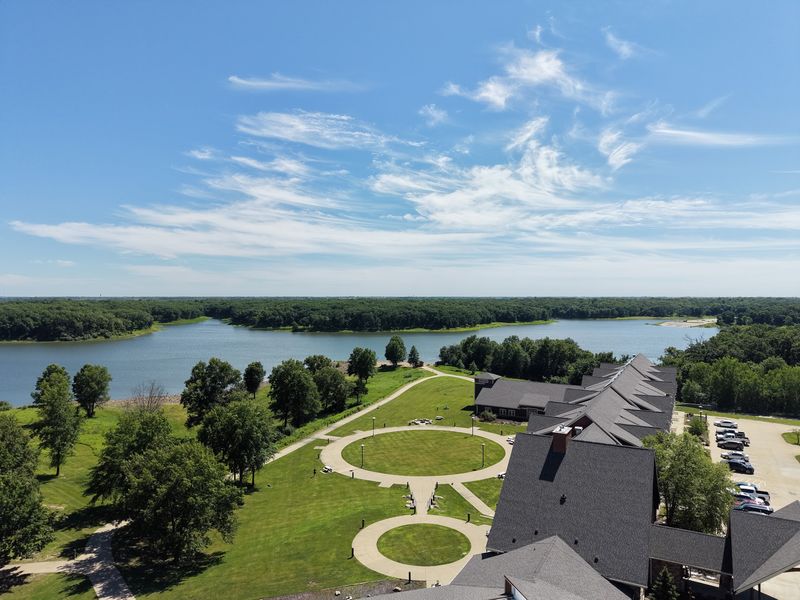
Sometimes a lake trip is better with a soft bed waiting at the end of the day. Honey Creek Resort State Park brings that comfort to the Rathbun Lake area without taking away the outdoor feeling that makes the place special.
Set along the lake’s northeastern side, the resort is known as Iowa’s first state-run resort. It offers guest rooms, cottages, meeting spaces, an indoor water park, and access to an 18-hole golf course with rolling views.
Families like the easy mix. Kids can swim indoors if the weather turns, adults can book a tee time, and everyone can still get outside for boating, fishing, hiking, or a sunset along the shore.
Nearby marina services may offer boat rentals and lake outings during the season.
Honey Creek works well for travelers who want nature without roughing it. It is also a useful base for exploring Rathbun Lake’s history, from the dam to the remembered valley now resting underwater.
A Place Built for Protection, Now Loved for Escape
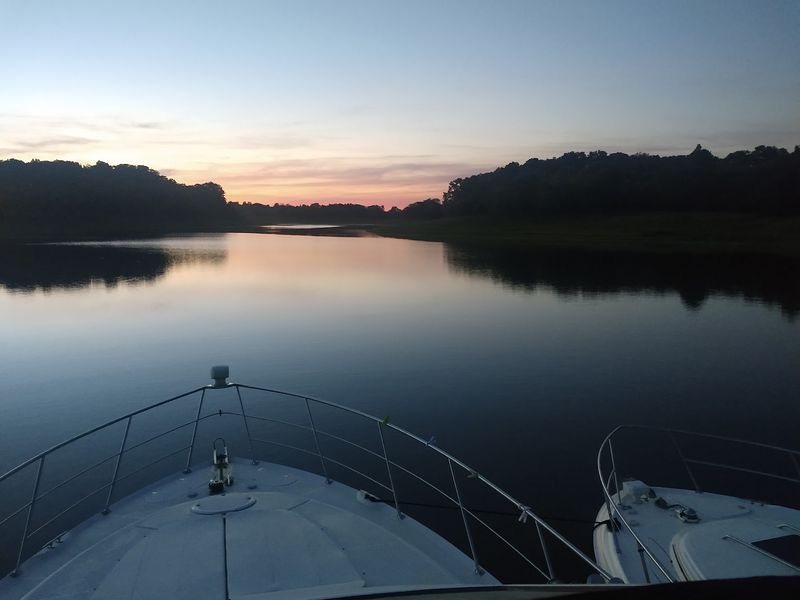
The most memorable places often carry two stories at once. Rathbun Lake was built to protect people from flooding, yet it has become a favorite escape for families, anglers, campers, boaters, and quiet sunset seekers.
Its practical role remains important. The reservoir supports flood control, water supply, fish and wildlife habitat, and recreation across southern Iowa.
That mix explains why the lake feels both useful and beloved, like a public space with a serious job.
Remembering Griffinsville gives the visit deeper meaning. The lake did not appear by accident, and its beauty came with sacrifice.
Farms, roads, and a village memory became part of a project meant to prevent larger damage downstream.
Plan a trip with both sides in mind. Spend one day on the water, another walking trails or visiting the dam, and leave time for a slow sunset.
Rathbun Lake rewards people who come for fun and notice the history beneath it.