Traffic jams on Skyline Drive are not anyone’s idea of a mountain escape.
Every fall, crowds pack the overlooks in Virginia and wait in long lines just to see a ridge.
Meanwhile, a quieter slice of the same Blue Ridge range sits just over the state line in northern Maryland.
It has rocky overlooks, a waterfall nearby, rustic cabins from the 1930s, and about 25 miles of trails that stay surprisingly calm.
Families earn Junior Ranger badges here, dog owners hike shaded loops, and early risers often have the best viewpoints almost to themselves.
The park also hides a few fun secrets in its history that most people never hear about.
Keep reading to find out where it is, which trails deliver the biggest payoff, and how to plan a smart day trip without the weekend headaches.
The Blue Ridge Without the Bumper-to-Bumper
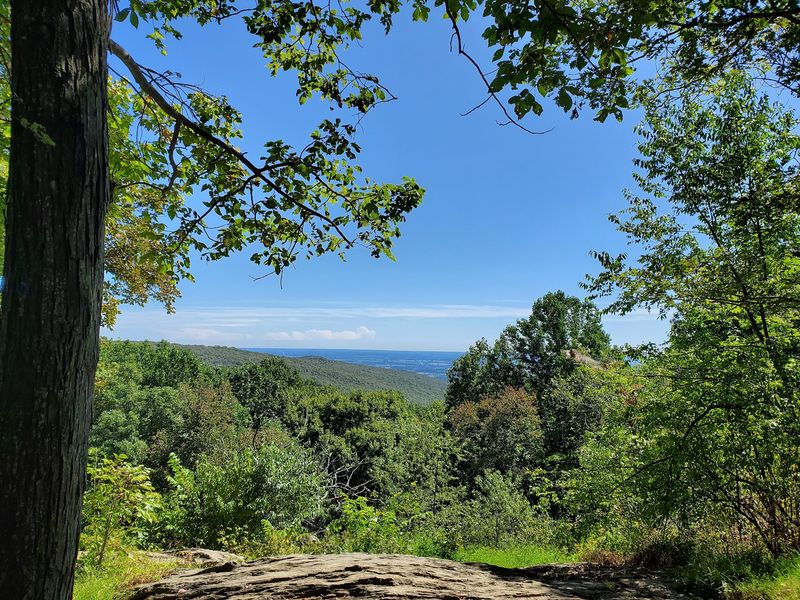
Catoctin Mountain Park sits at 14707 Park Central Rd, Thurmont, MD 21788, in the hills of northern Maryland. It is part of the same Blue Ridge chain that draws huge crowds farther south in Virginia.
The big difference here is size and pace. Shenandoah is a famous, sprawling park with a long scenic drive, while this one feels smaller and more personal.
The National Park Service manages the land, so trails are cared for and rangers are easy to find. The visitor center runs daily from 9 AM to 4:30 PM, which makes it a handy first stop.
Parking near the visitor center is free, though the lot holds only around 25 cars. That small lot is a hint of how calm the park usually feels compared to its southern cousin.
People who live within an hour or two often call it their go-to hiking spot. Travelers coming from farther away find it worth at least one visit.
Consider it the Blue Ridge with the volume turned down.
Chimney Rock Steals the Show
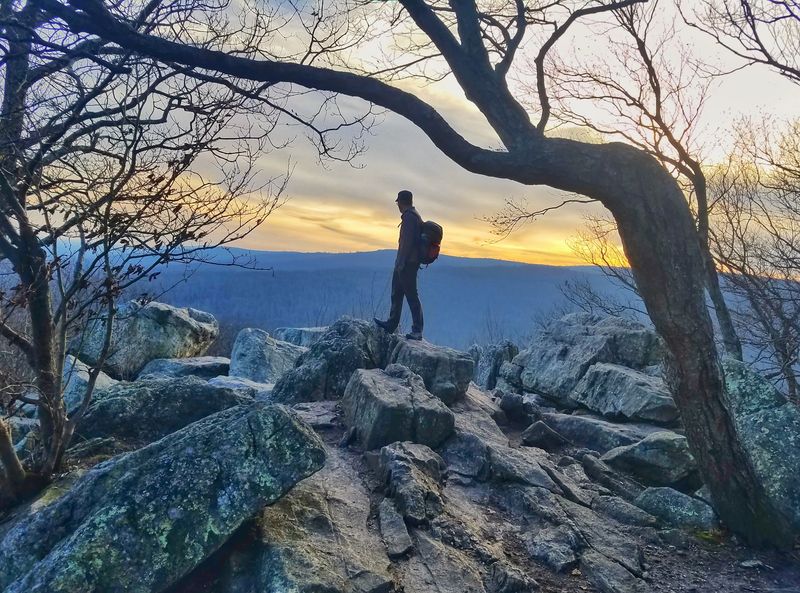
Ask hikers which spot surprised them most, and Chimney Rock tops the list. The overlook opens up wide mountain views that many people do not expect from a smaller park.
The rocky perch looks out over forested ridges and the valley below. It is the kind of place where phones come out fast and nobody is in a hurry to leave.
Reaching it takes some effort. The climb from the visitor center area is steady and rocky, but it stays doable for most people who take breaks.
Many hikers pair Chimney Rock with Wolf Rock on a loop of about 4 miles. Plan on roughly two and a half hours, depending on your pace and how long you linger at the top.
Good shoes matter here because the ground is full of loose stones. Bring water too, especially on warm afternoons.
The best advice is simple: start early. Arrive before the parking fills, and the overlook may feel like your own private balcony above Maryland.
Wolf Rock and Its Rocky Puzzle
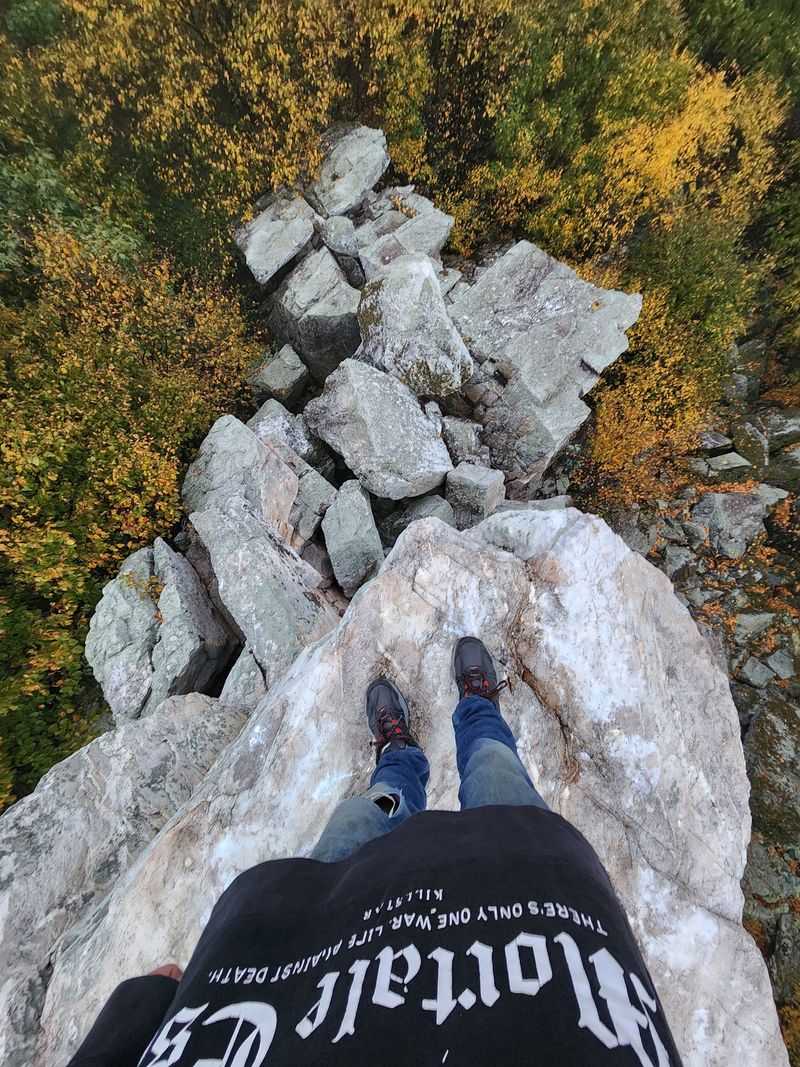
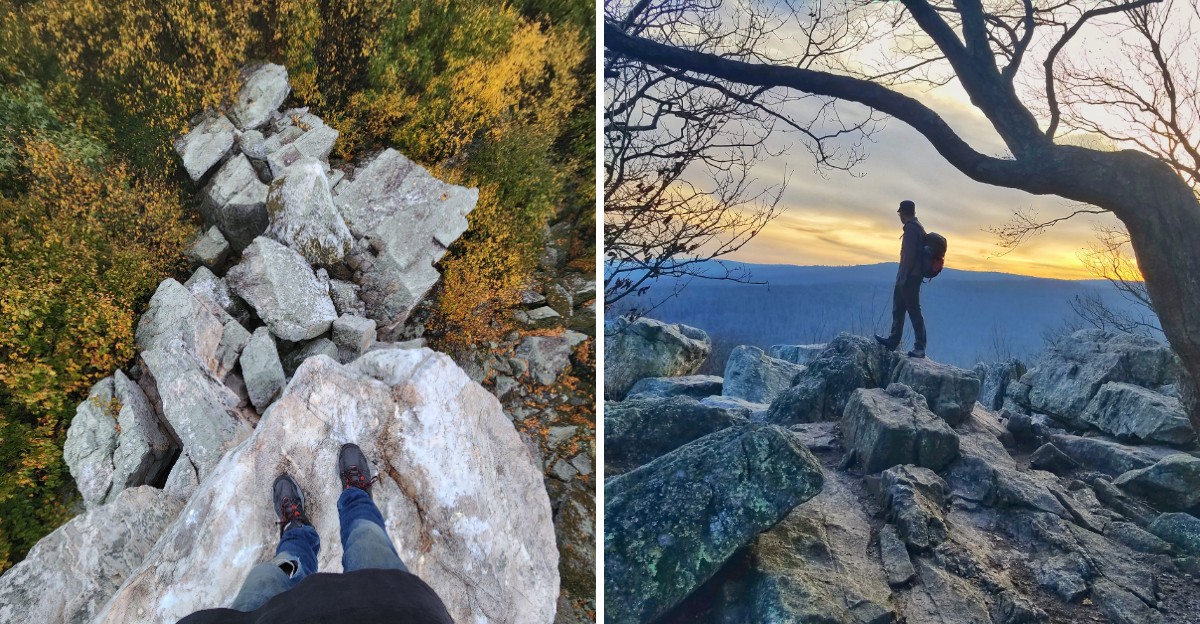
Not every trail stop needs a giant view to be worth the walk. Wolf Rock proves that point with a jumble of huge boulders and deep cracks.
The formation is made of quartzite, a tough rock that has split into blocks over a very long time. Kids and grown-ups alike enjoy studying the gaps and shapes.
It does not offer the sweeping vista that Chimney Rock does. Instead, the fun here is all about the rock itself and the forest around it.
Most hikers reach it on the same loop that leads to Chimney Rock. That makes it an easy bonus stop instead of a separate trip.
Climbing on the rocks can be tricky, so footing deserves attention. Some edges are steep, and young hikers should stay close to an adult.
Think of Wolf Rock as the quirky middle chapter of the hike. It sets the stage nicely before the big reveal at the next overlook, and it gives tired legs a reason to pause.
Falls Worth the Side Trip
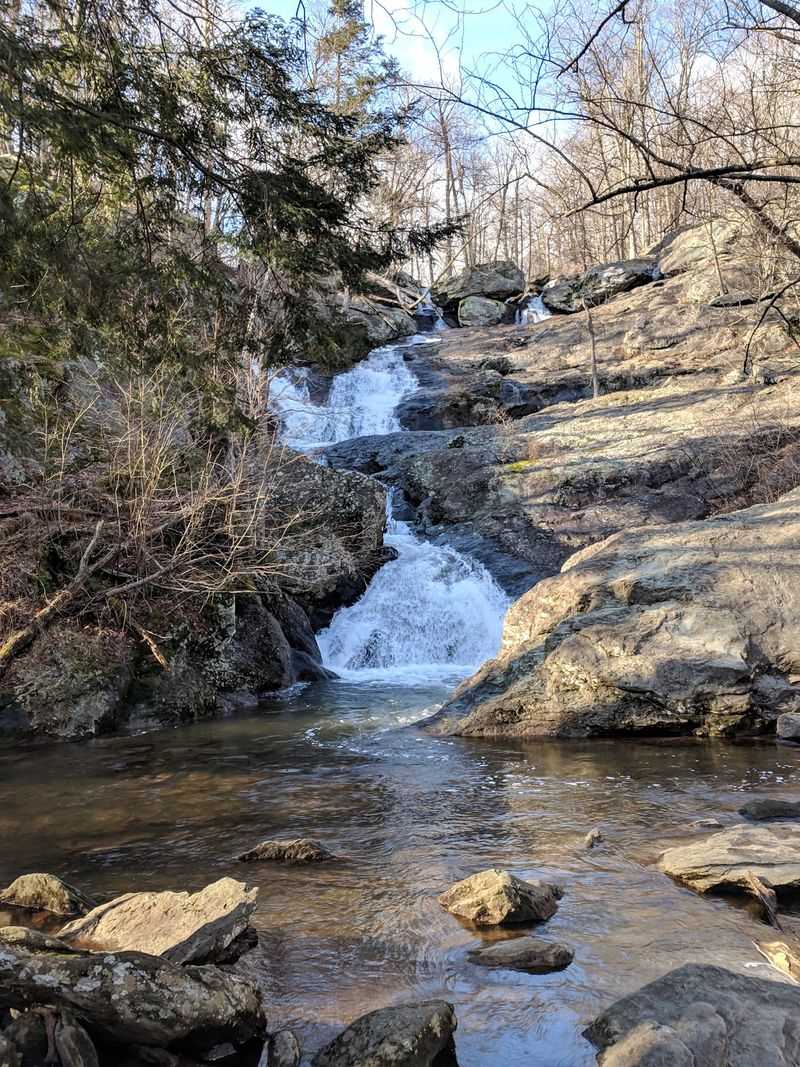
Water lovers, here is a bonus. Cunningham Falls sits right next door in Cunningham Falls State Park, and many Catoctin trail days include a quick visit.
Some hikers follow the Yellow Blaze Trail, cross the roadway, and finish at the falls. It makes a satisfying payoff after a walk through the woods.
Not up for a steep climb? There is good news.
A small parking area with a wide accessible boardwalk leads straight to the base of the falls.
That boardwalk is a thoughtful option for people with injuries, strollers, or wheelchairs. It skips the uphill section of the hiking path completely.
Sure-footed hikers sometimes scramble toward the top of the cascade for a better angle. The rocks can get slippery, so slow steps are the rule.
Bring a small trash bag and leave the area cleaner than you found it. A little effort keeps this popular spot pleasant for the next group, and that kind of kindness is always in style.
Trails for Every Kind of Hiker
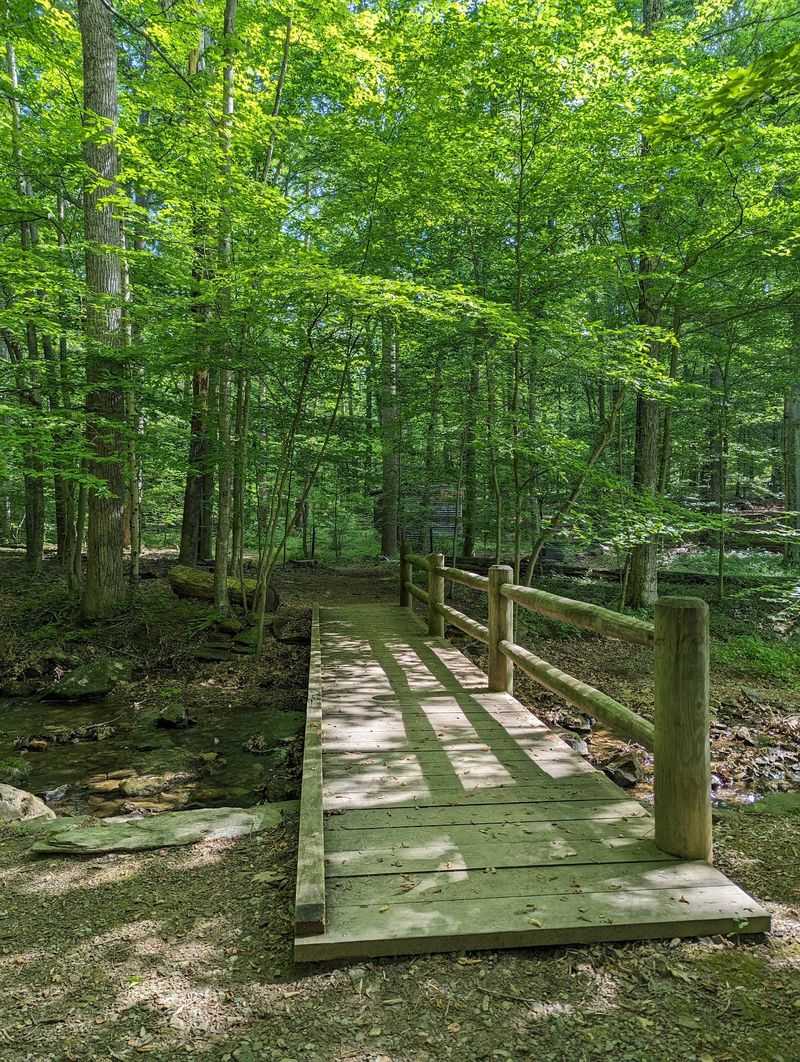
About 25 miles of trails wind through this mountain park. That is plenty of room to find a route that fits your energy level.
Short walks suit beginners and families. Longer, steeper routes give experienced hikers a real workout without feeling extreme.
Trails here earn steady praise for being well marked and well maintained. A clear map near the entrance shows the whole network, so planning takes just a few minutes.
Expect some sudden climbs. The steep parts can leave you breathing hard, but they rarely feel endless.
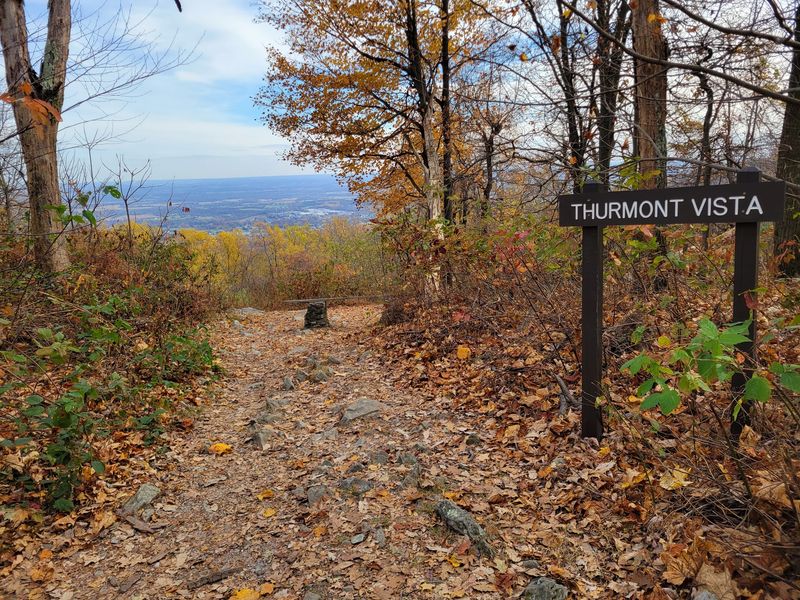
Popular stops include Hog Rock, Thurmont Vista, and the Blue Ridge Summit overlook. Each one gives a different look at the surrounding hills.
Trail runners also enjoy the paths, especially on cooler mornings. The rocky ground keeps everyone honest about watching their feet.
Moderately challenging is a fair way to describe most routes. That middle ground is exactly why so many hikers keep coming back for one more loop.
Cabins With New Deal Roots
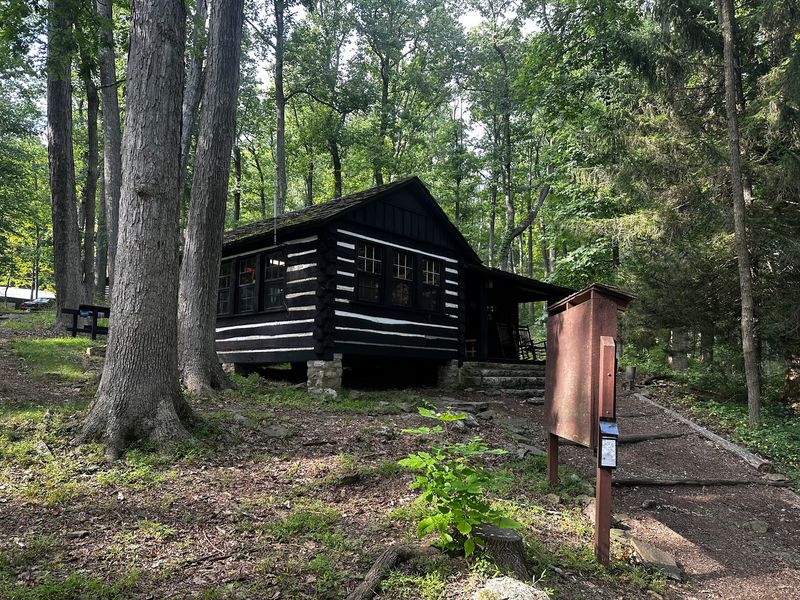
Back in the 1930s, workers with New Deal programs built rustic camps across these hills. Some of those cabins still welcome guests today at Camp Misty Mount.
The historic district gives overnight visitors a chance to sleep in a piece of the past. The cabins are simple and cozy.
Plan ahead before booking. Guests need to pack in their own food and cook it over the fire pit.
The dining hall is for private rentals only. No meals are served to the public, so a well-stocked cooler is a smart move.
Camp Misty Mount has clean, central bathrooms and showers. There is also a pool for warm-weather stays.
Spots fill up fast, especially in busy seasons. Expect neighbors nearby, though respectful campers keep things relaxed.
The park does not offer RV hookups or big campgrounds. It works best for day trips or simple, old-school camping where a fire pit counts as the kitchen.
A Visitor Center That Earns Its Stop
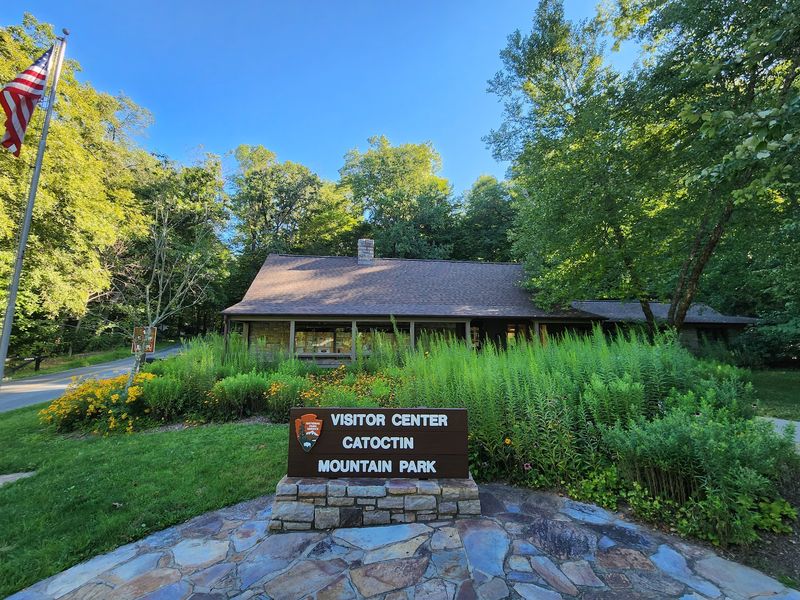
Smart hikers start their day at the visitor center, and for good reason. Rangers there know the trails well and happily help plan a route.
Free trail maps make choosing a loop easy. Staff can also suggest hikes based on time, weather, and skill level.
The building has clean restrooms, which matter before a long climb. A small store sells gifts and park souvenirs.
It is also a nice place to cool down after a sweaty hike. Many people end their outing right where they started.
Exhibits share how the mountain shaped early life in the area. Some guests leave surprised by how much history this land holds.
The parking lot even has charging spots for two electric cars. That detail is handy for drivers coming from Baltimore or Washington.
Hours run from 9 AM to 4:30 PM every day. Arriving close to opening gives you a parking space, a map, and a head start on the trails.
Junior Rangers and Curious Kids
Kids love a mission, and the Junior Ranger program gives them one. Young explorers complete activities and earn an official badge from the park.
Rangers make the experience feel special. They are known for being friendly and full of interesting facts.
Families often combine the badge with a short hike. A waterfall visit and a mountain overlook make a full and fun day trip.
The nature center adds even more to explore. Children can learn about the plants and animals that live in these woods.
Wildlife sightings keep things exciting. Small creatures like blue-tailed skinks sometimes show up near cabins and trails.
Streams invite rock hopping on warm days. Just keep a close eye on little ones near slippery or steep spots.
Teach kids to spot poison ivy before the hike starts. A quick lesson at home can save a lot of itching later.
Learning feels less like homework when the classroom is a mountain.
Four-Legged Hikers Welcome
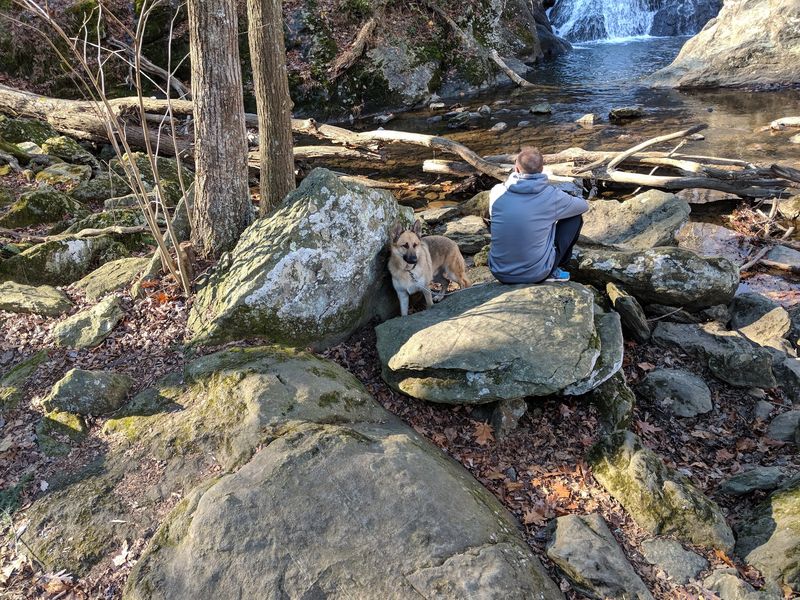
Dogs seem to agree that these trails are worth the trip. Pet owners often bring their pups along for long walks in the woods.
The Yellow Blaze Trail is a common favorite. It runs roughly 5 miles when combined with the side trip to Cunningham Falls.
Along the way, Hog Rock and the Blue Ridge Summit vista add nice viewpoints. These stops give both people and pets a chance to rest.
Preparation keeps the day safe. Bring plenty of water for your dog, since streams are not always close to the route.
The rocky ground can be rough on paws over many miles. Shorter hikes are a good test for dogs new to mountain trails.
Watch the trail edges too. Snakes sometimes appear in warmer months, so leashes help keep curious noses out of trouble.
Pack waste bags and carry them out. Clean trails mean dogs stay welcome here, and that makes every tail-wagger in Maryland a winner.
Seasons, Snow, and Smart Timing
Timing can make or break a mountain day. Weekend mornings bring the most competition for parking, so early arrival pays off.
Some hikers start before 8:30 AM to grab a space. By midmorning, the visitor center lot can be full.
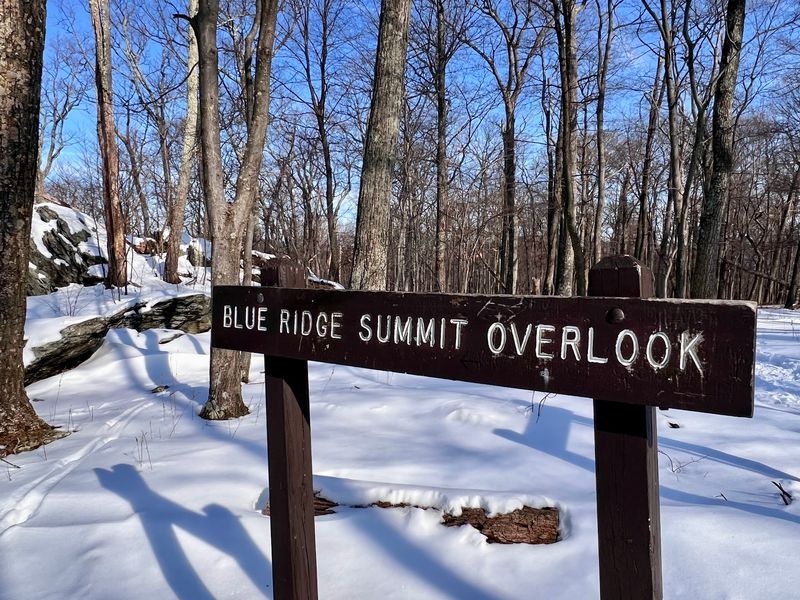
Winter brings a quieter, snowy side of the park. The trails look lovely under a white blanket but can get very slippery.
Going downhill on icy rocks is the hardest part. Traction gear and patience make a big difference.
Cross-country skiing is possible here when snow cooperates. Fly-fishing draws anglers to the streams in other seasons.
Fall foliage is a big draw, much like in Shenandoah. Even then, crowds here usually stay smaller and easier to handle.
Summer hikers should carry extra water. Warm days and steep climbs add up quickly.
Check the weather before leaving home and dress in layers. A little planning turns any season into a good one on this mountain.