North of New Haven, a long ridge stretches across the skyline like a man taking the longest nap in Connecticut history. Locals have watched him snooze for generations, and he has never once rolled over.
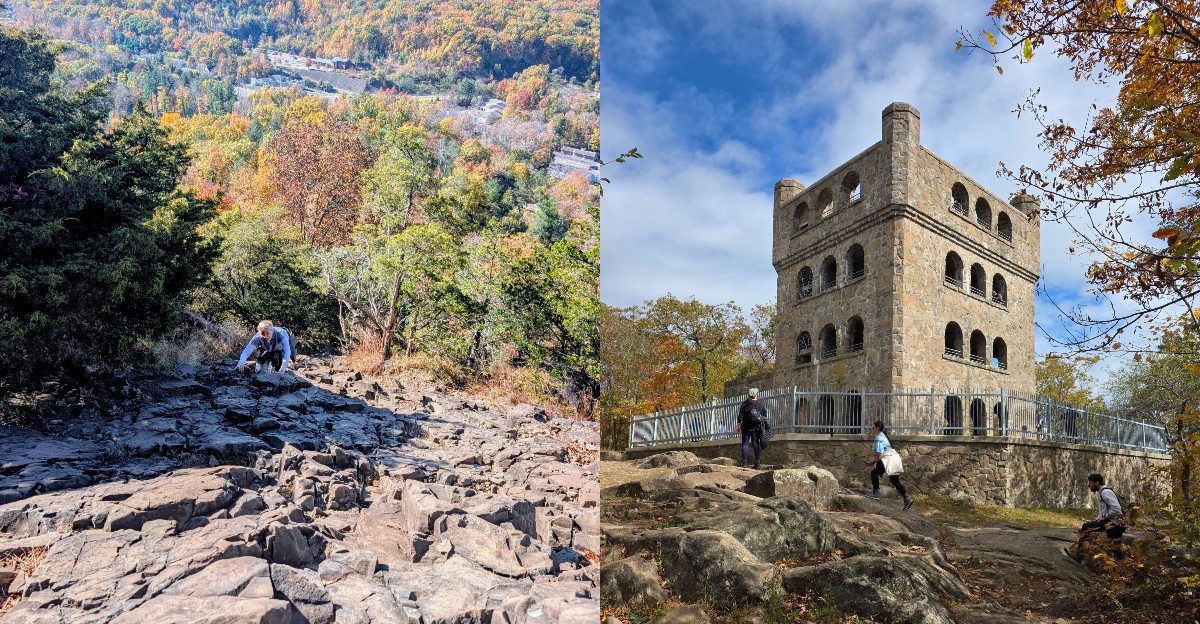
The best part is that families are allowed to hike right up onto his head, his chin, and even his chest. Kids treat it like a playground built by geology, and grown-ups get a workout disguised as a walk.
Trails here range from easy strolls to rocky scrambles that feel like a real adventure. At the top sits a stone tower with wide views across the region.
Keep reading to learn where the giant is, how he got his name, which trail leads to the tower, and the smart tips that make a visit go smoothly for every age.
Meet the Giant at His Front Door
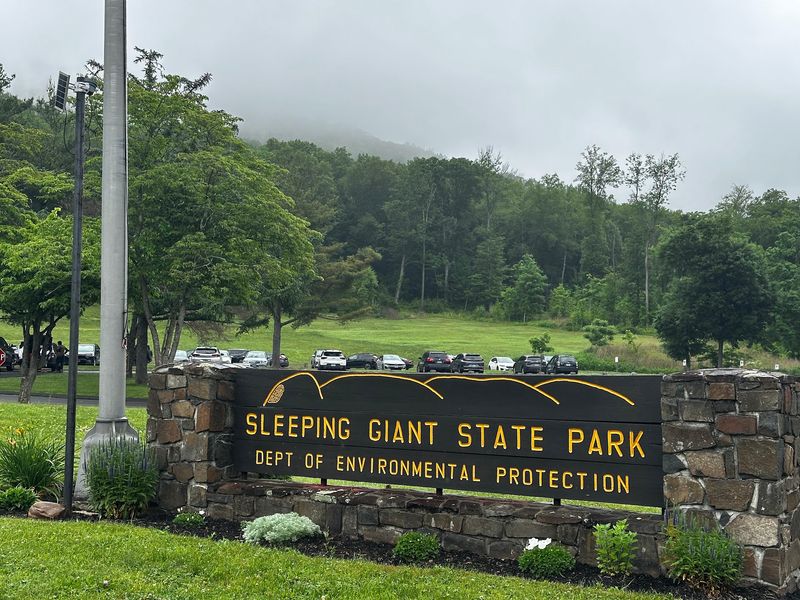
Every giant needs a mailing address, and this one has a tidy one. Sleeping Giant State Park sits at 200 Mt Carmel Ave, Hamden, CT 06518, in the state of Connecticut.
Hamden is a town just north of New Haven, so the park is an easy drive for many families in the area. The main entrance sits across the road from Quinnipiac University, which makes it simple to find.
The park covers roughly 1,500 acres of woods, ridges, and rocky ledges. That is plenty of room for a giant to stretch out.
Parking is available near the entrance, and the lot can fill up quickly on sunny weekends. Arriving early in the morning gives you the best shot at a spot.
A picnic area near the entrance makes a handy meeting point before a hike. Restrooms are available seasonally, so plan ahead during colder months.
Once the car is parked, the ridge rises above you. The adventure starts only a few steps from the lot.
Spot the Man in the Mountain
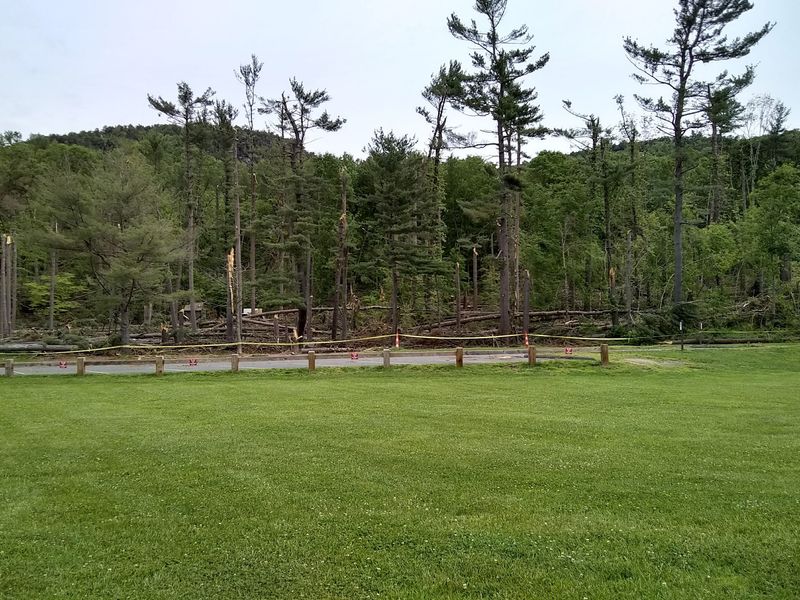
Squint just right from the south, and the ridge turns into a person lying on his back. That shape is the whole reason for the park’s name.
The giant is made of a chain of hills about two miles long. Viewed from places around New Haven and Hamden, the outline shows a head, chin, chest, hips, and knees.
Parts of the ridge even carry names to match. You will find spots called the Head, the Chin, and the Left Hip on trail maps.
Kids love hunting for the outline before the hike begins. It turns a car ride into a small game of spotting.
Here is a fun tip for families. Point out the giant on the drive in, then show the kids a park map with the body parts labeled.
Later, once they are standing on the Head, they can tell friends they climbed onto a giant. That bragging right is hard to beat at school on Monday.
A Legend Made of Rock
Long before anyone drew a trail map, local tradition told of a giant spirit named Hobbomock. According to Native American legend from the area, he was put into an endless sleep and stayed right here.
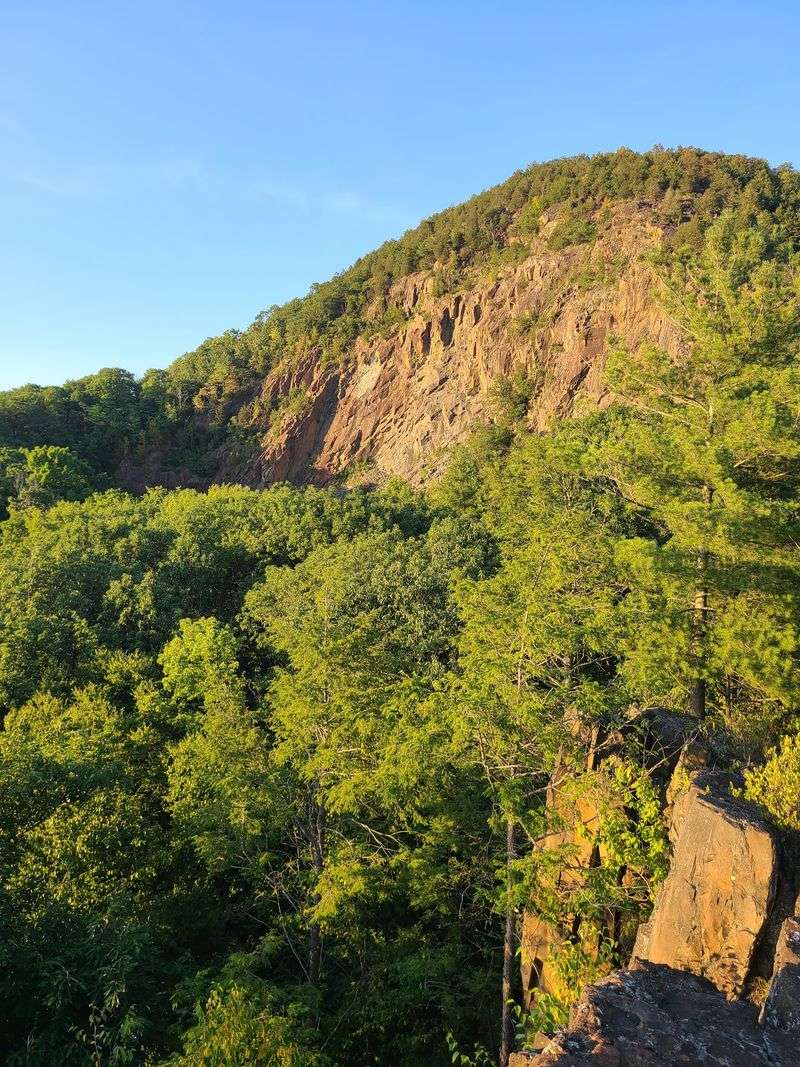
Science tells a different story. The ridge is made of traprock, a hard volcanic stone formed about 200 million years ago.
Melted rock pushed up through older layers and cooled into tough basalt. Over ages, softer rock wore away and left the giant behind.
That same traprock forms other ridges across central Connecticut. The giant is one piece of a longer chain of hills in the region.
History has a modern chapter too. In the early 1900s, quarrying cut into the giant’s head, and local people worried he might lose it entirely.
In 1924, a group formed the Sleeping Giant Park Association to protect the ridge. Their work helped preserve the land and later ended the quarrying.
So the giant owes his good looks to volcanoes and some very determined neighbors.
The Tower Trail Is the Easy Route Up
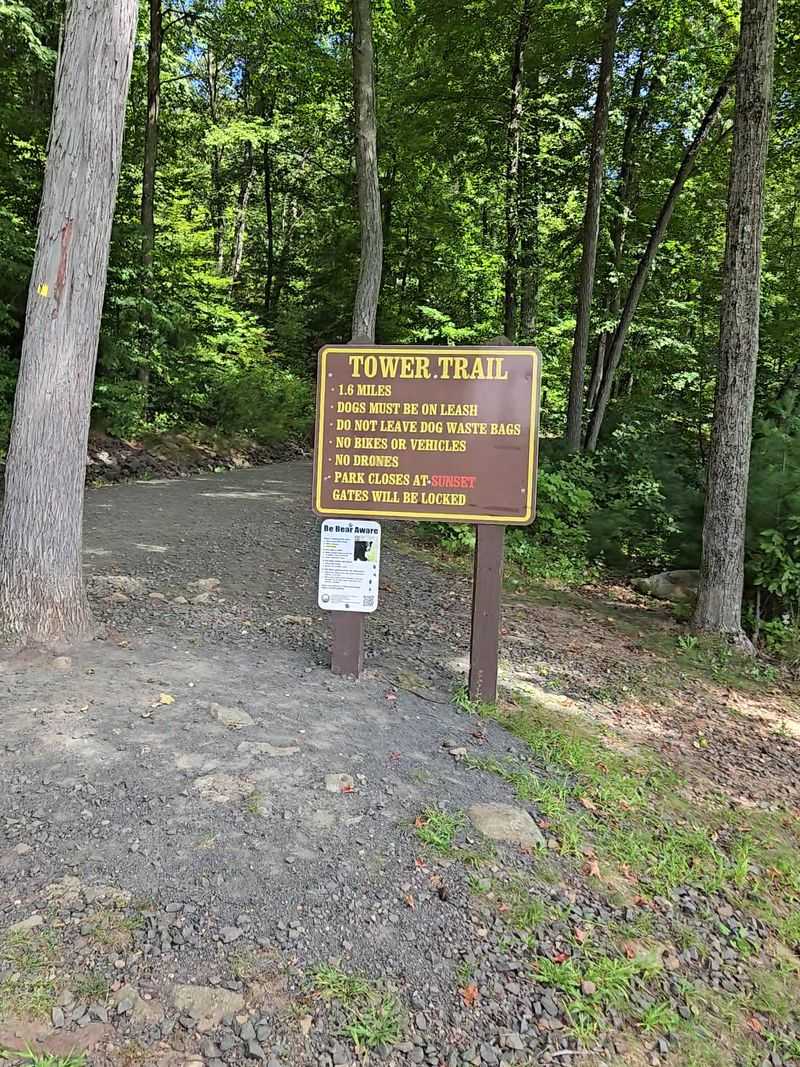
Not every family wants to scramble over boulders, and that is completely fine. The Tower Path offers a gentler way to reach the top.
This trail is a wide, graded path that winds up the giant at a steady climb. It runs about 1.6 miles one way from the parking area to the stone tower.
Strollers built for rough ground and young hikers can usually manage it with a few breaks. The surface is mostly gravel and packed dirt.
Plan on an hour or more to get up and back for most families. Little legs may need extra snack stops, and that is part of the fun.
The path switches back and forth instead of going straight up. That design keeps the slope friendly the whole way.
Bring water, even on cool days, since the climb still gets hearts pumping. Good shoes help too.
At the end, the reward stands tall in stone. The tower is just around the final bend.
A Castle on the Giant’s Chest
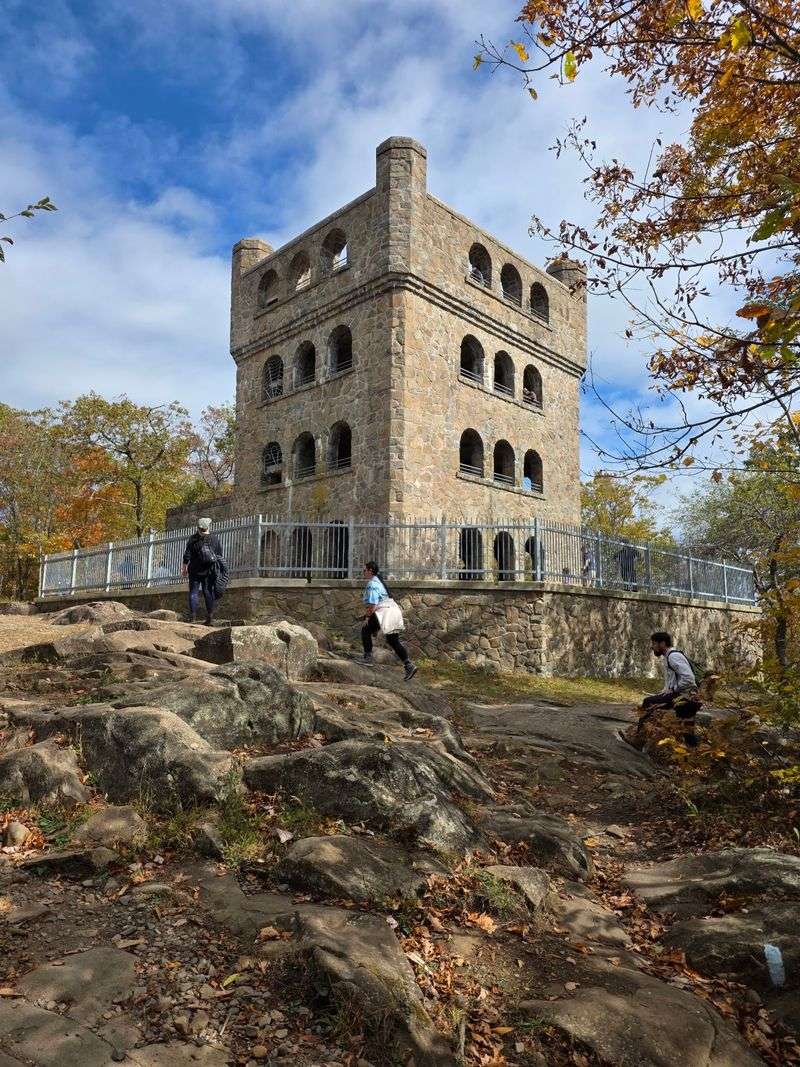
Few parks can say they have a castle on top. The stone observation tower here looks like it belongs in a storybook.
Built in the 1930s by the Works Progress Administration, the tower stands on Mount Carmel, the highest point of the giant. It sits at about 739 feet above sea level.
A ramp spirals up inside the tower instead of steep stairs. Kids enjoy racing around the curves to reach the top.
From the upper level, the views stretch across Hamden and the surrounding towns. On clear days, Long Island Sound shows up to the south.
Many people also spot the city of New Haven in the distance. Fall brings especially colorful views across the treetops.
The tower is a great place for a family photo or a picnic break. Benches and flat rocks nearby give everyone a place to rest.
Be sure to snap a picture before heading back down. Proof of summiting a giant deserves a spot on the fridge.
Climbing onto the Giant’s Head
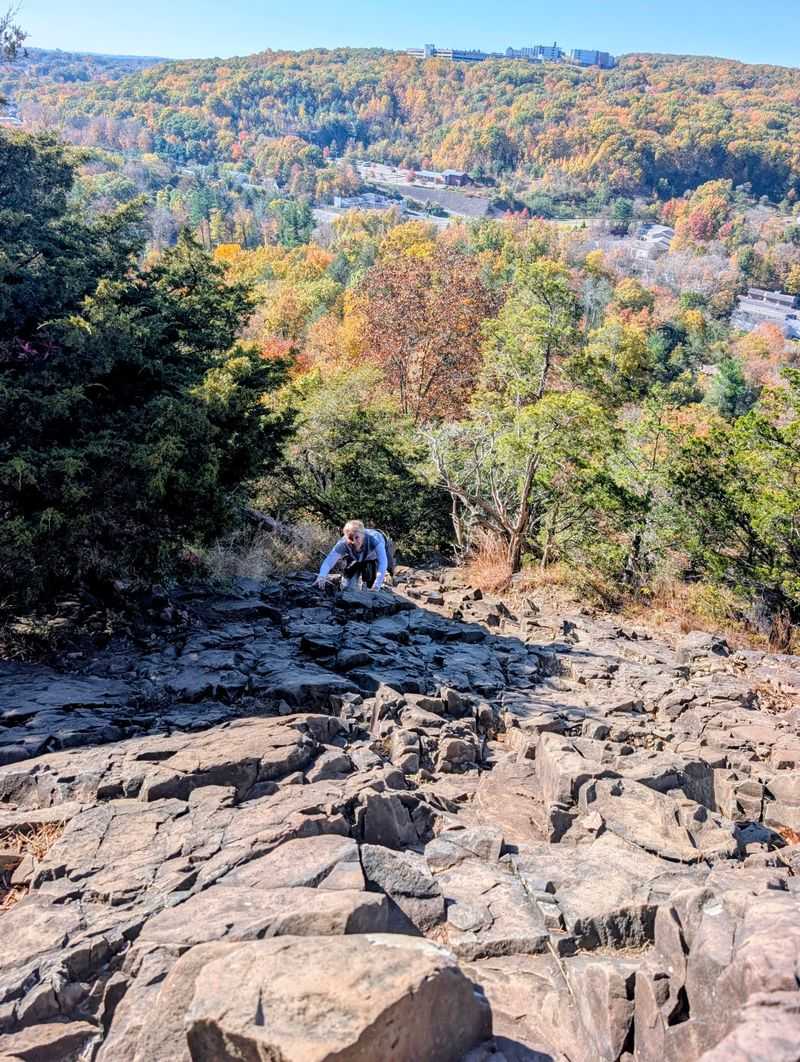
Kids who want a real challenge usually head straight for the Head. This end of the ridge offers rocky climbs that feel like a true expedition.
The Blue Trail runs along the full length of the giant, from head to foot. Some stretches near the Head and Chin include steep ledges and hand-over-hand scrambling.
Older kids with good balance tend to love these sections. Younger children may need lots of help or a gentler route.
Safety comes first on the rocks. Wear sturdy shoes with good grip, and skip the steepest parts after rain when the stone gets slick.
The cliffs near the old quarry area have sharp drops. Stay on marked trails and keep a close eye on little ones.
A smart plan is to hike a short piece of the Blue Trail and turn back when anyone feels tired. There is no prize for finishing the whole giant in one day.
Standing on the Head is a memory kids talk about for years.
Color-Coded Paths for Every Mood
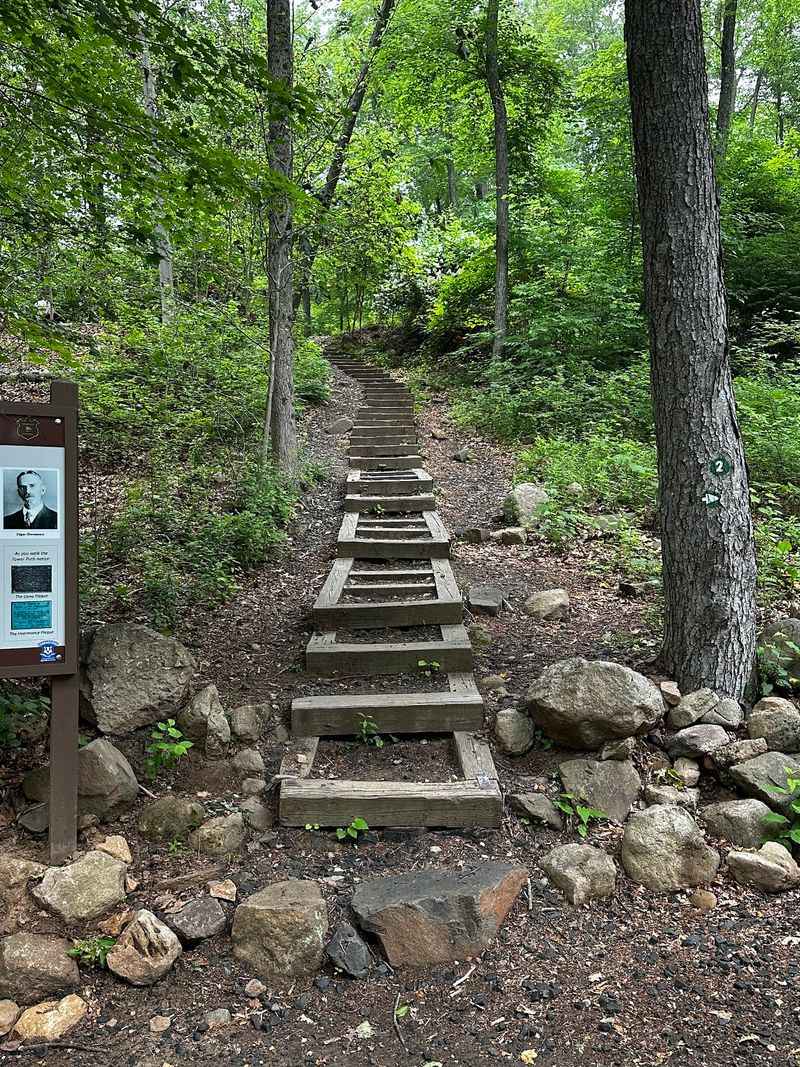
Over 30 miles of trails crisscross the park, which sounds like a lot to sort out. Luckily, the system is organized in a clever way.
Trails running east to west are marked with solid colored blazes. Trails heading north to south use colored shapes, often a white background with a colored mark.
That system helps hikers keep track of direction. It turns reading the woods into a puzzle kids can solve.
Grab a trail map before starting out. The Sleeping Giant Park Association offers maps, and some are posted near the entrance.
Snapping a photo of the map on your phone works as a handy backup. Cell signal can be spotty in certain spots.
Trails vary a lot in difficulty. Some are calm woodland walks, while others climb steep rocky ridges.
A good idea is to pick one goal for the day, such as the tower or a lookout, and plan the loop around it.
Following the colors keeps everyone on track and headed home on time.
Picnic Tables Near the Trailhead
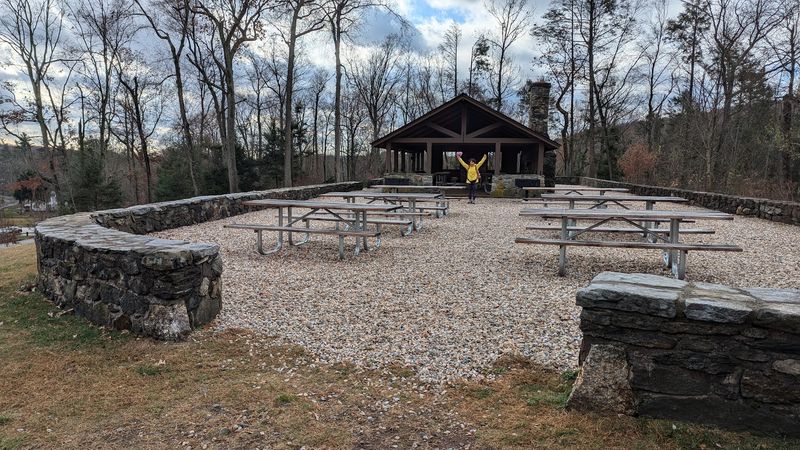
Sometimes the best part of a hike is the break afterward. The picnic area near the entrance gives families a relaxed spot to recharge.
Tables are spread among the trees, and some sit near the Mill River, which runs through the park. Grills are available in the picnic area for cookouts.
It is a nice home base for groups with mixed energy levels. Some can hike while others hang back and relax.
Weekends in summer and fall get busy here. Arriving early helps you claim a good table.
Pack out everything you bring in. Keeping the park clean helps the giant stay comfortable for the next family.
The river also gives kids a chance to look for rocks and small critters along the banks. Keep a close watch near the water.
After a climb, a slow lunch in the shade feels well earned. Few trailheads make resting this easy.
When the Giant Looks His Best
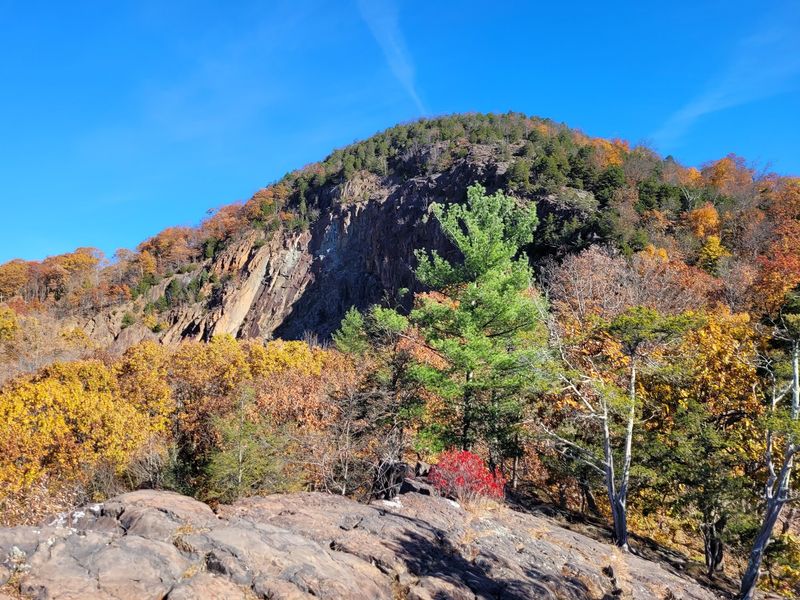
Timing can turn a good hike into a great one. The giant changes his outfit with each season.
Autumn is the busiest time, and for good reason. The hills turn red, orange, and gold, usually around mid to late October.
Spring brings fresh green leaves and wildflowers on the forest floor. Trails can be muddy after rain, so boots help.
Summer offers long days and full shade on many paths. Start early to beat the afternoon heat and the crowds.
Winter visits are quieter, with clear views through bare trees. Icy rocks can be dangerous, so skip the steep scrambles then.
The park is generally open from 8 a.m. to sunset year-round. Checking the Connecticut state parks website before you go is wise for any updates.
Weekday mornings are the calmest time of all. The giant seems even more peaceful when the trails are nearly empty.
Choose your season and let the ridge do the rest.
Smart Tips Before You Go
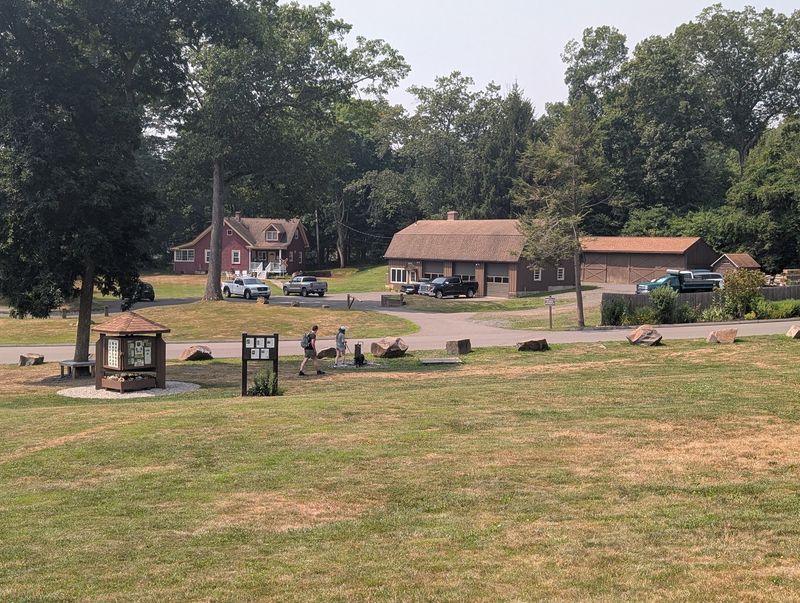
A little planning keeps the giant friendly. These pointers help families enjoy a smooth day.
Parking fills fast on nice weekends, and overflow along nearby roads is limited. Coming early or on a weekday saves a lot of stress.
Connecticut residents with state plates do not pay parking fees at many state parks. Rules can change, so check before visiting.
Wear sturdy sneakers or hiking boots. The traprock is rough and uneven, even on easier paths.
Pack water, snacks, and a small first aid kit. Bug spray and sunscreen come in handy during warmer months.
Dogs are allowed on a leash, so four-legged hikers can join. Bring bags to clean up after them.
Tell kids about trail rules before starting, especially staying on marked paths near cliffs. A quick talk at the car makes a big difference.
Leave plenty of daylight for the return trip. Then head home and let everyone sleep like a giant.