

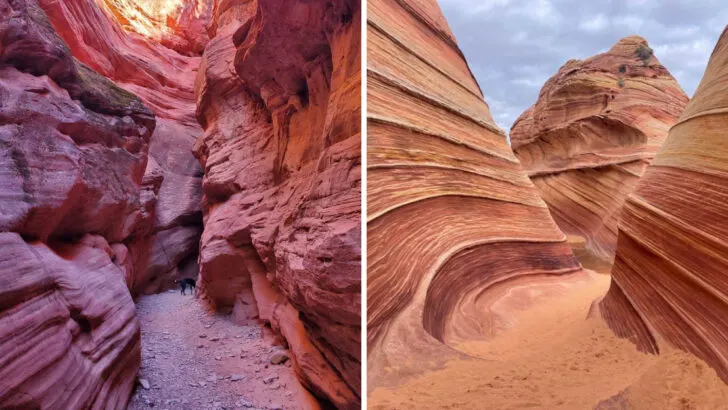
Ready to squeeze through sandstone corridors, splash through shallow streams, and discover glowing walls that look painted by sunrise. The Southwest hides dozens of slot canyons you can hike without hiring a guide, and many are surprisingly approachable with smart planning.
This list gives you the best picks, plus essential context so you can choose the right adventure for your time, fitness, and comfort with tight spaces. Lace up, bring water, and let these winding passages pull you into the desert’s secret world.
Little Wild Horse Canyon, Utah
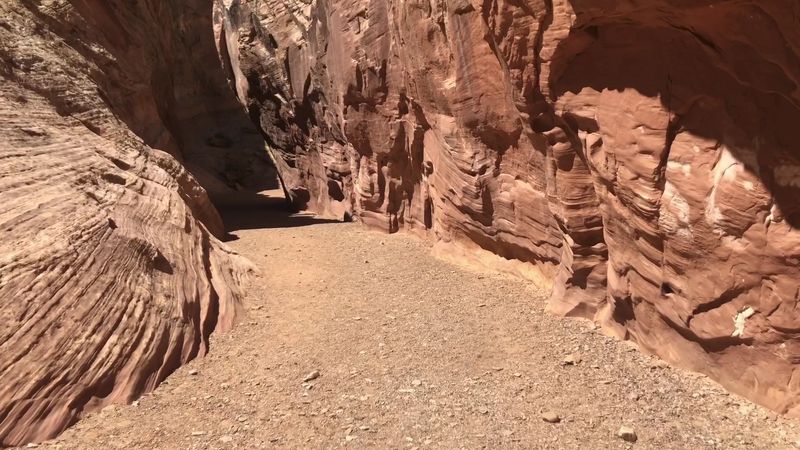
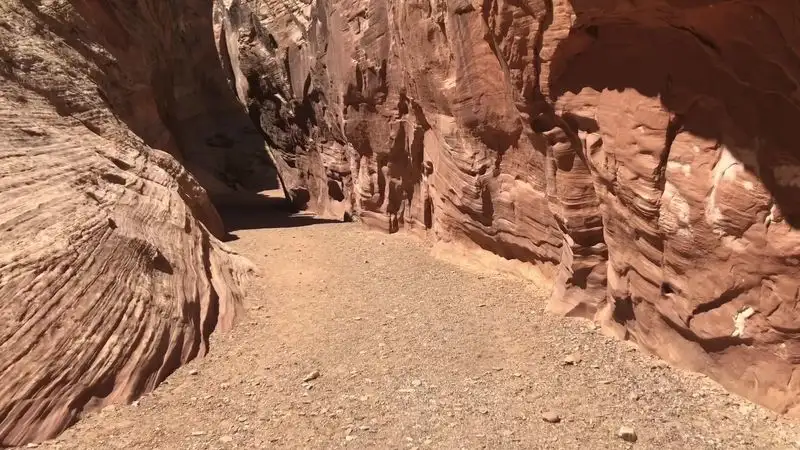
Little Wild Horse Canyon in the San Rafael Swell is one of the most beginner friendly slots in Utah. The classic loop pairs Little Wild Horse with Bell Canyon, creating variety in width, texture, and light. Expect shallow sections, a few simple scrambles, and polished walls shaped by flash floods over centuries.
You will thread narrow hallways where backpacks scrape and then emerge into chambers glowing peach and rose. The sandstone reflects sunlight like a soft lamp, making even midday feel cinematic. Kids often love the scrambling, though you should spot them at a couple of chockstones and pour offs.
Go early for cooler temps and fewer crowds, then move steadily to finish before afternoon storms. Carry at least two liters of water, a brimmed hat, and footwear with decent traction. If storms threaten, turn around immediately because the canyon drains quickly and narrows severely.
From Goblin Valley Road, graded dirt reaches the trailhead, passable to most passenger cars in dry weather. The signed trail enters a wash before squeezing into the slot. You can do an out and back or the full loop with Bell, but always track time so you return with daylight.
Willis Creek Narrows, Utah
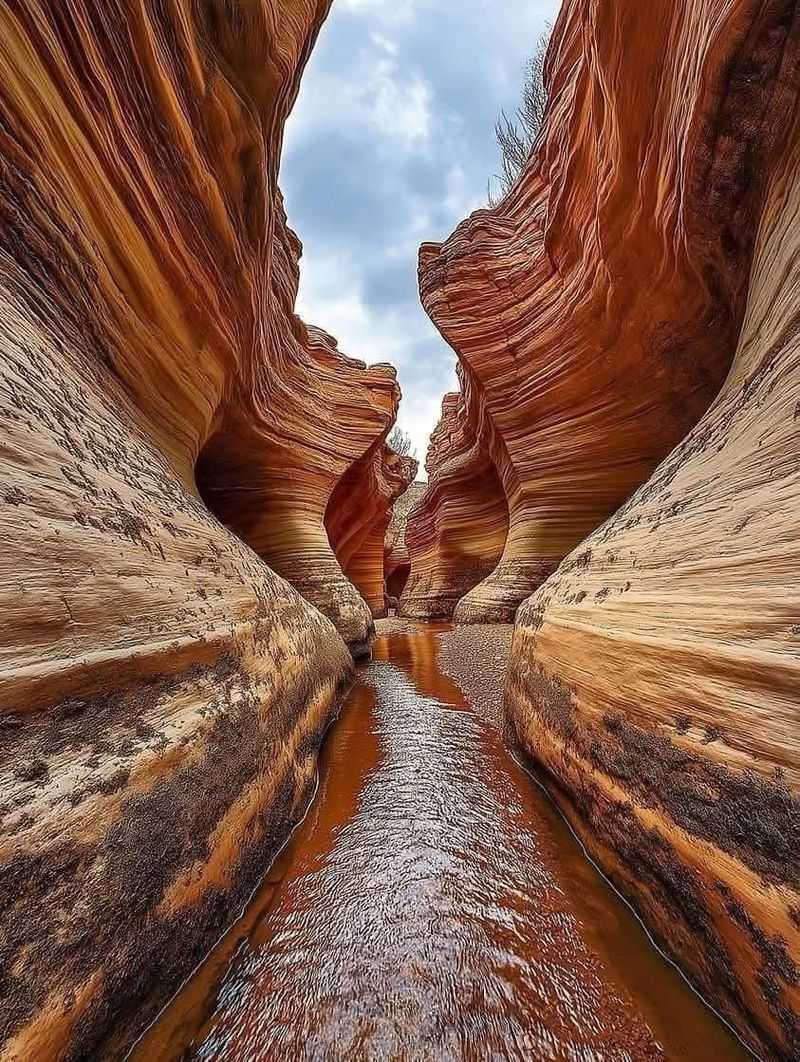
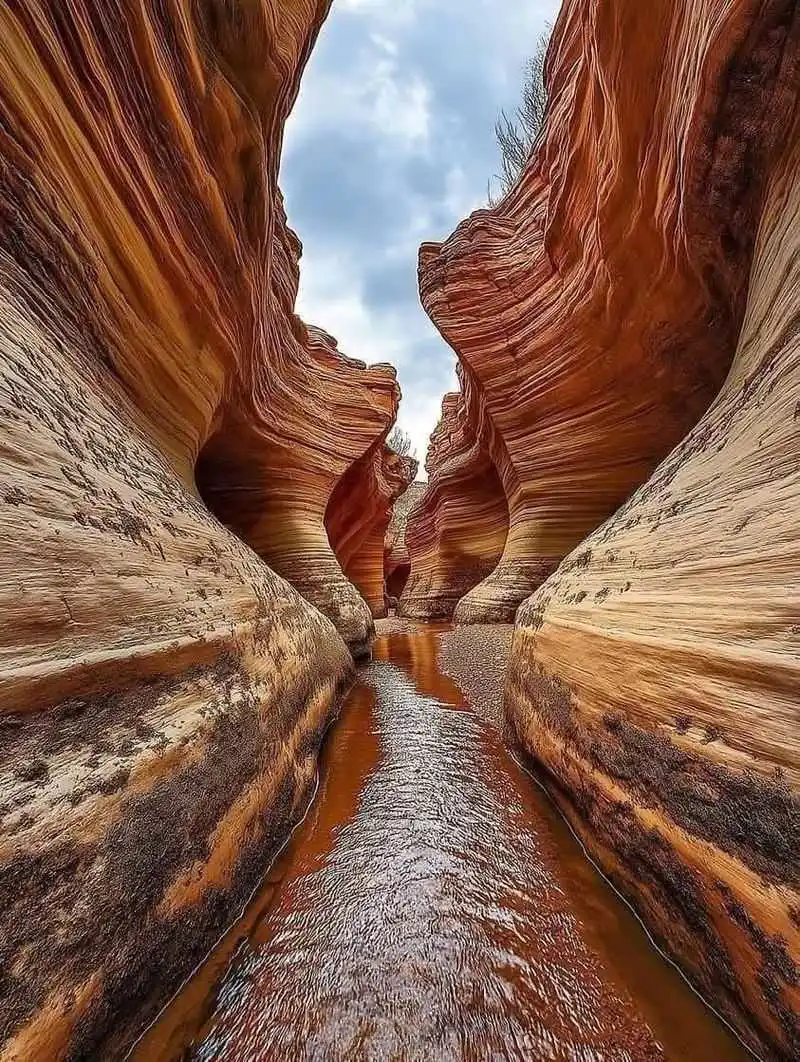
Willis Creek Narrows is a relaxed introduction to slots because the canyon stays open enough to feel safe yet intimate. The shallow stream cools your ankles as you wander, and the walls rise in graceful folds that glow honey colored under reflected light. It is ideal for photographers who want soft water lines and simple compositions.
Access is via Skutumpah Road, which is graded but can be rutted or slick after rain. Most vehicles make it in dry conditions if driven carefully. Expect multiple crossings and occasional small cascades that make kids smile and dogs curious.
There are no major obstacles, only narrow turns and brief constrictions. Wear shoes that can get wet and resist slippery algae on stream stones. Because the canyon still collects runoff, check forecasts and avoid if thunderstorms threaten the Bryce region.
Start early for solitude and to capture low angle light that paints the walls bronze. The route is an easy out and back, letting you turn around whenever you like. Pack a snack, a light layer for shade, and consider trekking poles for stream footing, though most hikers manage fine without them.
Spooky Gulch, Utah
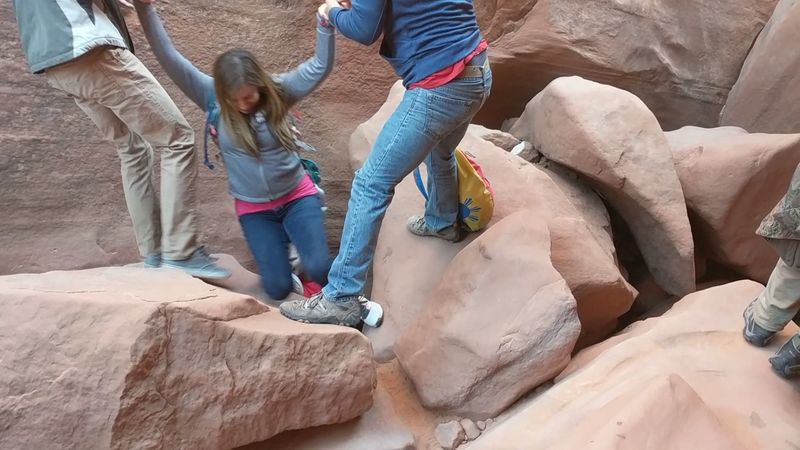
Spooky Gulch lives up to its name with claustrophobic turns, shoulder squeezing walls, and dramatic light that slices down like stage beams. It is part of the Peekaboo Spooky Dry Fork trio, often combined into a loop. No guide is needed, but comfort with tight spaces makes the difference between delight and stress.
The approach crosses open slickrock and sandy wash, then the canyon narrows abruptly. Backpacks need to be slim or carried by hand through the tightest sections. A few chokepoints require stemming and sideways shuffling, and there is one short downclimb that some hikers prefer to reverse carefully.
Check weather because flash floods transform Spooky into a dangerous chute. Start early and move deliberately to avoid bottlenecks. If a section feels too tight, backtrack and choose an alternative path or simply make it an out and back from the wider portions.
Pairing with Peekaboo adds photogenic arches and sculpted bowls, but Peekaboo’s entry requires a scramble. Bring grippy shoes, at least two liters of water, and leave pets behind. The road to the trailhead is washboarded and can be impassable when wet, so plan for dry conditions and patience.
Peekaboo Gulch, Utah
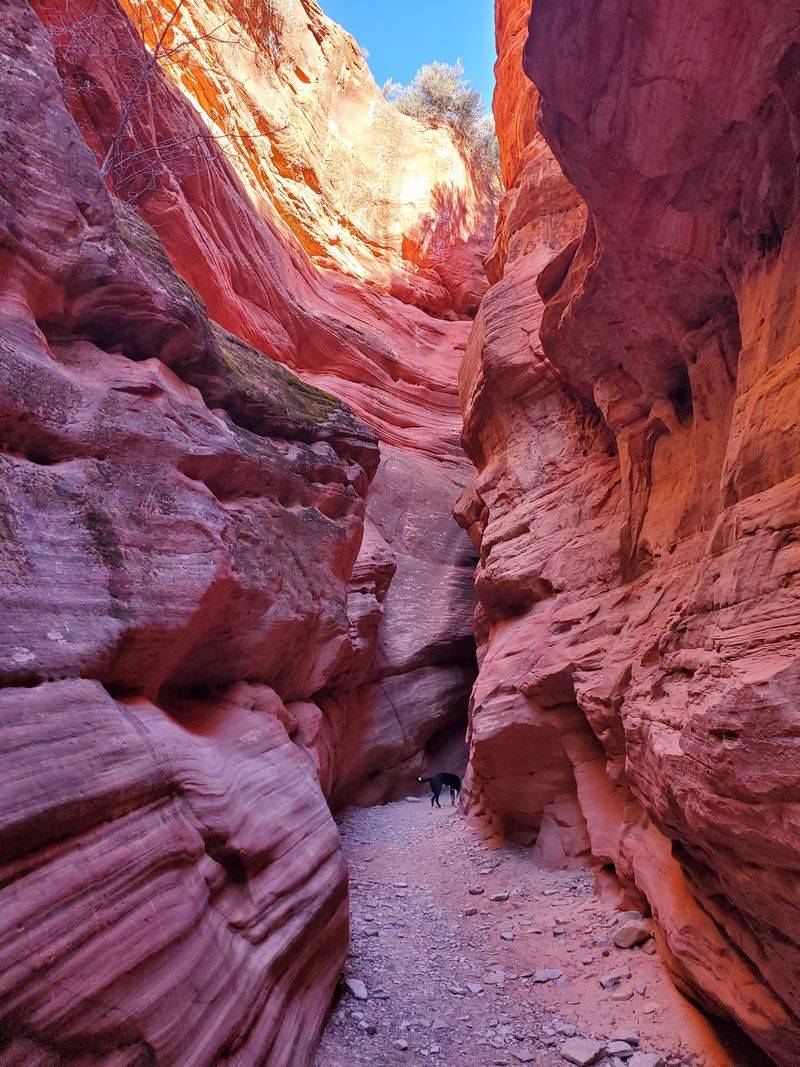
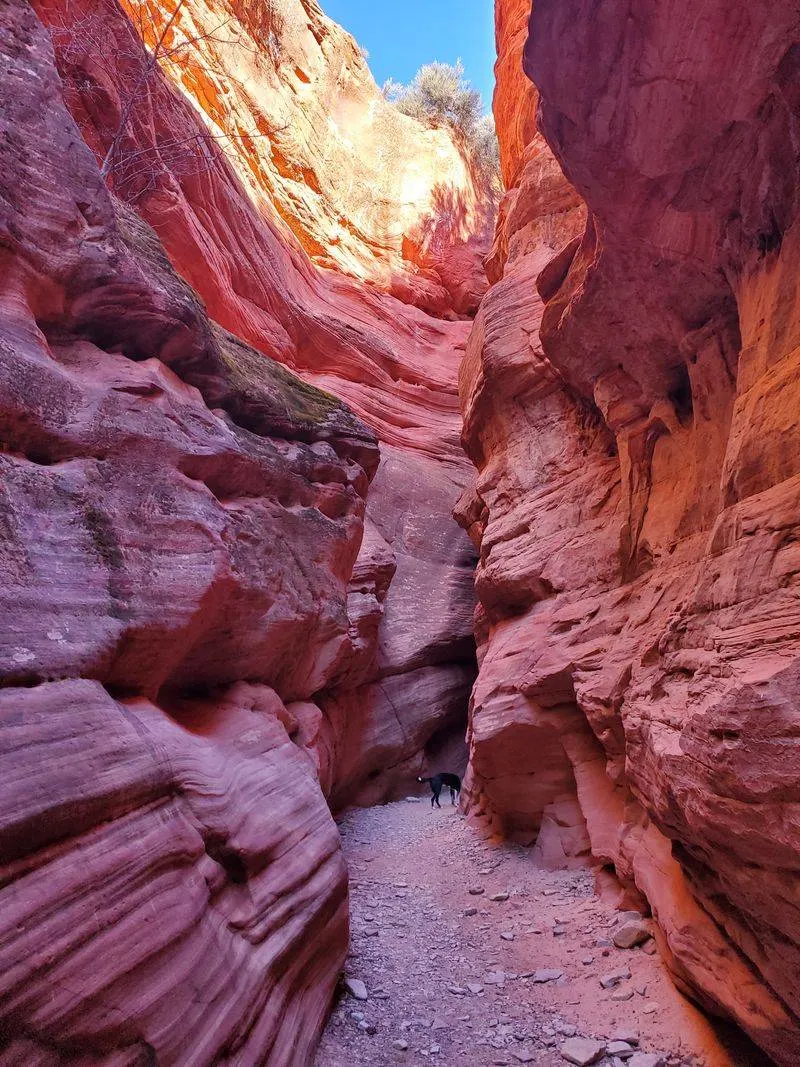
Peekaboo Gulch is playful and photogenic, with natural arches, pothole bowls, and sculpted chutes that feel like a sandstone playground. The entry involves a short but steep scramble that many hikers ascend by hand and foot smearing. Once inside, the canyon turns into a sequence of tight bends and glowing alcoves.
Photography rewards patience as light bounces from orange to pink across smooth, water polished walls. Expect to pass through small windows and duck under curving spans. Kids and adventurous adults love the hands on movement, though very tight spots may require teamwork.
Combine Peekaboo with Spooky for a classic loop, entering via Peekaboo and exiting Spooky to avoid downclimbing the entry. Always verify weather because flash floods can arrive from storms miles away. The sandy approach and slickrock sections make sturdy footwear essential.
Carry plenty of water and a small daypack that does not snag. The Dry Fork road can be rough with washboards and ruts, best in dry weather and with moderate clearance. If crowds gather at the entry, let others pass, then enjoy quieter moments inside the sculpted passages for better photos and calmer movement.
Zebra Slot, Utah
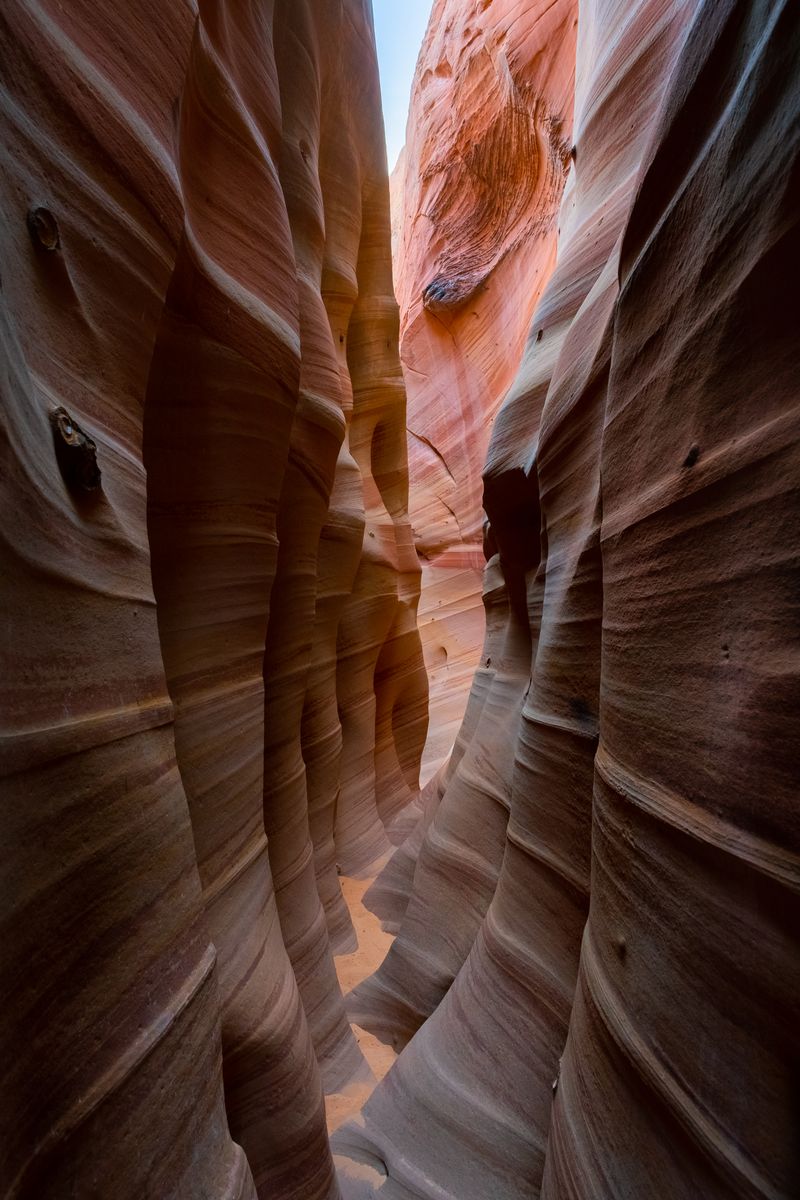
Zebra Slot is famous for its candy striped sandstone bands that wrap the walls in pink and cream. The approach across open desert feels simple, but the final narrows can hold cold, waist deep water depending on recent weather. It is a short slot, yet the colors and textures make it one of the most unique.
Expect extreme tightness in places where only slim hikers can pass comfortably. Backpacks may need to be removed and squeezed ahead. If the water is high, you might stop short of the tightest section and still enjoy the stripes near the entrance.
Because conditions change constantly, ask at the Escalante Interagency Visitor Center for recent reports. Avoid thunderstorms and do not enter if storms are possible anywhere in the drainage. Early morning visits often provide the best reflected light and cooler temperatures for the approach.
Footwear that handles water and slick mud helps a lot. Bring a dry bag for phone and keys, and expect to get wet above the knees in some seasons. Even if you turn around early, the out and back hike across desert slickrock and sand is refreshing and scenic.
Buckskin Gulch via Wire Pass, Utah
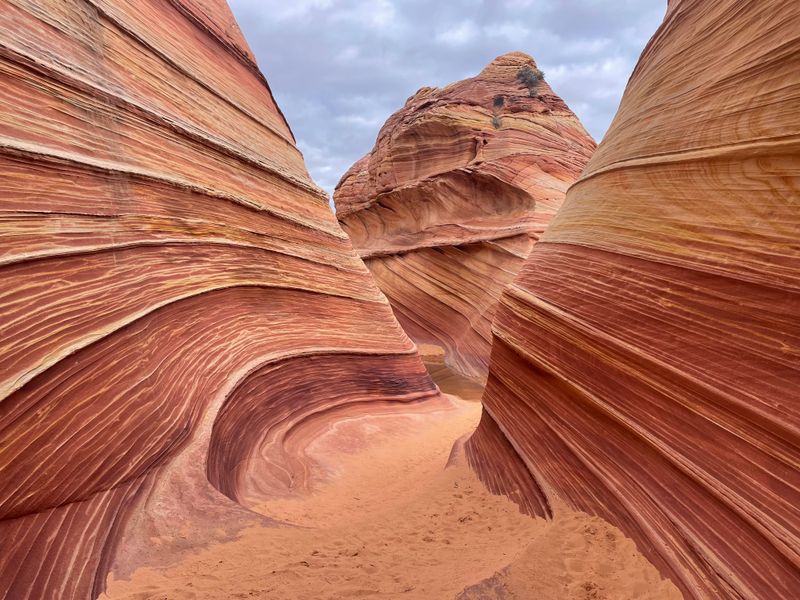
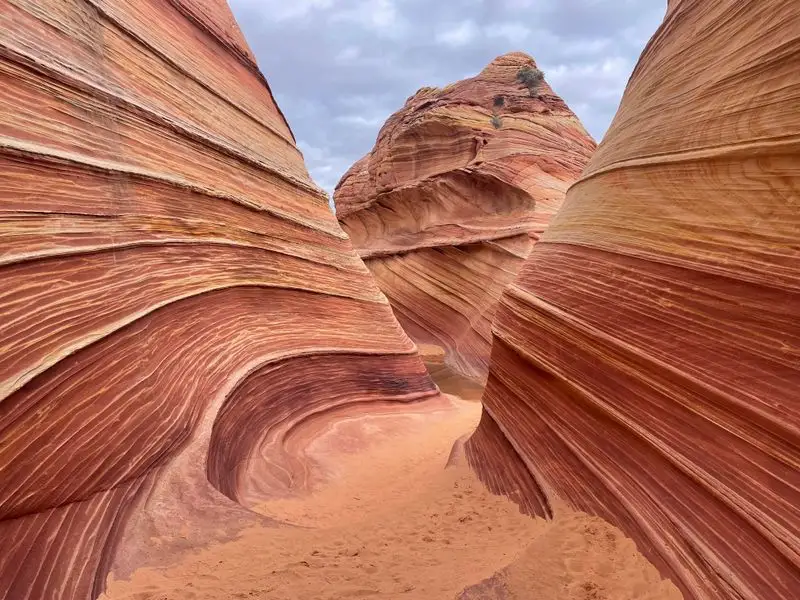
Buckskin Gulch is among the longest slot canyons in the world, and Wire Pass provides a quick, dramatic entry to its deep corridors. Day hikers often descend Wire Pass, visit Buckskin’s narrows for a stretch, then return the same way. The scale here is awe inspiring with walls soaring hundreds of feet overhead.
Expect sections of standing water and occasional mud, plus obstacles like log jams that shift after floods. Carry headlamps in case shadows make footing hard to read. Even in daylight, the canyon swallows sound and light, creating moody, cathedral like ambience.
Permits are required for day use, obtained online or at the trailhead self service station. Check with the BLM for current conditions and any closures. Summer brings heat on the approach and monsoon storms, so early starts and conservative weather choices are critical.
Footwear should be durable and quick drying. Trekking poles help balance through muck, and a small emergency kit adds peace of mind. Turn around before fatigue sets in because the return through sand takes longer than expected, especially when wading sections slow your pace.
The Narrows (Bottom Up), Zion National Park, Utah
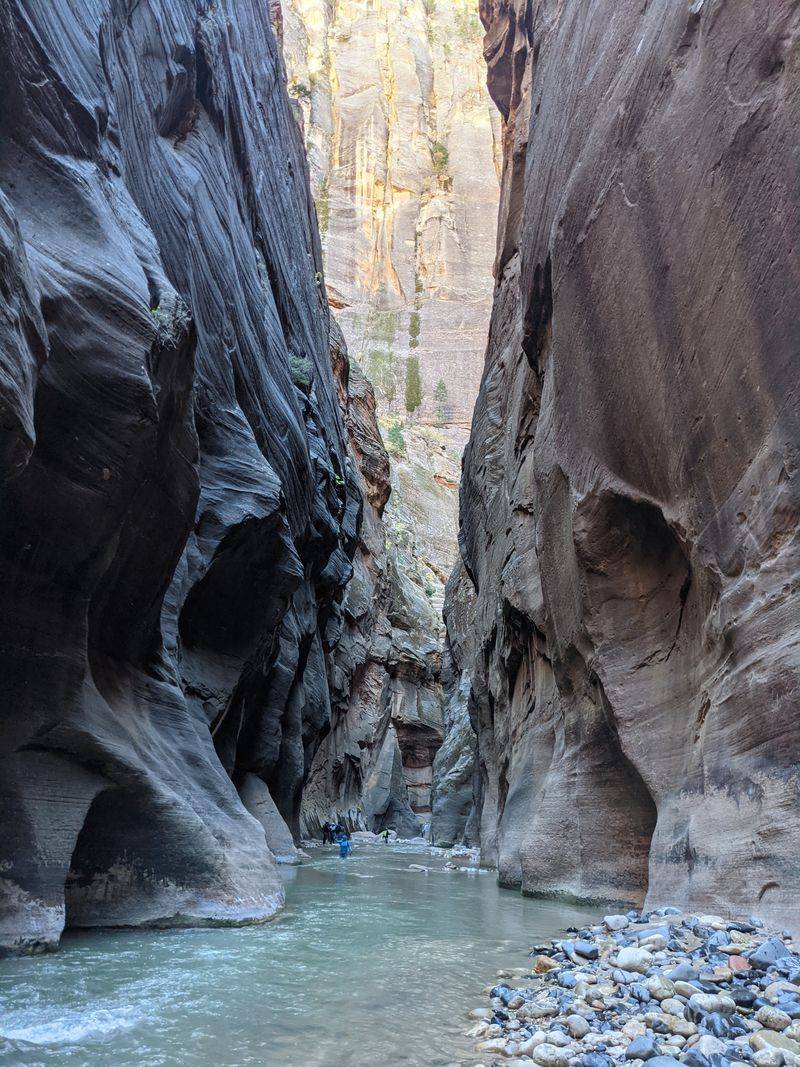
The bottom up Narrows lets you wade the Virgin River from the Temple of Sinawava without a guide, turning a river into your trail. Walls rise like fortress battlements while reflections paint the water amber and jade. You choose your turnaround, making it perfect for different abilities and timeframes.
Water levels and temperature vary by season, so check the park’s flow rates and closures. Rental shops in Springdale offer canyoneering boots and neoprene socks that dramatically improve traction and comfort. A sturdy hiking stick or poles help probe depth and stabilize on slick rocks.
Start early to beat crowds and secure a parking spot on the shuttle. Aim for Wall Street if flows and time allow, but do not force it when conditions are high. Always respect flash flood warnings and seasonal closures for bacteria or runoff.
Dry bags protect phones and layers, and a lightweight puffy keeps you warm during breaks. Because the entire route involves wading, expect slow progress and plan a conservative turnaround time. Leave no trace by packing out micro trash and avoiding delicate banks where plants anchor sandy soil.
Cathedral Wash, Arizona
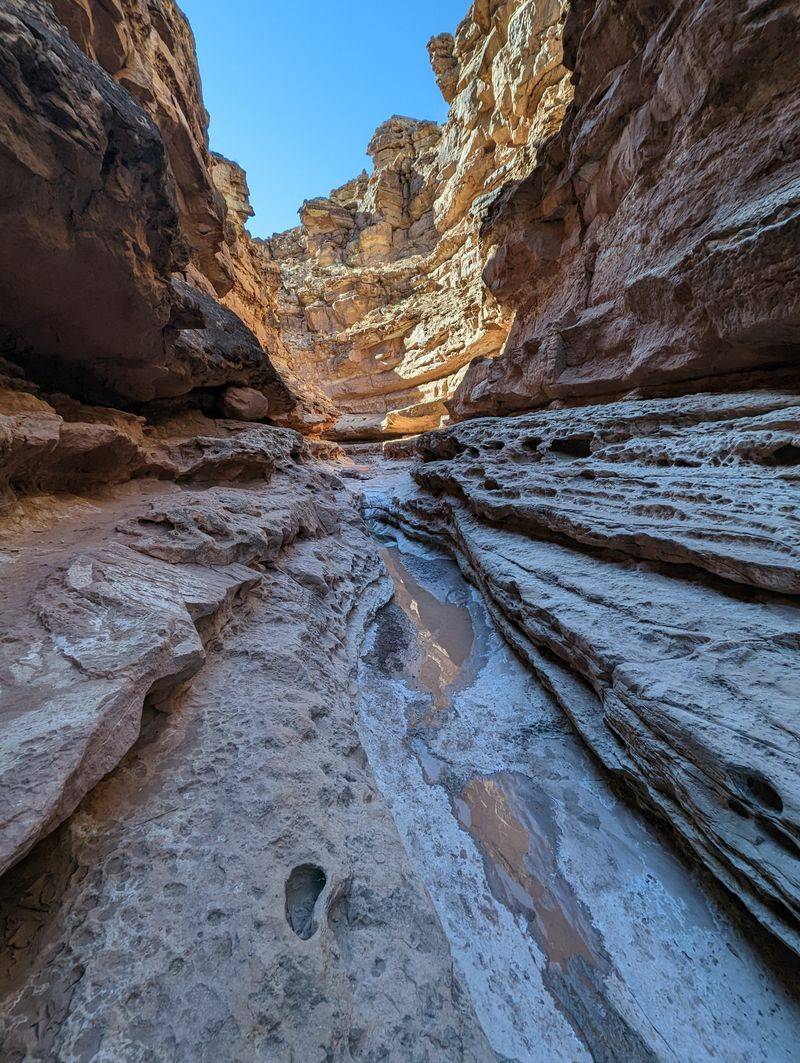
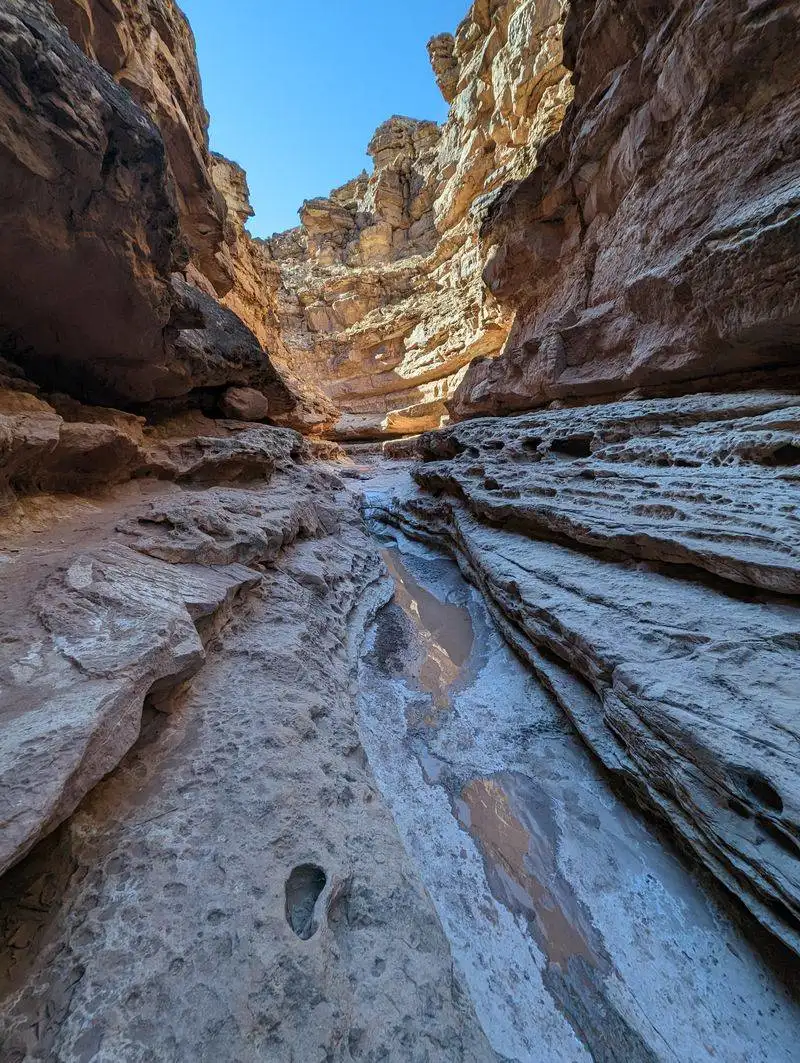
Cathedral Wash carves through layered limestone on the way to the Colorado River near Lees Ferry, offering a slot like feel without severe constrictions. It is a great warm up if you are new to desert canyons. Expect easy scrambling on ledges, some route finding, and expansive walls that echo with river breezes.
The wash alternates between open corridors and narrow bends, with a few pour offs that can be bypassed by ledges on either side. Look for cairns but trust your judgment more than rock piles. The final reward is a dramatic arrival at the river where emerald water flows beneath tall cliffs.
Heat can be intense, so begin early and carry plenty of water. Check weather because flash flooding still impacts this drainage, even though walls are not as tight as sandstone slots. Traction shoes help when traversing sloped limestone shelves polished by floodwaters.
Parking is close to Highway 89A, making access simple for most vehicles. Families enjoy the exploratory nature and options to turn around at any obstacle. Pack a sun shirt, brimmed hat, and some snacks, then linger at the river before retracing your steps through the echoing corridor.
Antelope Canyon X, Arizona
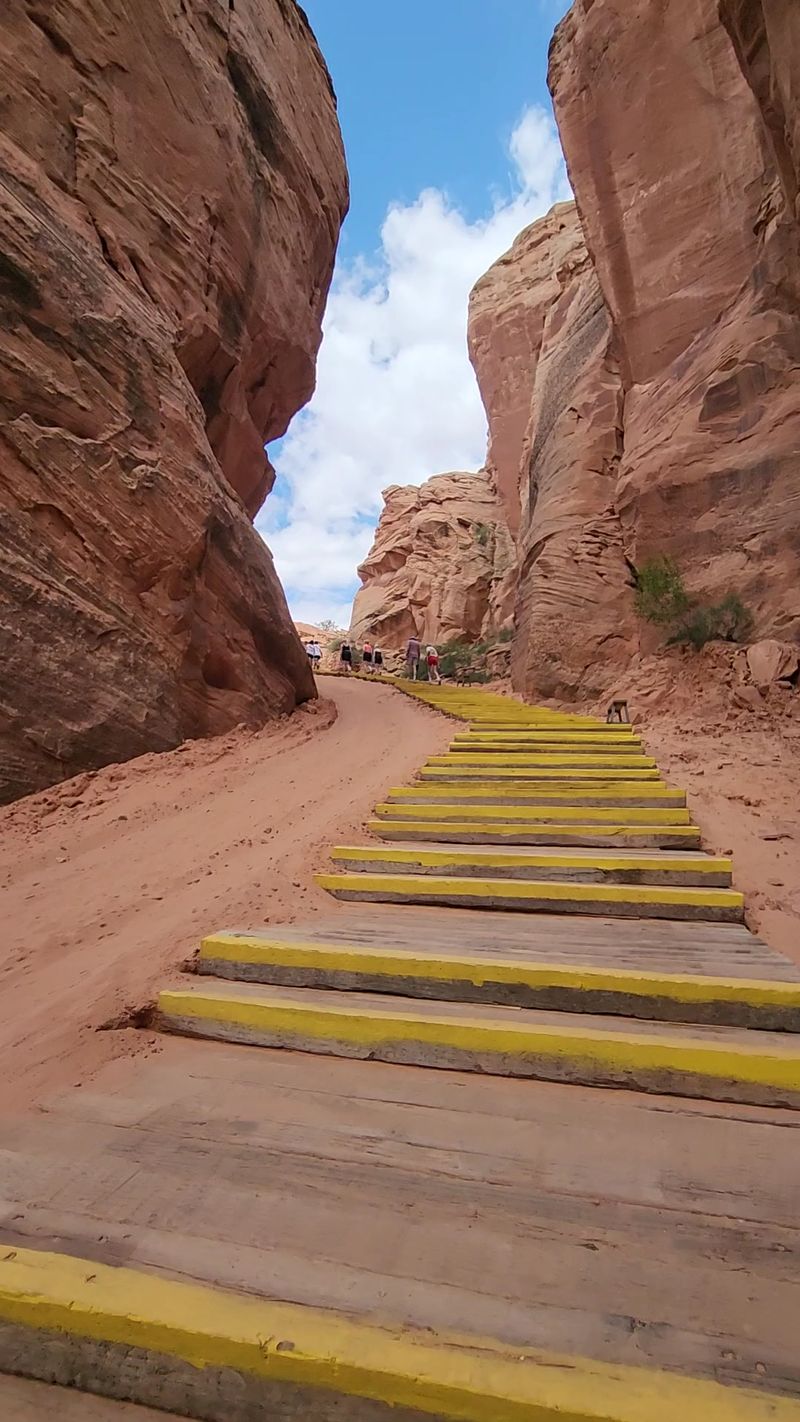
Antelope Canyon’s main sections require guided tours, but nearby alternatives with similar beauty exist for independent hikers. Antelope Canyon X often operates with lighter oversight at times, but verify current access rules because land management policies can change. When self guided access is allowed, expect sinuous walls and soft, ribboned light that produces iconic photographs.
Always respect Navajo Nation regulations and closures. If a guide is required on a given day, follow those rules and consider other independent options on this list. The slot’s curves and textures are fragile, so move carefully and pack out every trace.
Midday can deliver dramatic beams if conditions align. Morning and late afternoon offer gentler glow and fewer shadows. Keep gear minimal to maneuver tight spaces without bumping sandstone or other visitors.
Check road conditions and entry requirements before you go. Bring cash or card for fees, water for the dry approach, and a dust cloth for lenses. If independent access is not permitted during your visit, shift plans to Waterholes or Cathedral Wash, which scratch a similar itch without breaking rules.
Waterholes Canyon (Lower), Arizona
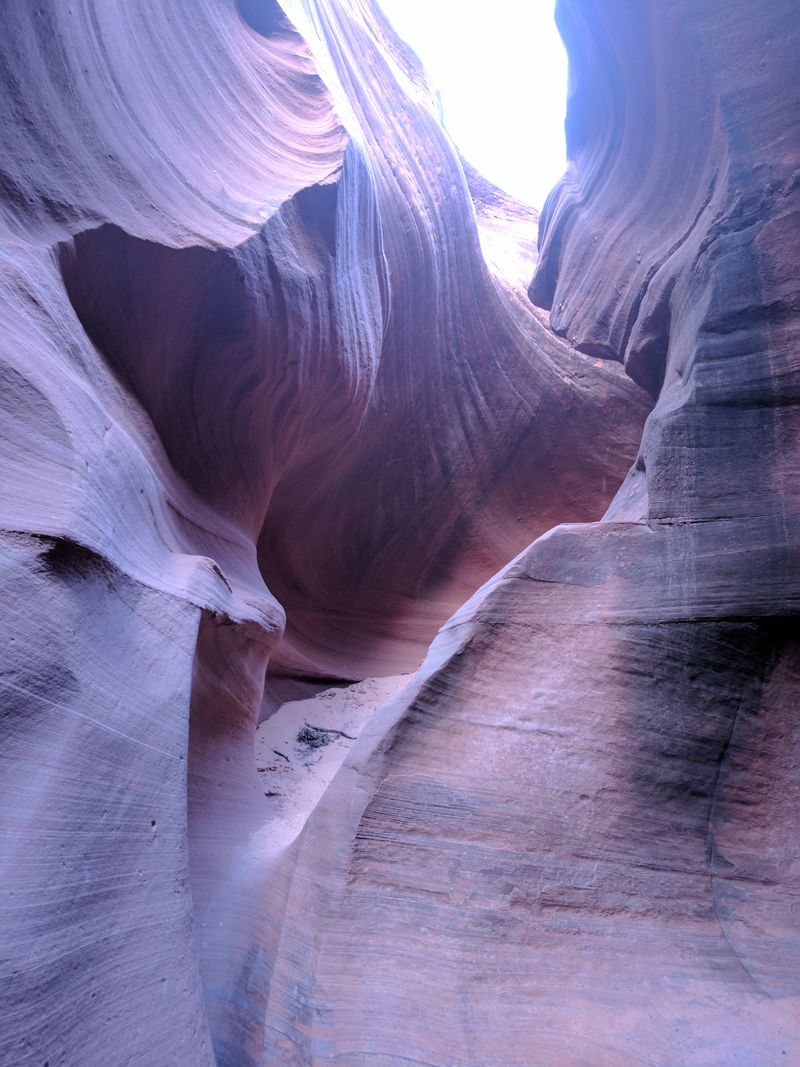
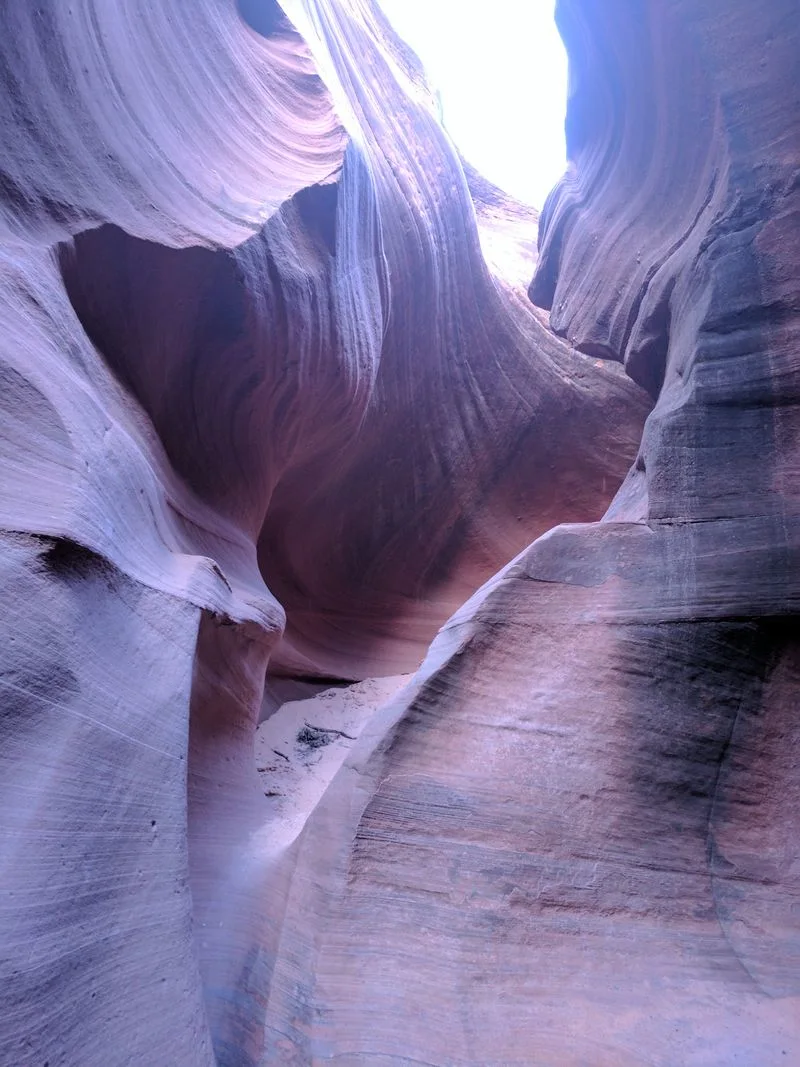
Lower Waterholes Canyon offers flowing curves and warm reflected light near Page, Arizona. Access rules have changed over the years, so confirm whether self guided entry is currently allowed for lower segments. When permitted without a guide, you can wander through photogenic narrows that rival famous neighbors.
The canyon includes short scrambles and occasional chokepoints, but nothing technical for confident hikers. Respect closures and avoid restricted sections signed for safety or cultural protection. Light bounces into chambers beautifully mid morning, painting sandstone with apricot and copper hues.
Because the area sits on the Navajo Nation, check for tribal permits or fees. Avoid the canyon entirely if storms threaten the Page region, as flash floods move fast through sculpted channels. Footwear with sticky rubber improves confidence on dusty ledges and sloping walls.
Parking typically lies near Highway 89 pullouts or designated lots when open. Pack extra water, a brimmed hat, and a small pack you can slide through narrow spots. If independent access is closed, consider Horseshoe Bend Slot or Cathedral Wash for similar adventure without bending any rules.
Cobra Arch Slot, Utah
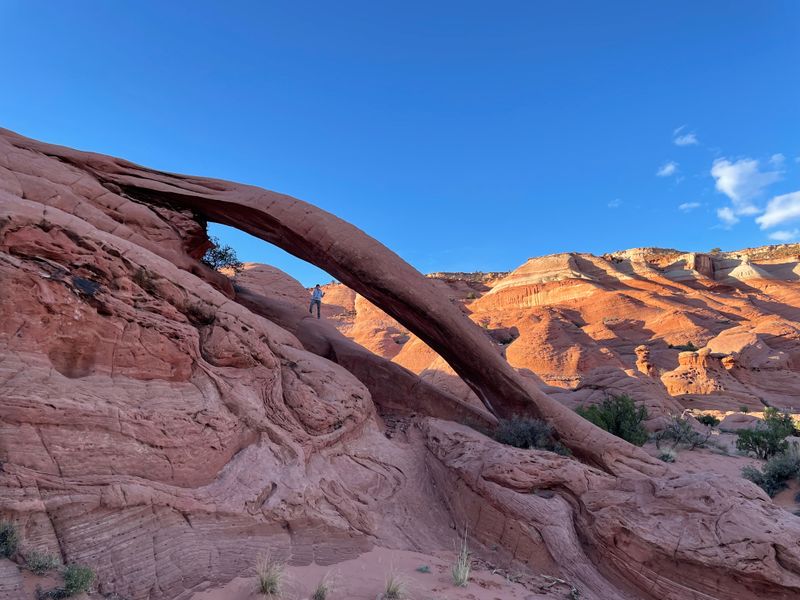
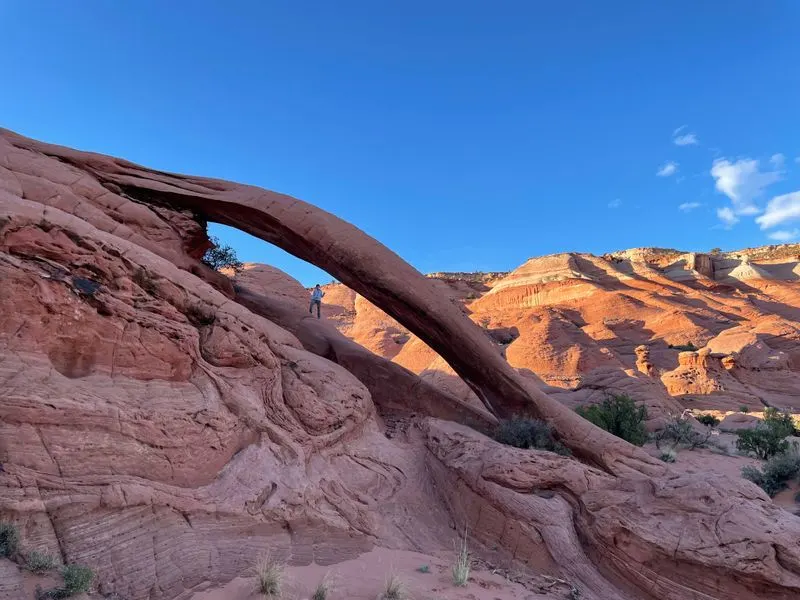
The route to Cobra Arch in the Paria region skirts shallow slots and sculpted fins, offering a sampler of tight passages before the arch. While not a classic deep slot, the narrows provide fun weaving and photogenic textures. Navigation is mostly by terrain reading, cairns, and GPS if you have it.
Start from the Wire Pass area and follow sandy benches and slickrock. Expect some light scrambling up and down cross bedded sandstone. The namesake arch resembles a poised cobra, elegant against big sky and distant cliffs.
Carry ample water because shade is minimal and heat lingers on the sand. Shoes with solid traction help on angled slabs. Weather awareness is essential despite the relatively shallow drainages, as sudden storms can still funnel runoff into constrictions.
This is a great option when Buckskin Gulch feels too committing. You will enjoy similar rock colors and textures without the deep, dark corridors. Mark your turns on the way in to simplify your return, and leave time to sit quietly under the arch before hiking back across waves of stone.
Paria Box, Utah
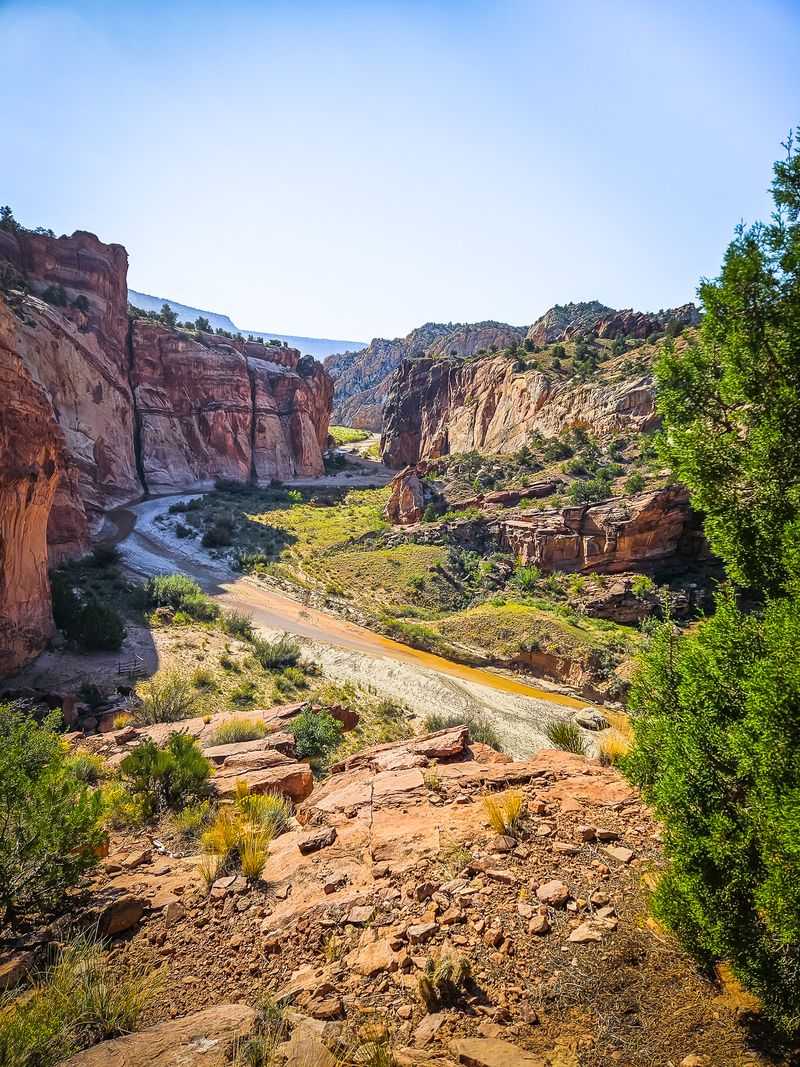
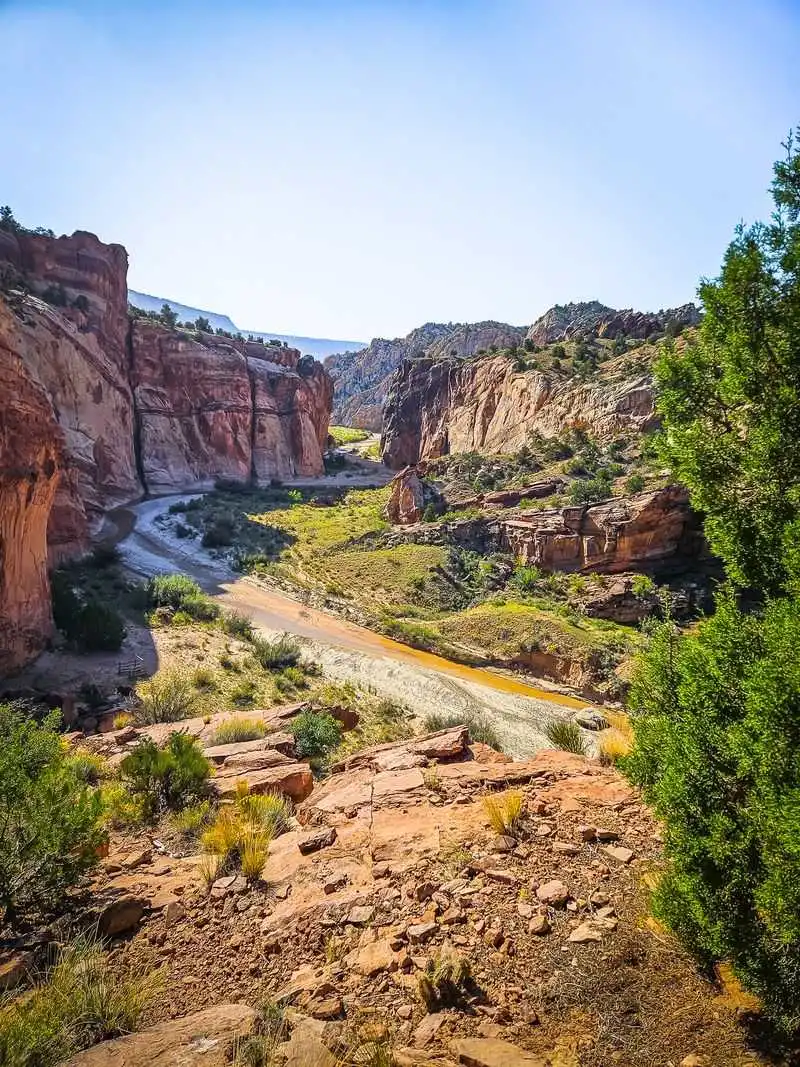
Paria Box offers a friendly introduction to wading canyons, with walls closing into a shallow box as the river winds between them. The water is usually ankle to knee deep, perfect for hot days. You will pass cottonwood shade and rippled sandbars, with swallows darting between the cliffs.
Start from the White House Trailhead area or local access depending on flows. Conditions shift after storms, occasionally raising turbidity and depth. Trekking poles help test footing in silty water where rocks hide beneath the surface.
Because this is more a box canyon than a tight slot, claustrophobia is rare, but flash flood risk still exists. Check weather, wear quick drying shoes, and pack an extra pair of socks. The canyon’s wider feel makes it a good choice for families and hikers easing into river walking.
Photography shines on bright days as reflected light softens the towering sandstone. Turn around whenever you like because the route is essentially an out and back. Be mindful of cryptobiotic soil on banks by staying in the watercourse or on durable sand when stepping around bends.
Bluejohn Canyon (Main Fork, non technical), Utah
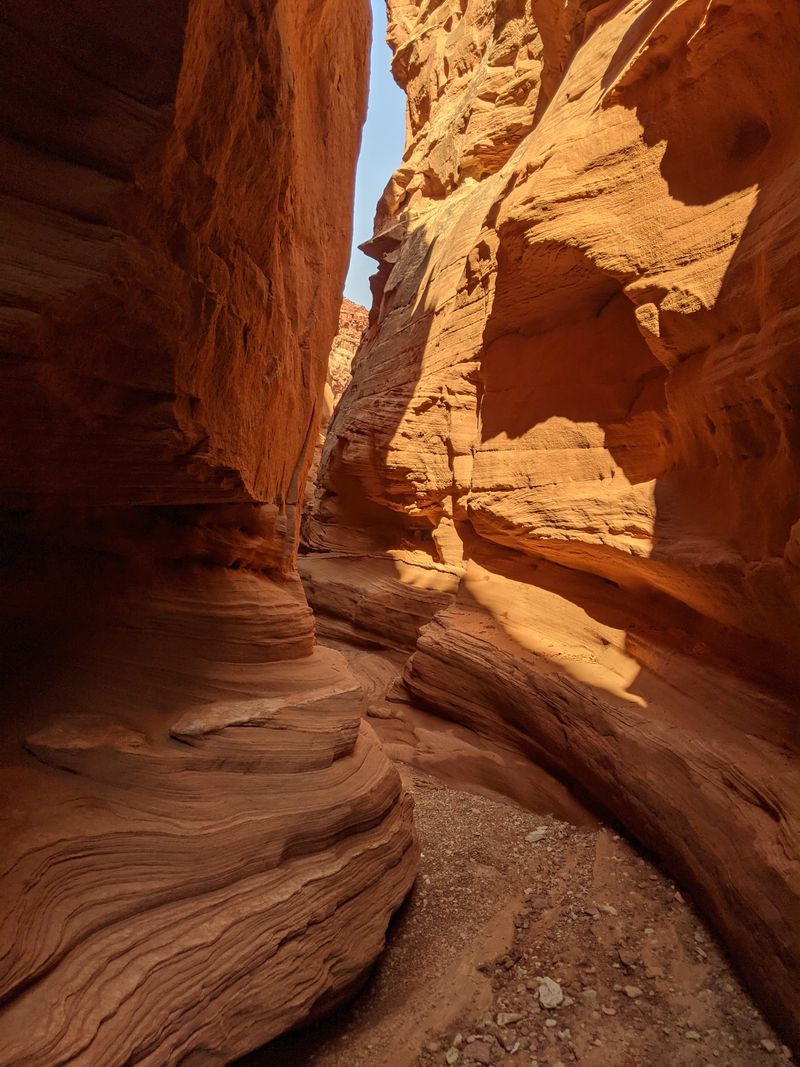
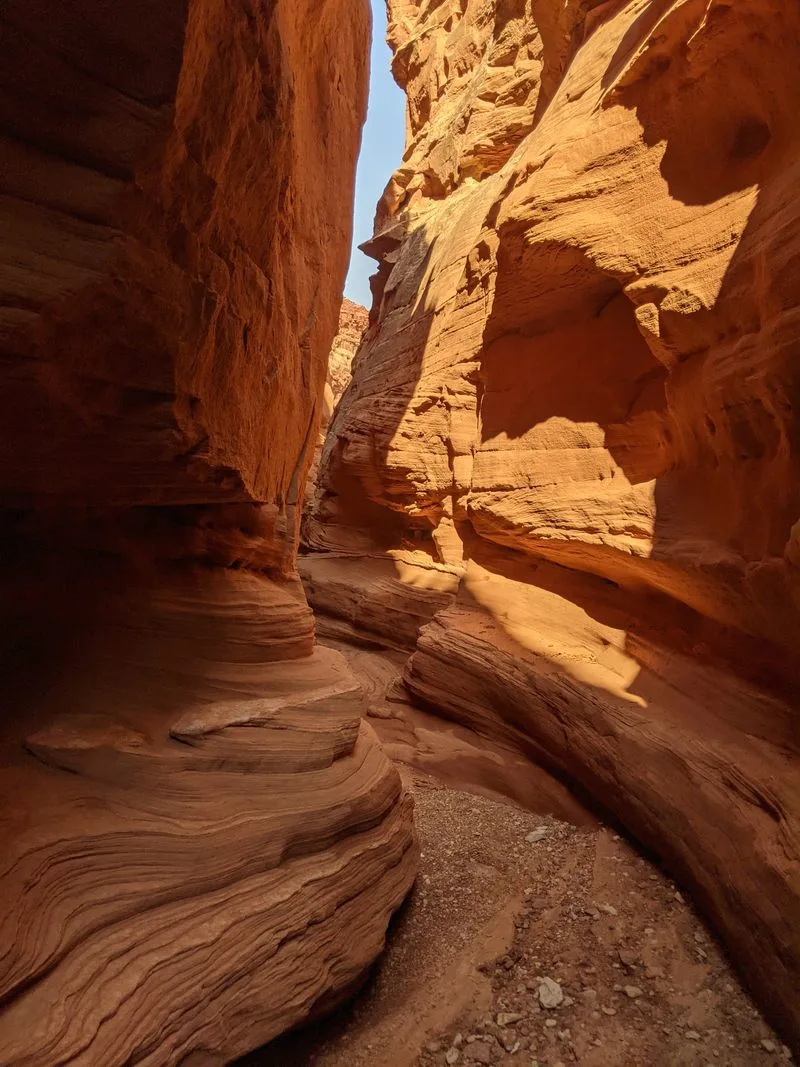
Bluejohn Canyon’s main fork offers non technical narrows you can explore as an out and back without ropes, distinct from the technical sections made famous by survival stories. Expect long stretches of shallow slot with occasional chokestones to step over. The ambiance is remote and stark, a place to move quietly and listen to wind.
Access roads can be rough and require high clearance when rutted. Carry detailed maps or GPS because junctions can confuse first timers. Start early to beat heat and allow time for careful navigation through featureless benches.
Flash flood risk applies here as with any desert slot. Do not enter with storm potential in the forecast across the larger drainage. Pack extra water, sun layers, and a small first aid kit since help is far away and cell service scarce.
Photography favors mid morning when reflected light warms the walls. Footwear with sticky soles helps on sandy slabs. If any section looks too tight or drops off unexpectedly, turn around gracefully and save the deeper technical parts for another day with proper gear and partners.
Pastel Canyon (Fire Wave Slot), Valley of Fire, Nevada
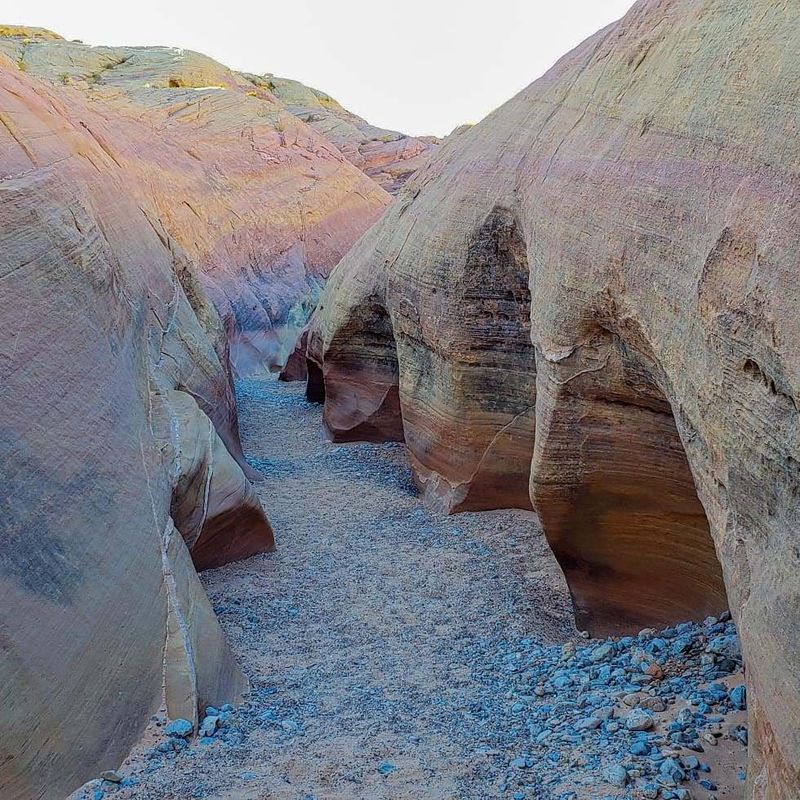
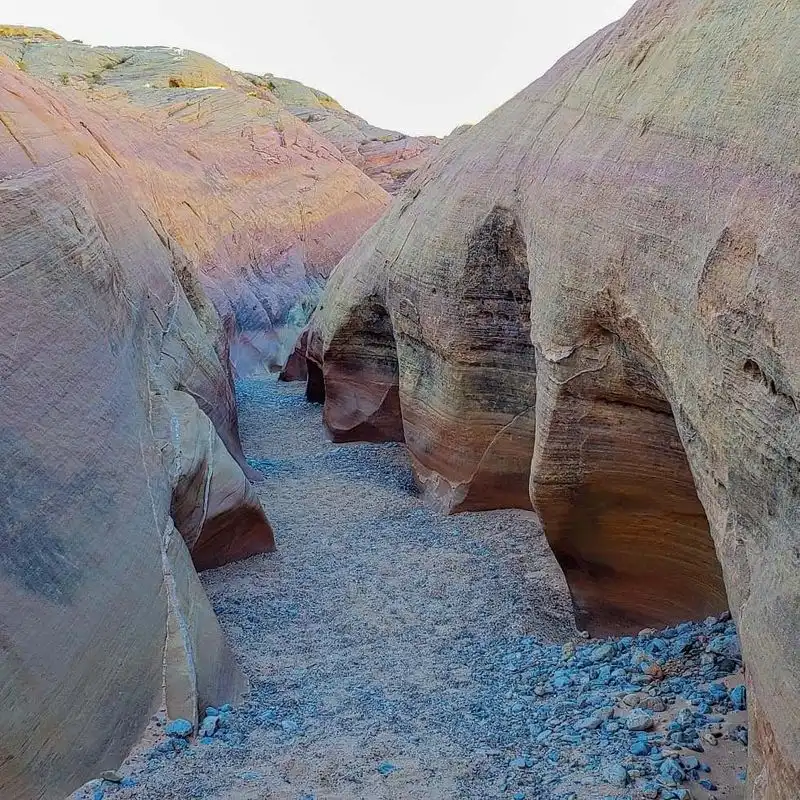
Pastel Canyon, often called the Fire Wave Slot, delivers soft stripes of pink, peach, and cream that flow like watercolor through narrow curves. It is short, easy, and wonderfully photogenic, perfect for a quick wander before or after the Fire Wave. The rock feels silky underfoot, carved into subtle ribs and shelves.
Navigation is simple along a sandy wash leading into the narrows. Crowds gather near sunset, so arrive early for calm frames and cooler air. Because the canyon is shallow, it feels welcoming to newcomers who want slot vibes without serious commitment.
Park rules sometimes shift regarding access to the Fire Wave area, so confirm current guidance. Summer brings intense heat, making morning and late afternoon the safest options. Carry water, respect posted closures, and step gently to protect delicate textures.
Although not a deep slot, flash flooding remains possible, so always check the forecast. Combine Pastel Canyon with nearby trails for a full day of color hunting. Keep your pack small to navigate the narrower turns gracefully, and leave no trace to preserve the pastel palette for future visitors.