Florida history gets a lot stranger once you step outside the big-name attractions.
Tucked into forts, jails, lighthouses, and old roadside buildings, these small museums preserve the state’s most unexpected stories.
You will find haunted dolls, pirate treasure, carnival legends, and survival tools that reveal a wonderfully offbeat side of local heritage.
If you love places that feel a little obscure, a little eerie, and completely unforgettable, this list is for you.
Fort East Martello Museum and Gallery (Key West)
Walking into Fort East Martello feels like stepping into two different stories at once. One story is military, built from brick and coral as a Civil War era fort guarding Key West’s strategic shoreline.
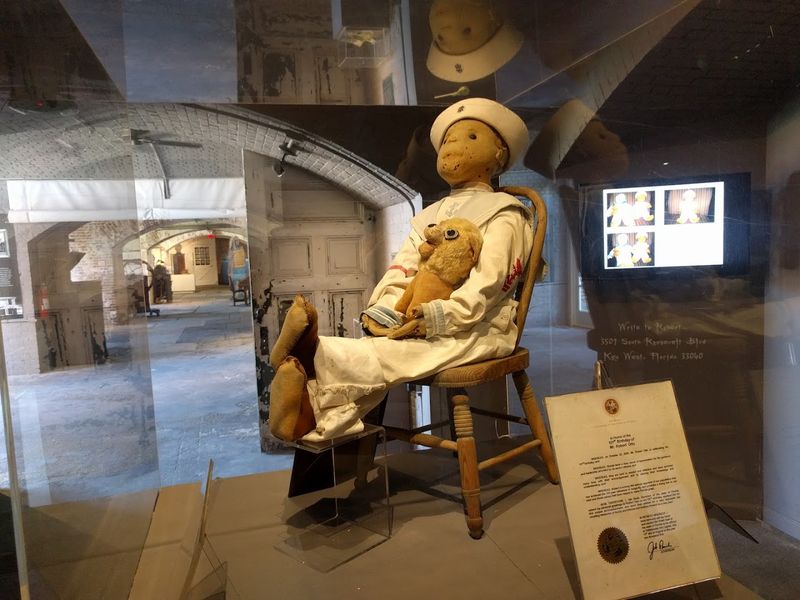
The other is pure island folklore, where ghost tales drift through old corridors and every visitor eventually asks about Robert the Doll.
That infamous doll is the museum’s biggest draw, and honestly, the build up around him works. You will see letters, warnings, and strange offerings left by people who swear they experienced bad luck after mocking him.
Even if you do not believe the haunted reputation, the display captures Key West’s love for theatrical mystery and storytelling.
Beyond Robert, the museum rewards anyone willing to look past the headlines. There are local artifacts, folk art, wrecking history, and exhibits that connect the fort to the island’s layered past.
I like this place because it never feels polished into blandness. It stays a little spooky, a little rough around the edges, and completely rooted in the weird personality that makes Key West unlike anywhere else in Florida.
International Independent Showmen’s Museum (Gibsonton)
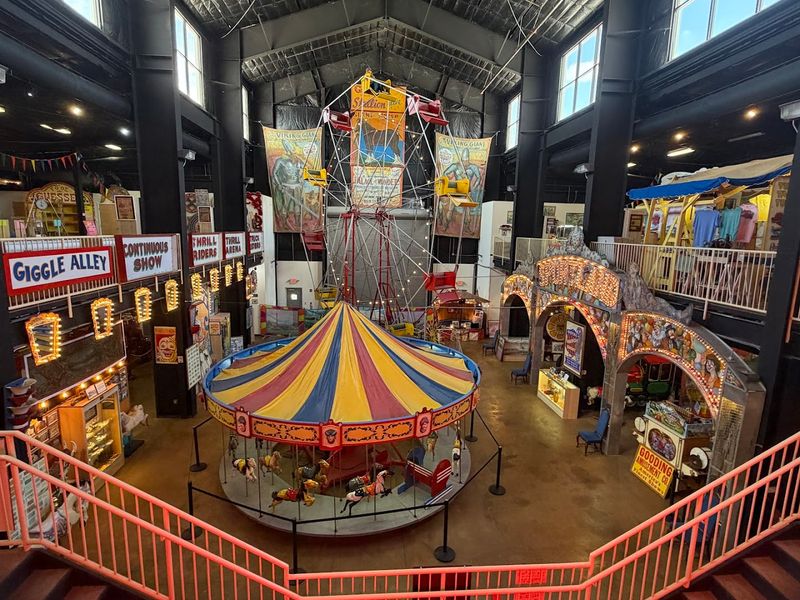
Gibsonton has one of those Florida backstories that sounds almost invented, which is exactly why this museum matters. For years, carnival workers, circus performers, concession operators, and sideshow acts made this town their winter home.
The International Independent Showmen’s Museum preserves that world with the kind of affection you can feel the second you walk in.
You are surrounded by glittering parade pieces, vintage banners, calliopes, costumes, and lovingly restored wagons that once rolled into towns promising wonder. The collection is big, but it still feels personal, because every painted sign and faded poster points back to real people who lived an unconventional life on the road.
Instead of treating that life as a gimmick, the museum shows the work, craftsmanship, and community behind the spectacle.
What makes it memorable is how specific the history is. This is not a generic circus exhibit, but a snapshot of Florida as a refuge for show business outsiders and entrepreneurs.
I find that local angle fascinating, especially when you realize how many national entertainment traditions passed through this tiny town. It is weird history, yes, but it is also deeply human, resilient, and proudly colorful.
History of Diving Museum (Islamorada)
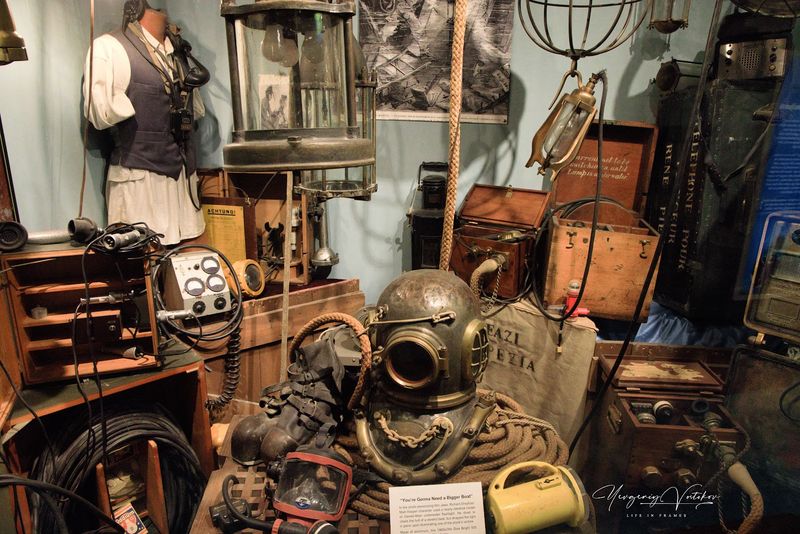
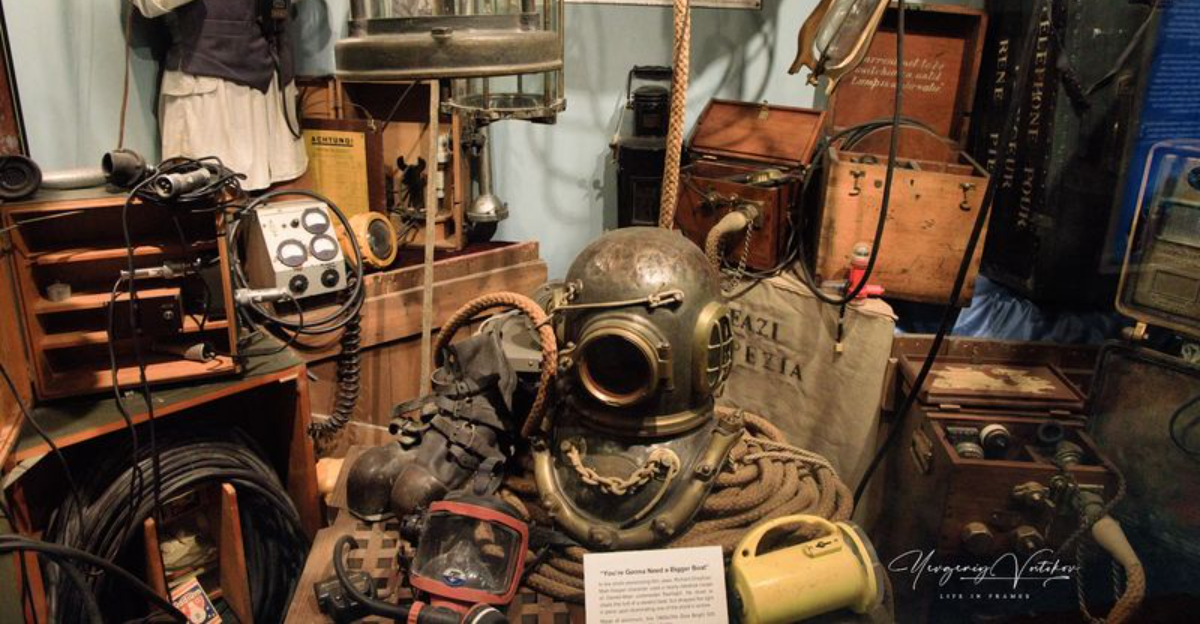
The History of Diving Museum turns a highly specialized topic into something surprisingly captivating. At first glance, rooms full of helmets, air pumps, and heavy underwater suits might sound technical, but the exhibits quickly reveal a stranger story about human obsession.
People have spent centuries inventing increasingly elaborate ways to descend beneath the water, and some of those early solutions look wonderfully improbable.
In Islamorada, that history feels especially fitting because the Florida Keys have always depended on the sea for work, travel, science, and survival. You will see how diving evolved from dangerous experimentation into a serious tool for exploration, salvage, military use, and marine research.
The museum traces that arc with unusual objects that feel half engineering feat and half Victorian fantasy.
I love that this place highlights the weird beauty of old technology. Massive copper helmets, awkward boots, and intricate breathing systems make you appreciate just how determined people were to conquer an environment that clearly did not want them there.
The museum also connects nicely to Florida’s maritime identity, showing that coastal innovation is not always glamorous. Sometimes it is heavy, awkward, risky, and completely fascinating to witness up close today.
Don Garlits Museum of Drag Racing (Ocala)
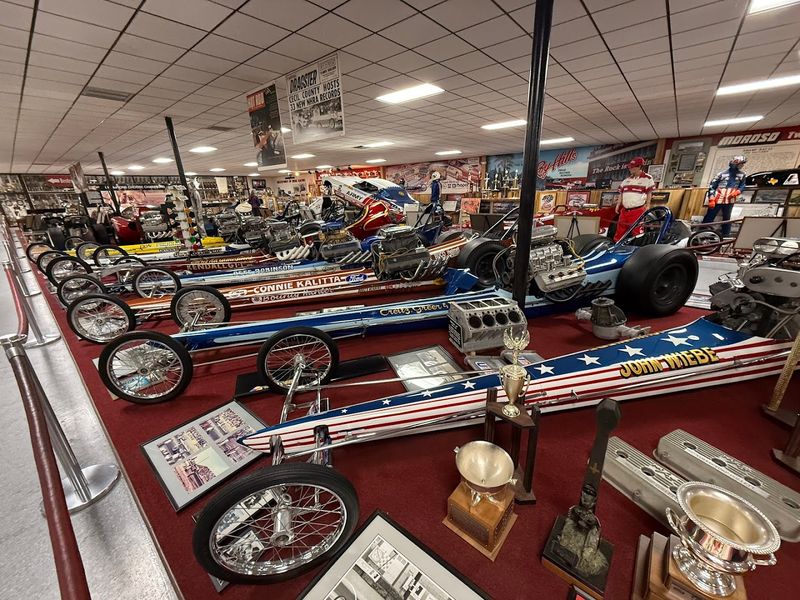
If your idea of history usually involves dusty documents, this museum will wake you up fast. The Don Garlits Museum of Drag Racing is loud in spirit even when the engines are off, packed with machines that look like they were built by people who believed speed could solve anything.
In a way, that belief is the story here.
Don Garlits helped shape drag racing’s experimental era, and the museum captures that fearless culture beautifully. You will find record setting cars, hand built innovations, trophies, engine parts, and memorabilia tracing how a fringe hobby became an iconic American motorsport.
Some vehicles look sleek, while others look slightly terrifying, which honestly makes them even more interesting because you can see the trial-and-error mindset in the metal.
What makes this stop fit a list of weird local history is its devotion to a very specific Florida connection. Ocala is not just a backdrop, but part of the state’s broader relationship with car culture, engineering ambition, and roadside spectacle.
I appreciate how personal the museum feels despite its size. It celebrates technical achievement, but it also preserves the audacity of people who kept pushing faster, riskier, and stranger designs until they changed racing forever.
Medieval Torture Museum (St. Augustine)
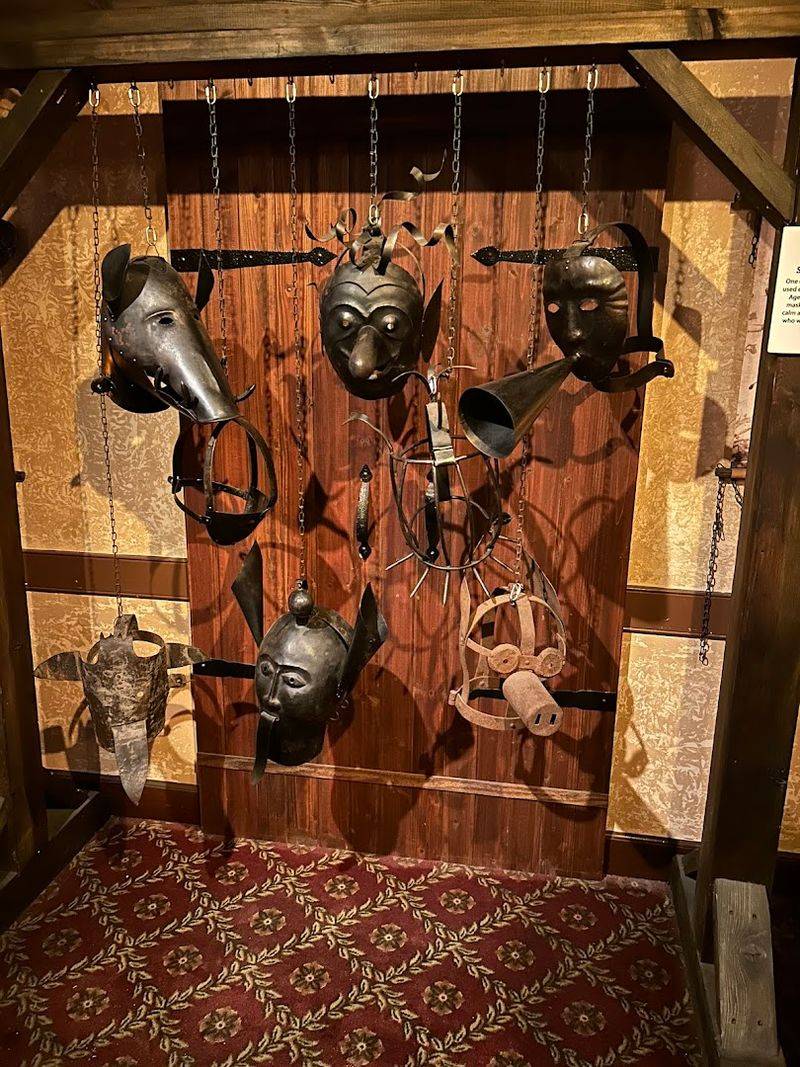
The Medieval Torture Museum is one of those places you visit partly out of curiosity and partly to test your own tolerance for grim history. It leans into atmosphere with dark rooms, dramatic lighting, and reconstructed devices that make medieval punishment feel disturbingly real.
Even in tourist-heavy St. Augustine, it stands out as a museum willing to be unsettling on purpose.
You are not just looking at objects behind glass. The exhibits use scenes, sound, and interpretation to explain how punishment worked as both violence and public theater.
That theatrical angle is what kept my attention, because it reveals how fear was staged, displayed, and normalized in older societies. The devices are gruesome, of course, but the bigger story is about power, control, and spectacle.
I would not call it lighthearted, yet it absolutely earns its place on a list of weird museums. St. Augustine is full of colonial landmarks, but this attraction explores a darker kind of historical imagination that many visitors secretly find compelling.
If you go in expecting pure shock value, you may be surprised by how much context it tries to provide. It is eerie, educational, and definitely not the sort of museum you forget after lunch.
St. Augustine Pirate & Treasure Museum (St. Augustine)
Pirate stories can get cartoonish fast, which is why this museum works so well. The St. Augustine Pirate and Treasure Museum balances swashbuckling excitement with enough authentic artifacts to keep the experience grounded.
You still get the romance of gold, maps, and black flags, but the exhibits remind you that piracy was also labor, politics, violence, and survival on dangerous waters.
Set in America’s oldest city, the museum feels perfectly placed. Florida’s coastline invited treasure fleets, smugglers, privateers, and opportunists, and St. Augustine sat close to many of those maritime dramas.
You will see weapons, recovered objects, navigation tools, and stories that connect legendary names to the real geography of the Atlantic world. That local connection makes the collection more than a generic pirate attraction.
What I like most is how it taps into a very specific Florida fantasy without becoming kitschy. The treasure lore is fun, but the exhibits also show how fragile life at sea could be and how blurred the line was between sanctioned raiding and outright crime.
If you are drawn to history with a salty, theatrical edge, this museum delivers. It feels adventurous, accessible, and just strange enough to be memorable long after your visit ends.
Key West Shipwreck Treasure Museum (Key West)
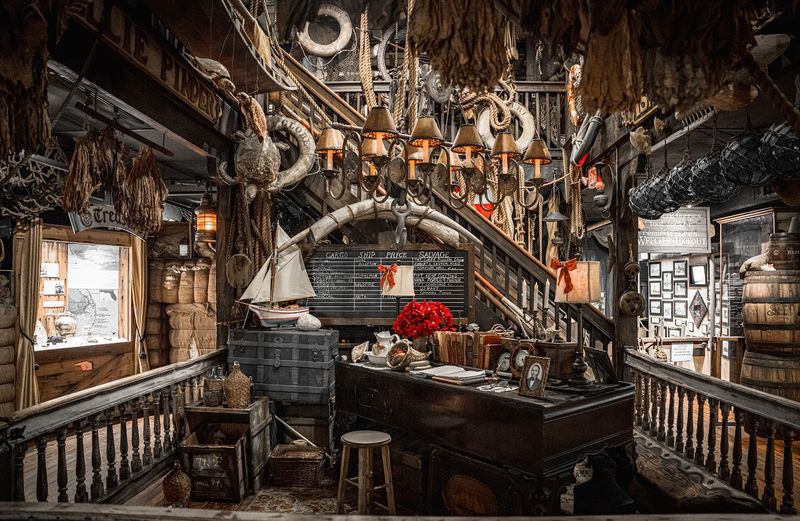
The Key West Shipwreck Treasure Museum tells a story that is both entrepreneurial and a little morally murky, which makes it far more interesting than a simple treasure exhibit. In the nineteenth century, wreckers made a living salvaging cargo from ships destroyed on the reefs around the Keys.
Their work was legal, lucrative, and deeply tied to Key West’s rise as an important port town.
The museum recreates that world with recovered goods, dramatic interpretation, and displays explaining how shipwreck salvage became a local industry. You start to understand that this was not just about finding shiny objects in the surf.
It involved lookouts, fast boats, legal claims, dangerous seas, and a town economy that depended on maritime disaster. That contradiction gives the history its edge.
I enjoy museums that reveal how communities adapt to harsh geography, and this one does that beautifully. Florida’s reefs were devastating for sailors, yet they created opportunity for people on shore who knew the waters better than anyone else.
The result is a very Key West blend of hustle, risk, and storytelling. You leave with a richer sense of how survival, profit, and coastal life intertwined in ways that were strange, practical, and unmistakably local.
Old Jail Museum (St. Augustine)
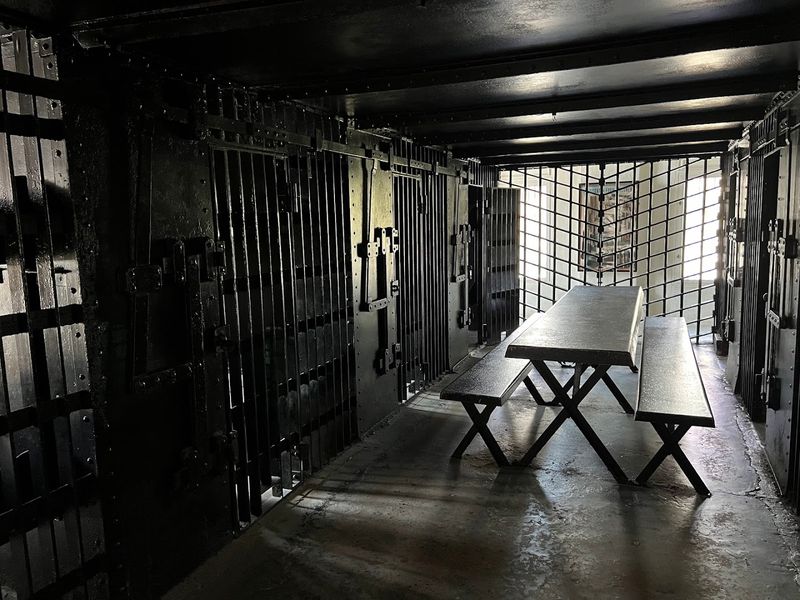
The Old Jail Museum proves that everyday institutions can feel just as eerie as haunted mansions. Built in the nineteenth century, the jail preserves cells, living quarters, and law enforcement spaces that reveal how punishment once operated in a growing Florida town.
It is not glamorous history, but that is exactly why it sticks with you.
When you move through the building, the details are what hit hardest. Narrow cells, crude sanitation, iron restraints, and the close proximity between family life and incarceration create a picture of harsh practicality rather than modern justice.
You can imagine the heat, the crowding, and the complete lack of comfort. That physical reality tells you a lot about what authorities valued and what prisoners were expected to endure.
St. Augustine offers plenty of famous landmarks, yet this museum captures a grittier side of local history that many visitors might otherwise miss. I think it works because it does not need exaggeration.
The preserved structure, period objects, and stories of sheriffs and inmates are unsettling enough on their own. If you are interested in the strange corners of civic life, this is a revealing stop.
It shows how discipline, public order, and punishment once looked in a place now marketed almost entirely for charm.
Ripley’s Believe It or Not! Orlando (Orlando)
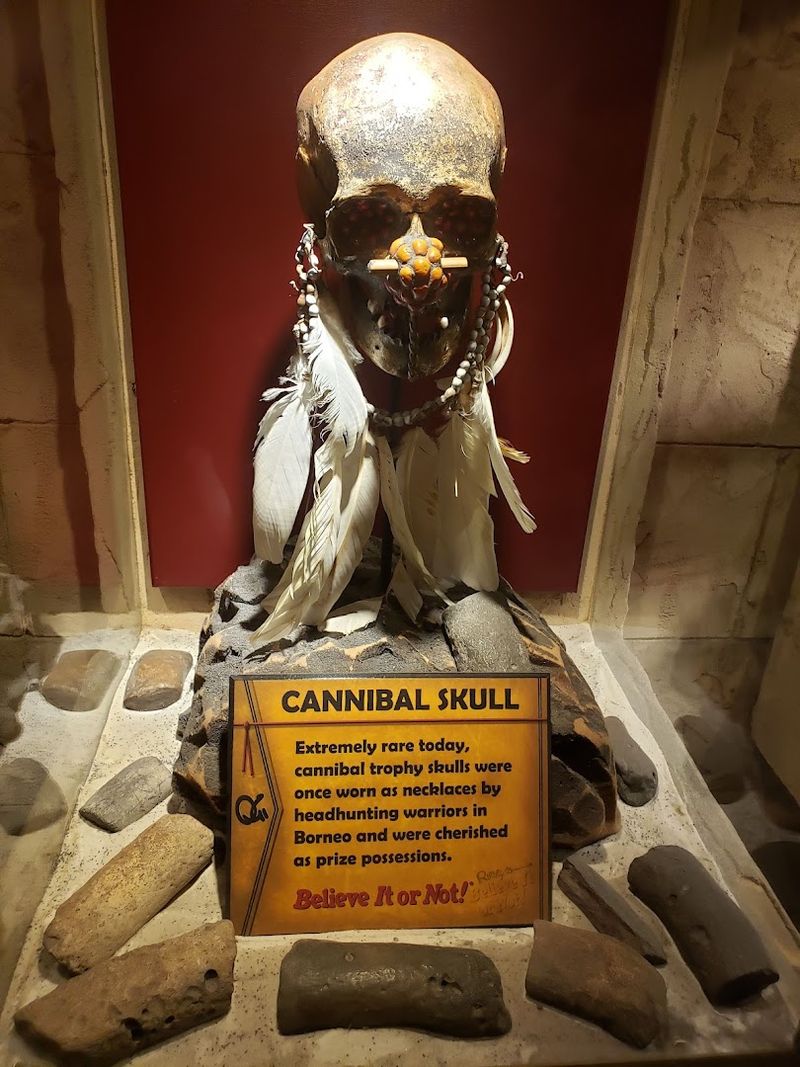
Ripley’s Believe It or Not! Orlando in Orlando is one of Florida’s most recognizable oddity attractions, built around the idea that truth can be stranger than fiction.
Housed in a deliberately tilted “upside-down” building, the museum immediately signals its theme before you even step inside: nothing here is meant to feel ordinary.
The collection spans hundreds of artifacts gathered from around the world, ranging from natural oddities and unusual animal specimens to human achievements that border on unbelievable.
Inside, visitors move through themed galleries that highlight bizarre cultural artifacts, optical illusions, and interactive exhibits designed to challenge perception. Some displays focus on extreme human feats, while others present strange historical objects or unexplained curiosities that reflect Robert Ripley’s lifelong fascination with the unusual.
The museum also incorporates Florida-specific oddities, reinforcing the state’s reputation for eccentric and unexpected stories.
What makes this location stand out is its blend of entertainment and curiosity-driven education. It is not a traditional history museum, but rather a curated experience meant to surprise, puzzle, and occasionally unsettle visitors.
As part of the broader Ripley’s franchise, the Orlando location maintains the brand’s global identity while still offering a distinctly Florida sense of theatrical weirdness, making it a fitting stop for anyone exploring the state’s more unconventional cultural attractions.
Lightner Museum (St. Augustine)
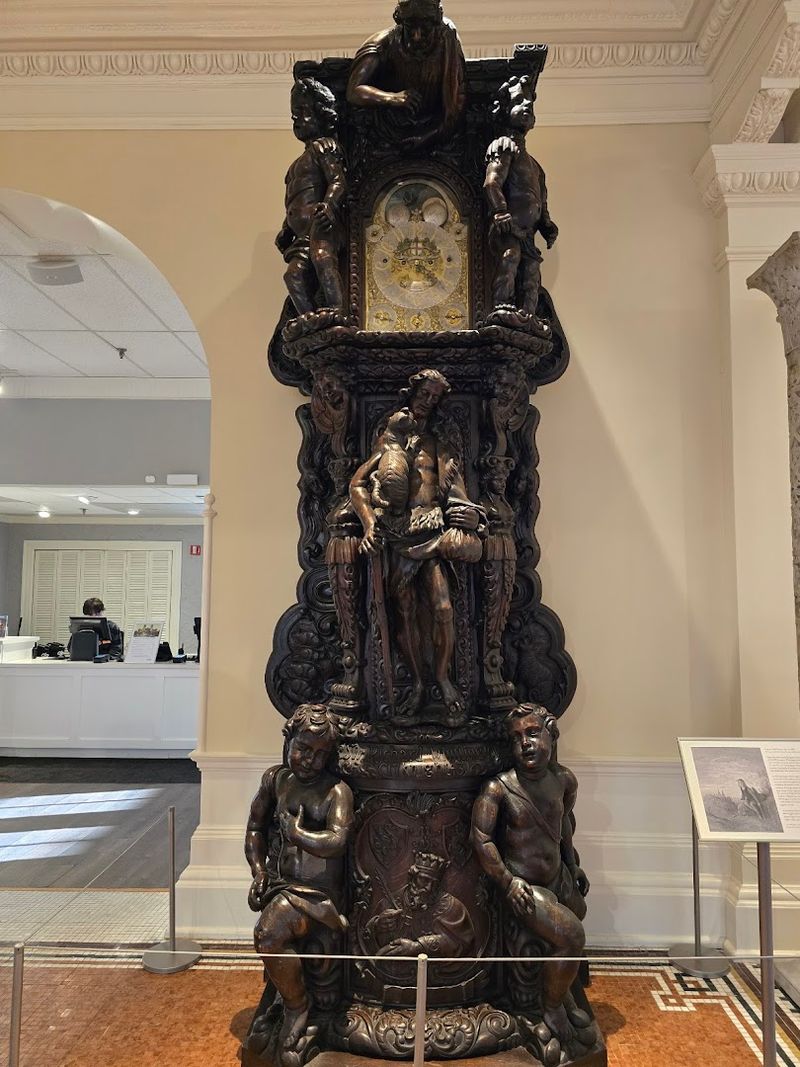
The Lightner Museum is what happens when Gilded Age elegance meets a serious passion for collecting the unusual. Housed inside the former Alcazar Hotel, the building alone is worth your attention, with grand spaces that still suggest luxury, performance, and spectacle.
Then you reach the collections and realize this is not just a pretty museum, but a wonderfully eccentric one.
Victorian America loved categorizing, displaying, and admiring objects, and the Lightner preserves that impulse in all its quirky glory. You will find unusual antiques, scientific curiosities, decorative arts, mechanical instruments, and items that feel halfway between refinement and obsession.
The museum does a great job showing how wealthy collectors once turned personal fascination into public display, often blurring the line between education and entertainment.
What makes it feel especially Floridian is its setting in St. Augustine, where tourism, fantasy, and history have long overlapped. I always enjoy places that reveal the strange tastes hiding beneath polite surfaces, and this museum excels at that.
It is beautiful without being bland and scholarly without losing its sense of wonder. If you like museums that reward slow looking and unexpected discoveries, the Lightner offers one of the state’s richest collections of elegant weirdness.
Mound House (Fort Myers Beach)
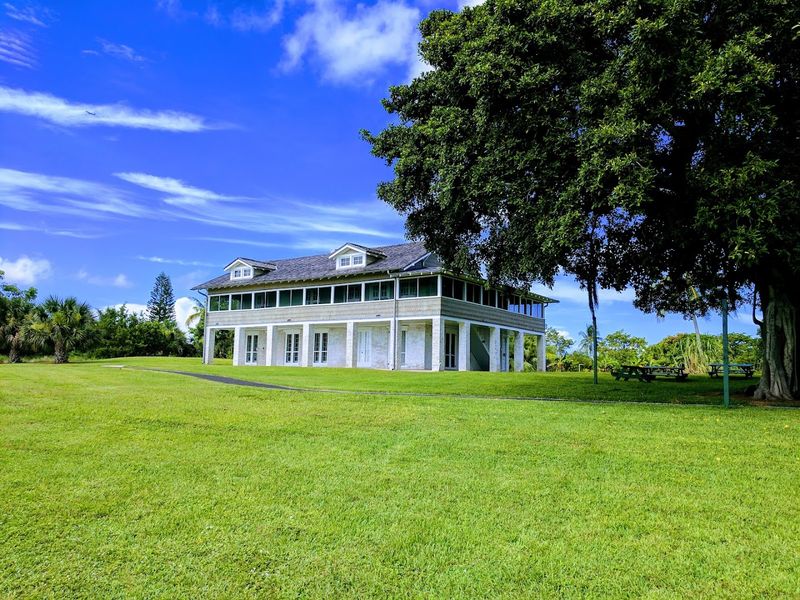
Mound House offers a quieter kind of weirdness, the kind that sneaks up on you once you realize the ground beneath the building is itself an artifact. The museum sits on an ancient Calusa shell mound, a monumental accumulation created over generations by people who understood and shaped this coastal environment long before modern Florida existed.
That physical connection between house, land, and deep history is remarkable.
Inside, the exhibits introduce Calusa lifeways, archaeology, and the unusual engineering of a society built around estuaries, fishing, and shell resources. You begin to see the mound not as a pile of debris, but as evidence of social organization, ritual, adaptation, and endurance.
The coastal setting helps everything click because the surrounding water still explains so much about why people thrived here.
I appreciate that Mound House feels intimate rather than overwhelming. It gives you enough interpretation to understand the site’s significance while preserving a sense of place that larger museums sometimes lose.
Fort Myers Beach is often associated with vacations and waterfront views, but this stop reminds you that the coastline holds far older stories. If you are interested in pre-Columbian Florida, this museum reveals a deeply local past that is unusual, sophisticated, and far more complex than many visitors expect.
Florida Pioneer Museum (Florida City)
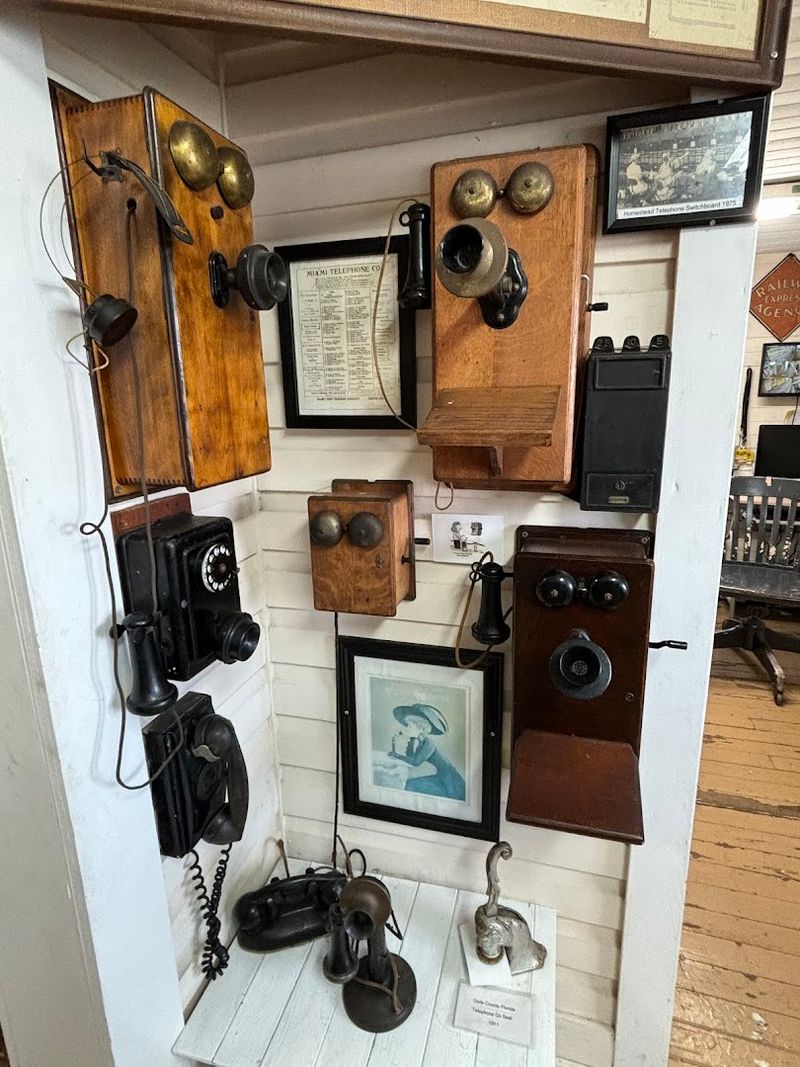
The Florida Pioneer Museum focuses on a chapter of state history that can feel almost surreal once you picture the conditions. Early settlers in South Florida tried to build lives in heat, wetlands, storms, and isolation using practical tools and improvised techniques that now look equal parts ingenious and exhausting.
This small museum preserves the objects that made that struggle possible.
You will see farm implements, household items, work gear, and survival equipment tied to homesteading on the edge of the Everglades and the Keys corridor. What stands out is how much adaptation these pieces represent.
Nothing feels decorative. Everything had to function in a punishing environment where transportation was difficult, materials were limited, and weather could ruin plans overnight.
I find that kind of local history especially compelling because it strips away romantic frontier myths. The museum shows pioneer life as inventive, stubborn, and sometimes bizarre in its resourcefulness.
Florida City is often treated as a gateway rather than a destination, so stopping here adds texture to the landscape around you. It reminds you that South Florida was not just developed by dreamers and speculators, but by people who hauled, repaired, planted, and endured in conditions that demanded unusual skills.
That perspective makes the museum modest, but surprisingly powerful.
Key West Lighthouse and Keeper’s Quarters Museum (Key West)
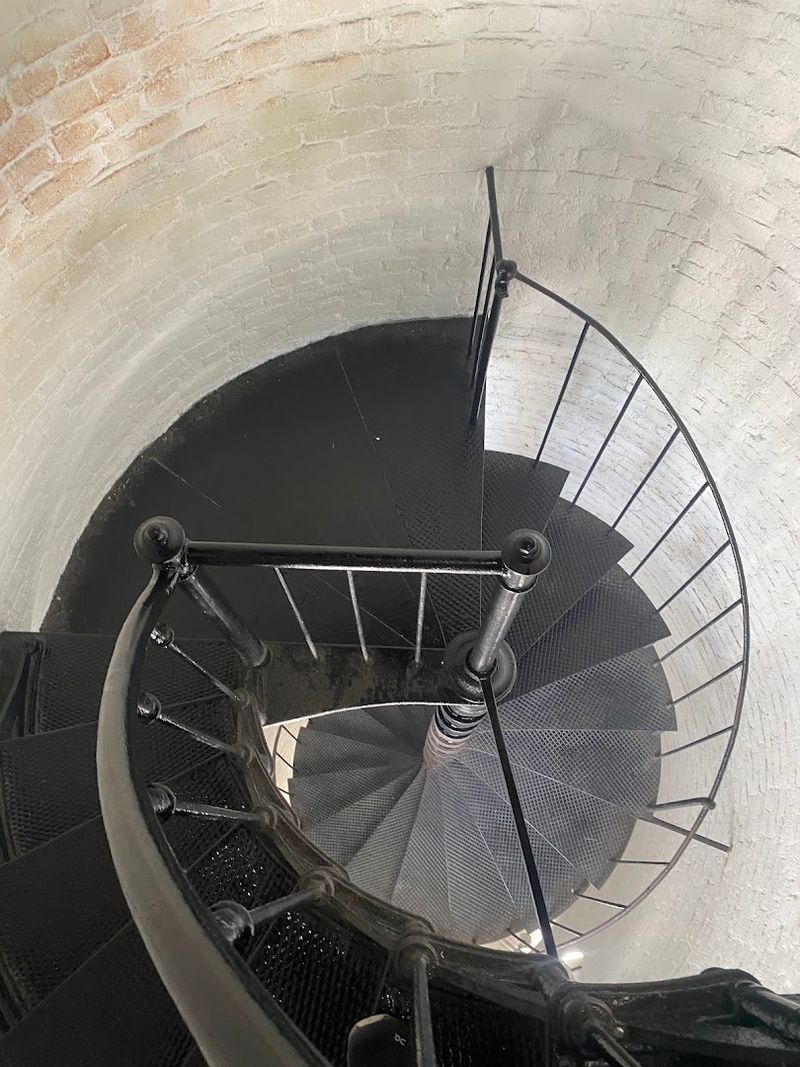
The Key West Lighthouse and Keeper’s Quarters Museum captures the drama of coastal life in a way that feels both domestic and adventurous. Lighthouses are easy to romanticize, but this museum reminds you that keeping one operational meant routine labor, constant weather watching, and a direct relationship with danger at sea.
In the Keys, that danger was never theoretical.
As you explore the keeper’s quarters, maritime artifacts and family spaces tell a story larger than the tower itself. Shipwrecks, storms, navigation, and island isolation shaped daily life for the people who lived and worked here.
I like how the museum balances technical history with human detail, because the lighthouse was not just a beacon. It was also a workplace and a home under pressure.
Climbing the tower gives the whole visit extra meaning. Looking out across Key West, you can imagine why reefs, currents, and sudden weather made these waters both profitable and perilous.
That perspective ties the museum to so many other odd local stories, from wrecking to smuggling to storm survival. If you want a museum that feels scenic but still grounded in unusual Florida history, this is an excellent choice.
It turns a familiar landmark into a vivid reminder of how precarious coastal life once was.