The best views along South Carolina’s coast are often the ones you can only reach with a paddle in your hands. Glide quietly through winding salt marsh channels, watch dolphins break the surface beside your kayak, and follow the reflections of ancient cypress trees in dark, glassy waters.
South Carolina kayaking trips offer a rare chance to experience the coast at a slower pace, where barrier islands, tidal creeks, oyster beds, and historic waterways reveal a side of the state that many visitors never see. These routes combine peaceful scenery with unforgettable wildlife encounters, from coastal birds soaring overhead to hidden corners of the Lowcountry waiting around the next bend.
From beginner-friendly marsh paddles to more remote coastal adventures, these waterways showcase the beauty of the Palmetto State. Here are 10 South Carolina kayaking trips that take you through incredible coastal scenery.
Cape Romain National Wildlife Refuge Paddle (via Garris Landing)
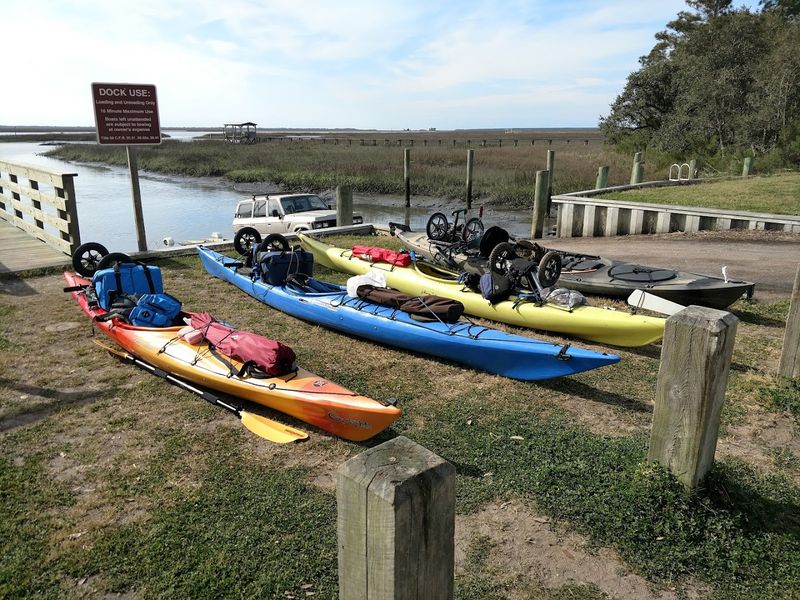
There is a certain thrill in paddling toward a place that still feels genuinely untamed. The channels widen, the horizon stretches, and suddenly the developed coast seems very far away.
Even the air feels different here, saltier and sharper, with seabirds riding the wind over open water.
Launching from Garris Landing in Awendaw, this route into Cape Romain National Wildlife Refuge carries you through one of the least altered coastal landscapes in South Carolina. Pelicans skim low, terns flicker overhead, and the approach toward Bulls Island hints at empty beaches and long dunes beyond.
It is expansive without feeling harsh.
You come for scenery, but what stays with you is the sense of scale. Marsh, sky, and sea seem to trade places as the tide moves, and the whole trip feels quietly cinematic, especially if you pack water, patience, and time to linger after landing.
Botany Bay Plantation Heritage Preserve Paddle
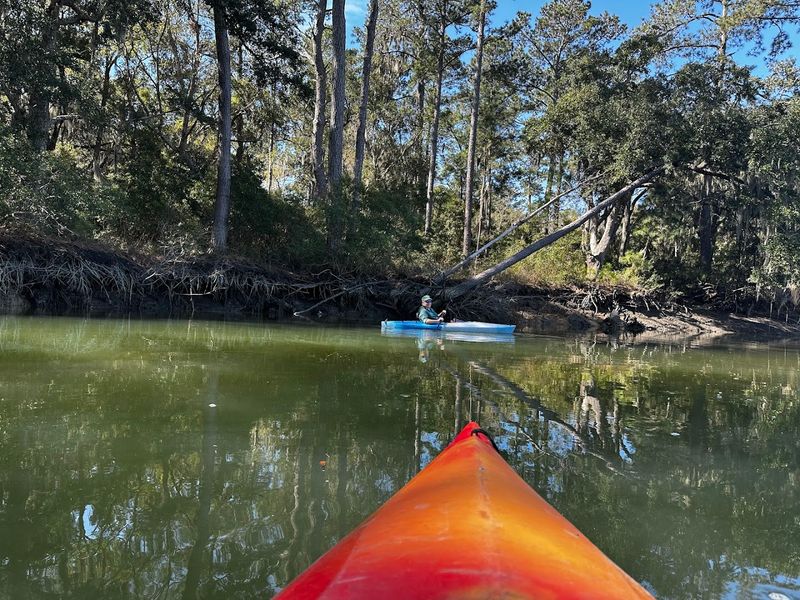
Some coastlines announce themselves loudly, but this one draws you in through quiet detail. Shell fragments flash under the surface, wind brushes the maritime forest, and every bend looks slightly less touched than the last.
It feels like a place that has chosen to stay wild.
Along Botany Bay Plantation Heritage Preserve on Edisto Island, the water gives you a rare angle on one of South Carolina’s most haunting landscapes. The shoreline mixes marsh, beach, and forest, with old plantation ground inland and wildlife almost everywhere you look.
Brown pelicans, fiddler crabs, and bleached driftwood all become part of the scene.
The beauty here is textured rather than showy. You paddle for the feeling of discovery, then linger for the contrast between history and habitat, where even a simple stop for photos can turn into a long, absorbing pause beside one of the coast’s most memorable stretches.
Morris Island Lighthouse Paddle
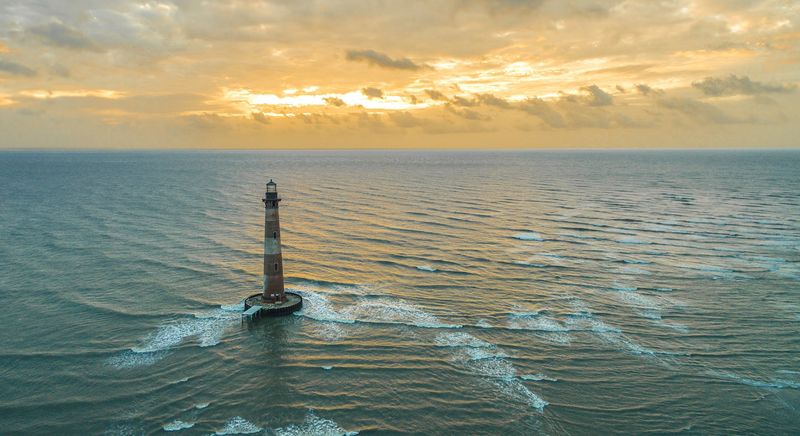
There is something unforgettable about seeing a lighthouse from water level. It looks lonelier, taller, and more dramatic, especially when the ocean breeze picks up and the shoreline seems to flatten into light and sand.
The whole route carries that slightly windswept, open-coast feeling.
Launching from the Folly Beach area, this paddle brings you toward Morris Island Lighthouse, one of the most striking landmarks on the South Carolina coast. Dolphins often surface in the surrounding waters, and the views back toward the beach can be just as compelling as the lighthouse itself.
On a clear day, the horizon feels almost endless.
This trip is not really about racing to a destination. It is about the approach, the changing angle of the tower, and the pleasure of moving through broad coastal space with salt spray on your arms.
Bring respect for tides and weather, and you will earn a paddle that feels undeniably iconic.
Shem Creek Paddle
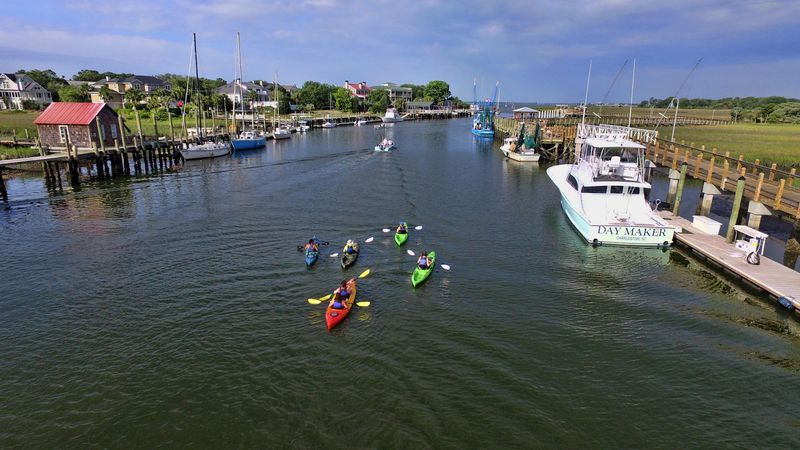
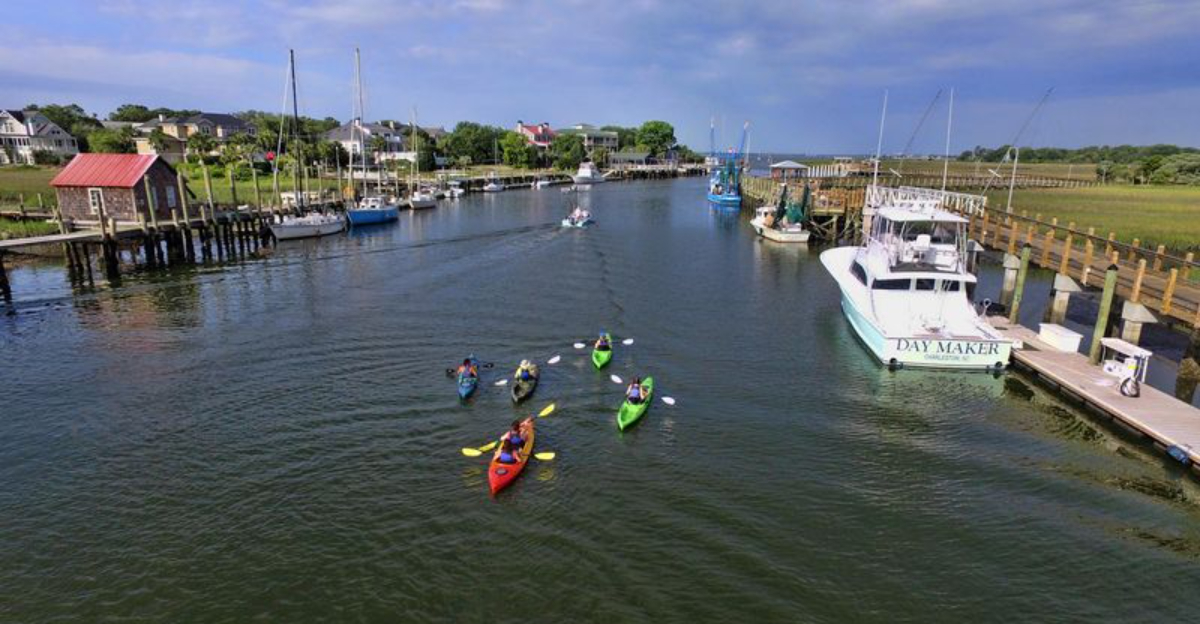
The surprise here is how wild the water can feel in the middle of somewhere so social. One moment you are gliding past restaurant decks and weathered pilings, the next a dolphin rolls through the creek beside shrimp boats with almost no warning.
It is lively, but never chaotic in the best light.
Shem Creek in Mount Pleasant offers an easy paddle with character built in. Commercial fishing boats, boardwalk views, and marsh edges share the same narrow stretch of water, giving the route a distinctly Lowcountry mix of work and leisure.
If you time it right, the smell of fried seafood drifts across the creek just as the sky begins to color.
This is a great trip when you want scenery without isolation. You can launch, paddle for an hour or two, watch pelicans on the pilings, then step back onto land and walk straight to she-crab soup or shrimp and grits.
Few urban paddles feel this local, or this distinctly coastal.
Kiawah River Paddle
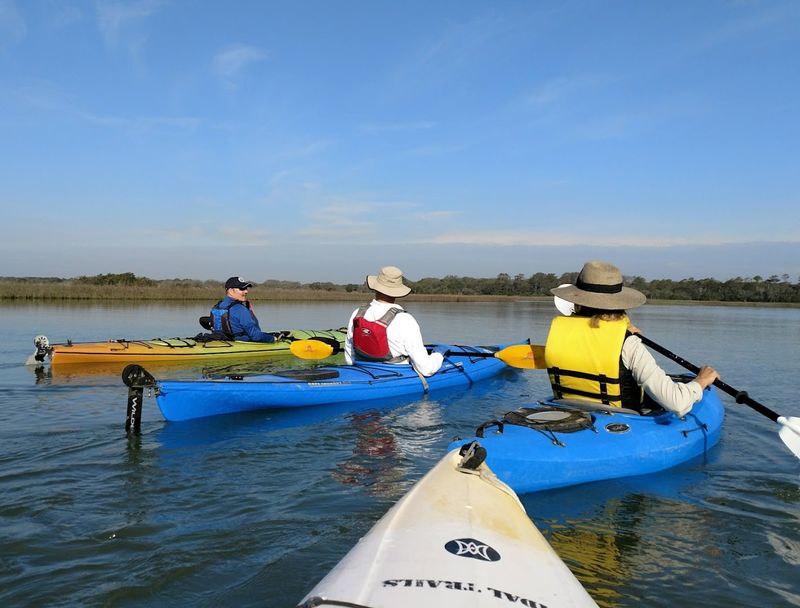
Late light does wonderful things to tidal water, and few places show it off better than this. The river catches pink, gold, and gray all at once, while the marsh starts to glow at the edges.
Even before sunset, the whole scene feels softened, as if the day is deliberately slowing down.
From Mingo Point Landing on Kiawah Island, you can explore the Kiawah River and its branching creeks through classic Lowcountry scenery. Marsh grass gives way to maritime forest, birds rise from hidden banks, and the water seems to fold gently around each turn.
It is quiet enough that every small movement, from a fish swirl to a distant egret, feels noticeable.
This route has a polished beauty, but it never feels overdone. You come away remembering the ease of the paddle, the evening colors, and the sense that the landscape is constantly shifting with the tide.
For a sunset outing, it is hard to imagine a calmer place to be.
Capers Island Heritage Preserve Paddle
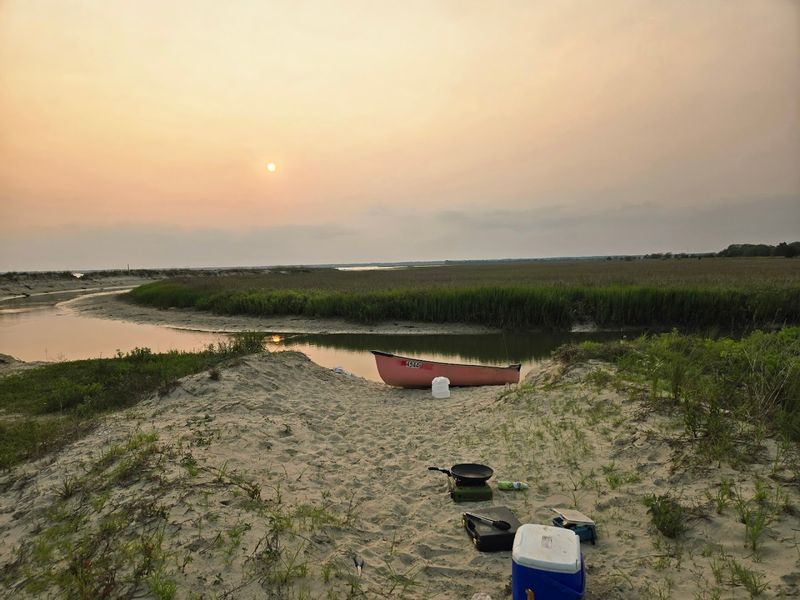
Remote does not always mean difficult, but it usually changes your mood. As the shoreline thins out and the marsh opens, you start paying closer attention to tide, wind, and birds instead of your phone or the hour.
That shift is part of what makes this trip feel so rewarding.
Heading out from Garris Landing toward Capers Island Heritage Preserve near Awendaw, you paddle through broad salt marsh toward an undeveloped barrier island that still feels wonderfully unclaimed. Shorebirds gather on exposed flats, oyster reefs break the surface at low tide, and the beach itself has a spare, natural beauty.
There is very little here to distract from water, sky, and land.
What stays with you is the rarity of that simplicity. Reaching Capers by kayak makes the island feel earned, and once you pull up on the sand, even a quiet walk or a few minutes of beachcombing can feel unusually satisfying.
It is coastal South Carolina with the volume turned down.
Waccamaw National Wildlife Refuge Paddle
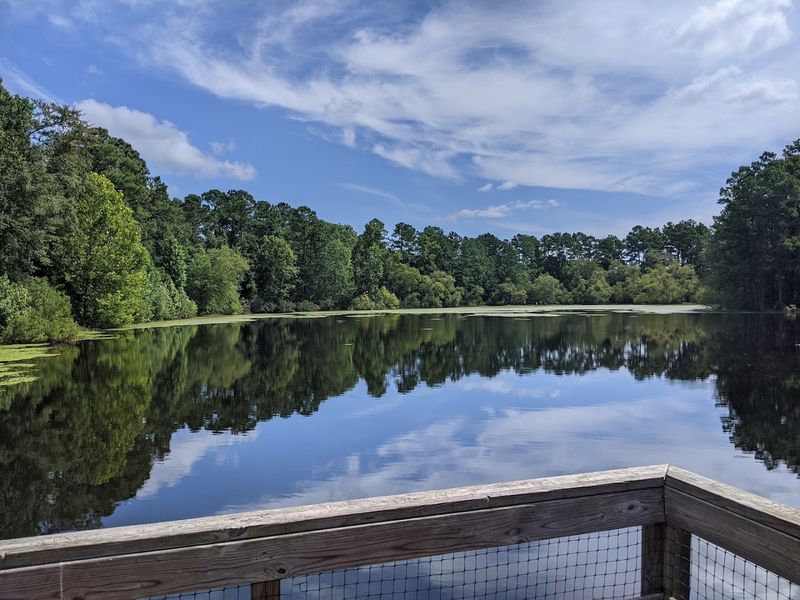
The water here looks almost like brewed tea, dark and reflective, carrying whole trees upside down in its surface. Cypress knees rise near the banks, dragonflies skim low, and the air feels cooler under the canopy.
It is a different kind of coastal scenery, less salty but no less absorbing.
In Waccamaw National Wildlife Refuge near Conway, the paddle moves through blackwater channels and floodplain forest that feel deeply rooted and slightly mysterious. Instead of open marsh, you get cypress, tupelo, and still backwaters where wildlife can appear quietly.
Turtles slide from logs, barred owls sometimes call, and the light filters through in soft green layers.
This route is worth doing for contrast alone. It shows how broad South Carolina’s coastal region really is, extending beyond beaches into inland waters shaped by tide, river, and swamp.
If you enjoy slower paddles that invite observation, this one offers atmosphere from the first stroke to the last.
Murrells Inlet MarshWalk Water Trail
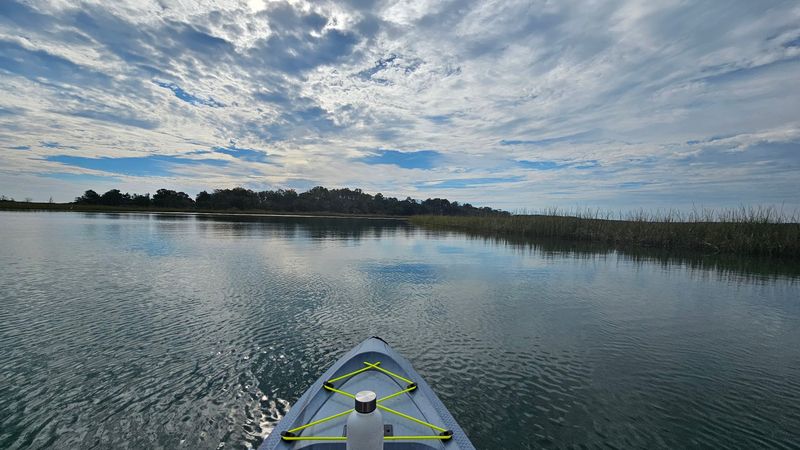
Morning is especially good here, when the marsh is quiet before the restaurants fully wake up. The water reflects pale sky, seabirds pick through the shallows, and the boardwalk feels like a backdrop rather than the main event.
It is a softer version of a place many people only know from land.
Launching from Morse Park Landing, the Murrells Inlet MarshWalk Water Trail lets you slip into the salt marsh beside one of the Grand Strand’s best known waterfront areas. You can paddle past creeks lined with spartina, watch crabs moving over exposed mud, and glance back toward docks where lunch plans practically suggest themselves.
Sunrise and sunset both flatter the landscape.
What makes this route memorable is the contrast. You get ecological richness and a surprisingly peaceful paddle, yet the comforts of town remain close at hand.
After landing, it feels completely natural to trade your paddle for a table overlooking the same marsh you just crossed.
Bulls Bay Paddle
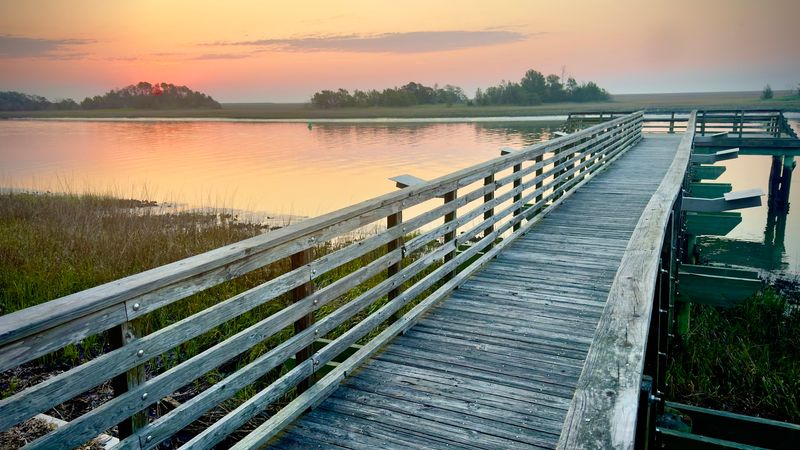
Space is the defining feeling here. The bay opens wide, the sky seems to stretch even wider, and your kayak can feel very small in the most exhilarating way.
On calm days, that openness reads as freedom rather than exposure, especially when birds start moving across the flats in loose, shifting groups.
Launching from Buck Hall Recreation Area near McClellanville, a Bulls Bay paddle introduces you to one of the coast’s broadest estuarine landscapes. Oyster reefs break up the water, undeveloped islands sit low on the horizon, and birdlife can be spectacular during the right seasons.
It is less intimate than a creek paddle, but far more expansive.
The reward is not a single landmark so much as a mood. You are out in a working, breathing coastal system that feels only lightly touched, and that sense of scale lingers.
If you like big skies, open water, and the possibility of truly excellent birdwatching, this route earns your attention quickly.
Edisto River Canoe and Kayak Trail (Coastal Section)
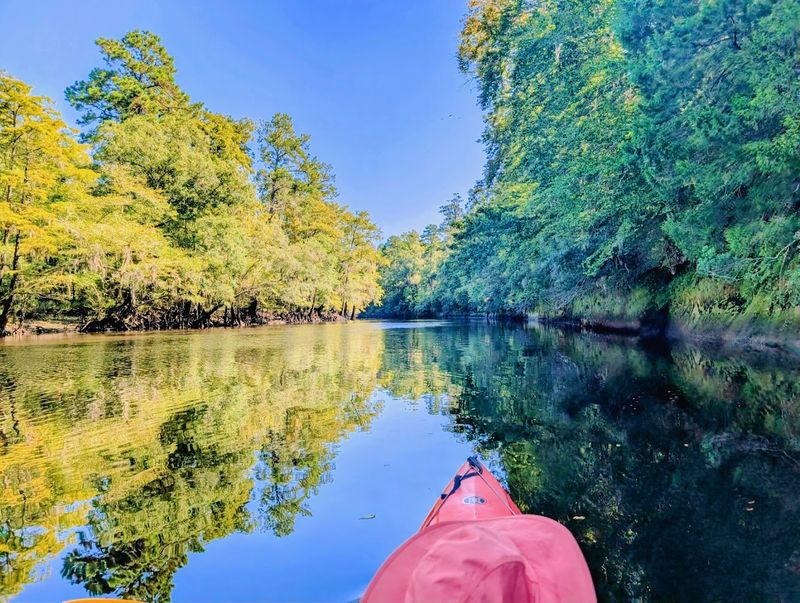
The river seems to hold its own weather. Sunlight filters through Spanish moss, the blackwater moves with a steady confidence, and every bend suggests another cathedral-like stand of cypress ahead.
It feels older than the coast, yet deeply connected to it.
Along the coastal section of the Edisto River, often accessed near Givhans Ferry State Park in Ridgeville, the experience shifts from salt marsh scenery to something darker, deeper, and more enveloping. Tupelo and cypress line the banks, sandy bluffs appear unexpectedly, and the current does just enough work to keep the trip flowing.
For a full day, it has real narrative arc.
This is the paddle for when you want immersion rather than a quick outing. The Edisto is one of North America’s longest free-flowing blackwater rivers, and you can feel that continuity in the landscape itself.
By the end, the quiet is not just around you. It has settled into you too.