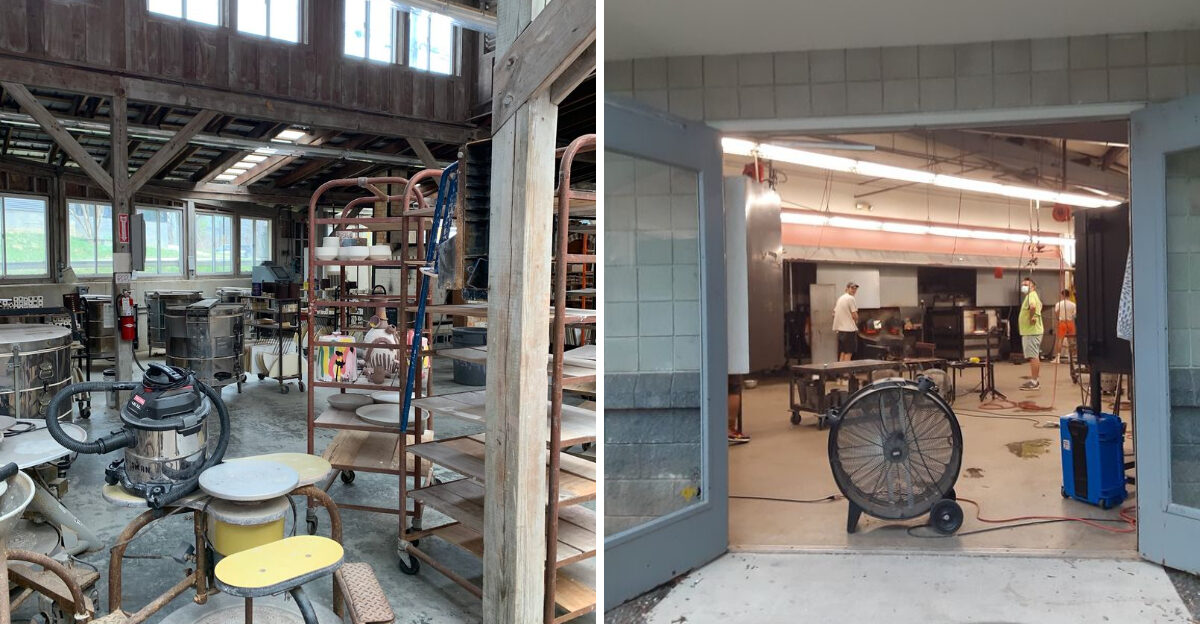
Forget the weekend getaway—this one comes with clay under your fingernails, sparks in the studio, and something you made yourself.
Tucked into the Blue Ridge Mountains near Bakersville, Penland School of Craft is a stop for anyone who would rather create than look around. Its workshops welcome beginners and makers eager to learn.
You can spend your time shaping clay, working with hot glass, hammering metal, or exploring another craft. You are not just watching a technique.
You get to roll up your sleeves and make things happen.
Before you pack your studio clothes and head for the mountains, there are a few things to know.
From choosing the right workshop to campus access, these tips will help you plan a weekend that leaves you inspired—and maybe hooked on a hobby.
Start Your Weekend at Penland School of Craft in the Blue Ridge Mountains
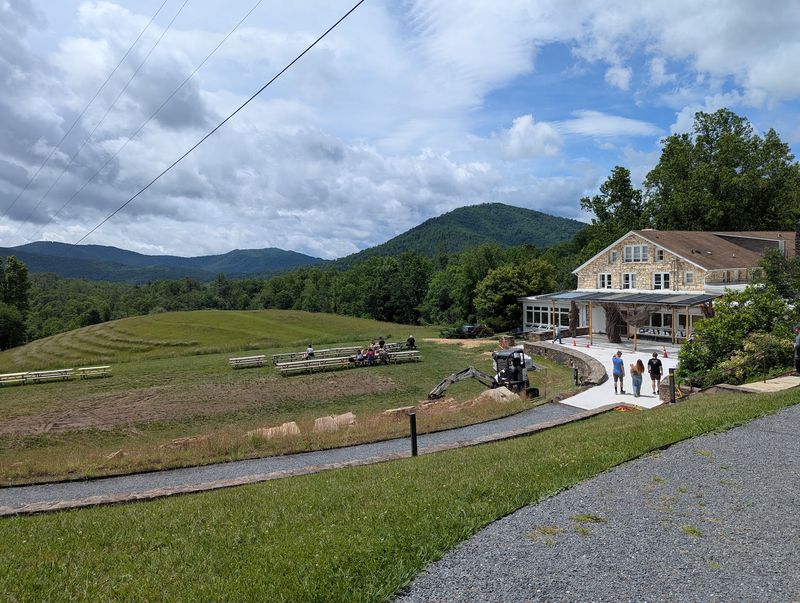
Hidden among the rolling peaks near Bakersville, Penland has welcomed makers for more than a hundred years. What began as a small weaving program has grown into an internationally respected craft school where learning happens through real studio work.
People travel here from across the country and around the globe to roll up their sleeves and create. The mountain setting adds a peaceful, focused feeling that helps ideas flow freely.
One thing that makes Penland stand out is its multidisciplinary approach. You will find serious artists working side by side in glass, clay, metals, wood, printmaking, and textiles.
Instructors are experienced makers who genuinely love sharing their skills.
The atmosphere blends tradition with fresh experimentation. Everyone is encouraged to try, fail, and try again without pressure.
Before you pick a specific class, simply understand what Penland is: a gathering place for hands-on creativity where the mountains, the studios, and the community all work together.
Choose a Workshop That Lets You Get Your Hands Dirty
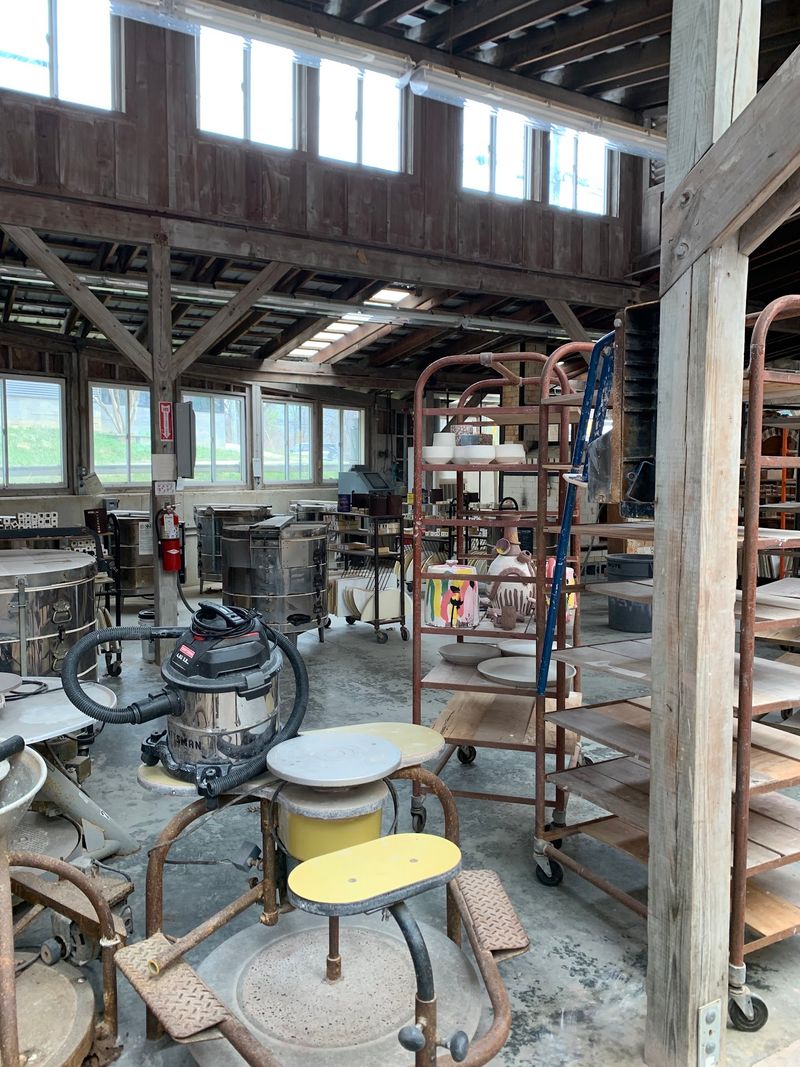
Picking the right class is where your adventure really begins. Penland offers workshops across many disciplines, including clay, glass, iron, and metals, so there is something for nearly every interest.
Sessions come in different lengths. Some are shorter workshops, while others stretch into longer, immersive programs that last a week or more.
Here is a helpful tip: do not assume every class fits neatly into a single weekend. Instead of guessing, look carefully at each workshop’s schedule and match it to the time you actually have available.
If your free days are limited, search specifically for shorter sessions or special events that welcome visitors. That way you avoid disappointment and get the most from your trip.
Think about what excites you most before booking. Do you want to melt glass, mold clay, or hammer metal?
Choosing based on genuine curiosity will make your experience far more rewarding and memorable when you finally arrive on campus.
Get Up Close With Glass in a Serious Studio Setting
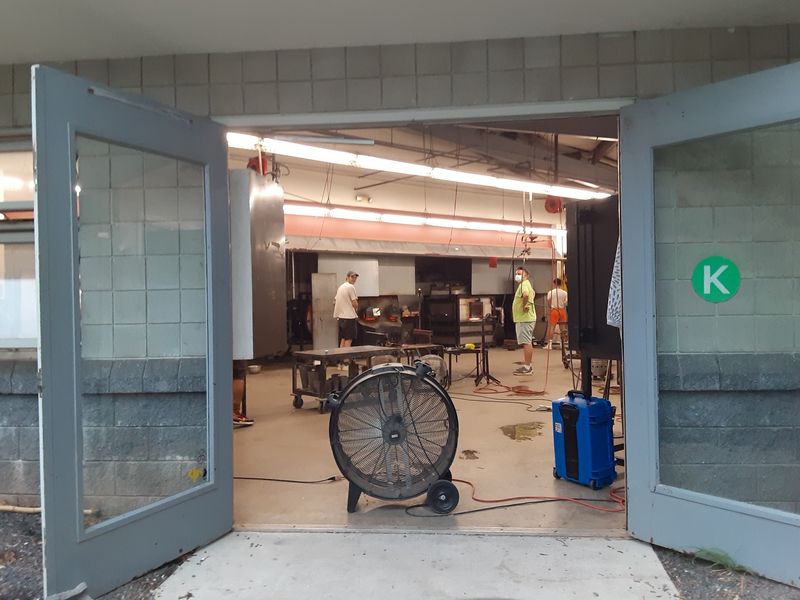
There is something almost magical about watching molten glass glow and stretch into shape. At Penland, the glass program gives you a chance to work with techniques and equipment that would be nearly impossible to set up at home.
The school has a dedicated glass studio built for serious making. Furnaces, tools, and safe workspaces let students explore blowing, shaping, and forming in ways beginners rarely get to try.
Even if you are not enrolled in a glass class, you can still enjoy the craft. Penland provides a glassblowing viewing station where visitors can peek at the action and see how artists handle the fiery material.
Working with glass takes focus, patience, and a bit of bravery. The heat is real, and timing matters, which makes each finished piece feel like a genuine accomplishment.
For anyone fascinated by color, light, and fire, spending studio time with glass here is unforgettable and truly hands-on.
Shape Clay Into Something You Can Actually Take Home
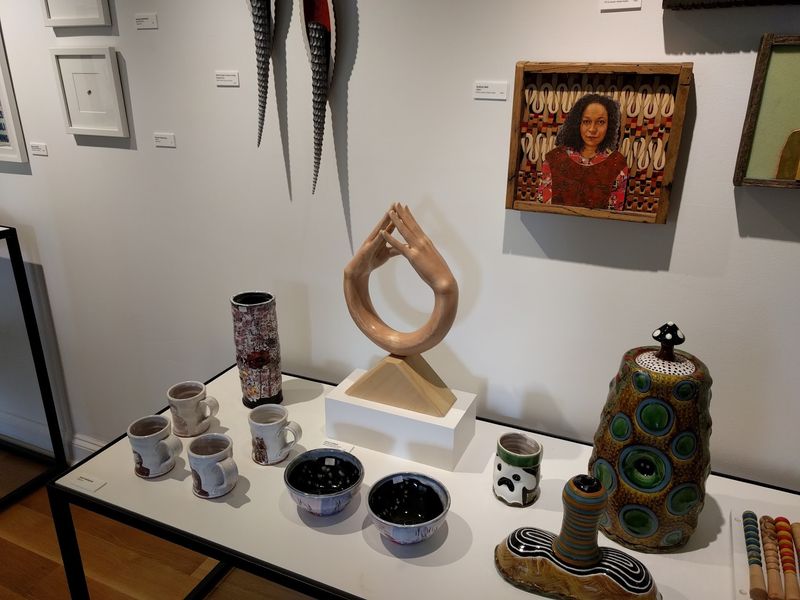
Few crafts feel as satisfying as pressing your fingers into soft, cool clay and watching a shape appear. Penland’s clay program is a wonderful pick for anyone who loves ceramics, whether that means handbuilding, sculpture, or functional pottery like mugs and bowls.
What makes it special is the mix of skilled instruction and real time to experiment. Rather than just watching a demonstration, you actually get your hands into the material and learn by doing.
The dedicated studio space gives you room to spread out, try new methods, and make mistakes that turn into lessons. Instructors guide you while still leaving space for your own creativity.
Best of all, clay work often means you leave with something tangible. A cup, a plate, or a small sculpture becomes a lasting reminder of your weekend.
Beginners and experienced potters alike find joy in the slow, thoughtful rhythm of shaping clay into something meaningful and personal.
Try Metals for a More Hands-On Weekend Challenge
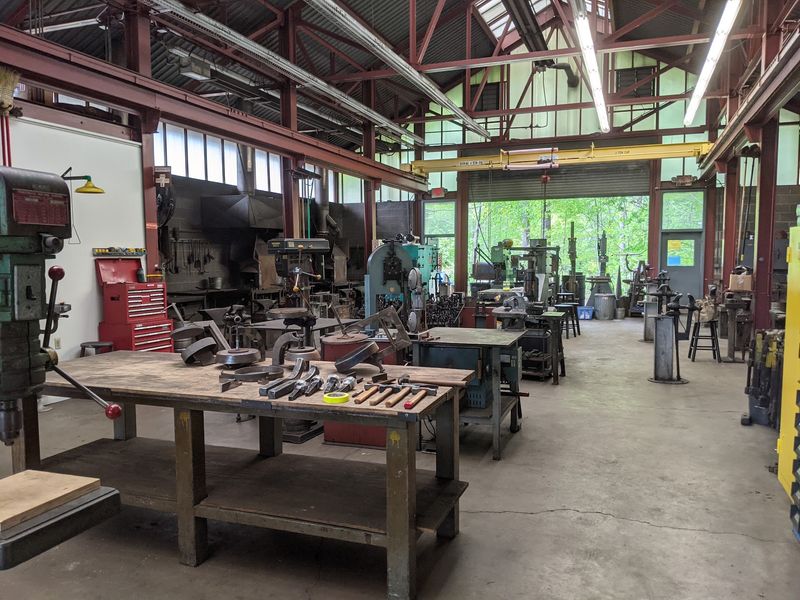
If softer materials do not quite match your energy, metals might be your perfect fit. This option is ideal for visitors who want to cut, shape, forge, and construct rather than mold or blow.
Penland’s programming includes both metals and iron, and those two paths feel surprisingly different. Metalwork can mean delicate jewelry and fine detail, while iron often involves the heat and power of a forge.
Swinging a hammer against glowing metal is a thrill that stays with you. The sparks, the ringing sound, and the strength required make it feel like real craftsmanship in action.
Students get to explore very different approaches under the eyes of knowledgeable instructors. You might bend, join, or hammer metal into both useful and artistic forms.
Be ready to put in physical effort, since metalwork can be demanding. That challenge, though, is exactly what makes finishing a piece feel so rewarding by the end of your session.
Learn From Artists Who Actually Practice Their Craft
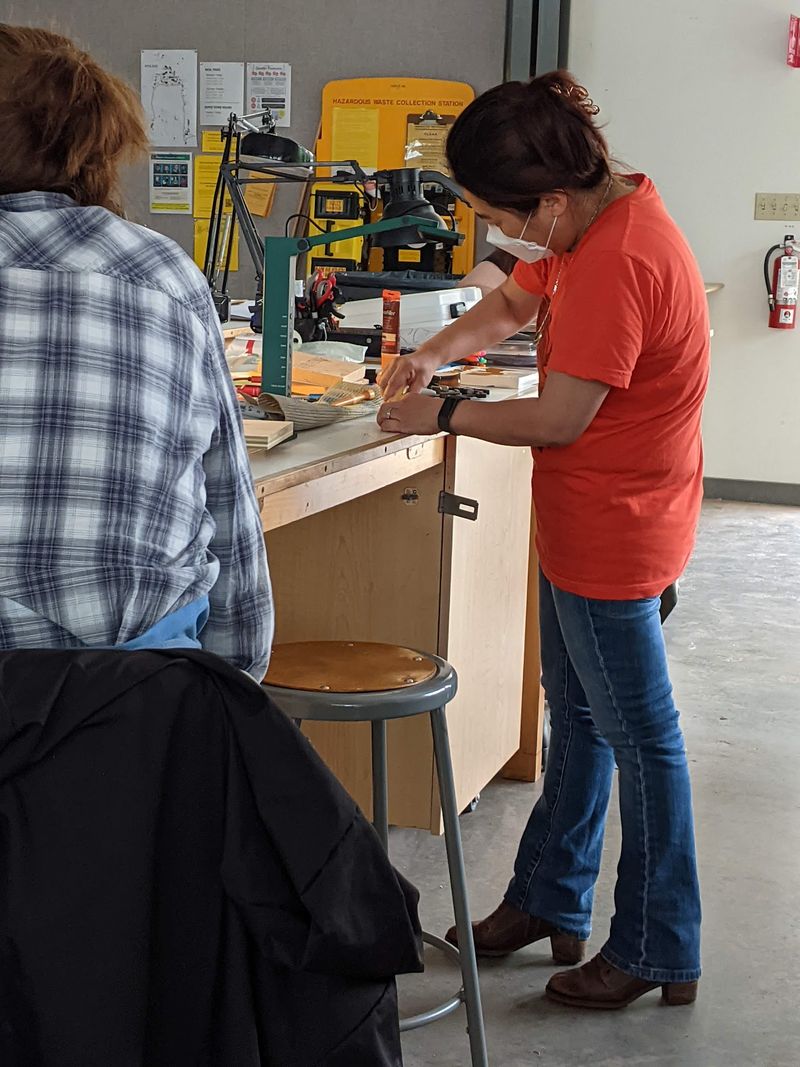
Imagine learning to paint from a real painter instead of someone reading from a manual. That is the kind of teaching you find at Penland, where instruction comes from working artists and experienced craft educators.
These are people who spend their lives making, selling, and thinking deeply about their craft. Their knowledge goes far beyond basic steps, reaching into real tricks and hard-earned wisdom.
What sets a Penland workshop apart from an ordinary recreational class is this depth. You are not just copying a project; you are absorbing how professionals actually think and work.
The school’s model does more than teach techniques. Instructors encourage students to develop their own ideas, styles, and creative voices along the way.
That balance between skill-building and personal expression helps students grow quickly. You leave not only with new abilities but also with fresh confidence.
Learning directly from passionate makers turns a simple weekend into a meaningful step in your own creative journey.
Make the Most of Penland’s Creative Community
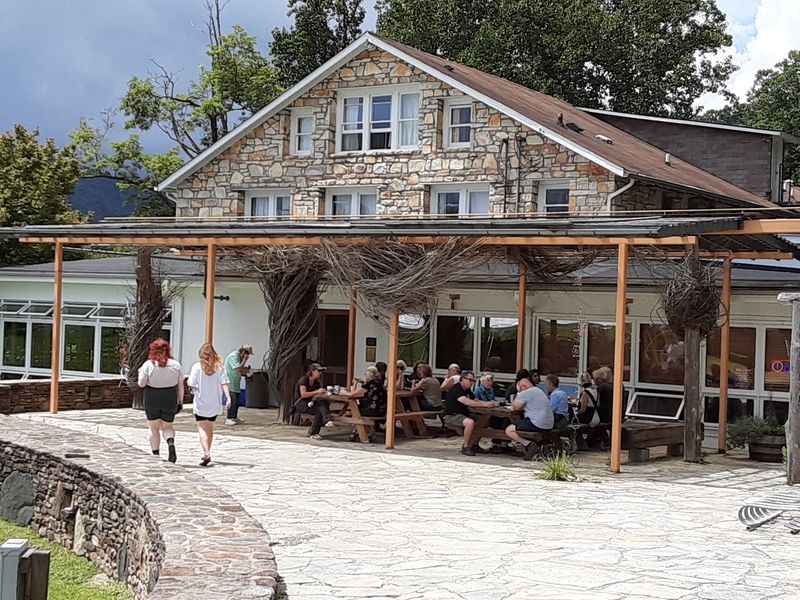
Ever notice how the best experiences often come from the people around you? At Penland, the community is just as important as the classes themselves.
The whole place is designed around sharing. Students and artists spend time together in studios, gather for meals, swap stories, and watch each other’s demonstrations throughout the day.
These everyday moments spark unexpected friendships and fresh ideas. Someone at your lunch table might suggest a technique that completely changes your project.
Because of all this connection, a weekend here feels like much more than a single class. You step temporarily into a living, working craft community where creativity is contagious.
Conversations often continue long after studio hours end. People trade tips, encouragement, and inspiration freely, which makes even shy visitors feel welcome.
By the time you leave, you may carry home more than a finished piece. Many guests describe leaving with new friends and a renewed love for making things by hand.
Wander the Campus and See More Than Your Own Studio
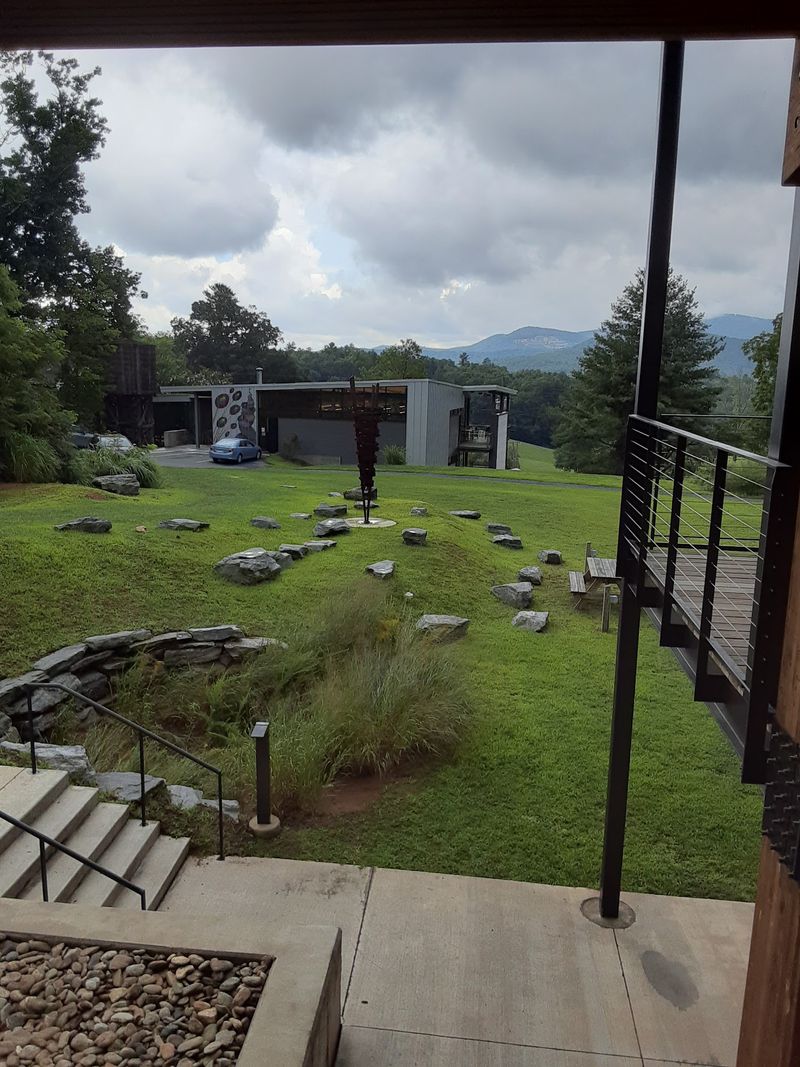
When class time wraps up, resist the urge to head straight back to your room. Penland’s campus is full of interesting spots worth exploring on foot.
Start with the Penland Gallery and Visitors Center, where beautiful finished work is on display. Nearby, the Supply Store is handy for materials, and the Coffee House offers a cozy break.
Do not miss the Art Walk or the resident artist studios, which give you a peek into how working makers spend their days. The campus map clearly points out these visitor-friendly areas.
One important rule to remember: classroom studios should not be entered while classes are underway. Those spaces are reserved for active students and instructors.
Wandering respectfully lets you soak up the creative energy without interrupting anyone’s work. Bring comfortable shoes, since the grounds are hilly and spread out.
Taking time to explore turns your visit into a richer experience, helping you appreciate the full spirit of this remarkable mountain school.
Pair Your Workshop With the Penland Gallery and Resident Artists
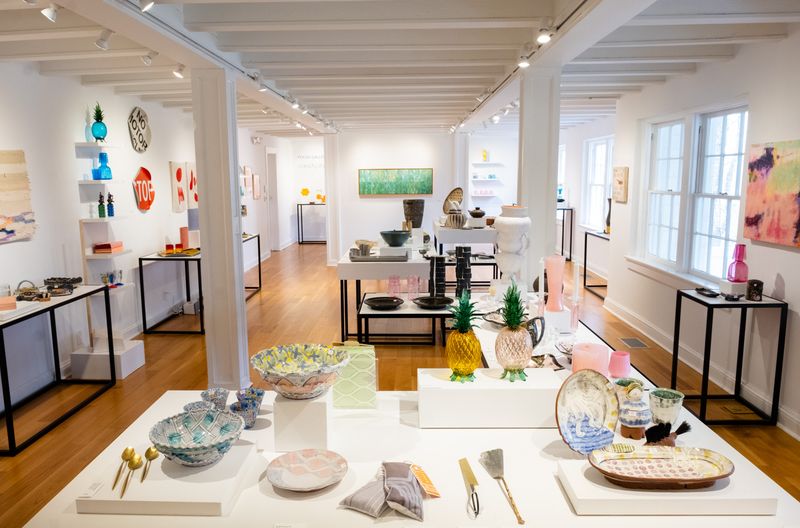
After spending hours learning how things are made, seeing polished, professional work hits differently. That is why the Penland Gallery deserves a real spot on your weekend plan, not just a quick glance.
The gallery showcases pieces created by instructors, resident artists, alumni, and other contemporary craftspeople. Each display reveals what is possible with skill, patience, and imagination.
Because you have just tried the processes yourself, you will understand and appreciate these works on a deeper level. You might spot a technique you practiced or one you hope to learn next.
Visiting resident artists adds even more inspiration. These makers live and work on campus, dedicating themselves fully to their craft.
Seeing their finished creations can motivate your own future projects. Many visitors leave with sketchbook ideas or a shopping list of new skills to chase.
Treating the gallery as part of your creative journey ties everything together, connecting the hands-on lessons in the studio with the beautiful results real artists achieve.
What to Know Before You Go
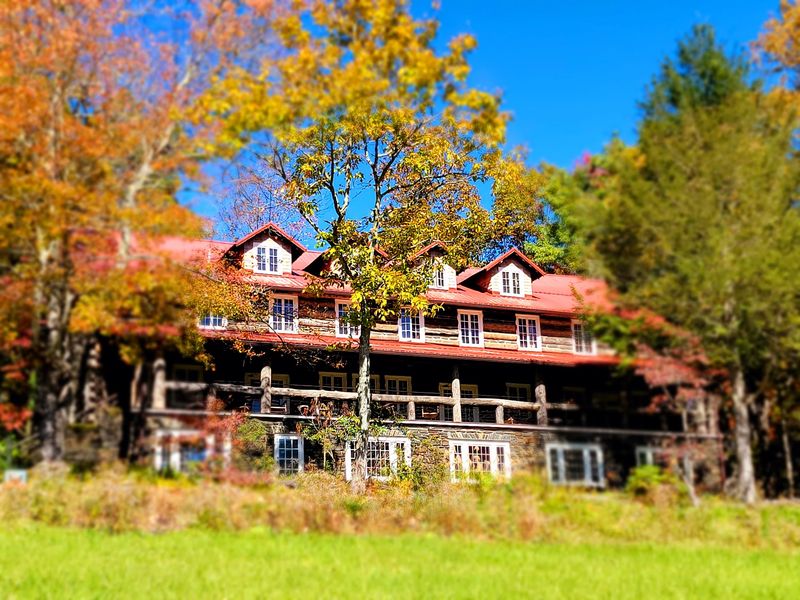
A little planning goes a long way toward a smooth visit. Workshops require advance enrollment, and schedules and class availability change often, so book early and check details carefully.
Read each workshop description closely for required materials and tools. Pack comfortable clothes and sturdy shoes suited for studio work.
Keep in mind that showing up for a weekend does not mean you can walk into an active classroom and start making pottery or glass. Those studios are generally closed to casual visitors during sessions.
Special public events, like the Community Open House, offer hands-on chances instead.
The campus sits on hilly, uneven ground. If you have mobility concerns, contact Penland ahead of time about accessible housing, parking, studios, and transportation help.
For questions, reach the school at 67 Doras Trl, Bakersville, NC 28705, or call +1 828-765-2359. Follow campus signage for parking.
With reservations made and expectations set, your creative mountain weekend will feel relaxed, organized, and genuinely inspiring from start to finish.