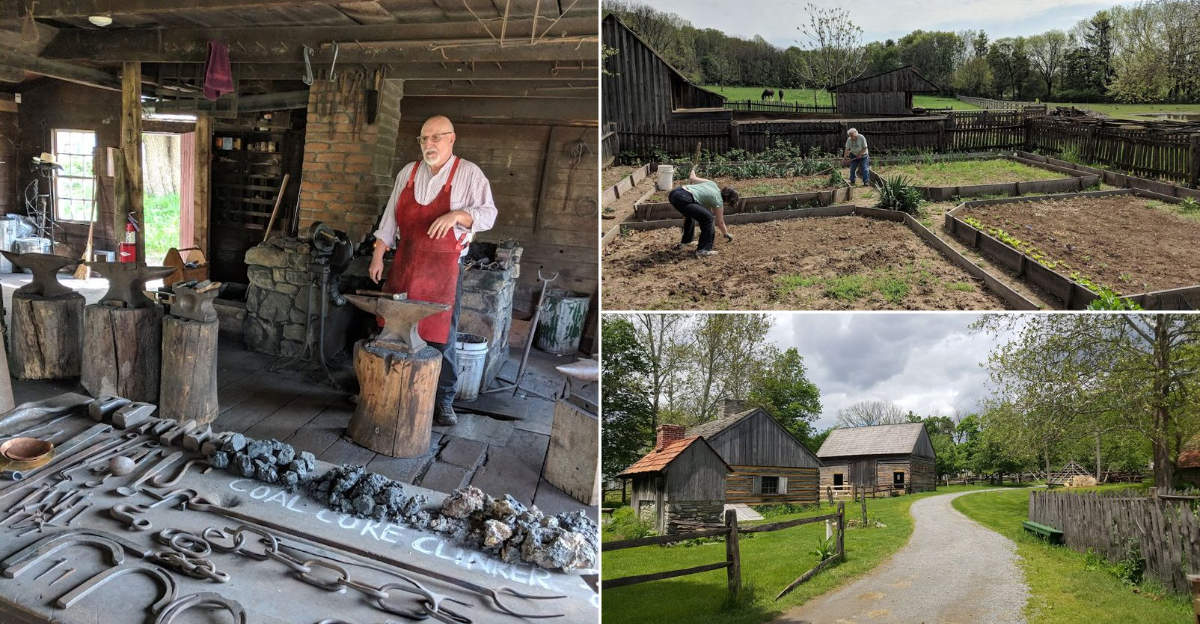
Tucked away on 100 acres in Lancaster, Pennsylvania, Landis Valley Village and Farm Museum is one of the most remarkable living history experiences in the entire country. Here, time seems to slow down as you wander through a fully functioning 19th-century village where blacksmiths hammer iron, weavers spin linen, and farmers tend heirloom crops just as their ancestors did hundreds of years ago.
The museum celebrates the rich culture of Pennsylvania’s rural German community, bringing history to life in a way no textbook ever could. Whether you are a curious kid, a homeschooling family, or simply someone who loves exploring the past, a day at Landis Valley is time genuinely well spent.
The Living Village Streetscape
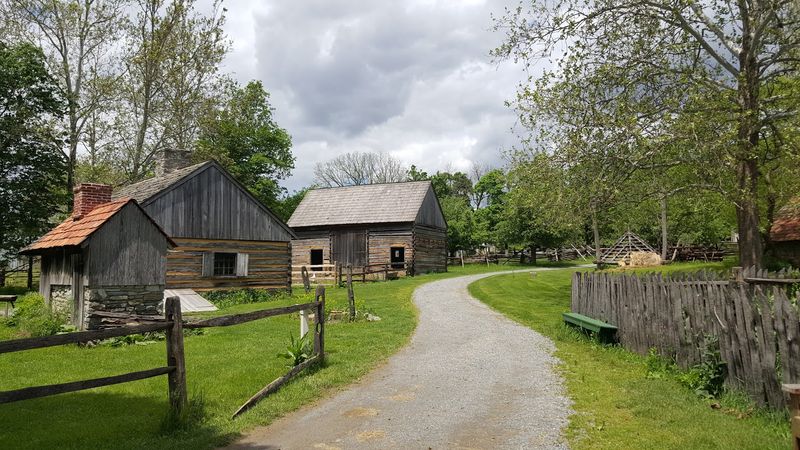
Walking down the main street at Landis Valley feels less like visiting a museum and more like accidentally stumbling into a working 19th-century village. The gravel paths, weathered wooden storefronts, and carefully preserved buildings create an atmosphere so authentic that you half expect a horse-drawn wagon to come rolling around the corner.
The streetscape spans a remarkable stretch of the 100-acre property, featuring more than two dozen historic structures. Each building has been either relocated from its original site or faithfully reconstructed to reflect Pennsylvania German architecture from roughly 1740 through the early 1900s.
Costumed interpreters move naturally through the space, making the whole scene feel genuinely alive.
Visitors are encouraged to explore at their own pace, popping into doorways and chatting with staff who are clearly passionate about the stories they share. Families with strollers will find the wide gravel paths manageable, and the layout is open enough that kids can roam freely without getting lost.
Plan to spend at least two and a half hours here to soak it all in without rushing through this extraordinary slice of American rural heritage.
The Blacksmith Shop
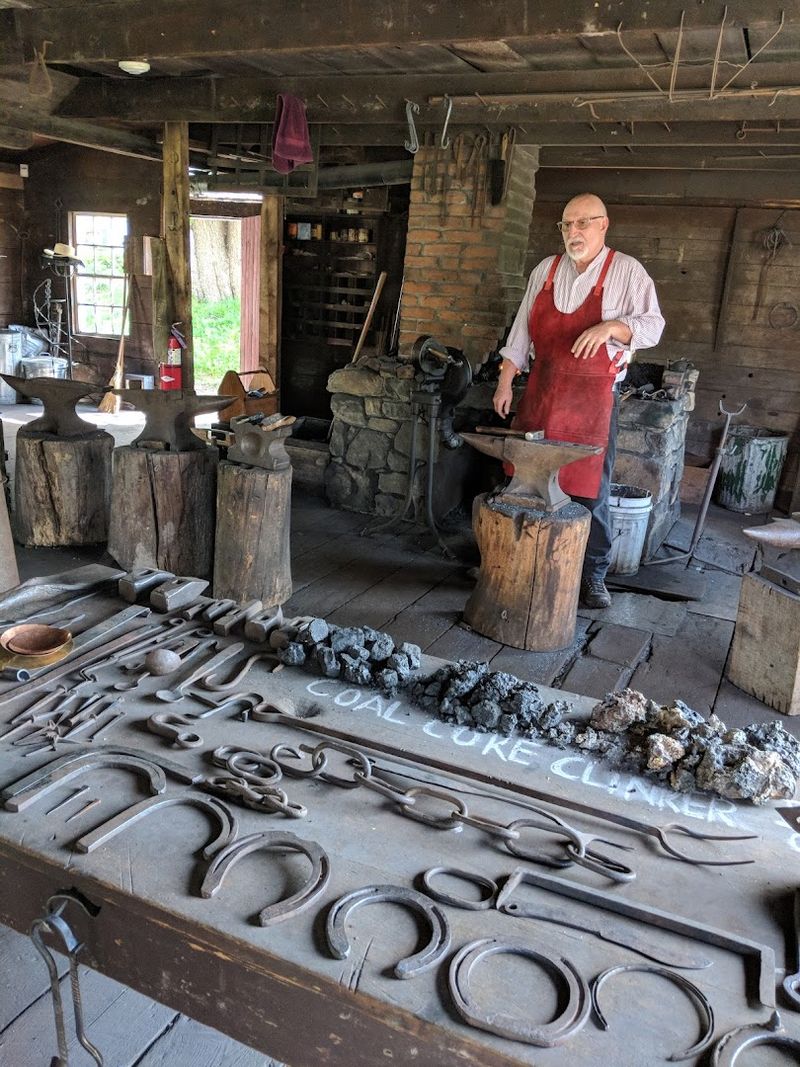
There is something almost magical about watching a skilled blacksmith pull a chunk of glowing orange iron from a roaring forge and shape it into something useful right before your eyes. At Landis Valley, the blacksmith shop is one of the most popular stops on the property, and it is easy to understand why.
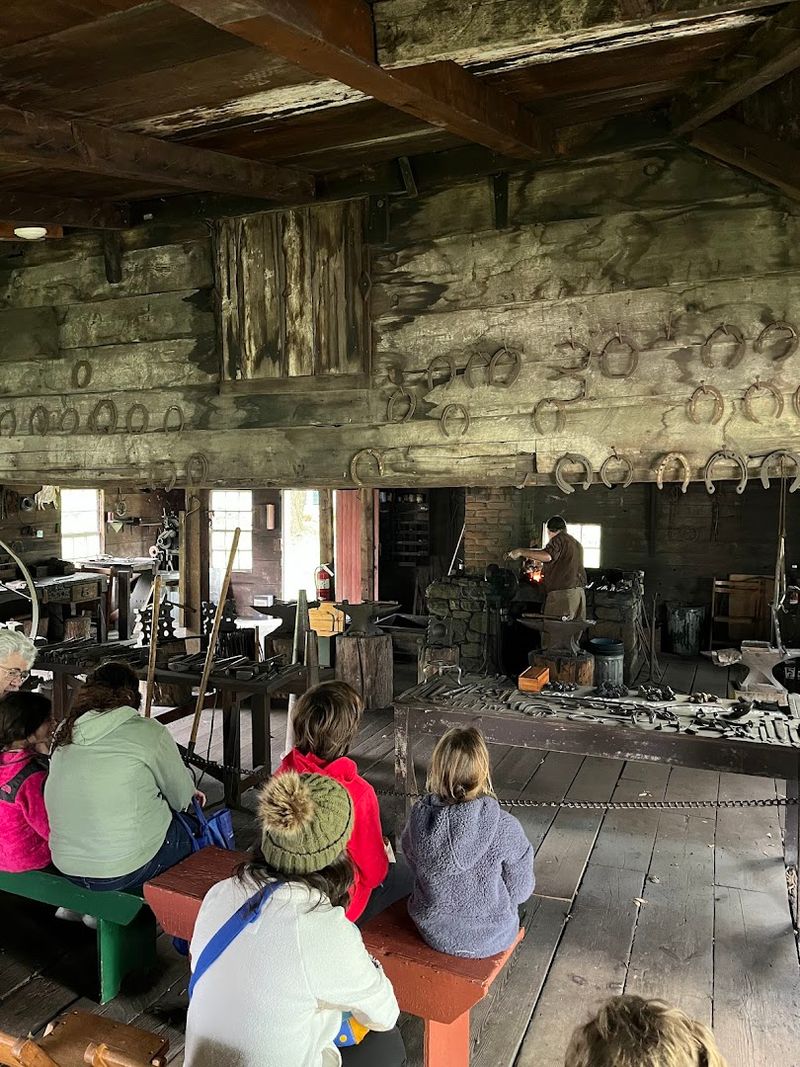
The shop operates just as it would have in the 1800s, with a coal-fired forge, heavy anvil, and a full set of hand tools lining the walls. Demonstrators explain each step of the process in plain, engaging language, making the craft accessible for visitors of all ages.
Kids especially love watching the transformation from raw metal to finished object happen in real time.
What makes this demonstration stand out is the sheer physicality of it. The heat radiating from the forge, the rhythmic clang of hammer on metal, and the hiss of hot iron hitting water are experiences that stick with you long after you have left the museum.
Blacksmithing was the backbone of rural farm communities, and this shop does an outstanding job of honoring that critical trade with skill and genuine enthusiasm.
The Tavern and General Store
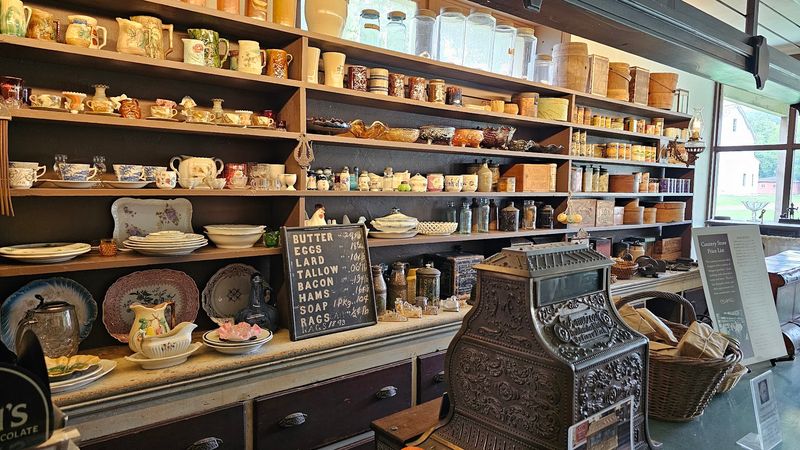
Before shopping malls and supermarkets existed, the general store and tavern were the beating heart of any rural community. At Landis Valley, both buildings have been restored and stocked to reflect exactly what a Pennsylvania German settlement would have looked like during the 1800s, right down to the handwritten price tags and period-appropriate goods lining the shelves.
The tavern is particularly fascinating because it served so many roles at once. It was a place for travelers to rest, for locals to swap news, and for community business to get done over a meal or a drink.
Staff members stationed inside love sharing stories about the colorful characters who would have passed through such an establishment on their way across early Pennsylvania.
The general store, meanwhile, gives you a sense of just how self-sufficient these communities tried to be. Dried herbs, handmade tools, bolts of fabric, and preserved foods were all traded here.
Today, the museum gift shop carries on a similar spirit, stocking locally made crafts, heirloom seeds, and handcrafted goods that make for genuinely memorable souvenirs. Reviewers consistently call the gift shop a highlight worth visiting even without a full museum ticket.
Heirloom Gardens and Heritage Crops
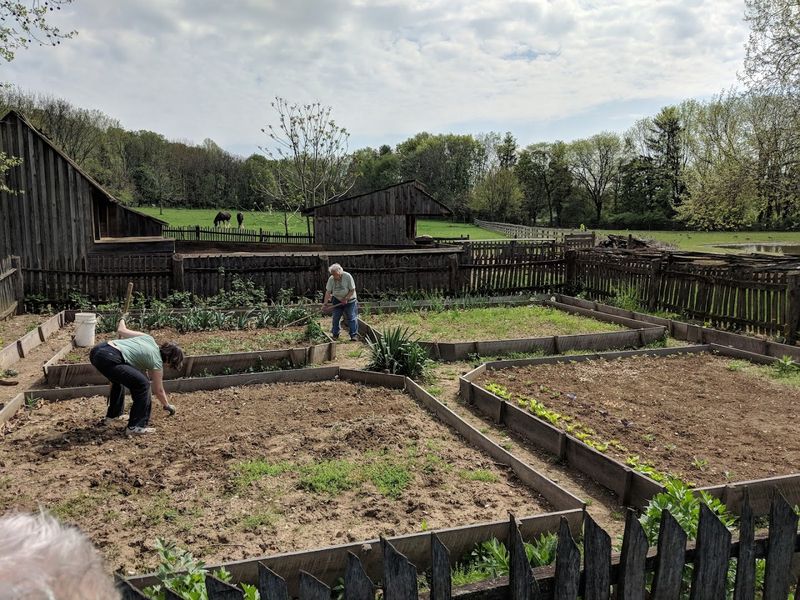
Not many museums let you wander through a garden that looks like it was plucked straight out of the 1800s, but Landis Valley is not your average museum. The heirloom gardens here are a living, growing collection of plants that Pennsylvania German farmers would have cultivated for food, medicine, and trade across multiple generations.
Heritage crops like flint corn, speckled beans, and old-world herbs grow alongside decorative flowers that would have brightened farmhouse windows in the 19th century. The museum is also well known for selling heirloom seeds in its gift shop, a program that actively works to preserve plant varieties that might otherwise disappear entirely from modern agriculture.
That mission gives the gardens a purpose far beyond just looking pretty.
Strolling through the garden beds is one of the most peaceful parts of a visit to Landis Valley. The colors, textures, and fragrances change with every season, which means the experience is genuinely different depending on when you visit.
Spring brings delicate blooms, summer bursts with green abundance, and fall transforms the property into a breathtaking tapestry of warm colors. Multiple reviewers specifically mentioned the gardens as a beautiful and calming highlight of their trip.
Spinning, Weaving, and Textile Demonstrations
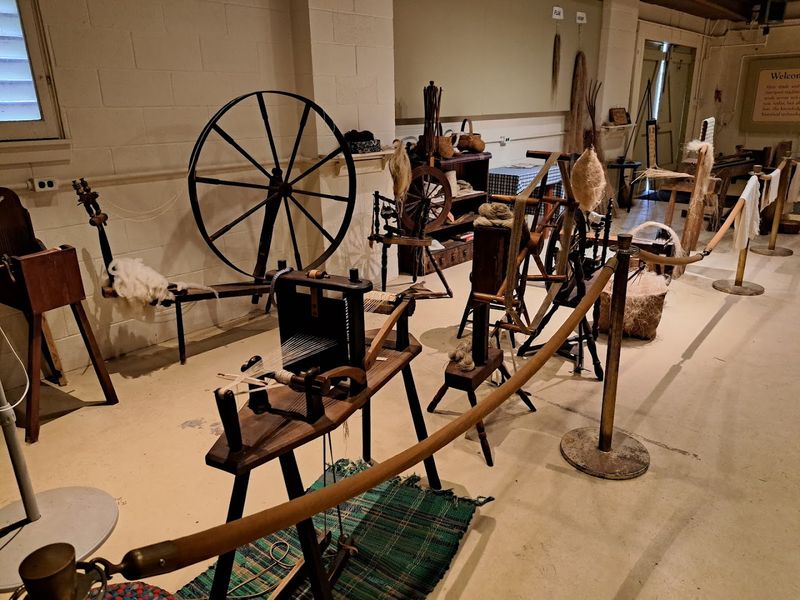
Long before clothing came from a factory, every thread of fabric had to be spun and woven by hand, and that process was a central part of daily life for Pennsylvania German women. At Landis Valley, the textile demonstrations bring this largely forgotten skill back into full view, and watching it happen in person is genuinely mesmerizing.
The linen production building houses working spinning wheels, hand looms, and displays that walk visitors through the entire journey from raw flax plant to finished woven cloth. Interpreters demonstrate each stage with a calm confidence that makes the process look almost effortless, though they are quick to point out just how many hours of labor went into producing even a single yard of fabric.
One reviewer specifically praised a guide named Nancy for her deep knowledge of the linen production building, calling her explanations engaging and thorough. That kind of passionate storytelling is what elevates this demonstration from a simple craft display into a real connection with history.
Whether you try your hand at the spinning wheel or simply watch and ask questions, the textile corner of Landis Valley is one of those experiences that makes you rethink how much work went into everyday life two centuries ago.
The Schoolhouse
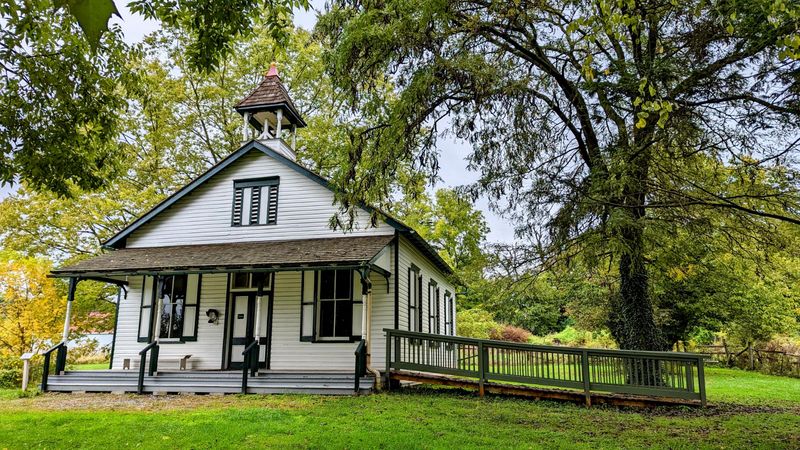
Imagine sitting at a hard wooden desk, sharing a textbook with three other students, and learning your lessons in both English and German on the same day. That was the reality for children attending a one-room Pennsylvania German schoolhouse in the 1800s, and the schoolhouse at Landis Valley puts you right in the middle of that experience.
The building is furnished exactly as it would have appeared during its working years, complete with a wood-burning stove for winter warmth, a chalkboard covered in period-appropriate lessons, and rows of simple wooden benches. Visiting kids often get a kick out of sitting in the old seats and imagining what school life was like before smartphones, cafeterias, and gym class existed.
For homeschooling families especially, this stop is pure gold. Several reviewers who homeschool their children described the schoolhouse as one of the most memorable stops during their field trip, noting that the hands-on atmosphere made history feel real and relatable.
Staff stationed in the building are skilled at tailoring their explanations to different age groups, making the schoolhouse equally engaging for a curious six-year-old and a history-loving adult visiting on the same afternoon.
The Tin Shop and Gunsmith
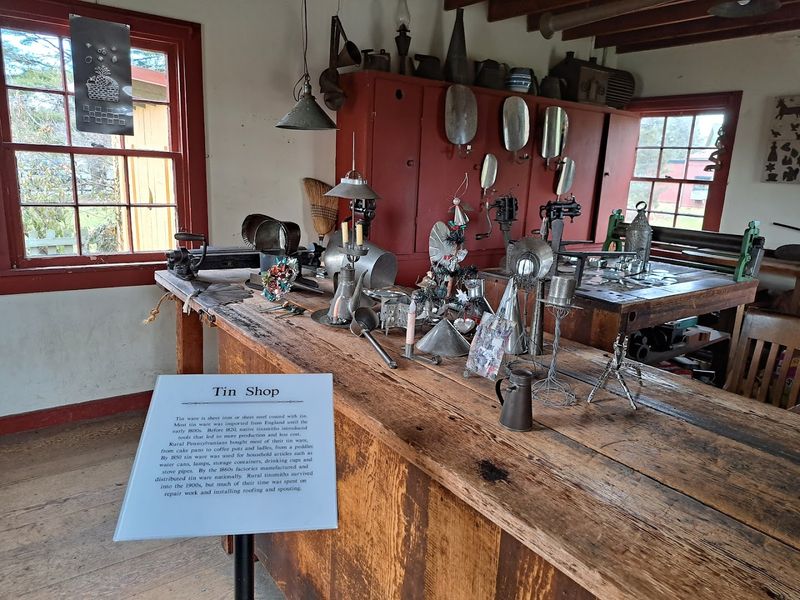
Two of the most underappreciated trades of the 19th century were tinsmithing and gunsmithing, and at Landis Valley, both get the spotlight they deserve. These were not luxury crafts but essential services that kept rural communities running safely and efficiently through every season of the year.
The tin shop is a surprisingly delightful place to explore. Tinsmiths produced everything from lanterns and food storage containers to kitchen utensils and roof flashing, and the workshop at Landis Valley is stocked with tools and finished examples that showcase just how versatile the trade was.
Watching a demonstrator cut, shape, and solder tin by hand gives you a new appreciation for mass-produced goods that most of us take completely for granted today.
The gunsmith shop tells a different kind of story, one about self-reliance, frontier life, and the precision craftsmanship required to build a firearm entirely by hand. Pennsylvania long rifles were among the most respected weapons of the colonial era, and the museum explores that legacy with care and historical accuracy.
Together, these two workshops paint a vivid picture of the specialized skills that rural communities depended on long before hardware stores existed on every corner.
The Landis Brothers and the Story Behind the Museum
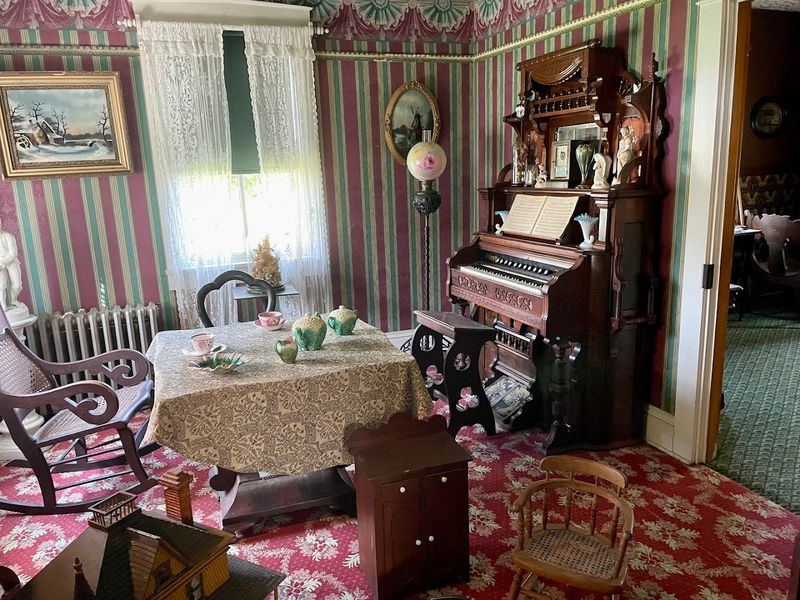
Every great museum has an origin story, and Landis Valley has one of the most charming ones you will ever hear. Brothers Henry and George Landis spent decades quietly collecting artifacts, tools, furniture, and everyday objects from the Pennsylvania German community around them, driven by a simple but powerful belief that these things were worth saving.
What started as a personal passion project on their family farm eventually grew into one of the most significant rural history museums in the entire United States. The brothers had no formal training in museum curation or historic preservation.
They were farmers who cared deeply about their heritage, and that sincerity shows in every corner of the collection they built.
Learning about Henry and George adds a deeply human layer to the Landis Valley experience. One reviewer called it especially interesting to hear about the two men who collected artifacts and founded the museum, noting that their story gave the whole visit more emotional weight.
Today, the Commonwealth of Pennsylvania stewards the museum and continues expanding on the brothers founding vision. Their legacy is a reminder that ordinary people, acting on genuine passion, can create something truly extraordinary that outlasts them by generations.
Seasonal Events and Fall Festival
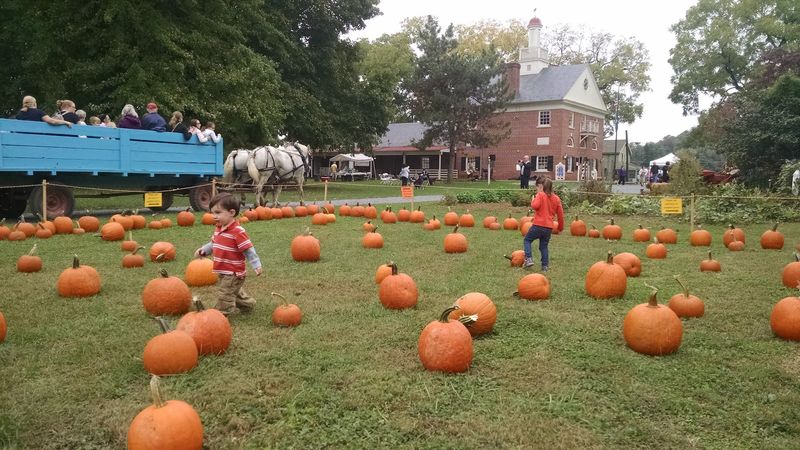
If you think Landis Valley is impressive on a regular weekday, wait until you see it during one of its seasonal events. The fall festival in particular has earned a devoted following among Lancaster County families, drawing crowds who come specifically to experience the museum at its most festive and community-centered best.
During fall events, the already-vibrant village transforms into something truly special. Craft demonstrations ramp up, live music drifts between the buildings, and the heirloom gardens glow with harvest-season color.
Local artisans set up alongside museum interpreters, and the whole property buzzes with an energy that feels like a genuine community celebration rather than a staged tourist attraction.
One reviewer summed it up perfectly, calling the fall festival a smash and raving about how wonderful it was to see so many families enjoying the season together. Spring and summer events are equally worthwhile, with programs focused on planting traditions, craft fairs, and heritage cooking.
Checking the museum calendar before you visit is always a smart move, because catching Landis Valley during a special event turns a great day trip into an unforgettable one. The museum website at landisvalleymuseum.org keeps the event schedule current and up to date.
Guided Tours and Knowledgeable Interpreters
You can absolutely explore Landis Valley on your own and have a wonderful time, but if you really want to unlock the full depth of this place, joining a guided tour is the way to go. The interpreters here are not just reading from a script.
They are genuinely enthusiastic people who have spent years studying Pennsylvania German history, and that passion comes through in every story they tell.
Reviewers have singled out specific guides by name, including Ashley, Emma, and Nancy, praising them for being knowledgeable, warm, and skilled at making history feel personally relevant rather than dusty and distant. One visitor described their guide as providing so many interesting facts and details about life back then that the tour felt less like a lesson and more like a conversation with someone who actually lived through it.
Guided tours are included with general admission and typically run between ninety minutes and two hours, depending on the group and the questions visitors bring. For smaller groups, guides often tailor the experience to the specific interests of the people in front of them, making each tour feel uniquely personal.
Even repeat visitors frequently discover something new when they take a tour with a different interpreter on a return trip.